
Figure 01. The distinctively big-billed fruit-eating Ramphastidae family of toucans enjoy a tree-hugging lifestyle.
This is the second of several blogs about the Piciformes order of birds and its nine highly diverse families. The first blog in this series introduced the order and three of the nine families: Galbulidae, jacamars; Bucconidae, puffbirds; and Indicatoridae, honeyguides, https://bird-brain.org/2026/08/30/piciformes-tree-hugging-birds-part-1/ .
Ramphastidae Family of Toucans
(37 Species)
The current blog introduces the Ramphastidae family of toucans and some of its members, as follows:
- Etymology
- Taxonomy
- Appearance
- Voice
- Range (Distribution) and Habitat
- Food and Foraging
- Resting and Roosting
- Social Behavior
- Breeding
- Conservation Status
- Relationship with Humans
- Ramphastidae, Toucans: Five Genera
- References
Future blogs will investigate the other five families: Capitonidae, New World (Americas) barbets; Semnornithidae, toucan barbets (of Central America and northern South America); Megalaimidae, Asian barbets; Lybiidae, African barbets; and Picidae, woodpeckers and allies (verging on global).
Etymology
The Ramphastidae family is aptly named from the Greek rhamphos, “beak,” with the suffix -astus, “huge.” In some species of toucans, the bill can be more than half as long as its total body length. Its common name, toucan, comes from Guarani, an indigenous language of Paraguay, related to the broader Tupian family of about 70 indigenous languages of South America. The Guarani word tukã and the Tupi word tukana refer to this bird’s croaking call.
Taxonomy
In 1825, ornithologist Nicholas Aylward Vigors described the Ramphastidae family of toucans, which now includes 5 genera (singular, genus), across 37 species:
- Aulacorhynchus, 8 species, green toucanets
- Pteroglossus, 12 species, aracaris
- Ramphastos, 7 species, often called “true toucans”
- Selenidera, 6 species, toucanets
- Andigena, 4 species, mountain toucans
Their lineage traces back as far as the early Pleistocene era (about 2.5 million years or so ago). A detailed taxonomy is kingdom Animalia, phylum Chordata, class Aves (all living birds, including about 45 orders), order Piciformes, suborder Pici, infraorder Ramphastides, family Ramphastidae. Whew!
Barbets are relatives, with the Capitonidae and the Semnorthidae families their closest relatives, but recent studies have not made clear the exact relationships among these families. Ornithologists have noted that the hornbills of Africa and Asia share many similarities in appearance and lifestyle with the toucans of the Americas; these similarities arise due to convergent evolution, not to genetic ties.
Appearance
The following description of the toucan’s appearance has been adapted from my earlier blog, https://bird-brain.org/2025/04/02/toucans-parker-aviary-san-diego-zoo/#R-Description .
Size
Toucan bodies are short, compact, and ovoid, ranging in size from small to medium. The Lettered Aracari (Pteroglossus inscriptus) is about 11 inches (28 cm) long and weighs about 4.6 ounces (130 g); the male Toco Toucan (Ramphastos toco) is about 22 inches (56 cm) long and weighs about 28 ounces (794 g). The male Keel-billed Toucan (Ramphastos sulfuratus) is also about 22 inches long but weighs just 15 ounces. (Another source suggests maximum length is 25.5 inches, 65 cm; maximum weight is 30.3 ounces, 680 g.) The females of many toucan species weigh less than the males, and they have shorter, deeper bills.
Shape
The toucan’s medium-large head sits atop a short thick neck. Its rounded wings are small to medium length (about the same as their body length) but adequate for short flights in woodsy habitats. Most of the larger toucans have rather weak flight, unable to sustain height over long distances (e.g., when crossing a river). When a group of toucans is going to cross a river, the whole group will climb to the treetops, then one after another, they’ll take off, single file. The smaller toucans, such as the aracaris, tend to fly more swiftly and directly.
Their rounded tails vary in length across species, from about a quarter of the total body length to half the length of the body (e.g., the aracaris). A toucan uniquely has tail vertebrae that allow it to snap its tail up and over its body to touch its head so that the tail sticks out over the top of the head; they typically use this pose when sleeping.
Toucan legs and feet are typically strong and short, ending in four zygodactyl toes, two pointing forward and two pointing backward. Toucan legs and toes allow them to move about in the woods deftly, whether hanging from branches or climbing up and down vertical tree trunks.
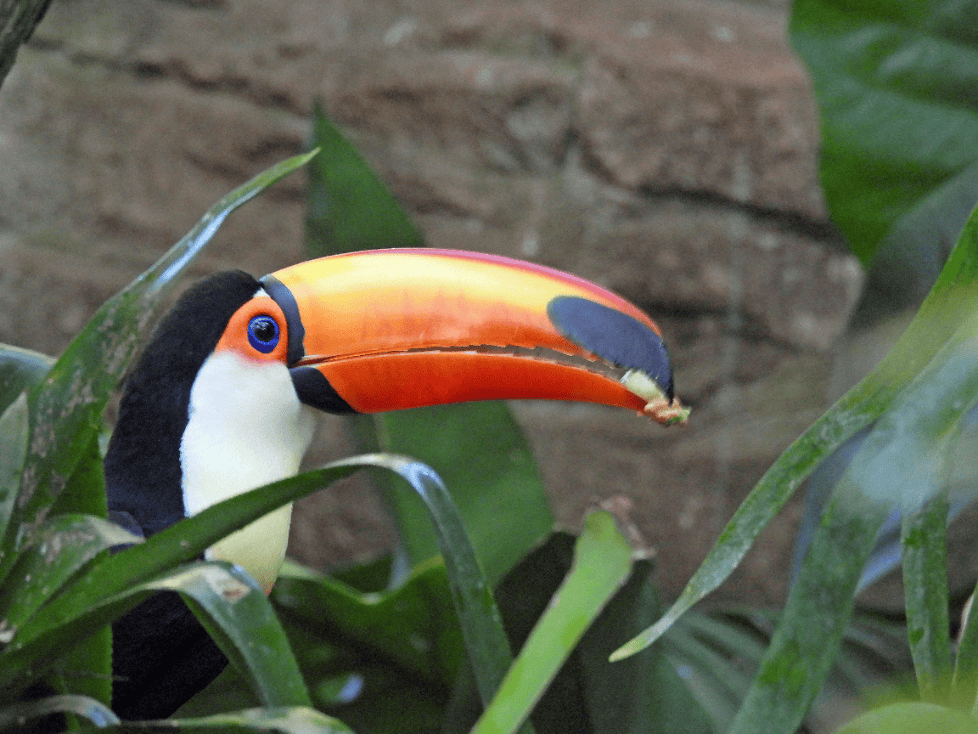
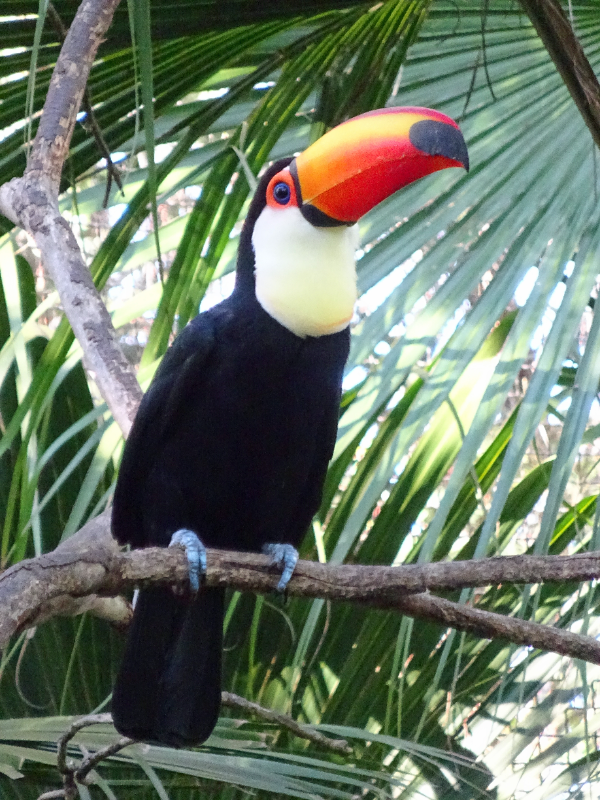
Figure 02. Toucan bills serve many important functions: cooling, grabbing food, eating, preening, wooing, defending, and more. In addition, their zygodactyl toes (right) make it easy to land on and to grasp tree branches, beautiful adaptations to their forest lifestyle.
Bill
Most people recognize a toucan for its most distinctive feature: its bill. Enormous (often more than half the total body length) and decurved (curves downward), it’s deep (top to bottom) but is laterally compressed (narrow, side to side). Its nostrils sit atop the base of the bill. Among some species, female toucans have shorter, deeper, and slightly less curved bills.
For many species, the bill is mostly black, with a colorful band along the top, but many others have colorful, often decorative bills with more complex color patterns (blue, green, yellow, chestnut, orange, red). Despite its size, the bill is lightweight, made of networks of thin bone struts surrounded by spongy fibers and wrapped by a tough thin keratin sheath. Along the edges of the bill are forward-facing spiky serrations, which make it easy to grab and manipulate fruits, insects, and some small vertebrates. The bill’s large size allows the toucan to extend its reach when plucking fruits or insects from its perch, such as to grab food from a thin twig that wouldn’t support its weight. It can also reach deep into tree-holes to steal the eggs or nestlings of birds who nest in cavities or in woven hanging nests.
The toucan also uses its big bill for courting (e.g., offering food), mutual preening, dominance contests, defense, and even play — tossing fruits from one toucan to another. Scientists have discovered that the bill’s large surface area aids in thermoregulation, radiating excess tropical heat, especially when it’s windy. Toucans may be able to modify the blood flow to their bills, increasing or decreasing the radiant effect; it’s been suggested that for its size, it’s as effective at dispersing heat as are elephants’ ears. When sleeping, a toucan can minimize heat loss by tucking its bill under its wings.
Figure 03. A toucan’s bill has seemingly limitless uses, not the least of which are to regulate body temperature and to reach distant locations, such as a rump.
Toucans also have long, narrow, highly sensitive tongues — up to 6 inches (15 cm) long. The sides are frayed, increasing the surface area and increasing the tongue’s sensitivity; a brushlike tip has also been seen. (For more about toucan bills, see my blog, “Big Bills,” https://bird-brain.org/2025/01/10/big-bills/#Toucans .)
Coloration: Plumage and Bare Skin
Very few female and male toucans show sexual dimorphism (differences in appearance between males and females) in their coloration — the only exception being the Selenidera genus of toucans (nicknamed “dichromatic toucanets”). The five different genera each have distinctive color themes. For instance, Ramphastos, mostly black upperparts, with brightly colored underparts; Aulacorhynchus almost all lime green above/below, with distinctive bill colors; Selenidera two-toned, mostly black and olive green; Pteroglossus typically black head and neck, green upperwings, yellow underparts with bands of color; and Andigena black head, gray underparts, dark tails, copper and green and yellow wings and back.
The bare orbital skin (surrounding their eyes) distinctively attracts attention, whether it’s black, red, yellow, blue, purple, orange, green, or two-toned. Even the iris of both eyes may be colorful (e.g., lemon yellow, crimson red, or powder-blue), and some have irises with unusual shapes.
Voice
In addition to the frog-like croaking call that gives them their Tupi name, toucans make growling, grunting, rattling, or barking sounds. Toucans in the Andigena genus of mountain toucans have been heard braying, like donkeys. Toucans also clatter, strike, or tap their bills, and their primary wing feathers sometimes make loud rustling sounds. To hear the variety of sounds they make, you can find more than 2,900 sounds, from 43 species of Ramphastidae at https://xeno-canto.org/explore?query=ramphastidae .
Range (Distribution) and Habitat
Toucans dwell solely in the neotropical Americas, from southern Mexico, through Central America, to South America as far as northern Argentina. They haven’t made it to the Caribbean Islands because that would have necessitated flying long distances over open ocean — not something they’re suited to doing. Like other Piciformes, they’re woodland specialists, anywhere from lowland rainforests through open woodlands to montane cloud forests (e.g., the Andigena genus) — pretty much anywhere with suitable trees in their range. The only slight exception to this rule is that the Toco Toucan can be found in savannahs or other locations with only patches of woodlands. Even this species requires big old dead trees for its nest cavities.
Toucans don’t migrate, but some do move up or down in elevation in response to seasonal changes, and they will move in response to the need to find an abundance of food.
Food and Foraging
The following description of the toucan’s food habits has been adapted from my earlier blog, https://bird-brain.org/2025/04/02/toucans-parker-aviary-san-diego-zoo/#R-Diet-and-Foraging .
Toucans eat mostly fruit, readily dispersing fruit seeds around the forest. In addition, many toucans eat arthropods (e.g., insects) and small vertebrates (e.g., frogs, lizards). Some also prey on the eggs and chicks of other birds (much to the chagrin of other birds!). Toucans are especially predatory when feeding chicks of their own.
Figure 04. Fruits figure prominently in the toucan diet, and their huge bills easily manipulate fruits, tossing them back to be swallowed.
To eat, a toucan positions the food in the tip of its bill, then tosses the food back into its throat to swallow. When eating food too large to be swallowed whole, a toucan holds it with its feet and uses its bill to pull off bits, tossing the bits back into its throat.
Resting and Roosting
Smaller species of toucan are more likely to roost and sleep in tree cavities, whereas the larger species (e.g., Ramphastos) usually roost and sleep on large branches.
Social Behavior
Toucans are particularly gregarious and sociable most of the year, typically hanging out in groups of 20 or more birds outside of breeding season. It’s not unusual for them to be seen singly or in pairs, but it’s also common for even larger groups of toucans to form whenever a particular location has a proliferation of fruits, while the abundant food supply lasts.
It’s thought that their sociability may be facilitated by their fruity diet; fruits can take up to 75 minutes to digest before the toucans are ready to eat again. During this lag time, they have plenty of opportunities for socializing. Among their activities are play behaviors, such as jousting with bills, tag-chasing, and calling to one another. Many of these play activities may be helping to establish dominance hierarchies (pecking orders) within the group.
During breeding season, monogamous pairs leave the group to raise their families; after breeding season, they return to the group, often with their offspring.
Breeding
The following description of the toucan’s breeding behavior has been adapted from my earlier blog, https://bird-brain.org/2025/04/02/toucans-parker-aviary-san-diego-zoo/#R-Breeding .
Toucans nest in tree cavities, but just a few species (e.g., Aulacorhynchus genus of green toucanets) excavate their own nests, digging into soft, rotted wood, which they usually line with wood chips and regurgitated fruit seeds. More often, toucans find natural holes, or they enlarge cavity nests originally excavated by other Piciformes, such as woodpeckers or barbets. Also, a few species use burrows in earthen banks, either using existing burrows or excavating their own. Their bills are highly versatile but not really great as pick-axes or shovels.
Toucans are monogamous. Both parents incubate their eggs (1–5 eggs, 12–20 days) and care for their young. Their altricial chicks hatch blind, featherless (no down), and helpless; they don’t even open their eyes for the first two or more weeks. The nestlings stay in the nest about 40–60 days. Even after leaving the nest, chicks are still fed by both parents for up to 6 weeks more. Some toucan species (e.g., Pteroglossus aracaris) breed cooperatively, with helpers for the breeding pair, starting after the eggs have hatched; parents still do all the incubating.
Figure 05. This Toco Toucan juvenile is independent now, but it was once carefully nurtured by both of its parents.
Conservation Status
For all species of toucans, habitat degradation and destruction threatens their well-being, as it does for many other birds of the neotropical woodlands. For 64.9% of toucan species, however, their IUCN Red List conservation status is LC, Least Concern. For others, however, their conservation status is more imperiled, largely due to their having a small territorial range or their living near growing populations of humans. Humans also more directly threaten toucans through hunting and trapping them, to use as food or in traditional medicine, to decorate with their brilliant plumes, or to keep or sell as pets. Unfortunately, their sociability makes it easy for hunters to find groups of toucans in one place.
These four toucan species have a conservation status of NT, Near Threatened:
- Yellow-browed Toucanet, Aulacorhynchus huallagae
- Plate-billed Mountain-Toucan, Andigena laminirostris
- Saffron Toucanet, Pteroglossus bailloni
- Keel-billed Toucan, Ramphastos sulfuratus
Figure 06. Plate-billed Mountain Toucans are among the four most imperiled species of toucans, with a conservation status of NT, Near Threatened.
For three other toucan species, the conservation status is more complex, with some subspecies more imperiled than others:
- Red-necked Aracari, Pteroglossus bitorquatus, one subspecies (sturmii), Near Threatened; two other subspecies, EN, Endangered
- White-throated Toucan, Ramphastos tucanus, one subspecies, “Red-billed Toucan,” VU, Vulnerable; cuvieri subspecies, LC, Least Concern
- Channel-billed Toucan, Ramphastos vitellinus, has these subspecies:
- subspecies citreolaemus and ariel, NT, Near Threatened
- subspecies culminatus, pintoi, and vitellinus, LC, Least Concern
Relationship with Humans
The charming appearance and sociable behavior of toucans has made them popular not only to their neighboring humans, but also through the media, including marketing. In the 1800s, ornithologist John Gould introduced toucans to a wider audience by publishing two editions (1833–1835, 1st edition; 1852–1854, 2nd edition) of his A Monograph of the Ramphastidae, or Family of Toucans, exquisitely illustrated by his wife, Elizabeth Gould. Her illustrations and his text popularized toucans.
Since then, toucans have been used in advertising about stout beer (Guinness) and breakfast cereal (Froot Loops). The toucan has been claimed by the Brazilian Social Democracy Party and by the Ecologist Green Party of Mexico. It has appeared on TV (e.g., Dora the Explorer and a British TV cartoon) and in Nintendo Pokémon games. Toucans even have a namesake constellation, Tucana.
Figure 07. Toucans (such as these two young Toco Toucans) enjoy playing and hanging out together, and we humans find them endlessly appealing.
Ramphastidae, Toucans: Five Genera
Aulacorhynchus
The genus name Aulacorhynchus comes from Greek aulax (or aulakos), meaning “furrow,” and rhunkhos, meaning “bill” or “beak,” and most of this genus’s 8 species do have grooved maxilla (upper jawbone or bill), to a greater or lesser extent. Nicknamed “green toucanets,” all have mostly lime-green plumage (often with colorful accents on head, breast, rump, belly, or tail), as well as colorful bills (black with yellow or maroon or ivory). The two Emerald Toucanet species are among the smallest of all toucan species, at 12–14.5″ (30–37 cm) long — also the most widespread of the green toucanets, with a range extending north into Mexico. The other 6 species reside in the moist or even wet montane forests of northern South America.
- Blue-banded Toucanet
- Chestnut-tipped Toucanet
- Crimson-rumped Toucanet
- Groove-billed Toucanet
- Northern Emerald Toucanet
- Southern Emerald Toucanet
- Tepui Toucanet
- Yellow-browed Toucanet
Pteroglossus
The genus Pteroglossus consists of 12 species of small to medium-sized toucans, 11 of which are called aracaris:
- Black-necked Aracari
- Chestnut-eared Aracari
- Collared Aracari
- Curl-crested Aracari
- Fiery-billed Aracari
- Green Aracari
- Ivory-billed Aracari
- Lettered Aracari
- Many-banded Aracari
- Pale-mandibled Aracari
- Red-necked Aracari
- Saffron Toucanet
The Saffron Toucanet looks quite different from the other 11 species (aracaris), with its saffron and brownish plumage; previously, it had been placed in its own separate genus. Now, however, it’s believed to fit better within the Pteroglossus genus, despite its distinctive appearance. The other 11 species have green wings and tails, red rumps, and a colorful head (often black plumage with colorful skin surrounding the eyes) and belly (often yellow with horizontal bands of color). All 12 species have multicolored bills with strikingly visible serrations along each side.
The name Pteroglossus comes from the Greek words, pteron, meaning “wing,” and glossa, meaning “tongue,” probably referring to their long fringed tongues; the fringing may be an aid to catching and eating insects. The common name for 11 of the species, “aracari,” comes from the indigenous Brazilian Tupi language. These Pteroglossus toucans can be found from Mexico to as far south as Paraguay in South America.
Ramphastos
Figure 08. The Ramphastos genus includes the largest toucan species, such as this Toco Toucan.
The 7 species of the Ramphastos genus (called “true toucans”) include the largest of the toucan family:
- Channel-billed Toucan
- Choco Toucan
- Keel-billed Toucan
- Red-breasted Toucan
- Toco Toucan
- White-throated Toucan
- Yellow-throated Toucan
Their genus name comes from Greek, rhampos, meaning “bill” or “beak,” and -astus, which is “augmentive,” the opposite of “diminutive” — in other words, BIG. Pretty apt for a genus of birds with ginormous bills. All 7 species have mostly black plumage on the cap of the head, back, wings, and most of the tail, as well as a red undertail. Typically, near the rump is a patch of red, yellow, white, or orange feathers, differing across species. The throat and breast may be yellow, white, or orange-ish. The bare skin surrounding each eye is vividly colorful and distinctive for each species.
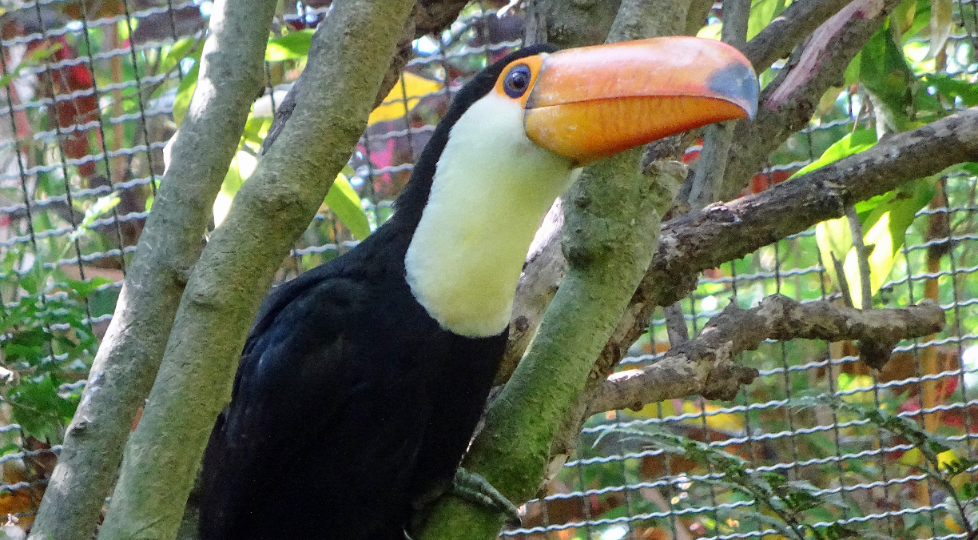
The Toco Toucan (Ramphastos toco) — largest of all toucan species and most likely to appear on a cereal box — is the one toucan species that can be found outside of forests, though it still sticks to the edges of forests, orchards, and other woodlands. The other 6 species stick to forests in lowlands or on the lower slopes of mountains. Many observers consider the Keel-billed Toucan (Ramphastos sulfuratus) to have the most beautiful bill, with its chartreuse, turquoise, maroon, and orange coloration (see https://search.macaulaylibrary.org/catalog?taxonCode=kebtou1 , e.g., https://macaulaylibrary.org/asset/664345584 ). For more information on these two species (both of which have dwelled in the San Diego Zoo’s Parker Aviary), please see my blog, https://bird-brain.org/2025/04/02/toucans-parker-aviary-san-diego-zoo/ .
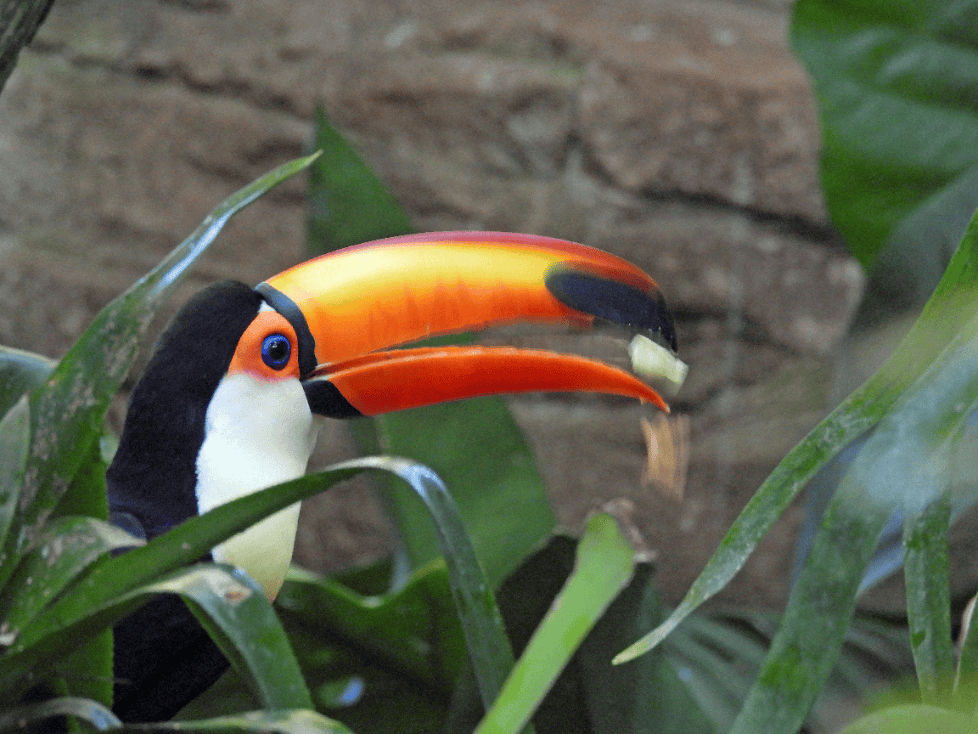
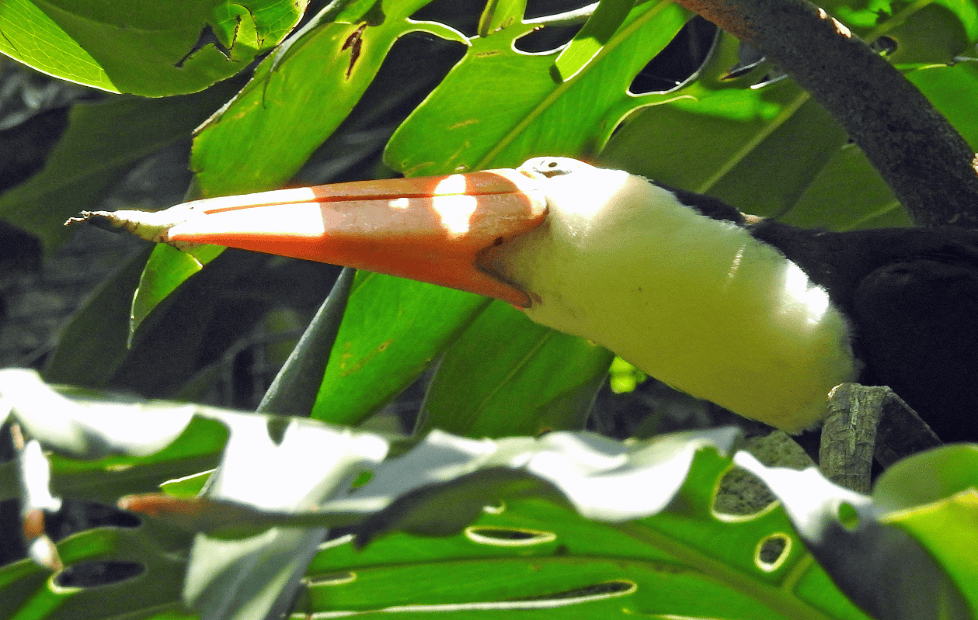
Figure 09. These two views show a Toco Toucan’s bill in action (left, adult; right, juvenile).
Selenidera
The vast majority of Piciformes birds show little or no sexual dimorphism. The Selenidera toucans are an exception. The six toucans of the Selenidera genus are often called “dichromatic toucanets,” for good reason. They typically have olive-green wings, and either black cap and breast (males) or red/rufous or gray (females), in addition to other colors on the tail, legs, and undertail.
Both males and females have a bright-yellow partial collar extending from beneath the eyes toward the back of the neck, which may be the referent for the etymology of the genus name Selenidera. In Greek, selene means “moon,” and dera means “neck” or “throat.” Perhaps early observers considered the yellow collar to be moon-shaped? Their common name, “toucanet,” ends in “-et,” which aptly suggests that they’re small toucans.
- Golden-collared Toucanet (see, e.g., https://macaulaylibrary.org/asset/201670181, video)
- Gould’s Toucanet
- Guianan Toucanet
- Spot-billed Toucanet
- Tawny-tufted Toucanet
- Yellow-eared Toucanet
Though they look similar, they have discrete ranges, so there’s little risk of confusion. Four species inhabit the low woodlands of Amazonia, but one species is found in Central America and one dwells in the forests of southeastern coastal Brazil.
Guianan Toucanet, Selenidera piperivora
Taxonomy
The Guianan Toucanet’s taxonomic classification is kingdom Animalia; phylum Chordata; class Aves; order Piciformes; family Ramphastidae; genus Selenidera; binomial name Selenidera piperivora; common name Guianan Toucanet. Acclaimed taxonomist Carl Linnaeus described this species in 1758, originally placing it in the Ramphastos genus, based on an exemplar from Brazil. In 1827, ornithologist Johann Georg Wagler reclassified and renamed it as Selenidera culik, but in the 1900s, further study led to its current binomial scientific name, Selenidera piperivora. It is monotypic, having no subspecies.
Appearance
Fittingly named as small toucans, Guianan Toucanets weigh just 4.6–5.8 ounces (females, 4.7–5.8 ounces, 132–165 g; males, 4.6–5.6 ounces, 129–159 g). (A baseball weighs about 5 ounces, as do 5 AA batteries.) They’re about 13–13.8 inches (33–35 cm) long, bill tip to tail tip; wings are 4.5–4.7 inches (11.4–12 cm), and tails are 3.6–4 inches (9.1–10.3 cm). Their tarsus length is just 0.8–1.5 inches (2–3.7 cm), ankle to toes.
Compare that tarsus length with this toucanet’s bill length (culmen) of 2.6–3.2 inches (6.6–8.1 cm); even its bill depth (top to bottom) is 0.9 inches (2.3 cm) and bill width is 0.7–0.9 inches (1.9–2.2 cm). Though the female’s bill is slightly shorter, both sexes have the same color pattern of mostly black on the maxilla (top bill or jawbone), mostly red on the mandible (bottom bill or jawbone), with some red at the base of the top maxilla and some black at the tip of the bottom mandible. Closeups reveal a yellow-chartreuse line at the bill’s base.
Turquoise-blue bare skin surrounds each eye on both sexes, and both have the characteristic Selenidera collar of yellow plumes extending back from the eye toward the nape of the neck.
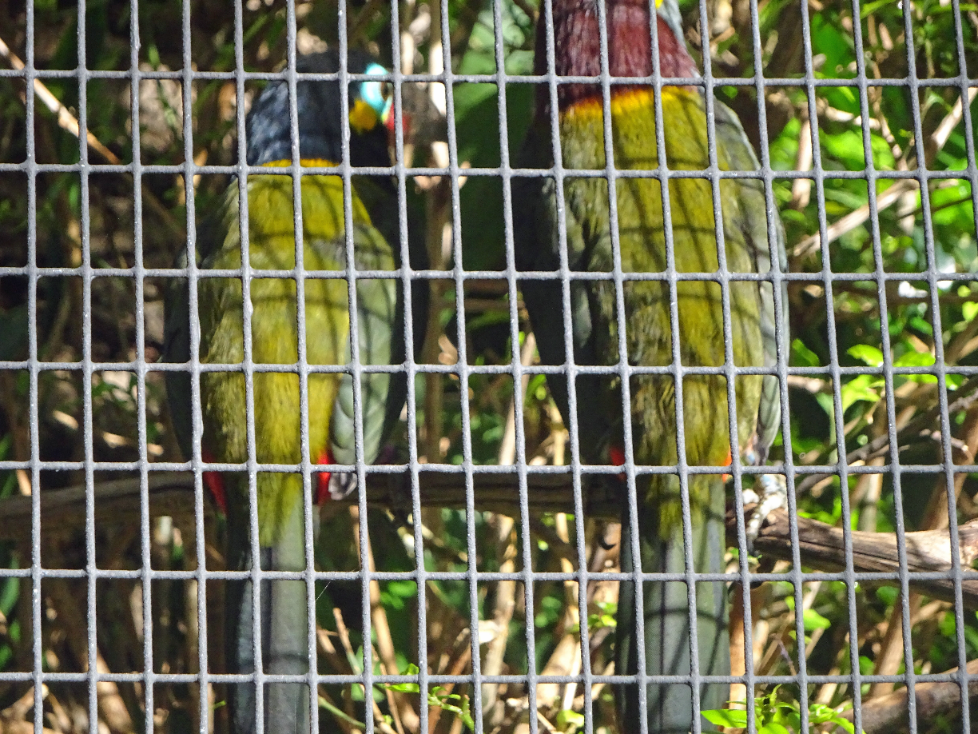
Figure 10. As this dreadfully poor-quality photo shows, unlike most other Piciformes species, Guianan Toucanets show sexual dimorphism, with the male (left) having different head plumage color (i.e., black) than the female (right, reddish-brown).
The plumage of male and female are similar, too. Both have a black cap and olive-green upperparts. Both have an olive-green tail, with chestnut-brown tips and a red undertail. On the neck and underparts, the male’s plumes are mostly black, with a narrow goldenrod band separating the head from the back.
The female is mostly gray from the sides of her neck down her breast toward her belly, which becomes grayish-chartreuse as it extends toward her undertail. (See https://macaulaylibrary.org/asset/659129313 for a full frontal view of the female’s plumage.) The nape of her neck is chestnut brown, and her yellow partial collar is more muted than it is on the male. To compare side views of male and female, please see https://macaulaylibrary.org/asset/659129315 .
Immature toucanets have similar coloration, but their plumage is duller overall, and their bill color is less distinctively patterned.
Sounds and Vocal Behavior
Though the Guianan Toucanet doesn’t vocalize as often as some other toucans, it has a larger vocal repertoire than most other Selenidera toucanets, as can be heard among the 49 recordings available at https://xeno-canto.org/species/Selenidera-piperivora . Some utterances sound guttural and froglike, others are soft rattles, loud squawks, rooster-crows, or even long screams. They may vocalize during courtship feeding, at the nest, or during aggressive behavior.
Distribution, Habitat, and Migration
The Guianan Toucanet may be found in southeastern Venezuela, the Guianas (French Guiana, Guyana, Suriname), and northern Brazil (north of Amazonia) (see a range map at https://ebird.org/map/guitou1 ). Its latitude extends from −3.26 to +8.42 degrees, the neotropical zone, and it can be found as high as 3,000 feet (900 m), though it’s more typically found below 2,000 feet (600 m). Total range is estimated at 678,000–783,000 square miles (1,091,000–1,260,000 km²).
The Guianan Toucanet prefers moist tropical and subtropical lowland forests to hilly forests, and it chooses primary forests (untouched) over secondary forests (recovered after selective logging). These toucanets also inhabit swamp forests, taigas, and even gallery forests (which grow alongside waterways) within savannahs or grasslands. Within their range, they often compete with woodpeckers (another Piciformes family) for nesting cavities and roosting trees.
The Guianan Toucanet is observed to reside year-round throughout its range, without migrating.
Food and Foraging
Though Guianan Toucanets eat mostly (90%, per Avibase) fruits (e.g., figs and palm fruits), they also consume some insects, and possibly sometimes seeds. These toucanets are mostly frugivores, which eat fruit, as well as fugivores, which perch in trees and eat fruits. In captivity, they’ll eat a variety of fruits, as well as a few fruit vegetables (e.g., squashes, peppers) and some seeds (e.g., maize, peas). They’ll eat an assortment of adult and larval insects but won’t touch worms, slugs, or some other invertebrates (and no vertebrates!). Typically, they forage during daytime, in pairs or perhaps in small groups, occasionally near other species of birds. They typically focus on the mid-story, below the upper canopy of trees.
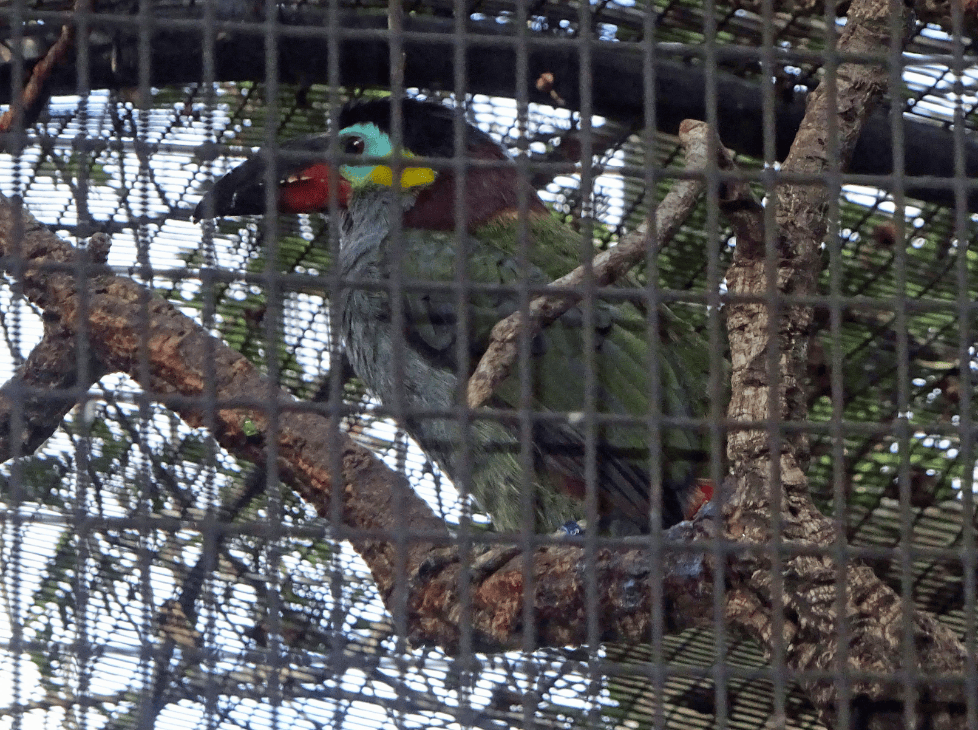
Figure 11. Guianan Toucanets glean fruit from a perch, rather than flitting about in pursuit of food.
Breeding
The male Guianan Toucanet courts his prospective mate by feeding her, mutually allopreening with her, and singing to her while raising his head. The pair typically finds the nest cavity of a woodpecker to use as their own nest — often booting out the current occupant. The female lays 2–3 white eggs in their nest, and incubation begins as soon as the first egg is laid. Typically, the male incubates for 70% of the daylight hours, and the female incubates the rest of the time (day and night). Incubation typically takes 16 days. The time needed between hatching and fledging is not yet known. Captive pairs have been able to breed in captivity, using nestboxes, and have been observed laying up to 4 eggs. The age at first breeding is estimated at 1.8 years. Average generation length is 4.1–4.9 years.
Survival and Conservation Status
The average annual survival rate for adult Guianan Toucanets is 73%. Maximum documented age for this species is 13.6 years. The IUCN Red List conservation status for this species is LC, Least Concern. They have a very large range, where it is commonly found. Though the population size isn’t known, it’s not declining rapidly (about 8% — 1–17% — over three generations, 21 years).
Though it has been exploited in the pet trade (as a breeder bird or a pet), the prevalence of this trade has been low. Another factor in its favor is that despite its formidable bill, it has a small size, making it easier to find fitting nest cavities, compared with larger toucans. There are conservation sites within its range, but there don’t appear to be many other conservation actions taken on its behalf. On the other hand, conservationists anticipate that given the current levels of Amazonian deforestation, it may lose 13–16% of suitable habitat over the next three generations, and its population may decline up to 25% during that time.
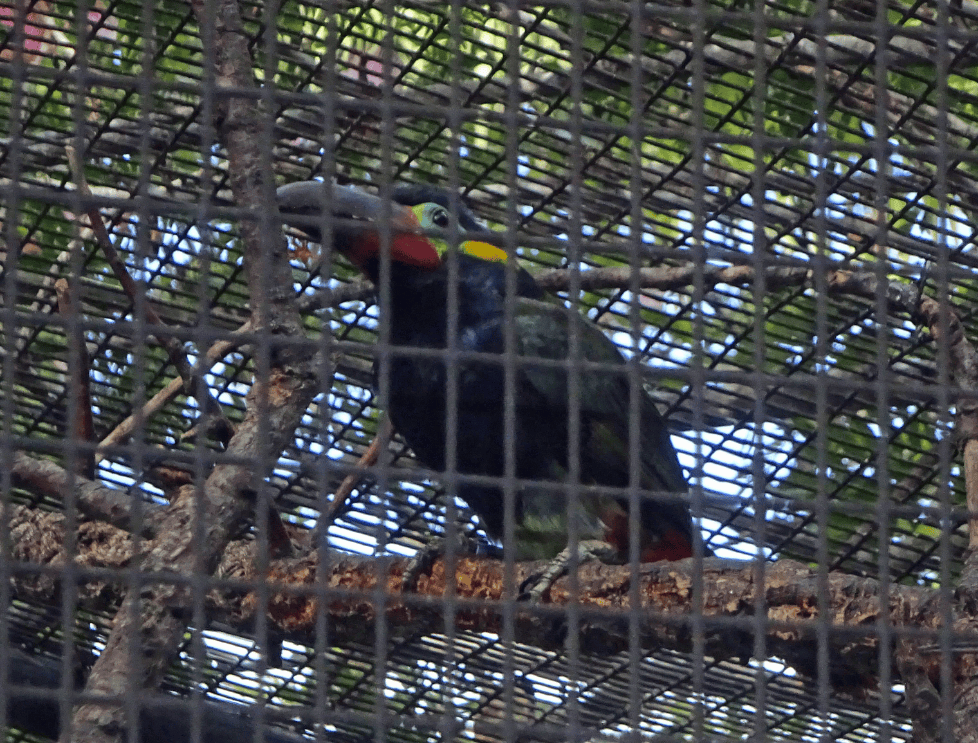
Figure 12. For now, the Guianan Toucanet has a conservation status of LC, Least Concern, but conservationists fear that continued deforestation and other threats to its habitat may imperil it in the future.
Currently, this species is held in captivity in 6 holding institutions, across 4 countries. The IUCN says currently there are 19 Guianan Toucanets total, including 12 males, 6 females, and 1 unsexed (presumably young) bird.
Observations
The Cornell Lab of Ornithology gathers information from observers around the world through the eBird app and website (https://ebird.org/species/guitou1 ), with 2,704 observations, 349 with photos, and 81 with audio recordings of this species. Also, the lab’s Macaulay Library website (https://search.macaulaylibrary.org/catalog?taxonCode=guitou1 ) holds 650 photos, 85 audio recordings, and 49 videos.
In addition, iNaturalist gathers observations with its app and its website (https://www.inaturalist.org/observations?taxon_id=18512 ), which has 170 observations, each one including a photograph, audio recording, or video. For instance, you may enjoy seeing these females, https://www.inaturalist.org/observations/150651588 , https://www.inaturalist.org/observations/152614669 ; and this beautiful male, https://www.inaturalist.org/observations/163243866 .
Andigena
By definition, the mountain toucans of the Andigena genus live in the forests along the slopes of the Andes mountains (Andi, Andes; gena, Latin for “beget”; loosely, “born in the Andes”), from Colombia and Venezuela in the north to Bolivia in the south. All four species are quite large and have soft, dense, loose plumage, which traps and holds an insulating layer of air, highly adaptive for living in their chilly mountainous habitats.
- Black-billed Mountain-Toucan
- Gray-breasted Mountain-Toucan
- Hooded Mountain-Toucan
- Plate-billed Mountain-Toucan
For photos and the geographic range of each species, please see https://en.wikipedia.org/wiki/Mountain_toucan . All four mountain toucans have a black cap; bluish-gray underparts, from chin to belly, with a red vent; variously hued green, copper, brown back and wings, accented with yellow, green, or black; grayish or greenish-brown tail and undertail, usually with a reddish tip ; a yellow or chartreuse rump; red or rufous with gray on their densely feathered thighs and tibias. The multicolored bill may be black, orange, yellow, chartreuse, and red in a distinctive pattern for each species, and each eye is surrounded with colorful bare skin, typically turquoise and yellow.
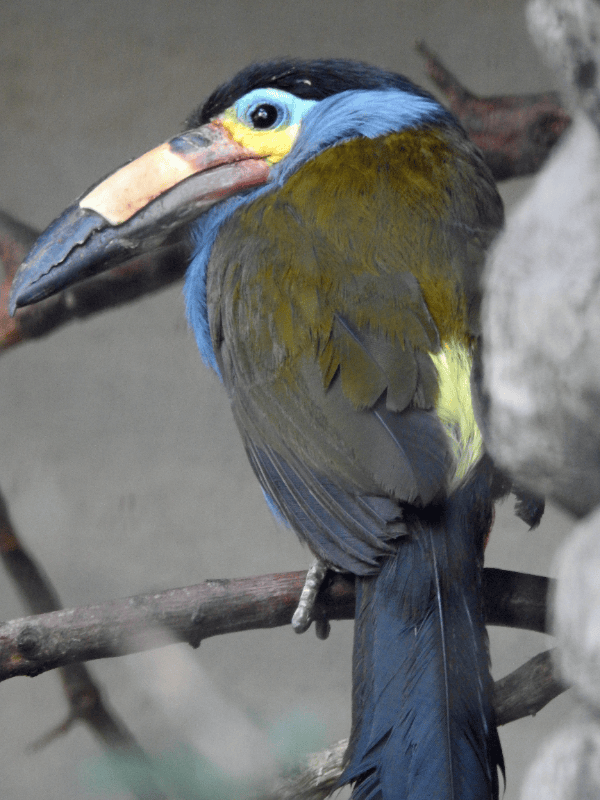
Figure 13. This Plate-billed Mountain-Toucan is showing its colorful plumage, bare skin, and bill.
Plate-billed Mountain-Toucan, Andigena laminirostris
The binomial suffix laminirostris comes from Latin, lamina, meaning a thin plate covering a surface; and rostrum, the bill or beak. The Plate-billed Mountain-Toucan appears to have a yellowish “plate” along the sides of its bill.
Taxonomy
The Plate-billed Mountain-Toucan’s taxonomic classification is kingdom Animalia; phylum Chordata; class Aves; order Piciformes; family Ramphastidae; genus Andigena; binomial name Andigena laminirostris; common name Plate-billed Mountain-Toucan. It is monotypic, having no subspecies. In 1851, ornithologist John Gould described a type specimen from Quito, Ecuador, in the Proceedings of the Zoological Society of London (pp. 93–94; see https://www.biodiversitylibrary.org/item/276330#page/141/mode/1up ). (At times, the common name has included “Laminated Hill-Toucan” and other derivations.)
Appearance
The Plate-billed Mountain-Toucan is large, weighing about 9.7–12.5 ounces (275–355 g), with males typically weighing fractions of an ounce (a few grams) more than females. They’re about 16.5–21 inches (42–53 cm) long; of that length, their tails are about 6–7.4 inches (15.3–18.7 cm). Their wings are about 6.3–7.5 inches (16–19 cm) long. Their tarsus (ankle to toes) length is just 1.6–1.7 inches (4–4.4 cm), ending in zygodactylous toes.
Compare the short tarsus length to their long bills — about 3–3.9 inches (7.5– 10 cm) long (female bills are slightly shorter). Their bills are about 1 inch (or slightly more), top to bottom (“depth”) and side to side (“width”), narrowing to a point at the tip. The maxilla has a black stripe down the center, leading to an all-black tip, with the namesake yellowish raised rectangular “plates” on each side of the maxilla. Behind each plate (and below the black stripe) is a red area, which is matched by red on the mandible at the base, which gradually shades into black at the tip.
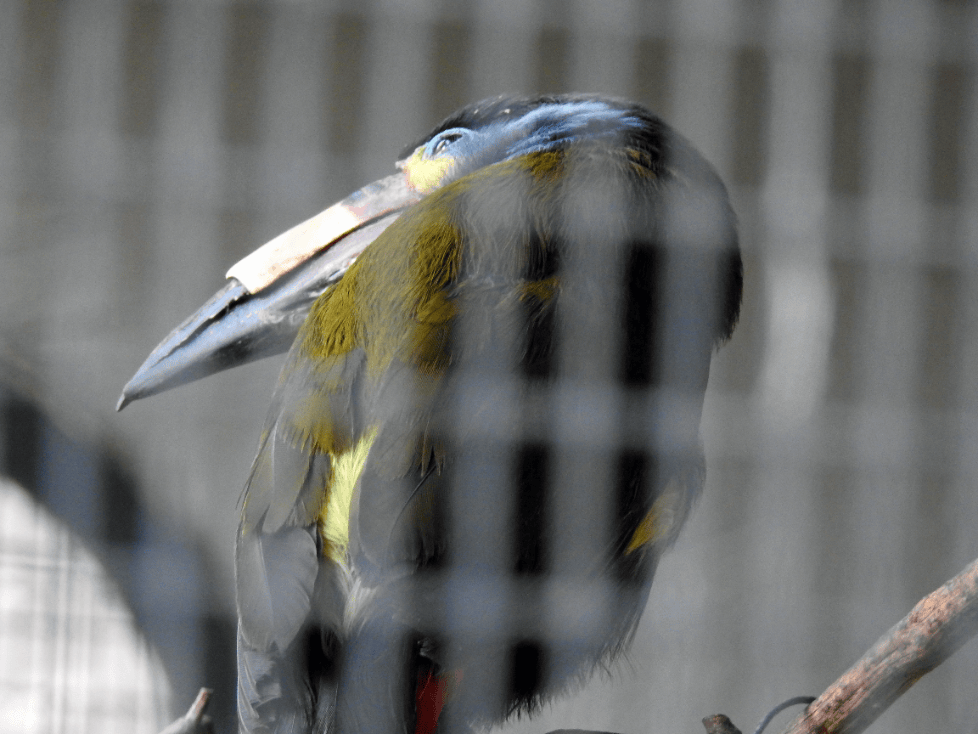
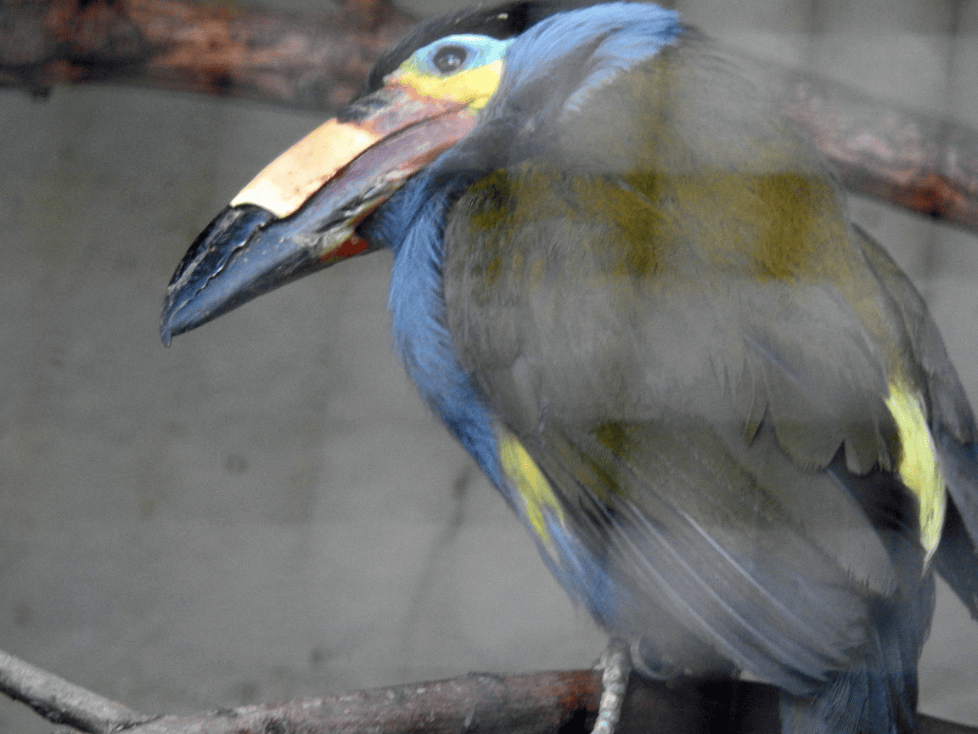
Figure 14. As these photos show, the Plate-billed Mountain-Toucan’s bill is much narrower than it is long, then it narrows further to a point.
On the Plate-billed Mountain-Toucan’s face, bare turquoise skin surrounds each eye, with yellow bare skin just below and in front of the turquoise. The irises are dark brownish red. Females and males have similar plumage, with black feathers extending from the forehead to behind the neck, and bluish gray plumage from the cheeks, chin, and throat down the breast and belly toward a red vent. Above, from the neck down the back toward the rump is bronzy-coppery-green, ending in a yellow rump (often mostly concealed by the wings when not flying). The wings are also coppery-green; the tail is blackish, tipped with brownish red. The flanks have a small yellow patch on top, resting above bluish-gray feathers, which top its chestnut-brown-feathered thighs and tibia, stopping at the tarsus.
Immature Plate-billed Mountain-Toucans are more grayish below, more brownish above, and a grayish-black bill with the only sign of the “plate” being a yellowish area on the side of the bill.
Sounds and Vocal Behavior
The Plate-billed Mountain-Toucan is considered the most vocal of this genus of mountain toucans. In fact, when mates are near one another, they often duet in squeaking, braying “songs,” which include up to 35–42 sound elements per minute. Female vocalizations tend to be at a higher pitch. These toucans typically initiate these songs with rattles (1–3/second), which they make either vocally or by clicking the tongue against the inside of the bill. When not together, pairs may make contact calls to keep in touch. These toucans’ rattles have been heard by observers from more than 0.6 miles (1 km) away. Other sounds they produce include snapping their bills, the begging calls of chicks, and even loud wing flapping. You can hear some of these sounds by visiting https://xeno-canto.org/species/Andigena-laminirostris , which has 84 recordings of this species.
Distribution, Habitat, and Migration
Like the other mountain-toucans of the Andigena genus, the Plate-billed Mountain-Toucan inhabits tropical and subtropical montane forests of the Andes, from Colombia and Venezuela to as far south south as Bolivia (breeding range, −2.19 to + 1.49 degrees latitude). However, they’re particularly concentrated on the western slope of the Andes in Ecuador and southwestern Colombia (see a range map at https://ebird.org/map/pbmtou1 ). They’re typically found between 3,900 feet (1200 m) and 8,530 feet (2600 m) — occasionally up to 11,500 feet (3500 m) or down to 984 feet (300 m).
These mountain toucans also seek out secondary forest, where selective logging has been done, and the tree canopy extends upward about 20–33 feet (6–10 m) high. They prefer humid and wet montane forests, wet enough to support mosses, bromeliads, and epiphytes (e.g., orchids, which grow on the surface of other plants) — averaging about 14 feet (yes, “feet”) of rainfall per year. They may also inhabit temperate forests, swamp forests, shrublands, forested edges on lateral slopes of the Andes, and sometimes even plantations or tree-filled suburban settings.
The Plate-billed Mountain-Toucan’s total range is just 5,540–8,500 square miles (14,349–22,000 km²) — pretty small when compared to the 678,000–783,000 square miles (1,091,000–1,260,000 km²) range of Guianan Toucanets. In its lifetime, an individual Plate-billed Mountain-Toucan may range across 5,520 sq mi (14,300 km²).
Figure 15. Plate-billed Mountain-Toucans aren’t suited to long-distance flight, but they do hop around easily among the trees.
These mountain toucans don’t truly migrate seasonally, but they will migrate altitudinally with changes in the season, sometimes in groups of up to 25 mountain toucans. In all likelihood, these movements relate to the availability of food (i.e., fruit). In pursuit of adequate food supply, groups of mountain toucans may wander extensively.
Breeding
The breeding season differs in different locations (often March–October or June–September), and groups of mountain-toucans typically separate into breeders and nonbreeders, within their home range. Plate-billed Mountain-Toucans are neither the victims nor the perpetrators of brood parasitism. They are, however, notorious for stealing the nests of other birds (e.g., toucan-barbets or woodpeckers), taking over nests from the current occupants, to raise their own families. They may have 0, 1, or 2 broods in a given year. Typically, the nest they steal is a cavity inside a dead tree or stump, about 20–100 feet (6–30 m) above the ground. The parents may also do a bit of extra excavating to make the nest cavity comfy for their family.
Each courting pair postures, displaying and fluffing their plumage (e.g., tail, undertail, and flank feathers); singing; bowing, bobbing, and cocking heads; flicking and lowering tails. In addition, while the female stays close to the nest, the male courtship-feeds her, and she may solicit these feedings. Each copulation lasts about 15–20 seconds. About 2 weeks after the nest has been found and readied, the female starts laying the first of 2–3 white eggs. Both sexes incubate during the day, but the female incubates at night; incubation lasts about 16–17 days.
After the altricial (dependent) Plate-billed Mountain-Toucan chicks hatch, both parents feed their young about 1–2 times/hour; the female typically does so more often than the male, and she usually handles all nest sanitation. The male typically offers more insects than the female, but both parents offer small items to begin with, offering larger fruits only later on. By about 4 weeks, the nestlings open their eyes, and they fledge about 46–60 days after hatching. After that time, the fledglings leave the nest, though they may continue to be fed by their parents for another 2–3 weeks. After that, if the parents are attempting a second brood, they chase the fledglings from their territory. Severe nest predation typically means that only 1–2 chicks live long enough to fledge.
Age at first breeding is about 2 years, and average generation length is about 4.7–5.6 years.
Survival and Conservation Status
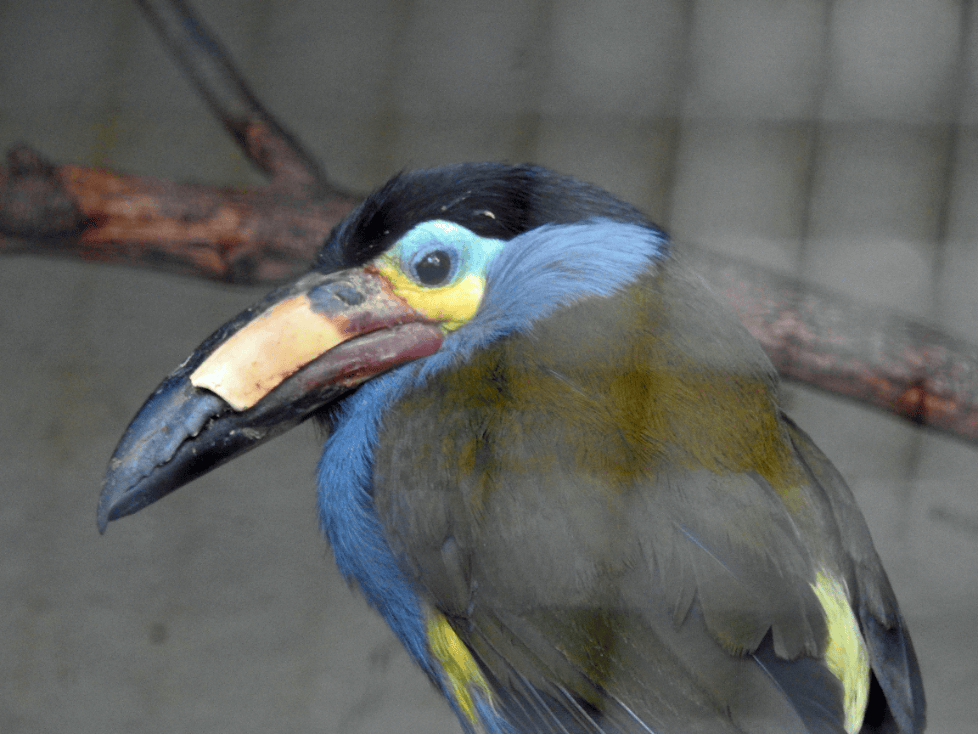
Figure 16. Though an individual Plate-billed Mountain-Toucan may be able to enjoy a long life, as a species, they are gravely imperiled, largely due to having a small territorial range, which humans are continuing to shrink through deforestation.
The average annual survival rate for adult Plate-billed Mountain-Toucans is 77%, and the maximum recorded age for this species is 15.6 years. Sadly, the IUCN Red List conservation status of this species is NT, Near Threatened, in great part due to its limited range. In areas of its range where the forest is mostly intact, it is thriving, but at some altitudes, deforestation and forest clearing are rampant, as humans make way for logging, livestock grazing, mining, human settlement, and agriculture (especially palm and coca cultivation). In some locations, more than 30% of its existing habitat has been taken for human pursuits.
In addition, despite attempts at protective measures, the captive exotic-bird trade poaches many wild birds and threatens this species throughout its range. Hunting and trapping also impact this species, and some have suggested that it may be hunted for food. It’s anticipated that the population (current estimate, 10,000–19,999 adults) will decline by 9% over the coming 10 years, having already suffered a loss of 20–29% of its population.
At present, few conservation actions are being undertaken, but there is one large preserve, La Planada Nature Reserve, in Colombia, as well as several small private ecotourism properties and research stations in Ecuador. Conservation research has been proposed, such as to assess and monitor the population, monitor habitat loss and degradation, and monitor levels of trapping. Additional protective preserves with suitable habitat are also being proposed. In addition, public education programs may help to reduce the trapping, hunting, and other threats to this species.
Figure 17. Some conservationists are providing protective sanctuaries for Plate-billed Mountain-Toucans, but these protected reserves may not encompass enough territory for these toucans to survive, let alone thrive.
Observations
The Cornell Lab of Ornithology gathers information from observers around the world through the eBird app and website (https://ebird.org/species/pbmtou1 ), which has 11,064 observations, including 1,590 with photos and 124 with audio recordings. Also, the lab’s Macaulay Library website (https://search.macaulaylibrary.org/catalog?taxonCode=pbmtou1 ) holds 3,975 photos, 138 audio recordings, and 66 videos of this species.
In addition, iNaturalist gathers observations with its app and its website (https://www.inaturalist.org/observations?taxon_id=18846 ), which has 703 observations, each of which includes a photograph, audio recording, or video.
References
- Elphick, Jonathan. (2014). The World of Birds (pp. 434–437). Buffalo, NY: Firefly Books.
- Lovette, Irby, & John Fitzpatrick (Eds.). (2016). The Cornell Lab of Ornithology Handbook of Bird Biology (3rd ed.). Hoboken, NJ: Wiley.
- Winkler, David W., Shawn M. Billerman, & Irby J. Lovette. (2015). Bird Families of the World: An Invitation to the Spectacular Diversity of Birds (pp. 233, 239, 240–241). Barcelona, Spain: Lynx, Cornell Lab of Ornithology.
- Winkler, D. W., S. M. Billerman, & I. J. Lovette (2020). Toucans (Ramphastidae), version 1.0. In Birds of the World (S. M. Billerman, B. K. Keeney, P. G. Rodewald, & T. S. Schulenberg, Editors). Ithaca, NY: Cornell Lab of Ornithology. https://doi.org/10.2173/bow.rampha1.01 https://birdsoftheworld.org/bow/species, “Orders and Families,” 11,017 species
- Gould’s monograph, A Monograph of the Ramphastidae, or Family of Toucans, illustrated by Elizabeth Gould, https://aradergalleries.com/collections/john-gould-1804-1881-toucans?srsltid=AfmBOoqXfyeDgXHqMiES5a4n3-d2I2De0TdEOD4Pdb0N13Oc4CG15IHP
- Hatch, Shari Dorantes, “Toucans, Parker Aviary, San Diego Zoo,” Toco Toucan and Keel-billed Toucans, https://bird-brain.org/2025/04/02/toucans-parker-aviary-san-diego-zoo/
- Ramphastidae ornithologist, John Gould (1804–1881), https://en.wikipedia.org/wiki/John_Gould
- Wikipedia, Piciformes, Ramphastidae, Toucans, https://en.wikipedia.org/wiki/Toucan .
Guianan Toucanet
- Short, L. L., & G. M. Kirwan (2020). Guianan Toucanet (Selenidera piperivora), version 1.0. In Birds of the World (J. del Hoyo, A. Elliott, J. Sargatal, D. A. Christie, & E. de Juana, Eds.). Ithaca, NY: Cornell Lab of Ornithology. https://doi.org/10.2173/bow.guitou1.01 https://birdsoftheworld.org/bow/species/rampha1/cur/species#genusSelenidera , https://birdsoftheworld.org/bow/species/guitou1/cur/introduction
- Avibase, Guianan Toucanet, Selenidera piperivora, https://avibase.bsc-eoc.org/species.jsp?avibaseid=92FB567F
- Avibase Life History, Guianan Toucanet, Selenidera piperivora, https://avibase.bsc-eoc.org/species.jsp?lang=EN&avibaseid=92FB567FBC5845D8&sec=lifehistory
- Guianan Toucanet ornithologist, https://en.wikipedia.org/wiki/Johann_Georg_Wagler
- Guianan Toucanet, Selenidera piperivora (Linnaeus, C 1758), Protonym: Ramphastos piperivorus; https://www.biodiversitylibrary.org/item/10277#page/121/mode/1up
- IUCN Red List, Guianan Toucanet, Selenidera piperivora, https://www.iucnredlist.org/species/22682084/263710718
- Wikipedia, Ramphastidae, Guianan Toucanet, Selenidera piperivora, https://en.wikipedia.org/wiki/Guianan_toucanet .
Plate-billed Mountain-Toucan
- Short, L. L., & C. J. Sharpe (2020). Plate-billed Mountain-Toucan (Andigena laminirostris), version 1.0. In Birds of the World (J. del Hoyo, A. Elliott, J. Sargatal, D. A. Christie, & E. de Juana, Editors). Ithaca, NY: Cornell Lab of Ornithology. https://doi.org/10.2173/bow.pbmtou1.01 , https://birdsoftheworld.org/bow/species/rampha1/cur/species#genusAndigena , https://birdsoftheworld.org/bow/species/pbmtou1/cur/introduction
- Avibase, Plate-billed Mountain-Toucan, https://avibase.bsc-eoc.org/species.jsp?avibaseid=2EF3405B
- Avibase Life History, Plate-billed Mountain-Toucan, https://avibase.bsc-eoc.org/species.jsp?lang=EN&avibaseid=2EF3405B70C48CCC&sec=lifehistory
- IUCN Red List, Plate-billed Mountain-Toucan, https://www.iucnredlist.org/species/22682050/217847986
- Wikipedia, Mountain Toucan, Andigena, https://en.wikipedia.org/wiki/Mountain_toucan
- Wikipedia, Plate-billed Mountain-toucan, Andigena laminirostris, https://en.wikipedia.org/wiki/Plate-billed_mountain_toucan .
Etymology
- Gotch, A. F. [Arthur Frederick]. Birds—Their Latin Names Explained (348 pp.). Poole, Dorset, U.K.: Blandford Press.
- Gruson, Edward S. (1972). Words for Birds: A Lexicon of North American Birds with Biographical Notes (305 pp., including Bibliography, 279–282; Index of Common Names, 283–291; Index of Generic Names, 292–295; Index of Scientific Species Names, 296–303; Index of People for Whom Birds Are Named, 304–305). New York: Quadrangle Books.
- Lederer, Roger, & Carol Burr. (2014). Latin for Bird Lovers: Over 3,000 Bird Names Explored and Explained (224 pages). Portland, OR: Timber Press.
Text and images by Shari Dorantes Hatch. Copyright © 2026. All rights reserved.
Images were recorded at the San Diego Zoo, 2018–2020.


Leave a Reply