
American Kestrel, Falco sparverius
Part 2 of 2
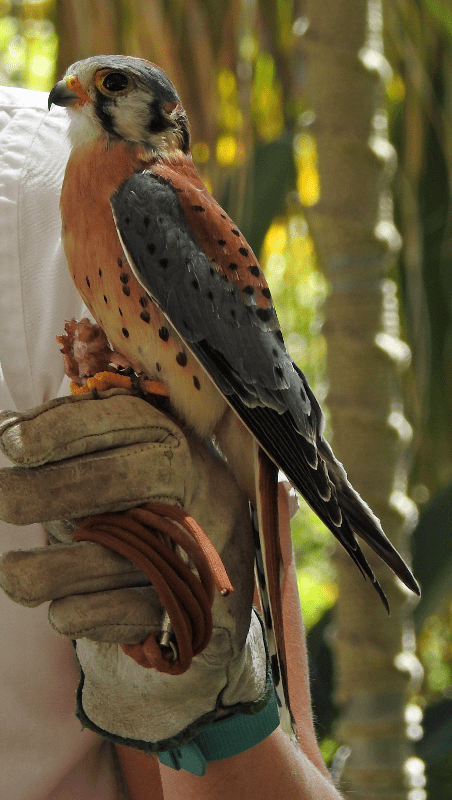
Figure 01. The American Kestrel, smallest falcon in North America, is a fierce predator, targeting invertebrates and small vertebrates such as mammals and birds. Nonetheless, it’s highly amenable to human interactions, such as this male “animal ambassador” at the San Diego Zoo’s Safari Park.
This blog is the eighth in a series of eight blogs about falcons.
- The first, https://bird-brain.org/2026/05/03/the-falcon-family/ , introduced the order Falconiformes; the family Falconidae; and the Merlin species, Falco columbarius.
- The second blog, https://bird-brain.org/2026/05/10/falcons-prairie-falcon/ , focused on the Prairie Falcon, Falco mexicanus.
- The third blog discussed the Pygmy Falcon, Polihierax semitorquatus, https://bird-brain.org/2026/05/17/falcons-pygmy-falcon/ .
- The fourth featured the Gyrfalcon, Falco rusticolus, https://bird-brain.org/2026/05/24/falcons-gyrfalcon/ .
- The fifth and sixth explored the Peregrine Falcon, Falco peregrinus, https://bird-brain.org/2026/06/01/falcons-peregrine-falcon-part-1/ and https://bird-brain.org/2026/06/07/falcons-peregrine-falcon-part-2/ .
The current blog is the second of two focusing on the American Kestrel, Falco sparverius. The first part, https://bird-brain.org/2026/06/14/falcons-american-kestrel-part-1/ , discussed this falcon’s etymology and taxonomy; description of its appearance; vocalizations; distribution, habitat, and migration; food and hunting; locomotion; self-maintenance behavior (e.g., preening, sleeping and roosting); and references. The current blog, Part 2 of two, discusses the American Kestrel’s social behavior, breeding behavior (from courtship to fledglings), survival and lifespan, conservation status, relationship with humans, observations of it, and references. This blog concludes my exploration of falcons. Next, I’ll shift gears to an entirely different bird order and family — probably flamingos. (Feel free to make a special request, though.)
Social Behavior
Sociability
In general, American Kestrels aren’t very sociable. For kestrels who migrate after breeding season, the only time they seek engagement with other kestrels is during the breeding season. For kestrels who reside year-round in the same territory, they may remain with their partner, even after their young depart. However, it’s not clear whether they’re staying with their partner or they’re staying in their territory, where both partners happen to be located. During migration, some kestrels may fly near one another or congregate at places where prey is abundant, but these social groups seem temporary, haphazard. (Sociality during the breeding season is discussed later.)
Predation and Agonistic Behavior
Adult American Kestrels are occasionally the subject of predation by large bird-eating raptors (Peregrine Falcons, Red-tailed Hawks, Cooper’s Hawks, Barn Owls, etc.) and even American Crows, but more commonly, their eggs and their young are targeted by these predators, as well as by snakes and even fire ants. Probably for this reason, nesting parents are particularly aggressive toward any perceived threats to their young, striking or at least threatening potential intruders (e.g., the hands or feet of humans). Though they often succeed in protecting their young, they don’t always. They also choose their battles, such as harassing one species (e.g., Red-tailed Hawks) but avoiding another (e.g., Sharp-shinned Hawks).
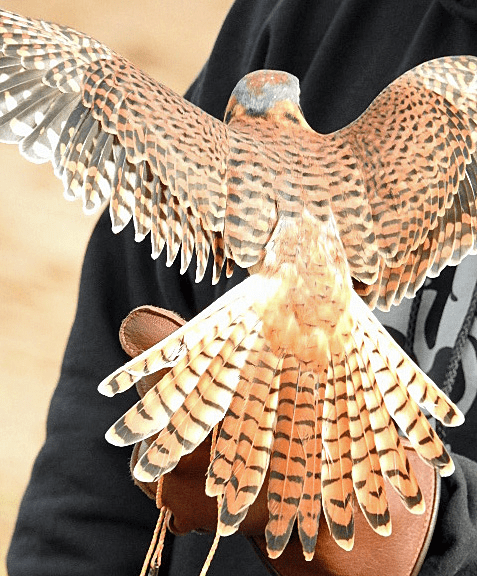
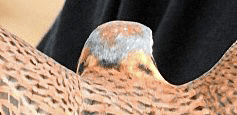
Figure 02. It’s thought that the ocelli — “false eyes” — on the back of the American Kestrel’s nape might deter predators from striking this falcon from above. From a distance, these might look as though this falcon has eyes in the back of its head. This photo was taken at HawkWatch, hosted by the Wildlife Research Institute.
Agonistic behavior may be either defensive or aggressive, toward other species or toward conspecifics (same species). Occasionally, agonistic behavior toward conspecifics involves physical combat, perhaps grappling with each other’s feet or fencing each other’s bills. One or the other typically calls “Time out!” with a klee call — a distress call (see https://bird-brain.org/2026/06/14/falcons-american-kestrel-part-1/#vocalizations about this and other vocalizations).
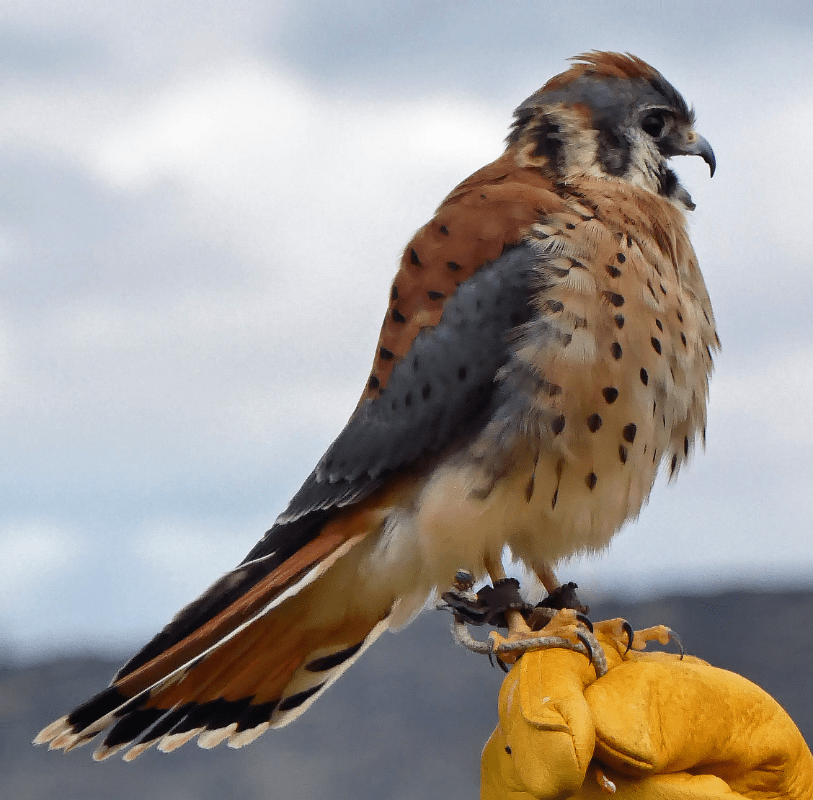
Figure 03. When distressed or when calling off a threat, American Kestrels may issue a klee call.
Most agonistic behavior toward conspecifics involves threat displays, short of physical combat. One such display is the “curtsy,” in which the aggressor turns its back toward the opponent and erects the feathers on its back. Another is “tail-pumping,” accompanied by compressing the feathers. “Mantling” involves spreading out the wings and tail and is more often shown when the aggressor is hungry and is holding prey — meaning “Back off!” Most threat displays are followed by one of the birds backing away.
Breeding
Like most other falcons, American Kestrels are plain-Jane breeders: no polygyny, no leks, no colonial breeding, no cooperative breeding, and neither the perpetrator nor the victim of brood parasitism. A few odd exceptions have been observed: one instance of cooperative breeding with an owl family, one instance of American Kestrels raising a brood of songbirds after losing their own clutch, and one instance of an American Kestrel pair incubating a Bufflehead egg along with their own two eggs.
Courtship and Mating
American Kestrel pairs stick together for at least one breeding season, and among those who don’t migrate, most form lifelong pair bonds. Some do, however, have some extra-pair matings (probably less than 10% of pairs). Among migratory falcons, males typically arrive at the breeding grounds before females do. If the female doesn’t already have a mate, she will choose among the males available.
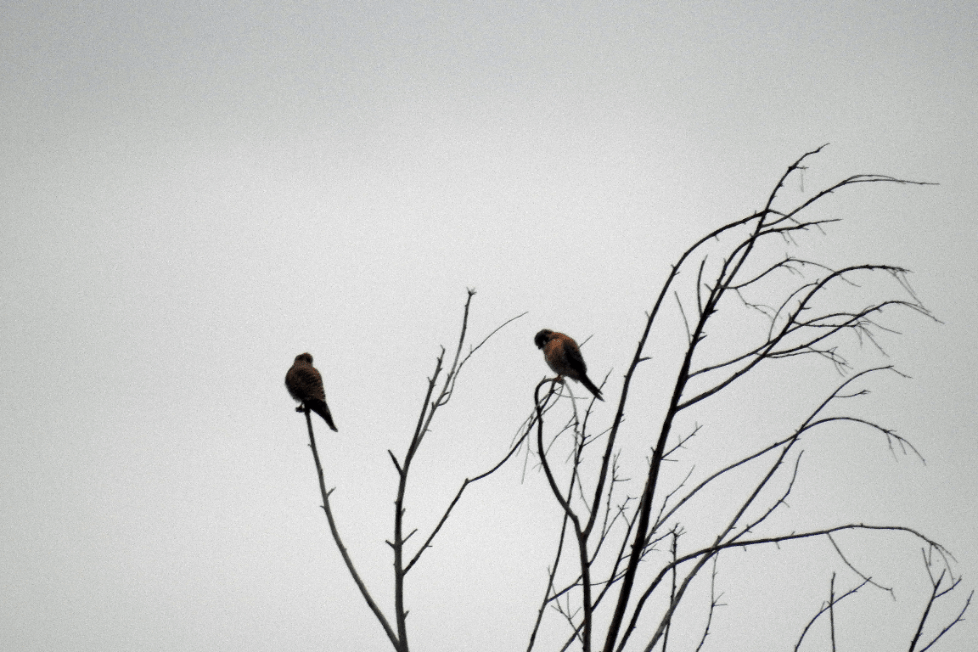
Figure 04. In areas with mild winters, where American Kestrels reside in one place all year, male and female partners may stay together year-round, but that doesn’t necessarily mean they stick together side-by-side most of the day. (Photographed at Lake Hodges, San Diego County)
To court a female mate, males engage in elaborate courtship aerial climbing and diving displays, with powerful wingbeats, and vocalizing to accentuate dramatic moments. The female may copulate with more than one male prior to choosing her mate. (The size of her partner appears not to affect her choice.)
During the courtship phase, the male also offers food to the female, and the two may allopreen (with each partner preening the other). They may also jointly “flutter-glide” together, flying slowly and buoyantly with shallow beats of widely spread wings. These courtship behaviors usually begin about 4–5 weeks before egg laying and continue up to 1–2 weeks after the eggs hatch.
Typically, the pair spends about 50% of their time together before and during egg laying; more time together usually means more copulations. Either partner may initiate the copulation by approaching the partner and posturing. The frequency of copulation peaks about 18 days before egg-laying starts (average frequency about 1–2/hour during daylight, lasting about 2–18 seconds, usually 5–7). About 80% of females in copulating pairs lay fertile eggs. (For an image of American Kestrels copulating, please see https://macaulaylibrary.org/asset/316740561 .)
Nests
American Kestrels prefer nest locations that are high off the ground (6.9–80 feet, 2.1–24.4 m). The nest itself must have a cavity structure, such as tree cavities, cliff crevices, cactus holes, and the like. For migrants, the male arrives before the female, chooses a territory offering possible nest sites, establishes that territory, and checks out various potential nest cavities within his territory.
Among the factors he considers are climate and weather. In locations with risk of harsh weather, he avoids nests facing toward the direction of potential storms; in areas with risks of overheating, he avoids west-facing orientations, which expose the nest to the hottest sunlight. He also considers ease of obtaining prey for his family: ideally, a location above plenty of open patches of ground, with various perches allowing for easy hunting — preferably more than 2.5 acres (>20 hectares). When the female arrives, he escorts her to the best offerings, and she chooses which one she likes best among those he presents. For a pair who reside year-round in their territory, the twosome makes similar considerations in nest site, living near (or in) the nest year-round. For a photo of an American Kestrel peeking out of a tree cavity, please see https://macaulaylibrary.org/asset/659411300 .
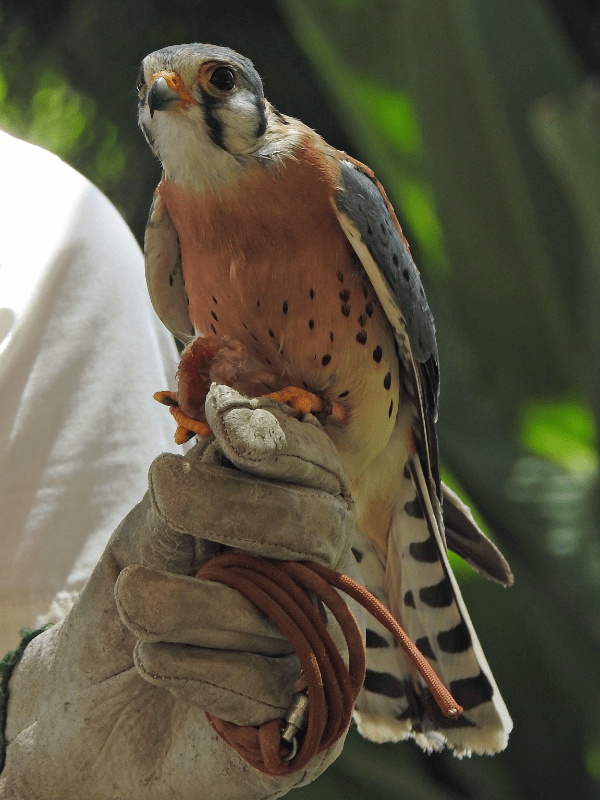
Figure 05. Male American Kestrels investigate a variety of possible nest locations, chosen for their suitability in minimizing weather hazards and in maximizing prey availability. Once he has found the most optimal sites, he shows them to his female partner, for her to choose the one she likes best. (This photo of a male was taken at the San Diego Zoo’s Safari Park.)
American Kestrels do not build their own nests. Instead, they use nests from previous years, abandoned nest cavities of other birds (e.g., woodpeckers), or natural nest cavities (in trees or in cliff formations), as well as other natural or human-made cavities (e.g., nest boxes or buildings with suitable nooks). Often, nest cavities are more widely available in locations with large trees that are decay-prone (e.g., some pines, sycamores, cottonwoods). The nest cavity itself shouldn’t have obstructions impeding the parents in getting to and from the cavity for food deliveries. A tight-fitting entrance hole (2.2–3.3″, 5.6–8.4 cm) and a closed top are also desirable features of nest cavities. In some locations, the availability of suitable nest cavities is a limiting factor determining how many falcons can populate the area. Human additions of nest boxes to these locations are often welcomed by American Kestrels.
Neither partner makes much effort to improve the nest cavity, but if debris lines the floor, the female will scrape out a shallow depression there. Bare-floored nest boxes are less successful in leading to fledglings than nest boxes with loose matter on the floor; loose floor cover not only lessens the chances of breakage but also insulates the eggs from chilly temperatures. For a photo of an American Kestrel emerging from a nest box, please see https://macaulaylibrary.org/asset/659581018 . For a photo of American Kestrel eggs in a nest box, please see https://birdsanctuary.kbs.msu.edu/2018/03/06/fierce-falcons/ .
Egg Laying, Eggs, Incubation
Between a few days and a month before egg laying begins, both male and female develop three ovular brood patches (unfeathered skin, enhancing contact between the warm parent and the vulnerable eggs): one large patch on the belly and two smaller patches on either side of the breast. The female’s patches tend to be larger than the male’s, and some older males have just the two smaller patches. Once the eggs hatch, feathers re-emerge, covering the brood patches.
The timing of egg laying (and incubation, etc.) varies geographically, with northern latitudes starting later than middle or southern latitudes. Once egg laying begins, additional eggs are laid 1–3 days apart, rarely at night. Like other falcons, when the female American Kestrel starts laying eggs, she becomes lethargic. Typically, females lay 3–7 eggs, with 4–5 being the most common (one observer documented 9 eggs). This number is relatively large for a raptor species. Most raptors have fewer offspring and invest more heavily in the care of each one. These falcons also start breeding at a younger age than most other raptors — typically at 1 year of age. Even so, older American Kestrel pairs typically produce more viable offspring than younger pairs do.
Most pairs produce just one clutch per year, but if the first clutch doesn’t survive, and it’s still early in the breeding season (e.g., in southerly latitudes), they may produce a second clutch. Occasionally, in warm climates, a pair may produce a second successful clutch, even after raising a successful first clutch, given enough available prey.
The average size of the American Kestrel’s somewhat elliptical eggs is 1.1 × 1.3″ (3.2 × 2.9 cm), which is slightly large for birds their size. Texture can be smooth and glossy to rough and matte; color is light (white to cream to pale rufous) with dark (brown or gray) blotches, splotches, or mottling.
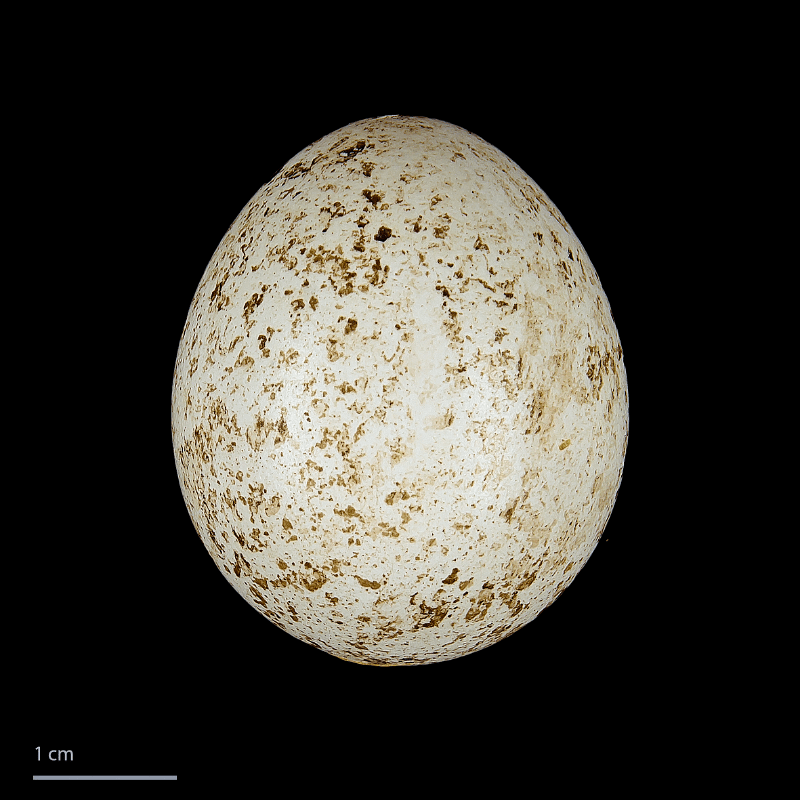
Figure 06. Though the appearance of American Kestrel eggs varies, these eggs are small, somewhat elliptical, with a light background and at least some mottling.
Available through Creative Commons, Wikimedia. By Roger Culos – Own work, CC BY-SA 4.0, https://commons.wikimedia.org/w/index.php?curid=87941329 . Photographer Roger Culos. Description, Eggs of American Kestrel collection of Jacques Perrin de Brichambaut. Place of discovery, Rocamadour, Lot, France on 1er mai 1987. Date, 5 March 2020. Collection, Muséum de Toulouse, wikidata:Q422. Accession number, MHNT.ZOO.2010.11.104.1. This file is licensed under the Creative Commons Attribution-Share Alike 4.0 International license. You are free: to share – to copy, distribute and transmit the work; to remix – to adapt the work. Under the following conditions: attribution – You must give appropriate credit, provide a link to the license, and indicate if changes were made. You may do so in any reasonable manner, but not in any way that suggests the licensor endorses you or your use. share alike – If you remix, transform, or build upon the material, you must distribute your contributions under the same or compatible license as the original.
The female typically starts incubation when she lays the penultimate egg in the clutch. The male shares incubation duties with her about 15–20% of the time — more often on sunny days than on cloudy days. Incubation lasts about 26–32 days.
Hatchlings to Fledglings
About a day before hatching, some chicks make audible peeps from inside the shell. (The incubating parent’s response hasn’t been documented.) Each egg takes about 48–52 hours from first pipping of the shell until emerging entirely, which can happen at any hour, day or night. A clutch of 5 eggs takes about 2–3 days for all eggs to hatch, and some moms help their chicks get out of the shell. She also starts brooding her hatchlings immediately and continues to brood them for about 8–10 days post-hatching. After that, she broods them only at night, unless chilly or inclement weather would put them at risk if left alone.
The chicks emerge wet, eyes closed, with sparse white down over their pinkish skin. The bill, cere, and talons are pale pink, and the legs and feet are somewhat yellowish. (Please see https://bird-brain.org/2026/05/24/falcons-gyrfalcon/#cere-etc , about the cere.) They have big bellies, look feeble, and can’t sit up, but they can raise the head, open the bill, and make peeping calls. A whitish egg tooth can be seen rising above the bill; it is reabsorbed by about 7–14 days after hatching.
At Day 1 or 2, their dark bluish-black eyes partially open. At about Day 3, the peeps of these altricial chicks sound more like a tiny version of a klee call (see https://bird-brain.org/2026/06/14/falcons-american-kestrel-part-1/#vocalizations ), and they can crawl about. At about 5 days, they can sit up. By Day 7, their pinkish skin starts to turn bluish on wings, back, and crown, and their eyes open wide, with fully functional nictitating membranes (translucent protective eyelids). Their talons darken in color, and their primary rectrices (flight feathers on the wings; singular, rectrix) start to emerge, but their belly remains naked.
Chicks beg for food almost immediately after hatching, and for the first 7–10 days, the dad provides all the food for his family, from dawn to dusk, but especially for the 3 hours before noon and at 4–5 P.M. After the first 10 days, both parents bring food to the nest, sometimes both at once, but the mom makes 70% of the food deliveries from then on. These visits can occur anywhere from 1 minute apart to 2 hours, 20 minutes apart. When a feeding parent arrives at the nest, the chicks call out and try to position themselves closest to the parent delivering the food. Typically, the biggest, hungriest chick eats first, moving aside only after fully sated.
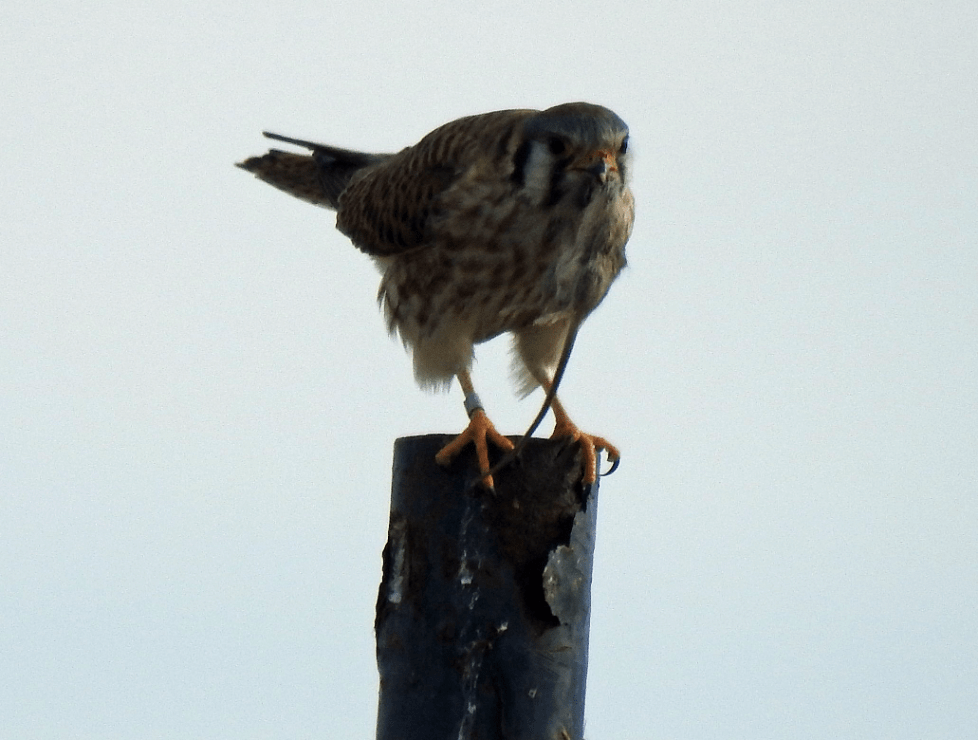
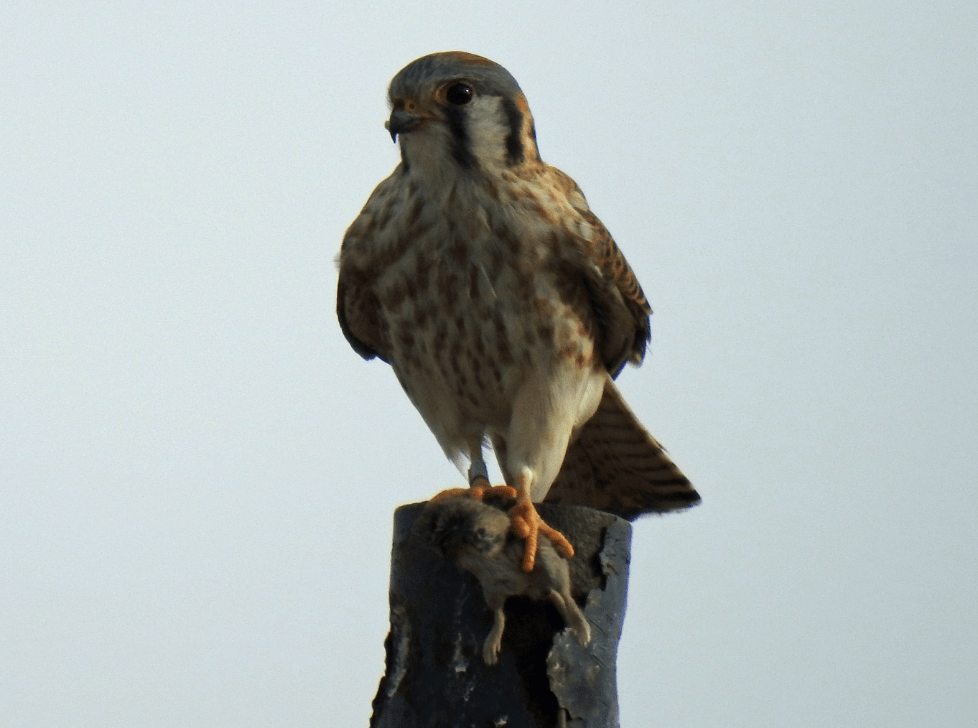
Figure 07. The female American Kestrel is lethargic while laying eggs, incubating them, and caring for nestlings through the first 7–10 days after they hatch. During that time, the dad provides the food for himself, her, and then their hatchlings. After the first 10 days, however, she returns to hunting and helps her mate to capture enough prey to feed their growing family.
WARNING: NOT for the tender hearted. With the last of the chicks to hatch, it’s not uncommon for it to fail to get adequate nutrition, to weaken, and then to be eaten by its siblings. This is less likely to occur when prey is abundant, and parents have plenty to feed all their offspring.
Nestlings start out eating just 0.07–0.14 ounces (2–4 g) per day, but by age 7–10 days, they’re eating 0.9 ounces/day. Parents deliver about 40 food items, weighing a total of 5.8 ounces (165 g) per day for 5 nestlings. When feeding their chicks with invertebrates, parents stuff the animal whole, head-first, into the chick’s mouth. With larger prey, the parents dismember the animal into bite-sized bits, which they gently place in the bills of their nestlings. These feeding techniques continue until the chicks reach about 14 days, then parents drop off whole prey for the chicks to prepare for themselves.
By Day 14, juvenile feathers are emerging over the entire bodies of the chicks, and they’re well feathered by Day 21. Meanwhile, they have been growing rapidly and have reached adult weight by Day 18; by Day 20, they actually weigh about 5–10% more than adults — weight they lose within the first few days after fledging. The bill turns dark gray at the tip, the legs and toes turn pale yellow, and the talons are almost black; the bare skin surrounding their eyes turns light bluish green.
Chicks defecate by backing up to the edge of the nest and forcefully ejecting their feces. By the time they’re ready to fledge, dried feces are often splattered on the cavity walls, and it occasionally splatters onto the chicks, with no apparent deleterious effects. The high ammonia content of the excretion may help to deter the buildup of bacteria in the nest. In addition to feces, uneaten bits of prey also litter the floor of the cavity. Almost all falcon nests are infested with various kinds of beetles, which readily consume uneaten bones, feathers, fur, and flesh, reducing the stench of rotting prey.
Within 28–31 days after hatching, the chicks’ wings have fully developed, and they’re ready to fly from the nest cavity. If chicks hatched asynchronously, they’ll also fledge over a period of days. First flights are awkward, and first landings are even more so. Also, it’s not easy to develop the skill to stealthily attack prey, immobilize it, and eat it. Parents continue to provide supplemental food for the fledglings for another 12–14 days post-fledging.
By the end of the first week, the fledgling’s awkward flutter-glide smooths out to deep wing beats in flapping flight. While perfecting their hunting technique, fledglings often move from perch to perch, exaggerate their head-bobbing and tail-pumping movements, and practice pouncing on unsuitable objects (e.g., dung, butterflies). Some of this practice pouncing has been viewed as play.
By the end of the second week, they’re increasingly able to capture prey to feed themselves. By 3 weeks after fledging, they’re successful enough at feeding themselves that they stop begging for food from their parents. They still continue to improve for another week or two, increasing their number of pounces, as well as their capture rates.
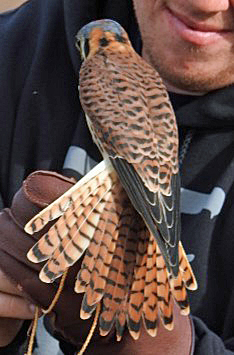
Figure 08. Juvenile American Kestrels look just like adults, and they’re soon able to catch prey almost as well as adults. This juvenile female, photographed at the Wildlife Research Institute’s annual HawkWatch, has the same plumage pattern as adult females.
After fledging, siblings perch near one another for a couple of weeks. They may also allopreen or bill each other (nibbling each other’s bills and lores, between the bill and each eye). Once they’re more self-sufficient, they become less social, though some youngsters participate in social hunting groups toward the end of the breeding season.
Reproductivity
American Kestrels may start breeding at 1 year of age, and most breed yearly (1–1.5 clutches/year). Average generation length is 2.4–3.9 years (the average time between when a parent hatches and when the parent’s offspring hatch). About 72–98% of parent pairs succeed in having at least one offspring survive to fledge, and the yearly productivity per pair is about 2.3–4.5 youngsters. Older, more experienced parents tend to be more successful than younger, inexperienced parents. Prey availability also affects success rates, so some habitats and locations have greater success than others. Rainy weather can decrease productivity, too. Availability of nest-boxes increases reproductive success rates.
Survival and Life Span
Life is tough for American Kestrels. Almost 63% of the young die within their first year, and about 57% of adults die each year. For banded juveniles, life expectancy is about 1 year, 2 months, and for those living into their second year, it’s about 2 years 3–9 months. Average life expectancy for wild American Kestrels is about 5 years. The oldest banded wild bird was 11 years, 7 months old; captive birds can live 14–17 years.
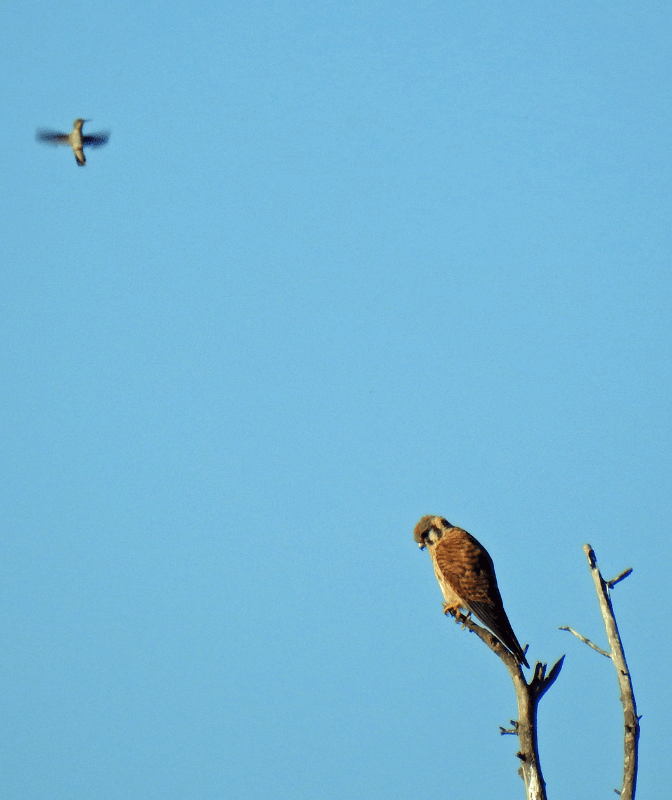
Figure 09. Both of these birds (Anna’s Hummingbird and American Kestrel) are tiny powerhouses, but neither one is long-lived. The oldest recorded Anna’s Hummingbird was a banded male who lived at least 8 ½ years; the oldest banded American Kestrel lived 11 years, 7 months.
It’s hard to assess widespread causes of mortality of American Kestrels, as studies are biased toward whatever may be the local situation of the researchers. With that in mind, one study indicated that humans were responsible for about 40% of deaths (roadkill, hunting, trapping, collisions with vehicles, windows, or wires, etc.), and predation by other animals (raptors, snakes, etc.) caused about 3% of deaths. Pathogens (e.g., tuberculosis, herpes virus) and parasites (e.g., helminth parasitic worms) also cause some deaths. Nestlings are particularly vulnerable to predation and to pathogens and parasites. Because American Kestrels eat mostly herbivores, they’re less vulnerable to bioaccumulation of toxic pesticides than are raptors who eat carnivores. Nonetheless, they are vulnerable to other environmental contaminants, such as toxins in factory runoff (e.g., industrial flame retardant chemicals), plastics such as PCBs, rodenticides, and heavy metals.
Conservation Status
The American Kestrel is the most abundant North American member of the Falconidae family; though population estimates are hard to quantify for various reasons, it’s estimated at 9,200,000 mature birds, about 1.2 million pairs in North America alone. It has an IUCN Red List conservation status of LC, Least Concern — not threatened, given its widespread range across diverse habitats, though it has been listed as “Threatened” in Florida, and it’s threatened in the southeastern United States due to decreases in the availability of nest sites.
Specific causes of mortality were mentioned in the preceding section, but of greater concern is the destruction and degradation of habitat suitable for these falcons. Woodlands are being deforested; wetlands are being drained; and suitable perches and nest cavities are being removed, making way for agricultural development or urbanization. Human disturbances and intrusions can also cause physiological stress to American Kestrels, decreasing reproductive success and increasing mortality.
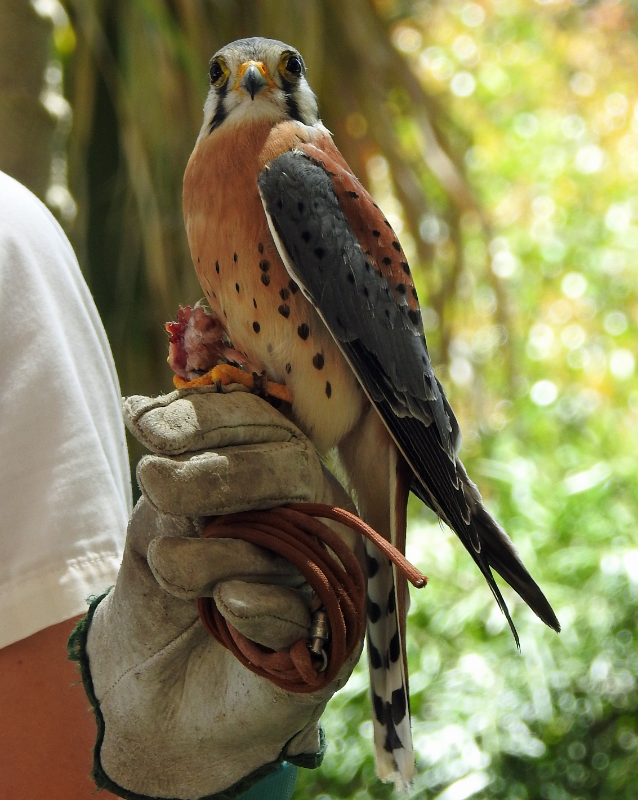
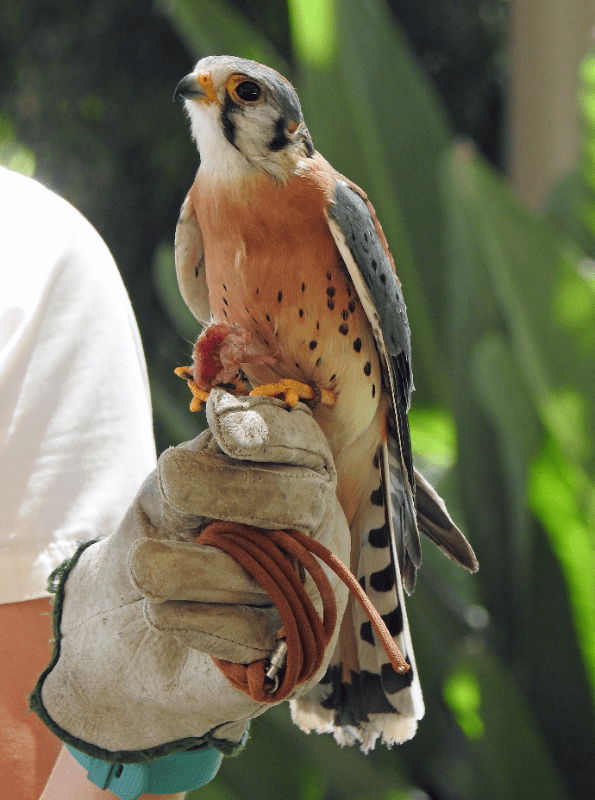
Figure 10. Though we humans are often the cause of harm to American Kestrels, we can also take steps to ensure their well-being. The San Diego Zoo and its Safari Park seek to enlighten and motivate visitors regarding the need to conserve these birds and their habitats through their “animal ambassadors” programs.
Humans can intervene to mitigate some of the problems we cause, such as by providing nest boxes where trees and other perches or nest sites have been removed.
Thinking about building nest boxes for American Kestrels? Each box should be placed in a large open habitat, with plenty of suitable prey available. The box itself should be at least 10 feet off the ground, with no obstructions for getting to and from the box. The entrance hole should be narrow enough to fit this tiny falcon but not big raptors (i.e., 2.2–3.3″). The top should be covered, protected from view and from the elements, and the floor should be covered with 1–1.5″ of wood shavings, for cushioning, as well as insulation.
If observation is desirable, install an inobtrusive camera for monitoring remotely, and keep away from the nest box until all the chicks have fledged. Interested in citizen science research on this species? Check out https://peregrinefund.org/american-kestrel-project , a nonprofit dedicated to research and conservation of American Kestrels (and other birds of prey).
Other conservation strategies include providing protected conservation areas, systematically monitoring populations, ensuring clean air and water, and regulating the pet trade. American Kestrels readily breed in captivity; it was the first falcon to be reproduced by artificial insemination and the first to be reproduced from frozen sperm. At least 150 American Kestrels are currently held in 93 institutions, across 17 countries, including 67 males, 56 females, and 27 unsexed birds.
Both captive birds and wild birds have been studied widely, but more research is still needed to better understand long-distance migration, dispersal of fledglings, causes of mortality, effects of biohazards, and other physiological, developmental, and behavioral information.
Relationship with Humans: Falconry
The preceding two sections have described the detrimental effects of humans in relationship with American Kestrels, as well as the study of both wild and captive American Kestrels; this section focuses on falconry. Previous blogs (e.g., https://bird-brain.org/2026/06/07/falcons-peregrine-falcon-part-2/#falconry , https://bird-brain.org/2026/05/24/falcons-gyrfalcon/#falconry ) have described the millennia-old tradition of using falcons as partners for human hunters. Because the American Kestrel is so small, throughout the Americas, beginning falconers often choose it as the first falcon with which to start this practice. Even so, caring for and partnering with an American Kestrel requires great skill and knowledge. For one thing, the falconer must ensure that the bird has enough to eat but not so much that it isn’t hungry enough to be motivated to hunt. For another, the falconer must take care to protect this falcon from predatory dogs, cats, and hawks, especially when it’s on the ground, focusing on its prey.
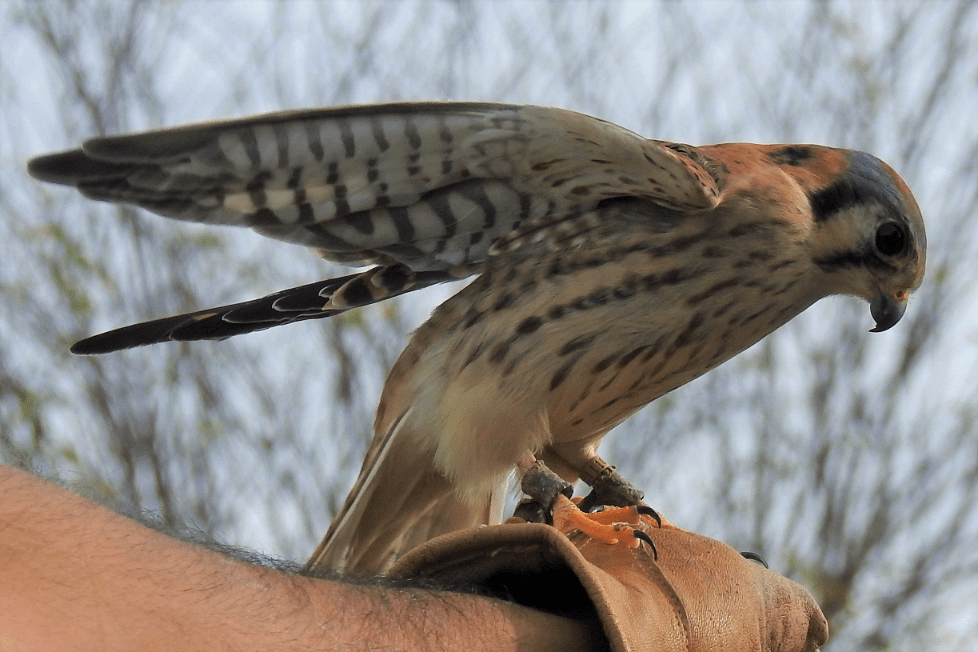
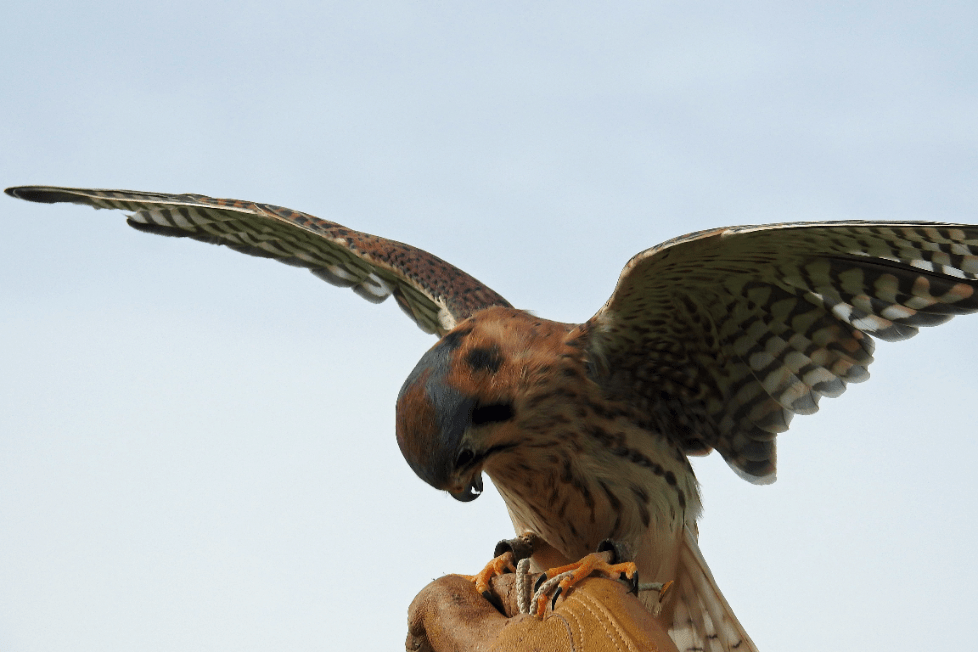
Figure 11. The American Kestrel’s responsiveness, heartiness, and perseverance particularly appeals to some falconers, who cherish them as partners. Like other falconry partners, these falcons freely choose to remain with their human partners and can — at any time — decide to fly away.
This falcon isn’t as big, as muscular, or as powerful a flyer as other falcons in the Americas, but it also doesn’t require as large a tract of land on which to hunt. Though not known for their brawn or their speed, they are known to persevere. They’re better suited to ambush hunting, perhaps with brief chases, rather than lengthy aerial pursuits or dives. If hunting small birds in a suburban setting, this falcon makes a marvelous partner. (I confess to being less than enthusiastic about targeting sparrows and other small passerines, but luckily, I’m not seeking to be a falconer.)
Because American Kestrels are easily bred in captivity, it’s not necessary for falconers to take wild falcons for use in falconry. They’re also easily tamed, which makes it easier to care for them (e.g., when injured or ill). The Migratory Bird Treaty Act of 1918 protects this species, and a falconry permit is required not only in the United States, but also in Canada and Mexico.
Observations
The Cornell Lab of Ornithology gathers information from observers around the world through the eBird app and website (https://ebird.org/species/amekes ), which holds 4,590,000 observations of American Kestrels, including 195,100 with photos, and 1,858 with audio recordings. The lab’s Macaulay Library website (https://search.macaulaylibrary.org/catalog?taxonCode=amekes ) holds 295,875 photos, 1,835 audio recordings, and 448 videos.
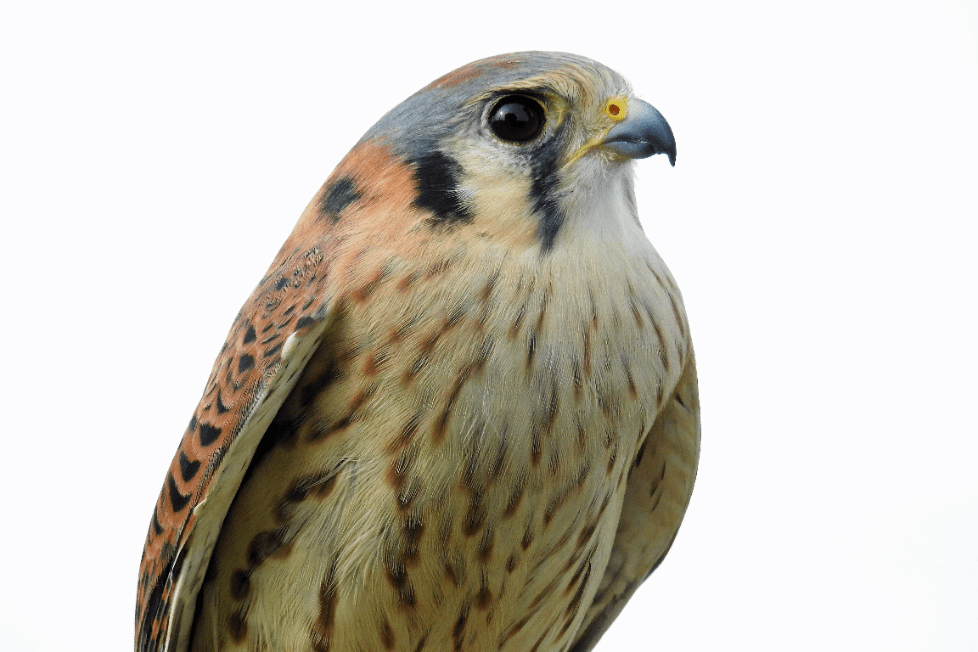
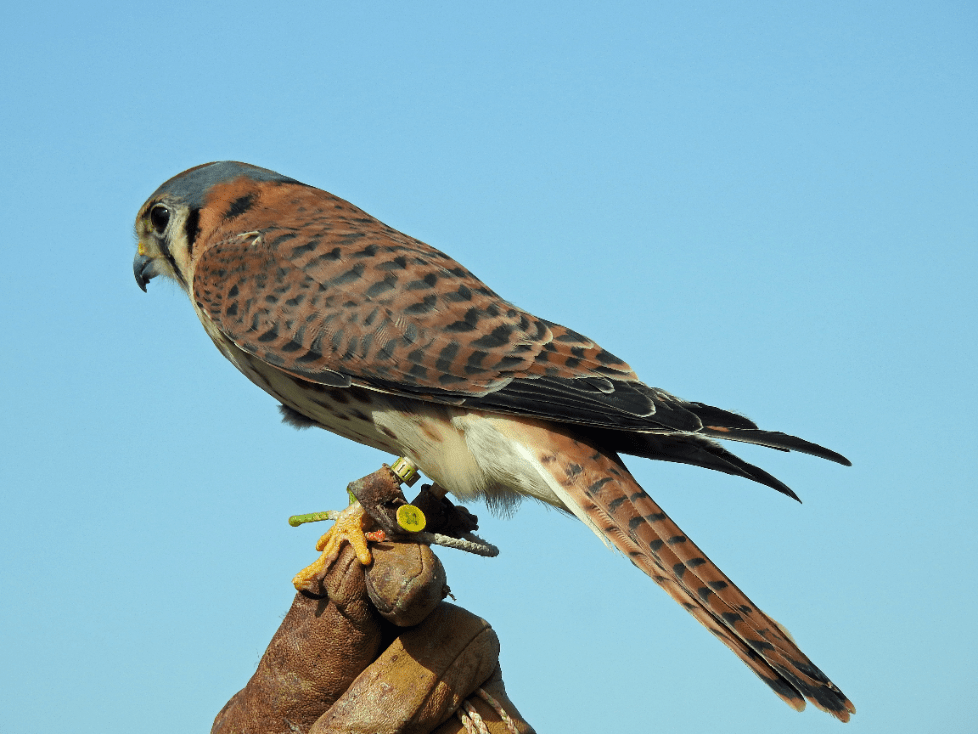
Figure 12. The American Kestrel is so widespread that about 4,590,000 observations of it have reported to eBird; in addition, iNaturalist includes more than 100,000 observational reports. In all likelihood, there will soon be half a million reported observations of this species. This female was photographed at the Wildlife Research Institute’s annual HawkWatch.
In addition, iNaturalist gathers observations with its app and its website (https://www.inaturalist.org/observations?taxon_id=4665 ), which offers 116,822 observations.
References: American Kestrel
- Smallwood, J. A., and D. M. Bird (2020). American Kestrel (Falco sparverius), version 1.0. In Birds of the World (A. F. Poole and F. B. Gill, Editors). Ithaca, NY: Cornell Lab of Ornithology. https://doi.org/10.2173/bow.amekes.01 . https://birdsoftheworld.org/bow/species/amekes/cur/introduction
- American Kestrel, AviBase, https://avibase.bsc-eoc.org/species.jsp?lang=EN&avibaseid=20C2214E
- American Kestrel, AviBase Life History, https://avibase.bsc-eoc.org/species.jsp?lang=EN&avibaseid=20C2214E655A79AB&sec=lifehistory
- https://ebird.org/species/amekes
- https://en.wikipedia.org/wiki/American_kestrel
- American Kestrel, IUCN Red List, https://www.iucnredlist.org/species/22696395/140950605
- American Kestrel, Falco sparverius, by Carl Linnaeus (in Latin), 1758 Systema Naturae, ed. 10, p. 90, https://www.biodiversitylibrary.org/item/10277#page/107/mode/1up
Text by Shari Dorantes Hatch. Copyright © 2026. All rights reserved.
Figure 06, Wikipedia copyright information, as indicated in caption.
All other images by Shari Dorantes Hatch. Copyright © 2026. All rights reserved.
Images were recorded at the annual HawkWatch event, hosted by the Wildlife Research Institute; at the San Diego Zoo’s Safari Park; and elsewhere in San Diego County.


Leave a comment