
Prairie Falcon, Falco mexicanus
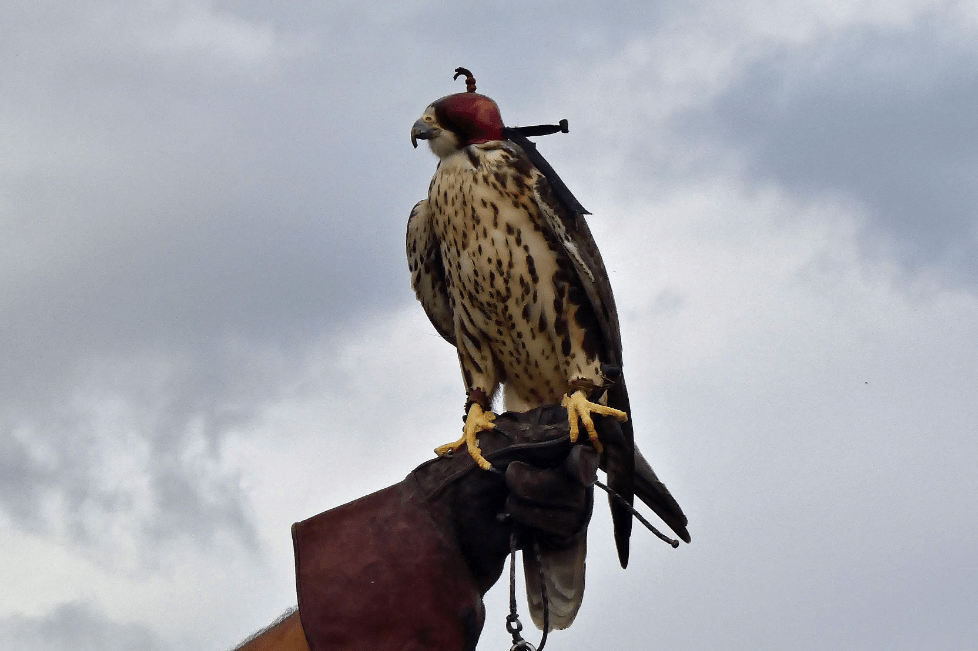
This exquisite Prairie Falcon is one of several beautiful raptors to be seen at HawkWatch, sponsored by the Wildlife Research Institute in San Diego County. Most raptors have exquisite vision, highly attuned to scanning their visual field for potential prey or possible threats. Often, falconers place hoods over their partners’ eyes, to keep the raptors from freaking out in public or when in other unfamiliar settings. The hood calms them — the exact opposite of how we would feel when blindfolded.
This blog is the second of a few blogs about falcons and the Falconidae family (and Falciformes order) of birds. The first blog provides an overview of the family, as well as insight into one of its members, the Merlin, https://bird-brain.org/2026/05/03/the-falcon-family/ . Following this blog will be additional blogs featuring American Kestrel, Falco sparverius; Gyrfalcon, Falco rusticolus; Peregrine Falcon, Falco peregrinus; and Pygmy Falcon, Polihierax semitorquatus — not necessarily in that order.
Etymology and Taxonomy
Hermann Schlegel introduced the Prairie Falcon to ornithology, based on a specimen obtained by Ferdinand Duppe, in Monterey, California, when California was still part of Mexico. In his introduction, Schlegel gave the falcon its binomial scientific name, Falco mexicanus.
Schlegel (https://en.wikipedia.org/wiki/Hermann_Schlegel ), an ornithologist, herpetologist, and ichthyologist, had been an assistant to zoologist Coenraad Jacob Temminck (https://en.wikipedia.org/wiki/Coenraad_Jacob_Temminck ) at Leiden’s National Museum of Natural History, becoming its director after Temminck’s death. Schlegel was reluctant to embrace Darwin’s theory of evolution, preferring to believe each species was created individually.
In Nahuatl (the language of Mexican Aztecs), this falcon is “Iztac Tlhotli” (spelling approximate, as Nahuatl orthography doesn’t always match the English alphabet). Iztac Tlhotli signifies “white falcon,” because of the white background of the pale streaks down its front. In Spanish, it’s called “Halcón Mexicano,” “Halcon Café” (brown falcon), or “Halcón Pradera” (prairie falcon). The Prairie Falcon’s range extends northward from Mexico, through the American southwest to southern Canada.
The Prairie Falcon and the Peregrine Falcon are so closely related that they have occasionally been documented to breed in the wild, with some male hybrids being fertile. No subspecies of Prairie Falcons have been identified. The fossil record suggests that the Prairie Falcon probably evolved in western North America, where it continues to thrive.
Description
The Prairie Falcon appears similar to its close relative, the Peregrine Falcon. Both are built for flying swiftly and agilely, and both have relatively large blocky heads. The Peregrine is somewhat longer, heavier, and stockier than the Prairie Falcon, but the Prairie Falcon’s tail is longer, relative to its size (Peregrine tail, 4.9–7″, 12.5–17.9 cm; Prairie Falcon tail 6.7–8.1″, 17–20.7 cm long). When comparing two of these falcons, with a similar wingspan, the Prairie Falcon will be not only lighter in weight, but also better able to thrive on a more meager diet. Both falcons have strong, shallow, rapid wingbeats, but the Prairie Falcon’s flight style is said to be stiffer. Expert observers can distinguish the two, based on their shape and flight style.
Size, Measurements
As a species, Prairie Falcons weigh 14.8–42.7 ounces (<1–2.66 pounds; masses 420–1,210 g). Males weigh about 14.8–22.4 ounces (<1–1.4 pounds; 420–635 g); females weigh about 23.8–42.7 ounces (1.5–2.66 pounds; 675 –1210 g). Hatchlings weigh about 1 ounce (30.6 g). The sex disparity isn’t quite as great in their length, with females about 17.7″ (45 cm) long, bill to tail, and males about 15″ (37.5 cm). Wingspan range is about 35–44″ (<3–3.7 feet; 90–113 cm); each wing is about 11.4–13.7″ (28.9–34.8 cm) long. Their wingtips don’t reach as far as the tips of their tails when perching.
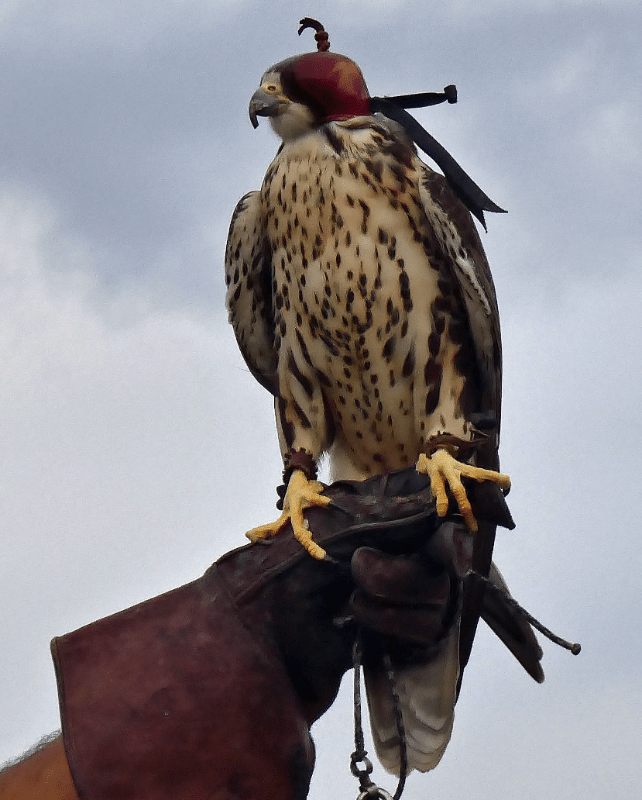
Figure 01. The fierce Prairie Falcon’s best weapons are its feet and its bill. On its powerful feet are two long middle toes, each of which is tipped with a deadly talon. When chasing prey or fending off an enemy, this falcon may deal a death blow with a single talon swipe.
To gain an appreciation of Prairie Falcons’ specialized bright-yellow feet, their tarsus length (ankle to toes) is 2–2.3″ (5.1–5.8 cm), and the length of middle toe alone, without its claw averages 1.7–2″ (4.2–5.3 cm). The talons are slate black.
Bare Parts
The Prairie Falcon’s lethal bill is bluish-gray at its base and blackish at its tip. Across the base of the bill is a bright-yellow cere, where the nostrils are visible. Nestlings’ bill and cere are grayish, becoming pale bluish with a dusky tip when they’re juveniles, then the cere becomes yellowish; bill color is adult-like by the end of the first year. At all ages, the iris of each eye is dark brown. The orbital skin surrounding the eyes is bright yellow in adults, and it undergoes developmental color changes similar to the changes in bill color (grayish, then bluish, then adultlike). Nestlings’ legs and feet are pale blue, becoming slightly yellowish as juveniles, then pale yellow as they finish their first year.
Plumage
Female and male Prairie Falcons have similar plumage, though experts may be able to detect subtle differences. Exquisite, subtly patterned rich chocolatey plumes cover the back, wings, and tail of this gorgeous bird (e.g., https://macaulaylibrary.org/asset/654687168 , https://macaulaylibrary.org/asset/654202327 ). Beneath the wings, the upper flight feathers are richly patterned dark browns, leading to buffy lower feathers (e.g., https://macaulaylibrary.org/asset/655480966 , https://macaulaylibrary.org/asset/655615813 , https://macaulaylibrary.org/asset/655615814 ). The breast and belly underparts are mostly cream, with dark-brown streaking and spotting.
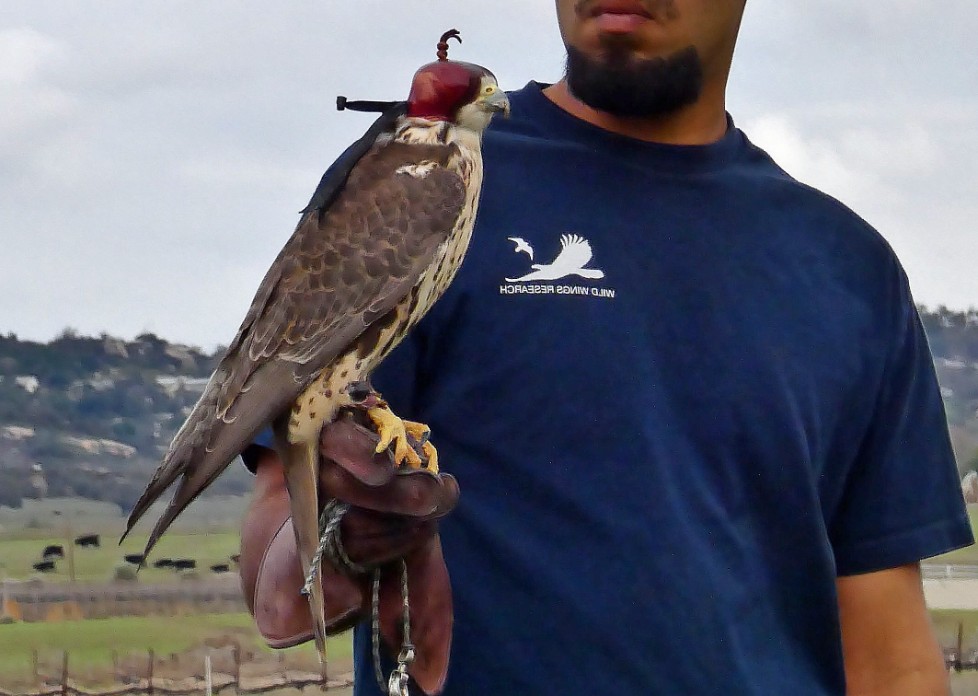
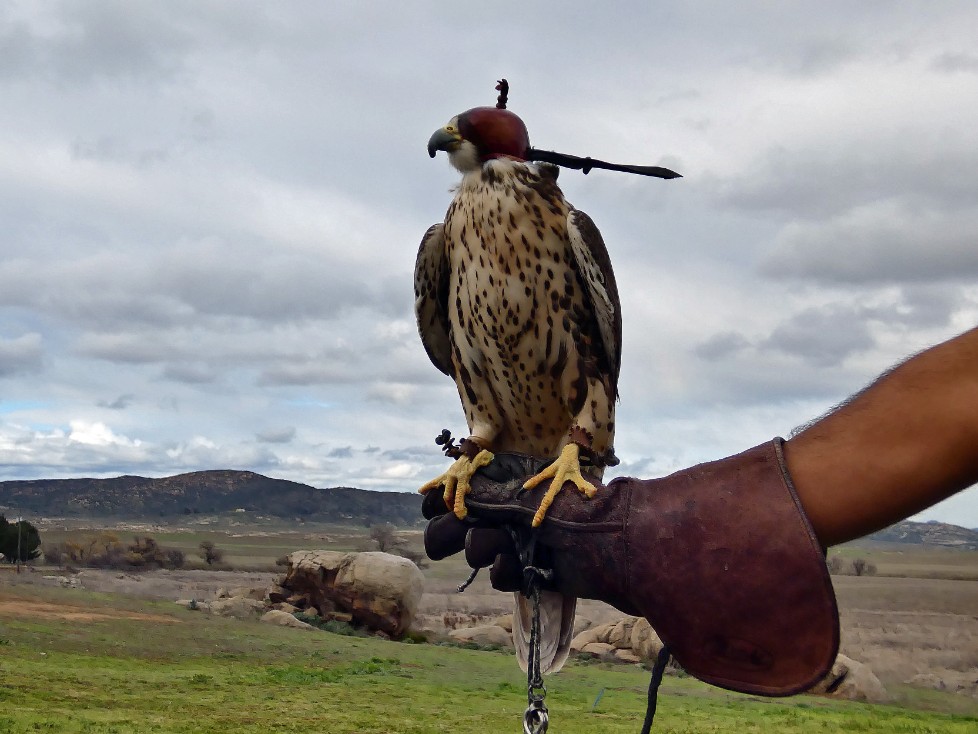
Figure 02. Though the magnificence of Prairie Falcon plumage is best displayed when in flight, you can sense its beauty even when perching.
The crown of the head is brown, extending back to the back. A narrow white supercilium (“eyebrow”) is directly above its eye, and a white malar (cheek) area leads from the eye down its neck to its breast, but a chocolate “mustache” marking extends from near the bill to the neck (e.g., see https://macaulaylibrary.org/asset/656516420 , https://macaulaylibrary.org/asset/656516248 ).
Hatchlings have pure white natal down, then it tinges with buff. Juveniles have plumage closer to that of adults, but with underparts more buffy or even rose-tinged.
Sounds and Vocal Behavior
During breeding season, Prairie Falcons are often “heard long before being seen,” with their loud territorial and courtship calls, especially when they’re near the nest. Their calls are described as a higher-pitched version of a Peregrine Falcon’s calls, or perhaps the calls of a Gyrfalcon. Both sexes vocalize, but females tend to have harsher, deeper calls. They both vocalize when they perceive a territorial intruder and when courting, such as when looking for nest sites. The female may whine to prompt the male to feed her or to copulate with her. Either sex may vocalize during copulation or during food transfers. (A sample of about a dozen vocalizations may be heard at Prairie Falcon (Falco mexicanus) :: xeno-canto .)
Distribution, Habitat, and Migration
Distribution
The Prairie Falcon is the only large falcon whose native range is strictly within North America, mostly in the west, from southern Mexico (especially Baja California), through the midwestern and western United States, to southwestern Canada, from British Columbia through eastern Manitoba. The total size of its range is estimated at 2,470,600–3,026,100 square miles (3,975,634–4,870,000 km2).
The Prairie Falcon resides between +23 degrees (about San Luis Potosí, Mexico) and +54 degrees of latitude (about Edmonton, Canada). Like most falcons, however, the Prairie Falcon may wander far afield. As shown by this range map, based on eBird observations — https://ebird.org/map/prafal — the Prairie Falcon has been observed as far north as Hudson Bay (about 60 degrees latitude), as far east as New Hampshire, and as far south as Oaxaca, Mexico (17 degrees latitude).
In general, this falcon tends to breed in the north (e.g., Canada, western North and South Dakota), usually not as far south as Oklahoma. The southernmost breeding records of the Prairie Falcon were in Mexico, as far south as San Luis Potosí. The easternmost breeding records are for 102 degrees western longitude (e.g., the eastern edge of North Dakota). The western limit appears to be the Pacific Ocean. During breeding season, Prairie Falcons tend to forage across large elongated territories, which they don’t defend aggressively.
Outside of the breeding season, this falcon tends to reside farther south, but it occasionally resides as far north as British Columbia and southern Canada. Prairie Falcons more typically reside in Washington, Oregon, California, and Baja California. In non-breeding season, their home ranges tend to be smaller, though they may roost relatively far from where they forage during the day.
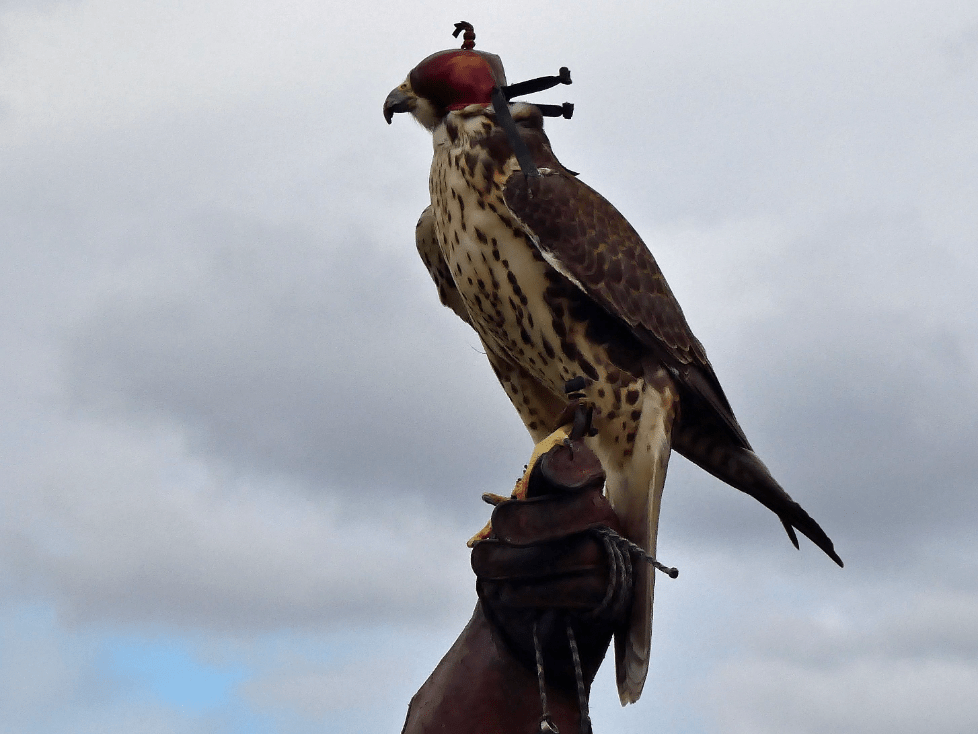
Figure 03. Prairie Falcons are often nomadic, looking for where they can find an abundance of prey.
Habitat
The Prairie Falcon inhabits territory between sea level and 6,600 feet (2,000 m) elevation, sometimes even up to 11,000 feet (3,350 m). With the name “Prairie Falcon,” you may have guessed that this falcon prefers arid grasslands, open plains, tundra, and shrub-steppe deserts, as well as shrublands, usually punctuated by cliffs or bluffs (for nesting). Some Prairie Falcons even live at inland wetlands or agricultural croplands. This falcon can adapt to anywhere it can find plentiful medium-sized mammals and birds to prey upon, preferably with sparse, low vegetation in which to find them. In breeding season, cliffs and bluffs are desirable.
Another adaptation of Prairie Falcons is their choice of microhabitat, the particular location within a given habitat. For instance, when temperatures are low, this falcon will perch atop cliffs with its dark back facing the sun, thereby maximizing the amount of solar radiation that their plumage absorbs. When temperatures are high, they’ll seek out shade, or they’ll face the sun with their light-colored breasts facing the sun, minimizing the absorption of solar radiation. In addition, their legs can thermoregulate through vasoconstriction (minimizing heat loss) or vasodilation (maximizing heat loss). They can also increase evaporative heat loss by panting with the bill open. On hot days, they can soar to increase convective heat loss, which they release to the moving air, without expending energy.
Movements and Migration
Compared with other North American falcons, the Prairie Falcon is much less migratory, but in the chills of winter, it will move to lower elevations and to more southerly and easterly locations. They have been described as more of a “wanderer” than a “migrant.” They rarely migrate long distances. Movement patterns are better described as nomadic, irruptive, roaming, more a response to food availability than to specific seasonal variations. For instance, migratory movements seem to be aligned with the timing of squirrel estivation (summer dormancy) in the south, or with squirrel hibernation in the north.
Regarding their dispersal from their natal nest, males tend to stay closer than females do — one study suggests males disperse about 8 miles (13 km), versus females about 34 miles (54 km). Other studies have shown that males and females may return to their natal nesting territory, or that neither sex moves more than a few miles away.
While making seasonal movements, Prairie Falcons may soar on thermals some of the time and may descend to hunt at other times. They typically travel alone during the day, especially in the late afternoon, when more heated air for thermals makes soaring easier. This falcon is also more tolerant of a variety of weather conditions, though it will move south just before the arrival of a storm. Data from radio-collared birds suggest that they can travel 6–34 mph (10–55 km/h), reaching up to 13–186 miles/day (21–299 km/day). Travel rates for spring migration are faster than for fall migration.
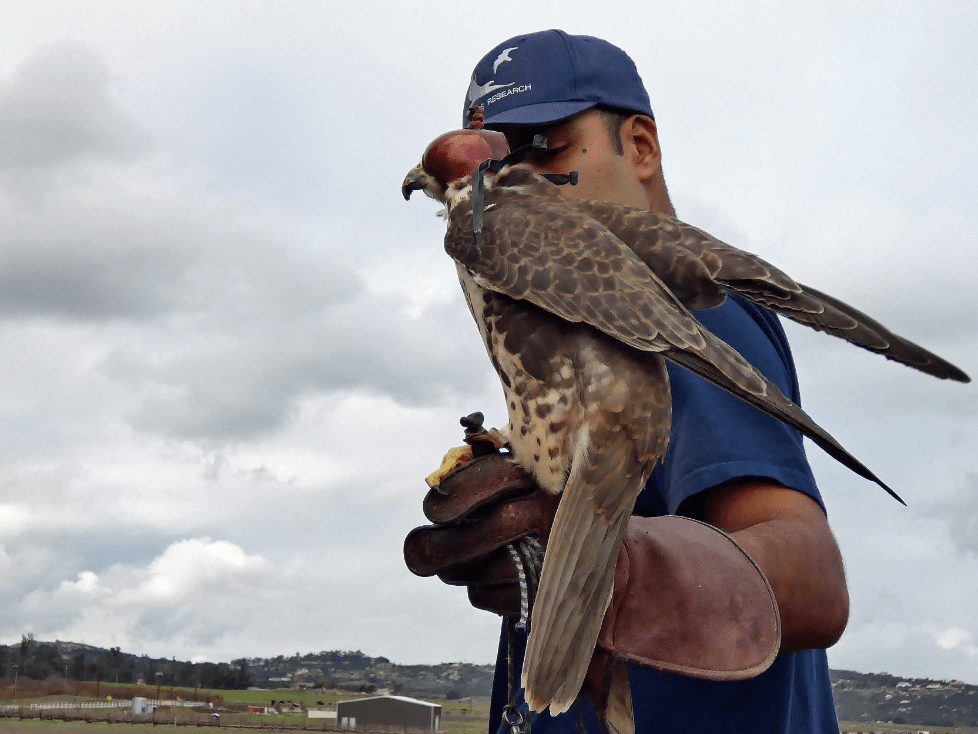
Figure 04. Though Prairie Falcons don’t migrate as much as other large falcons of North America, they can travel up to 186 miles/day, at up to 34 mph.
Food and Hunting
According to Avibase (and studies of pellets and other prey remains), the diet of Prairie Falcons is almost 100% land vertebrates, with traces of invertebrates. In particular, Prairie Falcons specialize in eating small mammals (e.g., squirrels, chipmunks, gophers). They also eat some reptiles, as well as some small- to midsized birds (e.g., Horned Lark, Western Meadowlark, Mourning Dove), which they catch midair. An opportunistic predator, the Prairie Falcon has been observed preying on larger birds (e.g., Canada Goose), too. Nonetheless, falcon populations and reproductive rates have been seen to fluctuate with populations of small mammals, especially squirrels. (Ground squirrels contain a high amount of fat, so they provide more kilocalories per ounce than other prey of similar size.) When widespread pesticide use was killing raptors who eat mostly birds, Prairie Falcons were affected far less than many bird-eating raptors.
Given the sparser distribution of prey within its range, the Prairie Falcon is an aggressive, opportunistic predator who can take relatively large mammalian and avian prey. In fact, a female Prairie Falcon has been known to catch and eat prey more than five times heavier than she is. More often, however, most prey weighs about 5.3 ounces (150 g) or less, so the falcon can quickly subdue it and carry it off to be eaten. (Quick reminder: Prairie Falcons weigh about 14.8–42.7 ounces, with females far heavier than males.) During breeding season, when the smaller male is providing most of the food for his family, he seeks out smaller prey, which may be easier to catch and kill, as well as more widely available.
A study of a captive female showed that she consumed prey equivalent to about 13–15% of her body weight each day, with seasonal fluctuations.
Hunting
Visual predators, Prairie Falcons use various strategies to capture prey. Typically, they fly low (10–20 feet, 3–6 m up), fast (45 mph, 72 km/h), and in a direct line until they spot prey. Once they spot their prey, they speed up further (perhaps >62 mph, >100 kmh) and angle downward (to about 3–6 feet, 1–2m) to capture their prey on or near the ground, usually surprising it. They are also known to soar from a height (about 25–35% of observations), scanning a wide area until they find prey, after which they’ll fly down to capture it. They’ll also hunt prey from a perch, closing in on it with a tail-chase; this strategy is especially useful when conserving energy and may lead to success about 1/4 times. Their direct flight (rather than undulating) helps them to surprise-attack their prey.
Figure 05. Every year, each Saturday morning in January and February, the Wildlife Research Institute hosts HawkWatch, where visitors (and, one hopes, donors) have an opportunity to see various hawks, owls, falcons, as well as other birds, at times. Most of these birds are falconry partners, but some are rehabilitated birds whose injuries or impairments (e.g., blindness) prevent them from being released to the wild. The key to falconry is that both partners benefit from the partnership. The raptor partner could easily fly away, never to return, if the relationship weren’t beneficial to the raptor, as well.
Prairie Falcons can also climb up high to do dramatic high-speed diving stoops to catch prey, similar to the Peregrine Falcon, the master of this technique. Because of the high speed of this attack, impact usually either kills or at least stuns the prey. Often, the falcon swipes the prey with its talons, especially the claw on the hallux (hind toe), or it may just hit the prey on the head or the wing, using closed feet (or foot). The intense impact can be heard from hundreds of feet away and has been known to knock the head of the prey completely off of its body.
When pursuing members of a flock, the Prairie Falcon will also fly under the flock, then fly right through it, repeatedly diving into and through the flock. This falcon has been seen to roll over to capture prey above it, using its talons. They’ll sometimes imitate the flight style of less threatening birds, to trick the prey into ignoring it — until too late. Less commonly, they will engage in other feeding strategies, such as scavenging, kleptoparasitism (against Peregrine Falcons, Northern Harriers), nest robbing (e.g., Cliff Swallows), and even cannibalism, by feeding the remains of a dead nestling to its siblings.
Food Caching, Drinking, Pellet Casting
Both males and females cache prey, using separate cache sites, but females cache more prey than males do. Caching may be an effective strategy for adapting to fluctuations in the availability of prey. It occurs more commonly during breeding season, perhaps because the need to compensate for fluctuations in prey is greater.
The drinking behavior of wild Prairie Falcons isn’t known, but captive birds drink only occasionally. In captivity, Prairie Falcons cast one pellet/day. In preparation to cast a pellet, this falcon stretches its head and neck upward and outward then quickly jerks and bobs its head while vigorously contorting its neck side to side, to move the pellet into its crop. Once the pellet is in its crop, it pumps its head up and down until the pellet is out.
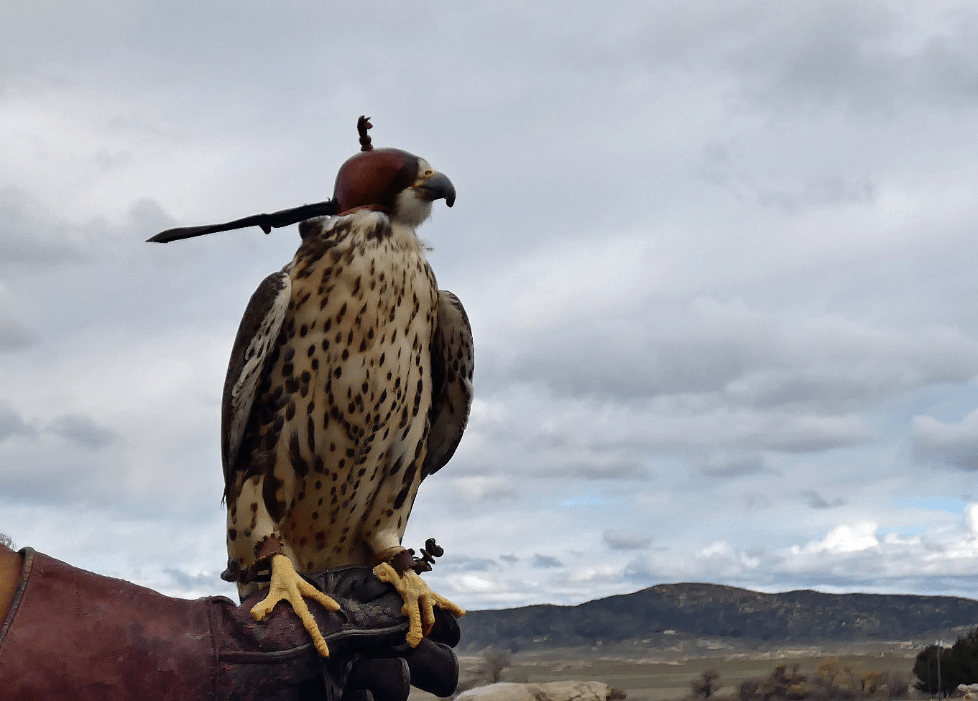
Figure 06. Each toe of the Prairie Falcon holds a lethal talon.
Locomotion
Adults neither walk nor hop much, but fledglings will spend quite a bit of time doing so. The Prairie Falcon’s powered (flapping) flight is direct and swift, with short, shallow, stiff, rapid wingbeats. When flying, this falcon’s wings are mostly below horizontal, so the strokes appear to be more downward than upward. Typically, the Prairie Falcon hovers only occasionally and seems to prefer gliding (not flapping, not riding thermals, allowing gravity to provide momentum) over soaring (not flapping, riding thermals, rising as the hot air carries them upward). When gliding, its wings are flat, with wing-tips curved upward; when soaring, it soars on flat wings, with its tail fanned out slightly. In some locations, these falcons use non-powered flight (gliding or soaring) much of the time; these observations included 31% hovering flight, 23% gliding flight, and 10% soaring, with the rest being powered flight. Some sex differences appear, too, with males showing more rapid wing beats than females.
Behavior
Routine Behaviors
Because the Prairie Falcon isn’t usually found near rivers or other shallow water, it has only occasionally been observed taking water baths. It has, however, been seen taking dust baths, especially females, during incubation. The baths lasted 1–16 minutes and were followed by lengthy periods of shaking and preening. Nesting adults are also observed preening more often. In general, preening is more common between dawn and the first hunt, and after the last hunt of the day but before dark. Hunting usually ends before sunset, unless prey are scarce. These falcons usually roost away from their daytime hunting grounds. Outside of breeding season, these falcons hunt alone and roost alone, and they don’t aggressively defend their territory.
Play
The Prairie Falcon has been seen appearing to play in ways that may keep their prey-handling skills sharp. In particular, they have been observed using their talons to pick up dried cow manure, carrying it aloft, then tossing it forward and catching it again, midair. They have been seen doing this over and over again.
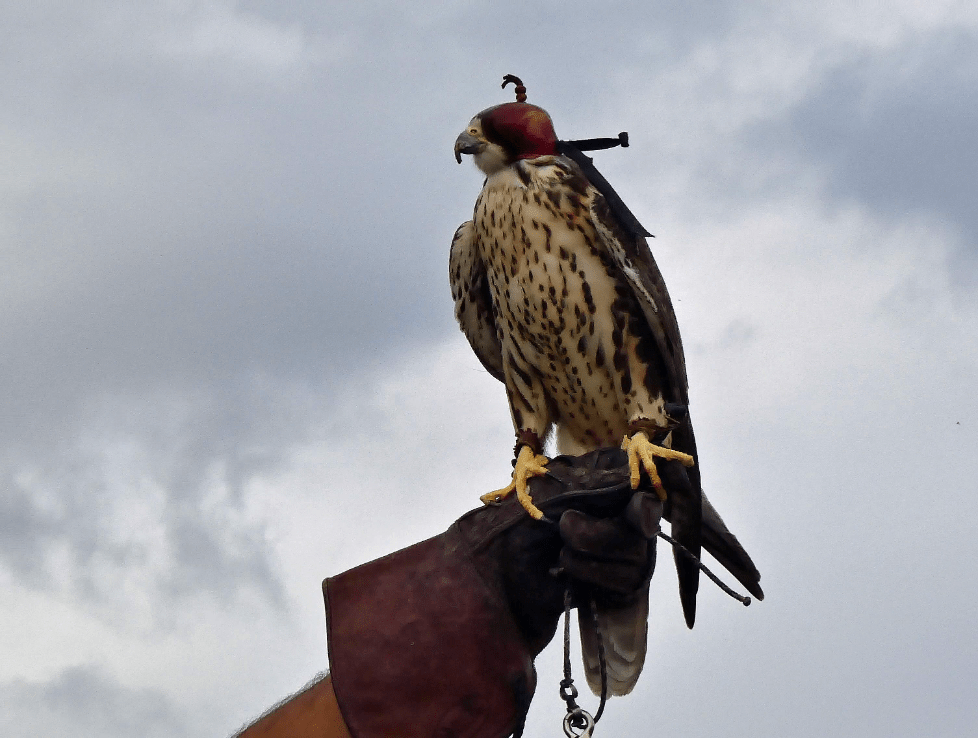
Figure 07. It’s fun to think that these majestic raptors keep their skills sharp by playing around with cow dung or other inanimate objects.
Response to Predatory Threats
Adult Prairie Falcons’ main predators are mammals — coyotes and bobcats — but nestlings are preyed upon by Common Ravens, Golden Eagles, and other raptors. The Great Horned Owl preys on both nestlings and adults. Owls have even been seen to force a parent to abandon its egg-filled nest. Peregrine Falcons, too, often attack and kill Prairie Falcons, especially nestlings. Other raptors also steal Prairie Falcons’ prey.
During breeding season, when a Prairie Falcon spots a predatory intruder, it not only vocalizes aggressively, but also actively chases it, sometimes succeeding in tackling an eagle to the ground. A Prairie Falcon mom will even attack bobcats, coyotes, and other ground predators who threaten her nestlings. The Prairie Falcon isn’t as powerful as eagles or other huge raptors, but it’s not defenseless. It’s quite fierce and aggressive and can sometimes even kill huge raptors by attacking with a swift diving stoop, using great speed, causing tremendous impact. Even outside of breeding season, a hungry falcon will attack large owls (including the Great Horned Owl) and other raptors, sometimes fatally.
The frequency of aggressive encounters rises along with the increasing abundance of neighboring species. Proximity is hazardous. The timing of aggressive interactions seems to increase in midmorning (a few hours after sunrise) and in late afternoon. Aggressive interactions are more common during breeding season than outside of it. During the breeding season, aggressive interactions increased throughout incubation but decreased during brooding, only to increase again after the youngsters fledge, continuing until the fledglings disperse.
Breeding
For the most part, Prairie Falcons are monogamous over a given breeding season. Though few couples stay together outside of the breeding season, close to four fifths of couples hook up again the following season. On rare occasions, one of the partners may engage in extra-pair copulation. Also, some couples have additional help from another adult, typically their own offspring from a previous breeding season. They’re neither brood parasites nor victims of brood parasitism.
Timing
In some locations, the timing of breeding closely matches the life chronology of ground squirrels (typically, from late February through late June or early July). After 6 months of torpor, the burrowed ground squirrels start to awaken just as the falcons are choosing their nest sites. The ground squirrels’ juveniles start emerging from the burrows just as the falcons are laying their eggs. The above-ground squirrel population reaches its peak just as the falcon hatchlings are emerging from their shells. When the ground squirrels start burrowing again, to estivate, the fledglings are starting to disperse. The timing for Prairie Falcons in other locations may differ, but they probably still align with the availability of prey for their hatchlings, nestlings, and fledglings.
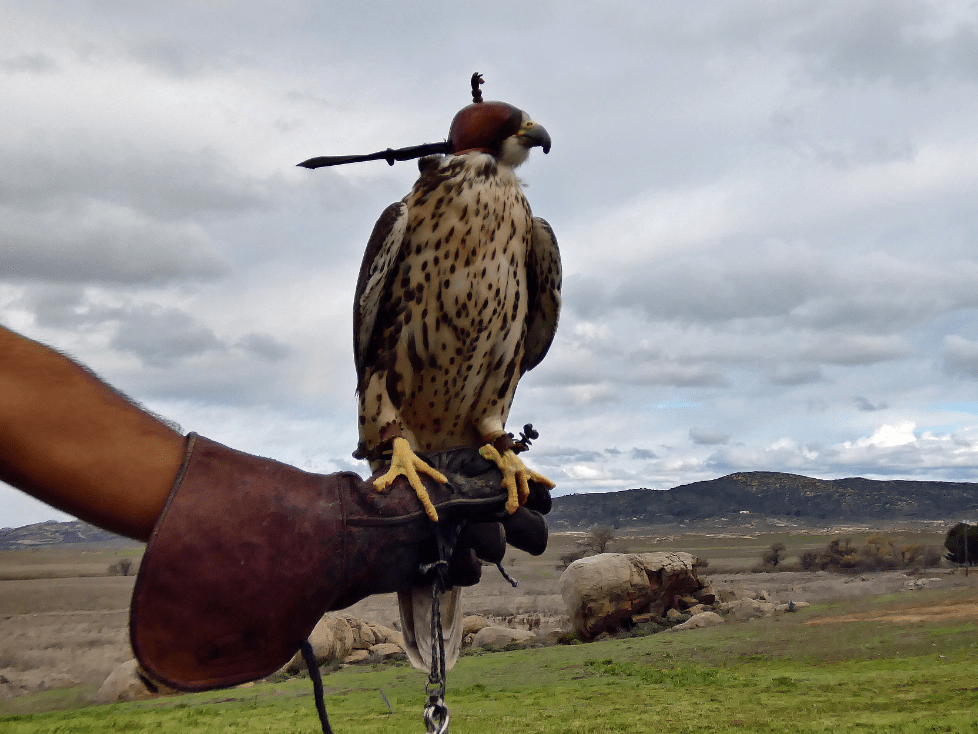
Figure 08. Prairie Falcons typically time their breeding to align with the abundant availability of prey.
Courtship
The choice of a nest site figures prominently in the courtship of Prairie Falcons. First, the pair visits possible nest sites together, circling each other with lowered heads, while vocalizing. The male offers food and vocalizes, and the female vocalizes to solicit food and to signal readiness to copulate. The pair soar and vocalize together in front of their chosen nest site, usually early in the morning and late in the afternoon; several other courtship behaviors seal the deal. Copulation lasts about 10 seconds, during which the female crouches and both birds flap their wings rapidly; one observer noted that the maximum number of copulations was 9/day, with the highest frequency of copulations 2–3 hours after sunrise. (What a patient, astute observer, right?) During courtship, which can continue for a month or so, the twosome perch together for long periods, near the nest site, and they roost near each other (within a few yards/meters).
Once egg laying starts, the female roosts at or near the nest, but the male may roost away from the nest. The time from first copulation until the laying of the last egg can take more than 51 days.
Nest
Early in the breeding season, mated pairs establish a territory of about 75–160 square miles (<200–>400 km2); couples actually have better reproductive success when they have a smaller territory, which doesn’t require the male to carry prey as far to the nest. The couple maintains their territorial boundaries through “patrolling,” using visual and vocal signals at territorial boundaries. Patrolling increases when nestlings hatch, then decreases over time. Once incubation begins, neither parent is likely to leave the nest to defend the territory, with females being the least likely to leave.
Prairie Falcons nest primarily on cliff ledges, averaging 60 feet up (18.5 m), but possibly 6–500 feet up (2–154 m), usually on south-facing cliffs, less subject to temperature extremes. Also, cliff walls absorb heat during the day and radiate heat at night. A cliff with an overhang offers additional advantages. Nonetheless, Prairie Falcons have also been seen nesting in trees, on buildings, inside caves, and in other locations out of reach by most mammalian predators. Often, they’re sharing these cliff ledges with potential avian predators, such as Common Raven, Golden Eagle, and Red-tailed Hawk. They also lay their eggs in the abandoned stick nests of these species.
Even when Prairie Falcons don’t use abandoned nests built by other birds, they do not “build nests.” They will sometimes scrape together some loose debris to make a small depression for holding eggs. They’re unlikely to reuse a “nest” from a previous year.
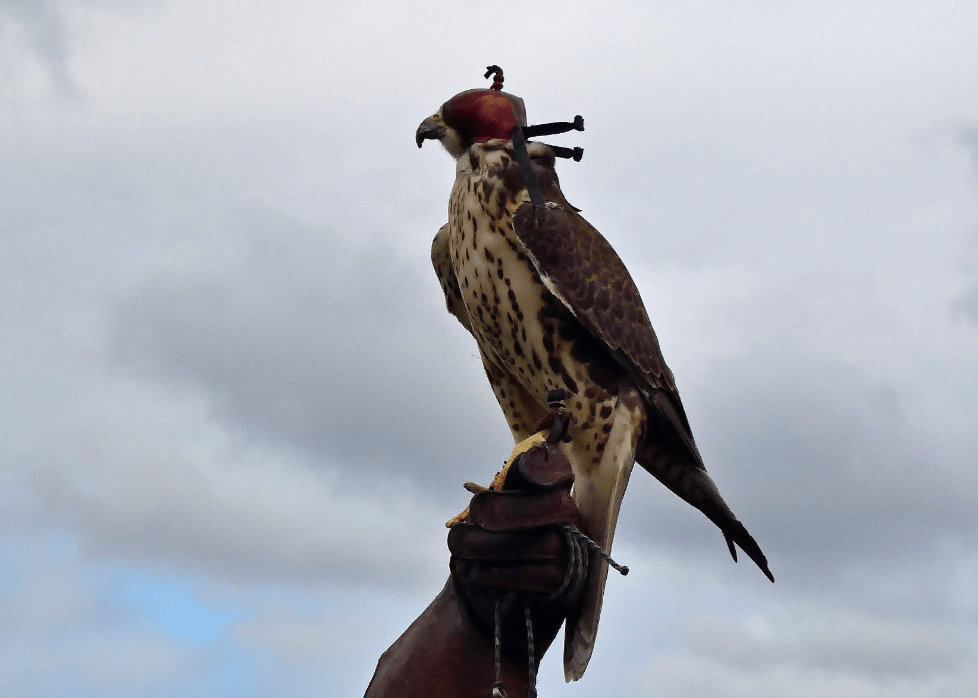
Figure 09. Cliffs offer numerous advantages to Prairie Falcons (and other raptors) when raising nestlings. Importantly, mammalian predators aren’t able to get to the eggs or the nestlings. In addition, the cliffs offer some thermal regulation, absorbing heat during the day and radiating heat at night.
Eggs, Clutches, Incubation
During breeding season, Prairie Falcon females — who are about 40% larger than males — must reduce their energy expenditure, thereby reducing their need for kilocalories, to about the same level as the males. To do so, the females stop hunting and count on their mates to provide them with food. Beginning several days before she lays her first egg, the female becomes lethargic. After laying her first egg, she continues to lay additional eggs about every 2 days, but she doesn’t start incubating the eggs until she lays the penultimate egg. Her clutch usually contains 5 eggs, but possibly 2–7 (1 report of 8 eggs). The eggs are subelliptical (2″ × 1.6″, 5 × 4 cm), creamy or pinkish, speckled with dark brown, cinnamon, rufous, and sometimes purplish (image possibly available at https://birdsoftheworld.org/bow/species/prafal/cur/breeding ). Because Prairie Falcons prefer dryer, less humid environments, their eggs are less porous than those of Peregrine Falcons and retain more fluid.
In general, the Prairie Falcon females do most of the incubating and brooding, and the males provide most of the food. In fact, the female doesn’t hunt at all until after the nestlings are 12–14 days old. She does all nighttime incubation, and most of the daytime, but whenever the male delivers food during the day, he spends some time incubating, to allow the female to go off to eat and to preen (averaging 36 minutes away from the nest, while the male incubates). The male might deliver about 6 prey items per day, starting shortly after sunrise and ending shortly before sunset. The farther he had to fly to find prey, the longer the interval between deliveries. When not hunting, both partners spend most of their daylight hours at or near the nest. Incubation continues for about 29–33 days, with 39 days being the longest time observed.
Hatching, Brooding, Fledging
Regardless of the number of eggs in a clutch, laid asynchronously, the entire clutch of Prairie Falcon eggs hatches within 36–50 hours. The youngsters start audibly vocalizing about an hour before pipping the shell (breaking the eggshell, such as by making a little hole), and it takes them about 2–3 days from the first pipping until fully hatching; in captivity, that timing can be much shorter. At hatching, they’re covered with wet white down, which dries in about 2 hours. Their ear holes are open, but their eyes are mostly closed, not fully open for about 1–2 days.
Similar to incubation, the mom does all the nocturnal brooding and up to 94% of the diurnal (daytime) brooding. With new hatchlings, she broods them about 61–75% of her daytime hours, with the male doing so about 5–14% of the time. After 1–2 days, however, the amount of time brooding declines from about 89%, down to 22–32% during the second week. By the end of the third week, the chicks are brooded less than 4% of the time and then mostly just to shade them to prevent overheating. Rainy weather doesn’t seem to affect brooding behavior.
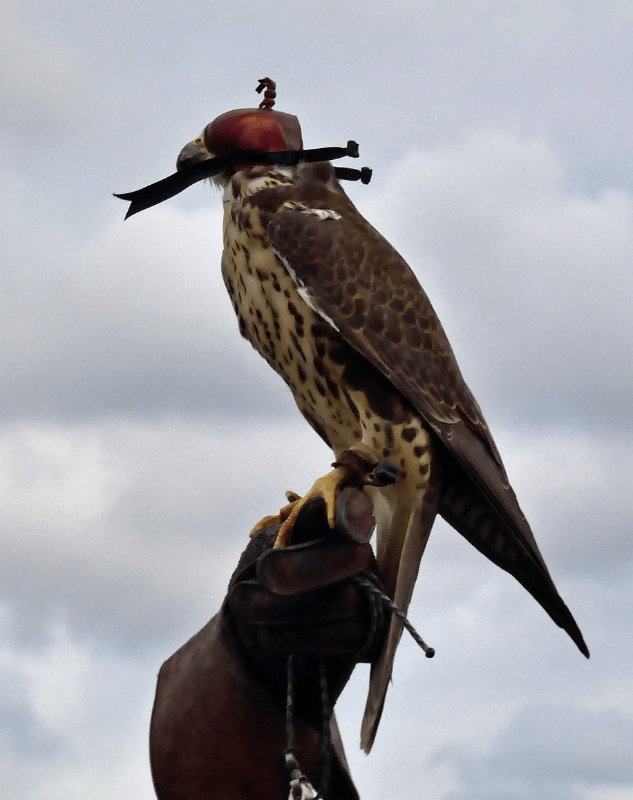
Figure 10. Prairie Falcon parents devotedly care for their young hatchlings, then gradually, as the chicks mature, the parents spend less time caring for their needs. Nonetheless, even after their youngsters fledge, these parents continue to provide supplementary food.
At first, Prairie Falcon nestlings spend about 80% of their time resting or sleeping, but as they get older, they increase their time spent exercising. At about 9–11 days of age, the nestlings can sit up, and they can stand at about 20 days. Juvenile feathers start to emerge at about 10–12 days, become clearly visible by about 17–19 days, and are completely developed by about 33–35 days. As their feathers develop, the chicks spend more time preening.
During the first 3 weeks after hatching, the Prairie Falcon male delivers food to the female, who directly feeds the nestlings. Once the nestlings reach about 4 weeks of age, both parents drop off food at the nest, and the nestlings feed themselves. The parents eat parts of each prey item and deliver partly eaten prey to the young; food deliveries arrive 3–8 times/day (average 5.4/day), peaking in early morning and late afternoon or early evening. Males deliver 100% of the prey for the first week and 70–74% for another week or 2; females deliver almost 40% of the prey during the last half of the brooding time. Uneaten prey is removed and may be cached in cliff crevices.
The total time from hatching to fledging (and leaving the nest) may be about 29–47 days, averaging about 38 days. Even after chicks leave the nest, however, both Prairie Falcon parents continue to provide food to their young, only gradually reducing the amount over time, as the fledglings’ hunting skills increase enough for them to be self-sustaining, which usually happens at about 65 days after hatching, with siblings leaving the natal area at about the same time. Perhaps because they’re larger than males, females are slower to leave than males are.
Breeding Attempts and Reproductive Success
If a Prairie Falcon pair’s first clutch is lost (predation, weather, etc.), they’ll sometimes attempt to rear a second clutch. Otherwise, one clutch per year is the norm. The yearly productivity of a given pair is about 2.75 youngsters who are reared to fledging. There appears to be wide variation in reproductive success, however, regionally, seasonally, and by individual pairs — as well as with observational and analytical methods by researchers. One study estimated that lifetime reproductive output was 12.3 youngsters for males and 9.8 youngsters for females. The age at first breeding is 1.5–2 years for females and 1–2 years for males. Yearlings who reproduce successfully are paired with older mates. Average generation length is 4.4–5 years.
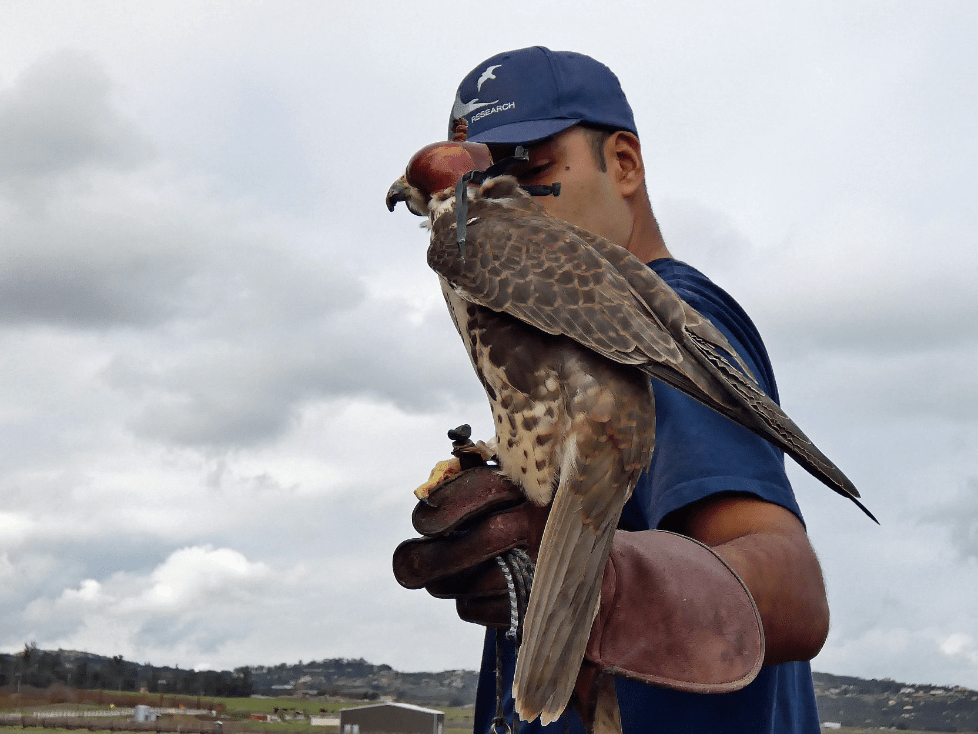
Figure 11. The devoted care Prairie Falcon parents provide to their youngsters seems to pay off with high rates of success rearing them to fledging.
Life Span and Survivorship
The estimated annual survival rate of adult Prairie Falcons is 71%. The maximum documented age for a Prairie Falcon was 17 years, 3 months, but the median known age of breeding adults was 4.9 years. One scientist estimated that the average life expectancy for adults is 3.4–7 years, but the possible life span is 22.4 years.
One reason for the Prairie Falcon’s hardiness is its ability to adapt to many environments, even during periodic droughts. As mentioned, its preference for mammals over birds helped protect it against the pesticides that killed Peregrines and many other bird-eating birds. A negative factor for the Prairie Falcon can be limited availability of suitable ledges or cavities for nest sites on cliffs. Prey abundance also affects their population, especially in times of drought or severe storms.
When prey is less abundant, the Prairie Falcon must try to compete against Peregrine Falcons, Great Horned Owls, Golden Eagles, and various hawks. As noted previously, the fiercely aggressive Prairie Falcon can often hold its own, sometimes even killing huge raptors with a tremendously impactful swift diving stoop, perhaps with a slashing talon or maybe with toes clenched into a “fist.” If both parents are defending their nestlings, they can coordinate their attack, to deadly effect. When prey is plentiful, however, Prairie Falcons and much larger raptors can have peaceable relationships, even when brooding.
In addition to predation (especially by the Great Horned Owl), natural causes of mortality include pathogens (e.g., pulmonary aspergillosis, often transmitted by prey), and parasites (e.g., Haematosiphon inodorus, a sucking ectoparasite, common in nests). For adult birds, human hunting is a common cause of death (these deaths could be classified as predation, too); often these shootings are illegal. Too many are killed by collisions (e.g., with vehicles, fences, wires). Less common causes include the death of a nestling’s parents, insecticide poisoning, or falls from cliff ledges.
Conservation Status
The Prairie Falcon, Falco mexicanus, has an IUCN Red List conservation status of LC, Least Concern, given its extremely large range. The most recent estimate of the number of mature individual birds is 110,000, and the population is believed to be increasing, though some locations (e.g., Texas, Alberta Canada) have shown declines, due to habitat destruction to make way for agriculture, livestock grazing, urbanization, roadways, and other human activities. (It should be noted that population data are limited before 1950 and during the 1980s. Even the annual Christmas Bird Count data aren’t as helpful for this species, which may be migrating during the count.)
To continue to support the well-being of Prairie Falcons, conservation strategies include maintaining and enhancing the availability of suitable nest sites, sometimes by constructing artificial nest sites at cliffs, using hand tools or by using other means (e.g., drilling or even blasting in hard rock; reinforcing fragile or eroded sites with metal frameworks). The designation of protected areas for habitats has also worked well in Canada and in the United States, in addition to reintroduction of captive-bred Prairie Falcons to protected areas. Another strategy has been to limit human activity near nest sites, minimizing human disturbance. Continued monitoring and research are still needed, especially regarding populations and life histories in Mexico.
Figure 12. At the annual HawkWatch, the Wildlife Research Institute showcases falconers (e.g., Ryan Rubino, left) and their partners at the Ramona Grasslands in San Diego County.
Relationships with Humans
Falconry
Falconry is an ancient practice, dating back at least to the Aztec and Egyptian civilizations. In the United States, the legal “harvesting” (taking falcons from the wild, usually as nestlings) of Prairie Falcons for use in falconry is permitted in 19 states. Falconers harvest about 1 in 500 Prairie Falcons from the wild each year, making it the second most commonly harvested bird of prey. This falcon is abundant and relatively easy to acquire. Because of the high mortality of juvenile raptors, it’s thought that harvesting for falconry doesn’t affect population size.
Falconers can’t know the sex of the bird they capture as a nestling, but adult males are smaller and more agile for capturing doves, quail, and other smaller birds, and larger more powerful adult females can reliably capture birds as large as pheasants or large ducks. Nowadays, falconers can purchase captive-bred falcons for which the sex is already known. Hybrids with other falcon species are also available commercially.
Properly training a Prairie Falcon requires knowledge, expertise, patience, and dedication. When properly trained, the Prairie Falcon is aggressive, agile, and single-minded; its hunting skill is equal to the better-known Peregrine Falcon. Though a large female may be willing to go after a goose or a Greater Sage-grouse, it’s risking the well-being of the bird to let her do so, and a wise falconer will prevent endangering the bird.
Human Disturbance
Human activity near a roost site can disturb the Prairie Falcon’s activity, but what’s far worse is human activity near a nest site, which can disturb the nestlings and can interfere with the parents’ care for their nestlings, perhaps even causing a parent to abandon the nest or accidentally knock eggs or nestlings from the nest. Loud noises can be particularly troublesome, as well as intrusive behavior. When humans used observation blinds several hundred feet (or sometimes even closer) from the nest, this seemed to have little impact, however. The trapping of breeding parents had detrimental effects, but falcon parents who carried backpack radio transmitters seemed to be unaffected. Long-term use of backpack transmitters, however, did lower survival rates of adult females.
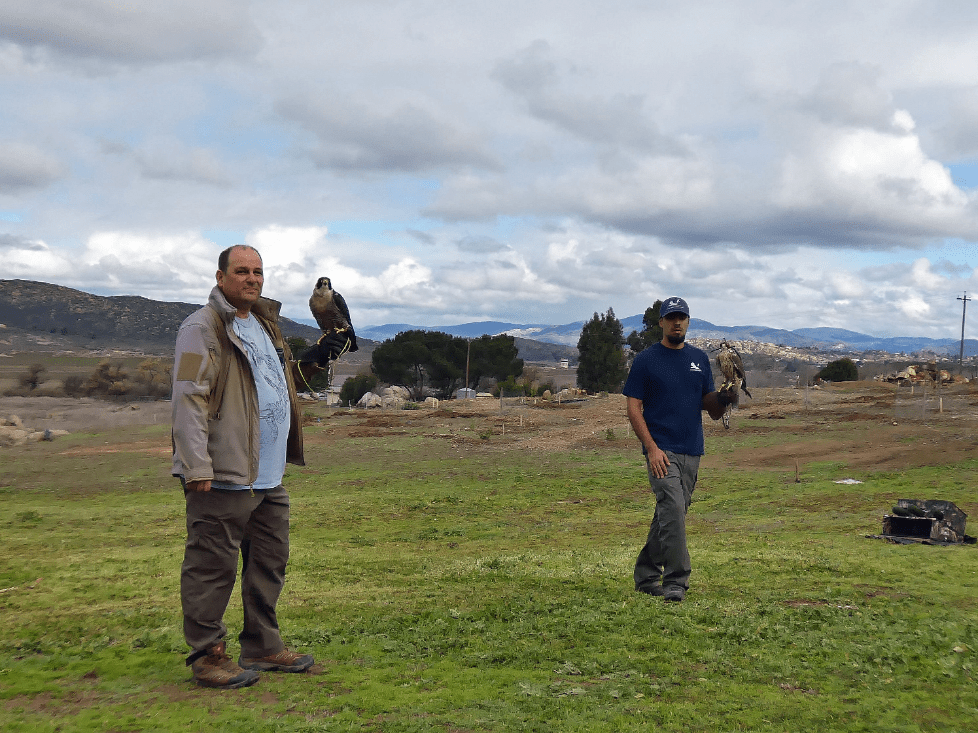
Figure 13. Skilled falconers can form mutually rewarding partnerships with their raptors, so that each partner benefits from the relationship. If, at any time, the raptor decides to end the relationship, the bird can leave.
Observations
The Cornell Lab of Ornithology gathers information from observers around the world through the eBird app and website (https://ebird.org/species/prafal ), which holds 144,100 observations, 16,241 with photos, 60 with audio recordings. The lab’s Macaulay Library website (https://search.macaulaylibrary.org/catalog?taxonCode=prafal ) holds 29,001 photos, 73 audio recordings, and 98 videos.
In addition, iNaturalist gathers observations with its app and website (https://www.inaturalist.org/observations?taxon_id=4644 ), which offers 4,400 observations, including these: with prey, https://www.inaturalist.org/observations/341190791 ; flying, https://www.inaturalist.org/observations/355968179 , https://www.inaturalist.org/observations/351730199 .
Forthcoming will be additional falcon blogs. I plan to feature these four falcons: Pygmy Falcon, Polihierax semitorquatus; Gyrfalcon, Falco rusticolus; Peregrine Falcon, Falco peregrinus; and American Kestrel, Falco sparverius.
References
Prairie Falcon
- Steenhof, K. (2025). Prairie Falcon (Falco mexicanus), version 3.0. In Birds of the World (B. K. Keeney, Editor). Ithaca, NY: Cornell Lab of Ornithology. https://doi.org/10.2173/bow.prafal.03 https://birdsoftheworld.org/bow/species/prafal/cur/introduction
- Prairie Falcon, AviBase, https://avibase.bsc-eoc.org/species.jsp?avibaseid=BBFF0963
- Prairie Falcon, AviBase Life History, https://avibase.bsc-eoc.org/species.jsp?lang=EN&avibaseid=BBFF09633223CE1F&sec=lifehistory
- Prairie Falcon, IUCN Red List, https://www.iucnredlist.org/species/22696504/140947108
- https://en.wikipedia.org/wiki/Prairie_falcon
- Nahuatl name, “Iztac-Tlohtli,” “white falcon,” https://nahuatl.wired-humanities.org/content/iztactlotli
Etymology
- Lederer, Roger, and Carol Burr. (2014). Latin for Bird Lovers: Over 3,000 Bird Names Explored and Explained (224 pages). Portland, OR: Timber Press.
- Gotch, A. F. [Arthur Frederick]. Birds—Their Latin Names Explained (348 pp.). Poole, Dorset, U.K.: Blandford Press.
- Gruson, Edward S. (1972). Words for Birds: A Lexicon of North American Birds with Biographical Notes (305 pp., including Bibliography, 279–282; Index of Common Names, 283–291; Index of Generic Names, 292–295; Index of Scientific Species Names, 296–303; Index of People for Whom Birds Are Named, 304–305). New York: Quadrangle Books.
Text and images by Shari Dorantes Hatch. Copyright © 2026. All rights reserved.
Images were recorded at HawkWatch, annual event hosted by Wildlife Research Institute.


Leave a comment