
Pygmy Falcon, Polihierax semitorquatus
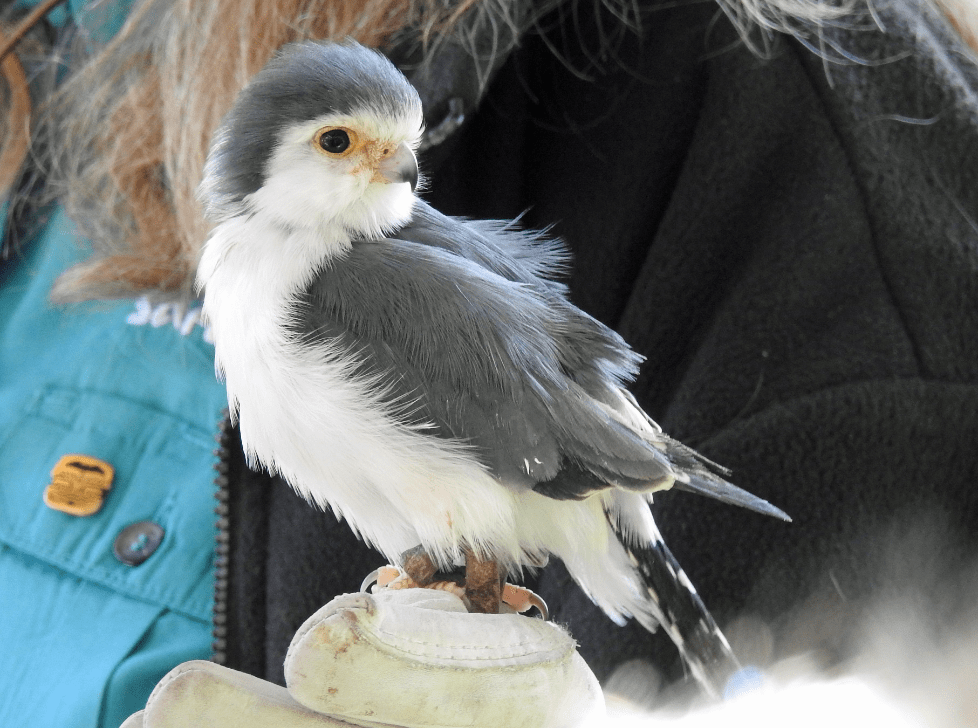
Figure 01. (left) When this Pygmy Falcon turns its head, you can peak at the white feathers on the back of its nape, part of its “half collar,” explaining the semitorquatus (from Latin) in its scientific name. (right) A view from its side shows why its genus name is Polihierax, from Greek polios, “gray,” and hierax, “hawk.”
This is my third blog in a series of blogs about falcons. The first, https://bird-brain.org/2026/05/03/the-falcon-family/ , introduced the order, Falconiformes, the family, Falconidae, and the Merlin, Falco columbarius. The second blog in this series, https://bird-brain.org/2026/05/10/falcons-prairie-falcon/ , focused on the Prairie Falcon, Falco mexicanus. This blog focuses on the Pygmy Falcon, Polihierax semitorquatus. Following this blog will be additional blogs featuring American Kestrel, Falco sparverius; Gyrfalcon, Falco rusticolus; and Peregrine Falcon, Falco peregrinus — not necessarily in that order.
Note. All of the images of Pygmy Falcons in this blog were taken at the San Diego Zoo’s Safari Park, where this male falcon is an “animal ambassador,” offering his charisma and charm as enticements for visitors to care about preserving this falcon, other wildlife, and the habitats on which they depend.
Also called the African Pygmy Falcon, its binomial scientific name, Polihierax semitorquatus, refers to its appearance: Its species name, Polihierax, comes from Greek, polios, for “gray,” and hierax for “hawk.” This falcon is the only species in this genus (making this genus monotypic, referring to there being only one species in this grouping), and it has no subspecies (also described as “monotypic”). Its species name, semitorquatus, is Latin for semi-, a prefix for “half,” and torquatus, meaning “collar” (or “necklace”), pointing to this small falcon’s partial white collar. (Zoologist, explorer, and surgeon Andrew Smith introduced the Pygmy Falcon in 1836, based on a specimen from Old Latakoo, in South Africa.) In Spanish, it’s Halconcito Africano, or little African falcon.
Description
The Pygmy Falcon is the smallest bird of prey in Africa and one of the smallest raptors on Earth. Adult pygmy falcons weigh 1.3–3 ounces (37–85 g) and measure 7–8.3″ long (18–21 cm), bill to tail. (A deck or cards or 3 slices of bread = about 3 ounces; a standard tissue box is about 8″.) Their wingspan is 13.4–15.7″ (34–40 cm) and each wing’s length is 4.4–4.8″ (11.1–12.1 cm). Tail length is 2.4–3″ (6.2–7.7 cm); tarsus length, 1–1.2″ (2.5–3 cm).
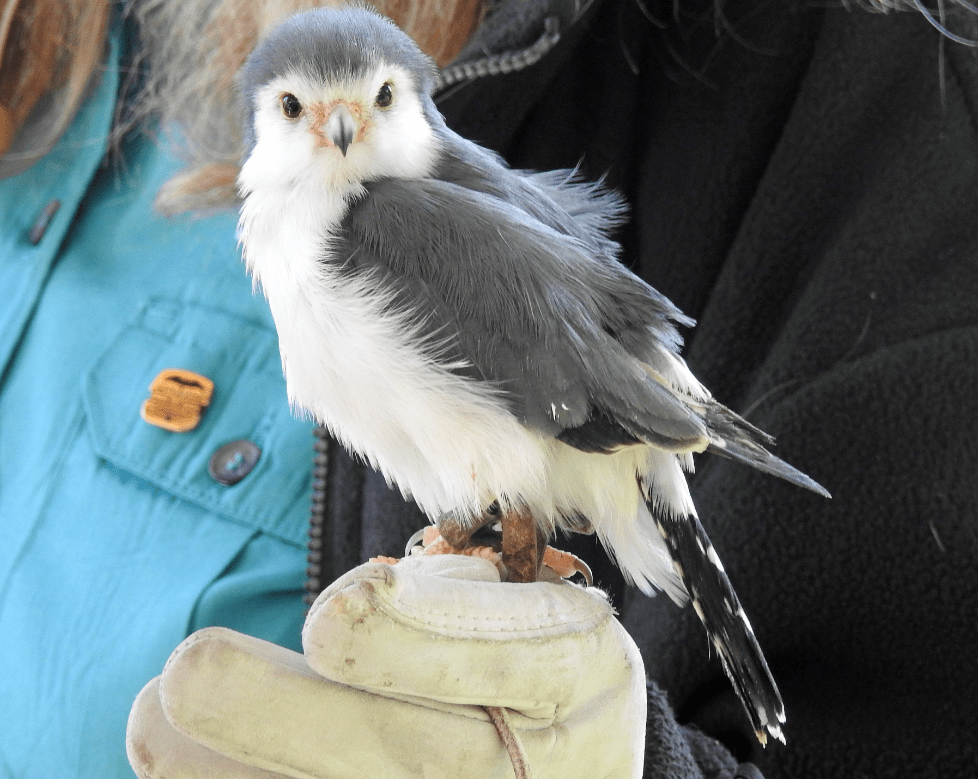
Figure 02. One of the smallest raptors on Earth, the Pygmy Falcon weighs 3 ounces or less, measuring between 7″ and a smidge more than 8″ long, bill to tail. Though diminutive, its bill, with its deadly tomial tooth, reveal its fierceness as a predator.
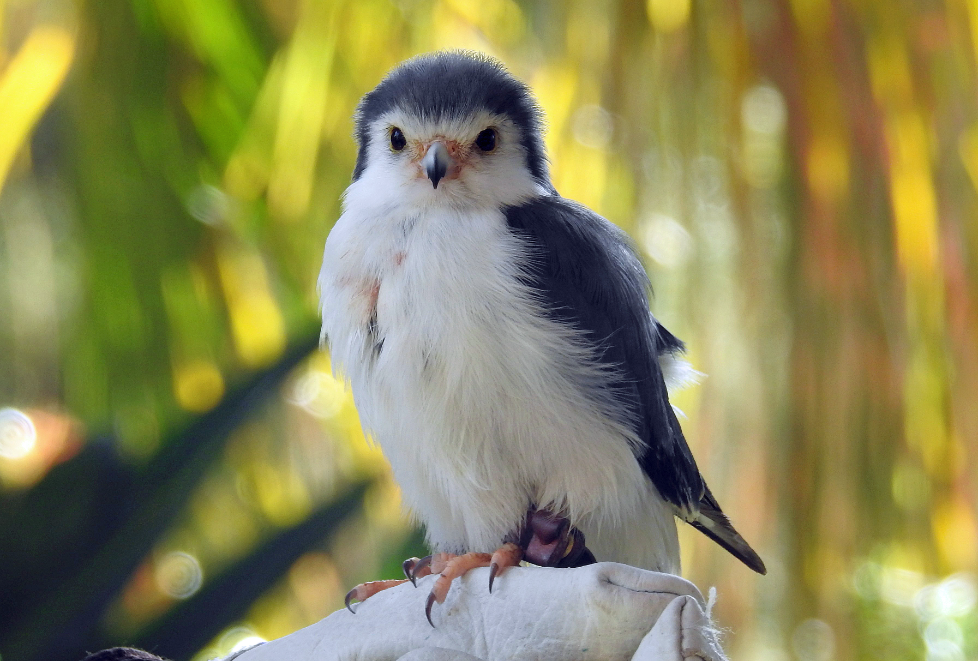
Both male and female have gray caps and gray upper wings; white faces, breasts, and bellies, and two white spots at the back sides of the nape. Tails are spotted on top and barred (crosswise) beneath. The backs, tails, and lower wings differ for females versus males. The female’s tail and lower wing plumage is dark-chocolate brown, whereas male plumage there is black and gray. Female backs are rich chestnut brown; male backs are gray.
(For photos of the female’s striking chestnut back and brown tail, see
https://en.wikipedia.org/wiki/Pygmy_falcon#/media/File:Polihierax_semitorquatus_(31035890627).jpg ;
https://www.inaturalist.org/observations/338893194 , https://www.inaturalist.org/observations/333475231 ;
https://macaulaylibrary.org/asset/650083860 , https://macaulaylibrary.org/asset/646276835 , and a female about to pounce on prey, https://macaulaylibrary.org/asset/647608538 .)
Both male and female have dark-pink feet and toes. The bare skin surrounding their eyes and on their cere (across the top of the bill, where the nostrils appear) are pink to red on male and female. Irises / irides are dark brown. The bill is light at the base, dark at the tip; curved downward, ending in a a deep tomial tooth (tooth-shaped protrusion typical of falcons). The bill is about as wide as it is deep and almost twice as long as it is wide or deep.
Juveniles are similar to adults, but on their upperparts, their plumage is brownish to rufous, and their underparts are more buffy than white, faintly streaked. Their feet and the bare skin on their heads are also paler pink than those of adults.
Vocalizations
In South Africa, Pygmy Falcons have been observed mimicking the calls of Sociable Weavers (Philetairus socius), the bird species that builds the colonial nests in which Pygmy Falcons have been known to roost and to nest. Their calls have been described as high-pitched and staccato sounds. To hear four samples of Pygmy Falcon vocalizations, including two with pairs vocalizing, please visit https://xeno-canto.org/species/Polihierax-semitorquatus .
Locomotion
Their manner of flight has been described as “low and undulating” — most falcons fly low when on the prowl for prey, but undulating flight isn’t typical for falcons.
Figure 03. This Pygmy Falcon shows off the white spots on the back of its nape and on its tail, but the spots on its wings aren’t visible.
Distribution, Habitat, and Migration
Distribution
The Pygmy Falcon is native to eastern, southwestern, and southern Africa (see eBird year-round range map: https://ebird.org/map/pygfal1 , generated from eBird observations), residing at least partly in Botswana, Ethiopia, Kenya, Namibia, Somalia, South Africa, South Sudan, Tanzania, and Uganda, as well as dipping its bill into Angola, Democratic Republic of Congo, Lesotho, and Sudan. Its range is discontinuous, with many large gaps between populations. Outside of breeding season, it is also a vagrant in Rwanda. Its total range has been estimated at 1,042,500 – 1,198,500 – 3,034,800 square miles (2,700,000 – 3,103,664 – 7,860,000 km2). The latitude ranges from −31 to + 11.5 degrees, below and above the equator. Its elevation range is sea level to 6,135 feet (1,800 m).
Habitat
Pygmy Falcons prefer arid to semiarid open habitats, such as savannas, grasslands, brushlands, and shrublands, with scattered trees, especially thornbrush. In addition, these falcons seek out weaver nests, both for nesting and for roosting. Particular favorites: the nests of Sociable Weavers (Philetairus socius), as well as White-headed Buffalo-weavers (Dinemellia dinemelli). Falcon families or pairs often roost near one another, either in the same nest chamber or in adjacent chambers (for a photo of the colonial nests of Sociable Weavers and the arrangement of their nest chambers, see
https://en.wikipedia.org/wiki/Sociable_weaver#/media/File:Nido_de_tejedores_republicanos_(Philetairus_socius),_Sossusvlei,_Namibia,_2018-08-06,_DD_170.jpg
). The weaver nest chambers also provide thermal insulation from extreme temperatures.
Movements and Migration
Like many other falcons, the Pygmy Falcon doesn’t migrate, residing year-round in its territory. Nonetheless, it can be nomadic, making local movements going from extremely arid locations to moister ones, depending on the weather more than on the season. Juveniles will, however, disperse far from their natal territory (up to 400 miles, 650 km). Pairs will establish and maintain their own territory year-round.
Food and Foraging
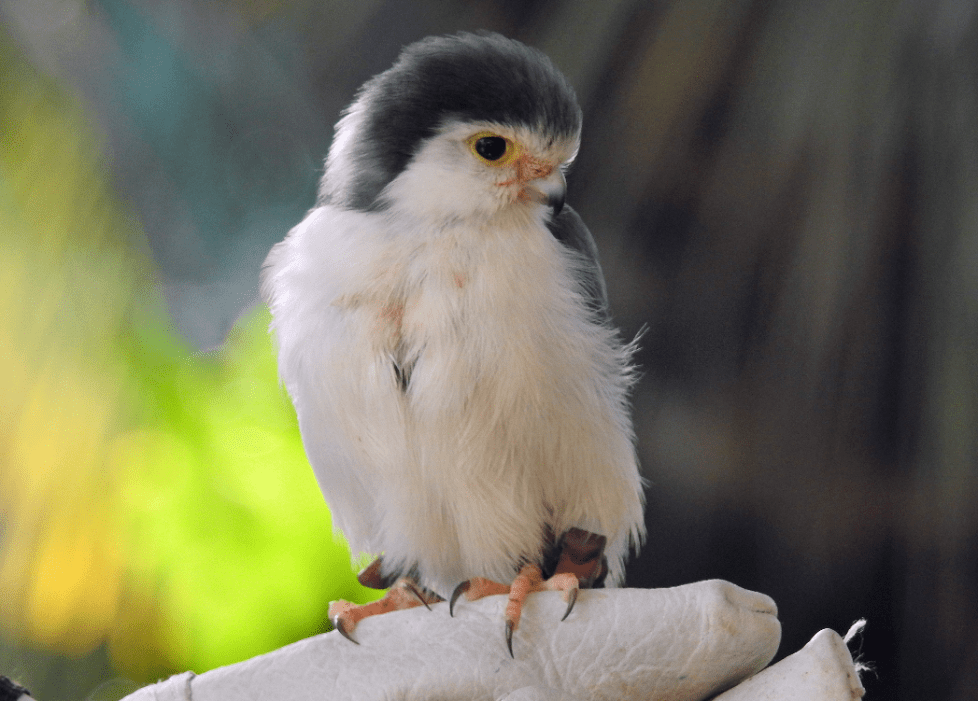
Figure 04. The Pygmy Falcon may be small, but it’s a fierce predator, snatching, killing, and eating small vertebrates, as well as invertebrates. (Check out the deadly tomial tooth at the tip of its bill.)
According to AviBase, about 60% of the carnivorous Pygmy Falcon’s diet is land vertebrates, and the other 40% is invertebrates. This raptor’s flexibility of prey choice works well in the relatively harsh, arid environment it inhabits. Lizards are their main vertebrate prey, but they also eat rodents (or other small mammals) and birds (including nestlings of the weavers whose homes they inhabit, or even sometimes the adults). They eat an assortment of invertebrates, such as beetles, grasshoppers, termites, and other arthropods.
Visual hunters, Pygmy Falcons typically go to a high perch and scan the ground for prey. As soon as prey is spotted, the falcon swoops down and pounces on it, though occasionally a short chase may be needed, too. Reportedly, skinks (a type of lizard) have been observed listening to Sociable Weavers, who will sound an alarm if they see a predator approaching, then the skinks skedaddle for cover.
Social Behavior and Breeding
Pygmy Falcons roost in pairs or family groups, which helps with thermoregulation overnight, even in tropical climate zones. Spending less energy on thermoregulation lowers their overall need to consume food. They’re neither brood parasites nor victims of brood parasites. They’re usually polyandrous, with multiple males per female. They’re also cooperative breeders, such that more than two adults share in the care for eggs and nestlings; the helpers may be young adults from a previous brood of the dominant pair. Pygmy Falcons may breed just once/year or up to three times per breeding season.
Partners engage in courtship displays, such as head-bobbing and bowing, with tail pumping.
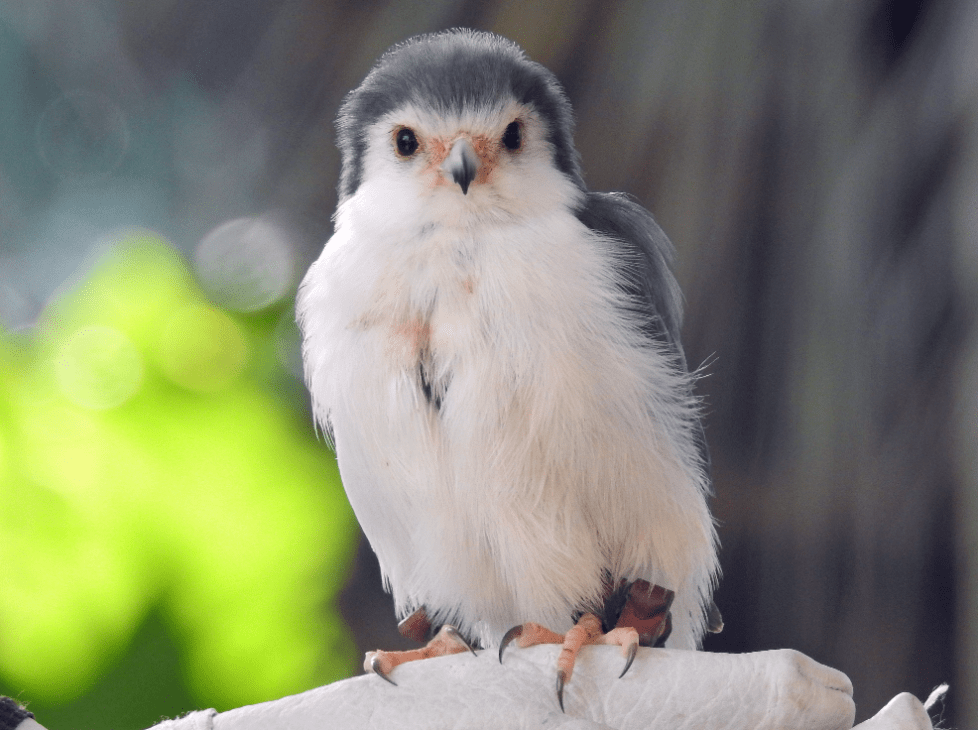
Figure 05. Pygmy Falcons seem to enjoy the company of their family members, roosting together even outside of breeding season.
Nests
Pygmy Falcons don’t build their own nests, instead taking advantage of weavers’ colonial nest chambers. Pygmy Falcons aren’t always agreeable guests, as they’re known to prey on weaver nestlings or even adults if they can’t easily find other prey. On the other hand, Pygmy Falcons will kill snakes and other predators who threaten the weavers (and the falcons), so they do provide some benefits to their hosts. The falcons prefer nest chambers away from the center of the weaver colony, especially chambers with short entrances. The falcons are much larger than the weavers, and it can be precarious for them to move into deeper chambers, where they can sometimes become trapped.
A particular favorite is the colonial nest of the Sociable Weaver, typically built and refurbished over many generations, and which can weigh a ton or more, reaching 20 feet wide × 10 feet tall, containing 100 or more nesting (or roosting) chambers (according to Bernd Heinrich, “Africa’s Social Weaverbirds Take Communal Living to a Whole New Level,” Audubon Magazine, March–April 2014;
https://www.audubon.org/magazine/africas-social-weaverbirds-take-communal-living-whole-new-level
). For photos of Sociable Weaver nests and more information about the nests and the “weavers,” please see https://animals.sandiegozoo.org/animals/sociable-weaver . The San Diego Zoo has Sociable Weavers on exhibit, but not in such large numbers that you’ll see these ginormous multi-chambered nests — which are more like thatched huts than like woven baskets. The San Diego Zoo (and its Safari Park) also exhibits White-headed Buffalo Weavers, which provide ample nests for Pygmy Falcons, too. A third weaver may sometimes host Pygmy Falcons — the Red-billed Buffalo Weaver (not on exhibit at the San Diego Zoo).
Pygmy Falcons adorn their nest-chamber entrances with feces, which changes from white to pinkish over time. It’s thought that these feces alert other would-be occupants of the falcon’s presence, perhaps deter snakes from entering the chamber, and reduce the number of ectoparasites preying on the nestlings. Feces may also boost the immune systems of nestlings.
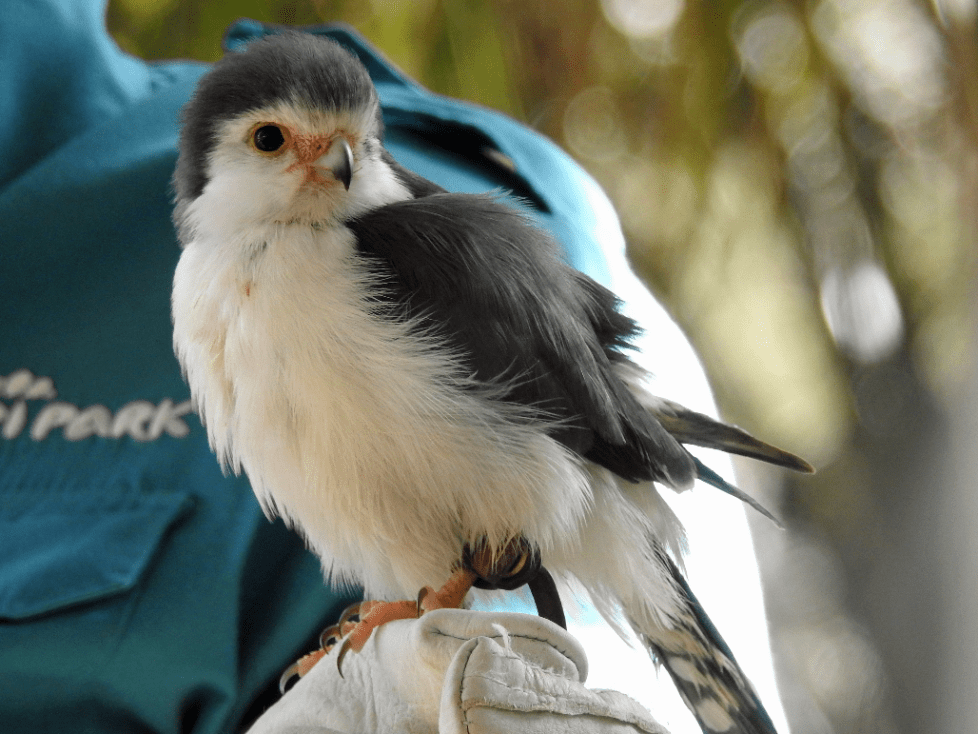
Figure 06. You and I might not wish to decorate the entrance to our homes with feces, but Pygmy Falcons find it advantageous to do so, especially during breeding season.
Egg Laying, Incubation, Fledging
Pygmy Falcons typically lay a clutch of three eggs (though 2–4 is also common). The eggs are incubated for 27–31 days, presumably by the parents, sometimes with the aid of helpers. When the chicks hatch, they’re coated in white down. The hatchlings fledge in about 30 days (range, 27–40 days), but they may return to the nest for another 10 or so days afterward. Even up to 2 months of age, the juveniles may stay in their parents’ territory.
The age at first breeding is about 1 year, for both males and females. The average generation length has been given as 3.1–3.8 years and as 4.35 years.
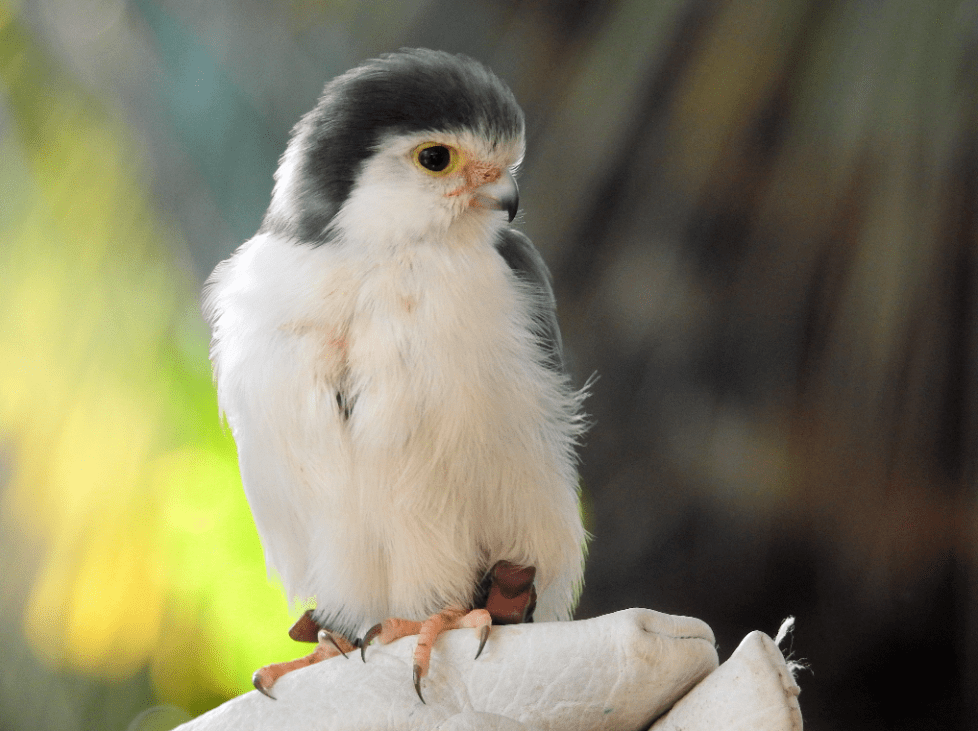
Figure 07. Starting a new family at 1 year of age may seem premature, but it works well for Pygmy Falcons.
Survival and Life Span
The annual survival rate of adult Pygmy Falcons is 66%, and the maximum recorded age has been reported as 13.7 years and 20 years, both from credible sources.
Conservation Status
The Pygmy Falcon, Polihierax semitorquatus, has an IUCN Red List conservation status of LC, Least Concern, at least partly due to its extremely large range. Though their population size hasn’t been quantified (possibly 100,000–1,000,000 birds), their population is considered stable. Within its enormous range, it is common in most areas, though its presence relies on the availability of nest sites. When weaver colony nests are available, it uses about 12–25% of the available nest mass, using up to six chambers for each of its nests. When weaver colony nests aren’t available, this resourceful falcon has made use of human-made structures (e.g., utility poles). Fortunately, pesticides aren’t used in most of the areas where it resides, and the presence of grazing livestock actually helps these falcons by reducing the ground cover, exposing more prey.
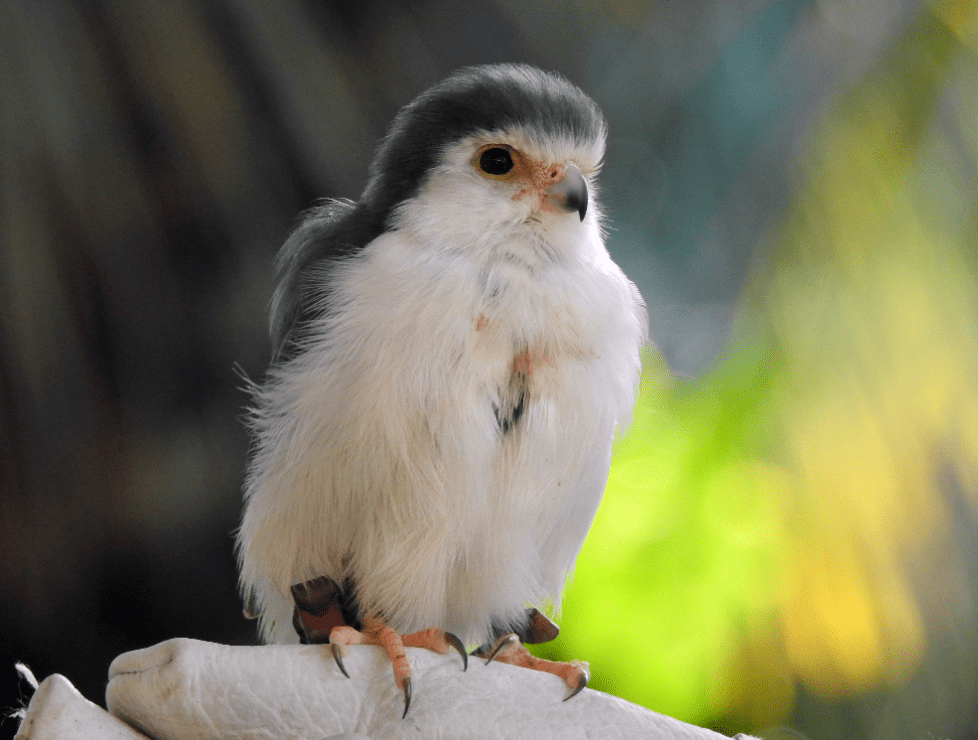
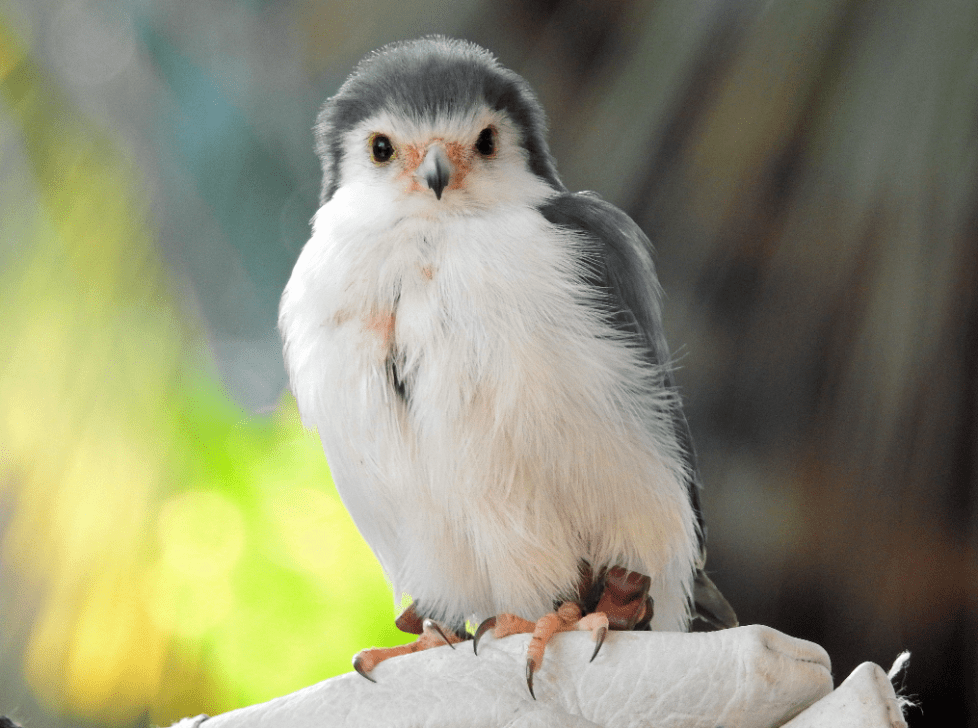
Figure 08. Though Pygmy Falcons prefer the commodious, well-insulated roosts and nests provided, rent-free, by weaver birds, they will make do with other roosting or nest sites, as needed.
This falcon has been reported as present in the pet trade, to a large degree in some locations. On the other hand, it can also be found in several large game reserves and national parks within its range.
Observations
The Cornell Lab of Ornithology gathers information from observers around the world through the eBird app and website (https://ebird.org/species/pygfal1 ), which holds 8,089 observations, 1,448 with photos, 3 with audio recordings. The lab’s Macaulay Library website (https://search.macaulaylibrary.org/catalog?taxonCode=pygfal1 ) holds 2,339 photos (e.g., swallowing prey, https://macaulaylibrary.org/asset/654775988 ), 3 audio recordings, and 23 videos.
In addition, iNaturalist gathers observations with its app and website (https://www.inaturalist.org/observations?page=8&taxon_id=4724 ), which offers 750 observations, including these: female, https://www.inaturalist.org/observations/351911474 ,
female swallowing the last tip of prey’s tail, https://www.inaturalist.org/observations/350365242 ; male swallowing prey, https://www.inaturalist.org/observations/343977154 , (¿female? tackling prey, https://www.inaturalist.org/observations/13549611 .
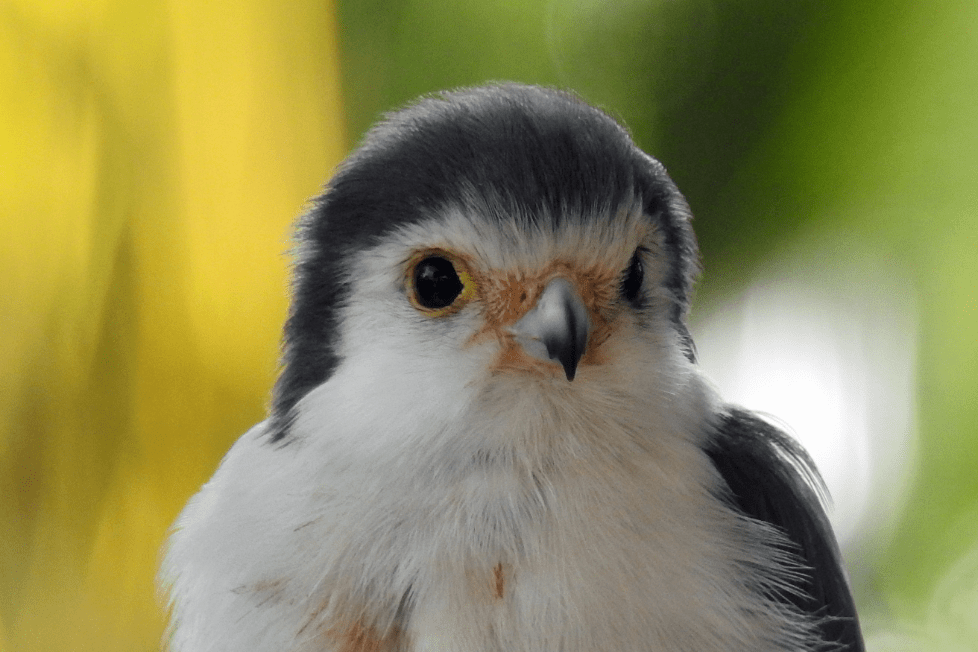
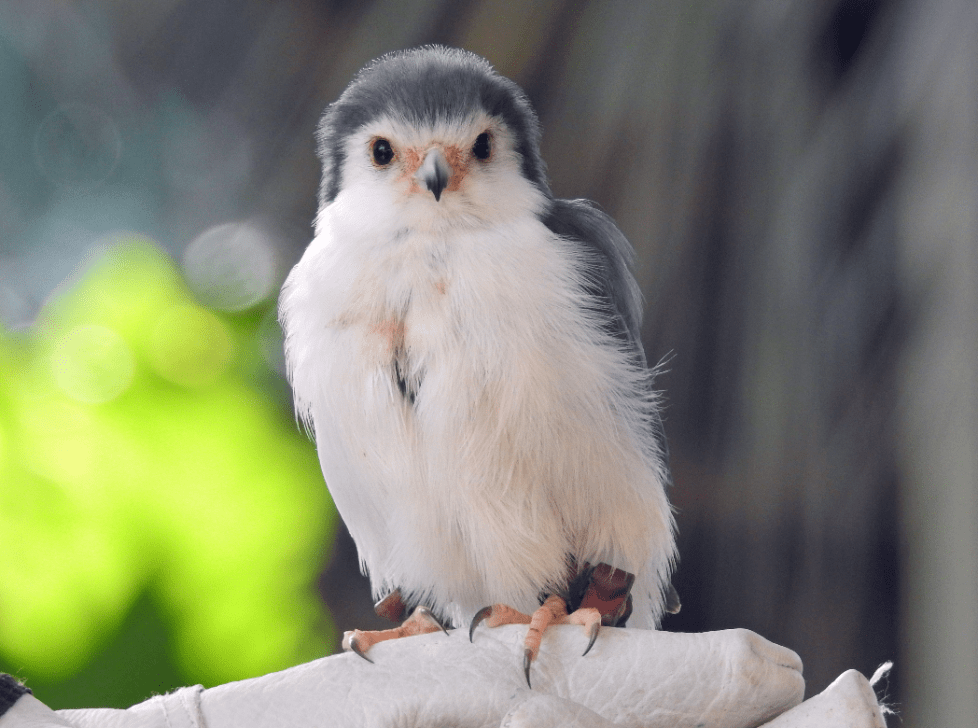
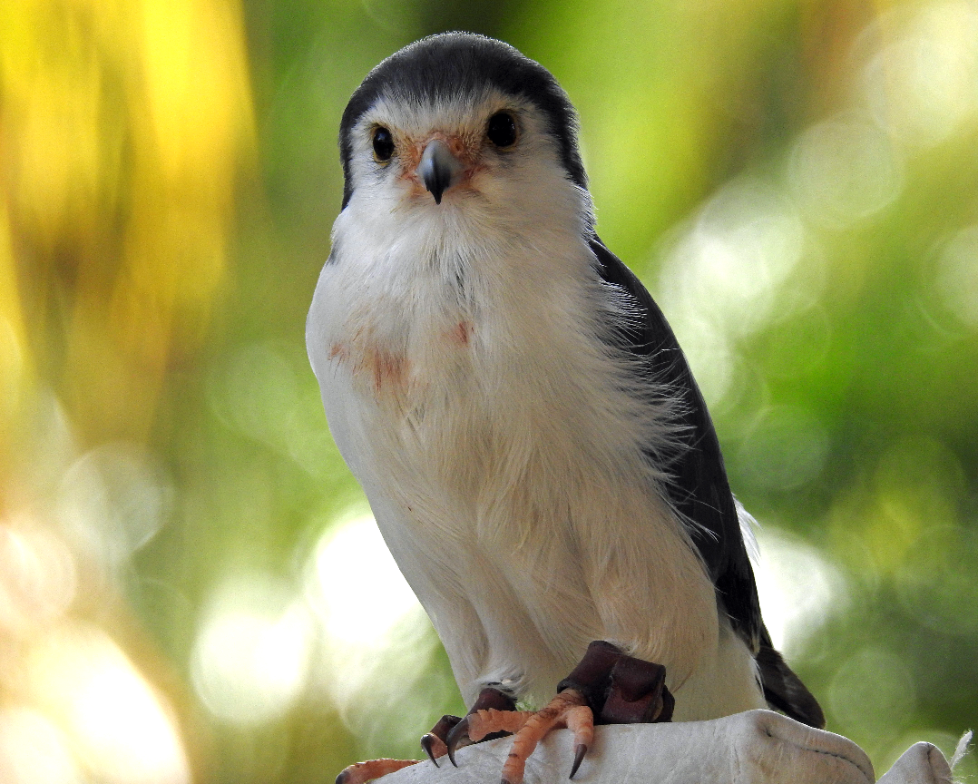
Figure 09. Though the Pygmy Falcon is common within its large range, there are fewer than 9,000 eBird observations of this species, fewer than 2,500 Macaulay holdings, and fewer than 1,000 iNaturalist observations. This lack is not due to lack of adorability of this subject.
Forthcoming will be three additional falcon blogs. I plan to feature these three falcons: Gyrfalcon, Falco rusticolus; Peregrine Falcon, Falco peregrinus; and American Kestrel, Falco sparverius.
References
Pygmy Falcon
- Kemp, A. C., P. F. D. Boesman, and J. S. Marks (2020). Pygmy Falcon (Polihierax semitorquatus), version 1.0. In Birds of the World (J. del Hoyo, A. Elliott, J. Sargatal, D. A. Christie, and E. de Juana, Editors). Ithaca, NY: Cornell Lab of Ornithology. https://doi.org/10.2173/bow.pygfal1.01 https://birdsoftheworld.org/bow/species/pygfal1/cur/introduction
- https://animals.sandiegozoo.org/animals/african-pygmy-falcon ; see also https://animals.sandiegozoo.org/animals/sociable-weaver
- https://animaldiversity.org/accounts/Polihierax_semitorquatus/
- Pygmy Falcon, AviBase, https://avibase.bsc-eoc.org/species.jsp?avibaseid=3B52D2B8
- Pygmy Falcon, AviBase Life History, https://avibase.bsc-eoc.org/species.jsp?lang=EN&avibaseid=3B52D2B8E4F83FC8&sec=lifehistory
- https://en.wikipedia.org/wiki/Pygmy_falcon
- https://peregrinefund.org/explore-raptors-species/falcons/african-pygmy-falcon
- https://www.audubon.org/magazine/africas-social-weaverbirds-take-communal-living-whole-new-level
- African Pygmy-falcon, Polihierax semitorquatus, https://www.iucnredlist.org/species/22696313/263626093 , https://www.iucnredlist.org/species/22696313/93554647
Etymology
- Lederer, Roger, and Carol Burr. (2014). Latin for Bird Lovers: Over 3,000 Bird Names Explored and Explained (224 pages). Portland, OR: Timber Press.
- Gotch, A. F. [Arthur Frederick]. Birds—Their Latin Names Explained (348 pp.). Poole, Dorset, U.K.: Blandford Press.
- Gruson, Edward S. (1972). Words for Birds: A Lexicon of North American Birds with Biographical Notes (305 pp., including Bibliography, 279–282; Index of Common Names, 283–291; Index of Generic Names, 292–295; Index of Scientific Species Names, 296–303; Index of People for Whom Birds Are Named, 304–305). New York: Quadrangle Books.
Text and images by Shari Dorantes Hatch. Copyright © 2026. All rights reserved.
Images were recorded at the San Diego Zoo’s Safari Park.


.jpg)
Leave a comment