
Falconiformes, Falconidae, Falcons
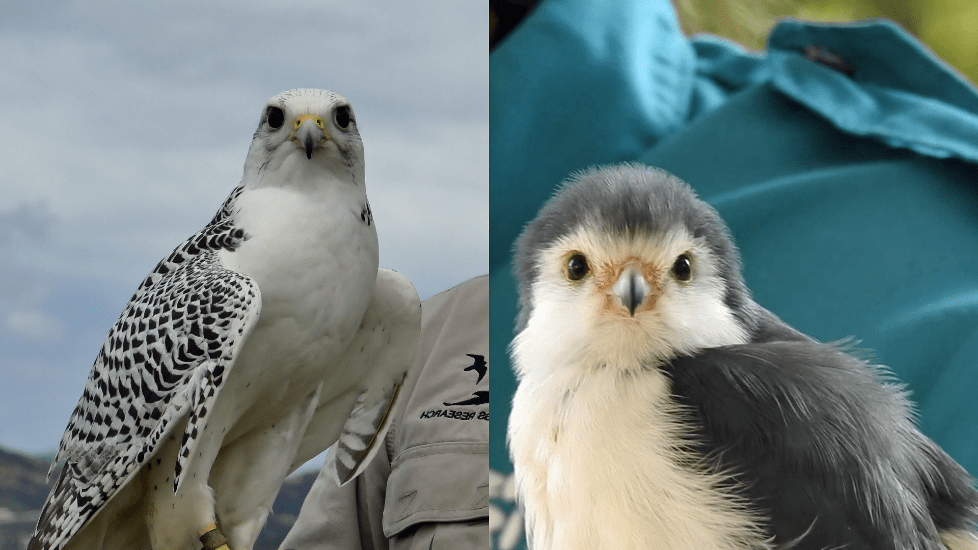
Figure 00-1. Among the largest falcons is the Gyrfalcon (left); one of the smallest is the Pygmy Falcon (right). This magnificent Gyrfalcon was seen at the Wildlife Research Institute’s HawkWatch event, January 2019, Ramona Grasslands, San Diego County. This Pygmy Falcon was being shown as an animal ambassador at the San Diego Zoo’s Safari Park, February 2018.
This is the first of a series of blogs about falcons. This blog introduces the Falconiformes order, the Falconidae family, and one species of falcon, the Merlin, Falco columbarius. Other blogs will follow, which will feature additional falcon species: American Kestrel, Falco sparverius; Gyrfalcon, Falco rusticolus; Peregrine Falcon, Falco peregrinus; Prairie Falcon, Falco mexicanus; and Pygmy Falcon, Polihierax semitorquatus — not necessarily in that order.
Etymology
The order name Falconiformes, the family name Falconidae, the common name falcon, and often the genus name Falco (for most falcon species) comes from Greek, phalkōn, and Latin, falco or falx, which mean “sickle,” the curved blade used for cutting agricultural crops, pointing to the falcons’ curved talons. (The bill is typically sharp and curved, too, but etymology sources say the talons were being highlighted.)
The Russian Revolution and the subsequent Union of Soviet Socialist Republics used a “hammer and sickle” symbol, with the hammer pointing to factory workers and the sickle indicating the farm peasants, both of which were united with that symbol.
Taxonomy
At one time, most of the diurnal (daytime) raptors (predators) were grouped within the order Falconiformes. DNA research has revealed that Falconidae are actually more closely related to Psittaciformes (3 families of parrots) and Passeriformes (137 families of passerines such as songbirds) than to other raptors! Go figure! (They may also be somewhat closely related to Cariamidae, seriemas, but that relationship has been disputed.) In addition, fossil evidence shows that Falconidae branched off from the diurnal raptors more recently than other raptor families and that Falconidae has become more specialized.
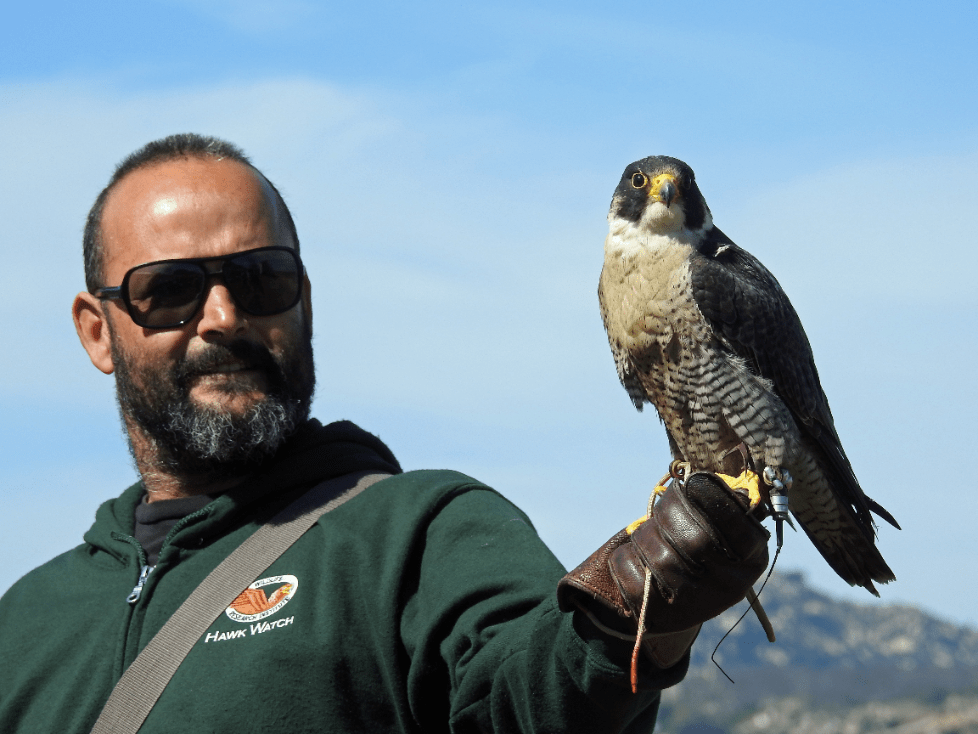
Figure 00-2. For centuries, humans have revered the hunting skills of falcons and have collaborated with falcons to hunt prey. At the Wildlife Research Institute’s HawkWatch event, Falconer Cisco Clibourne was showing off the masterful hunting skills of his partner, Peregrine Falcon Pancho (February 2017, Ramona Grasslands, San Diego County).
The raptor families Sagittariidae (Secretarybird, 1 species), Pandionidae (Osprey, 1 species), and Accipitridae (hawks, eagles, kites; 74 genera, 250 species), formerly Falconiformes, are now all within the Accipitriformes order. In addition, the Cathartidae (New World vultures and condors; 5 genera, 7 species) had been lumped with those raptors but now have their own order, Cathartiformes. That leaves the solitary Falconidae family, with 10 genera, 65 species. To summarize the taxonomy: All falcons belong to the kingdom Animalia, the phylum Chordata, the class Aves, the order Falconiformes, and the family Falconidae.
Zoologist William Elford Leach first introduced the Falconidae family in 1819, but the predominant genus for this family, Falco, had already been introduced in 1758 by naturalist, biologist, and physician, Carl Linnaeus, often called the “father of modern taxonomy.”
Carl Linnaeus first formalized the “binomial nomenclature” of scientific species still used today: binomial refers to the two-part, genus and species, names used to identify every living organism, such as Homo sapiens (us, with Homo being our genus’s name), Musca domestica (housefly, with Musca its genus name), and Rosa chinensis (Chinese rose, myriad varieties of which are grown in ornamental gardens).
65 Species
Here are the 10 genera and the 65 species of falcons:
- Polihierax, 1 species: Pygmy Falcon, Polihierax semitorquatus
Figure 003. In 1836, zoologist, explorer, and surgeon Andrew Smith introduced the Pygmy Falcon with its binomial scientific name, Polihierax semitorquatus. The genus name, from Greek, polios, “gray,” and hierax, “hawk,” aptly describes it overall. Its species name highlights the half-collar of white feathers at the front and back of its neck: Latin, semi-, “half”; torquatus, “collared by a ring of special-colored feathers [or hairs].” This species is discussed at greater length in a forthcoming blog.
- Herpetotheres, 1 species: Laughing Falcon, Herpetotheres cachinnans (Greek, herpeto-, “reptile,” and thero, “hunt”; cachinnans, “laughing” — named for its distinctive call; see https://xeno-canto.org/species/Herpetotheres-cachinnans for 13 pages of examples.)
Micrastur (Greek, micros, “small,” and Latin, astur, “hawk”; “small hawk”) forest-falcons are ambush predators, who silently, motionlessly watch and listen for prey, then swoop down to snatch it; each ear is surrounded by a circle of stiff feathers, which may amplify the sounds of their prey. In a forest environment, keen hearing may be even more important than keen sight.
- Micrastur, 7 species: Barred Forest-Falcon, Micrastur ruficollis (“rufous neck”); Buckley’s Forest-Falcon, Micrastur buckleyi; Collared Forest-Falcon, Micrastur semitorquatus; Slaty-backed Forest-Falcon, Micrastur mirandollei; Cryptic Forest-Falcon, Micrastur mintoni; Plumbeous Forest-Falcon, Micrastur plumbeus; Lined Forest-Falcon, Micrastur gilvicollis
The falconets are tiny — both Microhierax (Greek, micros, “small,” hierax, “hawk” or “falcon”) and Spiziapteryx (Greek, spizias, “hawk”; Greek, pteryx, “wing”) — considered the smallest of all diurnal birds of prey. They’re even smaller than the Pygmy Falcon. A slightly larger falconet is Neohierax (Greek, neo-, “new”; Greek, hierax, “hawk” or “falcon”), called “a large falconet” by Birds of the World.
- Microhierax, 5 species: Pied Falconet, Microhierax melanoleucos (Greek, melas, “black,” “dark,” leukos, “white”); Philippine Falconet, Microhierax erythrogenys; Collared Falconet, Microhierax caerulescens; Black-thighed Falconet, Microhierax fringillarius; White-fronted Falconet, Microhierax latifrons
- Spiziapteryx, 1 species: Spot-winged Falconet, Spiziapteryx circumcincta
- Neohierax, 1 species: White-rumped Falcon, Neohierax insignis (Latin, insignis, “remarkable, eminent”)
Whereas the falcon family as a whole can be found nearly worldwide, the 10 species of caracaras are found only in the New World. In fact, the name caracara is the indigenous Tupi name for these species, presumed to be imitative of their vocalizations. Europeans (Spanish and Portuguese) picked up the name, whence it was imported into English. Larger and longer than most other falcons, they have long broad wings, long tails, and long legs, and they fly more slowly than other falcons.
Unlike most other falcons, caracaras scavenge carrion on the ground, rather than hunting prey from the air. Many caracaras supplement the carrion by eating invertebrates, fruits, and other plant matter. Some caracaras also steal prey from other caracaras (and even from vultures), and some will also take some small live prey. Though caracaras do differ from other falcon families, their DNA clearly links them to falcons and not to other raptors or scavengers.
- Caracara, 2 species: Guadalupe Caracara, Caracara lutosa; Crested Caracara, Caracara plancus
- Ibycter, 1 species: Red-throated Caracara, Ibycter americanus
- Daptrius, 7 species: Yellow-headed Caracara, Daptrius chimachima; Black Caracara, Daptrius ater; Chimango Caracara, Daptrius chimango; Carunculated Caracara, Daptrius carunculatus; Mountain Caracara, Daptrius megalopterus; White-throated Caracara, Daptrius albogularis; Striated Caracara, Daptrius australis
Of the 65 falcon species, 39 species are within the genus Falco, often called “true falcons.” Within this large genus, some falcons can be grouped as hobbies (4 species), others grouped as kestrels (15 species), along with 20 more Falco falcon species. With their long, pointed wings and big powerful breast muscles, the Falco falcons are built for speedy, aerobatic, maneuverable powered (wing-flapping) flight, and they can soar, too, when needed.
The hobby (hobé, Old French, circa 1245, small bird of prey) species, midsized falcons, are known for their aerial maneuvers, with their streamlined body shapes and long, curved wings. They have the speed and agility to catch speedy, agile birds such as swallows; after catching their prey midair, they can transfer it from talons to bill.
- Hobby Falco falcons (4 species): Eurasian Hobby, Falco subbuteo; African Hobby, Falco cuvierii; Oriental Hobby, Falco severus; Australian Hobby, Falco longipennis
Kestrel falcons may have been named for their calls (kestrel, probably from Old French quercerelle, originally Latin crepicella, from crepitare, “to rattle, creak or crackle”), but they’re better known for their ability to hover in a breeze. Kestrels excel at hovering, using their keen eyesight to locate obscured prey in open country.
- Kestrel Falco falcons (15 species): American Kestrel, Falco sparverius; Lesser Kestrel, Falco naumanni; Eurasian Kestrel, Falco tinnunculus (Latin, tinnio-, “to scream,” -unculus, diminutive form); Fox Kestrel, Falco alopex (alopex, Greek, “fox,” “cunning person”); Dickinson’s Kestrel, Falco dickinsoni; Rock Kestrel, Falco rupicolus; Malagasy Kestrel, Falco newtoni; Mauritius Kestrel, Falco punctatus; Seychelles Kestrel, Falco araeus; Reunion Kestrel, Falco duboisi; Spotted Kestrel, Falco moluccensis; Nankeen Kestrel, Falco cenchroides; Greater Kestrel, Falco rupicoloides; Gray Kestrel, Falco ardosiaceus; Banded Kestrel, Falco zoniventris
Figure 004. January 2020, this female American Kestrel often perched on this solar panel to scan for nearby prey. When a nearby bridge-construction project ended, her convenient perch was removed, much to my chagrin.
- 20 more species of Falco “true falcons”: Red-necked Falcon, Falco chicquera; Red-footed Falcon, Falco vespertinus; Amur Falcon, Falco amurensis; Eleonora’s Falcon, Falco eleonorae; Sooty Falcon, Falco concolor; New Zealand Falcon, Falco novaeseelandiae; Brown Falcon, Falco berigora; Gray Falcon, Falco hypoleucos (Greek, hypo-, “less”, leukos, “white”); Black Falcon, Falco subniger; Aplomado Falcon, Falco femoralis (femur, Latin, “thigh,” signaling its reddish thighs; Aplomado, Spanish, “lead-like,” for its blue–black plumage); Bat Falcon, Falco rufigularis; Orange-breasted Falcon, Falco deiroleucus; Lanner Falcon, Falco biarmicus; Laggar Falcon, Falco jugger; Saker Falcon, Falco cherrug; Taita Falcon, Falco fasciinucha; Peregrine Falcon, Falco peregrinus; Merlin, Falco columbarius; Prairie Falcon, Falco mexicanus; Gyrfalcon, Falco rusticolus
Figure 005. This magnificent Gyrfalcon was being ably shown by falconer Charles Gailband at the Wildlife Research Institute’s HawkWatch event, January 2019, Ramona Grasslands, San Diego County.
Description
Like other raptors, the females are typically larger than the males — known as “reversed sexual size dimorphism.” It has been suggested that the size disparity ensures that each partner pursues different prey, so they can share a territory without competing for prey. Female and male plumage is generally similar. Falcons tend to have earth-toned upperparts and lighter or streaked underparts. Caracaras typically have black and white or cream plumage.
When compared with other raptors, such as hawks, falcons are smaller, though the size does vary widely. For instance, the White-fronted Falconet, Microhierax latifrons, is about 5.5–6.7″ (14–17 cm) long (bill to tail); the Gyrfalcon, Falco rusticolus, is about 18.9–25.2″ (48–64 cm). Most caracaras are bigger than most falcons, and the Striated Caracara, Daptrius australis, at 20–25.6″ (53–65 cm) long, is about 4× as long as the falconet. Weights vary widely, too, from about 1 ounce to 4.6 pounds / 73.6 ounces (28 g–2.1 kg).
As compared with other raptors, falcons’ wings that are thinner, longer, and more pointed, but caracaras and forest falcons typically have broader and more rounded wings. Also, the flight feathers of most juveniles are longer, making it easier to fly until they master their aerial skills. Falcons also have short legs, which caracaras do not; on the other hand, falcons have longer and more robust toes than caracaras, and both falcons and caracaras have stout hooked talons, which can readily grasp prey. Falcons’ necks are much shorter and thicker than those of caracaras. Falconidae family members have short, hooked bills, most with a tooth-shaped “tomial tooth,” which can deal a death blow to their prey.
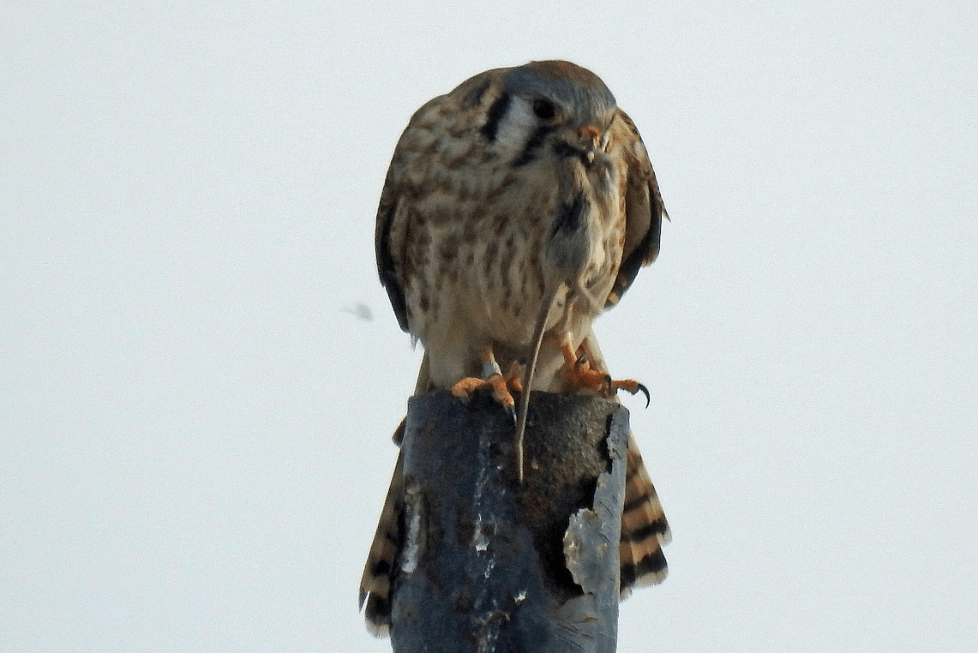
Figure 006. This American Kestrel has falcon features making it deadly to its prey: long toes with sharp talons and a hooked bill with a tomial tooth.
Inside the nostrils of falcons are cone-shaped bony tubercles, which act as baffles, reducing the intensity of the airflow entering the nostrils during high-speed dives. Some other similarities across the falcon family aren’t easily observed, such as a distinctive sequence for molting their primary flight feathers, a falcon-specific structure of their syrinx (voice box, similar to our larynx), similar chemical composition and coloring of their eggshells, and even the same feather lice afflict them. Also, like other birds of prey, falcons have superlative vision.
Vocalizations
At their nest sites, falcons can be quite noisy, and even away from their nests, they may be heard cackling, whining, yelping, or making other vocalizations. Some species are especially vocal, and some pairs sing duets to one another.
Distribution, Habitat, and Migration
Species of falcons can be found on almost every continent (not Antarctica). The Peregrine Falcon is the most widely distributed falcon — found almost anywhere without temperature extremes (e.g., not the poles or on high mountains, not the tropics or in deserts). Whereas most falcons prefer open habitats, such as savannahs and moors, quite a few prefer woodlands and forests. More than a dozen species — such as the Peregrine Falcon — have also readily adapted to urban living, or at least village life.
Quite a few species don’t migrate (e.g., island falcons), and some species are solely nomadic, moving around erratically to wherever prey is abundant. Many species, however, especially those in the Falco genus, migrate. For instance, some falcons summer in the northern hemisphere and winter in the southern hemisphere. The Peregrine Falcon has been known to migrate 9,900 miles (16,000 km) round trip to and from Canada and southern South America. Pretty impressive, huh? But consider that Amur Falcons (Falco amurensis) travel about 9,300 miles (~15,000 km) each way on their migration to/from southern South Africa to northeastern China, probably the longest migration of any raptor.
Food and Foraging
Most falcons are carnivores whose diet is exclusively, or at least largely, animal prey, with larger falcons specializing in vertebrates (birds, reptiles, bats, other mammals) and smaller ones eating more invertebrates (flying insects and other arthropods). Some falcons also specialize in particular kinds of prey, such as snakes (a Laughing Falcon specialty). To nab their prey, falcons typically use their talons to catch flying prey midair, or to swoop down from the air to grab prey from the ground. Though falcons typically hunt alone, pairs will guard their territory together, and their hunting prowess has made them able partners for falconers. Some falcons also cache their food.
Figure 007. Even elegant Peregrine Falcons must dispense with the waste from what they have eaten. Not especially elegant but not really crappy.
In contrast, caracaras eat mostly carrion, for which they forage on the ground, though they also opportunistically eat living prey, and some caracaras supplement their diet with grains and fruits. Some caracaras also specialize, too; for instance, Red-throated Caracaras’ favor preying on wasps, bees, ants, termites, small caterpillars, millipedes, and other invertebrates, as well as lizards, occasionally.
Social Behavior and Breeding
Some falcons spend most of their lives alone or in pairs, but others spend quite a bit of time in small groups (e.g., Eleonora’s Falcon, Falco eleonorae; Red-throated Caracara, Ibycter americanus) or even in large flocks (e.g., Lesser Kestrels, Falco naumanni; Red-footed Falcons, Falco vespertinus; and Amur Falcons).
When it’s time to raise a family, most falconids are monogamous, with both male and female parents sharing in the care for their offspring. Typically, the larger females do more incubating than do the smaller males, who do more of the foraging to feed the family. Most falcons breed in solitary pairs, but some prefer to nest in large colonies (e.g., Red-footed Falcon and Lesser Kestrel), and at least one species of caracara (Red-throated Caracara) breeds cooperatively, with helpers — typically the parents’ young from a previous clutch.
Most falcons make no attempt to build a nest, preferring simply to lay their eggs on a cliff ledge, in a crevice, or in the abandoned nests of other species (especially raptors). Caracaras make a very modest attempt to pile up a disheveled nest of sticks and debris, either on cliff ledges, in trees, or even on the ground, in an obscured location.
Falconids lay 1–7 eggs (2–3 being most common), asynchronously, and they usually start incubating them as soon as the female lays the first egg. (Most falcon eggs are relatively large and buff colored with dark reddish spots and speckles, but falconet eggs are white.) The eggs take 28–35 days to hatch, with bigger species usually having bigger eggs, which take longer to incubate. The eggs hatch asynchronously (depending on when they were laid). Hence, older chicks are bigger and better beggars than later-hatched chicks, so when food is scarce, the older chicks have a better chance of surviving than the younger ones.
Newly hatched chicks have closed eyes and a thin coat of natal down. After hatching begins, dad does most of the foraging to feed the family, and mom mostly stays at the nest to brood the youngsters and to shred the food to feed them bits for at least a week or more. It takes falcon chicks about 28–55 days from hatching to fledging. After fledging, some species leave the nest within a couple of weeks, but others linger with the family for many months; migration schedules figure into this calculation.
Figure 008. In June, 2018, this fledgling Peregrine Falcon was pondering life at coastal La Jolla in San Diego, California.
Eleonora’s Falcons and Sooty Falcons, Falco concolor, time their migration so that they are breeding when most other birds are migrating past these falcons’ nests. Thus, these falcon parents can exploit the abundance of passing inexperienced migrant birds, providing plenty of food for their youngsters.
Conservation
According to the IUCN (2025) Red List, most species of falcons have a conservation status of LC, Least Concern, but almost a third are in peril, some in grave peril.
- Least Concern, LC, 70.8%
- Near Threatened, NT, 9.2% — Striated Caracara, Daptrius australis; Red-necked Falcon (Asian), Falco chicquera; Orange-breasted Falcon, Falco deiroleucus; Laggar Falcon, Falco jugger; Cryptic Forest-Falcon, Micrastur mintoni; White-fronted Falconet, Microhierax latifrons; White-rumped Falcon, Neohierax insignis
- Vulnerable, VU, 9.2% — Seychelles Kestrel, Falco araea; Sooty Falcon, Falco concolor; Taita Falcon, Falco fasciinucha; Gray Falcon, Falco hypoleucos; Red-footed Falcon, Falco vespertinus
- Endangered, EN, 3.1% — Saker Falcon, Falco cherrug; Mauritius Kestrel, Falco punctatus
- Critically Endangered, CR, 0%
- Extinct in the Wild, EW, 0%
- Extinct, EX, 3.1% — Guadalupe Caracara, Caracara lutosa; Reunion Kestrel, Falco duboisi
- Not Evaluated, NE, 0%
- Data Deficient, DD, 0%
- Unknown, 4.6%.
Relationships with Humans
Historically, falcons have been revered by ancient Egyptian and Aztec civilizations. For millennia, humans have formed falconry partnerships with falcons (and other raptors), sometimes to the detriment of the falcons. On the other hand, falcons are predators, so farmers, shepherds, and others have persecuted them for suspected or actual attacks on domestic livestock.
Figure 009. In January 2019, the Wildlife Research Institute hosted HawkWatch, the annual event that showcases falconry to raise funds for research on raptors. At this event, Charles Gailband and other falconers demonstrated the amazing skills of these birds, as well as their own knowledge of these fascinating species.
Merlin, Falco columbarius
Etymology and Taxonomy
As mentioned, the genus name Falco refers to the “sickle” shape of these falcons’ curved talons. The species name, columbarius, comes from Latin, columba, “pigeon” or “dove”, and -arius, a suffix meaning “pertaining to,” pointing to this Merlin’s predilection for pigeon as prey. Its common name, Merlin, comes from French esmerillon and may have Anglo-Norman, German, and Dutch origins. This falcon’s name is not related to Arthurian wizard Merlin, whose name links to Welsh, “Myrddin.”
Naturalist Mark Catesby described and illustrated the Merlin in his Natural History (published in serial form, financed by subscriptions, first published between 1729 and 1732). Based on Catesby’s information, Carl Linnaeus gave this species its binomial name and included it in an edition of his Systema Naturae (ca. 1758). Differing numbers of subspecies have been identified, which vary in plumage color and in geographic range.
Description
Merlins weigh between 4.4 and 10.6 ounces, with females weighing about 6.7–10.6 ounces (190–300 g) and males about 4.4–7.4 ounces (125–210 g). With similar sex differences in length, Merlins are about 9.4–13.0″ inches long, bill to tail (24–33 cm) and an impressive 20–29″ wingspan (50–73 cm) — each wing measuring 7.2–9.4″ (18–24 cm). (References gave contradictory estimates of tail length.) In general, the Merlin is also stockier than other small falcons; for instance, it weighs proportionately more than the similar-sized American Kestrel, outweighing it by about one third to one half; its greater weight comes mostly from extra muscle, for powering extra speed and endurance. In any case, Merlin sizes vary widely, across birds, across seasons, and across migration patterns.
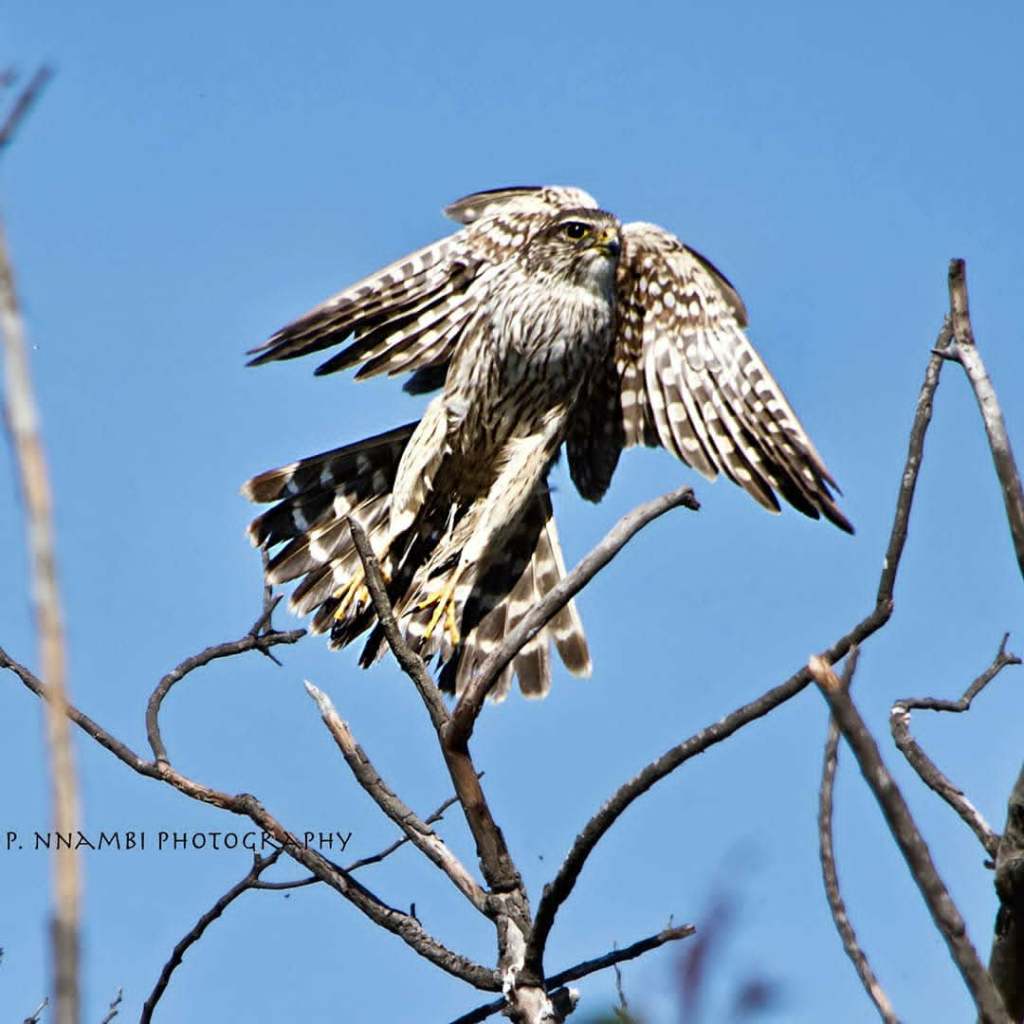
Figure 01-01. This exquisite photo of a Merlin was taken by my pal Parrish Nnambi, who not only takes masterful photos but also reveals the magnificent beauty of the birds he photographs.
Females have brown plumage on their backs and crowns, with streaked breasts and underparts, either lightly or heavily so, with the background buffy, varying from dark to pale. Female tails have crosswise light bands on dark brown plumage. Males have dark-to-pale blue-gray plumage on their backs and crowns. Their breast and other underparts are streaked similarly to females, though perhaps with some orange tint. Their tail is blackish on top, with white crosswise bands, whitish beneath, usually with some dark feather shafts. (See https://search.macaulaylibrary.org/catalog?taxonCode=merlin for examples.) Juveniles of either sex tend to look more like females. Nestlings’ down covers them with white- to buff-colored plumes.
Females and males have similar color differences on their faces, with females brown and males gray. Both have a faint whitish supercilium (like eyebrows) above their eyes, as well as a light malar area (on the cheek). Eyes are dark brown. Their short bills (0.6″ long, 0.4″ deep top to bottom, 0.35″ wide) are dark blue-gray, but with a bright yellow cere (waxy stripe across the base of the bill, where their nostrils are visible). Feet and legs are bright yellow (males orange-ish), with black talons.
Sounds and Vocal Behavior
In general, Merlins are considered to be silent, except during breeding season, but you can find six full pages of vocalizations at https://xeno-canto.org/species/Falco-columbarius . One pair of observers identified four distinct calls, two linked to courtship displays, one linked to an invitation to copulate, and one soliciting food transfer from a mate. In addition, nestlings whine for food. When compared to the vocalizations of larger falcons (e.g., Prairie Falcon, Gyrfalcon), the structure and context of the Merlin’s are similar, but of higher pitch.
Distribution, Habitat, and Migration
The IUCN listed 84 countries in the Northern Hemisphere — North America and Eurasia — where Merlins reside, as well as 6 where they’re found only during breeding season, 29 where they’re found only outside of breeding season, 5 where they are vagrant outside of breeding season, and 9 more where they’re vagrant.. I’m not listing the countries here, but they can be found at https://www.iucnredlist.org/species/22696453/154505853#geographic-range . In addition, you can find a range map for the Merlin, based on eBird observations, at eBird: https://ebird.org/map/merlin . According to Avibase, they live between 11.15 And 71.44 degrees of latitude and between sea level and 9,800 feet in elevation — quite a range of climate zones. The estimates of the size of their range vary so much as to be useless.
Merlins can be found in prairies and other grasslands, in taiga forests, in scrublands and shrublands, suburban parks and cultivated fields, swamp marshes, and most other places with low- and medium-height vegetation, which may include some trees, but not dense forests, not arid deserts, and not steep mountains (except while migrating). During breeding season, Merlins seek places with easy access to small vertebrate prey, such as open areas where hunting is easier. They can nest almost anywhere, so that’s not a concern.
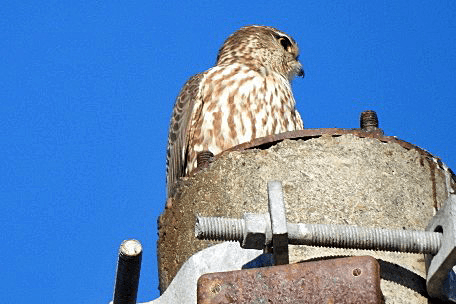
Figure 01-02. Part of Merlins’ success is their exceptional adaptability, even ably dwelling near human habitation.
Not all Merlins migrate, but most do, seeking warmer locations during winter months. Some studies show that the offspring of non-migrating Merlins are less likely to migrate, whereas migrating Merlins will have offspring who migrate. Even those who don’t migrate will be nomadic in pursuit of more abundant prey. In general, females travel greater distances than males, and males are more likely than females to return to breed in the same area where they hatched. Those who migrate tend do so in the autumn, peaking from late August to late September. Spring migration peaks from mid March to mid April, with males typically arriving at breeding grounds before females. During migration, Merlins have been observed using powered (flapping) flights before sunrise, then soaring on thermals until late afternoon, then they spend time hunting. Merlins aren’t deterred by cloudy or drizzly weather during migration.
Food and Foraging
According to multiple sources, the diet of Merlins is almost entirely land vertebrates. They especially pursue small songbirds (0.35–1.41 ounces, 10–40 g, e.g., pipits, larks) but also go after doves/pigeons and even midsized shorebirds. To a lesser degree, they sometimes eat small mammals (bats, rabbits), reptiles (lizards, snakes), and even carrion, as well as occasional dragonflies and other big insects. They’re opportunists, catching whichever prey seems most abundant and easily caught (e.g., immature birds who less skillfully evade capture). However, even when there’s an irruption of exotic birds in the area, they’ll continue to capture their usual prey. Under auspicious conditions, they capture almost half of the prey they pursue; even under adverse circumstances, they catch their prey once in every 20 attempts. That’s still pretty impressive considering that the prey is fleeing for its life, using all its tricks.
Merlins show greater hunting success when breeding, perhaps because prey is more abundant, because they’re more motivated when feeding not only themselves but also their offspring, or because more efficient hunters are more likely to breed. During migration, Merlins eat a wider variety of prey, depending on what is most abundant and available. One study estimated that males eat prey totaling 1.4 ounces (41 g) per day, and females eat about 2 ounces (58 g) of prey per day. Another observation found that a wintering female Merlin “killed an average of 2.2 birds/[day] and consumed an estimated” 2.5 ounces (71 g) per day (https://birdsoftheworld.org/bow/species/merlin/cur/foodhabits#nutri ). (A House Sparrow weighs about 0.9–1.4 ounces/, 24–40g; a Mourning Dove weighs 4–6 ounces, 112–170 g.)
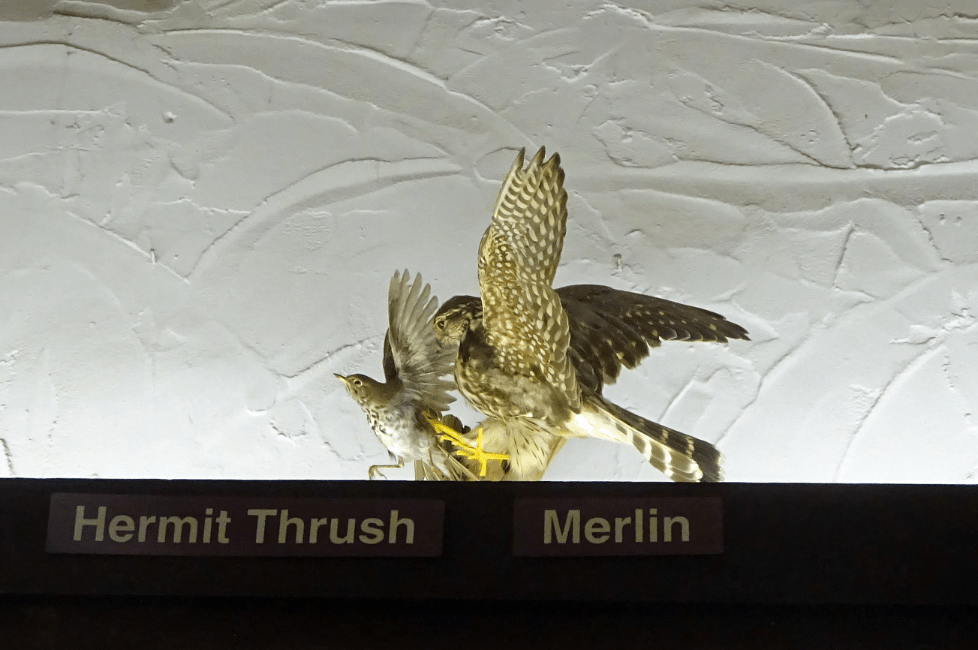
Figure 01-03. This well-crafted taxidermy from the Torrey Pines State Park Visitor Center features a Merlin who has caught a Hermit Thrush.
Merlins are diurnal hunters; hunting peaks in the early morning and the late afternoon, year-round; they hunt much more during breeding season than at other times. When hunting, Merlins fly fast and low (about 3 feet up) over the ground, often hiding behind trees or shrubs until they spot prey. Once they spot the prey, they surprise-attack them if possible, but they’ll also deftly pursue prey as it attempts evasive twists and turns to avoid capture. Typically, the kill is made by biting the prey’s neck. The Merlin discards the head, legs, wings, feathers, and fur of the prey. After eating, the Merlin cleans its toes and talons with its beak and feaks its beak.
The verb feak means to rub the beak against a branch or other surface to clean it; feak first entered English in 1575, pertaining to hawk beaks. In 1618, Simon Latham’s book on “falconrie” mentioned, “she hath fed, feaked, and rejoyced.”
Though Merlins capture most prey midair, they also target nestlings, perching birds, or animals on the ground. They’re unlikely to engage in the high-speed diving stoops for which Peregrine Falcons are known; similarly, they only occasionally use the hovering technique for which kestrels and hobbies are known. Agile hunters and speedy fliers, they will also work in pairs, with one partner chasing prey toward its mate. Merlins will also sometimes cache prey, to be eaten later. During breeding season, if the female doesn’t take the prey the male offers, he will cache the prey. If the male is slow to deliver food, the female will retrieve prey from the cache.
Merlins defecate several times per day; incubating females will fly from the nest and defecate in flight. Like other raptors, Merlins cough up pellets of compressed feather and skeletal remains from their prey; Merlins typically do so early in the morning. Though Merlins drink water when in captivity, they haven’t been observed doing so in the wild.
Locomotion
Merlins typically fly swiftly (about 31 mph, 50 km/h), low to the ground, in a straight line. While hunting, their wingbeats are deep, powerful, and quite speedy (faster than Prairie Falcons or Peregrines). Also, in pursuit of prey, Merlins can achieve awe-inspiring speedy aerial maneuvers. They can soar whenever they wish to, too. When on the ground, they’ll run, flapping their wings, rarely seen walking.
Behavior
Outside of breeding season, Merlins leave their roost before sunrise and enter it again after sunset. Warmer air temperatures are associated with longer time away from the roost. When sleeping, they turn their head (and bill) over their back and tuck it. During breeding season, males spend about 31% of the daytime hunting during incubation, about 58% of the daytime hunting during the nestling period, and about 71% of the time hunting during the fledgling period. In winter, however, males (and females) spend about 94% of the daytime perching, about 2.4% of the time eating, 2.7% of the time preening (and other self-maintenance), and about 1.2% of the time flying.
As mentioned previously, after eating, Merlins will clean their feet with their bill and then feak the beak to clean it. Females preen after copulating, usually using preen oil from the uropygial gland (located on the surface of the rump, holding preen oil, which can be wiped or squeezed out from the gland). At other times, male and female Merlins preen, too. Along with preening, Merlins will waggle the tail and shake the body. To scratch, Merlins will use the middle toe. They’ll also stretch neck, legs, and wings — all at once, or they’ll stretch one wing and leg on one side, then the other. When plagued with feather parasites, they may also engage in dust baths, and they have been seen bathing with water in captivity.
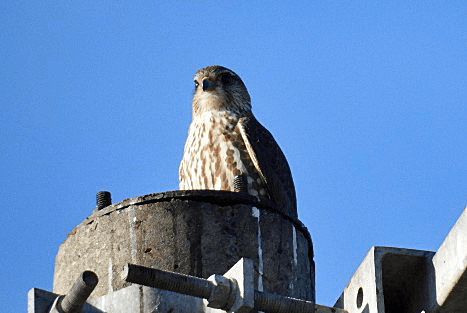
Figure 01-04. Merlins spend a whole lot more time looking for food than eating it.
Most Merlins are solitary, but some live as pairs, even outside of breeding season. Some Merlins also roost communally, and many migrate in loose flocks.
Breeding
Merlins form monogamous pairs about 1–2 months before the start of egg laying. Couples with older males start breeding earlier, claiming higher-quality breeding territory than younger males do. Pairs are coupled for at least one breeding season, but non-reproductive philandering does sometimes occur, and most pairs don’t meet up the following breeding season. (That may promote genetic diversity, though occasional incestuous matings occur, too.) Pairs tend to be of similar age. Some Merlin pairs enjoy cooperative breeding, with a helper from a previous year’s brood. The nest helpers aid in defending the nest and in providing food to the nestlings. There’s no evidence of parasitic breeding among Merlins — neither as host nor as parasite.
When wooing a mate, the male will engage in flying spectacles, with strong powered (flapping) flight, side-to-side rolls, U-shaped climbs, or slow flights with rapid shallow wingbeats in a figure-8 or circular pattern around the nest site. Sometimes, male and female will power-dive, soar, or glide together. The male may also vocalize; the female may respond. The male may also display himself at the nest, such as by fanning his tail, bowing his head, arching his back; both sexes may vocalize there, too. Another key element is the male’s offering of tics or other food gifts, which the female may solicit through posture and vocalizations. (The male–female pair also share resources on their territory all year.)
The female may solicit copulation by fanning her tail and bowing low. Before and after copulation, the male may offer further displays. The copulation itself lasts 5–10 seconds; copulation is typically repeated about 60 times over the entire breeding season.
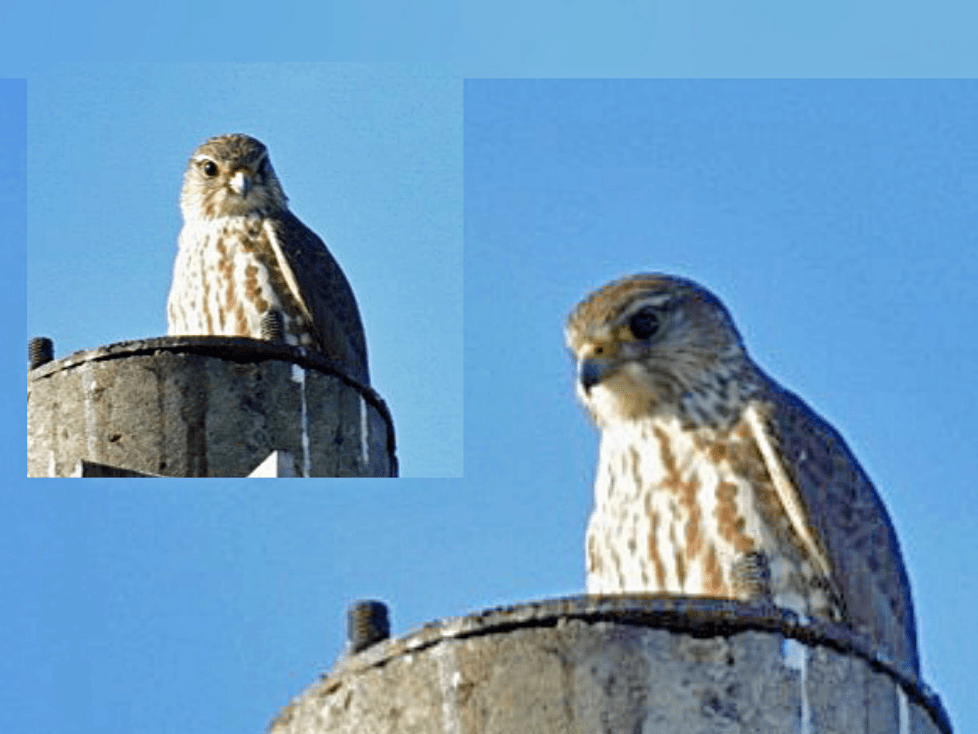
Figure 01-05. Merlin pairs successfully raise their offspring with both partners working to care for their young.
Nest
The duo may visit potential nest sites together, or the male may do so alone. Merlins typically choose prairies, riparian woodlands, or evergreen forests, but increasingly, urban locations have been chosen, too. Just as older males tend to get more desirable breeding territory, they also claim more desirable nest sites. A choice site is out of view of potential predators, usually obscured by dense vegetation or rocks. Both male and female will aggressively defend the chosen site, with the male playing a larger defensive role during incubation.
Merlin eggs and nestlings are subject to predation by corvids. Nests on the ground are also vulnerable to predation by mammals, with nests in trees less likely to be preyed upon. Even adult Merlins may be preyed on by larger raptors (e.g., Peregrine Falcons, eagle-owls, Cooper’s Hawks, Red-tailed Hawks). Predatory birds often avoid Merlins, however, because of their fierce defense of their territory. In fact, some bird-watchers have used Merlins’ aggressive defense as an aid to identifying this species.
Typically, Merlins find the abandoned nests of other species, such as corvids or hawks. They don’t, however, reuse their own nests from the previous year. If they don’t use empty nests, the female may make a scrape on the ground or on a cliff, to use as a nest.
Eggs and Incubation
Though clutches of 1 to 8 eggs have been observed, clutches are more commonly 3–6 eggs, with 4–5 being most likely. Merlin eggs are rusty-brown-colored, smooth, short, and elliptical, with brownish/chestnut-colored markings (see, e.g., https://en.wikipedia.org/wiki/Merlin_(bird)#/media/File:Faucon_%C3%A9merillon_MHNT.jpg ). The female lays an egg about every 2 days or so, and she starts incubating them after laying the second egg. Typically, the female incubates the eggs 85–93% of the time; the male about 7–15% of the daytime hours; males occasionally incubate at night, too. Incubation lasts about 28–32 days.
Meanwhile, the male works hard to support the family, hunting intensively to provide food for his mate and then for his mate and their nestlings. When the male brings food to the nest (about three birds/day during incubation), he calls to the female, who takes the food and leaves to feed herself, usually about 10–80 minutes. As she approaches the nest on her return, she calls to the male to leave the nest, which he does.
Hatching, Nestlings, and Fledging
The semi-altricial hatchlings emerge more or less synchronously, covered with sparse whitish down. On hatching, their eyes are closed, and their bill is bluish, with a white egg tooth. Like adult Merlins, their feet and ceres are yellow. (See, for example, https://en.wikipedia.org/wiki/Merlin_(bird)#/media/File:Falco_columbarius_chicks.jpg .) Though the female continues to do most of the brooding, the male broods the hatchlings, too, continuing for about 7 days, until the chicks can maintain their own body temperature; she stays with the chicks longer in inclement weather. By about 9–11 days of age, sheathed contour feathers start appearing on the chicks, primary feathers emerge at about 12–14 days, tail feathers at about 15–17 days, and facial and flank feathers at about 18–21 days.
Meanwhile, the male continues to provide most of the food for the nestlings, delivering up to 9.6 birds/day to the female, who feeds the prey to their chicks. The female doesn’t return to hunting until the chicks are at least 3 weeks old or even after they fledge. The chicks fledge at about 30 days (28–32 days), but their parents continue to feed them for up to 28 more days. After the chicks have fledged, the parents roost away from the nest, and the fledglings roost together. The hard-working male also defends the nestlings against potential predators, especially corvids. Females will aid in the defense, too.
Breeding Rates and Sexual Maturity
In auspicious years, most eggs in a clutch will survive to hatch, and at least two-thirds of hatchlings survive to fledge. In lean years, however, the numbers plummet to about one in three surviving to fledge. (Avibase gives breeding success rate as 40.1–72% of nests fledging young.) Merlins become sexually mature at 1 year of age and typically try to breed right away, but not usually successfully; most Merlins first breed by age 2 years. In lean years, breeding may be delayed. Younger parents have less breeding success than more experienced parents. After midlife, however, breeding success lessens. Average generation length is about 3.2–4.4 years.
Merlins are thought to attempt to breed every year. If an early clutch doesn’t survive, an additional attempt is made to replace those eggs, as quickly as 12 days after the first eggs were lost. Nest predation is a frequent cause of mortality. In one study, “lifetime production was a maximum of 24 for females and 32 for males, with an average of 9.1 fledglings ± 6.2 SD for females and 7.4 fledglings ± 5.9 SD for males” (https://birdsoftheworld.org/bow/species/merlin/cur/demography#breedmeas ).
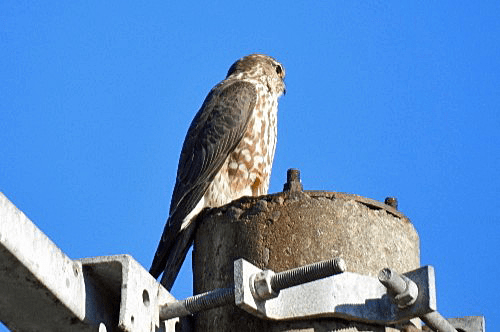
Figure 01-06. Is this Merlin contemplating the meaning of life, anticipating a short life span?
Life Span and Survivorship
Merlins typically have a short life span; most males and females don’t live longer than 8 years, with the mean lifespan for females being 3.15 ± 1.91 years and the mean for males being 2.67 ± 1.51 years. The oldest known wild bird lived to be more than 12 or 13 years old, but one source suggests that 16 may actually be the possible lifespan. Annual survival rates for male and female adults is about 62%. Juvenile males have an even lower mean annual survival of 23%. (Because female Merlins disperse so far from their place of hatching, it’s not possible to reliably figure out female juveniles’ annual survival rates.)
The greatest known cause of death is collisions (e.g., with windows and other human-made objects), but “unknown” causes are slightly more. Other causes are far less, including being shot, poisoned (formerly a grave threat, but less so now), or preyed upon by cats. Because they scavenge less than other raptors, they are less likely to be poisoned by lead shot in carrion. Merlins do suffer from various parasites and pathogens.
Conservation Status
Despite their short lifespans, Merlins have an IUCN conservation status of LC, Least Concern. They have an estimated population of 250,000–3,200,000 mature individuals, and their stable population shows no decline, even over three generations. In fact, in North America, Merlins have undergone a statistically significant large increase since 1970 (on average 3.5% per year, equating to 56% over three generations) (https://www.iucnredlist.org/species/22696453/154505853#population ). One reason for these gains may be that North American Merlins seem to be adapting so well to urban life that they no longer migrate, a perilous venture.
In other regions (e.g., Europe), however, the Merlin isn’t faring as well, but globally, its population is considered stable. Habitat destruction, especially in breeding territory, poses the most serious long-term threat to Merlins. Worldwide, Merlins experience threats due to habitat loss, fragmentation, and degradation, such as due to agriculture, livestock grazing, development for human purposes (e.g., roads, logging, urbanization), and pollution.
Steps that have been taken to conserve Merlins include systematic monitoring, the provision of conservation sites, and some international legislation and trade controls. Conservationists recommend continued monitoring, especially of exposure to environmental contaminants, as well as research to better understand the life histories of Merlins, their population dynamics, and their habitat ecology. At present, the IUCN found 17 captive Merlins in 14 holding institutions in 5 countries: 7 males, 4 females, and 6 unsexed.
Relationships with Humans
Merlins have shown remarkable adaptability in habituating to nearby human activity, whether in urban, suburban, or rural settings. In addition, for centuries, Merlins have had close interactions with humans, through falconry. (Even the name falconry, applied to hawks, owls, or other raptors, honors the traditional relationship with falcons.) For falconers, a Merlin allows the falconer to hunt for small birds (e.g., quails, doves) year-round on small tracts of land, even in urban settings. A large female Merlin may even capture and kill large pigeons or small ducks.
Most falconers probably also delight in watching the Merlin in flight, with swift aerial maneuvers, sometimes climbing high in pursuit of prey, then stoop-diving onto it. A single masterful Merlin can even dominate a whole flock of birds. Both Catherine the Great and Mary Queen of Scots were falconers and probably admired the “raw power” of female falcons. “In North America, falconers harvest a small number of Merlins each year, but this is carefully regulated and is unlikely to have a significant effect on populations” (https://www.iucnredlist.org/species/22696453/154505853#use-trade ).
Figure 01-07. Falconers such as Charles Gailband spend years gaining not only intellectual knowledge about Gyr Falcons (seen first), Prairie Falcons (seen second), Merlins, and other falcons, but also experiential knowledge of how to interact with and care for the falcons (or other raptors) with whom they partner. This video was taken January 2019, when the Wildlife Research Institute hosted HawkWatch, its annual event showcasing falconry to raise funds for research on raptors.
Observations
The Cornell Lab of Ornithology gathers information from observers around the world through the eBird app and website (https://ebird.org/species/merlin ), which holds 1,250,000 observations, 114,800 of them with photos, and 2,068 of them with audio recordings. The lab’s Macaulay Library website (https://search.macaulaylibrary.org/catalog?taxonCode=merlin ) includes 209,852 photos, 2,378 audio recordings, and 504 videos.
In addition, the iNaturalist app and website, https://www.inaturalist.org/observations?taxon_id=4672 , includes 35,792 observations. For instance, https://www.inaturalist.org/observations/355056190 shows a lovely portrait of a female Merlin.
References
Falconiformes / Falconidae
- Elphick, Jonathan. (2014). The World of Birds (p. 326). Buffalo, NY: Firefly Books.
- Lovette, Irby, & John Fitzpatrick (eds.), (2016). The Cornell Lab of Ornithology Handbook of Bird Biology (3rd ed.). Hoboken, NJ: Wiley.
- Winkler, David W., Shawn M. Billerman, and Irby J. Lovette. (2015). (p. 254), Bird Families of the World: An Invitation to the Spectacular Diversity of Birds. Barcelona: Lynx, Cornell Lab of Ornithology.
- Winkler, D. W., S. M. Billerman, and I. J. Lovette (2020). Falcons and Caracaras (Falconidae), version 1.0. In Birds of the World (S. M. Billerman, B. K. Keeney, P. G. Rodewald, and T. S. Schulenberg, Editors). Ithaca, NY: Cornell Lab of Ornithology. https://doi.org/10.2173/bow.falcon1.01 https://birdsoftheworld.org/bow/species/falcon1/cur/introduction
- https://en.wikipedia.org/wiki/Falconidae
- https://en.wikipedia.org/wiki/Falconiformes
- Amur Falcons (Falco amurensis), migration, https://bou.org.uk/greenberg-amur-falcon-migration/
- Andrew Smith, surgeon, explorer, ethnologist, and zoologist, https://en.wikipedia.org/wiki/Andrew_Smith_(zoologist)
- Cisco Cliborne, falconer, and Pancho, his Peregrine Falcon, https://www.nbclosangeles.com/news/national-international/falcon-bird-windshield-hitchhiker-car-desert/23321/ and https://eccalifornian.com/time-to-stomp-grapes-at-menghini-winery-in-julian/
- tubercles in falcon nostrils, https://en.wikipedia.org/wiki/Peregrine_falcon#Ecology_and_behaviour
Merlin
- Warkentin, I. G., N. S. Sodhi, R. H. M. Espie, A. F. Poole, L. W. Oliphant, and P. C. James (2020). Merlin (Falco columbarius), version 1.0. In Birds of the World (S. M. Billerman, Editor). Ithaca, NY: Cornell Lab of Ornithology. https://doi.org/10.2173/bow.merlin.01 https://birdsoftheworld.org/bow/species/merlin/cur/introduction .
- https://en.wikipedia.org/wiki/Merlin_(bird)
- Merlin, Avibase, https://avibase.bsc-eoc.org/species.jsp?avibaseid=F3DA111C
- Merlin, Avibase, Life History, https://avibase.bsc-eoc.org/species.jsp?lang=EN&avibaseid=F3DA111CC8A6841B&sec=lifehistory
- Merlin, iNaturalist, https://www.inaturalist.org/observations?taxon_id=4672
- Merlin, IUCN Red List, https://www.iucnredlist.org/species/22696453/154505853
Etymology
- Gotch, A. F. [Arthur Frederick]. Birds—Their Latin Names Explained (348 pp.). Poole, Dorset, U.K.: Blandford Press.
- Gruson, Edward S. (1972). Words for Birds: A Lexicon of North American Birds with Biographical Notes (305 pp., including Bibliography, 279–282; Index of Common Names, 283–291; Index of Generic Names, 292–295; Index of Scientific Species Names, 296–303; Index of People for Whom Birds Are Named, 304–305). New York: Quadrangle Books.
- Lederer, Roger, and Carol Burr. (2014). Latin for Bird Lovers: Over 3,000 Bird Names Explored and Explained (224 pages). Portland, OR: Timber Press.
- Oxford University Press. (n.d.)
- “feak,” v. (2), Etymology. In Oxford English Dictionary. Retrieved April 30, 2026, from https://doi.org/10.1093/OED/11186417428 .
- “Hobby,” n1, Etymology. In Oxford English Dictionary. Retrieved April 30, 2026, from https://doi.org/10.1093/OED/1000864389 .
- Insignis, n., . . . https://doi.org/10.1093/OED/5982401551 .
Text by Shari Dorantes Hatch. Images by Parrish Nnambi and Shari Dorantes Hatch, as indicated in captions. Copyright © 2026. All rights reserved.
Many images were recorded at the annual HawkWatch event by the Wildlife Research Institute; some images were recorded at the San Diego Zoo’s Safari Park; others were recorded elsewhere in San Diego County.


#/media/File:Faucon_%C3%A9merillon_MHNT.jpg)
#/media/File:Falco_columbarius_chicks.jpg)
Leave a comment