
Peregrine Falcon, Falco peregrinus, Part 1
Figure 01. At HawkWatch, hosted by Wildlife Research Institute each Saturday morning in January and February, falconers showcase the majesty and skills of their raptor partners. This video features the Peregrine Falcon, as well as the small American Kestrel and the huge Gyrfalcon.
This is my fifth blog in a series of blogs about falcons. The first, https://bird-brain.org/2026/05/03/the-falcon-family/ , introduced the order, Falconiformes; the family, Falconidae; and the Merlin species, Falco columbarius. The second blog in this series, https://bird-brain.org/2026/05/10/falcons-prairie-falcon/ , focused on the Prairie Falcon, Falco mexicanus. The third blog focused on the Pygmy Falcon, Polihierax semitorquatus, https://bird-brain.org/2026/05/17/falcons-pygmy-falcon/ . The fourth blog focused on the Gyrfalcon, Falco rusticolus, https://bird-brain.org/2026/05/24/falcons-gyrfalcon/ .
The current blog focuses on the Peregrine Falcon, Falco peregrinus. I had expected to complete my discussion of this falcon in one blog, but so much is known about this falcon, compared with others, so I decided to save some aspects of the discussion for a second blog. The current blog discusses this falcon’s taxonomy and etymology; description of appearance; vocalizations; distribution, habitat, and migration; food and hunting; locomotion; other nonbreeding behavior (e.g., preening, sleeping and roosting, social behavior); and references. The forthcoming blog will discuss its breeding behavior (from courtship to fledglings), its survival and lifespan, its conservation status, its relationship with humans, observations of it, and references. My final blog (or possibly blogs) about falcons will feature the American Kestrel, Falco sparverius.
Etymology and Taxonomy
As mentioned in previous blogs, the common name “falcon” and the genus name Falco come from Latin, falx, for “sickle,” pointing to falcons’ sharp sickle-shaped talons. (Others have suggested the sickle refers either to the curve of its bill or its long pointed wings in flight, but most evidence points to the talons.) The “Peregrine” of Peregrine Falcon and the peregrinus of Falco peregrinus come from Latin per, “through” or “across,” and ager, for “land” or “field,” so peregrinus suggests “across country,” “wandering,” or “from afar.” “Falco peregrinus is a Medieval Latin phrase that was used by Albertus Magnus in 1225” (https://en.wikipedia.org/wiki/Peregrine_falcon#Taxonomy_and_systematics ). The Spanish name for this falcon is Halcón Peregrino.
A summary of the Peregrine Falcon’s taxonomy is kingdom, Animalia; phylum, Chordata; class, Aves; order, Falconiformes; family, Falconidae; genus, Falco; species, peregrinus; binomial scientific name, Falco peregrinus (from a bird collected in England). Ornithologist Marmaduke Tunstall introduced Falco peregrinus in his Ornithologia Britannica (1771), probably the first book to use binomial scientific nomenclature in Britain. (To see images of the actual book, please see https://www.biodiversitylibrary.org/item/49445#page/6/mode/1up .) In 1829, Coenraad Jacob Temminck identified the subspecies Falco peregrinus pelegrinoides; currently, there are 20 recognized subspecies, though many additional spurious subspecies have been named. Most subspecies have been distinguished based on their wide geographical distribution.
Description
Compared with Gyrfalcons (discussed in the previous blog), the Peregrine is lighter, shorter, with narrower and more pointed wings, a shorter tail, and more striking facial patterning.
Size
Like most other birds of prey, female Peregrine Falcons are larger than males (typically, 30% bigger on many dimensions; for some pairs, a female may weigh 50% more than her mate). Females weigh 21–56.4 ounces (1.3–3.5 pounds, 595–1600 g), males 11.6–37.5 ounces (0.7–2.3 pounds, 330–1060 g). (Size differences between the sexes is termed size dimorphism.) Some researchers have noted that this weight may include more than 3.5 ounces (100g) of food in the bird’s stomach and crop.
Likewise, though the range for body length (bill to tail) is 13–23 inches (34 to 58 cm), females are typically 17.7–22.8″ (45–58 cm) but males are usually 14.2–19.3″ (36–49 cm). The Peregrine Falcon’s wingspan exceeds its total body length, at 29–47 inches (74– 120 cm); of that span, each long, sharply pointed wing is about 10.4–14.4″ (26.3 – 36.5 cm). The falcon’s narrow, round-tipped tail is about 4.6–7.5″ (11.6–19 cm), or about 1/3 of its body length; its long tail aids in its maneuverability.
Plumage
Though there is some variation (by location or subspecies), both male and female have dark upperparts (back and top of wings); feathers appear black and bluish-gray, creating a subtle barred effect, detectable at close range. Across the top of the tail feathers are a series of more pronounced horizontal bars, ending in light (grayish) tips.
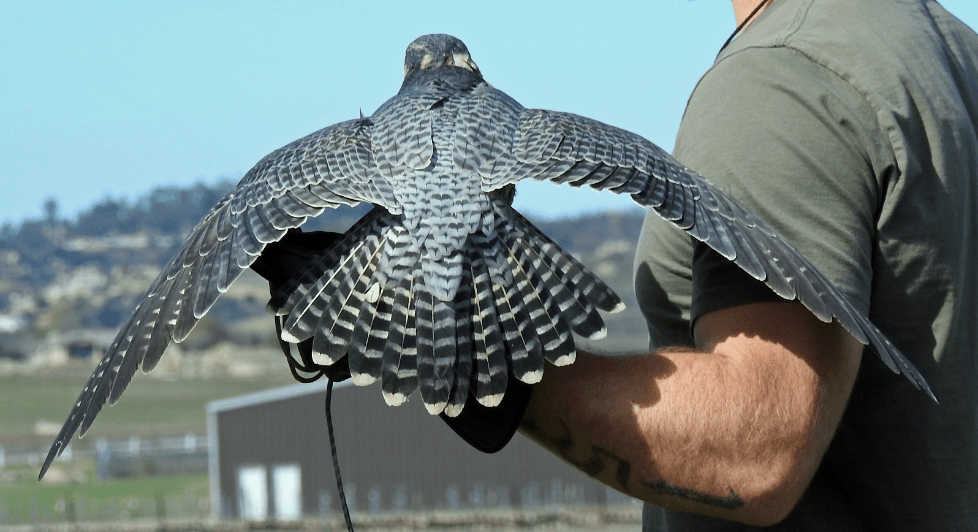
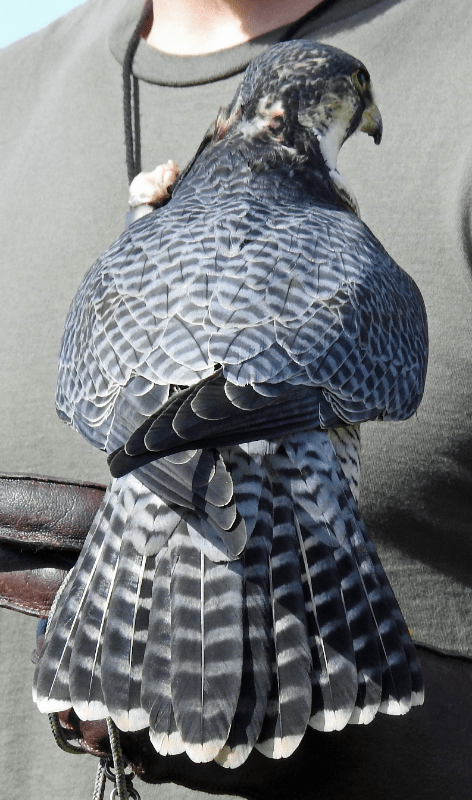
Figure 02. The exquisite coloration of the Peregrine Falcon’s plumage on its back and the tops of its wings can be better appreciated at close range than at a distance. This falcon and its handler were photographed at HawkWatch, hosted by the Wildlife Research Institute.
Its underparts — breast, belly, and underwings — are light (buffy to rusty), with dark (dark brown or black) patterns: bars (crosswise, across the wings) or streaks (vertical, up and down the chest and belly); whether the chest pattern looks more like streaks or bars may depend on the viewing angle. Also, the top of the chest may have no streaking or bars. Leg feathers (from thighs to ankles) blend with underpart feathers — light with crosswise bars, like fancy bloomers. Under the tail, the feathers are light (white, buffy, grayish) with a sequence of crosswise dark bars.
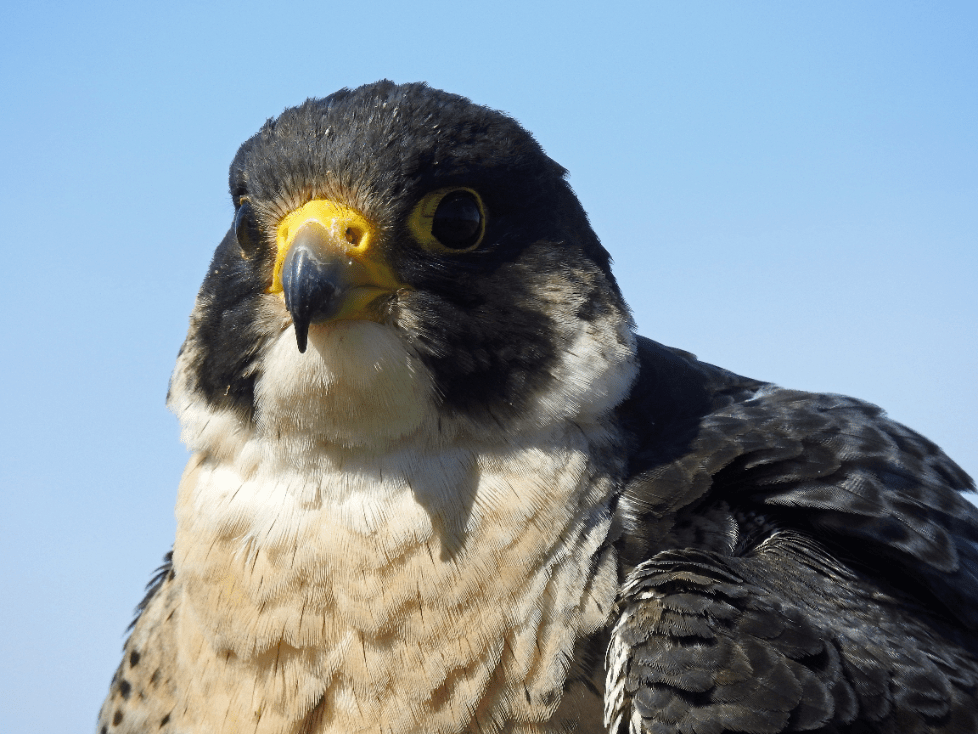
The Peregrine Falcon’s head is hooded in black, with a white forehead, which may be so narrow as to be almost invisible, or may be quite wide and prominent. Its white chin-to-throat feathers and its white auriculars (feathers covering the ear holes, behind the eyes) set off the dark malar (cheek) stripe between them. Some research suggests that the malar stripe is wider in locations with more sunlight, so the stripe may help to reduce glare, aiding the falcon’s vision.
Hatchlings emerge covered with almost-white fluffy down, and by 6 days of age, a second set of down feathers starts erupting, creating a denser set of downy feathers. Adult birds also have insulating fluffy down feathers, next to the skin, but their down is covered by contour feathers, which form the contour of the bird’s body, not including the flight feathers or the tail feathers. Within days, the chick’s contour feathers start to emerge from the same follicles as the down. These contour feathers are light (buffy) brownish gray (or grayish brown), with dark streaks (not bars). By the time they’re ready to fledge, the chicks appear very similar to adults, but with more sepia and brownish feathers than gray, black, or blue-gray, and with less distinctive patterning. Female youngsters may be darker than males, on average. No true seasonal variations in color, but feather color may be more muted before a molt (after 1st year) and brighter in newly erupted feathers.
Figure 03. The chest and belly feathers of this Peregrine Falcon fledgling, seen on La Jolla Coast, are browner than the plumage of adults.
Bare (Unfeathered) Parts
Legs, feet, and toes of adults are yellow, with the richness of the color dependent on diet (i.e., presence of carotenoids, which deepen the yellow, sometimes appearing orange). Hatchlings’ legs and feet are light grayish or even greenish-bluish, and become yellowish, almost as bright as adults, by the time the chicks fledge. The talons of hatchlings are pale, darkening to black by the time they fledge. Tarsus length (to ankles) of adults is 1.5–2.2″ (3.9 – 5.5 cm).
Like the legs, the facial skin — cere (across the top of the bill, including the nostrils) and orbital rings (bare skin surrounding each dark-brown eye) varies from yellow to orange. Also, it’s brighter during breeding season, with males’ facial skin often brighter than females. Upon hatching, the facial skin is pale bluish; it becomes greenish, bluish, or pale yellowish by the time they fledge, sometimes even deep yellow at fledging.
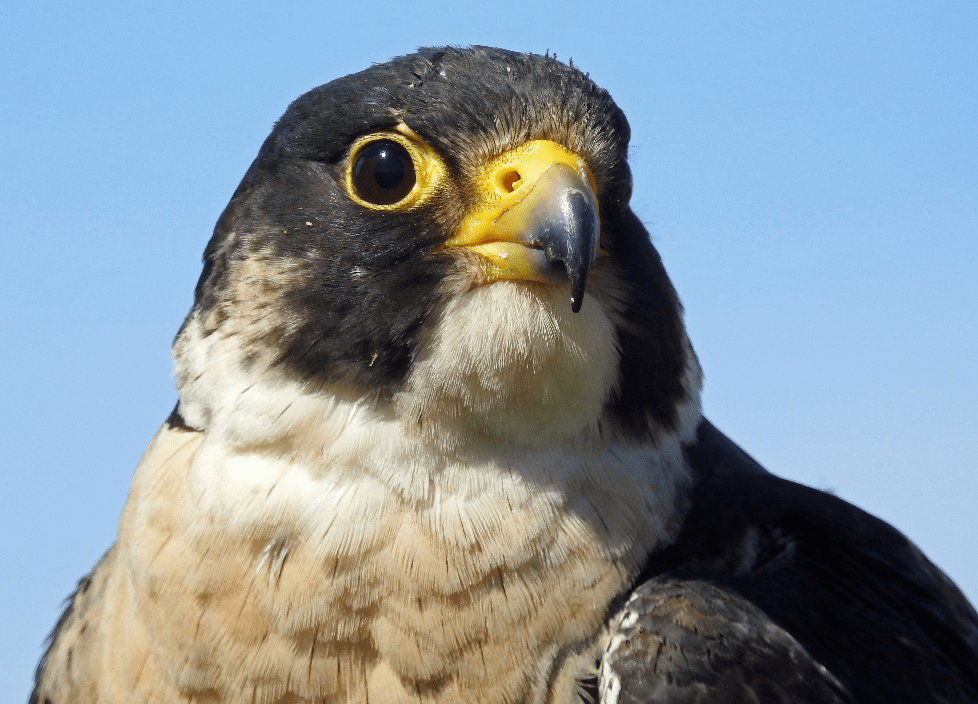
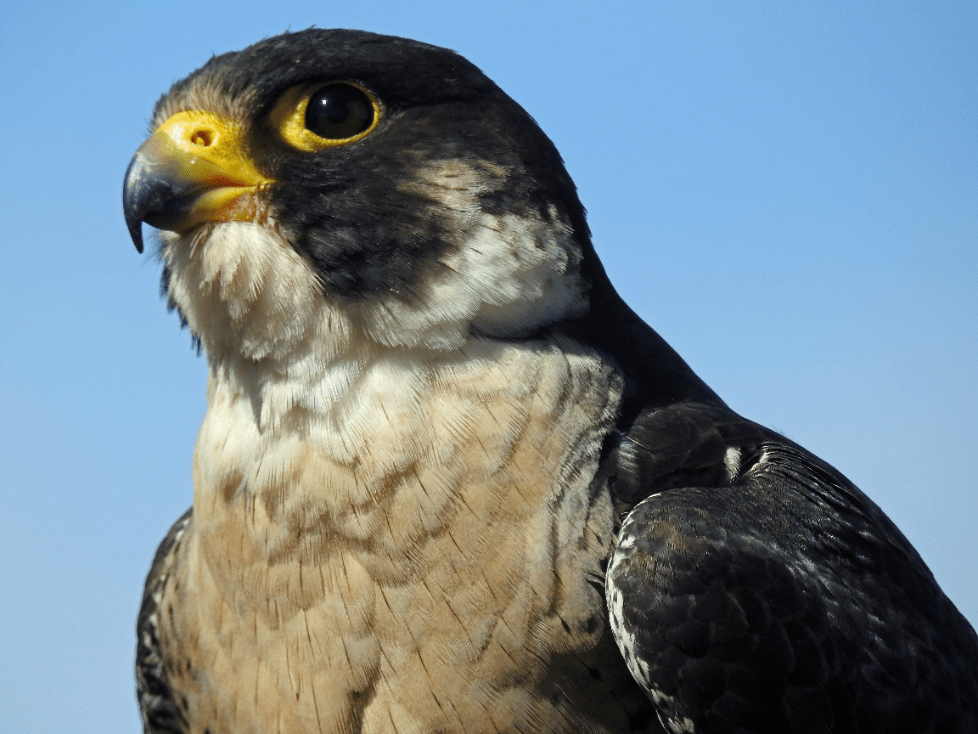
Figure 04. Both plumage and bare skin feature in the striking appearance of the Peregrine Falcon’s head.
The bill of hatchlings is usually pale blue-gray, with a white egg tooth. The egg tooth disappears within a few days. At first, the bill remains blue-gray, darker at the tip, but by the time the chick is ready to fledge, its bill color is similar to that of adults: grayish-bluish black tip, but yellow at the base. (Size: culmen, 0.9–1.5″, 2.4–3.9 cm; depth top to bottom, 0.5–0.7″, 1.36–1.67 cm; width, 0.5–0.6″, 1.2–1.6 cm. For a figure showing the culmen, please see https://bird-brain.org/2026/05/24/falcons-gyrfalcon/#culmen .)
Vocalizations
Most of the calls of Peregrine Falcons are heard during the breeding season. A notable exception is the cack call, an alarm call made by both males and females at any time they perceive a threat. Though it’s more likely during breeding season, in defense of the nest, it may occur at any time, year-round. The cack call typically increases in intensity, speed, and pitch as the threat approaches, but it slows down to a shrill call if the falcon is actually attacking the threat. Males and females have similar vocalizations, with the male’s calls sounding higher in pitch and with a greater range of frequencies (high/low). Keen observers can distinguish male from female vocalizations about 90% of the time; some can even recognize the calls of an individual bird. Peregrine vocalizations are somewhat similar to other falcon species, as well.
To sample 575 audio recordings of Peregrine Falcon, see https://xeno-canto.org/species/Falco-peregrinus . The three types of calls other than cack calls are “chitter,” “eechip,” and “wail.” Typically, the chitter call is made by the male, before or during copulation: repeated, brief bursts, with brief intervals between bursts. Occasionally, either sex will use this as an alarm call or during reproduction-related activities. The eechip is also repeated, but the bursts and the intervals are longer, and it includes three parts, each with a different tonality and range; both males and females use this call chiefly during courtship, but also sometimes in other contexts.
The wail is often continual but may also have long repeated segments, rising in pitch; the wail may be used in many breeding contexts, such as a food call (by either sex), given prior to food transfer from male to female; a copulatory wail (by female); an advertisement wail (by male); and an agonistic wail (either sex, related to territory). Other forms of the wail call are whining (by female, during solicitation of copulation) and begging (by the female prior to food transfer, or by hungry youngsters). In addition, peeping is associated with courtship behavior. Vocalizations are the most frequent during courtship, but some continue throughout breeding.
Figure 05. At La Jolla Coast, one Peregrine Falcon fledgling is resting, then another fledgling screeches, prompting the resting fledgling to take flight.
Hatchlings may start to beg (repeated long bursts with moderate intervals between bursts) even before they hatch, or at least soon after. Soon after hatching, the begging call is similar to the adult’s wail, but as they mature, their calls are more frequent and harsh; some changes may be due to developmental changes of the syrinx (voicebox) of the nestlings. They’re especially noisy whenever adults are present or during feeding. When parents are absent, the nestlings search for them visually, while making a more muffled, closed-mouth begging call. By age 2–3 weeks, if nestlings see an approaching threat (e.g., a human), they hiss at them. By age 3–4 weeks, their calls are so loud that a human can hear the calls from 0.9–1.2 miles (1.5–2 km) away.
Distribution, Habitat, and Migration
Distribution
Peregrine Falcons have a nearly global distribution, from just below each of the extreme poles to the tropics (i.e., +80.18 degrees to −55.98 degrees of latitude), the only exceptions being tropical rainforests, vast deserts, and high mountain peaks (above 10,800 feet, 3,300 m; during migration, up to 13,000 feet, 4000 m). (Please see https://ebird.org/map/perfal , a range map based on year-round eBird observations.) The IUCN Red List names 167 nations where the Peregrine Falcon resides (typically locations with mild winters), 39 nations where it breeds but doesn’t reside outside of breeding seasons (typically colder regions), and a dozen more through which it migrates or has been seen as a vagrant. Notably absent are New Zealand, Iceland, Newfoundland, and Saharan Africa, where it doesn’t reside. Overall, its range is estimated at 159,000,000 square miles (413,000,000 km²).
Habitat
Peregrine Falcons show high habitat adaptability: wet or dry, tropical or subarctic, sea level or mountain peaks. Some arid habitats it occupies include plains, semideserts, steppes, grasslands, and tundra; rocky habitats include cliffs, outcrops, and escarpments. Coastal habitats include mangroves, sea coasts, bays, coastal dunes, and sea-coast fjords; riparian habitats include rivers, streams, wooded ravines, and gallery forests. Wetlands include bogs, swamps, lakes, marshes, and salt lakes; various forests and shrublands from subarctic to tropical (though not rain forests); flatlands include moorlands, peatlands, plateaus, pastures, altiplanos, tussock, as well as agricultural croplands, farms, plantations. Human-made habitats include human-made lakes, suburbs, quarries, mines, dams, excavation sites, seagoing ships, and more. They can also be seen nesting atop skyscrapers and in other urban settings.
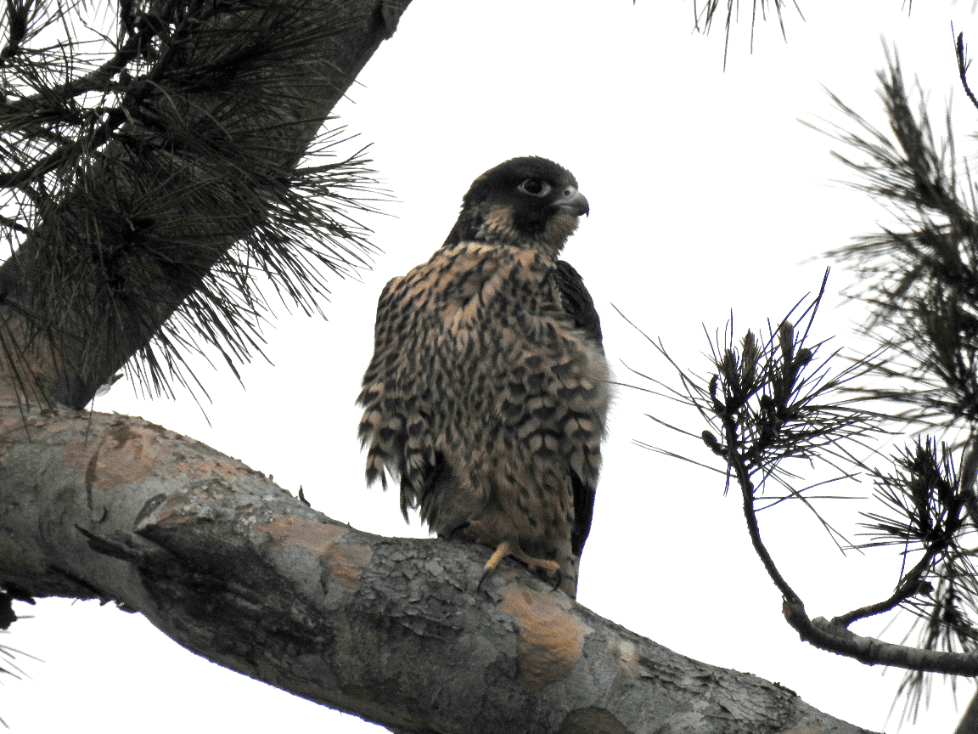
Figure 06. This Peregrine Falcon fledgling is the offspring of a pair who regularly breeds along the coast of La Jolla, California, at Torrey Pines State Natural Reserve, 1 of 280 California State Parks (https://www.parks.ca.gov/?page_id=657 ).
Migration
Not all Peregrine Falcons migrate. Those who breed in middle latitudes or in the South Hemisphere typically reside on their breeding habitat year-round, perhaps staying as pairs. Those who live in the extreme north of their range (but also as far south as cool temperate zones) may migrate long distances — up to 15,500 miles (25,000 km), from North to South America and back, from Europe to Africa and back, from northern to southern Asia and back, and so on. Some migrants fly over vast expanses of ocean.
Those who breed the farthest north also migrate the longest distances south to southern Argentina and Chile. Those who breed less northward also fly less distance southward to overwinter. Also, females tend to disperse farther and show less fidelity to their nest-site than males. They typically leave their breeding habitats between August and November, overwinter in the south, and return to their breeding habitats between March and May.
The data regarding timing had been based on banded birds and on collected specimens, but more recently, scientists have been aided by live data, using technology. They have outfitted some Peregrine Falcons with radio transmitters, which can be monitored and tracked from aircraft or even from satellites. Data from seven birds’ transmitters have shown that for a given 24-hour period, migrants spent
- 6 hours in flight, migrating (range, 1–9 hours) from midmorning to late afternoon;
- 1 hour hunting; and
- the rest of the time (about 17 hours) perching.
If inclement weather made migration undesirable, they “loafed” 23 hours/day. These falcons averaged about 20 mph (33 km/hour), flying about 120 miles (192 km) each day, but at least one individual flew 40 mph (64 km/hour) for 348 miles (560 km) on one leg of the migration. Also, spring migrants flew more hours/day (12 hours/day) than fall migrants (8.75 hours/day). (No one suggested a reason for the difference.) The researchers didn’t detect a difference between males and females in the timing of their arrival on their breeding grounds, but males tended to arrive at cliff sites earlier than females did. Many factors may affect migration: movements of their prey, changing weather patterns, length of day, regional differences, and more, but genetics don’t seem to play a role.
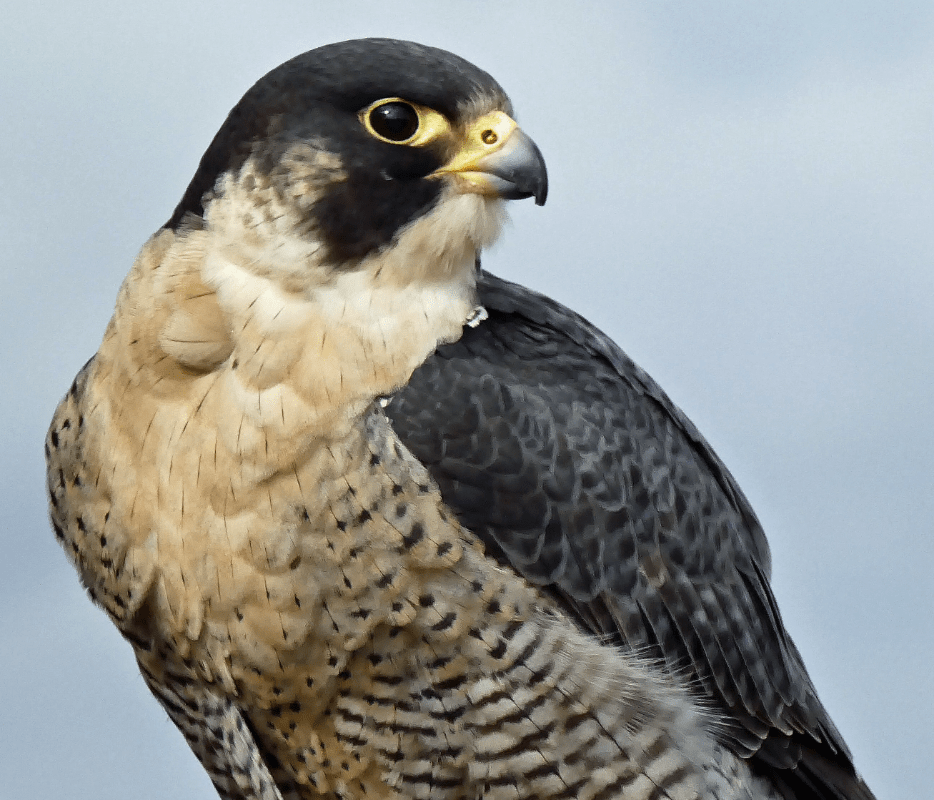
Figure 07. When Peregrine Falcons migrate, they spend about 17 hours/day just hanging out, about 6 hours in flight, and about 1 hour hunting to fill their bellies for flying again.
Most migrants fly alone or in pairs, not in flocks of any size. Nonetheless, there do seem to be some migration routes where Peregrines are seen more often, such as along the eastern U.S. coast and around the Gulf of Mexico, less so along the U.S. west coast, along shores of the Great Lakes, or near the eastern front of the Rocky Mountains; in South America, the west coast attracts more migrants than the east coast. Immature migrants may use different migration routes than more mature birds.
Food and Hunting
Diet: What They Eat
Researchers have gathered data regarding the diet of Peregrine Falcons partly from the remains of prey, both at nests and at plucking perches, less often from observations at nests, and even less from pellets and from analysis of stomach contents. Though each source may under- or overestimate a particular type of prey, taken together, they can give a reasonable estimate.
As opportunistic eaters, Peregrine Falcons have an eclectic diet of terrestrial vertebrates, and even occasional invertebrates. Urban Peregrine Falcons specialize in feral and domestic pigeons, which are abundant in most cities. In the Pacific Northwest, they eat huge numbers of some of the local marine birds. On arctic tundra, they eat lots of ptarmigans. Waterfowl, gamebirds, songbirds, waders, and other birds also show up in their diet wherever they’re readily available.
“Worldwide, it is estimated that between 1,500 and 2,000 bird species, or roughly a fifth of the world’s bird species, are predated somewhere by these falcons. The peregrine falcon preys on the most diverse range of bird species of any raptor in North America, with over 300 species and including nearly 100 shorebirds” (https://en.wikipedia.org/wiki/Peregrine_falcon#Feeding ); Birds of the World reported 429 North American bird species, probably 1,500–2,000 species worldwide. Also, though Peregrine Falcons prefer to eat birds (77–99% of the prey items they consume) and small mammals (e.g., bats, squirrels, rats, voles), they occasionally dine on reptiles, rarely on amphibians or fish (traces).
Studies have also shown traces of carrion, scavenged food, and invertebrates, too. Though most of their prey weighs 0.7–38.4 ounces (0.04–2.4 pounds, 20–1,100g), they have preyed on 0.11-ounce (3g) hummingbirds and 6.8-pound (108.8 ounces, 3.1 kg) sandhill cranes. Typically, females caught more birds weighing 3.5–35 ounces (100–1000 g), and males caught more weighing 0.7–10.6 ounces (20–300 g). Fierce predators, these falcons also prey on small hawks and owls, as well as small falcons. They’re even kleptoparasites, observed stealing prey from Ospreys and from Red-tailed Hawks.
Food Capture and Consumption
Who or Which?
Individuals and pairs of falcons show preferences for particular prey species, more often related to the vulnerability of the prey than to its abundance, though abundance certainly plays a role. Molting birds, sick birds, young birds, weak-flying birds, and migrant birds are examples of birds more vulnerable to becoming falcon prey. These falcons also tend to choose prey within a preferred size range, such as between 1.8–17.8 ounces (0.1–1.1 pounds, 50–500 g), though the particular size range varies regionally and seasonally. Smaller prey may be easier to catch but less rewarding. Surprisingly, some plumage patterns may be more likely to be preferred, as well, such as conspicuous plumage patterns easily spotted in flight. Likewise, male birds who engage in flamboyant courtship or territorial displays are more vulnerable to becoming falcon prey. And almost anywhere pigeons (e.g., feral Rock Pigeons) or doves (e.g., Mourning Doves) are found, they are a favorite prey item of Peregrine Falcons.
As an example,
In North America, other species apparently taken out of proportion (more frequently) to relative abundance include: rails and coots; small to medium-sized ducks (139); auklets and murrelets among seabirds (17, 188); golden-plover, Dunlin, Pectoral Sandpiper (Calidris melanotos), American Avocet (Recurvirostra americana), Black-necked Stilt (Himantopus mexicanus), Willet (Tringa semipalmata), oystercatchers (Haematopus sp.), and Black Skimmer (Rhynchops niger) among shorebirds; small gulls among Laridae; cuckoos; thrushes and jays among passerines (TJC, CMW); and especially doves and pigeons. Unusual items are Budgerigar (Melopsittacus undulatus), Monk Parakeet (Myiopsitta monachus), Cockatiel (Nymphicus hollandicus), and an array of other escaped caged parrots that are quickly selected because they are oddly conspicuous or naive. — https://birdsoftheworld.org/bow/species/perfal/cur/foodhabits#foodsel
When?
Peregrine Falcons hunt mostly at dawn and dusk, which is when their prey are most active, as well. During the migration of some prey species (e.g., quails), Peregrine Falcons often hunt at night. During breeding season, parents may also make nighttime deliveries to the nest. In general, however, these vision-oriented predators are diurnal, hunting by day.
Where?
Peregrine Falcons prefer to hunt in open spaces, mostly land — from fields to tundra to marshes — but also water. They also prefer to search for prey from a high perch (tall buildings, tall trees, cliffs, etc.), as well as from the air. During the migration of some prey species (e.g., shorebirds), they seek out places where large flocks of migrants congregate, usually wherever the prey species can find abundant food.
How?
For one thing, Peregrine Falcons bring exceptional vision to the task, including astonishing visual processing speed (related to a “flicker fusion frequency” of 129 Hz, cycles per second). As mentioned, these diurnal falcons visually search for, pursue, and capture prey during daytime. When pursuing prey, these falcons hold their heads in a position that optimizes the acuity of their vision. Like other birds, they also protect their eyes from flying debris with nictitating membranes, which slide horizontally across their eyes, spreading lacrimal fluid (tears).
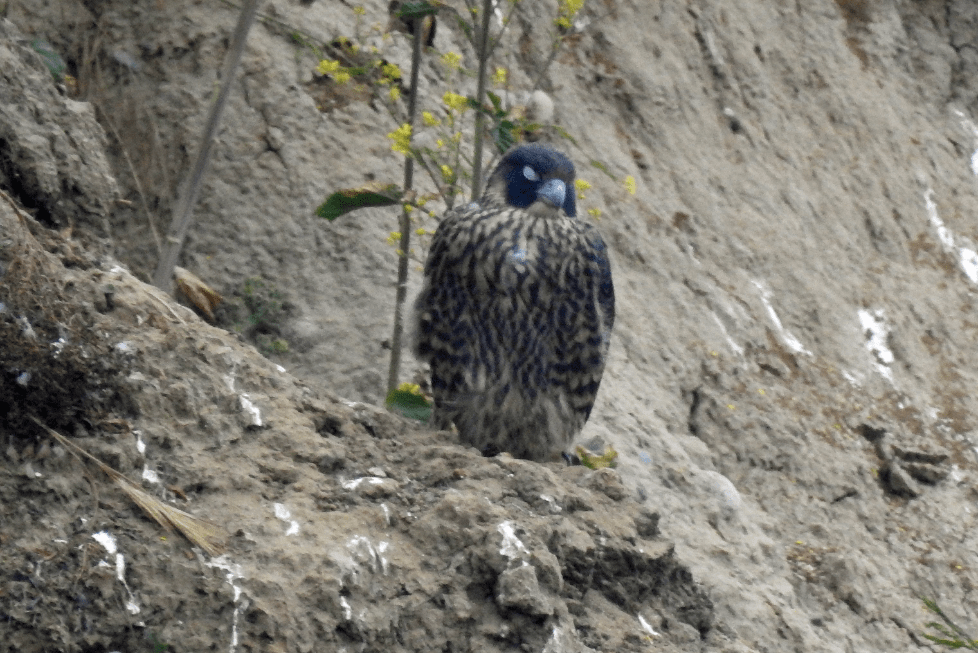
Figure 08. The Peregrine Falcon on the left has its nictitating membrane closed; the adult on the right has its nictitating membrane (and eyelids) open.
Making a living by capturing and eating prey isn’t easy. A hungry Peregrine Falcon needs to take a sequence of steps to fill its belly: Search for prey, pursue and attack the prey, capture it, kill it, and — at last — eat it.
Search
A hungry Peregrine Falcon will typically find a high perch — a tree, a power pole, a cliff, a skyscraper — above open ground, where it can search for prey. It’s not just searching the ground, though; it’s searching the skies for flying prey, such as pigeons in the cities, ptarmigans in the tundra, or waterfowl near lakes. Even in flight, the Peregrine Falcon will search for prey, ready to swoop up (by spiraling upward) or to stoop down at great speed. They prefer to soar, but in inclement weather, they’ll use powered (flapping) flight for their searches.
One study showed that hunts from perches succeeded about 60% of the time, but midair searches succeeded about 40%. Surprisingly, these falcons also search for prey (e.g., small mammals, nestlings, fledglings, invertebrates) on the ground, while on their toes. A hungry falcon is open to finding prey wherever it can. These falcons also cleverly follow humans, dogs, machines, or anything else that might flush their prey to take flight. Falcons also know where to expect prey to appear, such as at the mouths of caves, when bats are going to or from their own hunts.
Researchers don’t yet understand why Peregrine Falcons will perch seemingly uninterested as numerous birds pass by them, then suddenly swing into action when a particular bird catches their eyes. The triggering bird may be more vulnerable, more distinctive, or more visually stimulating; only the Peregrine knows for sure.
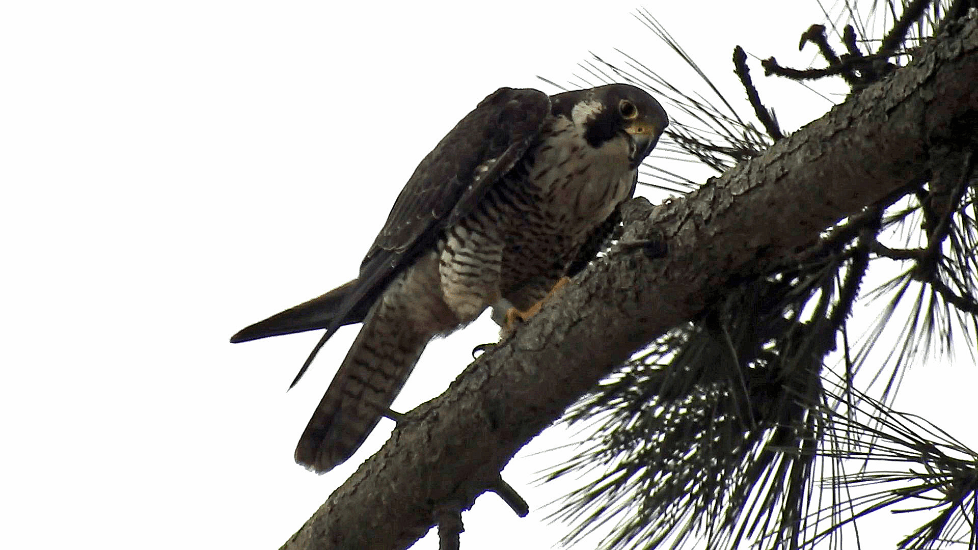
Figure 09. When Peregrine Falcons hunt for prey, they prefer to scan from a high perch, or while flying through the air.
Pursue and Attack
The Peregrine Falcon’s pursuit can been categorized into various possible courses of action: stooping, ringing upward, directly pursuing, contour-hugging, shepherding, and attacking on the ground.
Stooping
If the prey is spotted below, the Peregrine Falcon will begin its steep, swift, stooping dive, with wings tightly folded back, feet tucked out of the way, tail positioned aerodynamically for maneuvering. A National Geographic videographer documented a top speed of a Peregrine’s stooping dive at 242 mph (389 km/hour), making this falcon the fastest land vertebrate. The most reliable radar tracking of this falcon’s speed has been documented as 114 mph (184 km/hour). Other observers have recorded other speeds, between 114 and 242 mph (184–389 km/hour), using various methods. Higher speeds have been observed over longer descents. At higher rates of speed, the falcon extends its head forward to further streamline its body shape. Surprisingly, some researchers found that the faster the falcon dives, the more precisely it can strike its prey.
The attack can occur over land or water; the length of the attack can be less than 300 feet to more than 3,300 (<100–>1000 m). The wing’s angle of attack (wing orientation, no relationship to attacking prey) can be from 90 degrees to horizontal (0 degrees) to <20 degrees. The angle of attack is the orientation of the wing — as if drawing an imaginary line from the wing’s leading edge to its trailing edge — in relation to the flow of air over the wing. A 45-degree angle of attack would mean the wing orientation is halfway between being perfectly aligned with the flow of air (0 degrees) and being perpendicular to airflow (90 degrees). The falcon can slow its dive by adjusting the position of its wings, legs, head, or tail.
As the falcon approaches its prey, it abruptly pulls out of the dive and may clench its toes into a “fist,” ready to kill, or at least stun, the prey with the intense impact of the fast-moving falcon. (Though falcon collisions aren’t truly comparable to car crashes, the force intensifier of speed still creates a tremendous impact.) For that reason, they prefer to strike a glancing blow at a wing or the head, to avoid harming themselves from the impact. If the initial strike doesn’t succeed, the falcon may repeatedly stoop-dive onto it, forcing it to the ground or striking it forcefully on the head or wing — killing or stunning it, breaking its wing, or otherwise immobilizing it.
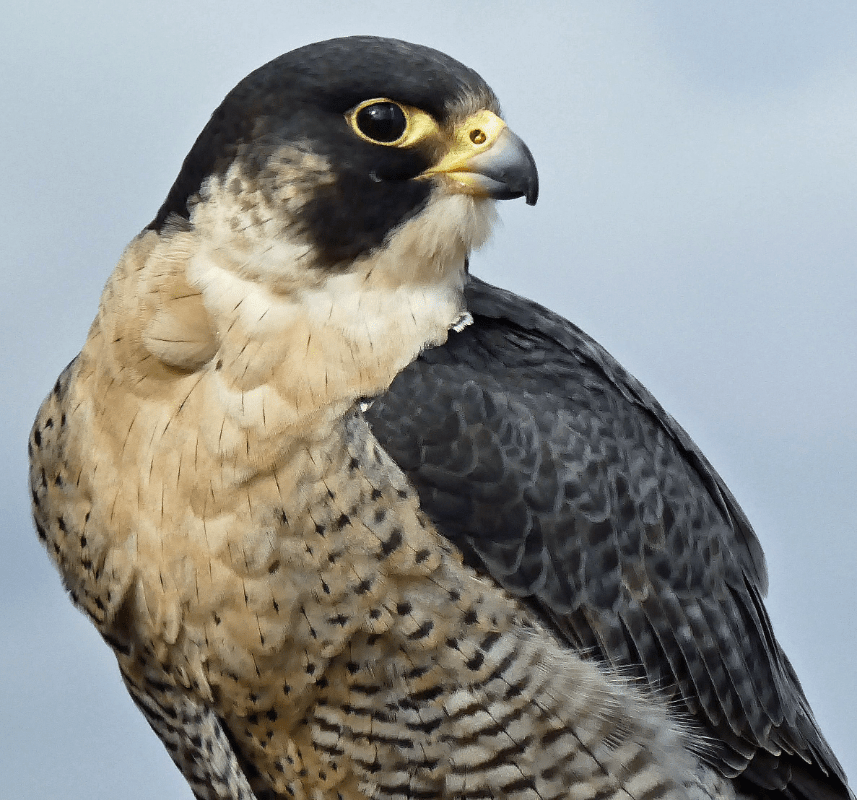
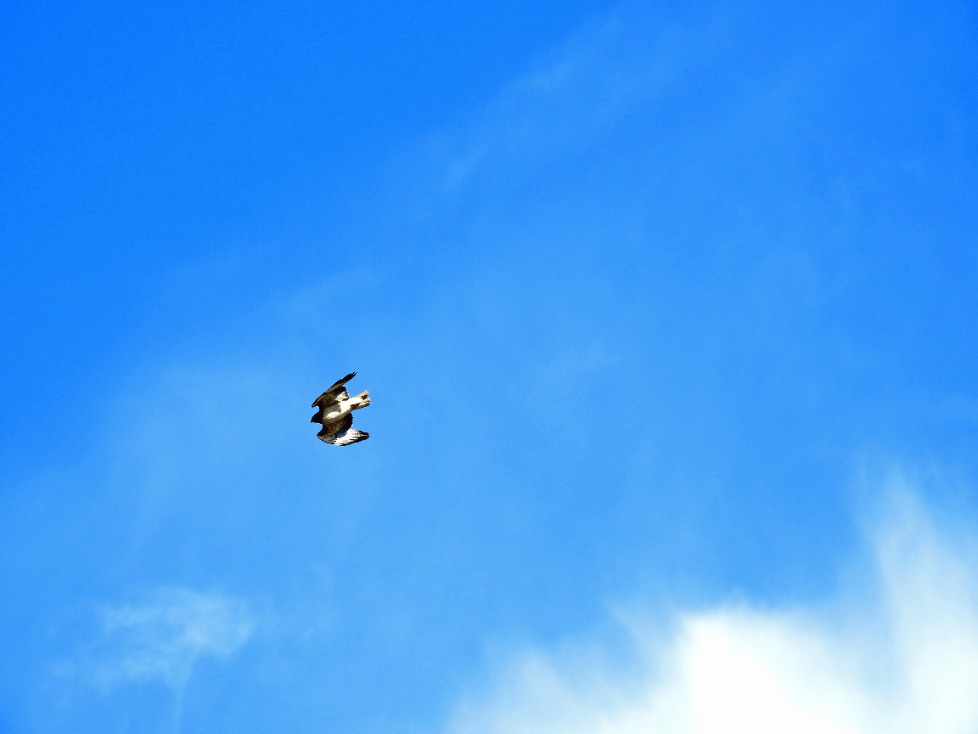
Figure 10. Diving at such rapid speeds creates tremendous air pressure, which could damage a diving falcon’s lungs. Luckily, they have tubercles in their nostrils (left), which help to divert the airflow, so the falcon can breathe without damaging its lungs while diving (right). Note that this dive isn’t a full stooping dive, as the wings aren’t pulled in tightly, to make the falcon torpedo shaped.
Ringing up
Sometimes, a falcon will spot potential prey flying above. If so, the Peregrine Falcon will fly upward in spirals — “ringing up” — to fly above the prey. While the falcon flies above the prey, it can do one of the following: (a) catch the prey midair, (b) make a series of shallow stooping dives to wear out the prey, or (c) chase the prey to the ground to capture it there. Sometimes, prey will escape from being captured on the ground by flying above the falcon, in which case the falcon will have to ring up. Often, light prey can take flight more quickly than the falcon, but often the falcon’s powerful flight and endurance can eventually overtake and exhaust the prey.
Directly Pursuing
If stooping or ringing up don’t lead to capture, the Peregrine Falcon will chase the prey — called “tail-chasing” — directly pursuing it, using its skillful maneuverability and speedy powered (flapping) flight. Falcons will also directly pursue prey when they see it flushed or when the prey isn’t aware of the falcon and flies off without hurrying. This strategy is often used to catch birds taking flight from the water or even to catch fish, on occasion.
Contour Hugging
When terrain provides various obstacles, ground cover, or other variations in elevation, a Peregrine Falcon will fly low, using the terrain to conceal itself from the prey in order to make sneak attacks. Researchers have found that Peregrine Falcons use sneak attacks as an ambush predator more often than was thought previously.
Shepherding
Peregrine Falcons will look for flocking birds, especially during migration. Often, however, these birds will form tight flight formations, making unpredictable turns, to avoid capture. Falcons respond by diving toward birds at the edges of the formation, occasionally succeeding in causing a bird to panic and separate from the flock, making it easy prey.
Attacking on the Ground
When pursuing hatchlings (e.g., downy precocial birds), nestlings, and fledglings, as well as small mammals or even invertebrates, Peregrine Falcons will land near the prey and run or hop, flapping their wings in pursuit. They also use this strategy to chase down birds who have been injured during a stoop-dive.
Capture and Kill
When hunting prey midair, the Peregrine Falcon typically strikes the prey with a clenched-footed stunning or deadly blow, then it turns its talons toward the prey and catches it, if possible, often from beneath the prey or by its side, but sometimes from above, grabbing its neck or back. Falcon talons usually aren’t deadly enough to kill the prey, so the falcon grabs and holds the prey while using its sharp bill to pierce the prey’s neck, severing its spinal cord, either killing it or at least immobilizing it immediately. The capture and kill typically occur midair. For heavy prey, the falcon will then drop the stunned or dead prey to the ground, finishing the kill and eating it there. Lighter prey can be carried off to be eaten elsewhere (e.g., at the nest during breeding season).
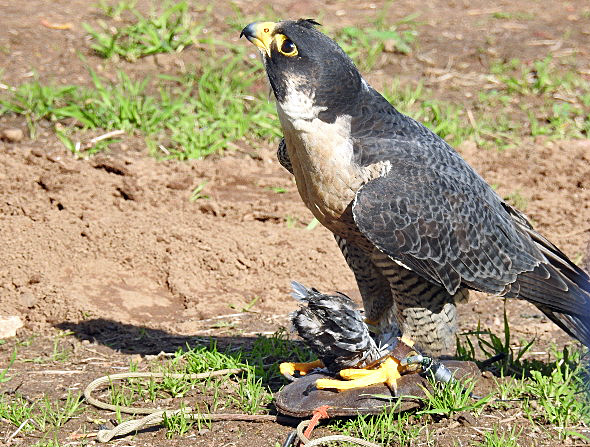
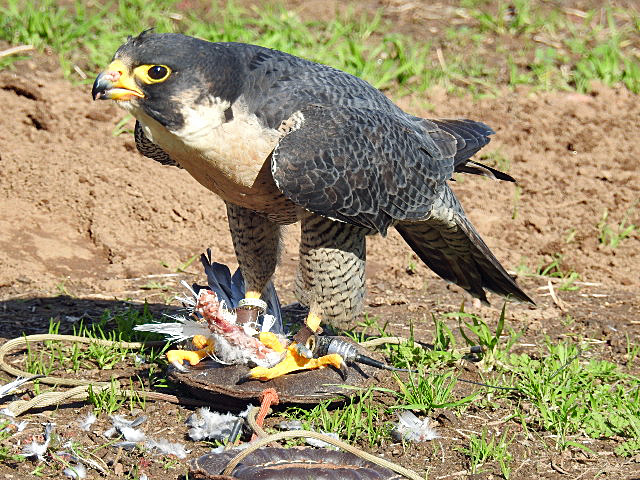
Figure 11. Peregrine Falcons will eat large prey on the ground, but for smaller prey, they typically carry it off to a perch, where they’ll pluck it then eat it.
Eat
Year-round, Peregrine Falcons pluck their prey before eating it (wings, tail, and some body feathers). For small prey (less than 3.5 ounces, 100 g), the falcon will carry it off to a favorite perch for plucking (e.g., tree, cliff, skyscraper). After it’s plucked, the prey will be eaten entirely at one sitting.
If the prey is too heavy to carry off (more than 8.8 ounces, 250 g), the falcon will drop it to the ground, where the prey will be plucked, then the falcon will eat its flesh and viscera, leaving the skeleton where it fell. The prey may be dismembered, to varying degrees. The falcon usually tears off the head first, eating it if it’s small, tossing it aside if it’s big. Next, the falcon pulls apart and eats the skin and flesh of the neck; if it’s small, it also eats the neck bones. From there, it works down to the breast, which is deplumed and then torn into the pectoral (breast) muscles, which it eats entirely. On encountering the viscera, the falcon typically discards the intestines but eats the heart and liver; other organs may or may not be eaten. Same goes for the legs, which may or may not be eaten. The falcon uses its tomial teeth to break the leg bones and wing bones of small prey before swallowing them.
If the prey isn’t eaten all at once, the well-plucked, headless, eviscerated remainder may be carried off or perhaps left to consume more later. During breeding season, the breast is usually carried back to feed the nestlings. Small mammals (e.g., bats) may even be eaten while the falcon continues to fly. For videos of Peregrine Falcons eating prey, please see https://macaulaylibrary.org/asset/375738741 + https://macaulaylibrary.org/asset/375732111 + https://macaulaylibrary.org/asset/643314975 ; juvenile eating, https://macaulaylibrary.org/asset/630420737 .
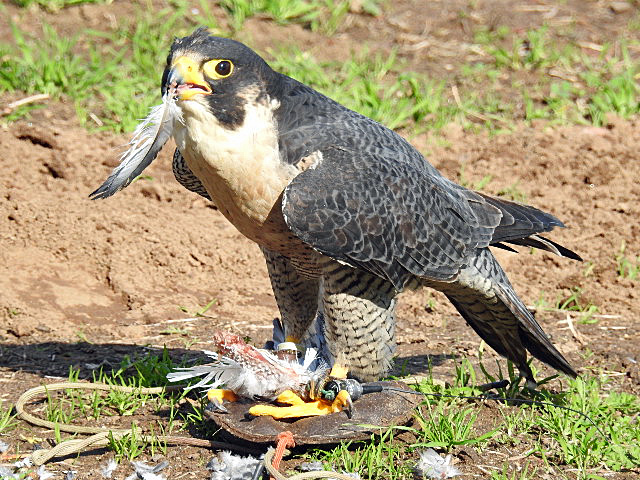
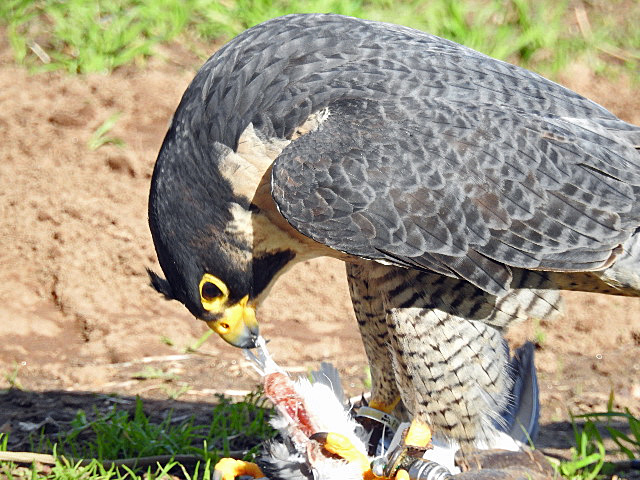
Figure 12. After removing most of the feathers, the Peregrine Falcon is ready to start eating the flesh of its prey.
Hunting Success Rates
Peregrine Falcon hunting success rates vary widely with the individual (e.g., adults more successful than immatures), its degree of hunger, the location (e.g., greater success at estuaries than at coastal beaches), the time of day, the prey species, and the behavior of the prey (e.g., singles captured more easily than flocking birds), as well as season (e.g., migration season means higher success in capturing migrants passing through; parents more successful than non-breeding adults). When choosing vulnerable individuals, the falcons are performing a key ecosystem function, culling the least adaptive birds from the gene pool.
Another factor increases hunting success: Some individuals and pairs of falcons focus their hunting on just one or two prey species, ignoring almost any others. Of course, doves and pigeons are often the chosen prey, but some falcons focus on other species, such as corvids, terns, migrating hawks, and so on.
Food Caching
Year-round, Peregrine Falcons cache excess prey, but they particularly do so during breeding season. At any time, caching serves as a food reserve for times when prey is less available — lean seasons, bad weather, or simply times of day when prey isn’t out and about. Cache sites can be almost anywhere out of view and out of reach from potential thieves — cliff crevices or holes, beneath dense vegetation, atop posts or crags, under bridges, and so on.
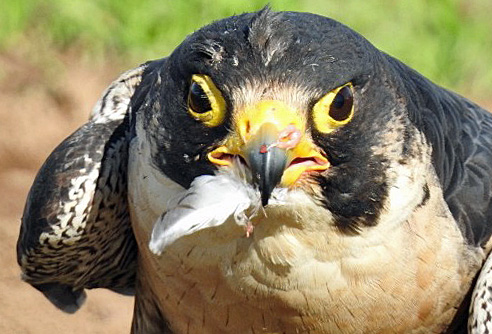
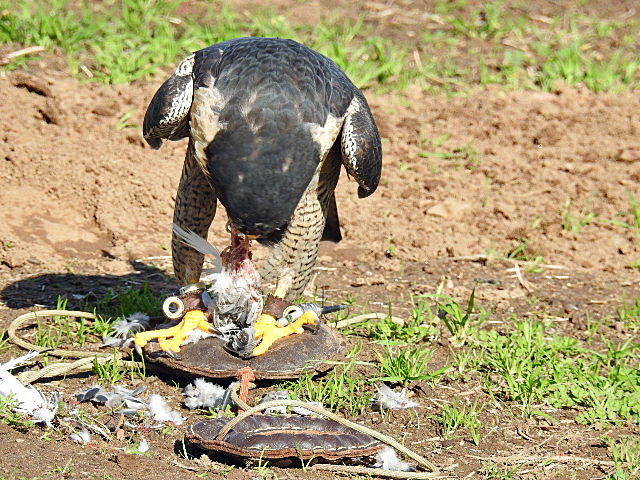
Figure 13. If this Peregrine Falcon doesn’t finish eating this prey, the falcon may carry off the remains to cache this food for a time when prey is less available.
During breeding season, males may start to cache prey even before the female arrives at the breeding site. The cache may then be used for courtship feeding. The cached prey may be headless or with head attached. The female may take cached prey to feed the nestlings between deliveries by the male, or the female may cache leftover prey after the nestlings have been fed.
Temperature Regulation
Peregrine Falcons mostly achieve thermoregulation (body temperature control) through their behavior, such as by choosing optimal microclimates (e.g., shady or sunny spots); orienting their bodies toward the sun (with heat-reflecting light-colored breast), or away from the sun (with heat-absorbing dark-colored back); drooping the legs or wings and tucking the feet to keep warm, or exposing the extremities to increase evaporative cooling; panting to promote evaporative cooling; and either compressing or erecting the feathers to decrease or increase insulation from surrounding temperature. The bare skin on their lower legs (tarsus) can also promote or inhibit heat transfer, by modifying the blood circulation.
Drinking, Pellet Casting, and Digestion
Unlike many other falcons, Peregrine Falcons drink often, such as when bathing. They cough up and cast long, ovular pellets once/day, usually early in the morning, before hunting and eating again. Pellets mostly contain undigested feathers or fur, some bone fragments, bills or toenails, and perhaps indigestible viscera (e.g., gizzard linings). Up to once/week, these falcons may also eat tiny rounded stones or sand, which may aid the digestive process (e.g., clean the stomach).
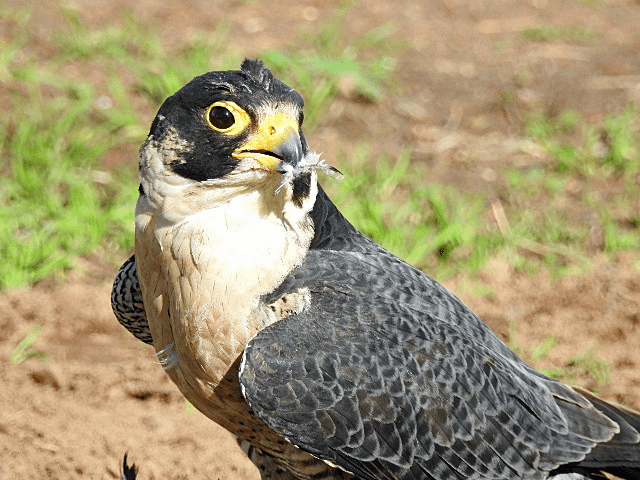
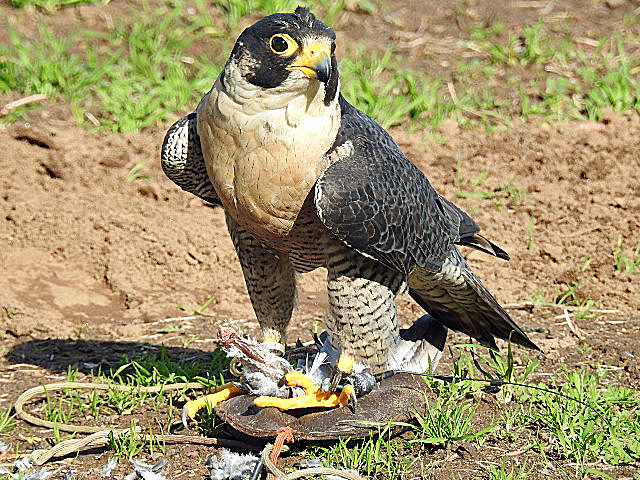
Figure 14. Though Peregrine Falcons attempt to remove the feathers (or fur) of their prey before they eat, they invariably swallow some, along with other indigestible bits of their prey. Once/day, usually early in the morning, they cough up and cast out pellets of compressed undigested remnants of prey.
Locomotion
Walking, Hopping, Climbing, Etc
More than many other falcons, the Peregrine Falcon will sometimes stealthily walk along the ground to approach their prey — usually young falcons more than mature falcons. These falcons will also walk or run for other reasons.
When parents are incubating or brooding, their feet instinctively ball up whenever they’re anywhere near their eggs or their nestlings, so they walk with difficulty at that time. Nestlings will wander away from the nest on foot before fledging, sometimes quite a distance; they may also hop or even try to climb the cliff face. When nestlings play, they’ll do a hop-run — 2 running steps, then a hop — or a run-flap, chasing their siblings or approaching their parents.
Flight
The Peregrine Falcon is an exquisitely aerodynamic and skillful flyer (e.g., see https://macaulaylibrary.org/asset/451456 , https://macaulaylibrary.org/asset/201378031 ).
Physiology of Flight
How are Peregrine Falcons built for flight? Their wings have a low camber, which means that if you looked at a cross-section of the wing, you would see very little curvature between the upper and lower surfaces of the wing. (To see how camber and other variables affect flight, https://en.wikipedia.org/wiki/Airfoil#Airfoil_terminology shows a cross-section of an airfoil — any wing used for flight — with visual definitions of camber, angle of attack, and chord). High-camber wings have a big difference in curvature between the top of the wing and the bottom of the wing. Wings with low camber have less lift and less drag, so they’re built for speedy flight; wings with high camber have more lift but more drag, so it’s easier to ascend and to stay aloft, but the flyer must exert more power to compensate for drag. Drag literally drags on the movement through air (or other fluids), making flight more difficult; drag increases at higher speeds, so it is especially important for swift flyers to decrease drag.
Peregrine Falcons also have a relatively high aspect ratio — that is, each wing is relatively long, in relation to its width. In aerodynamic terms, the Peregrine Falcon has a relatively long wingspan (length from the tip of one wing to the tip of the opposite wing), compared with the wing chord length (an imaginary straight line drawn through the widest part of the wing, from the leading edge of the wing to the trailing edge). A long, narrow wing has a higher aspect ratio than a short, wide wing. Wings with high aspect ratios have a higher lift-to-drag ratio, so they require less energy for powered (flapping) flight to keep flying (e.g., see https://macaulaylibrary.org/asset/201492081), and they’ll soar or glide for longer distances (e.g., see https://macaulaylibrary.org/asset/426436 ). In general, having a low aspect ratio compensates for energy inefficiency by offering greater maneuverability. For example, Eurasian Sparrowhawks, which can fly through dense woodlands, and can flip upside-down in flight, have wings with low aspect ratios. The wings of Peregrine Falcons taper to a point, which aids in maneuverability, despite their high aspect ratio.
Peregrine Falcons have such heavy wing loading that they’re second only to the Gyrfalcon — the heaviest falcon. Wing loading is pretty much what it sounds like — how much weight is loaded onto the bird’s wings: the proportion of the bird’s mass (weight, measured in grams) to the area of the wing (measured in square centimeters of wing width × length). To carry all that weight on its wings, a Peregrine Falcon’s pectoral (breast) muscles (which power the wings to flap) weigh about one fifth of its total weight. Immature birds have proportionately longer feathers and lower body mass, so they have lighter wing loading, which helps to compensate for their inexperience and their less-developed pectoral muscles. The feathers of immature birds are also more flexible than those of adults.
Flapping (Powered) Flight
For powered flight, Peregrine Falcons must flap their wings forward and up, backward and down, which takes muscular strength (those pectoral muscles!) and uses energy. For a video of a Peregrine Falcon using powered/flapping flight, with fast, deep wingbeats, please see https://macaulaylibrary.org/asset/401652 . When just cruising along, such as during migration or when flying to or from their hunting grounds, Peregrine Falcons average about 25–34 mph (40–55 km/hour). As migrants, they typically fly less than 330 feet (<100 m) above the ground, though they will sometimes fly up to 3,000 feet up (900 m), and at elevations up to 790 feet (240 m) above sea level. Of course, when they’re pursuing prey, they flap their wings more deeply and rapidly and can fly up to about 70 mph (112 km/hour). Within 2 or 3 weeks after fledging, fledglings can start flying at high speeds — usually to chase adults, not prey.
Figure 15. When cruising, Peregrine Falcons can maintain an average of 25–34 mph (40–55 km/hour), but when in pursuit of prey, they speed up.
Soaring
While Peregrine Falcons can use flapping flight almost anytime, anywhere, soaring flight — wings held open but motionless, not flapping — depends on the rising currents of thermals (warm air rising upward) to provide them with enough lift. The falcon may hold its tail open or closed, depending on whether the tail adds more to lift or more to drag. Thermals occur when the sun heats the surface of Earth, heating the air directly above the ground, and the hot air expands, rising upward. The air continues to rise until reaching cold air at higher altitudes; the cold air cools the rising air, which then compresses, stops rising, and may fall. The best times of year for soaring on thermals are spring and summer; best times of day are late morning through early afternoon. Even in urban areas, soaring flight is possible if the sun heats the ground enough to expand the air above it, causing the air to rise. Even fledglings can soar for at least several minutes within a couple days after their first flight, and for more than 1–2 hours later on.
Another source of lift for soaring is ridge lift — the wind causes air to rise when it hits the windward side of a ridge, a cliff, a steep mountain. Parallel with these ridges, you may see raptors and vultures soaring (about 10–330 feet, 3–100 m, above the edge), lifted by the wind along the ridge.
Stooping
Many sources agree that a stoop-diving Peregrine Falcon is the fastest animal on Earth. The stoop-dive was described previously, regarding how they “Pursue and Attack” prey.
Figure 16. Deemed the fastest animal on Earth, you can get a glimpse of its speed by watching how quickly it nabs a lure offered by a falconer.
Behavior (Nonbreeding)
Self-Maintenance
Preen, Scratch Head, Stretch, Bathe, and so on
All flighted birds use their bills to preen their feathers, to ensure a smooth feather contour for flight. Rumpled feathers create drag, which slows flight and demands more energy exertion to compensate for the drag. As speedy fliers, Peregrine Falcons are finicky about preening often. Even nestlings start preening by about 6–8 days of age, even allopreening each other in the nest, though they may not stand to do so until they leave the nest after fledging. Fledglings spend much of their time preening — having fully aligned flight feathers makes those early flights smoother. Adults allopreen, too, preening their mates and even nibbling each other’s toes and talons with the bill, especially after feeding (when toes and talons may be covered with blood, flesh, and so on).
After preening, Peregrine Falcons typically rouse (shake) their feathers. They may even rouse during takeoff or while in flight, and they typically rouse when bathing. To bathe, the Peregrine Falcon strolls up to the water then wades until the water reaches the base of the tail (about 4″, 10 cm). The falcon raises all its feathers, wings held slightly outward, and crouches into the water. It rocks forward and dips its head into the water up and down quickly, so water will roll over its back and wings. When finished, it simply walks or hops out of the water. For videos of Peregrine Falcons bathing, please see https://macaulaylibrary.org/asset/201902731 and https://macaulaylibrary.org/asset/613237973 . To dry the feathers, the falcon may sun-bathe, while flapping its wings. Peregrine Falcons may also sun-bathe at other times, either perching with their back to the sun and their tail and wings spread out, or even lying on the ground to sun-bathe.
Some feathers can’t be reached by the bird’s bill, such as the bird’s head, and bathing isn’t always convenient. For these out-of-reach feathers, the bird uses its talons (especially the ones on the middle toes) to scratch all over the head — important for removing food scraps after eating. Another self-grooming task is to rub each eye against the wing, to remove any debris from the nictitating membrane or the eye’s surface.
Peregrine adults also stretch their legs or wings — usually one at a time, but sometimes the leg and wing from one side, then the leg and wing from the other side. They may also stretch both wings at once, bending forward while raising both wings up over their backs. They also stretch their gapes (the bare skin surrounding the bill), and they yawn.
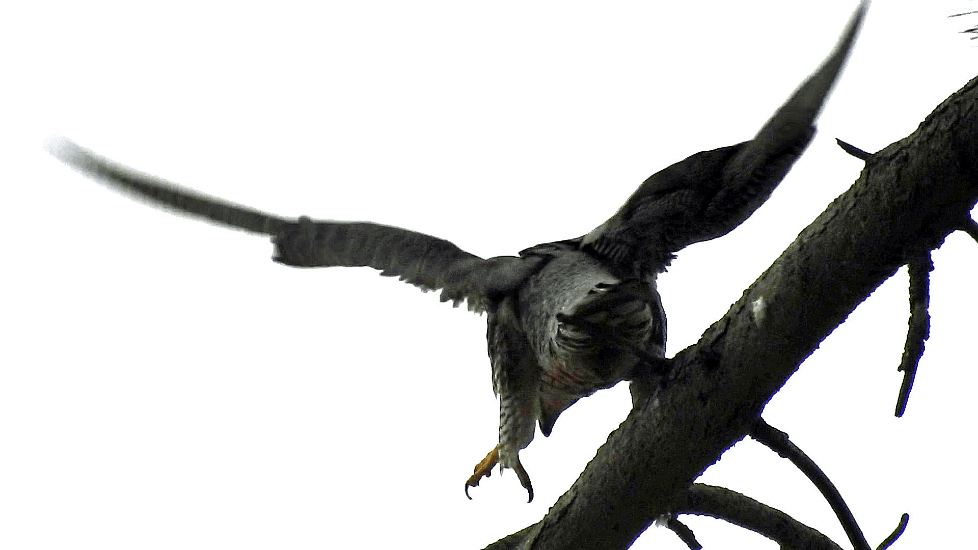
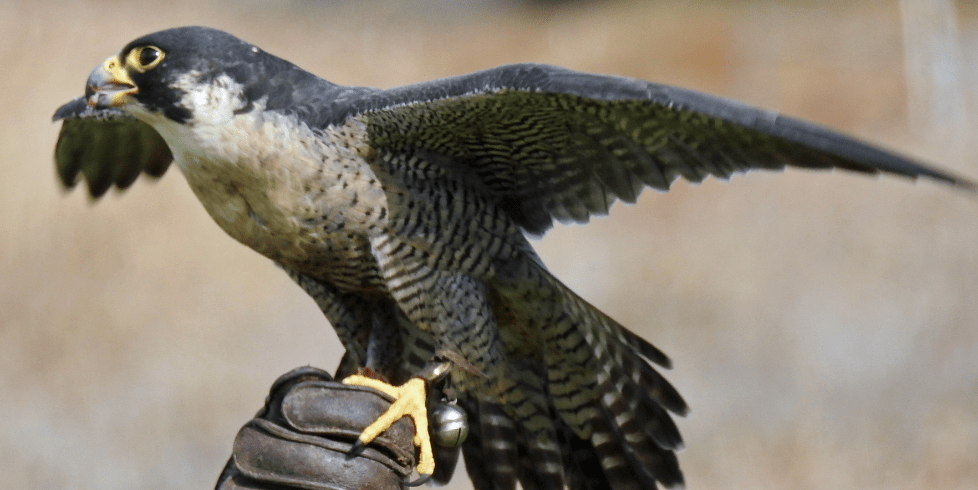
Figure 17. Sometimes, it just feels good for a Peregrine Falcon to stretch out a bit.
Sleeping, Roosting
When roosting, resting, or sleeping, Peregrine Falcons may use a few different postures:
- Perch with both feet down and the head forward, settled between its shoulders
- Perch with one foot down, the other tucked up, and the head forward
- Perch with one or both feet down and the head tucked under the feathers on its back — a more probable pose when sleeping at night
In any of these perching poses, the falcon’s eyes are usually covered by both the nictitating membranes and the eyelids.
In warm weather, the falcon may partially or completely droop its wings, with one foot extended forward, off of the perch. In cold weather, the falcon will pull in its wings, fluff up its feathers, and tuck one feet completely under its breast feathers, switching feet often, to keep each foot warm.
Sociality
Peregrine Falcons don’t intentionally congregate. Outside of breeding season, adults are seen either alone or with a mate. During breeding season, male and female pairs interact extensively, and siblings interact with each other and with their parents. Also, before reaching adulthood, siblings roost together, sometimes near adult pairs.
Agonistic Behavior
Agonistic behavior can be either aggressive or defensive. Peregrine Falcons may have disputes over territorial boundaries, fending off an intrusion at a nest site, or when squabbling after one falcon tries to steal prey from another. These disputes can lead to fierce battles, with each falcon attacking with the same skills and ferocity used to go after prey. This video shows two interacting, probably in an agonistic flight: https://macaulaylibrary.org/asset/619801433 . Note that they’re sometimes flying parallel, sometimes actively attacking, and sometimes locking talons as they cartwheel through space. If they meet on the ground, the aggressor will run toward its opponent, flapping its wings and trying to grab the opponent’s legs and feet. If well matched, each will somehow grab the other, as both thrust and bite each other, trying to attack head or neck. Such fights can last for hours and can lead to the death of a bird if it can’t break free from the other’s grip. Most fights occur between falcons of the same sex; males who have disputes females realize they’re ill matched and will find a way to avoid physical combat. If two females fight, neither male mate will get involved in the dispute, leaving the two females to work it out.
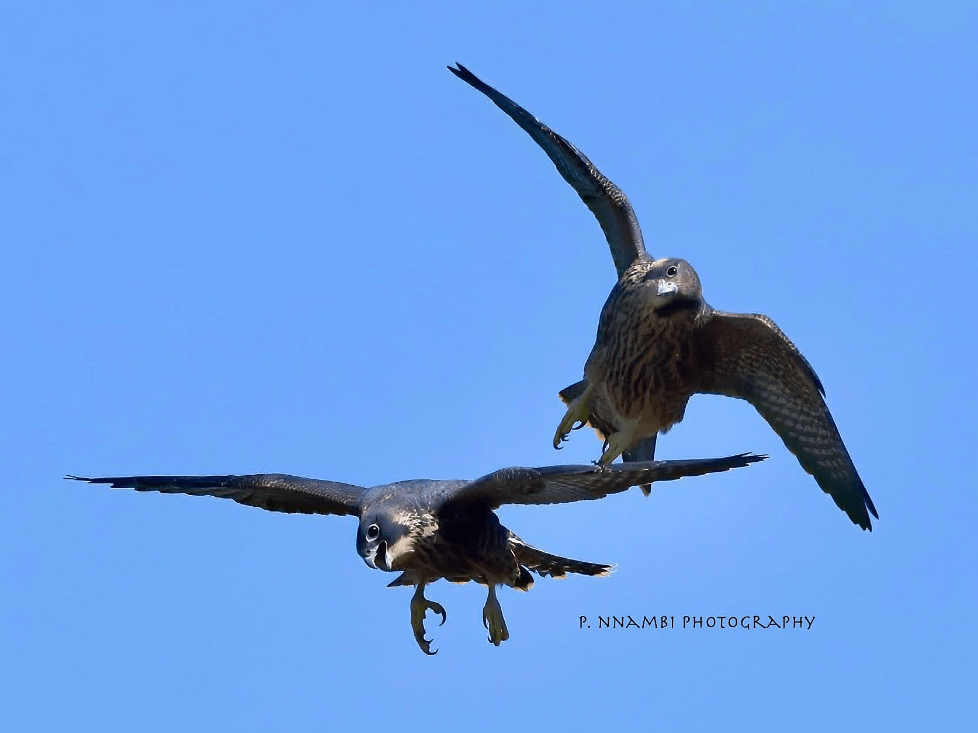
Figure 18. My pal Parrish Nnambi took this magnificent photo of these two Peregrine Falcons interacting.
In general, disputes don’t lead to physical combat. The aggressor will assume threat postures, such as erecting its feathers, turning its bill toward the opponent, making aggressive vocalizations, such as hissing. Each of these actions can vary in intensity. (See “Vocalizations” for more about how these are used.) To further intensify the threat signals, the aggressor may move toward the opponent by strutting or charging, perhaps even lunging toward the opponent. Also, if the aggressor is posturing while in an upright position, then shifts to a horizontal position — head, body, and tail held horizontal, with the bill extended forward — the threat is greatly intensified.
The defending bird may respond with an upright posture or even fall on its back, to signal its defensive stance. To signal appeasement, the defending bird may display the exact opposite of a threat: pull feathers tightly to the body, turn the bill away from the aggressor, make few or no vocalizations.
Predation on Falcons
Few animals of any kind prey on adult Peregrine Falcons: eagles or Gyrfalcons, or maybe a nighttime attack by a Great Horned Owl. During breeding season, if a potential predator appears to threaten the nest, a female will fiercely attack the potential predator, sometimes succeeding either to kill it or to drive it away. Female Peregrine Falcons have been documented killing Golden Eagles, Bald Eagles, and Gyrfalcons. Less dangerous potential predators, such as ravens, barn owls, and buteo hawks are often tolerated better unless they approach too closely during breeding season. If a Peregrine Falcon nests where predatory mammals can reach them (e.g., on a low cliff), the falcon may respond aggressively. On the other hand, many other predators (e.g., eagles, hawks, harriers, ravens) freely steal prey from falcons, and vice versa.
Though adult Peregrine Falcons aren’t at great risk of attack, nestlings and immature falcons are heavily preyed upon by raptors (e.g., owls, eagles) and mammals (bears, wolves, foxes, cats, etc.). One study suggested that owls caused more than 1 in 4 of the deaths of falcon young.
My next blog will further discuss the Peregrine Falcon: its breeding behavior (from courtship to fledglings), its survival and lifespan, its conservation status, its relationship with humans, and observations of it, as well as references.
References
Peregrine Falcon
- White, C. M., N. J. Clum, T. J. Cade, and W. G. Hunt (2024). Peregrine Falcon (Falco peregrinus), version 1.1. In Birds of the World (S. M. Billerman and M. G. Smith, Editors). Ithaca, NY: Cornell Lab of Ornithology. https://doi.org/10.2173/bow.perfal.01.1
https://birdsoftheworld.org/bow/species/perfal/cur/introduction - Elphick, Jonathan. (2014). The World of Birds. Buffalo, NY: Firefly Books.
- Peregrine Falcon, AviBase, https://avibase.bsc-eoc.org/species.jsp?lang=EN&avibaseid=47E58408
- Peregrine Falcon, AviBase Life History, https://avibase.bsc-eoc.org/species.jsp?lang=EN&avibaseid=47E5840880DC9FA8&sec=lifehistory
- Peregrine Falcon, IUCN, https://www.iucnredlist.org/species/45354964/206217909
- https://en.wikipedia.org/wiki/Peregrine_falcon
- https://en.wikipedia.org/wiki/Marmaduke_Tunstall
- Peregrine Falcon, in Ornithologia Britannica (1771), https://www.biodiversitylibrary.org/item/49445#page/6/mode/1up
Etymology
Lederer, Roger, and Carol Burr. (2014). Latin for Bird Lovers: Over 3,000 Bird Names Explored and Explained (224 pages). Portland, OR: Timber Press.
Gotch, A. F. [Arthur Frederick]. Birds—Their Latin Names Explained (348 pp.). Poole, Dorset, U.K.: Blandford Press.
Gruson, Edward S. (1972). Words for Birds: A Lexicon of North American Birds with Biographical Notes (305 pp., including Bibliography, 279–282; Index of Common Names, 283–291; Index of Generic Names, 292–295; Index of Scientific Species Names, 296–303; Index of People for Whom Birds Are Named, 304–305). New York: Quadrangle Books.
Text by Shari Dorantes Hatch.
Images by Parrish Nnambi and Shari Dorantes Hatch, as indicated in captions.
Copyright © 2026. All rights reserved.
Many images were recorded at the annual HawkWatch event by the Wildlife Research Institute; others were recorded elsewhere in San Diego County.


Leave a Reply