
American Flamingo, Phoenicopterus ruber
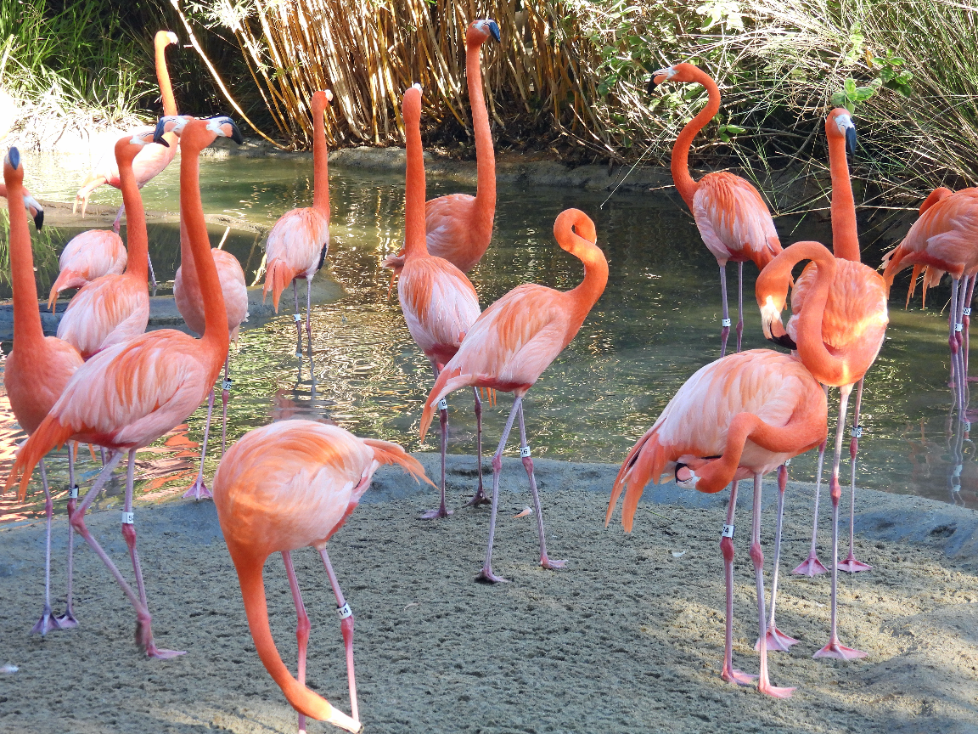
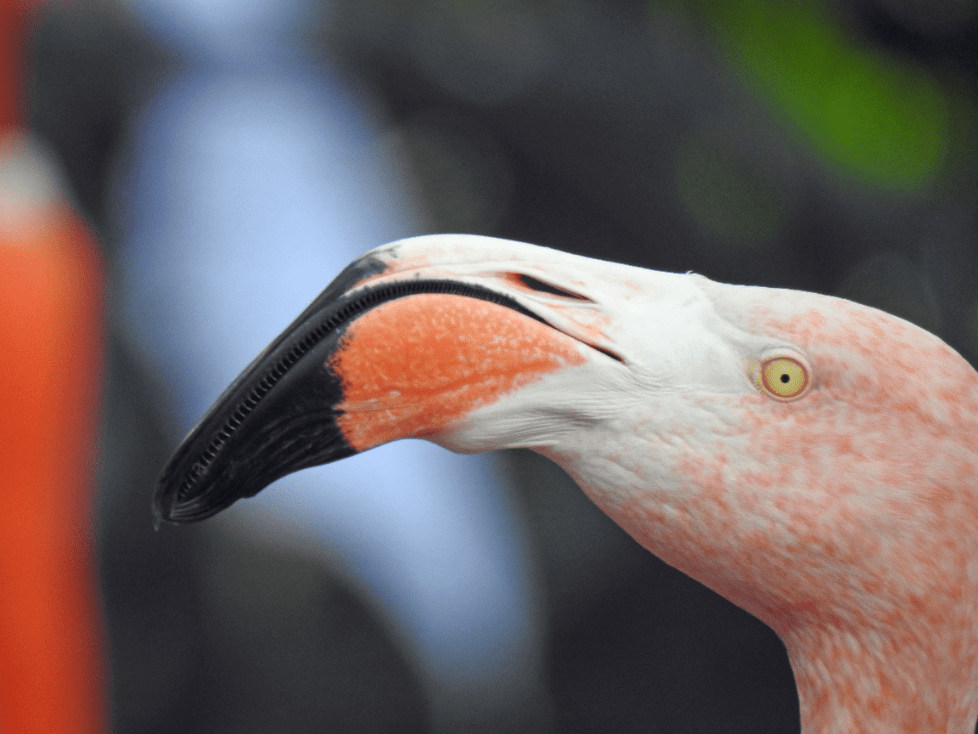
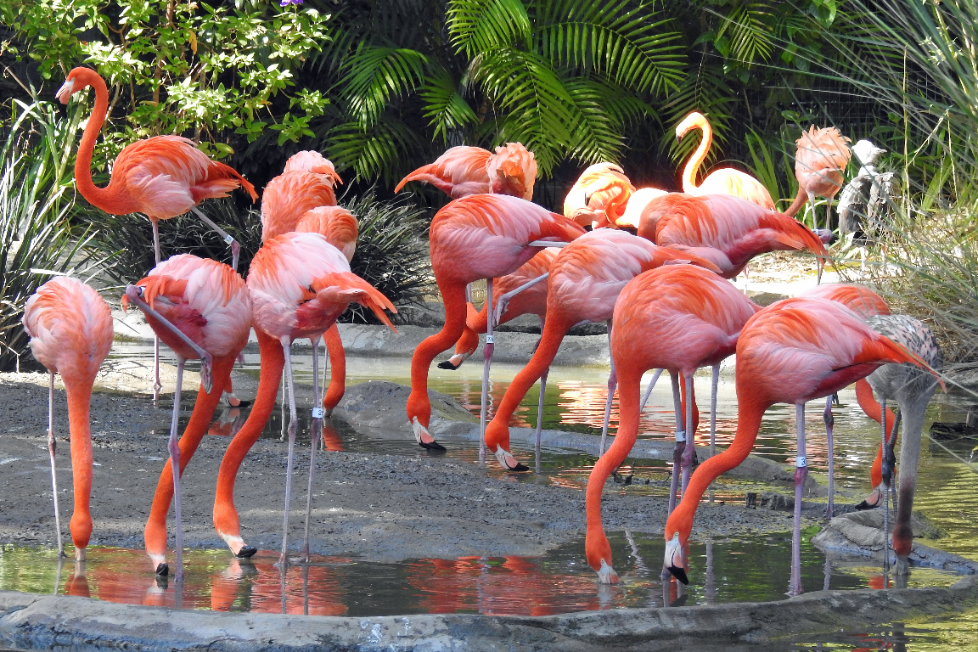
Figure 01. These American Flamingos were photographed at the San Diego Zoo.
This is the fifth of five blogs about flamingos, all of whom belong to the Phoenicopteriformes order, comprising only the Phoenicopteridae family.
- Part 1 introduced the order and its solitary family, https://bird-brain.org/2026/06/28/flamingos-part-1/ .
- Part 2, the Phoeniconaias genus, with just one species, the Lesser Flamingo, Phoeniconaias minor, https://bird-brain.org/2026/07/05/flamingos-part-2/ .
- Part 3, the Chilean Flamingo, Phoenicopterus chilensis, https://bird-brain.org/2026/07/12/flamingos-part-3/ .
- Part 4, the Greater Flamingo, Phoenicopterus roseus, https://bird-brain.org/2026/07/19/flamingos-part-4/ .
Not included: the Phoenicoparrus genus, with its two species — Andean Flamingo, Phoenicoparrus andinus; and James’s Flamingo, Phoenicoparrus jamesi, neither of which will be described in a separate blog, though both were briefly discussed in Part 1.
This final blog in this series about flamingos centers on the American Flamingo, Phoenicopterus ruber, as follows:
- Etymology
- Taxonomy
- Description
- Vocalizations
- Distribution, Habitat, and Migration
- Diet and Foraging
- Physiological Adaptations
- Breeding
- Survival and Lifespan
- Conservation Status
- Observations
- References
(This blog concludes the series of blogs on flamingos. Forthcoming: a series of blogs about New World Vultures, Cathartiformes order, Cathartidae family.)
Etymology
The etymology of the order Phoenicopteriformes, the family Phoenicopteridae, and the genus Phoenicopterus has Greek origins: phoenico-, from phoinix or phoinikos, meaning “crimson red”; and pteron, signifying both “feathers” and “wing.” The species suffix for the American Flamingo, ruber, is Latin for “red” or “reddish.” The Spanish common name, Flamenco Americano, points to its distribution in the Americas (mostly the Caribbean but also on the Galápagos Islands far off the coast of Ecuador).
Taxonomy
To summarize the taxonomy for this flamingo species: kingdom, Animalia; phylum, Chordata; class, Aves; order, Phoenicopteriformes; family, Phoenicopteridae; genus, Phoenicopterus; binomial scientific name: Phoenicopterus ruber; common name, American Flamingo. Naturalist and taxonomist Carl Linnaeus had first described the genus Phoenicopterus in 1758, in his Systema Naturae (10th edition, p. 139, https://www.biodiversitylibrary.org/item/10277#page/157/mode/1up ). At the time, Linnaeus presumed that American Flamingos and Greater Flamingos (Phoenicopterus roseus) were the same species. Later study revealed them to be two separate species, based on coloration, as well as on displays and vocalizations. Nonetheless, these two species are each other’s closest living relatives, despite having an ocean separating them.
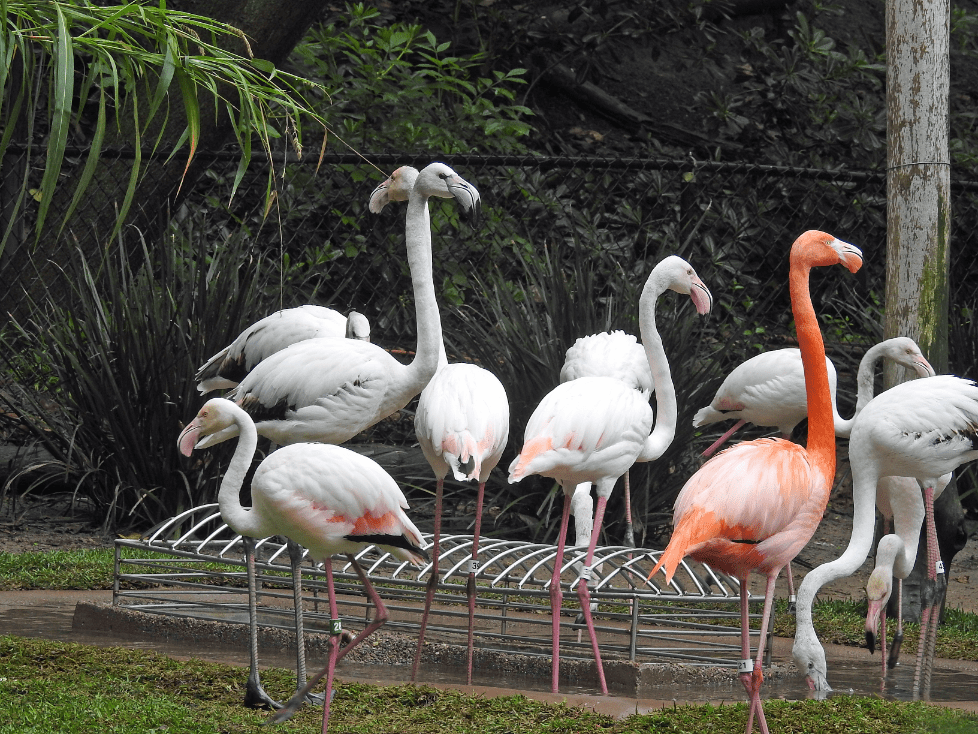
Figure 02. Can you spot the American Flamingo among these Greater Flamingos, at the African Marsh exhibit of the San Diego Zoo?
In addition, two subspecies are recognized within this species: Phoenicopterus ruber ruber, native to the Caribbean and to northern South America; and Phoenicopterus ruber glyphorhynchus, endemic to the Galápagos Islands. These two subspecies differ from one another genetically, as well as geographically. The Galápagos subspecies flamingos have shorter leg lengths and are generally smaller, laying smaller eggs than the Caribbean subspecies of American Flamingos. Two hybrids have been seen, too. In the wild, a Chilean Flamingo (Phoenicopterus chilensis) × American Flamingo (Phoenicopterus ruber) was reported to eBird. In captivity, American Flamingo (Phoenicopterus ruber) × Greater Flamingo (Phoenicopterus roseus) has been observed.
Description
Measurements
The average adult American Flamingo is smaller than the average Greater Flamingo, but it’s still larger than the other two flamingo species in the Americas. American Flamingos weigh about 4.6–9 pounds (74–145 ounces, 2100–4100 g). Females tend to weigh about 4.9 pounds (2.2 kg) and males about 6.2 pounds (2.8 kg). (The subspecies on the Galápagos Islands are somewhat smaller.) Hatchlings weigh just 3 ounces (about 0.2 pounds, 85 g).
Adult American Flamingos are about 47–57″ long (120 to 145 cm, bill to tail), with females about 20% smaller and shorter in the legs. Their wingspan is even longer than their body length, 55.1–65″ (140–165 cm). Each wing is about 14.6–17.4″ (37.0–44.2 cm) long. The tail is about 5.2–6″ (13.1–15.3 cm) long.
The tarsus length of the Caribbean subspecies is about 10–12″ (25.5–30.5 cm, ankles to toes), but the tarsus of the Galápagos subspecies is about 0.7–1.5″ shorter. The tibia length (knee to ankle) is about 7.5″ (19 cm) in females and 9″ (23 cm) in males of the Caribbean subspecies but only 6.8″ (17 cm) in females and 8.2″ (21 cm) in males of the Galápagos subspecies Phoenicopterus ruber glyphorhynchus. This flamingo’s bill is about 4.7–5″ (12–13 cm) long (base to bill tip), about 1.4″ deep (3.5 cm, base of bill, top to bottom), and about 1″ wide (2.7 cm, side to side).
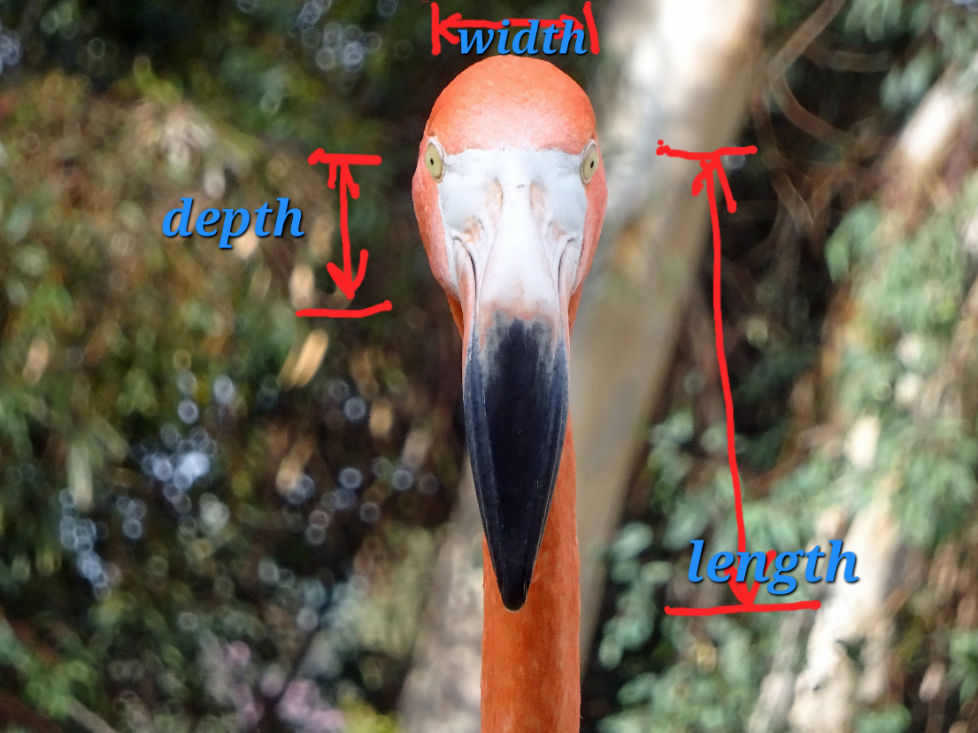
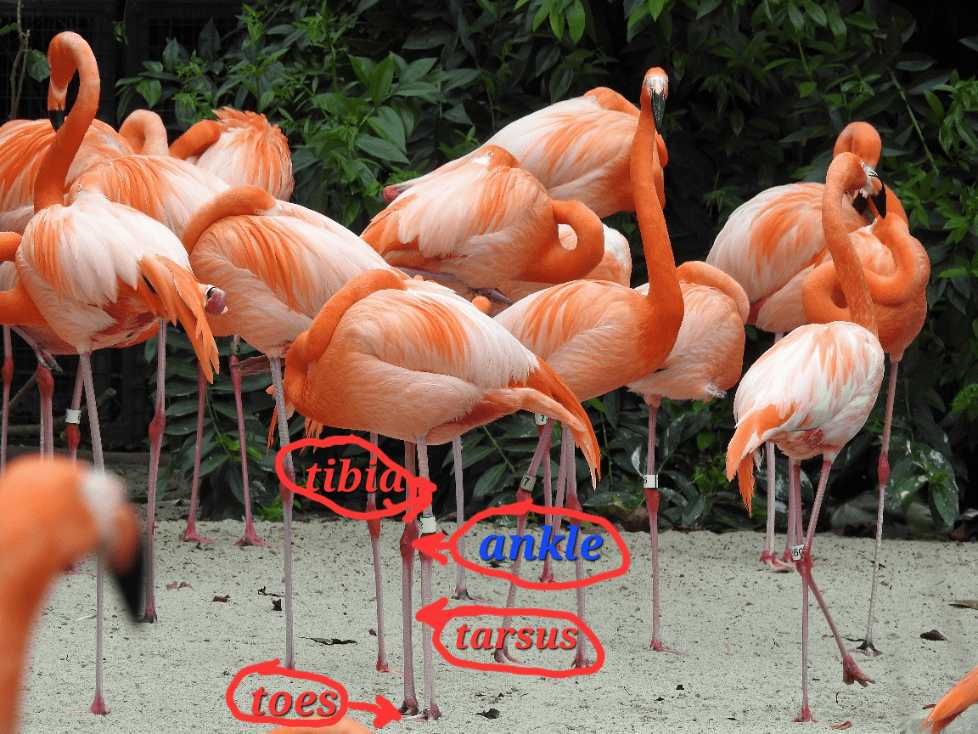
Figure 03. Flamingo bills are much, much longer than they are deep or wide, and their ankles seem to be about where we’d expect their knees to be. These American Flamingos were photographed at the San Diego Zoo.
Plumage
The American Flamingo, with its flamboyantly pinkish-red head, neck, wings, and body plumage, is much more brightly colored than either of its genus mates, the Greater Flamingo or the Lesser Flamingo. When this flamingo’s wings are folded, its bright reddish-pink wing coverts conceal its dark black primary and secondary flight feathers. The melanin that blackens their flight feathers offers extra protection from wear and tear, fortifying the feathers.
As soon as a hatchling’s feathers dry, it’s covered with fluffy white down, with mostly pink leg, toes, and bill. Pretty soon, however, the white fluff turns gray, and the legs and bill turn black. Gradually, the chick’s plumage changes to grayish brown with some pink showing through on its wings, tail, neck, and underparts, but its legs and toes remain dark. By about 3 years of age, its plumage looks similar to that of adults, and its legs and feet do, too.
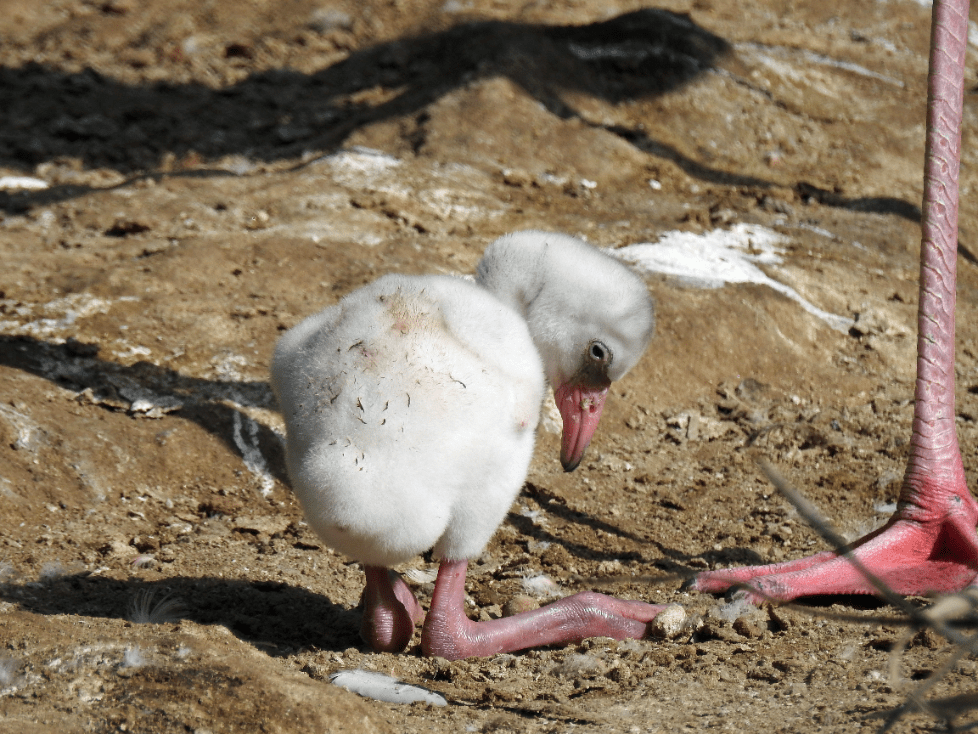
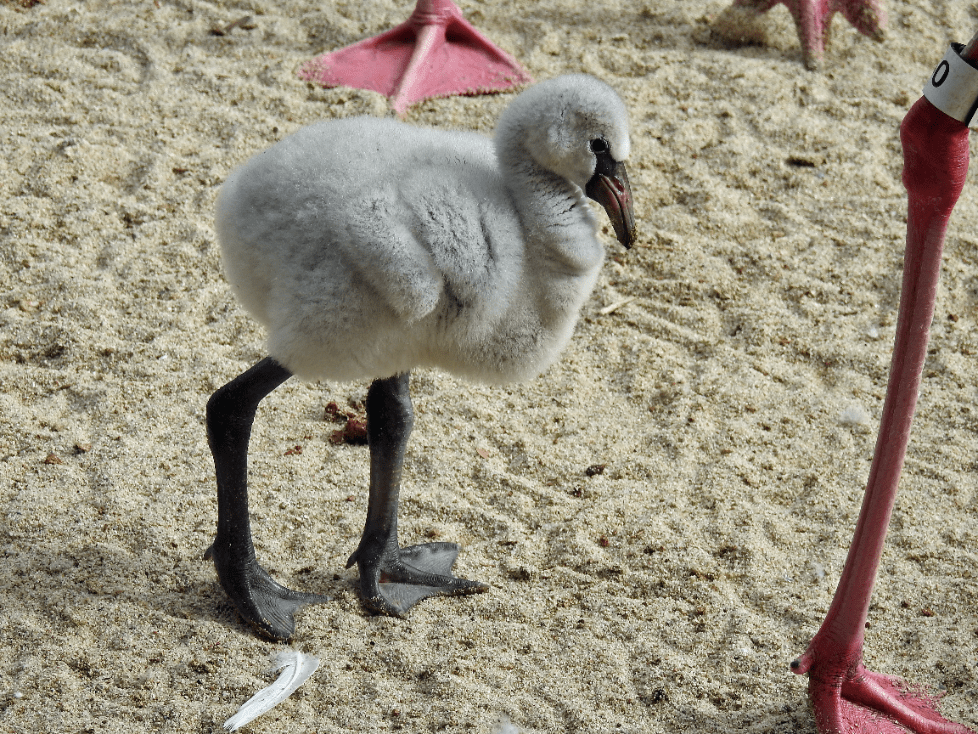
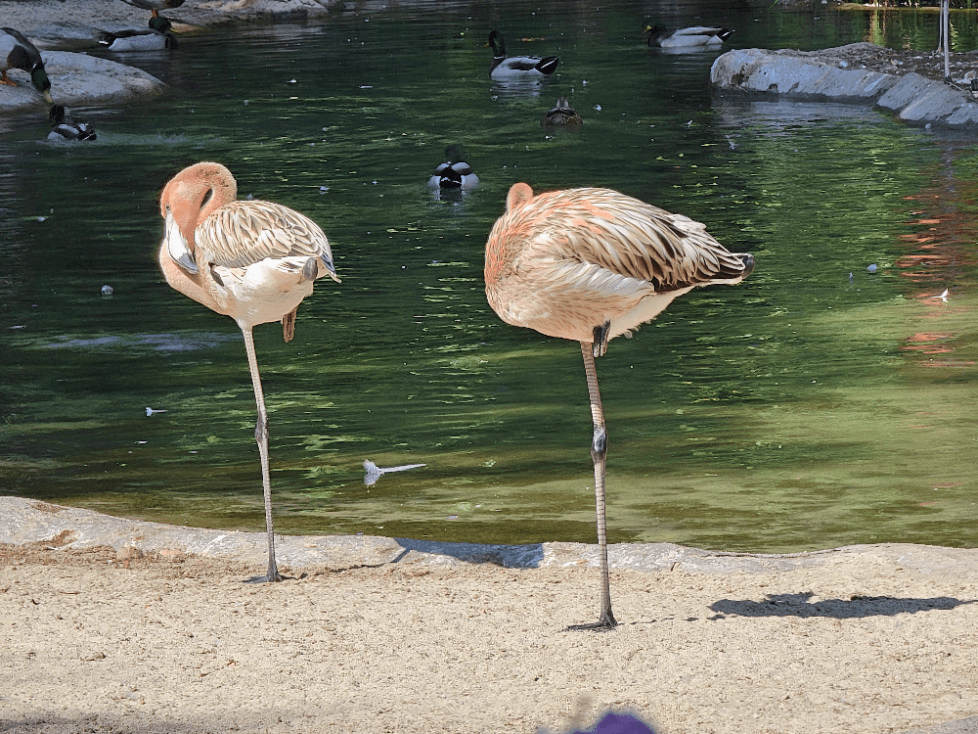
Figure 04. The changes in plumage can be seen in these American Flamingo youngsters, from hatchling to nestling to juvenile, photographed at the San Diego Zoo.
Bare Parts
Adult American Flamingos have black bills from the bend of the bill to the bill’s tip. Atop the bill, from about the bend to the base of the bill is white, pale salmon, or pale pink. The lower bill typically has a salmon or pink patch above the bend. Adult legs and toes are entirely pale pink with darker pink ankles. Adult irises (irides) are yellow, but before adulthood, American Flamingos have dark (black or brown) irises.
Vocalizations
Like other flamingos, American Flamingos make calls sounding similar to goose-like honks. A social family of birds, flamingo flocks make almost constant contact calls while foraging or flying together. To hear some of their vocalizations, please check out the 32 recordings in https://xeno-canto.org/species/Phoenicopterus-ruber (including 2 from the Galápagos Islands).
Distribution, Habitat, and Migration
Distribution
The American Flamingo is the only flamingo distributed throughout the Caribbean Sea, touching the mainlands of North and South America surrounding the Caribbean, and on the Galápagos Islands far off the coast of Ecuador. For a map of its range, please see eBird, https://ebird.org/map/grefla2 . In the greater Caribbean, its range extends as far west as Mexico, as far south and east as French Guiana, and as far north as southern Florida. In Florida, large breeding populations were seen until the early 1900s. Since the 1990s, observers have occasionally spotted 100 or more flamingos in Florida.
Occasional sightings as far north and west as Wisconsin, Kansas, and Massachusetts have largely been attributed to hurricanes, and most of these vagrants return to their places of origin. Occasionally, a vagrant will find the new location agreeable enough to stay there for years. (In San Diego County, an American Flamingo has been seen regularly off the coast of Imperial Beach.)
Figure 05. When observers first spotted the vagrant American Flamingo in San Diego County, they thought it had escaped from the San Diego Zoo. It hadn’t. All are present and accounted for at the zoo.
Its breeding range extends from −1.36 degrees southern latitude to + 23.59 degrees northern latitude. The subspecies in the Galápagos Islands, Phoenicopterus ruber glyphorhynchus, differs from the Caribbean subspecies both genetically and in body size, with smaller egg sizes. They’re also more sexually dimorphic in appearance than the Caribbean flamingo subspecies.
Habitat
Like other flamingo species, the American Flamingo feeds, rests, and nests in shallow waters, primarily in wetlands such as coastal waters, mud flats, and saline lagoons and lakes, but sometimes in freshwater lakes or lagoons. It can also be found at mangroves, marshes, estuaries, bays, shorelines, seacoast fjords, and even coastal dunes — almost invariably at or near sea level. Important considerations are availability of food, water depth, inaccessibility to potential predators, environmental temperatures, and lack of disturbance from human intrusions.
Movements and Migration
Though not truly migratory, American Flamingos are often nomadic and irruptive. They move short distances from less habitable locations to places offering greater food availability and more agreeable temperatures. The Galápagos subspecies is sedentary, but the Caribbean subspecies may move throughout the Caribbean islands and surrounding mainlands (e.g., Mexico, Venezuela).
Diet and Forage
Diet
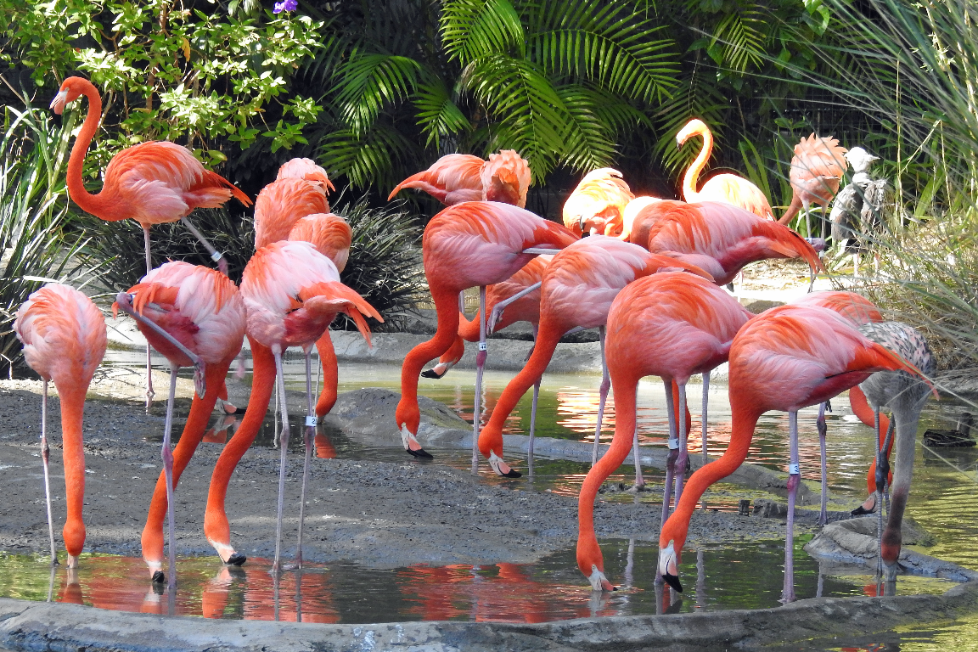
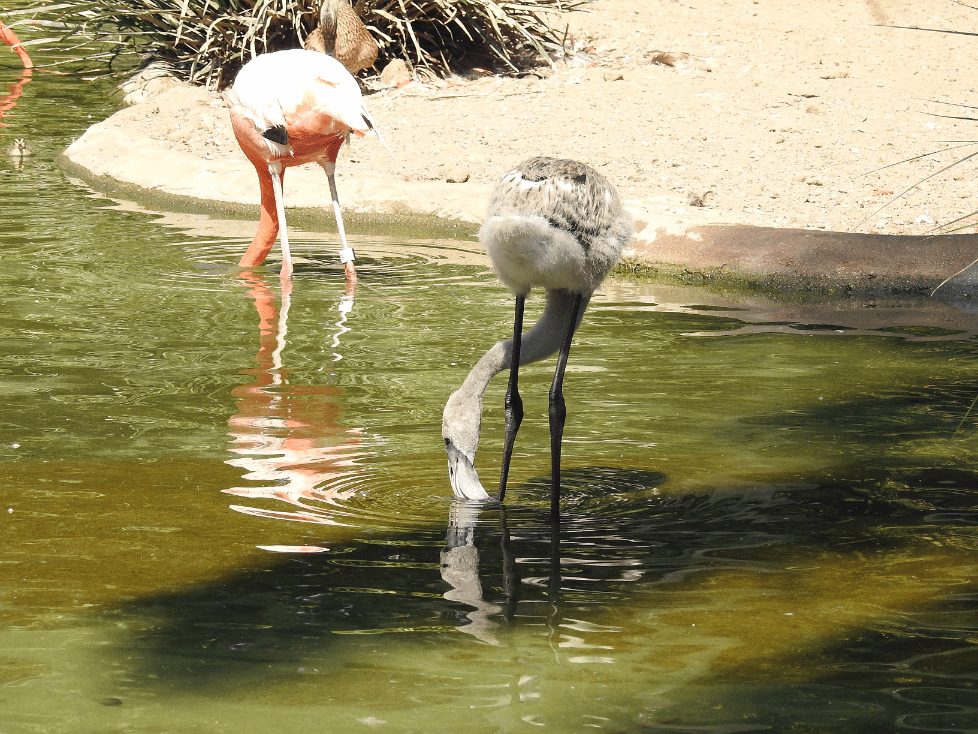
Figure 06. To ensure that these American Flamingos continue to have vividly colorful plumage, the San Diego Zoo’s keepers provide diets rich in carotenoids, from which the adult flamingos produce the colorful pigments in their plumage.
According to Avibase, aquatic invertebrates make up about 80% of its diet, and seeds and other plant materials make up the remaining 20%. In addition, it has been seen occasionally eating small fish and ingesting mud to extract bacteria, other microorganisms, and other organic matter. The aquatic invertebrates include crustaceans (e.g., brine shrimp), molluscs, worms, and insect adults and larvae. Seeds are usually marsh grasses, and other plant matter is usually algae, diatoms, and decaying leaves.
Foraging
Like other flamingos, the American Flamingo’s bill (top maxilla, upper jaw; and bottom mandible, lower jaw) is well suited for filter feeding. Its bill bends in the middle, so that when the bill is held upside down along the muddy bottom of a lake, the lower part of the maxilla (tip of the top of the bill) can be held parallel to the muddy substrate. Both the maxilla and the mandible are lined with two rows of lamellae, which interlace to exclude some particles (keep them out of the mouth) and to filter other particles (keep them in the mouth). (For more on lamellae and filter feeding, please see https://bird-brain.org/2026/06/28/flamingos-part-1/#lamellae .)
The American Flamingo usually feeds in relatively deep water, with its head and most of its neck completely submerged, while steadily walking forward, literally holding its breath while feeding. It uses its long legs and large webbed feet to stir up the muddy substrate, forcing prey into the water. Occasionally, it also filters food from near the water’s surface.
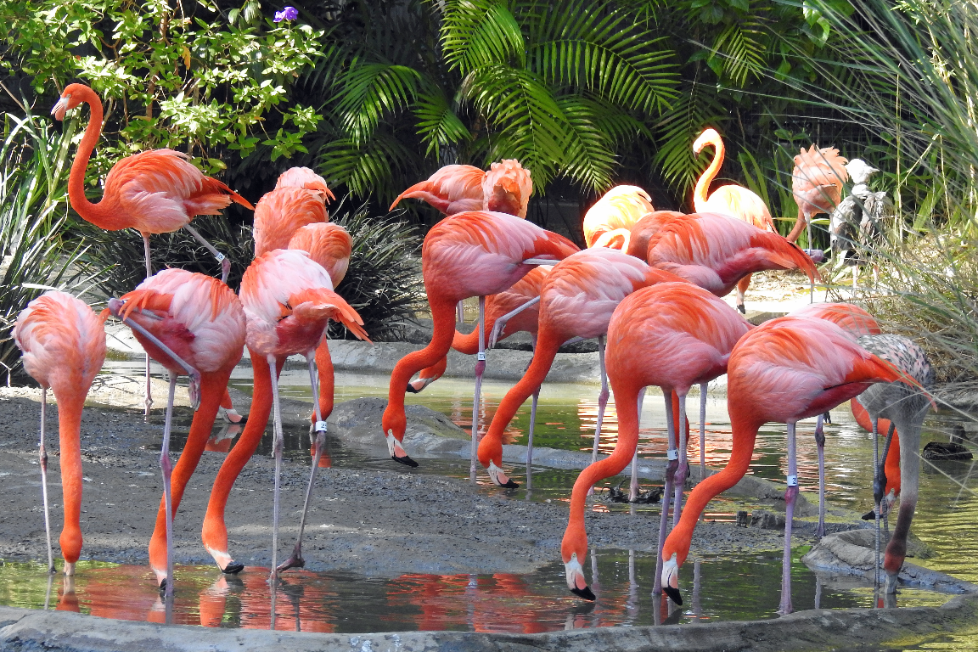
Figure 07. In the wild, American Flamingos feed in relatively deep water, with the head and neck completely submerged, but these captive flamingos at the San Diego Zoo can simply dip their heads into the shallow water to find food.
Physiological Adaptations
The American Flamingo has adapted to filter-feeding in a shallow saltwater environment in several ways.
Saltiness and Osmoregulation
All vertebrates must maintain homeostasis, a delicate balance of water in relation to electrolytes (dissolved salts) within the body and its cells. Either too much or too little of either can be harmful. Though American Flamingos prefer to drink fresh water when it’s available, it’s often not available in their briny environment. Instead, they drink salty water and consume salty foods. Without some physiological mechanisms to get rid of the excess salt, they could easily have dangerously high concentrations of salts in their bloodstreams and their bodily cells.
Mammals use their kidneys with their urinary bladder to get rid of excess salt, but birds lack a bladder, so their kidneys must make other physiological adaptations. Instead, their kidneys work with their lower gastrointestinal tract and specialized salt glands to extract excess salt from the bloodstream and excrete it safely.
When the blood plasma in the flamingo’s gut has excess salt, the gut transfers the excess salt to the kidney, which reabsorbs it into the plasma passing through the kidneys, triggering receptors in the bird’s brain and heart. The receptors activate the bird’s salt glands, located in the bill. The salt gland extracts salt and safely excretes it through the nasal openings in the flamingo’s bill.
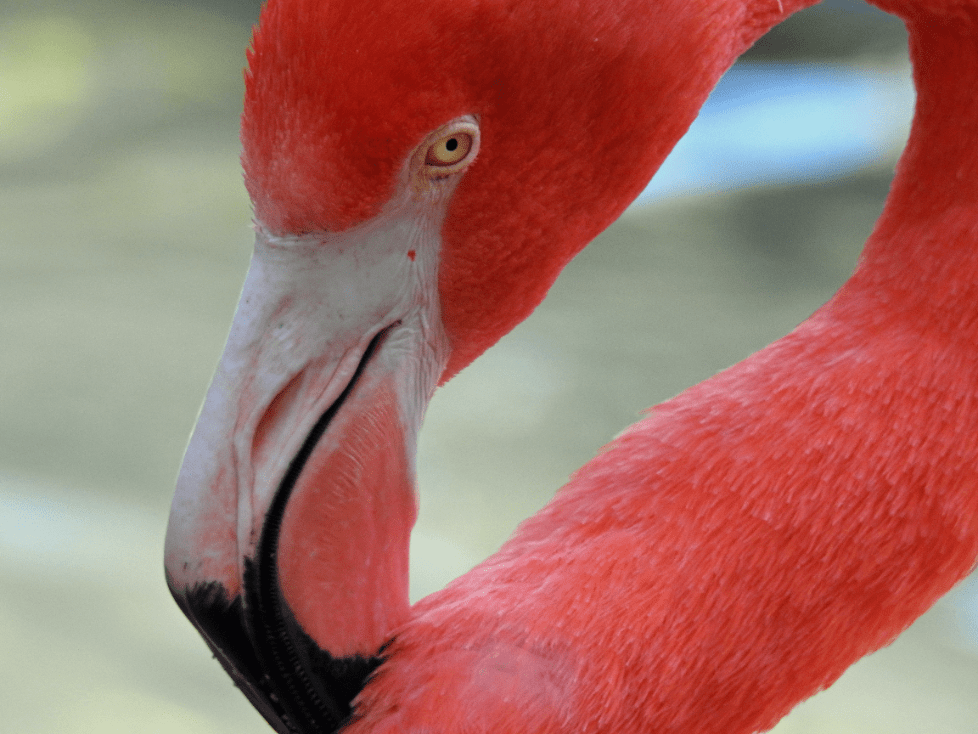
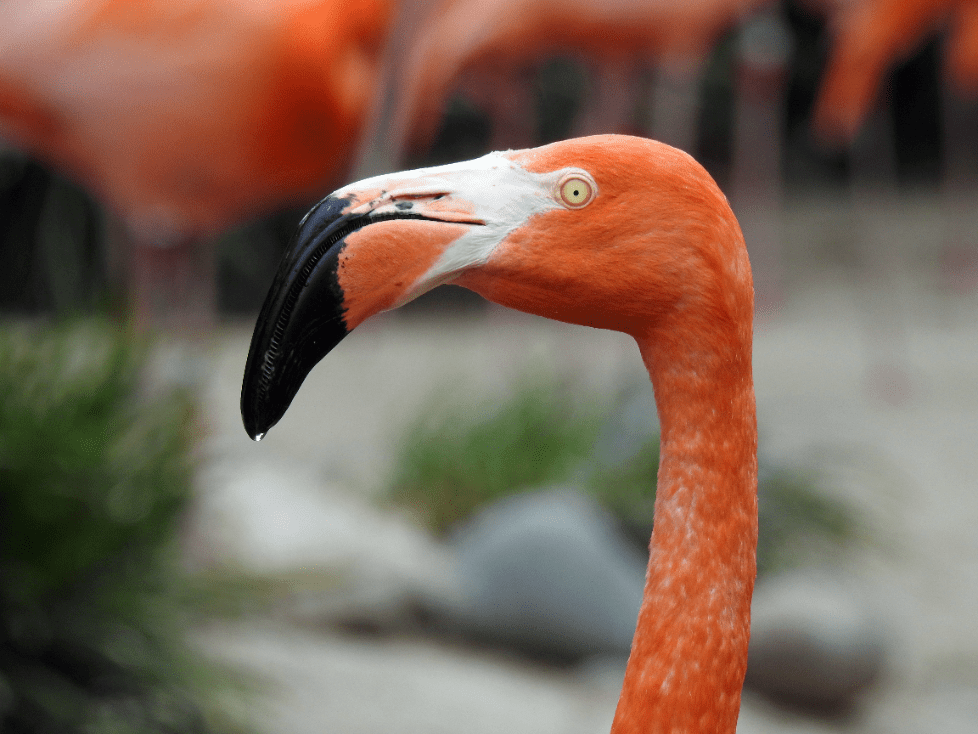
Figure 08. Flamingos, like many other birds who consume salty water, have developed ways to thrive despite their high intake of salt water. Flamingos do so with the help of salt glands that can excrete excess salt through their nostrils. These American Flamingos were photographed at the San Diego Zoo.
Circulatory System
In relation to their body size, birds typically have bigger hearts — literally — than mammals do, mostly because of the high need for oxygenated blood during flight. The bird’s closed circulatory system has a four-chambered muscular heart — right and left atria, right and left ventricles; their circulatory system keeps oxygenated blood separate from deoxygenated blood. As blood moves from the heart through the arteries, the arteries vasoconstrict, forcing the blood into arterioles, which transport and distribute oxygen and nutrients to capillaries reaching every tissue of the bird’s body.
In the capillaries, the blood exchanges needed oxygen for carbon dioxide waste. The blood flow slows down in the capillaries, allowing the maximum diffusion of oxygen into the body’s tissues. After the oxygen (and nutrients) are diffused from the blood into the tissues, the deoxygenated blood moves into venules, which transport the blood to the veins, which return the blood to the heart.
The blood flowing through the arteries is under much greater pressure (all that pumping!) than the veins, so the arteries are thicker, more flexible, and more muscular than the veins. The complement to vasoconstriction (narrowing) of the arteries is vasodilation (widening) of the veins returning the blood to the heart.
In the heart, the blood moves into the right atrium then down to the right ventricle, which pumps it through the lungs, to exchange carbon dioxide waste for oxygen. (That is, the heart does the opposite of what the capillaries do — exchanging oxygen for carbon dioxide.) From the lungs, the blood flows up through the left atrium and down to the left ventricle, where it is pumped out to the body through the arteries.
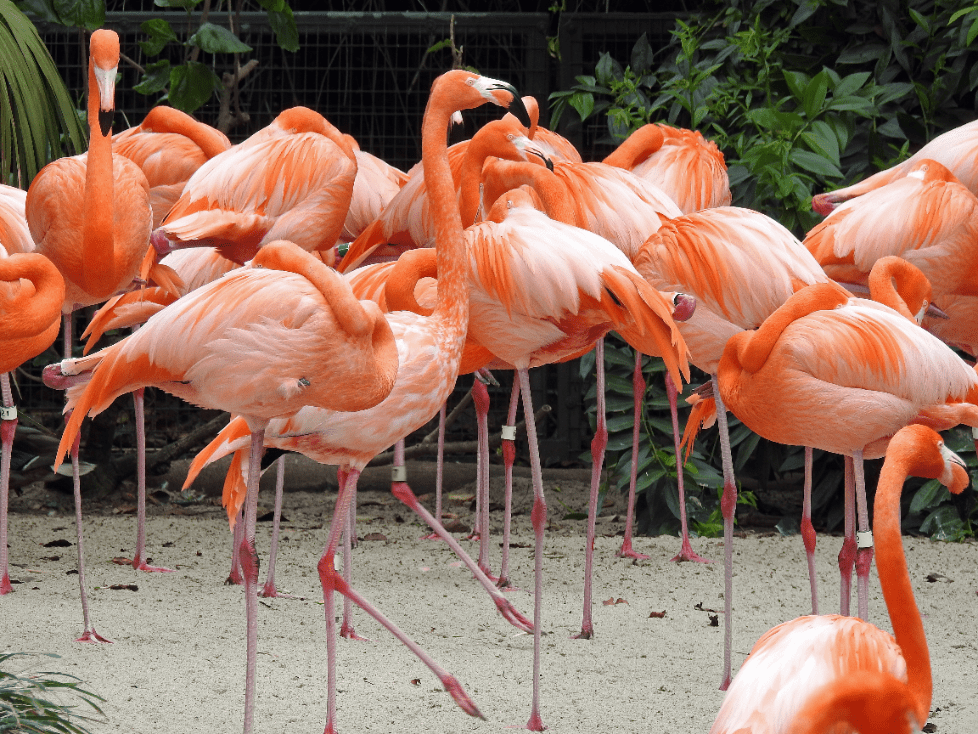
Figure 09. American Flamingos have extra-large hearts, even bigger than would be expected for their extra-large bodies. These American Flamingos were photographed at the San Diego Zoo.
Wild flamingos have higher levels of eosinophils (the white blood cells that fight off parasites) than captive birds, but captive birds have higher levels of nitrophils (the white blood cells that fight off bacterial and fungal infections) and basophils (the white blood cells that release histamines, responsible for antigen and allergic reactions). Captive birds also have higher numbers of red blood cells than wild birds. It has been hypothesized that a possible reason for these differences is that captive birds have a more reliable diet than wild birds. Wild flamingos would also need higher levels of eosinophils, given their greater likelihood of encountering parasites in their environment.
Respiratory System
In the respiratory system of a bird or a mammal, the portion of inhaled air that isn’t used for the gas exchange between oxygen and carbon dioxide is called “dead space.” Typically, birds have about 4.5× more dead space in their respiratory system than mammals of the same body size (according to https://en.wikipedia.org/wiki/American_flamingo#Respiratory_system ). Flamingos and other birds with long necks must, of course, also have extra-long trachea — the “windpipes” that carry inhaled air from the nostrils and the mouth to the lungs and exhaled air from the lungs to the nostrils and the mouth. If the flamingo’s trachea were stretched out, it would be longer than the entire length of its body. This superlong trachea also has an extra volume of dead space — twice as much as birds of comparable size but shorter necks. To compensate, flamingos typically breathe more slowly and deeply than most other birds. The respiratory system is needed for vocalizations, so it’s pretty amazing how much flamingos exert the effort to vocalize so much.
Thermoregulation
Even in the tropical and temperate locations where American Flamingos dwell, temperatures fluctuate from nighttime to daytime, winter to summer (probably ranging about 64.0–95.4 degrees F., 17.8–35.2 degrees C). Like other endotherms (warm-blooded vertebrates), flamingos must thermoregulate, keep their body temperature within a consistent narrow range, regardless of the temperature of their surrounding environment. When the ambient temperature is too cold, they need a way to retain body heat. When the ambient temperature is too hot, they need a way to get rid of excess body heat.
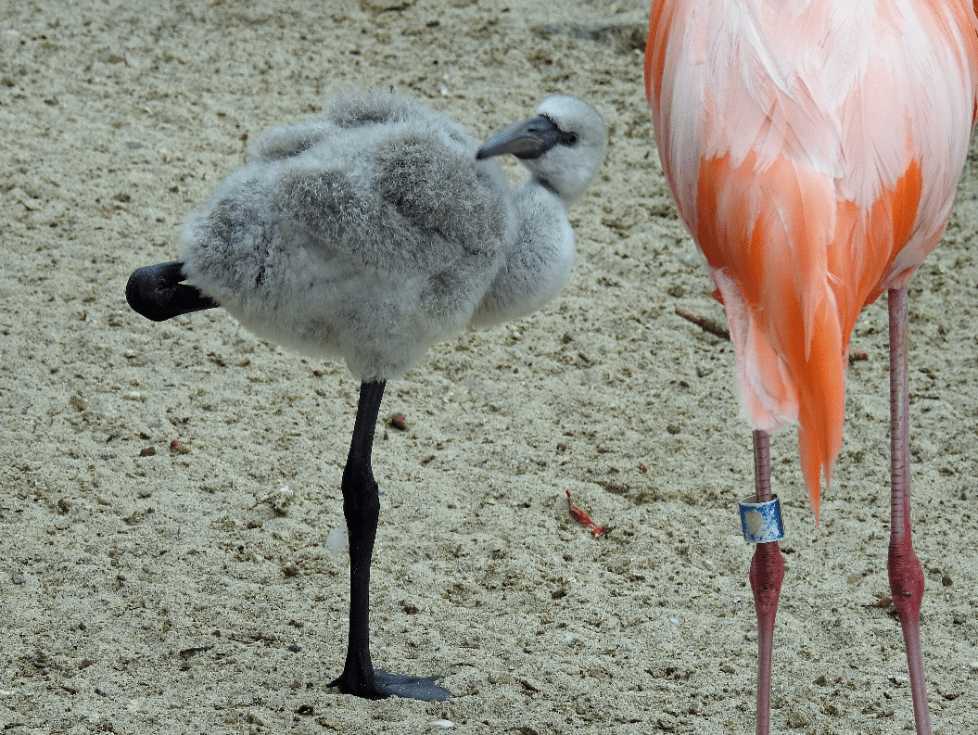
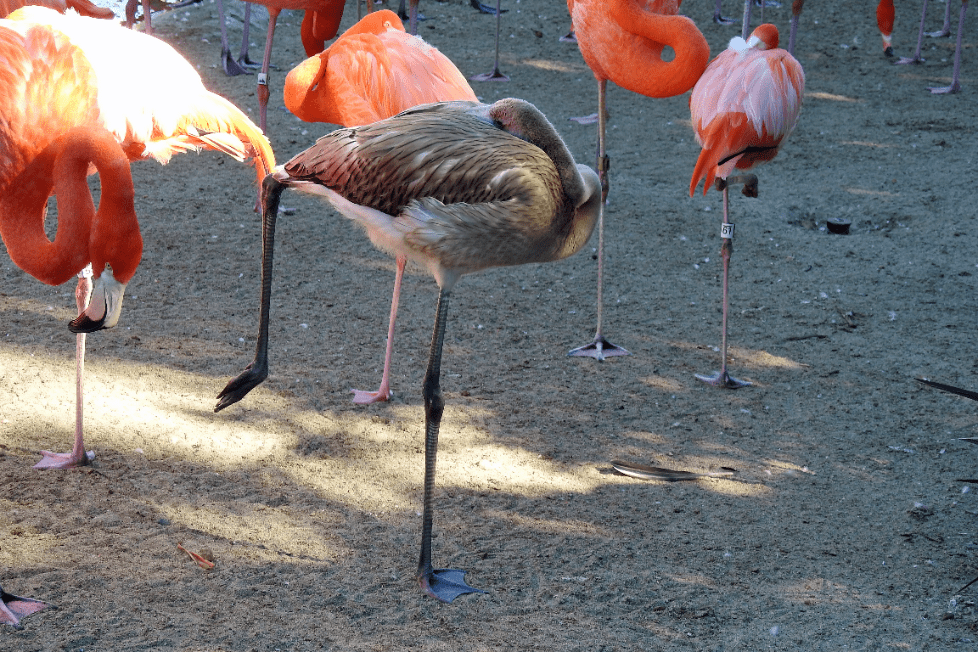
Figure 10. To cool off, an American Flamingo rapidly flutters its gular pouch, with its bill slightly open, to allow evaporative cooling of the moist lining of its throat. On the other hand, it’s thought that when flamingos stand on one leg, they may be retaining heat that might otherwise be released into the air. These flamingos were photographed at the San Diego Zoo.
In hot environments, many birds get rid of excess heat by using gular fluttering, which uses evaporative cooling by quickly moving air in and out over their moist throat pouches. For long-necked flamingos, the evaporative effect is even greater. However, rapid breathing (“hyperventilation”) might lead to respiratory alkalosis, in which the carbon-dioxide levels become dangerously low. Somehow, though, flamingos are able to maintain normal levels of carbon dioxide in the blood, probably through some kind of shunt mechanism. Flamingos also alternate rapid shallow panting with deeper breaths, thereby avoiding alkalosis.
A second key way in which flamingos rid themselves of excess heat is through their skin. Their heads, necks, wings, backs, breasts, and bellies are covered with insulating plumage that prevents their releasing heat in those locations. But check out those long legs. These flamingos can control the blood flow to their highly vascularized (dense with blood vessels) bare legs and feet. When overheated, they can increase the blood circulation so that the blood is cooled through their legs and feet before returning to the rest of the body.
On the other hand, in cold water or other cool temperatures, these flamingos can recycle the blood flowing through their legs and feet, minimizing the heat loss. They can maximize heat retention by standing on just one leg, so only one leg is exposed to the cold ambient temperature. When resting, to further conserve body heat, a flamingo may also tuck its head beneath a wing and hold its neck close to its body. If quite cold, these flamingos may also shiver, as a way to boost their energy consumption to produce more body heat.
Breeding
In some locations, breeding occurs at particular times of year, but for the most part, the timing of breeding depends on water depths and food availability at potential nesting sites. Rainfall can determine when, where, and whether breeding may occur among American Flamingos. In the Caribbean, nesting occurs in large, dense colonies, but among the Galápagos subspecies, just 3–50 breeding pairs is common.
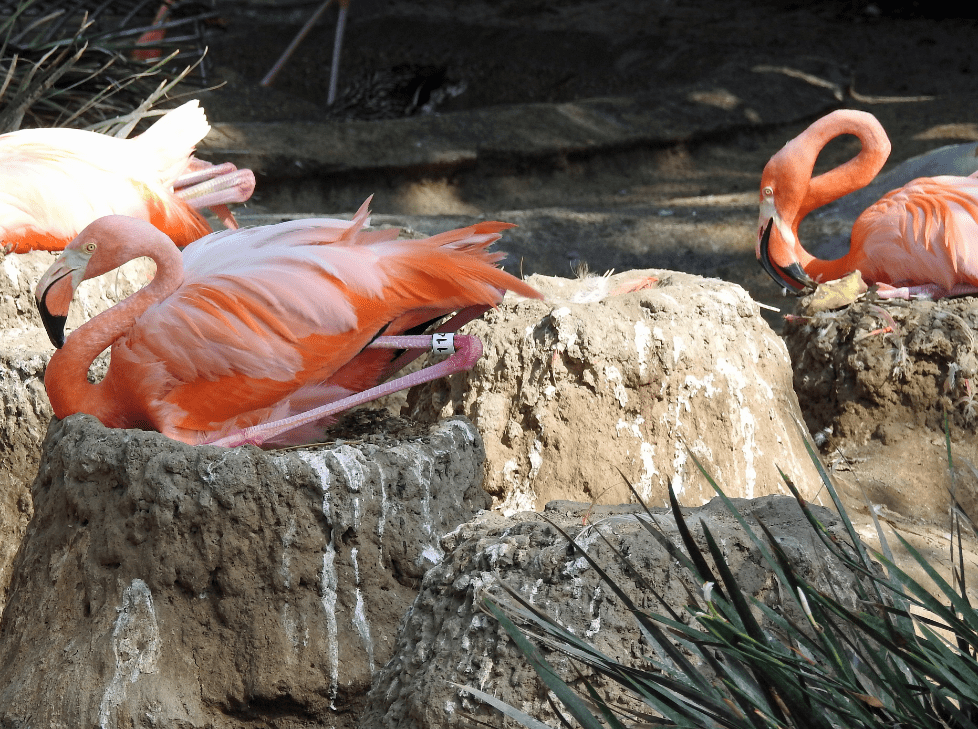
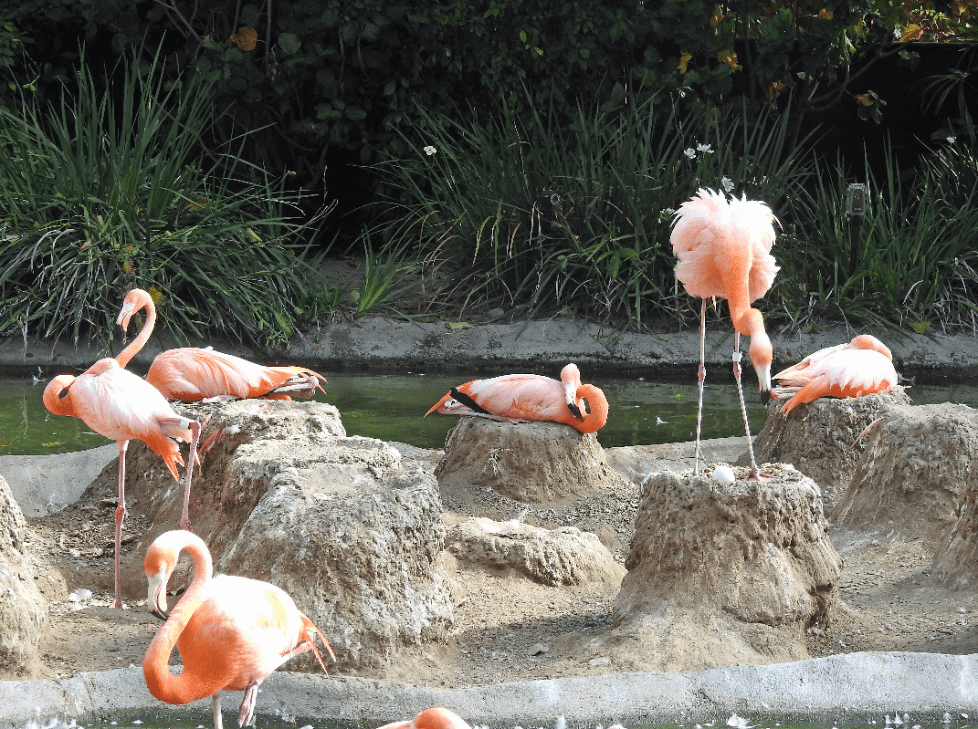
Figure 11. At the San Diego Zoo, American Flamingos are provided with what they need to build nests, lay eggs, and raise chicks.
Pairing
American Flamingos are colonial breeders who form monogamous pairs within large flocks. Though extra-pair copulations are common among this species, each mated pair typically chooses a nest site, builds a nest, and incubates and raises its young as a couple. Among long-term pairs, courtship is minimal to nonexistent. When these flamingos form a new pair, courtship involves walking together in synchronized movements, with heads raised, or with heads lowered. At any time, one or the other partner may wander off, ending the courtship. When the female has decided on a partner, she pauses during the walk and presents herself to the male for copulation. Once a pair is established, the couple often stands, sleeps, and eats near one another.
Trios and quartets are not rare. For a trio of 1 male: 2 females, after each female lays an egg in the nest, 1 female may try to get rid of the other female’s egg. For a trio of 1 female: 2 males, the subordinate male may become the primary parent incubating the egg and caring for the chick. Among quartets, the two females and the dominant male are amicable, and the subordinate male is kept away from the nest. Meanwhile, the other three parents alternate incubation duties and then caring for the chicks, with each shift lasting 21–60 hours; most switching occurs in late afternoon or early morning.
Among Caribbean American Flamingos, the nests are like those of other flamingo species: a mud pillar, atop which is a shallow bowl for the egg and the incubating parent. For the Galápagos subspecies, on bare, rocky islands, nests are typically small clusters of piled-up stones and debris. Caribbean subspecies do so, too, if mud isn’t available at an otherwise suitable breeding ground.
Incubating, Brooding, and Feeding
Almost invariably, American Flamingos lay just one chalky-white egg (weighing about 5 ounces, 142 g) in the nest. Both parents incubate the egg for about 27–32 days until it hatches. For about the first week after hatching, the American Flamingo chick stays near the nest. After about 7–11 days after hatching, however, the chick wanders off to join crèches of other flamingo chicks in the flock. Young hatchlings are covered with white fuzzy down and short thick bright pink legs and toes. Soon, however, their legs lengthen dramatically, their plumage grays, and their legs and toes blacken (as shown in Figure 12).
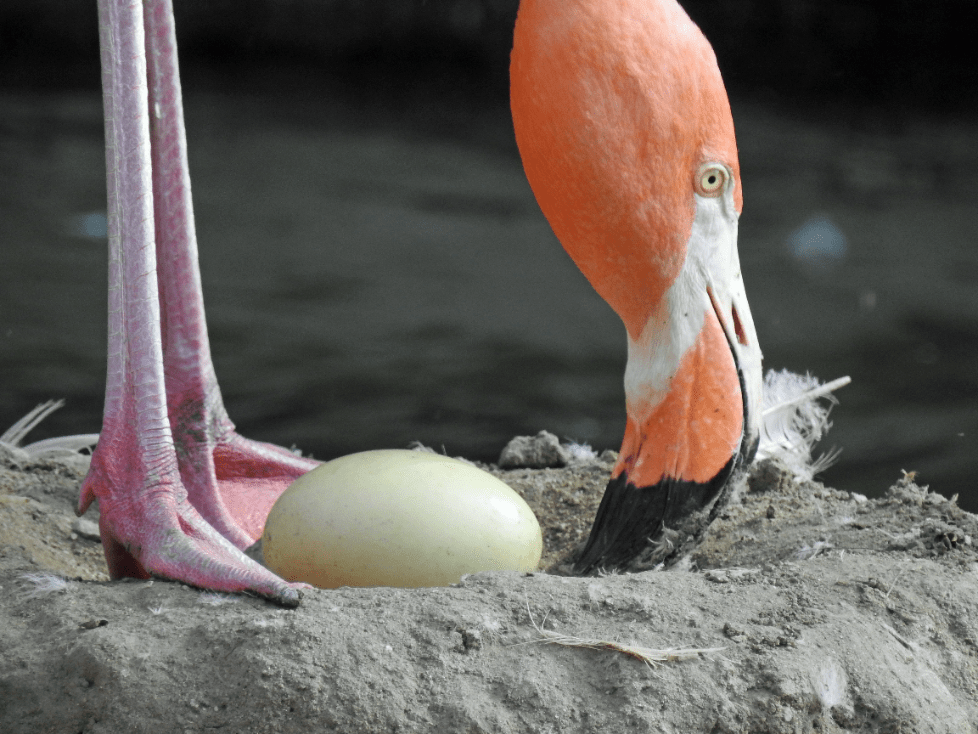
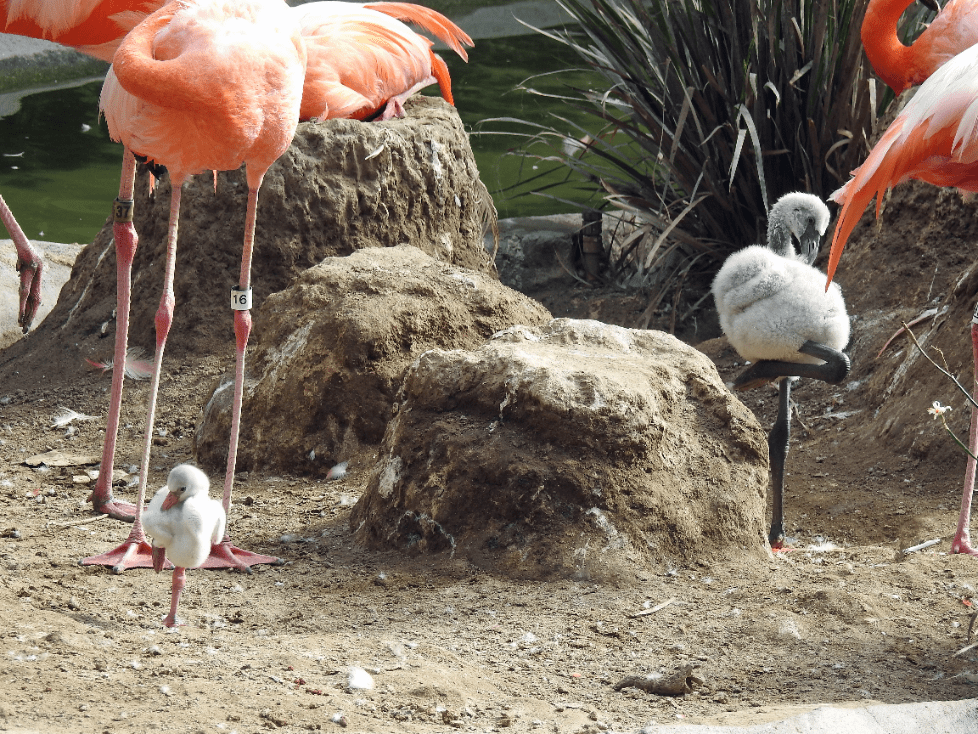
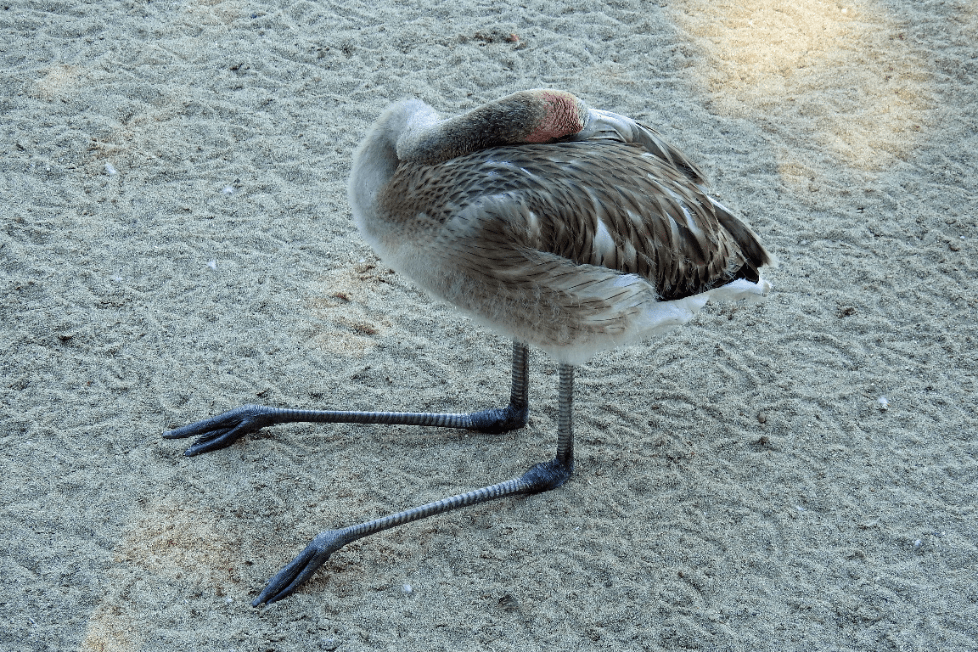
Figure 12. Whether at the San Diego Zoo or in the wild, American Flamingo moms and dads are devoted parents, tending to their eggs and then their chicks. These American Flamingos were photographed at the San Diego Zoo.
As noted in the section on Foraging, the bill structure needed for filter feeding is highly complex and takes time to develop, as does the skill needed for knowing how to use the bill to filter feed. During that time, the American Flamingo youngster needs to be fed to survive and thrive. Its mom and dad step up. Both moms and dads provide the young with rich nourishing “crop milk,” which the parents produce in the esophagus (“crop”). (For more on “crop milk,” please see https://bird-brain.org/2025/01/06/got-bird-milk/#flamingo-crop-milk .) Even after the chick leaves the nest to join the flock’s crèches, both parents (about equally often) continue to feed their own chick, mostly at night.
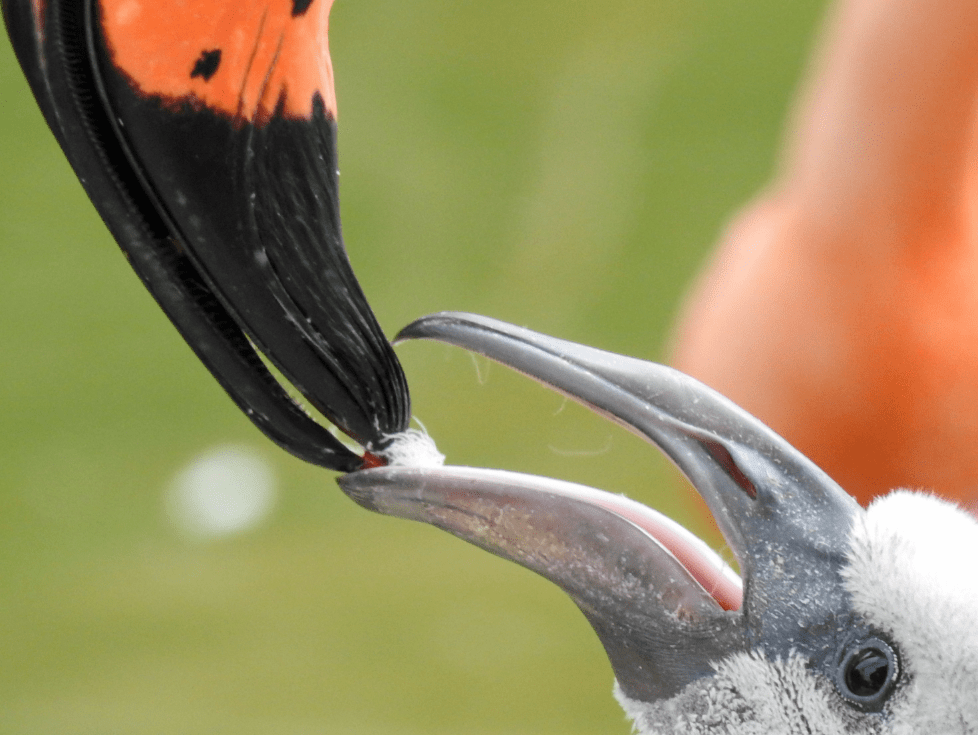
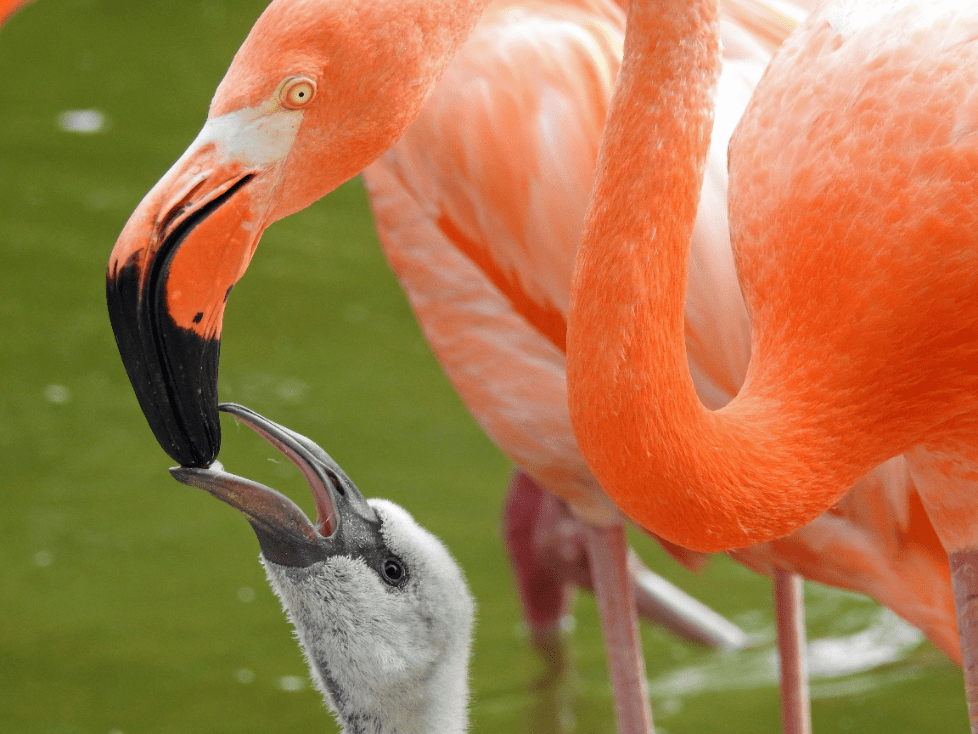
Figure 13. It takes awhile for flamingo chicks to develop both the bill and the skill needed for filter feeding. In the meantime, their moms and dads provide them with rich nourishing “flamingo milk,” which each parent produces in its crop (esophagus). These American Flamingos were photographed at the San Diego Zoo.
It takes each American Flamingo chick 65–90 days (2–3 months) to fledge — learn to fly. By this time, the chick has mastered filter feeding enough to be able to go without parental feedings, which have gradually reduced by this time.
Young American Flamingos reach sexual maturity at about 2.5–6 years, with females being older than males at first breeding — often, closer to 5 or 6 years for both sexes. The average generation length is 11–15.5 years (average 13 years).
Survival and Lifespan
The average annual survival rate for adult American Flamingos is 92%. Average lifespan of adults (i.e., after reaching adulthood) is about 33 years (range 13–44 years), and the maximum longevity seems to be about 44 years — among the longest lifespans for a bird species.
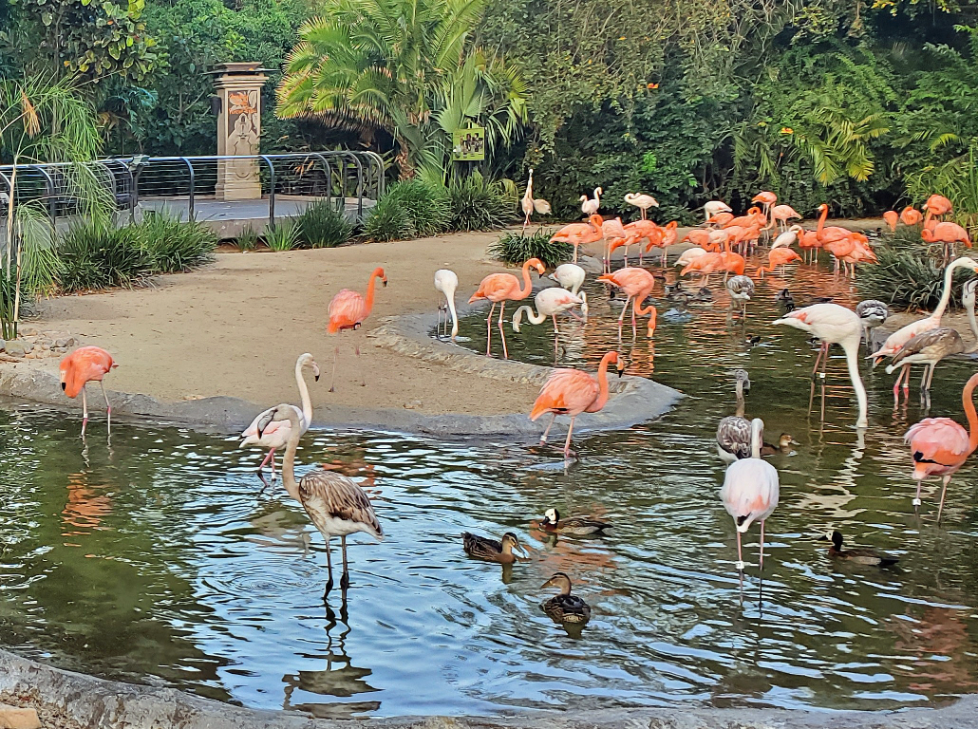
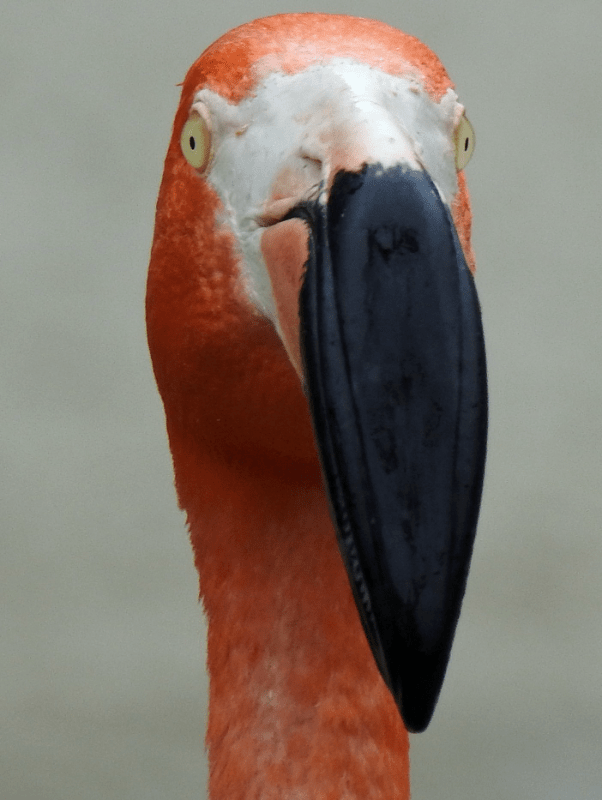
Figure 14. These American Flamingos, photographed near the entrance to the San Diego Zoo, seem pretty relaxed. Perhaps they know that they’re likely to live long and prosper.
Conservation Status
According to the IUCN Red List of Threatened Species, the conservation status of American Flamingos is LC, Least Concern. For one thing, it has an “an extremely large range” (IUCN). The smallest estimate is 93,180 square miles (241,334 km2), the largest, 2,007,700 square miles (5,200,000 km2).
One estimate of its current global population is more than 200,000 birds. Another estimate has inferred the total population to be 219,490–307,490 individuals, which roughly equates to 150,000–205,000 mature birds. (The survival chances of immatures are much more volatile.) In the 1990s, global population was estimated at about 80,000–90,000 in its key locations, so the trend is upward. The Galápagos subspecies has a stable population of 400–500 birds on those isolated islands, but their situation is precarious, given the possibility of natural disasters, exacerbated by the climate crisis, as well as the introduction of predatory species such as pigs.
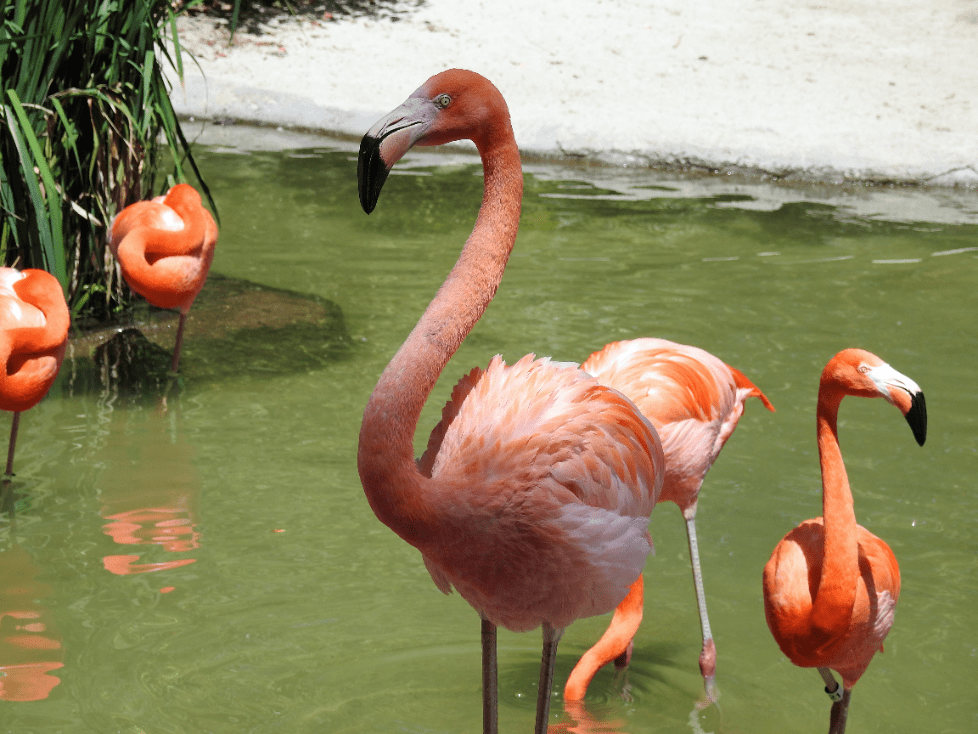
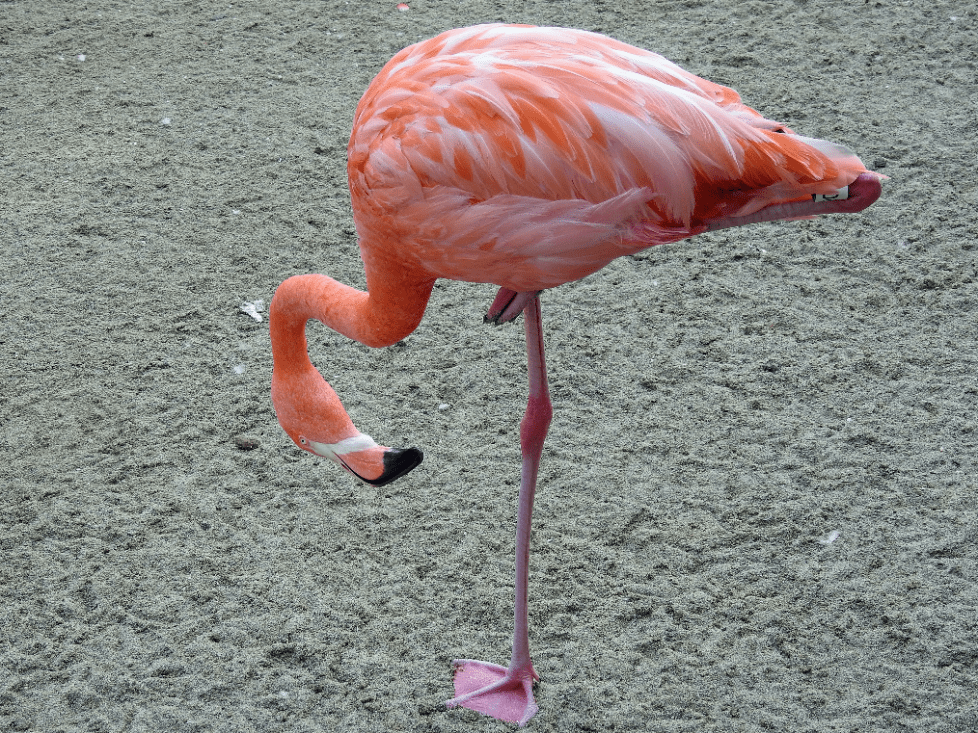
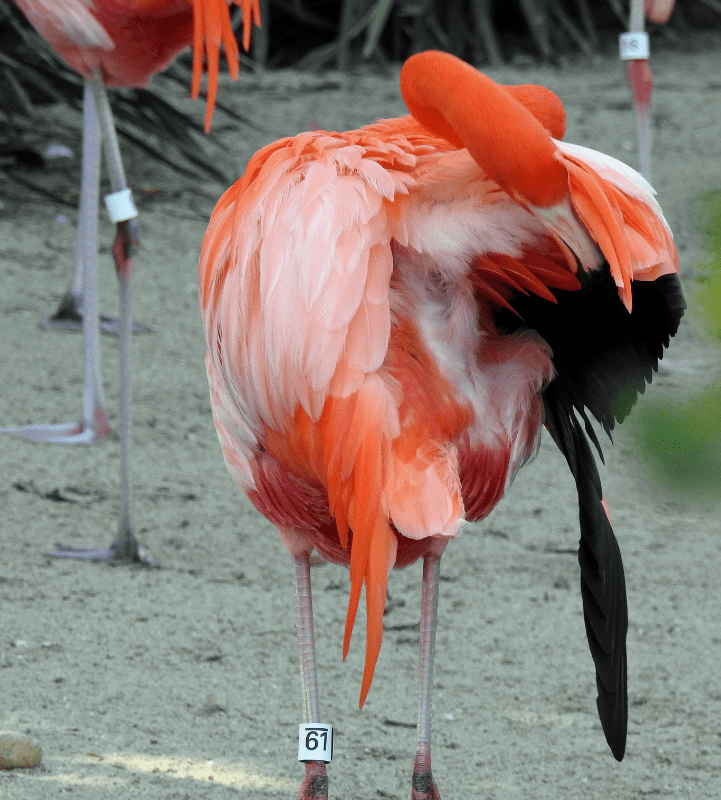
Figure 15. Like other flamingos, American Flamingos have suffered habitat loss, degradation, and disturbance, as well as direct harm at the hands of humans. They are nonetheless resilient and are currently considered to be LC, Least Concern, according to the IUCN Red List. These flamingos were photographed at the San Diego Zoo.
Despite their LC status, American Flamingos are still was threatened by humans, through hunting and habitat degradation and destruction. In Florida, where it’s a cultural icon, it was highly abundant in the south of the state until about 1900, when it was mostly wiped out and is now found there only in small numbers, in few locations. In contrast, in Cuba, before 1978, these flamingos were threatened by habitat degradation and by hunting. Cubans implemented a species protection plan (e.g., regulation of salinity and of water levels in a reserve), and the population has recovered and is continuing to increase in numbers. In addition, other conservation sites occur within its entire range, and international legislation and management and trade controls are underway.
American Flamingos breed fairly well in captivity, and there are currently more than 52 holding institutions with this species within the Association of Zoos & Aquariums, as well as about 140 additional managed holding institutions in 41 countries. Total known ex situ population includes 2,705 males, 2,569 females, 1,552 unsexed, for a total of 6,826 birds.
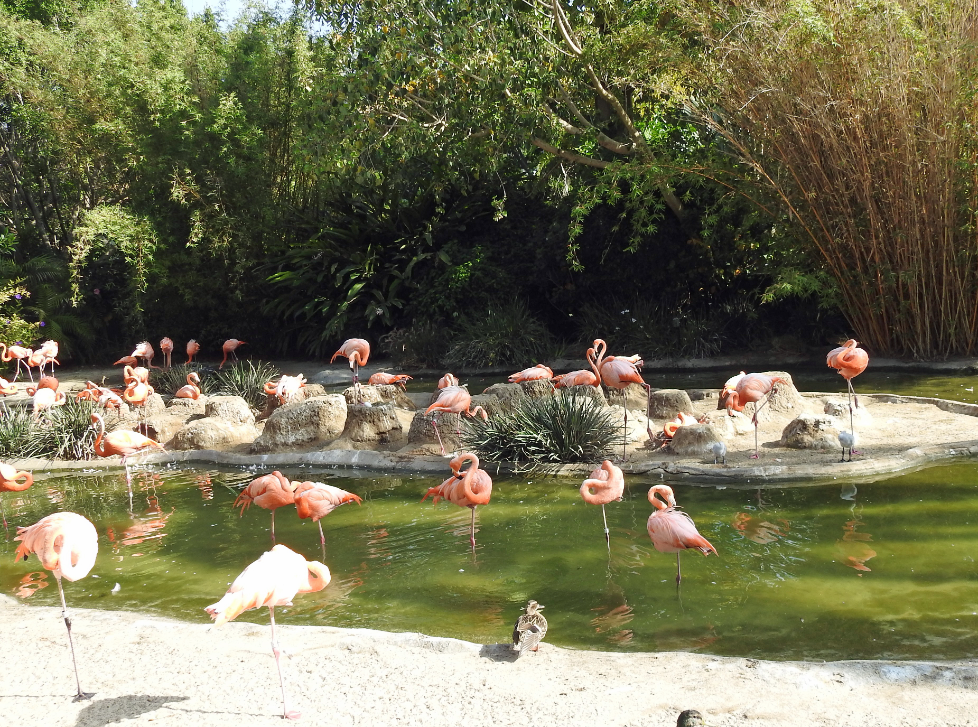
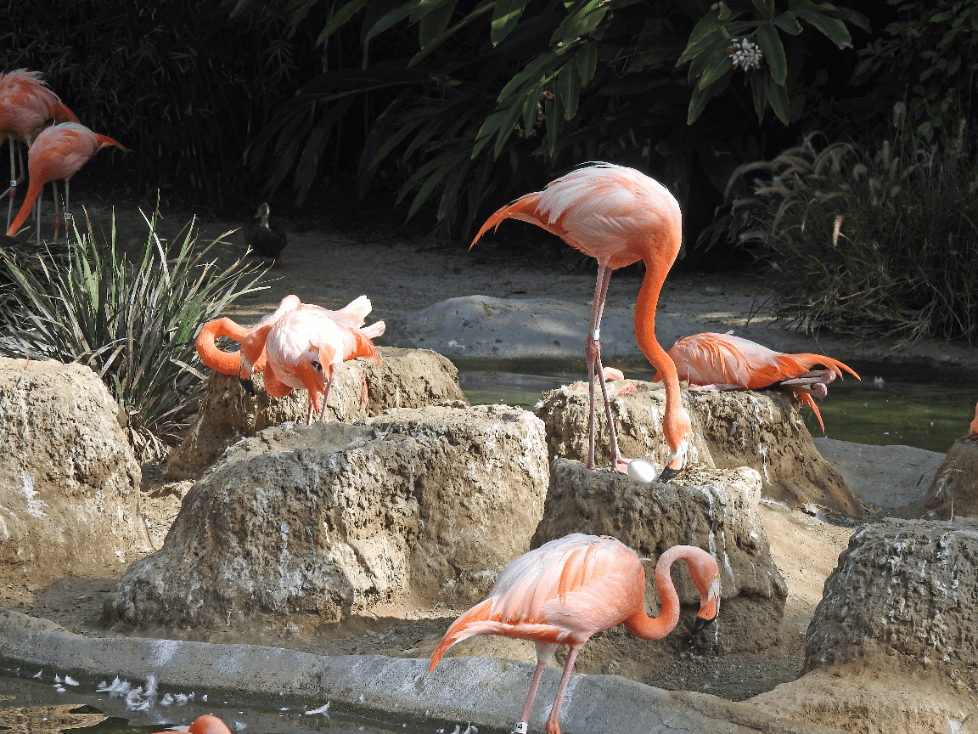
Figure 16. The San Diego Zoo is among hundreds of zoos around the world offering homes to thousands of American Flamingos. These captive birds are giving researchers valuable insight into the life history, reproduction, and physiology of these birds, as well as what they need to thrive.
Observations
The Cornell Lab of Ornithology gathers information from observers around the world through the eBird app and website (https://ebird.org/species/grefla2 ), which holds 58,026 observations, 16,684 with photos, and 125 with audio recordings. The lab’s Macaulay Library website (https://search.macaulaylibrary.org/catalog?taxonCode=grefla2 ) holds 42,825 photos, 157 audio recordings, and 400 videos. In addition, iNaturalist gathers observations with its app and its website (https://www.inaturalist.org/observations?taxon_id=4257 ), which has 10,544 observations, each of which includes a photograph, audio recording, or video, including some birds identified as being the Galápagos subspecies.
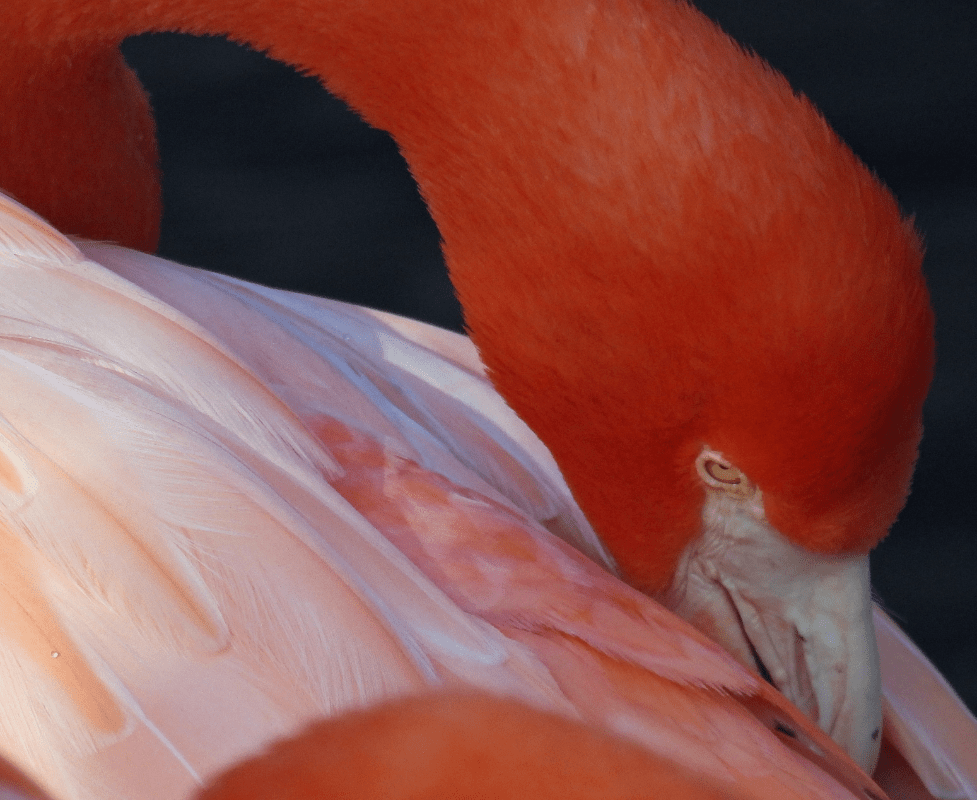
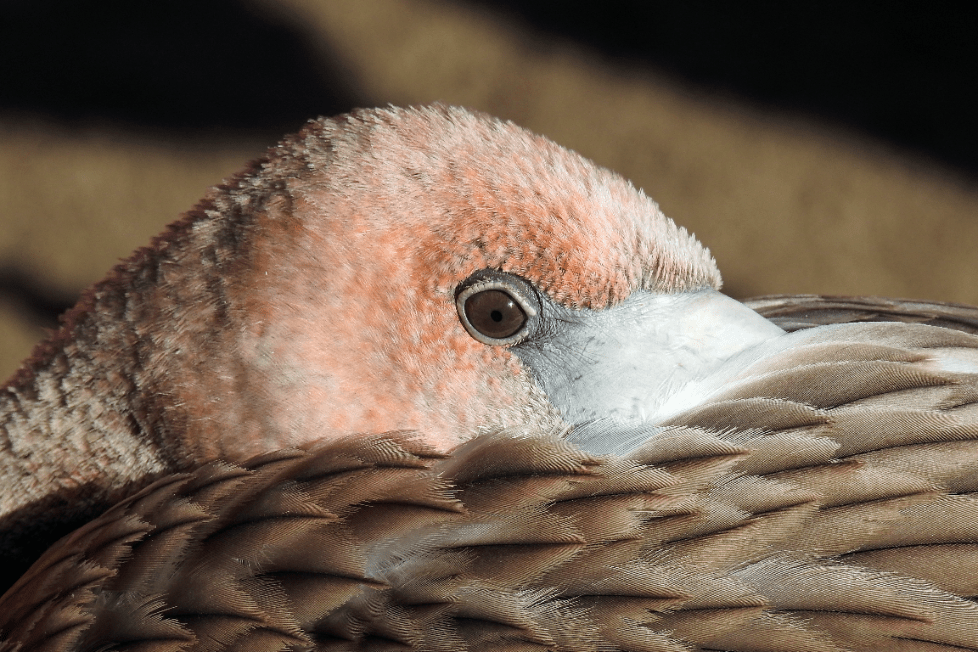
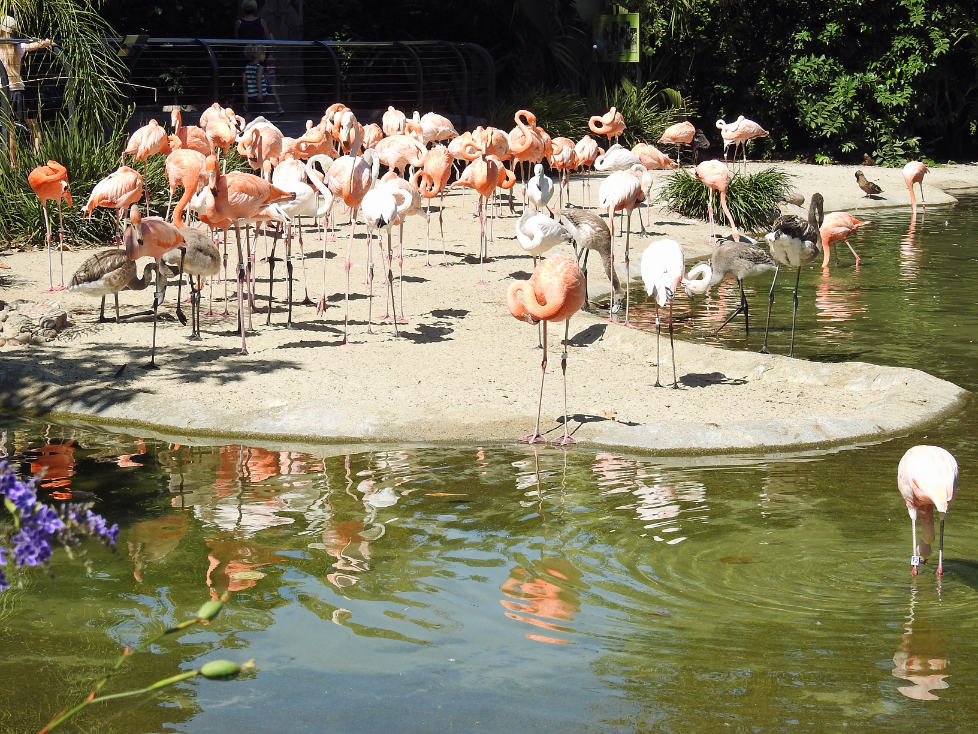
Figure 17. These American Flamingos were photographed at the San Diego Zoo. Photographs taken of captive birds are not included in the collections sent to eBird, the Macaulay Library of the Cornell Lab of Ornithology, or iNaturalist.
References
American Flamingo, Phoenicopterus ruber
- Elphick, Jonathan. (2014). The World of Birds (p. 326). Buffalo, NY: Firefly Books.
- Lovette, Irby, & John Fitzpatrick (eds.), (2016). The Cornell Lab of Ornithology Handbook of Bird Biology (3rd ed.). Hoboken, NJ: Wiley.
- Winkler, David W., Shawn M. Billerman, and Irby J. Lovette. (2015). Bird Families of the World: An Invitation to the Spectacular Diversity of Birds. Barcelona: Lynx, Cornell Lab of Ornithology.
- del Hoyo, J., P. F. D. Boesman, and E. Garcia (2024). American Flamingo (Phoenicopterus ruber), version 1.1. In Birds of the World (J. del Hoyo, A. Elliott, J. Sargatal, D. A. Christie, E. de Juana, and M. G. Smith, Editors). Ithaca, NY: Cornell Lab of Ornithology. https://doi.org/10.2173/bow.grefla2.01.1 https://birdsoftheworld.org/bow/species/grefla2/cur/introduction
- Avibase, American Flamingo, https://avibase.bsc-eoc.org/species.jsp?lang=EN&avibaseid=E3FF6313179EC968
- Avibase Life History, American Flamingo, https://avibase.bsc-eoc.org/species.jsp?lang=EN&avibaseid=E3FF6313179EC968&sec=lifehistory
- IUCN, American Flamingo, https://www.iucnredlist.org/species/22729706/138951737
- Wikipedia, https://en.wikipedia.org/wiki/American_flamingo
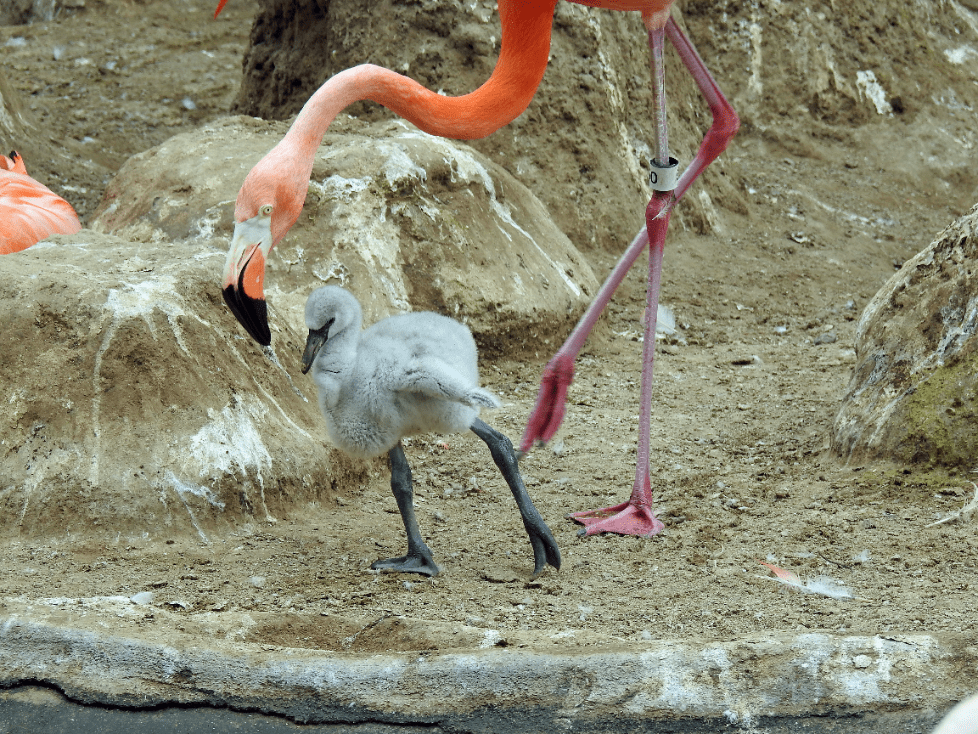
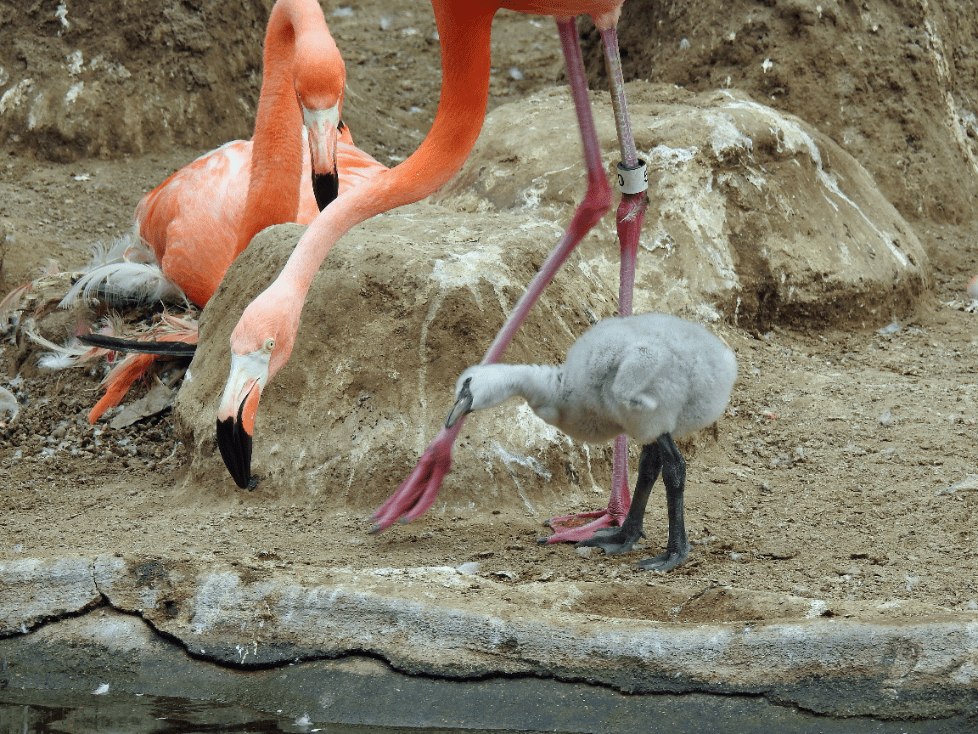
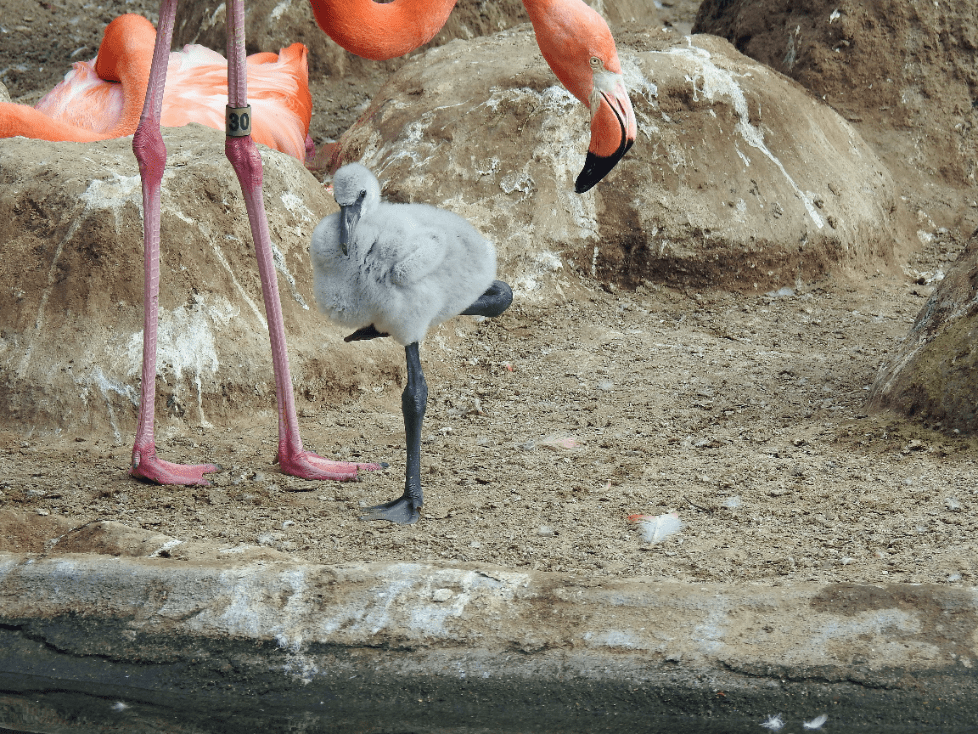
Figure 18. Perhaps one of the most endearing characteristics of American Flamingos is their devotion as parents, such as these flamingos photographed at the San Diego Zoo.
Etymology
- Gotch, A. F. [Arthur Frederick]. Birds—Their Latin Names Explained (348 pp.). Poole, Dorset, U.K.: Blandford Press.
- Gruson, Edward S. (1972). Words for Birds: A Lexicon of North American Birds with Biographical Notes (305 pp., including Bibliography, 279–282; Index of Common Names, 283–291; Index of Generic Names, 292–295; Index of Scientific Species Names, 296–303; Index of People for Whom Birds Are Named, 304–305). New York: Quadrangle Books.
- Lederer, Roger, and Carol Burr. (2014). Latin for Bird Lovers: Over 3,000 Bird Names Explored and Explained (224 pages). Portland, OR: Timber Press.
Text and images by Shari Dorantes Hatch. Copyright © 2026. All rights reserved.
Images were recorded at the San Diego Zoo.


Leave a Reply