
Cathartiformes, Cathartidae, New World Vultures
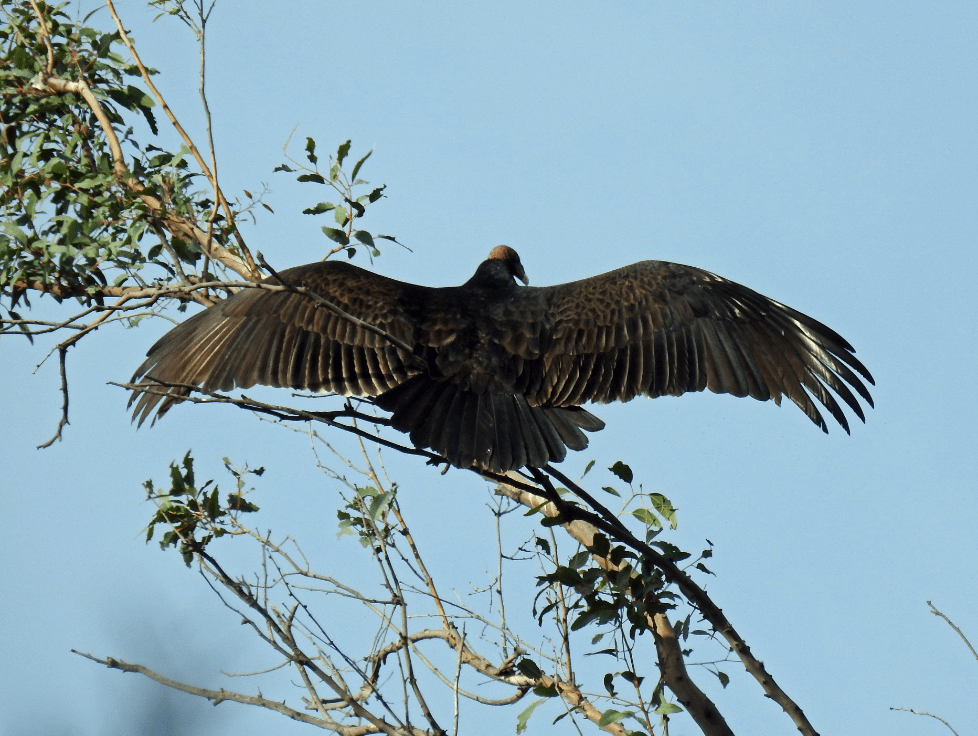
Figure 01. This Turkey Vulture may be spreading its wings and tail in order to cool off. From this angle, it’s not possible to tell whether it’s also using urohidrosis, excreting wet feces onto its legs, for evaporative cooling.
This is the first of four blogs about the Cathartiformes order and its solitary Cathartidae family of New World vultures, as follows:
- Etymology
- Taxonomy
- Description
- Vocalizations
- Distribution, Habitat, Migration
- Food and Foraging
- Thermoregulation
- Locomotion
- Breeding
- Conservation Status
- Four New World Vultures Not to Be Discussed in Separate Blogs
- Three New World Vultures to Be Explored in Future Blogs
- References
Future blogs will focus on three of the seven living species of New World vultures: Andean Condor (Vultur gryphus), Turkey Vulture (Cathartes aura), and California Condor (Gymnogyps californianus).
The other four living species of New World vultures will not be discussed in separate blogs — King Vulture (Sarcoramphus papa), Black Vulture (Coragyps atratus), Lesser Yellow-headed Vulture (Cathartes burrovianus), and Greater Yellow-headed Vulture (Cathartes melambrotus). They are discussed briefly at the end of this blog.
Etymology
Both the name of the order, Cathartiformes, and the name of the family, Cathartidae, stem from Greek, kathartēs, meaning “purifier,” “purger,” “cleanser”; the suffix -iformes indicates an order name, and -idae signifies a family name. The common name of these birds, vulture, derives from Latin, vellere, to “pluck,” to “pull,” or to “tear,” probably pointing to how they treat the carrion they eat.
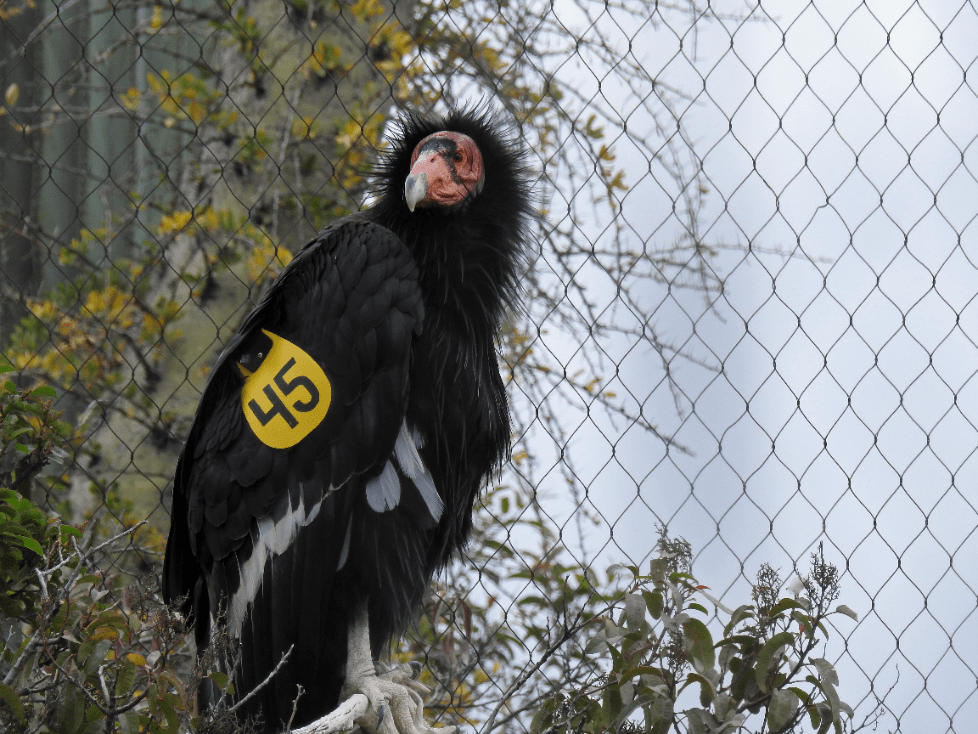
Figure 02. It’s not hard to see why the California Condor and other vultures were named for how they can tear apart a carcass.
Groups of vultures have entranced language lovers, who have given them three different group names, depending on what they’re doing. When flying, a group of vultures is a “kettle”; when feeding, it’s a “wake,” and when just resting on the ground or in trees, it’s a “committee.”
Taxonomy
The Cathartiformes order contains just one family, Cathartidae, New World vultures. New World vultures (New World being the Americas) are related only distantly to the Old World vultures (Old World being Europe, Asia, Africa), which are Accipitriformes, in the Accipitridae family, along with hawks, eagles, and kites. Both kinds of vultures look and act very similarly but their similarities are due to convergent evolution (having evolved to be similar, due to their ecological niche), rather than to close family ties. (Recent evidence has suggested that there may be some ties to the Accipitriformes order, but these ties need further supportive evidence.)
Renowned taxonomist Carl Linnaeus (1707–1778) had initially grouped all vultures within the genus Vultur, but later anatomists separated them into multiple genera. Ornithologist Nöel Frédéric Armand André de Lafresnaye (1783–1861) named the separate group of New World vultures Cathartidae. In 1884, Elliott Ladd Coues (founding member of the American Ornithologists’ Union) moved the family to a separate order, Cathartiformes.
At one time, a link with Ciconiidae, storks, was proposed, but that link hasn’t been substantiated. More recent analyses suggest links between Cathartidae and Coraciiformes (e.g., motmots, rollers, bee-eaters), Piciformes (e.g., woodpeckers, barbets, toucans), Strigiformes (owls), and Accipitriformes (e.g., eagles, hawks, Old World vultures).
To summarize the taxonomy for this family: kingdom, Animalia; phylum, Chordata; class, Aves; order, Cathartiformes; family: Cathartidae (sometimes called Vulturidae), New World vultures. The family includes seven species, within five genera:
- Gymnogyps, 1 species — California Condor (Gymnogyps californianus)
- Vultur, 1 species — Andean Condor (Vultur gryphus)
- Sarcoramphus, 1 species — King Vulture (Sarcoramphus papa)
- Coragyps, 1 species — Black Vulture (Coragyps atratus)
- Cathartes, 3 species
- Turkey Vulture (Cathartes aura)
- Lesser Yellow-headed Vulture (Cathartes burrovianus)
- Greater Yellow-headed Vulture (Cathartes melambrotus)
The cathartids are sometimes grouped as (a) the two condors and the King Vulture, and (b) the Black Vulture and the Cathartes vultures. Only the Cathartes species have recognized subspecies.
About 19 extinct taxa have been identified as being in the Cathartidae family. Some fossils indicate their existence 60–50 million years ago, when they may have been a much more diverse family. Fossils from the La Brea Tar Pits (in Los Angeles, California, from 40,000–10,000 years ago) suggest that earlier vultures were larger than those of today, perhaps because it was easier to find abundant carcasses of large herbivores at that time.
Description
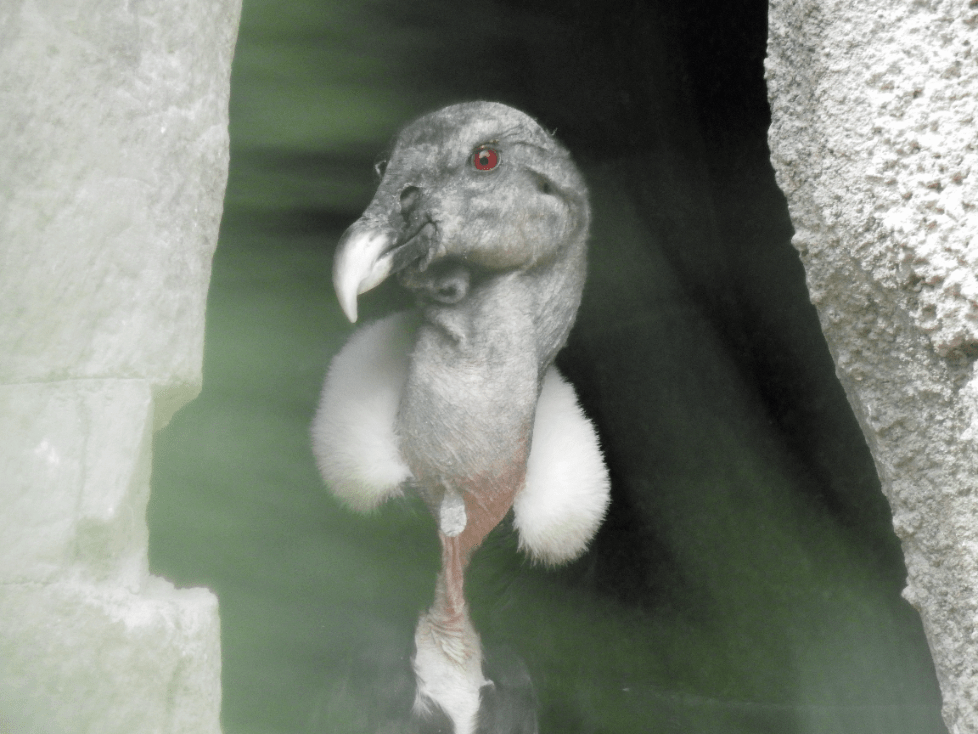
Figure 03. This Andean Condor female (“Chia,” photographed at the San Diego Zoo) is not only smaller than the male but also has no head wattles or comb, which are visible on the male.
Size
New World vultures are generally large, but their length and weight varies widely. The lightest and smallest, the Lesser Yellow-headed Vulture is about 22–24″ (56–61 cm), bill to tail; wingspan, 59–65″ (150–165 cm); tail length 7.5–9.4″ (19–24 cm); and weighing about 2.1–3.4 pounds (0.95 to 1.55 kg). (For comparison, my “wingspan,” fingertip to fingertip, is about 61″.)
In contrast, the California and Andean Condors are typically 48″ (120 cm) long, bill to tail, with California Condors about 46–53″ (117–134 cm) long and Andean Condors about 39–51″ (100–130 cm). Wingspan of the California Condor is about 110″ (98–118″, 249–300 cm); the Andean Condor’s is 102–126″ (260–320 cm). The California Condor weighs about 15–31 pounds (7–14.1 kg), with males and females similar in size. Andean Condor females weigh about 17.6–24.3 pounds (8–11 kg), males about 24.3–33 pounds (11–15 kg).
Plumes and Skin
All cathartids have featherless heads and necks; plumes there would be covered with blood and guts whenever these vultures eat carrion, increasing the likelihood of bacterial growth. Plumage is mostly or entirely black or dark brown, with some species having some white feathers, too. The small featherless head may be brightly colored, white, yellow, black, or even multicolored, as in the King Vulture. Some species also have wattles and other outgrowths on the head and neck.
The flight feathers of vultures are similar to those of other birds, but the downy (“plumulaceous”) feathers on their upper necks, which look like Elizabethan ruffs, are distinctive. The feathers lack interlocking hooks, so they’re more flexible, porous, and movable. This allows air to flow through them, so they’re less likely to retain moisture, fungal spores, and bacteria when the neck is thrust into the body of carrion. It’s also been suggested that these fluffy feathers may keep the neck warm while soaring high on thermal air currents.
Body Shape
These vultures have ovoid bodies, which are relatively small, compared with their wingspan. Their wings are long and broad, well suited to soaring effortlessly. The tail is long, rounded, and stiff — also facilitating soaring. It has been said that among land birds, vultures are the best adapted to soaring (not comparing with albatrosses or other seabirds). Neck length may be relatively short to medium-long. The only New World vulture showing much sexual dimorphism is the Andean Condor (as mentioned previously, regarding their weight). Male Andean Condors also have head combs and wattles not present in females.
Legs and Toes
Unlike many Old World vultures, New World vultures have relatively weak feet, with short claws on their toes. Their toes lack both talons and muscular strength that would have allowed them to capture and grasp live prey. (There are some exceptions, but typically only when the prey is injured, sick, young, or otherwise unusually vulnerable.) The three forward-facing toes are long, with some partial webbing at the base; the hind toe is typically quite small. The legs are short and thick.
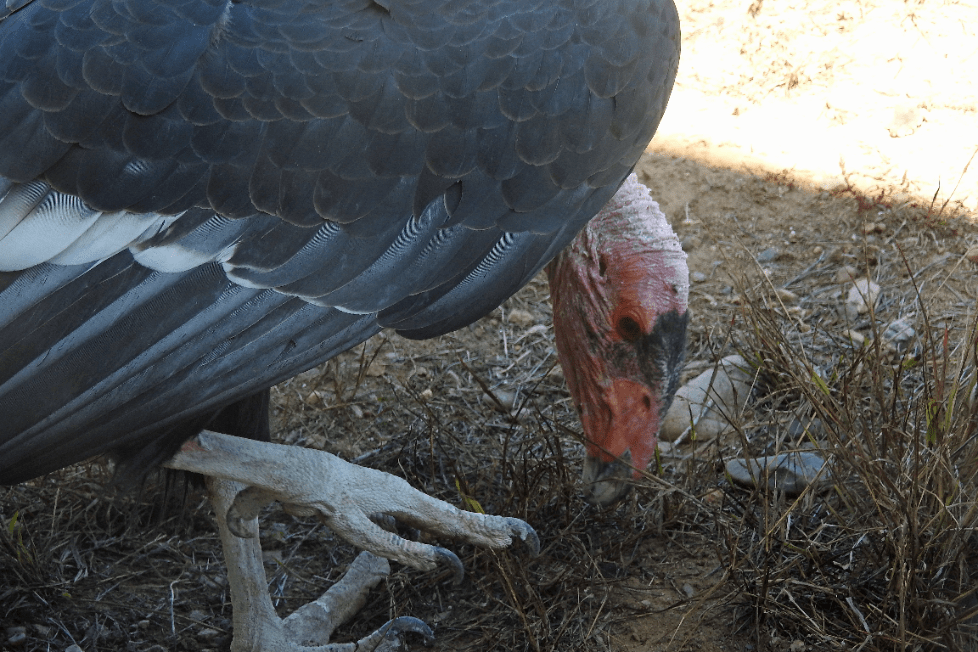
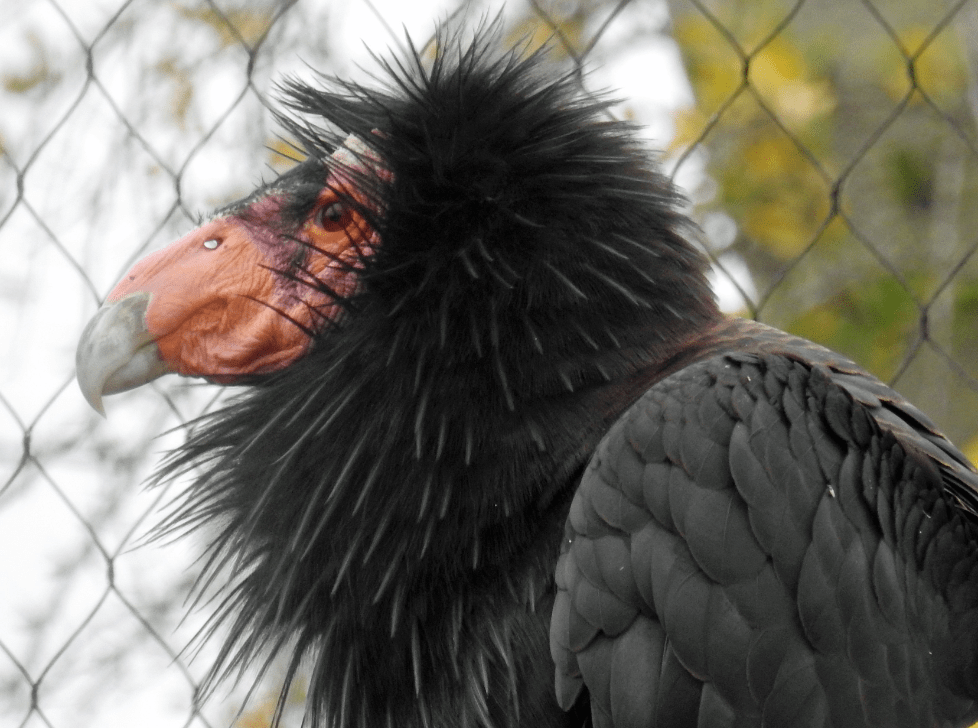
Figure 04. This California Condor’s toes and claws are big and strong, but by comparison with other raptors, they aren’t strong enough to kill large living vertebrates. Like other vultures, the California Condor has no septum dividing its nostrils, so at some angles, it’s possible to see straight through its nostrils from one side of the bill to the other.
Bill and Nostrils
New World vultures’ naked heads have medium-long, rounded bills with hooked tips — great for ripping apart rotting, dead prey but not suited to killing it. Within the cere at the top of the bill are oval-shaped nostrils. These vultures have no septum separating the nostrils, so when the bill is viewed from the right angle, it’s possible to see from one nostril straight through the other (called “pervious” or “perforate”).
Eyes and Vision
These vultures have superlative eyesight, “capable of detecting a carcass measuring approximately 3 feet (0.9 m) in length from a distance of 4 miles (6.4 km), even at altitudes of up to 9,800 feet (1.86 mi)” (https://en.wikipedia.org/wiki/Cathartiformes ). Like other raptors, these vultures have prominent eyes, but unlike the others, they lack brow bones shading their eyes. Black Vultures and the three Cathartes species have a partial row of lashes on the upper lid and two rows of lashes on the lower lid, but the other three New World vulture species have no eyelashes. (Among birds, “eyelashes” are specialized feathers, not hairs.)
Smell and Hearing
The Turkey Vulture and the two other Cathartes species have superlative senses of smell, which they use to detect the odor of decaying carcasses from far above, up to a mile away. These vultures have unusually large olfactory lobes in their brains, compared with the lobes of many other animals. In contrast, the Black Vulture and the King Vulture have notoriously weak senses of smell. It also appears that neither the California Condor nor the Andean Condor locates carrion through smell; both often locate carrion visually by spotting it themselves or by spotting other scavengers gathered round the carcass.
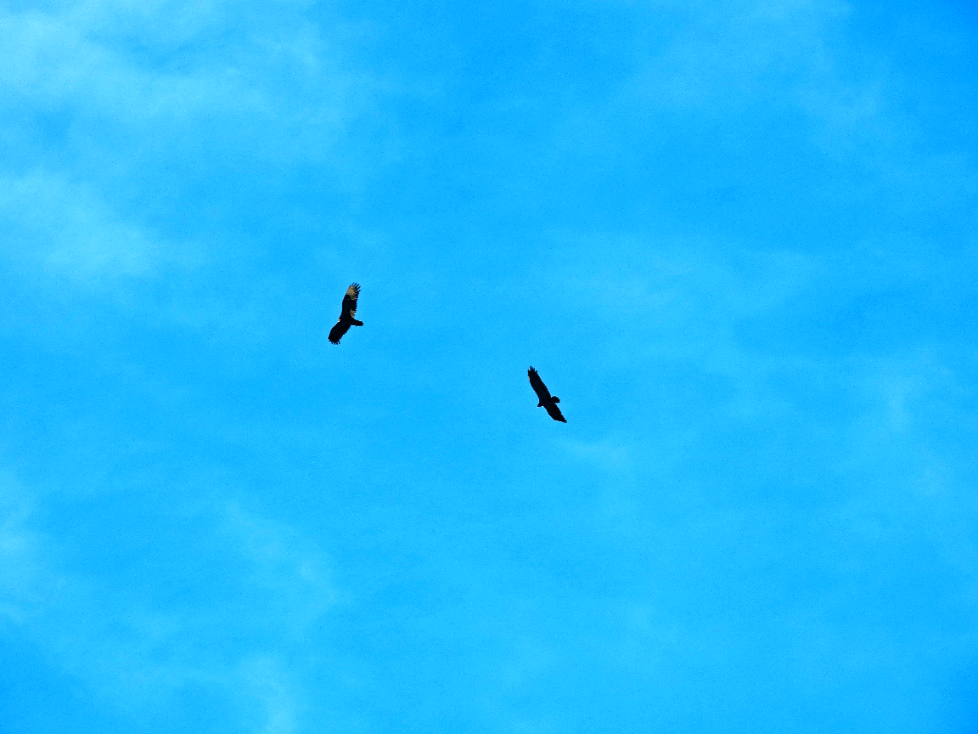
Figure 05. These Turkey Vultures can not only spot carrion visually, but also detect its odor, from up to a mile away.
New World vultures have acute hearing (range about 5,000 Hz; threshold about 20 dB, the sound of light rain or rustling leaves). One 2020 study showed that they can detect the sounds of large mammals being attacked and killed, as well as the sounds of other scavengers foraging on the carrion.
Stance
One more thing people often notice about vultures is their posture — the horaltic stance, in which they stand or perch with their wings fully spread, keeping this pose for extended periods of time — especially common in early morning. One of the key benefits of doing so is that the bacteria, parasites, and other pathogens in its feathers are superheated in the hot sun, killing many in the process. Preening alone can’t get rid of all of the pathogens that accumulate in the vultures’ feathers while feeding on rotting flesh, so sun-bathing can provide an essential service. In addition, the horaltic stance can warm the vulture after a cold night, and it can dry the bird’s feathers — observers have noticed that vultures adopt the horaltic stance more commonly after a damp or rainy night. Some other bird families do so, too, such as cormorants, which usually use this stance to dry their wings, facing into the breeze.
Vocalizations
New World vultures don’t have a syrinx, the organ that allows songbirds to vocalize, so no one has heard a vulture sing. Nonetheless, they can make grunts, hisses, rattles, and other sounds (e.g., wingbeats). To check out 99 results from 6 species of New World vultures, please see https://xeno-canto.org/explore?query=cathartidae . Among other noises, the Andean Condor may make “clucking sounds . . . during courtship.”
Distribution, Habitat, Migration
New World vultures can be found from the temperate areas of North America (as far north as southern Canada) to the extreme southern tip of South America. Different species of New World vultures have different ranges within the Americas (e.g., Amazon Basin or Pacific coast or Andean Mountains).
These vultures inhabit a wide array of ecosystems and habitats, from tropical rainforests to desert canyons, low grasslands to Andean peaks. Many species also accommodate to being near human settlements, which are often an excellent source of roadkill and landfill.
Most species are sedentary, but the Turkey Vulture breeds in southern Canada and the northern United States in summer (Northern hemisphere) and migrates south to enjoy summer in the Southern hemisphere. (Summer in the Northern hemisphere occurs during winter in the Southern hemisphere, and vice versa.)
Food and Foraging
New World vultures scavenge, feeding almost entirely on carrion — dead and decaying vertebrates — reptiles, mammals (including battlefield remains), birds, fish. Most vultures are obligate scavengers; they may be the only land vertebrates who feed exclusively on already-dead animals, not on animals they kill themselves (with rare exceptions). When they spot what they believe to be a dead vertebrate, they may watch and wait hours — or even a day or more — before eating it, to ensure that it’s truly dead and that a dangerous predator isn’t nearby.
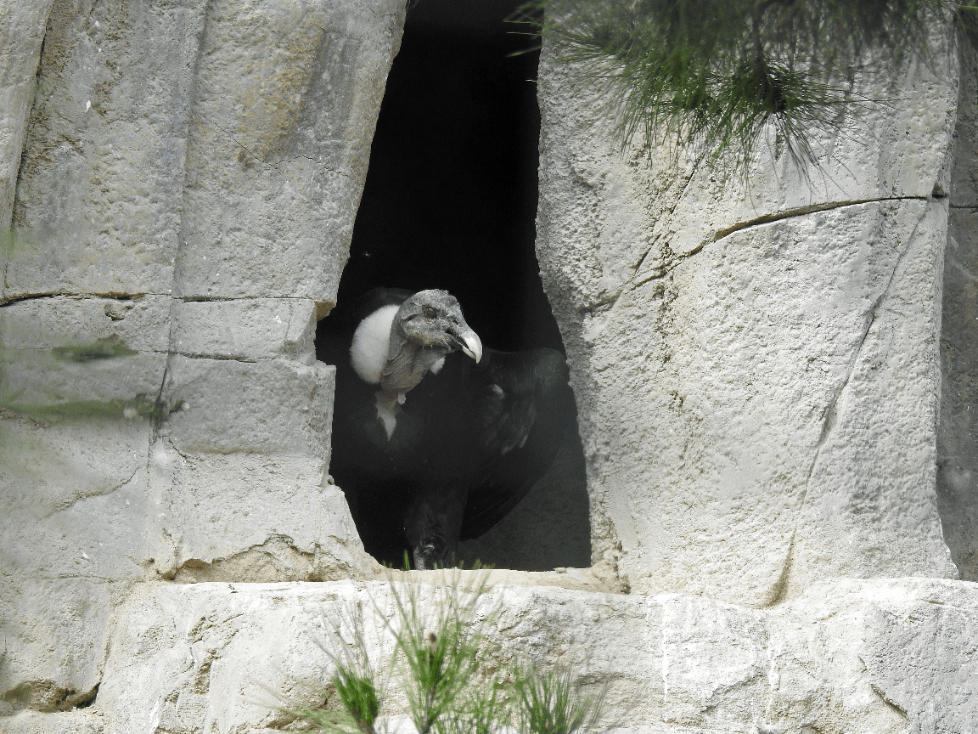
Figure 06. Like other vultures, this female Andean Condor will cautiously watch a carcass before rushing to eat it, just in case it’s still alive or a predator is nearby.
Exceptions to this rule are the Black Vulture and the King Vulture, which have occasionally been observed killing helpless prey (wounded, sick, injured, or young vertebrates such as newborn mammals, bird nestlings, or sea turtle hatchlings). These two species, like the condors, are known to displace smaller vultures at a carcass until they have had their fill. In addition, they are powerful enough to break through thick skin or hide, unlike smaller vultures, who must wait for others to tear into the flesh or for the prey’s hide to rot enough to soften.
When looking for carrion, Turkey Vultures and the other two Cathartes species can use their keen senses of smell to find carcasses not visible (e.g., hidden by thick vegetation). To do so, they often fly at lower altitudes than vultures who rely solely on vision to find dead prey; these vultures also have keen vision, so they’re not limited to scent detection.
When vultures find carrion, they gorge themselves until their crops bulge. (The crop is an enlarged area of a bird’s esophagus, where food may be stored temporarily). At that point, they sit and rest, while they absorb the food from their crops and digest it. They’re vulnerable at this time, nearly torpid or at least sleepy. At times, they may binge so much that they literally can’t take flight.
As mentioned previously, their bare-skinned head and downy-feathered neck minimizes the accumulation of rotting flesh on their skin. (Studies showed their facial bacteria are highly diverse.) In addition, their digestive system is so highly acidic that it not only digests the flesh but also destroys the harmful pathogens commonly found in rotting flesh. In addition, their intestines contain anaerobic bacteria (e.g., Clostridia) that further break down any deadly substances in their food. Among the toxins and pathogens they safely consume are botulinum toxin, hog cholera virus, and anthrax bacteria.
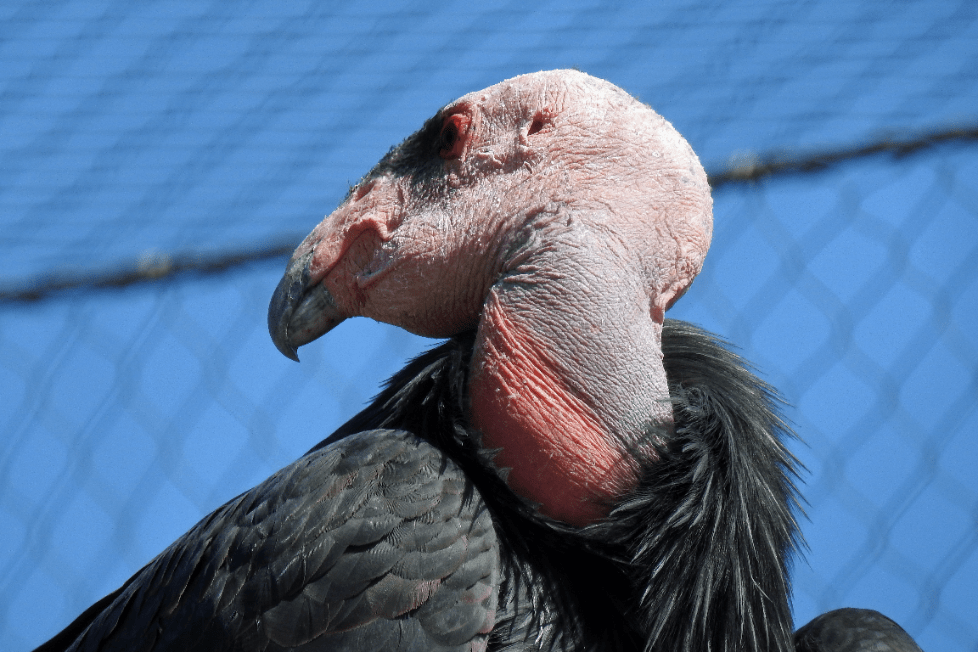
Figure 07. This California Condor’s bare head and neck may not win beauty contests, but they’re winners at minimizing the chances of bacterial infections.
Vultures (New World and Old World) play crucial roles in the ecosystems where they live. They not only safely dispose of toxins and pathogens, but also remove vertebrate carcasses that would otherwise decay much more slowly. In hot localities, this service is invaluable. These vultures have occasionally been seen scavenging rotten fruit and other garbage at landfills. One study suggested that vultures who filled up on waste from landfills were less likely to feed on dead livestock or other carrion — for good or for ill. Where there are no vultures (e.g., in the far north of North America), other birds, such as Bald Eagles, can be seen scavenging around garbage dumps.
New World vultures have a distinctive strategy when they feel threatened or need to make a quick escape: They puke. In addition to possibly distracting the threatening intruder, they get rid of heavy stomach contents, to make it easier to take off quickly.
Thermoregulation
To keep warm, New World vultures tuck in their heads and hunker down. (See also Stance, about using the horaltic stance to warm up.) To cool off, they stretch out their necks and spread their wings. In addition, they use urohidrosis to cool off, excreting dripping feces onto their legs, for evaporative cooling. It’s thought that the uric acid may also kill any remaining pathogens a carcass may have left on their legs.
Because of urohidrosis, researchers can’t use leg bands to identify vultures; when they tried doing so, encrusted feces on the bands proved hazardous to the vultures. Instead, they now use tags riveted to the patagial skin on the vultures’ wings, a much safer alternative. (The patagium is a skin membrane important for lifting each wing.) Another alternative would have been to attach tags to the feathers, but these are shed whenever the bird molts, making them useless for long-term study.
Locomotion
Vultures are among the largest, most impressive soaring birds on Earth, whether viewing the dihedral tilting wings of Turkey Vultures or the ginormous flat wings of condors. (Dihedral wings are angled upward slightly, not flat, 180º, like condor wings.) With their long, broad wings and long stiff tails, they can soar on thermals effortlessly for hundreds of miles, not having to flap once. They deftly find air currents to keep them aloft, slowly circling on thermal currents rising from heated ground.
Figure 08. These Turkey Vultures are masters of seemingly effortless soaring flight.
Breeding
Though more research is needed, it appears that New World vultures are monogamous, and both parents incubate the eggs and care for their young for an extended period. The nest site may vary widely — perhaps a cliff ledge, another big bird’s abandoned nest, a rock crevice, or located where it’s partly obscured by logs or by vegetation. In any case, the eggs are laid on bare surfaces. Condors generally choose sites inaccessible to mammalian predators, but smaller vultures often don’t.
In general, 1–3 eggs are laid in a given season, with larger species usually laying a single egg, and smaller species typically laying 2 eggs. Both parents incubate the eggs for about 40–55 days (longer for condors). The hatchlings emerge naked but are usually soon covered by down. Both parents also provision the hatchlings with food they predigest then regurgitate from their crops. (Their feet aren’t suited to carrying food from a carcass to the nest.) Most New World vulture youngsters fledge in about 2–3 months, after which they feed themselves. California Condor chicks fledge at about 5–6 months; Andean Condor chicks fledge at about 6–10 months. Even after that time, the parents continue to watch over their young.
Conservation Status
The IUCN Red List conservation status of New World vultures is 71.4% LC, Least Concern, for five species: Turkey Vulture, Black Vulture, Greater Yellow-headed Vulture, Lesser Yellow-headed Vulture, and King Vulture. Though the King Vulture is listed as LC, evidence suggests that it’s undergoing some population decline. The remaining 28.6% are more concerning: 14.3% VU, Vulnerable (Andean Condor); and 14.3% CR, Critically Endangered (California Condor). None are Near Threatened (NT), Endangered (EN), or Extinct in the Wild (EW), though the California Condor was EW at one time.
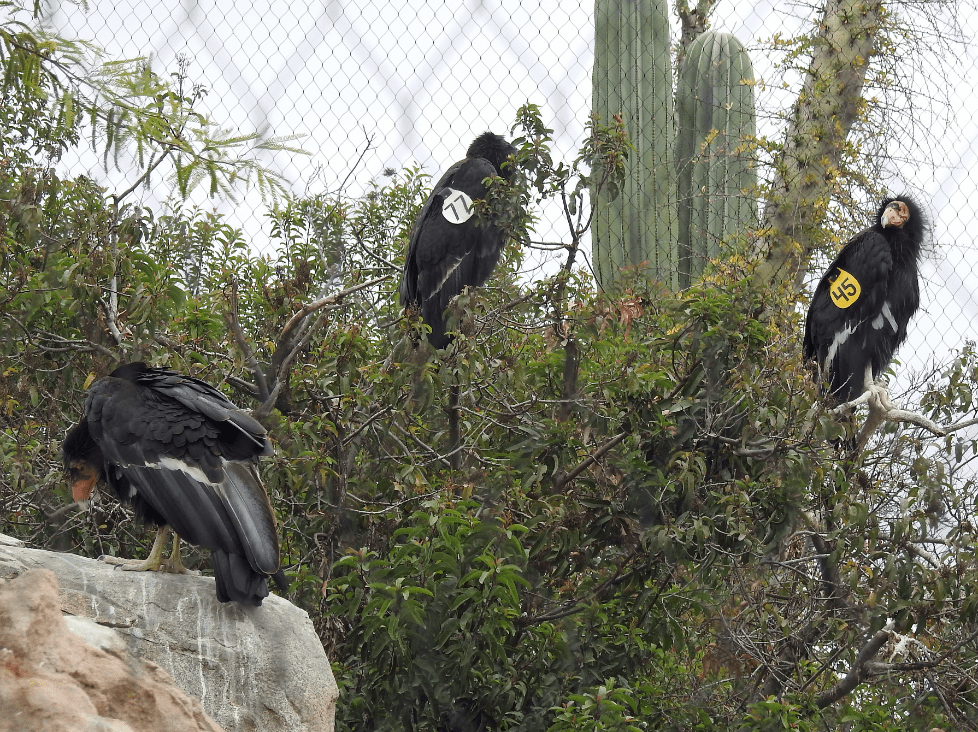
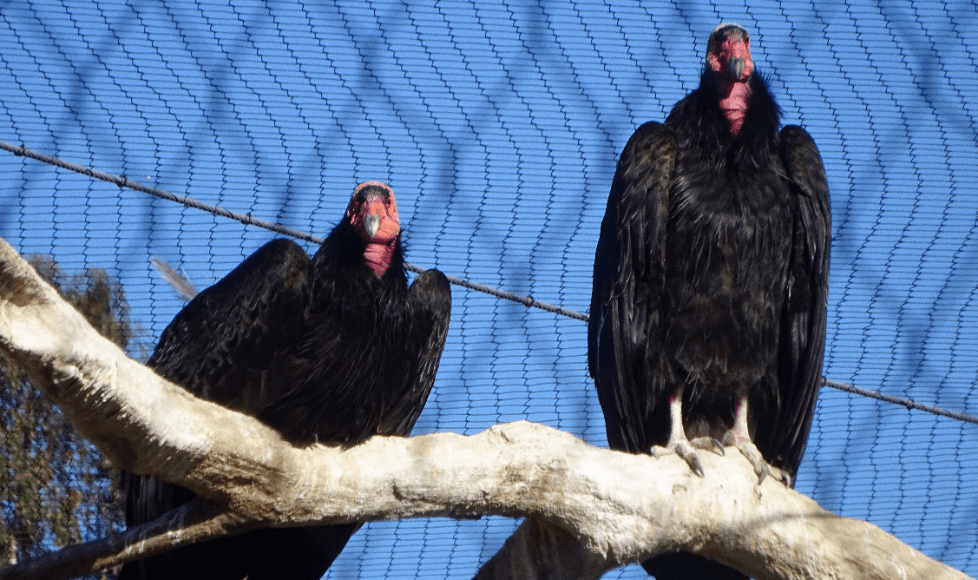
Figure 09. Unlike the two adult red-headed adults, this juvenile California Condor still has a black head and neck. The San Diego Zoo’s Safari Park has decades of experience with captive breeding of this species, implementing carefully strategized Species Survival Plans.
The California Condor’s situation was even more dire in previous decades. In 1987, the total wild population of these vultures was 22 individual condors. In a drastic move, all 22 were taken into captive breeding programs, including a major program at the San Diego Zoo’s Safari Park (“Wild Animal Park” at the time). By 2020, there were 329 California Condors released into the wild, where they have reestablished their own breeding and recovery. There were still 175 California Condors in captivity in 2020.
According to a Facebook post (March 25, 2026) by the U.S. Fish and Wildlife Service, “As of December 31, 2025, the global population of California condor exceeded 600 individuals, including birds in the wild and those in zoos and breeding centers dedicated to their recovery.” These condors are no longer hunted, but they are still threatened with being poisoned by lead bullets found in large mammal carcasses. The same problem threatens the Andean Condor in South America.
Four New World Vultures Not to Be Discussed in Separate Blogs
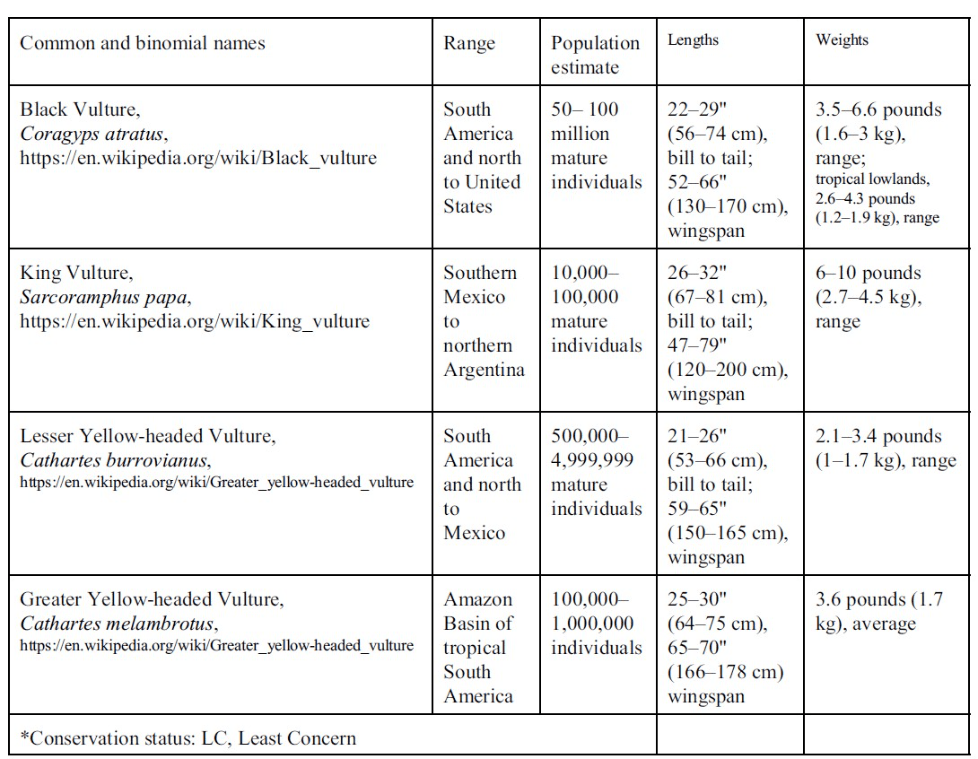
The Black Vulture, Greater Yellow-headed Vulture, Lesser Yellow-headed Vulture, and King Vulture will not be further addressed in future blogs. Following is a summary of some key information about these vultures.
Table 1. Four New World Vultures Not to Be Discussed in Separate Blogs
King Vulture (Sarcoramphus papa)
The genus name Sarcoramphus comes from Greek, sarc, “flesh,” and ramphos, “beak” or “bill.” Its binomial species name, papa, comes from Latin, “bishop,” possibly referring to its large size, to its regal plumage, or to the knobby orange caruncle on its bill, similar to a bishop’s head adornments. Its unfeathered head and neck are vividly colorful, in red, orange, yellow, blue, and purple. It may have garnered the common name “King Vulture” because it often displaces smaller vultures from a carcass until it has fully sated its appetite and filled its crop.
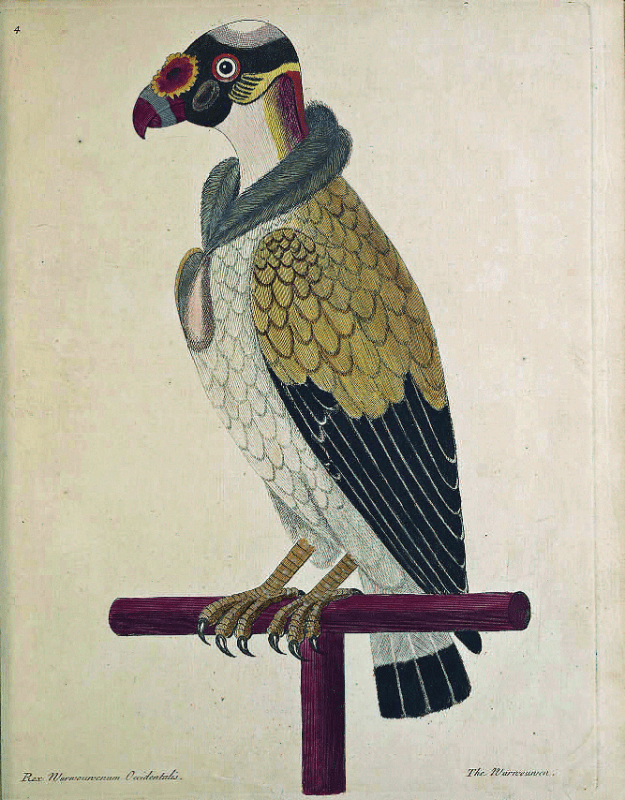
Figure 10. This 1734 painting of a King Vulture, by Eleazir Albin, is from https://commons.wikimedia.org/wiki/File:Sarcorhamphus_sacer_Albin.jpg and is in the public domain.
Among ancient Aztecs, the King Vulture was represented as Cozcacuauhtli, from Nahuatl, cozcatl, “collar,” and cuauhtli, “bird of prey.” Cozcacuauhtli, deemed an auspicious day in the Aztec calendar, was represented by a glyph of a vulture’s head.
Black Vulture (Coragyps atratus)
The genus name Coragyps comes from Greek, korax, for “raven,” and gyps, for “vulture.” Its binomial species name atratus comes from Latin, ater or atri-, for “black,” pointing to its plumage. In Mexico and elsewhere in Latin America, the Black Vulture is also known as zopilote (or zopilote común), urubu, or gallinazo negro.
The Black Vulture was also the subject of an experiment by ornithologists John James Audubon and John Bachman, to test whether vultures could detect prey by using their sense of smell or by using sight. They correctly inferred that this vulture detects carcasses visually, but they incorrectly applied their inference to all species of vultures, including the Turkey Vulture, which actually has a keen sense of smell.
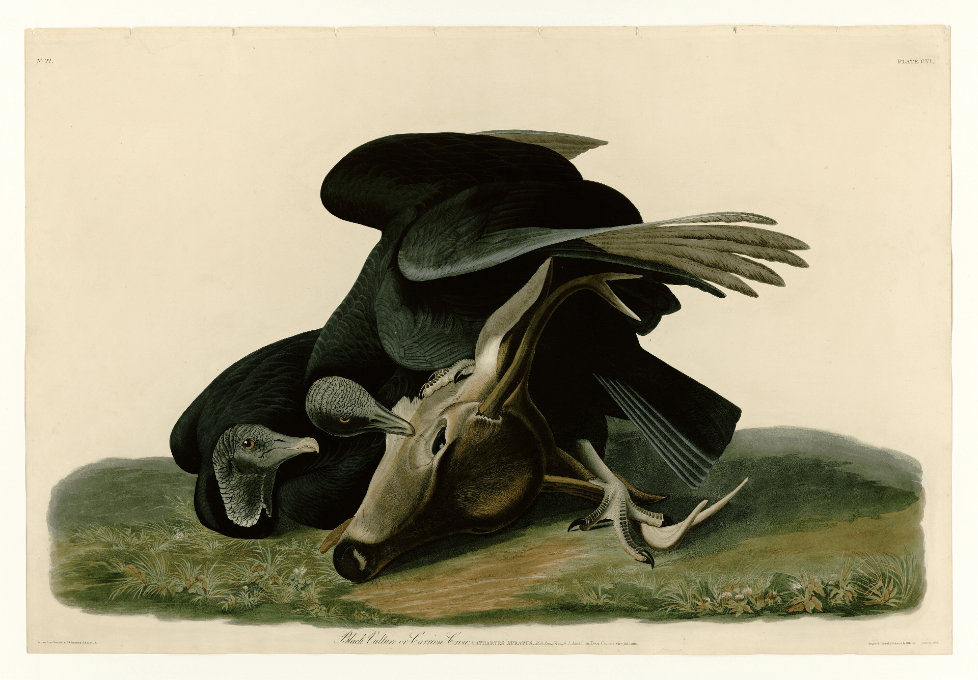
Figure 11. This stunning portrait of a Black Vulture pair feeding on the head of a mule deer carcass is from Plate 106, in John James Audubon’s The Birds of America, and is now in the public domain (from Wikipedia, https://en.wikipedia.org/wiki/Black_vulture#/media/File:106_Black_Vulture_or_Carrion_Crow.jpg).
Lesser Yellow-headed Vulture (Cathartes burrovianus)
The smallest and lightest of the living New World vultures, the Lesser Yellow-headed Vulture has long wings, sometimes even longer than the wings of Black Vultures. Unlike the Black Vulture, this vulture can detect carrion by smell (with a relatively large olfactory bulb in its brain), as well as by sight. (For photos of this vulture, please see https://www.inaturalist.org/photos/356680714 , https://www.inaturalist.org/photos/461693880 , https://www.inaturalist.org/photos/31916434 .)
It’s less likely to seek out large carasses than are other vultures. Its bill isn’t strong enough to pierce the hide of large animal carcasses, so it depends on larger vultures, such as the King Vulture, to rip open carcasses. In addition to eating carrion (small frogs, mammals, reptiles, rotting fish), it also sometimes hunts for small aquatic animals, as well as living invertebrates and larvae. It’s also pickier than most other vultures, avoiding carrion in an extreme state of decay.
Unlike most New World vultures, it does have two recognized subspecies. This vulture typically flies solo, soaring on thermals with wings at a dihedral angle, often gliding at a relatively low altitude. Their chicks hatch naked, and their down doesn’t emerge until later.
Greater Yellow-headed Vulture (Cathartes melambrotus)
Much larger than the Lesser Yellow-headed Vulture (see Table 1), the Greater Yellow-headed Vulture is mostly found in tropical moist dense lowland forests of South America.
Like the Lesser Yellow-headed Vulture, it uses both sight and smell to locate carrion (with a large olfactory brain lobe). It, too, avoids carrion that has undergone extreme decay. It eats larger carcasses than the Lesser, such as armadillos, dogs, cattle. Nonetheless, this vulture needs the help of a larger vulture, such as the King Vulture, to open the hide of large animal carcasses.
When freshwater is available, it will drink from any source, including a small pool or pond. This vulture is rarely found in groups, but it will travel in pairs, as well as alone. Its flight is similar to that of its Lesser genus mate. (For photos of this vulture, please see https://www.inaturalist.org/photos/224641182 ; https://www.inaturalist.org/photos/252473078 .)
Three New World Vultures to Be Explored in Future Blogs
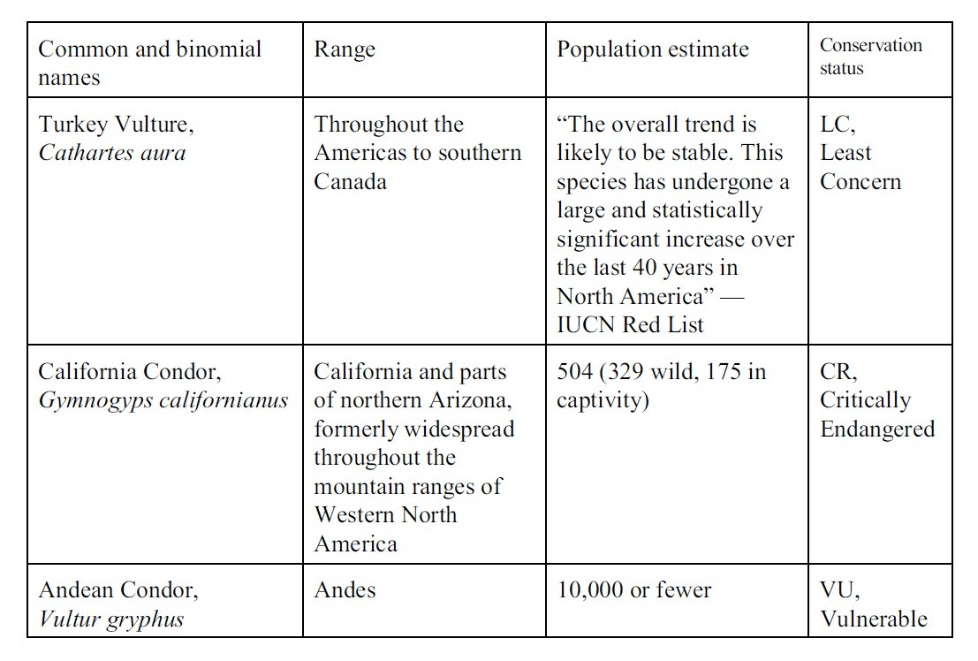
The following three New World Vultures will be explored in forthcoming blogs.
Table 2. Three New World Vultures to Be Explored in Future Blogs
References
Cathartidae
- Elphick, Jonathan. (2014). The World of Birds. Buffalo, NY: Firefly Books.
- Lovette, Irby, & John Fitzpatrick (eds.), (2016). The Cornell Lab of Ornithology Handbook of Bird Biology (3rd ed.). Hoboken, NJ: Wiley.
- Winkler, David W., Shawn M. Billerman, and Irby J. Lovette. (2015). Bird Families of the World: An Invitation to the Spectacular Diversity of Birds. Barcelona: Lynx, Cornell Lab of Ornithology.
- Winkler, D. W., S. M. Billerman, and I. J. Lovette (2020). New World Vultures (Cathartidae), version 1.0. In Birds of the World (S. M. Billerman, B. K. Keeney, P. G. Rodewald, and T. S. Schulenberg, Editors). Ithaca, NY: Cornell Lab of Ornithology. https://doi.org/10.2173/bow.cathar2.01
- https://en.wikipedia.org/wiki/Vulture
- https://en.wikipedia.org/wiki/Cathartiformes
- https://en.wikipedia.org/wiki/New_World_vulture
- https://en.wikipedia.org/wiki/Turkey_vulture
- https://en.wikipedia.org/wiki/Black_vulture
- https://en.wikipedia.org/wiki/Greater_yellow-headed_vulture
- https://en.wikipedia.org/wiki/King_vulture
- https://en.wikipedia.org/wiki/Lesser_yellow-headed_vulture
- Cozcacuauhtli, Nahuatl (Aztec) name for King Vulture, https://symbolsage.com/cozcacuauhtli-aztec-symbol/ ; https://en.wiktionary.org/wiki/cozcacuauhtli ; https://www.azteccalendar.com/day/Cozcacuauhtli.html ; https://nahuatl.wired-humanities.org/content/cozcacuauhtli ; https://anawawiki.com/wiki/Cozcacuauhtli_(Tonalli) ; https://symbolikon.com/downloads/cozcacuauhtli-aztec/
- Cathartiformes order, named by Elliott Ladd Coues, 1884, founding member of the American Ornithologists’ Union, https://paleobiodb.org/classic/checkTaxonInfo?taxon_no=326041
- The Horaltic Pose: Sunbathing Birds – New York Almanack, https://share.google/fhTv3nQ3U81c5OQgG
- California Condor population, Facebook, U.S. Fish and Wildlife Service (March 25, 2026)
Etymology
- Gotch, A. F. [Arthur Frederick]. Birds—Their Latin Names Explained (348 pp.). Poole, Dorset, U.K.: Blandford Press.
- Gruson, Edward S. (1972). Words for Birds: A Lexicon of North American Birds with Biographical Notes (305 pp., including Bibliography, 279–282; Index of Common Names, 283–291; Index of Generic Names, 292–295; Index of Scientific Species Names, 296–303; Index of People for Whom Birds Are Named, 304–305). New York: Quadrangle Books.
- Lederer, Roger, and Carol Burr. (2014). Latin for Bird Lovers: Over 3,000 Bird Names Explored and Explained (224 pages). Portland, OR: Timber Press.
Text and images by Shari Dorantes Hatch. Copyright © 2026. All rights reserved.
Images were recorded at the San Diego Zoo, the zoo’s Safari Park,
and elsewhere in San Diego County.


Leave a comment