
Three Delightful Hornbills
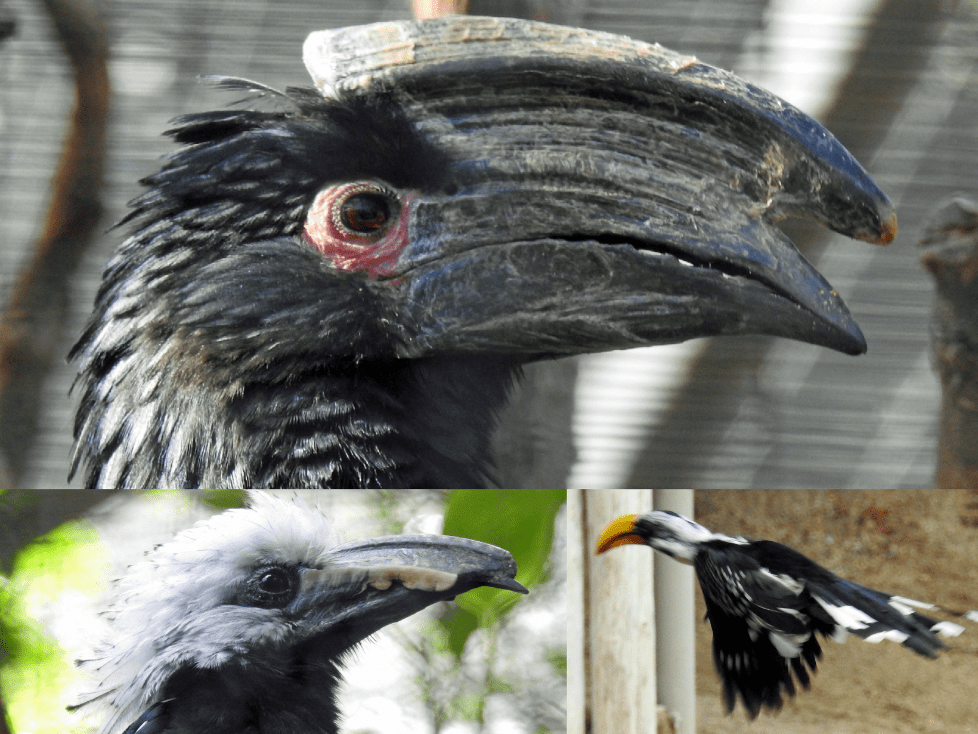
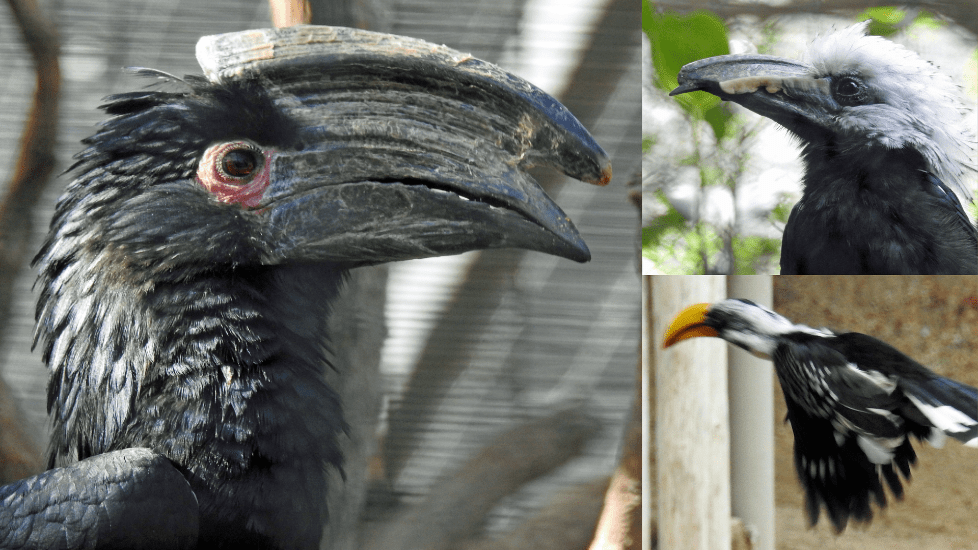
Three delightful hornbills: Trumpeter Hornbill, Bycanistes bucinator; Western Long-tailed Hornbill, Horizocerus albocristatus; and Eastern Yellow-billed Hornbill, Tockus flavirostris.
The Bucerotiformes order of birds includes four families: hoopoes (Upupidae), woodhoopoes (Phoeniculidae), ground hornbills (Bucorvidae), and tree-dwelling hornbills (Bucerotidae). For an overview of the Bucerotiformes order, as well as particular information about woodhoopoes (Phoeniculidae), please see my earlier blog, https://bird-brain.org/2026/04/05/woodhoopoes/ . For an overview of hornbills — both ground hornbills, Bucorvidae, and tree-dwelling hornbills, Bucerotidae — as well as specific information about ground hornbills, please see my earlier blog, https://bird-brain.org/2026/04/13/ground-hornbills/ . For more information on the Bucerotidae family of tree-dwelling hornbills, as well as three endangered hornbill species, please see my previous blog, https://bird-brain.org/2026/04/19/hornbills-part-1/ .
This blog focuses on three more tree-dwelling hornbills:
- Trumpeter Hornbill, Bycanistes bucinator
- Western Long-tailed Hornbill, Horizocerus albocristatus
- Eastern Yellow-billed Hornbill, Tockus flavirostris
All three of these species have a conservation status of LC, Least Concern. In addition, I was able to photograph (often with dubious quality) all three at the San Diego Zoo or at the zoo’s Safari Park.
Trumpeter Hornbill, Bycanistes bucinator
Figure 01-01. This Trumpeter Hornbill’s vocalization isn’t as trumpetlike as you’d expect.
Etymology and Taxonomy
The scientific name for Trumpeter Hornbill is Bycanistes bucinator. The genus name Bycanistes, comes from Greek, bukanē, “trumpet” and -istēs, a suffix for one who acts; together bukanistēs means “trumpeter,” apt for this species’ low trumpet-like vocalizations. Its species name comes from Latin, bucina, referring to a curved trumpet, so bucinator also points to this species as a trumpeter. Its Spanish name, Cálao Trompetero, does likewise. Like several other hornbills, this one was first introduced to science by Coenraad Jacob Temminck (in 1824). It has also been included within other genera: Buceros and Ceratogymna.
Description
A medium-sized hornbill, the Trumpeter is much larger than the other species discussed in this blog; it weighs between nearly 1 pound (15.9 ounces) and 1 ounce more than 2 pounds (452–941 g), males average a few ounces more than females. Their length, bill to tail, is about 20–26″ long (50–65 cm), with its tail making up 7.8–10.9″ (19.8–27.7 cm) of that length. Its bill accounts for 2.9–5.6″ (7.5–14.3 cm) of that length, so the tail and the bill combined are more than half the length of this hornbill. Its bill is also 2–3″ deep (top to bottom, 5.3–7.6 cm) and 1–1.4″ wide (side to side, 2.7–3.5 cm). In addition, its wings are about 9.5–11.7″ (24.2–29.8 cm) long. In comparison with its long bill, its tarsus length (ankle to toes) is just 1.5–2.4″ (3.9–6.2 cm). A very distinctive-looking hornbill. (Like other hornbills, this hornbill has syndactyl toes, two of which are partly joined at the base)
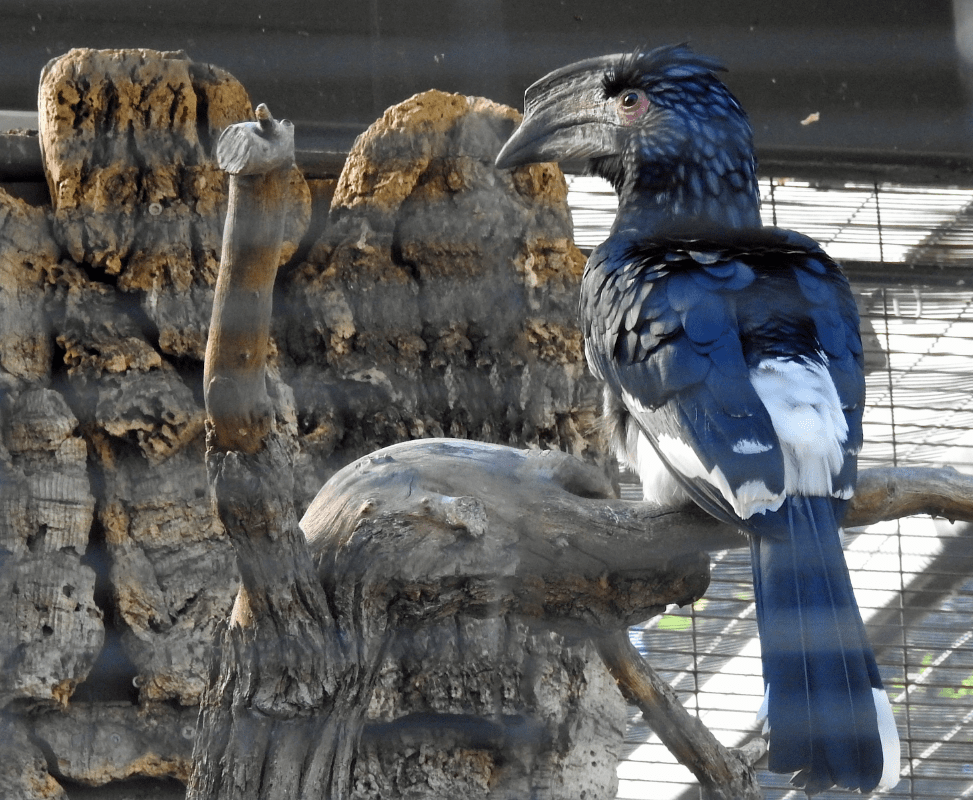
Figure 01-02. Though its feet are hidden, this photo does show that its tail and its bill combine to account for more than half the length of this Trumpeter Hornbill.
Most of its plumage is black, but the Trumpeter Hornbill has contrasting stunning white belly plumage, white feathers near the top of its white-tipped wings (visible in flight; see https://macaulaylibrary.org/asset/226752161 ), and a white-tipped tail. Red bare skin and black eyelashes (barbless feathers) surround its red/brown eyes. Its bill and casque are gray-black, with females’ being smaller than males’, on average. (To see a pair interacting, see https://macaulaylibrary.org/asset/201858561 .) Juveniles are similar to adults, but lacking a casque.
Vocalizations
To hear a sampling of the loud nasal vocalizations of the Trumpeter Hornbill, please visit https://xeno-canto.org/species/Bycanistes-bucinator (two pages of calls).
Figure 01-03. What do you think this Trumpeter Hornbill is trying to communicate?
Distribution, Habitat, and Migration
The Trumpeter Hornbill is distributed across south-central and southeastern Africa, from the equator to the tip of South Africa, dwelling in tropical evergreen forests of Botswana, Burundi, Congo, Eswatini, Kenya, Malawi, Mozambique, Namibia, South Africa, Tanzania, Zambia, and Zimbabwe, as well as Angola in southwestern Africa — from +1 to −34 degrees of latitude, centering around −12 degrees. It has found suitable habitat between sea level and 7,200 feet (2200 m) elevation. To see a range map for Trumpeter Hornbills, generated from year-round eBird observations, please see https://ebird.org/map/truhor1 . Estimates of the extent of its range are 1,572,000–2,517,000 square miles (4,073,000–6,520,000 km²).
The Trumpeter Hornbill enjoys a variety of wooded habitats, including gallery, riparian, riverine, and coastal evergreen forests (estuaries, bays, fjords), secondary forest (regrown), swamp forests, tree-fall gaps, taiga (evergreens), varzea (seasonally flooded forests), tall deciduous woodlands, savanna woodlands, palm groves, mangroves, thorn forests, and wooded hillsides and ravines. Its adaptability to such diverse wooded habitats may have helped prevent this hornbill from being as imperiled as others in this family. Like many other hornbills, the Trumpeter Hornbill doesn’t migrate, but it does range widely looking for fruiting trees and will even cross dry savannas in its search. When foraging within a fragmented wooded landscape, they have been known to travel up to 9.3 miles (15 km), foraging in more than 100 patches of forest. Flocks of hornbills may be irruptive in a location with abundant fruit.
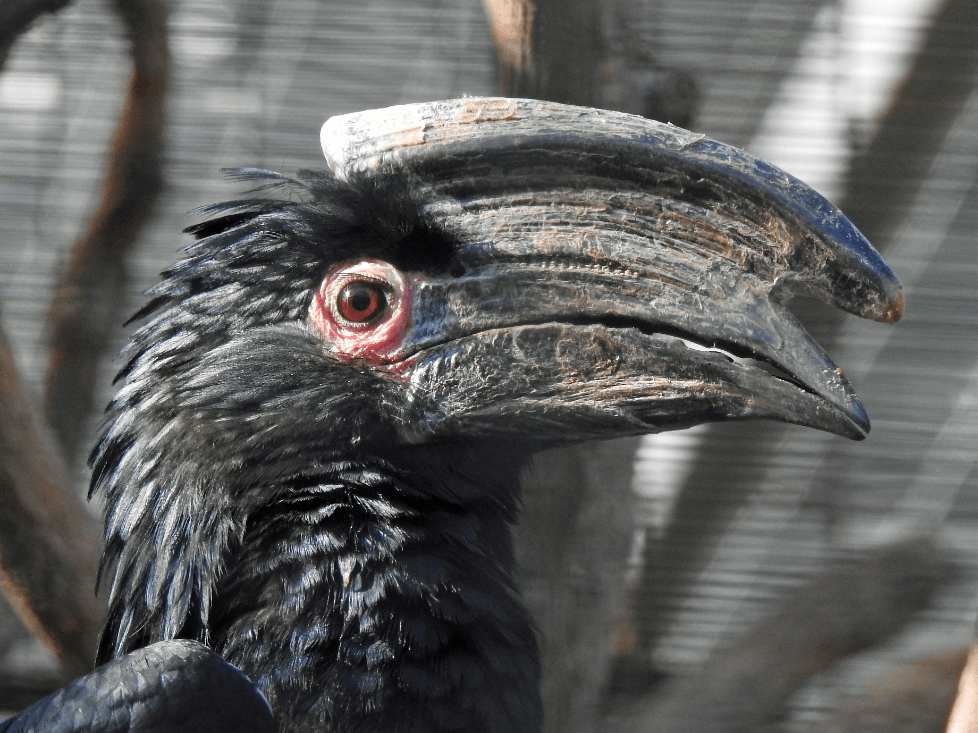
Figure 01-04. Trumpeter Hornbills’ adaptability accounts for much of its success in finding suitable habitat.
Food and Foraging
According to Avibase, about 70% of its diet is fruits (especially figs), another 20% is invertebrates (mostly insects but also crabs, millipedes, and woodlice), and the remaining 10% is small land vertebrates (typically small birds and nestlings). It forages during the day, mostly among foliage and will sometimes snatch food while flying.
Social Behavior and Breeding
Trumpeter Hornbills are sometimes congregatory, roosting near fruiting trees, in flocks of up to 200 birds, some who will have traveled several miles to congregate. Typically, hornbills live in groups of 2–5 birds, but perhaps up to 50 at a time.
When ready to breed (typically between September and January), a monogamous pair will find and fix a suitable nest cavity, usually about 6–40 feet (2–13 m) up in a tree or on a rock face. The nest will be within 5 miles (8 km) from food sources. The couple will line the nest with bark and wood flakes, then both mom and dad will seal the mom inside the cavity, using mud pellets that the male has either regurgitated or carried in his bill.
Figure 01-05. Trumpeter Hornbills form monogamous pairs who work together to raise their family.
After she is sealed into the nest (with a slit for food delivery), the female will spend 10–15 days, receiving food from her partner and sometimes a helper from a previous breeding season. After that time, the mom will start laying eggs, every 2–3 days, until she has a clutch of 2–5 eggs. She also molts her wing and tail feathers while incubating the eggs. Incubation takes 28 days, and they hatch asynchronously, just as they were laid. Throughout this time, the dad feeds the mom by regurgitating up to 38 food items at each feeding. These feedings continue throughout the fledging period, as well, for at least 50 days. The entire nesting cycle takes 88–117 days (3–4 months!). Trumpeter Hornbills are about 2.3 years old at first breeding. Average generation length has been estimated at 6 years, but one source said up to 19 years.
Survival and Life Span
Average annual survival rate of adult Trumpeter Hornbills is 79%. The maximum recorded age is 21.6 years.
Conservation Status
The IUCN Red List conservation status of this species is LC, Least Concern. Though the Trumpeter Hornbill is thinly distributed across its wide range, it is common in many locations, especially in Victoria Falls and in Zimbabwe’s Zambezi National Park. Its population is declining but at a slow rate (2% every 10 years). It nonetheless is imperiled by habitat loss, like most other hornbills. The only conservation actions identified by the IUCN are that at least one systematic monitoring scheme is taking place, and that several conservation sites have been identified within its range.
Figure 01-06. Though not the prettiest of birds, Trumpeter Hornbills are quite charismatic, don’t you think?
According to the IUCN, in addition to conservation efforts in the wild, 57 zoological institutions in 23 countries are holding 110 captive Trumpeter Hornbills: 51 males, 55 females, and 4 unsexed. These birds respond well to captivity and seem to enjoy the companionship of their keepers. They must be provided with large, spacious cages for moving around, due to their high activity levels. They’re smart birds and can be taught various tricks, such as for roles as animal ambassadors. Their diet requires careful management, to avoid issues with excessive iron storage. Their long life span (often two decades) endears them to their keepers.
Observations
The Cornell Lab of Ornithology gathers information from observers around the world through the eBird app and website (https://ebird.org/species/truhor1? ), which holds
20,731 observations, 1,385 of them with photos, and 98 of them with audio recordings. The lab’s Macaulay Library website (https://search.macaulaylibrary.org/catalog?taxonCode=truhor1 ) includes 2,330 photos, 113 audio recordings, 31 videos.
- Three in a tree: https://macaulaylibrary.org/asset/654041598 , https://macaulaylibrary.org/asset/654041596 ,
- landing, https://macaulaylibrary.org/asset/648248401 ,
- one taking flight near another, https://macaulaylibrary.org/asset/647410053 ,
- Flying, https://macaulaylibrary.org/asset/648378601 , https://macaulaylibrary.org/asset/650945412 , https://macaulaylibrary.org/asset/650057315 , https://macaulaylibrary.org/asset/646892783 ,
- two in a tree, with wings spread, https://macaulaylibrary.org/asset/649982087 ,
- two in a tree, closeup, https://macaulaylibrary.org/asset/647387750 ,
- one in a tree, https://macaulaylibrary.org/asset/650375639 , https://macaulaylibrary.org/asset/650052239 ,
- one with food in bill, https://macaulaylibrary.org/asset/647065504
In addition, the iNaturalist app and website, https://www.inaturalist.org/observations?taxon_id=507913 , includes 1,641 observations.
- preening, https://www.inaturalist.org/observations/334852556 , https://www.inaturalist.org/observations/336094307 ,
- two touching bills, https://www.inaturalist.org/observations/334712621 ,
- flying, https://www.inaturalist.org/observations/332037073 ,
Western Long-tailed Hornbill, Horizocerus albocristatus
Etymology and Taxonomy
The common name of the Western Long-tailed Hornbill highlights one of this hornbill’s most obvious features. Of its overall length, 27.6–31.5″ (70–80 cm), its tail accounts for 7.9–19.9″ (20–50.5 cm), with the tails of males being quite a bit longer than those of females (f, 7.9–17.4″, 20–44.3 cm; m, 14.8–31.5″, 37.7–50.5 cm). At first, both the Western and the Eastern Long-tailed Hornbill were considered one species, sometimes simply called the Long-tailed Hornbill, but also called White-crested Hornbill, or African White-crested Hornbill, pointing to this hornbill’s other salient feature. The Western Long-tailed Hornbill has two subspecies, which differ in distribution (one westerly from Ivory Coast, one easterly from Ivory Coast) and differ slightly in appearance.
Its scientific name, Horizocerus albocristatus, also points to its crest. One source suggested that its genus name, Horizocerus, is Greek, horizo-, “horizon” as a “bounding circle”; and cerus, “waxy,” as in ceruse, “white lead,” often used as paint. I guess so. Ish. Its species name, albocristatus, makes better sense; albus, “white” and cristatus, “crest.” Its Spanish name is Cálao Crestiblanco or Cálao de Cresta Blanca, highlighting its white crest.
Figure 02-01. These Western Long-tailed Hornbills, in an aviary at the San Diego Zoo, show off both their long tails and their white crests.
American ornithologist John Cassin received a sample of this species (found by a surgeon in Liberia), and in 1848, he formally described it to the scientific community. (Cassin had five North American birds named in his honor: Cassin’s Auklet, Cassin’s Kingbird, Cassin’s Vireo, Cassin’s Sparrow, and Cassin’s Finch.) When Cassin named this hornbill, he identified it as Buceros albocristatus; it has also been ascribed to the genera Tockus and Berenicornis before being assigned to the Horizocerus genus (which didn’t exist until 1899), based on genetic information. (You can read Cassin’s original scientific paper at https://www.biodiversitylibrary.org/item/17669#page/336/mode/1up , including his note, “Head with an erect crest, which is white, every feather minutely tipped with black; many feathers of the crest are also black at their bases, with colour extending upwards along their shafts.”)
Description
As mentioned, this mostly black hornbill is relatively long (27.6–31.5″, 70–80 cm), with a very long graduated tail (7.9–19.9″, 20–50.5 cm) with white stripes and tip on its undertail. This slender hornbill, with an upright posture, weighs about 10.2 ounces (289.5 g); males weigh slightly more than females (0.1–0.9 ounces heavier, on average).
Wing length is about 7.8–9.9″ (19.7–25.1 cm), with males having longer wings than females (by about 1″, 2–3 cm). Male and female plumage is alike, with underwings strikingly white, against the metallic black sheen of most of the plumage (see https://macaulaylibrary.org/asset/515536381 for a view of its extended underwings; see https://macaulaylibrary.org/asset/436306501 for a view of its extended wings from above).
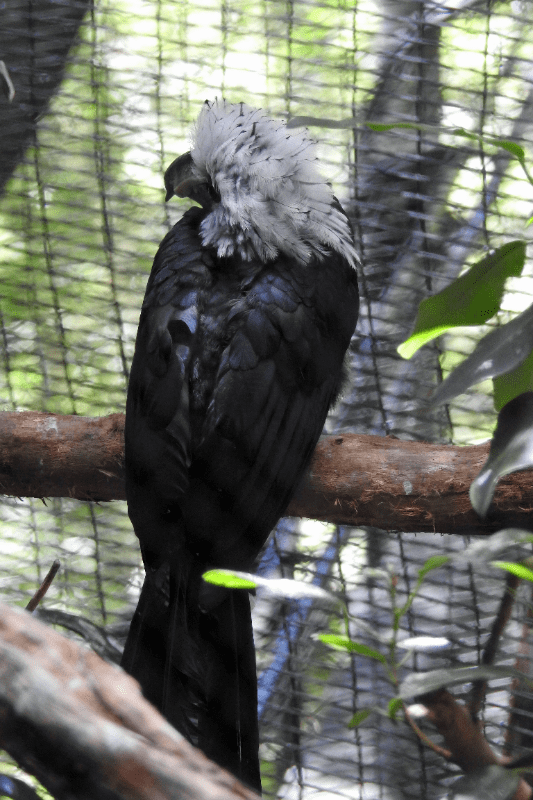
Figure 02-02. The black plumage of this Western Long-Tailed Hornbill shimmers when the light hits it.
Like many hornbills, this hornbill’s tarsi are pretty short (1.3–1.6″, 3.2–4.1 cm). Little is known about molting, other than females molt their wing and tail feathers while sealed in the nest cavity during incubation. Juveniles look similar to adults, but lack the crest and casque.
For a hornbill, its slender bill isn’t extraordinarily long (2.6–4.3″, 6.7–10.8 cm), but female bills are shorter than male bills, with the longest female bill reaching the length of the shortest male bill. Their black-and-ivory bills are much deeper (top to bottom, 1.2–1.6″, 3.1–4 cm) than wide (0.8–1.1″, 2.1– 2.8 cm). The bill is topped with a casque that extends nearly the entire length of the bill. In addition to lacking a casque, juveniles’ bills are slightly greenish.
The bare skin surrounding the pale irides (irises) looks charcoal-gray but has been described as blue, paler blue in juveniles; long eyelashes (barbless feathers) also protect their eyes.
Vocalizations
The Western Long-tailed Hornbill doesn’t vocalize as much as many other species of hornbills, but it does make what are called “plaintive, soft hoots”; you can listen to about 30 recordings of this species at https://xeno-canto.org/species/Horizocerus-albocristatus (note that the range map includes another species of hornbill in this genus). It has also been heard making a “raspy howl,” a drawn-out wail,” a short squawk, a cough-like sound, or “a harsh grating squeal” (by hungry chicks). No nonvocal sounds (e.g., taps or wingbeats) have been documented.
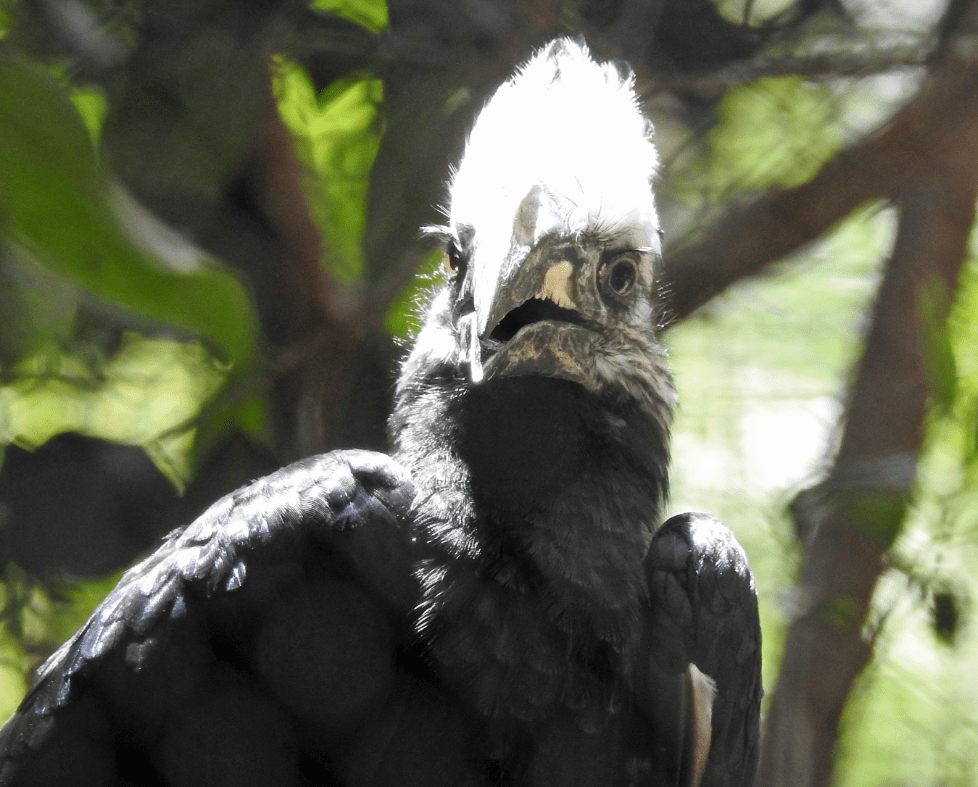
Figure 02-03. Western Long-tailed Hornbills don’t chat as much as many other hornbills.
Distribution, Habitat, and Migration
The Western Long-tailed Hornbill can be found across a narrow tropical strip (4.4–8.9 degrees of latitude) of southwestern Africa from Sierra Leone, through Liberia, (southeastern) Guinea, (southern) Côte d’Ivoire (Ivory Coast), (southern) Ghana, and Togo, to Benin. In Benin, it’s not certain whether sightings have been of this species or of the very similar Eastern Long-tailed Hornbill (Horizocerus cassini; remember John Cassin?).
To get a picture of this distribution, visit the eBird range map, based on reported eBird observations, at https://ebird.org/map/whchor1 . They live between sea level and 4,900 feet (0–1500 m) elevation, across about 166,000–224,000 square miles (430,000–580,00 km2). Definitive population estimates aren’t available, but it’s believed to be common in its range. Not generally considered endangered, some localized extinctions and population declines have been reported, chiefly due to habitat degradation, as well as hunting.
The Western Long-tailed Hornbill prefers dense tropical or subtropical humid primary and secondary evergreen forest, but it can also sometimes be found in tall riparian, riverine, gallery, and swamp forests, as well as deciduous woodlands, wooded ravines, shrubland, scrubland, thickets, roadside growth, heaths, copses, hedgerows, and even in parkland and cocoa and coffee plantations with mature forest trees. Like most hornbills, it does not migrate.
Food and Foraging
According to Avibase, the diet of the Western Long-tailed Hornbill includes 60% invertebrates (mostly insects, but also spiders and slugs), 20% land vertebrates (lizards, snakes, shrews, nestlings), and 20% fruits (e.g., fruits of oil palms). This hornbill forages by day, mostly about 16–115 feet (5–35 m) up in the understory, especially in the relative darkness of the subcanopy, picking invertebrates from foliage and other plant parts. If it spots prey on the ground, it swoops down to snatch it. While foraging, it will also cross open areas between patches of forest. It’s also opportunistic, following monkeys, bird parties, or driver ants (large army ants), which stir up insects for the hornbills to hawk easily.
Figure 02-04. The bill of this Western Long-tailed Hornbill is literally a deadly weapon — if you’re a lizard, a shrew, a spider, or a grasshopper.
Social Behavior, Breeding, and Life Span
Little is known about this hornbill’s social behavior, but it’s usually seen in pairs or in family groups, though it has occasionally been reported in flocks of up to eight. Though little is known about its breeding behavior, it’s thought to breed in monogamous pairs, with no helpers. They breed seasonally, probably in January–February, April, and August–December. Like other tree-dwelling hornbills, they nest in natural tree cavities, typically about 33–52 feet (10–16 m) above ground. The female seals the cavity’s entrance with her own feces, and her partner feeds her while she prepares to lay, during incubation, and presumably during fledging, as well. She lays two eggs, but the length of incubation and of fledging has not been reported. Though one report found that two nestlings fledged, most indicate that only one nestling fledges from the clutch.
Age at first breeding is about 2 years. The average generation length is 5.4 years. The reported annual survival rate of adults 82% or more. Avibase indicates that the maximum age of this species is 14 years.
Conservation Status
The IUCN Red List conservation status of the Western Long-tailed Hornbill is LC, Least Concern. Though it is patchily distributed, it is widespread and locally common in many locations. Habitat loss and hunting are threatening this species in many other locations, and it has suffered a population decline of 0–9% over 10 years. It does enjoy protection in several large reserves in several nations. In addition, this species is resilient and able to tolerate some degradation of habitat (e.g., due to logging) better than some larger hornbill species, though there are limits to its adaptability. Another advantage for this species is that it isn’t easily hunted for bushmeat as much as some larger hornbills, though it is found in bushmeat markets of a few West African countries. To conserve this species into the future, habitat preservation and population monitoring research are needed. Captives of this species are also held at four institutions in four countries: 7 males, 3 females, 1 unsexed, 11 total, including at the San Diego Zoo and the Central Park Zoo.
Figure 02-05. For this Western Long-tailed Hornbill, it’s advantageous to be smaller than many other hornbills. It’s not as desirable to hunters, and it needs smaller expanses of forest in which to forage.
Observations
The Cornell Lab of Ornithology gathers information about the Western Long-tailed Hornbill (Horizocerus albocristatus) from observers around the world through the eBird app and website (https://ebird.org/species/whchor1 ), which holds 2,043 observations, 175 of them with photos, and 23 of them with audio recordings. The lab’s Macaulay Library website (https://search.macaulaylibrary.org/catalog?taxonCode=whchor1 ) includes 265 photos, 27 audio recordings, and 16 videos.
In addition, the iNaturalist app and website, https://www.inaturalist.org/observations?taxon_id=512155 , includes 53 observations.
Eastern Yellow-billed Hornbill, Tockus flavirostris
Etymology and Vocalizations
The Eastern Yellow-billed Hornbill’s genus name, Tockus, is said to come from Portuguese, imitating the “toco-toco-tock” sound of these hornbills’ vocalizations. Others have described its vocalizations as cackling. You can listen to 6 audio recordings of this species at https://xeno-canto.org/species/Tockus-flavirostris , to see for yourself what it sounds like. This hornbill’s common English name and its Spanish name, Toco de Pico Amarillo, both refer to its yellow bill; so does its species name, flavirostris. Flavus is Latin for “yellow,” and rostrum (and rostris) is Latin for “bill” or “beak.” In 1835, German naturalist and explorer Wilhelm Peter Eduard Simon Rüppell identified this hornbill as Tockus flavirostris, having found it in Ethiopia; the German common name eludes me, but it probably notes the yellow bill, too. (Rüppell had about 20 animals named honoring him, including the magnificent Rüppell’s vulture, Gyps rueppelli.)
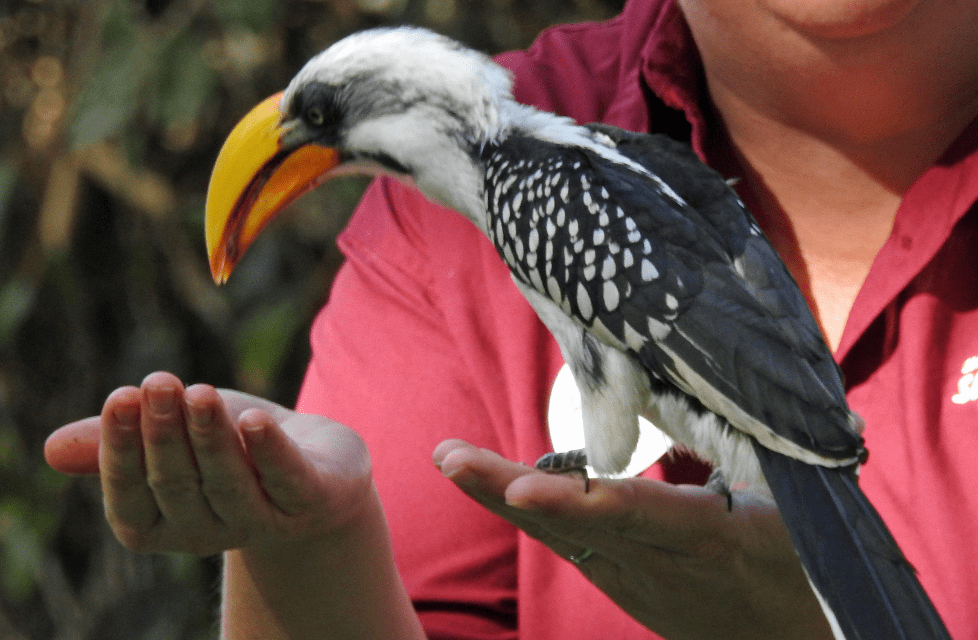
Figure 03-01. If ever there was a bird who earned the name Yellow-billed Hornbill, it’s this Eastern Yellow-billed Hornbill.
Description
The Eastern Yellow-billed Hornbill is even smaller than the Western Long-tailed Hornbill, at
6–9.7 ounces (170–275 g); once again, males weigh quite a bit more than females, as you can guess from the range in weight. They’re about 15.7″ long (40 cm), much of which is its tail (7.4–9.5″, 18.7–24.2 cm long). Compare tail length with wing length: 6.9–8.3″ (17.5–21.1 cm). Its tarsus length (ankles to toes) is relatively long for such a small hornbill: 1.4–1.8″ (3.5–4.6 cm).
Its plumage attracts attention, with white spots on its black wing plumage, white on its outer tail, a white head and neck adorned with black plumes, and white legs and belly. Its bright yellow bill has just a slight casque, even smaller on females than on males. The bill is about 2.9–3.8″ (7.3–9.7 cm) long, 1.1–1.4″ (2.9–3.5 cm) deep (top to bottom), and 0.6–0.8″ (1.6–2.1 cm) wide (side to side). Bare black skin and dark eyelashes (barbless feathers) also surround its yellow eyes, and a patch of bare skin sits at the top of its throat — black in females, pink in males (see https://macaulaylibrary.org/asset/655700127 for a view of a male and a female). The bill of juveniles is smaller, duller, and casqueless.
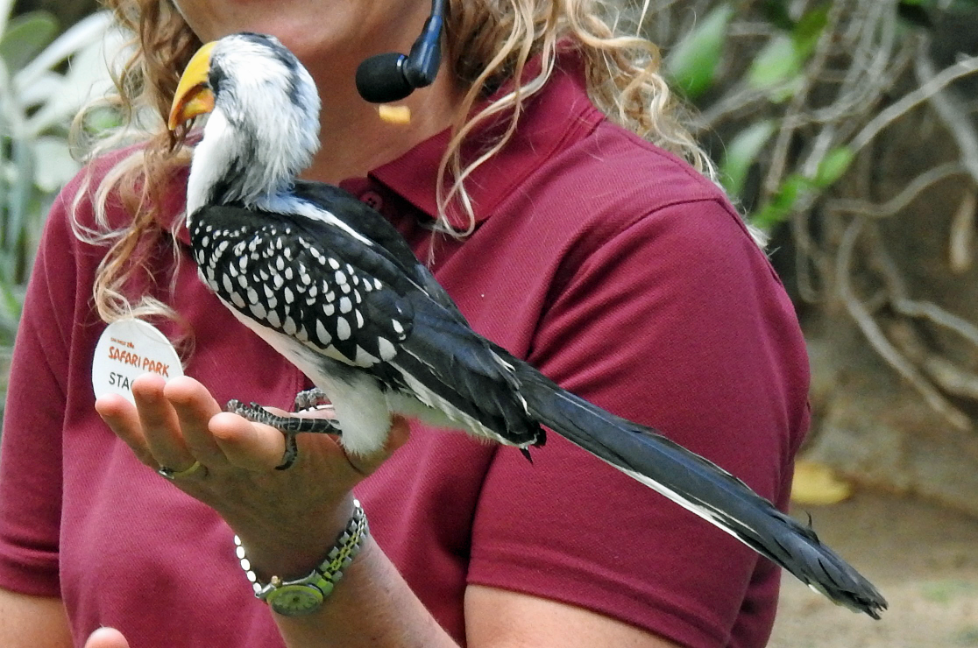
Figure 03-02. The Eastern Yellow-billed Hornbill has the usual big bill of a hornbill, but its tail length and tarsus length are proportionately longer than many other hornbills.
Distribution, Habitat, and Migration
The Eastern Yellow-billed Hornbill earns its name “Eastern,” being distributed at the easterly “Horn of Africa,” including areas in Djibouti, Eritrea, Ethiopia, Kenya, Somalia, South Sudan, Sudan, Tanzania, and Uganda. To see a range map, generated from year-round eBird observations, visit https://ebird.org/map/eybhor1 . Its range covers 559,850–1,057,900 square miles (1,449,740–2,740,000 km2), in the tropical zone between +16.04 and −4.27 degrees latitude, between sea level and 4,600 feet (1,400 m) of elevation.
Though this hornbill does need trees, it’s content with more open woodlands than many other hornbills, such as acacia woodlands, thornbrush, savanna woodlands, shrublands, pampas, and more. Like other hornbills, it doesn’t migrate, but it will move nomadically, wandering to wherever it finds adequate food supplies.
Figure 03-03. This delightful Eastern Yellow-billed Hornbill at the San Diego Zoo’s Safari Park is showing how quickly and easily it can get around.
Food and Foraging
According to Avibase, the diet of the Eastern Yellow-billed Hornbill is 80% invertebrates (especially grasshoppers and termites) and 20% fruits (figs being a favorite). Though it forages mostly on the ground, snatching up prey, it also often visits trees to grab fruit snacks. This hornbill also has a mutualistic association with dwarf mongooses; in exchange for the mongooses flushing potential prey, the hornbills will watch out for potential predators. These small birds can be both predator and prey. With a less fruity diet than many other hornbills, it will drink water when it’s available.
Social Behavior and Breeding
Little information is available regarding the social behavior of the Eastern Yellow-billed Hornbill, but it’s believed to hang out in pairs or in small family groups, within its territory. The timing of breeding seems to differ in different regions. Like other tree-dwelling hornbills, it uses natural nest cavities for raising its young, usually about 5–15 feet (1.5–4.5 m) up in a tree (or a rock face). It lines the nest with bark and wood chips. The female, sealed into the nest, lays 2–3 eggs, and molts her tail and wing feathers. Her mate feeds her during this time. So far, no reports indicate the length of incubation or of the fledging period. Age at first breeding is 1.3 years.
Figure 03-04. Little is known about the social behavior of the Eastern Yellow-billed Hornbill, but it does seem to respond well to social cues.
Survival and Life Span
The average annual survival rate of adult Eastern Yellow-billed Hornbills is estimated at 79%. The average generation length is 3.3–5.0 years (4.65 years by some estimates). The maximum recorded age is 15.4 years.
Conservation Status
The IUCN Red List conservation status of the Eastern Yellow-billed Hornbill is LC, Least Concern. Its population decline over 10 years is estimated at 4% (0–7%). Though it’s not common and is sparsely distributed, its large range includes numerous big nature reserves and other protected areas, as well as areas with low human population density or human disturbance. Threats to this species include habitat destruction and degradation, especially the loss of large trees, such as due to conversion to agricultural croplands and settlements, as well as to droughts, which may increase as the climate crisis intensifies. Compared with other hornbill species, this species appears to be less threatened by hunting and by trade. In addition to conservation of habitat, this hornbill would profit from research monitoring its population. Modest ex situ conservation efforts are at 10 holding institutions, in 5 countries, where 18 hornbills are held in captivity: 9 males, 7 females, 2 unsexed.
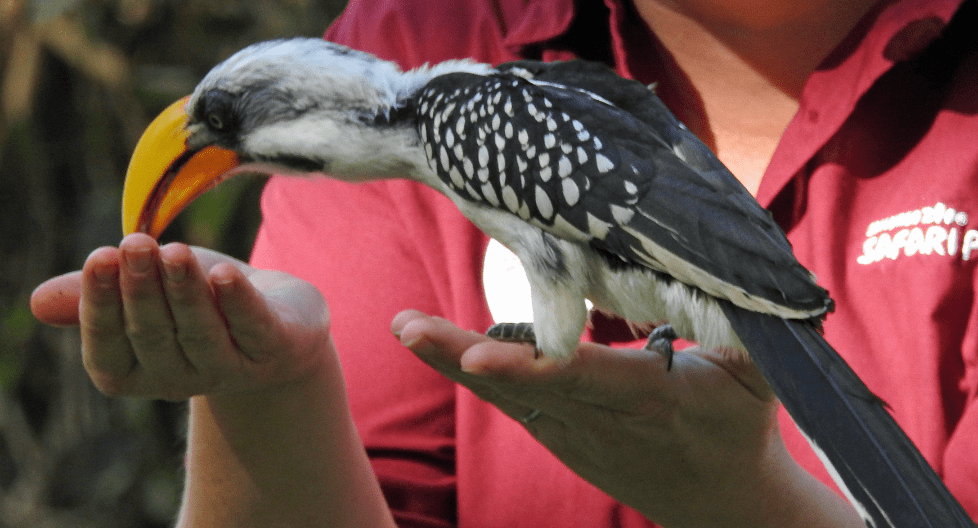
Figure 03-05. The San Diego Zoo’s Safari Park is one of a few places trusted to protect this charismatic species of hornbill.
Observations
The Cornell Lab of Ornithology gathers information about the Eastern Yellow-billed Hornbill (Tockus flavirostris) from observers around the world through the eBird app and website (https://ebird.org/species/eybhor1 ), which holds 3,736 observations, 505 of them with photos, and 5 of them with audio recordings. The lab’s Macaulay Library website (https://search.macaulaylibrary.org/catalog?taxonCode=eybhor1 ) includes 859 photos, 5 audio recordings, 23 videos.
In addition, the iNaturalist app and website, https://www.inaturalist.org/observations?taxon_id=5484 holds 224 observations (e.g., https://www.inaturalist.org/observations/338548846 ).
References
Hornbills (Bucerotidae)
- Winkler, D. W., S. M. Billerman, and I. J. Lovette (2025). Hornbills (Bucerotidae), version 1.1. In Birds of the World (S. M. Billerman, B. K. Keeney, P. G. Rodewald, and T. S. Schulenberg, Editors). Ithaca, NY: Cornell Lab of Ornithology. https://doi.org/10.2173/bow.bucero1.01.1
- https://en.wikipedia.org/wiki/Hornbill
Trumpeter Hornbill (Bycanistes bucinator)
- Kemp, A. C. and P. F. D. Boesman (2020). Trumpeter Hornbill (Bycanistes bucinator), version 1.0. In Birds of the World (J. del Hoyo, A. Elliott, J. Sargatal, D. A. Christie, and E. de Juana, Editors). Ithaca, NY: Cornell Lab of Ornithology. https://doi.org/10.2173/bow.truhor1.01
- https://avibase.bsc-eoc.org/species.jsp?avibaseid=3A4D2B44
- https://avibase.bsc-eoc.org/species.jsp?lang=EN&avibaseid=3A4D2B44022BBB52&sec=lifehistory
- https://ebird.org/species/truhor1?
- https://ebird.org/map/truhor1
- https://en.wikipedia.org/wiki/Coenraad_Jacob_Temminck
- https://en.wikipedia.org/wiki/Trumpeter_hornbill
- https://www.inaturalist.org/observations?taxon_id=507913
- https://www.iucnredlist.org/species/22682548/130081383
Western Long-tailed Hornbill (Horizocerus albocristatus)
- Kirwan, G. M. and A. C. Kemp (2023). Western Long-tailed Hornbill (Horizocerus albocristatus), version 1.0. In Birds of the World (B. K. Keeney and N. D. Sly, Editors). Ithaca, NY: Cornell Lab of Ornithology. https://doi.org/10.2173/bow.whchor1.01
- https://birdsoftheworld.org/bow/species/whchor1/cur/introduction
- https://avibase.bsc-eoc.org/species.jsp?avibaseid=8009A6BC
- https://avibase.bsc-eoc.org/species.jsp?lang=EN&avibaseid=8009A6BC962FCC6A&sec=lifehistory
- https://ebird.org/species/whchor1
- https://en.wikipedia.org/wiki/John_Cassin
- https://en.wikipedia.org/wiki/Western_long-tailed_hornbill
- https://www.inaturalist.org/observations?taxon_id=512155
- https://www.iucnredlist.org/species/22725946/277507694
Eastern Yellow-billed Hornbill (Tockus flavirostris)
- Kemp, A. C. and P. F. D. Boesman (2020). Eastern Yellow-billed Hornbill (Tockus flavirostris), version 1.0. In Birds of the World (J. del Hoyo, A. Elliott, J. Sargatal, D. A. Christie, and E. de Juana, Editors). Ithaca, NY: Cornell Lab of Ornithology. https://doi.org/10.2173/bow.eybhor1.01
- https://birdsoftheworld.org/bow/species/eybhor1/cur/introduction
- https://avibase.bsc-eoc.org/species.jsp?avibaseid=3BCD9CB0
- https://avibase.bsc-eoc.org/species.jsp?lang=EN&avibaseid=3BCD9CB04F97F03E&sec=lifehistory
- https://ebird.org/species/eybhor1
- https://en.wikipedia.org/wiki/Eduard_R%C3%BCppell
- https://en.wikipedia.org/wiki/Eastern_yellow-billed_hornbill
- https://www.inaturalist.org/observations?taxon_id=5484
- https://www.iucnredlist.org/species/22682379/282171331
Etymology
- Lederer, Roger, and Carol Burr. (2014). Latin for Bird Lovers: Over 3,000 Bird Names Explored and Explained (224 pages). Portland, OR: Timber Press.
- Gotch, A. F. [Arthur Frederick]. Birds—Their Latin Names Explained (348 pp.). Poole, Dorset, U.K.: Blandford Press.
- Gruson, Edward S. (1972). Words for Birds: A Lexicon of North American Birds with Biographical Notes (305 pp., including Bibliography, 279–282; Index of Common Names, 283–291; Index of Generic Names, 292–295; Index of Scientific Species Names, 296–303; Index of People for Whom Birds Are Named, 304–305). New York: Quadrangle Books.
Text and images by Shari Dorantes Hatch. Copyright © 2026. All rights reserved.
All images were taken at the San Diego Zoo or its Safari Park.


Leave a Reply