
Andean Condor, Vultur gryphus
Figure 01. Unlike most other vultures, Andean Condors show sexual dimorphism, with males looking quite different from females. This male’s head comb and neck wattle distinguish him (“Bochica”) from the bare-headed female Andean Condor (“Chia”).
This is the second of four blogs about the family of New World vultures. The first blog in this series focused on the Cathartiformes order and its solitary family Cathartidae, better known as New World vultures (https://bird-brain.org/2026/08/02/new-world-vultures-part-1/ ). Two additional blogs will be included in this series. They will focus on the Turkey Vulture (Cathartes aura) and on the California Condor (Gymnogyps californianus). The other four living species will not be discussed in separate blogs — King Vulture (Sarcoramphus papa), Black Vulture (Coragyps atratus), Lesser Yellow-headed Vulture (Cathartes burrovianus), and Greater Yellow-headed Vulture (Cathartes melambrotus) — though they were discussed briefly at the end of Part 1 of this series.
The current blog focuses on the Andean Condor, Vultur gryphus, as follows:
- Etymology
- Taxonomy
- Description
- Distribution, Habitat, and Movement
- Food and Foraging
- Other Behavior
- Breeding
- Lifespan (Survival), Threats
- Conservation Status
- Relationship with Humans
- Observations
- References
Etymology
The meaning of this condor’s Latin genus name, Vultur, is obvious, but less obvious is the origin of the word vulture, which stems from Latin vellere, to “pluck” or to “tear.” Its binomial species name, gryphus, comes from Greek for “hook-nosed,” aptly describing this vulture’s bill.
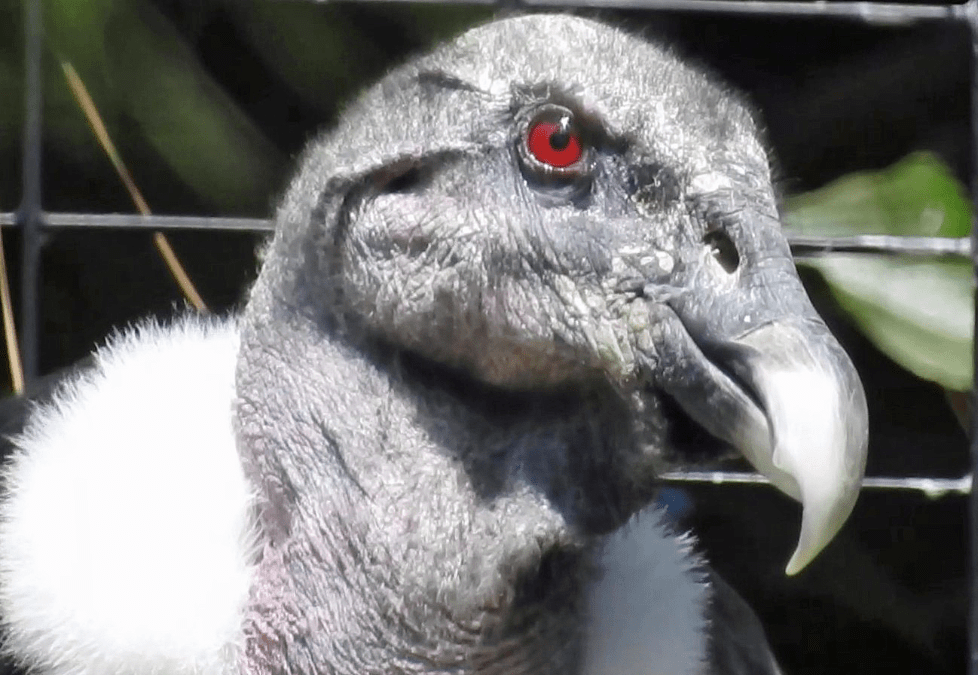
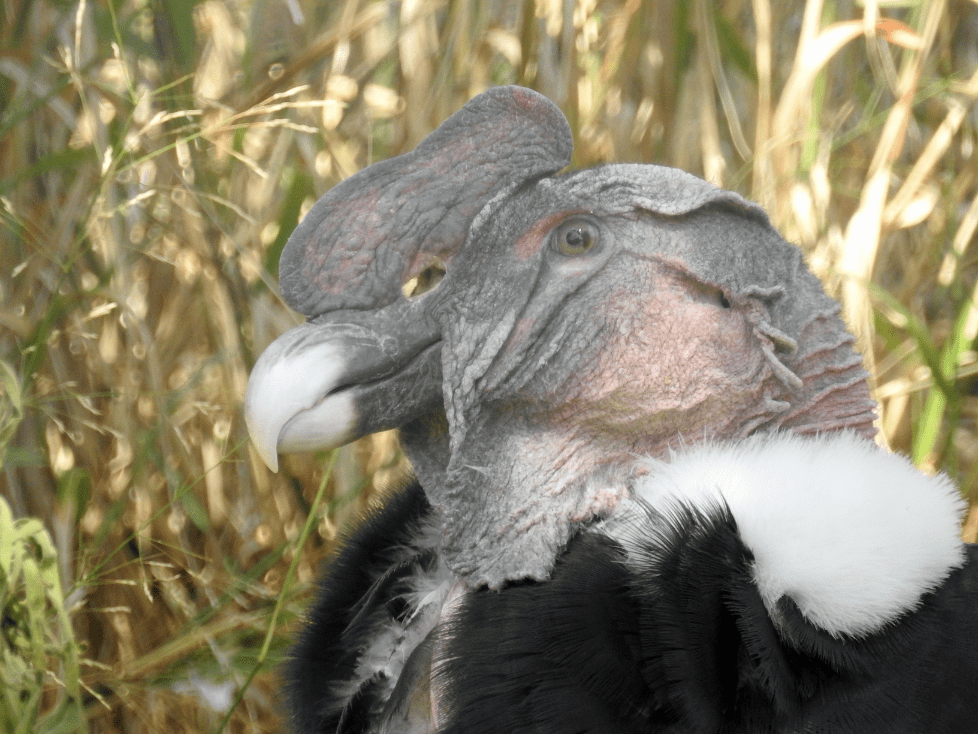
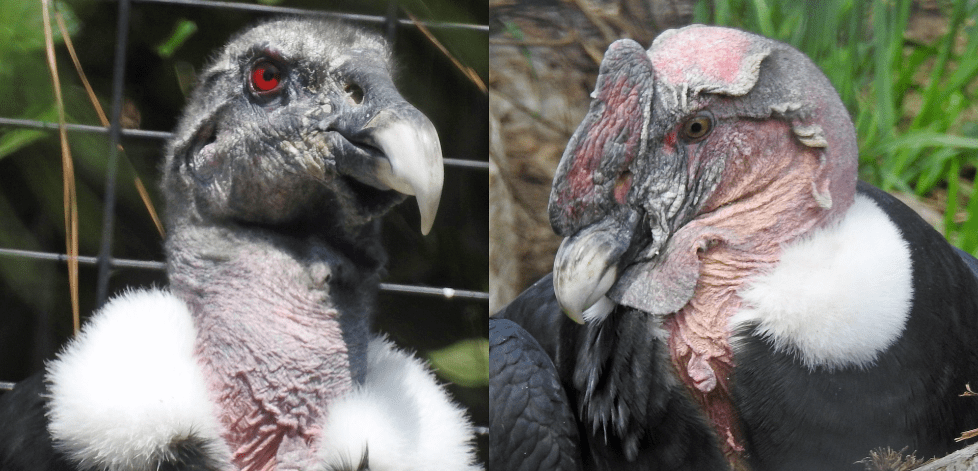
Figure 02. Both this female (left) and this male (right) Andean Condor have earned their gryphus — “hooked-bill” — name.
Its common name condor is a Spanish-ized version of the Quechua word, cuntur or kuntur, for these birds. Like Andean Condors, Quechua pervades the Andean nations of South America, originating in Peru. The contemporary Spanish name for this vulture is Cóndor Andino.
Taxonomy
To summarize the taxonomy for the Andean Condor: kingdom, Animalia; phylum, Chordata; class, Aves; order, Cathartiformes; family: Cathartidae; genus, Vultur; species, Vultur gryphus; common name, Andean Condor. Like most other vultures, it is monotypic, having no subspecies.
In 1758, taxonomist Carl Linnaeus published the tenth edition of his Systema Naturae, in which he described the Andean Condor, based on a type specimen found in Chile. Linnaeus gave this vulture the binomial scientific name it still has: Vultur gryphus. (To see the actual Latin text, on page 86 of his book, visit https://www.biodiversitylibrary.org/item/10277#page/101/mode/1up .) At that time, this vulture’s common name was often linked to wherever it was observed, such as “Bolivian Condor,” “Peruvian Condor.” There is little fossil evidence of this species, but it’s believed to date back as early as the Plio-Pleistocene epoch, as far back as 5 million years ago. It seems easier to think of a condor as a dinosaur than to think of a finch as being one.
Description
Measurements
Considered the largest bird of prey in the world and one of the largest flying birds, the average weight of an Andean Condor is greater than that for any living flying bird, even heavier than the average Trumpeter Swan (Cygnus buccinator) or Dalmatian Pelican (Pelecanus crispus), although some male Kori Bustards (Ardeotis kori) are heavier.
The mean weight is 25 pounds (11.3 kg), but the female condor is smaller than the male, an exception to the usual sexual dimorphism seen in birds of prey. Specifically, males average about 28 pounds (12.5 kg; 24.3–33 pounds,11–15 kg), females average about 22 pounds (10.1 kg, 17.6–24.3 pounds, 8–11 kg). Their hatchlings start out at just half a pound (0.26 kg), however.
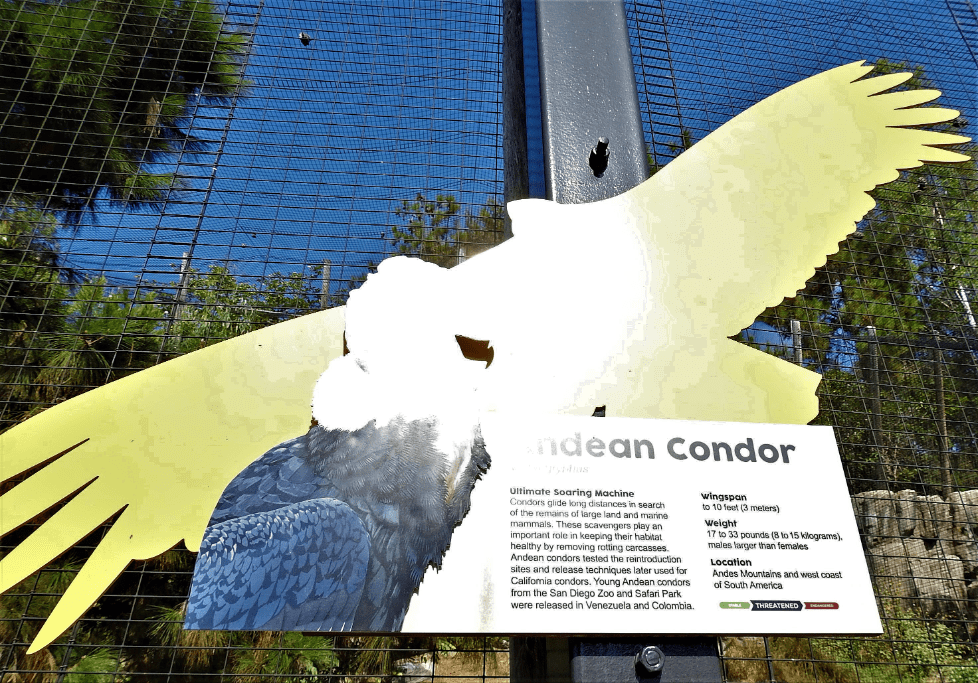
Figure 03. The most prominent feature of the San Diego Zoo’s “Eagle Trail” sign for the Andean Condor is its wingspan.
The Andean Condor is about 39–51″ long (3’3″–4’3″, 100–130 cm), bill to tail. Far more impressive, however, is its wingspan, the longest of any living, flying land bird. Its mean wingspan is around 111″ (9’3″, 283 cm), with a typical range of 102–126″ (8’6″–10’6″, 260–320 cm) and a maximum verified wingspan of 130″ (10’10”, 330 cm). At sea, the Great Albatross, Dalmatian Pelican, and Great White Pelican have longer wingspans. In addition to being long (each wing is about 29–33.5″, 2′ 5–9.5″, 74.6–85.2 cm long), the wings are wide, so that Andean Condor wings have the largest surface area of any living bird. Even the tail is impressively long: 12.4–15″ (31.5–38 cm). To have an idea of the immensity of these wings (and tail), see https://macaulaylibrary.org/asset/253827961 , https://macaulaylibrary.org/asset/614968118 , https://macaulaylibrary.org/asset/434114311 , https://macaulaylibrary.org/asset/204923371 .
Plumage
Adult Andean Condor plumage is mostly black, with white bands on the wings, visible both when flying and when at rest — except that both males and females have a vividly white neck ruff of fluffy, wispy plumulaceous feathers (not hooked like most feathers). Juveniles start out with brown plumage, with a brown neck ruff; juveniles don’t show fully adult coloration until about 8 years of age.
Bare Parts
The featherless areas are more likely to dehydrate (dry off) and are better exposed to the sterilizing effects of high-altitude ultraviolet light, an advantage for carrion eaters. The featherless (and eyelash-less) head and neck are mostly gray, getting pinker or redder at the base. At times, however, the skin flushes in response to the vulture’s emotional state, flushing to red (e.g., courtship in males and females) or perhaps yellow (e.g., antagonistic, more likely in males, who often have yellower skin than females). Eye color differs by sex, too, with female eyes red, and male eyes pale brown.
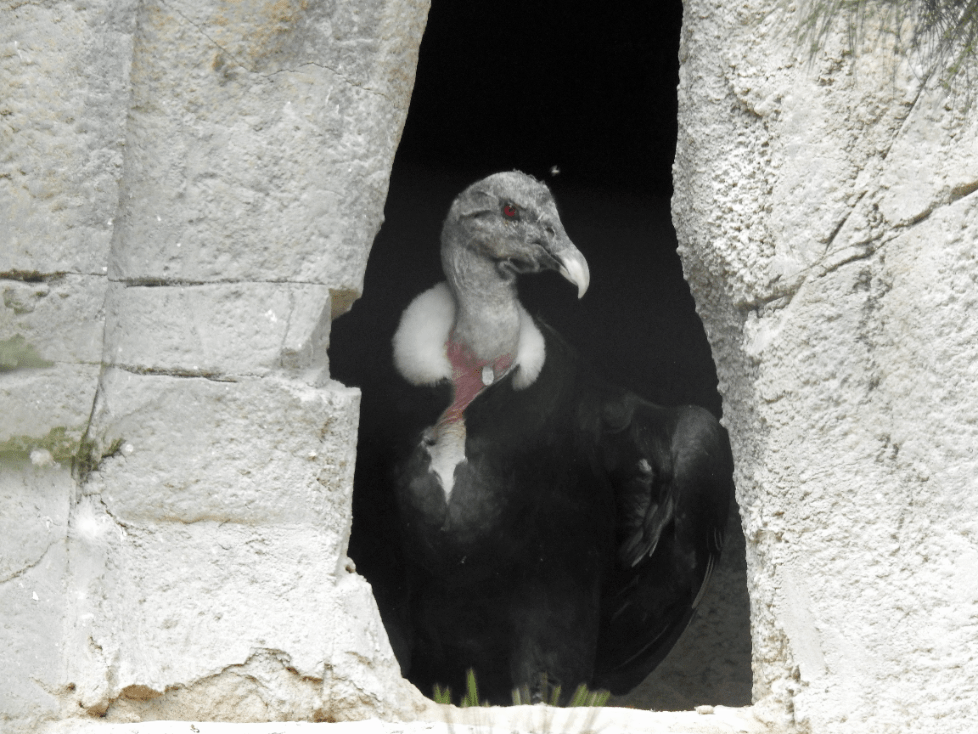
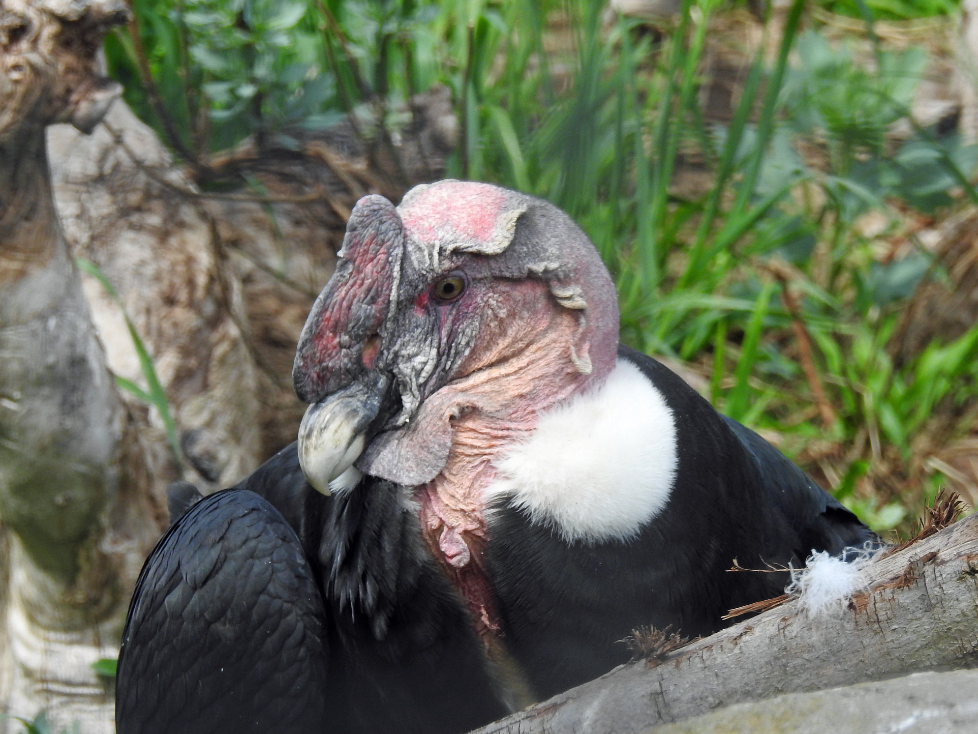
Figure 04. This Andean Condor female not only weighs less than the male, but also her face and neck look quite different. Females also have red eyes, whereas males’ eyes are pale brown (or grayish hazel). Neither sex has eyelashes.
Sexually dimorphic in both size and appearance, males have a wattle hanging from their neck and a large dark reddish comb on the crown of the head, which increases in size over time. Females lack the wattle and comb, but below the chin is an extendable skin fold. The bill on both males and females is dark at the base and white at the hooked tip — about 3.4–4.5″ (8.8–11.5 cm) long and a little more than 1″ deep and 1″ wide. Though not truly deadly, the bill is well adapted for tearing rotten flesh. In juveniles, the bill starts out all black.
The feet and toes of Andean Condors are well suited to walking, but of little use in capturing or killing prey or even as defensive weapons. Each leg has a short tarsus (ankle to toes) length: 4.5–5.6″ (11.5–14.3 cm), with toes ending in relatively straight and blunt talons. Of the three forward-facing toes on each foot, the middle toe is elongated, but the hind toe is stunted.
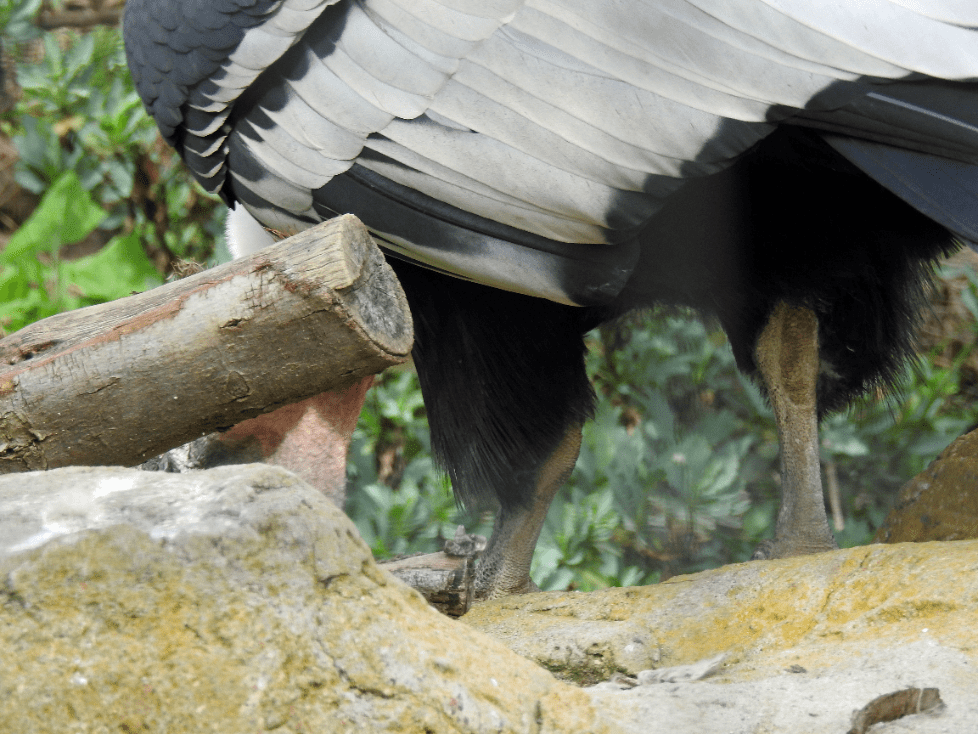
Figure 05. Though these vultures live in the chilly Andes, they still engage in urohidrosis, defecating on their legs, such that accumulated white uric acid whitens their legs.
Sounds and Vocal Behavior
Vultures have no syrinx, so they can’t truly sing, but they do make some interesting vocalizations, 8 of which you can hear at https://xeno-canto.org/explore?query=andean%20condor . They have been heard clucking during courtship and making hissing or rattling sounds while interacting with others near a carcass.
Distribution, Habitat, and Movement
Distribution
In the 1800s, Andean Condors resided throughout the entire length of the Andes — from western Venezuela to Tierra del Fuego — as well as regions of the Pacific coast of South America. Human activity has significantly reduced its reach, as well as its population since then. It’s now rarely seen in the Andes north of Peru, such as in Venezuela, or in northeastern Colombia (e.g., the Sierra Nevada mountains of Santa Marta). It is, however, being reintroduced into Venezuela and into places in Bolivia, and its population has been bolstered by programs of captive breeding and reintroduction in Argentina, Chile, and Colombia.
As a resident, it continues to soar in the skies over Argentina, Bolivia, Chile, Ecuador, and Peru, and as a vagrant, it has been seen in Brazil (mostly southwest), Paraguay, and Venezuela, as well as on the Pacific coast of Chile, Colombia, and Peru. Its range extends from −55.72 degrees south of the equator to +10.93 degrees north of the equator. Its total range is 982,120–3,289,600 square miles (2,543,681–8,520,000 km²). (Please see eBird’s range map, https://ebird.org/map/andcon1? , for its entire range.)
Habitat
As you may have guessed, based on its geographic distribution, the Andean Condor comfortably enjoys habitat from sea level to tall Andean peaks, 0–16,400 feet (0–5000 m) elevation. It is most often found on grasslands — punas, altiplanos, pastures, steppes, and so on, where it’s easy to spot carrion. A favorite habitat is meadows where large herbivores (e.g., llamas) graze. Nonetheless, it’s also commonly found in desert habitats, as well as shrublands and forests — taiga, swamp forests, secondary forests (regrown after a timber harvest), cloud forests, and so forth. On the Pacific coast and on bays, estuaries, and dunes, it searches for stranded whales, seals, and other sea mammals, as well as large seabirds.
Figure 06. Andean Condors, such as this male at the San Diego Zoo, are able to adapt to a wide variety of habitats.
When breeding, the Andean Condor requires cliffs for nesting.
Migrations and Other Movements
While foraging, Andean Condors may cover great distances in search of food (more than 120 miles/day, 200 km), but they don’t truly migrate geographically. They reside in some locations year-round if an abundance of carrion can be found there. Some Andean Condors do, however, seasonally migrate in elevation (altitudinal migration).
Food and Foraging
Andean Condors are obligate scavengers; according to Avibase, close to 100% of their diet is carrion. These vultures are well suited to searching for large prey from the air, mostly medium-to-large mammals, but also large birds (e.g., rheas, large flightless birds). In the altiplanos of the Andes, dead guanacos and llamas provide filling meals. As domestic livestock has become more common and widespread, these condors have adapted and now consume dead cattle, horses, sheep, goats, and dogs. Since humans have introduced various game species, they also eat the carcasses of wild boar and red deer, as well as foxes and rabbits, though they consume smaller carcasses much less often. On rare occasions, they’ve been seen hunting small living rodents or small birds, repeatedly jabbing them with the bill to kill them.
On the Pacific coast of South America, they dine on beached sea mammals, including whales (toothed, e.g., dolphins, or baleen) and seals. In the birthing season, these condors feast on seal placentas left after the pups are born. They also eat shark carcasses. At seabird colonies, they eat dead seabirds, as well as the eggs of small seabirds, perhaps also seabird youngsters. In coastal areas providing an abundance of food, Andean Condors may stay within several miles (kilometers) of a richly generous beach-front territory.
In the wild, Andean Condors indirectly consume plenty of plant matter by eating the viscera of a carcass. Researchers analyzing their droppings found that 90% contained plant matter, and of those instances, about 35% contained mostly plant matter (about 80% by volume). This plant matter provides them with carotenoids, which their bodies use to produce yellow and red pigments, seen in the skin of adult males, the irises of adult females, and the vividly orange-yellow tongues of both females and males. In captivity, if keepers feed the captive condors only on flesh, these condors will have lower concentrations of carotenoid pigments.
Figure 07. Though Andean Condors aren’t suited to killing prey, they’re well equipped for tearing apart dead carcasses. (Did you notice her distinctively shaped yellowish tongue?)
Peak feeding time seems to be the middle of the day, though it opportunistically eats whenever carrion is spotted. Its powerful bill easily tears open animal hide and skin and extracts flesh and viscera from a carcass. Its feet and talons, however, lack the gripping strength to grasp and carry off a small carcass, so these vultures must feed on carrion entirely on the ground. Unable to carry off food to cache for later eating, these condors gorge themselves on carrion while it’s available. They may fill themselves so fully that they’re too heavy to lift off the ground to fly away. After they have digested enough — and defecated enough — they can fly off. They may then go a few days without eating, apparently with no detrimental effects.
At a large carcass, up to 40 vultures (e.g., Black Vulture, Turkey Vulture) may be seen, but the adult Andean Condor dominates the carcass until it has had its fill. In Patagonia, Andean Condors have been observed harassing pumas, with the condor forcing the puma to leave a carcass prematurely. Researchers have noted that where Andean Condors interfere with pumas, the pumas kill more prey, to allow for the condor tax.
Like other vultures, Andean Condors play a crucial role in the ecosystem, swiftly disposing of rotting carcasses that would otherwise pose disease hazards.
Other Behavior
Locomotion
Condors often rest and roost on high places, such as cliffs, so that when they’re ready to take flight, they need just a few wing flaps to get aloft. When they must get airborne elsewhere, they need a running start, while flapping their wings (see https://macaulaylibrary.org/asset/654673109 for an image of an Andean Condor getting airborne).
Figure 08. Andean Condors rely on soaring flight, rather than powered (flapping) flight, so they typically land on high places, so that when they’re ready to take flight, they need only launch into the air, without much effort.
Condors are built for soaring, not for powered (flapping) flight. For most flying birds, a large sternum anchors their large flight muscles, to flap during flight. Condors lack a large sternum, so they’re poorly equipped for extensive flapping flight. About 75% of their flapping occurs during take-off.
At clifftops, these condors launch into the rising thermal air currents that will keep them aloft through soaring flight. Once it gains altitude, the condor flaps its wings only about 1% of the time it’s airborne (unless it’s taking short flights involving more time getting aloft than staying aloft). It holds its massive wings horizontally, and the tips of its primary flight feathers bend upward, reducing drag due to whirling air currents. In patches of air where the thermals aren’t enough, these condors glide, as gravity slowly tugs them downward; when gliding, they may occasionally flap to fly back upward. Evolutionary theorist Charles Darwin wrote (in The Voyage of the Beagle) that he had watched condors for more than half an hour without seeing one single flap of their wings.
Social Behavior
Among large groups of condors, such as those congregated around a carcass, a pecking order determines who will have first and longest access to the carcass. Size and age are key factors, but body language, vocalizations, and competitive play behavior may also affect pecking order.
Andean Condors and other vultures also seem to have mutually beneficial relationships. Other vultures such as the scent-detecting Cathartes vultures (Turkey Vulture and two other species) may be the first to arrive at a carcass, and the Andean Condor may find the carcass by finding these vultures. For large animals, these smaller vultures can’t tear through the hides of these carcasses, so they rely on the Andean Condor to open up the carcass. Its price for doing so is being first and foremost at eating it, but for a large carcass, there’s still plenty left for the other vultures as the condor gets its fill. The Andean Condor doesn’t count on others to find a carcass, however, proficiently finding carrion on its own. When Black Vultures or mammalian scavengers find a carcass, they may fruitlessly try to resist the condor’s dominance, but to little avail.
Figure 09. Like other flighted birds, Andean Condors must preen their feathers to align them; they also go above and beyond, however, to ensure that they have removed particles of rotting flesh, which could be hosts to pathogens.
Breeding
Research suggests that Andean Condors breed at different times of year in different locations. They appear to breed only every second year, or perhaps as often as every 18 months, depending on how much food is available for feeding adults and nestlings. This isn’t as surprising when considering that parents take about a year to raise each youngster.
Most Andean Condors mate for life, or at least for a long time. During courtship, the male’s neck flushes to bright yellow and inflates; he stretches out his neck, approaches the female, hisses, extends his wings, and clicks his tongue. Who could resist? He may also cluck while hopping with his wings partially spread, or even may appear to dance. So romantic!
Nests
When choosing a nest site, Andean Condor pairs seek out cliff or rock ledges about 9,800–16,400 feet (3,000–5,000 m) in elevation, inaccessible to most mammalian predators. If cliffs are unavailable, the pair will find a boulder on a slope, with partial shade. The female lays the 1 or 2 eggs, and a few sticks are placed around the egg(s).
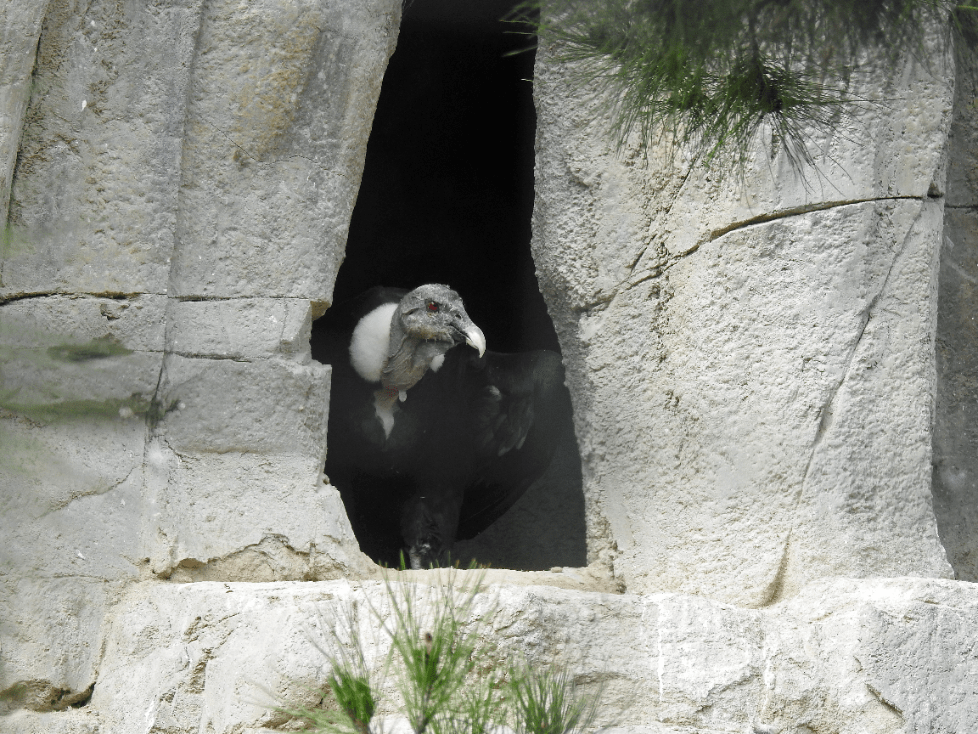
Figure 10. Andean Condor pairs seek out cliff ledges for nesting. This Andean Condor female, “Chia,” and her mate, “Bochica,” have parented 22 offspring at the San Diego Zoo; 11 of their young have been released into the wild.
Eggs, Incubation
Andean Condor moms lay one or two bluish-white eggs (each weighing 9.5–9.9 ounces, 270–280 g; 3.0–3.9″, 75–100 mm long), then both parents incubate the eggs for about 54–58 days (50–60 range). If the egg or the chick doesn’t survive, the mom lays a second egg. Captive breeders take advantage of this behavior by removing the pair’s first egg to hand rear it, then allowing the pair to incubate the second egg and rear the chick.
Chicks
It takes time to go from weighing less than 10 ounces, 4 inches long, to being a full grown 25-pound condor with a wingspan more than 9 feet. Until they’re nearly the size of their parents, their feathers are still grayish down. The chicks don’t fledge until about 6 months of age, but the parents continue to care for them for at least an additional 4 months. If you add the time for nesting, egg-laying, and incubation, Andean Condor parents spend more than a year raising each youngster. In fact, the young often remain with their parents for their first two years. Their young don’t reach sexual maturity until at least 5 or 6 years of age, with most males reaching maturity at age 7. They don’t show adult plumage until about 8 years of age, and in captivity, it can appear even later. Average generation length is about 18–30 years.
Lifespan (Survival), Threats
Lifespan
Annual survival rate of adult Andean Condors is 93–94%. Individually, Andean Condors may be slow to mature, but they’re extremely long-lived birds, with most wild birds living more than 50 years. In captivity, they have been documented to live more than 70 years: 71- and 72-year-old captive-held birds, and even a male who hatched at Connecticut’s Beardsley Zoo, nicknamed “Thaao,” lived to be 79 years old — the longest verified age for any bird. (Some parrots have been reported to live longer, but authentication is shaky.)
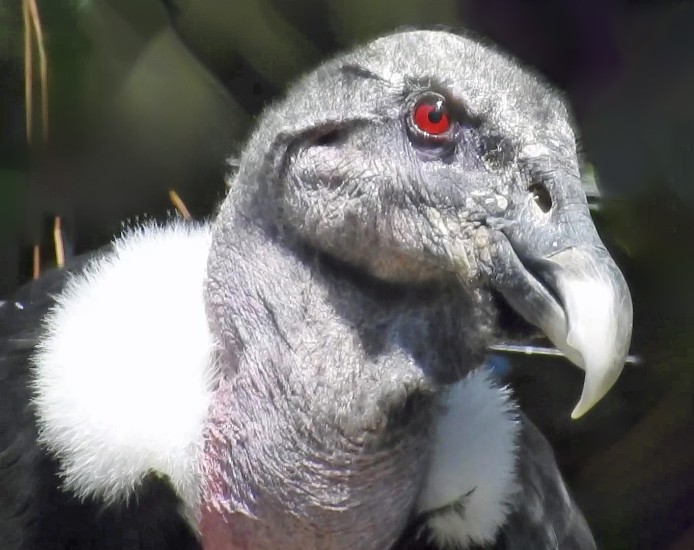
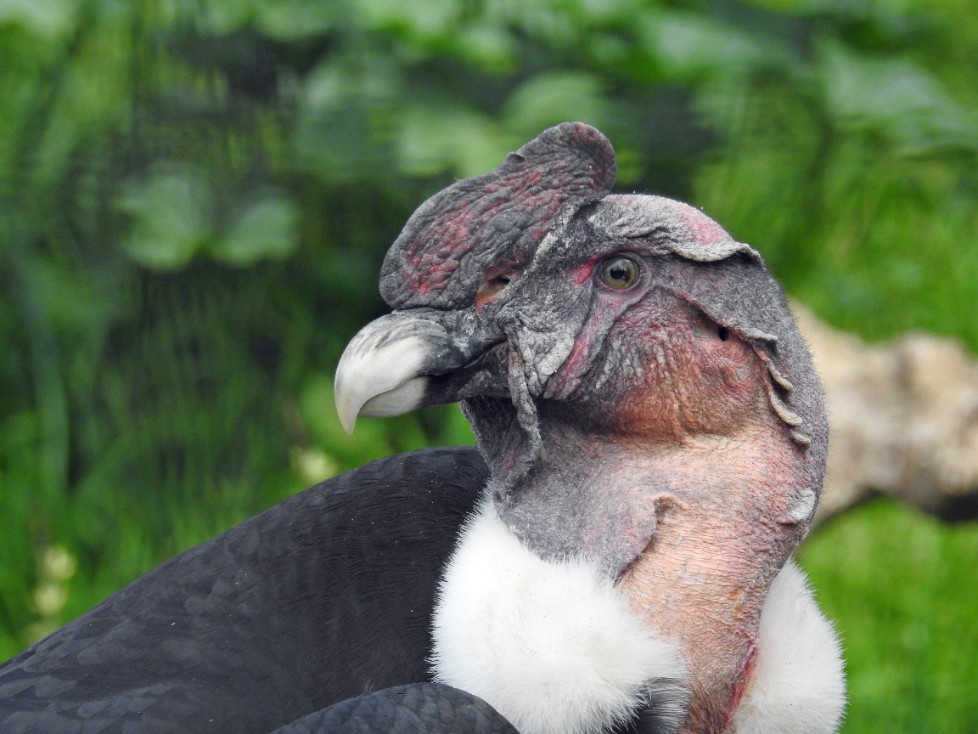
Figure 11. Andean Condors have low reproductive rates and mature slowly, but once they reach adulthood, they live a long time. (The male, “Bochica,” lived with “Chia,” the female, for 58 years; he died when she was 60 years old, in 2025. By that time, this couple had hatched dozens of condor chicks, and probably even some grand-chicks now living in the wild.)
Threats
Though individually, Andean Condors are long-lived, as a species, they’re under threat. By 2020, their population had undergone a 6–9% decline over 10 years, and a 34–51% decline over three generations. Throughout history, Andean Condors have thrived because despite their low reproduction rates, they’re long-lived.
Unfortunately, however, their long-term strategy for survival isn’t working as well due to increased threats, especially due to habitat loss. Humans convert condor habitat to aquaculture and agricultural plantations, wood and pulp plantations, transportation corridors (roads, etc.), and so on. The other main threat is lead poisoning caused by humans using lead bullets for hunting (e.g., hunting exotic herbivores). Humans also persecute condors, overreacting to the perceived threats to their livestock by Andean Condors. Humans have also incidentally poisoned these condors when illegally poisoning mountain lions and foxes who do threaten their livestock. Humans also directly harm these condors through the illegal wildlife trade and by taking them as pets or for use in ceremonial practices. These condors also die after colliding with electrical and telecommunication infrastructure, positioned by humans, and by being caught in traps intended for other animals.
In a Chilean rehabilitation center, 52% of Andean Condors were poisoned, and 13% had collided with power lines. When they x-rayed the birds, 72% of them had ammunition in their bodies.
In addition, feral dogs and Black Vultures may compete with Andean Condors, who eventually may succeed in dominating the carcass, but who must expend precious energy to do so.
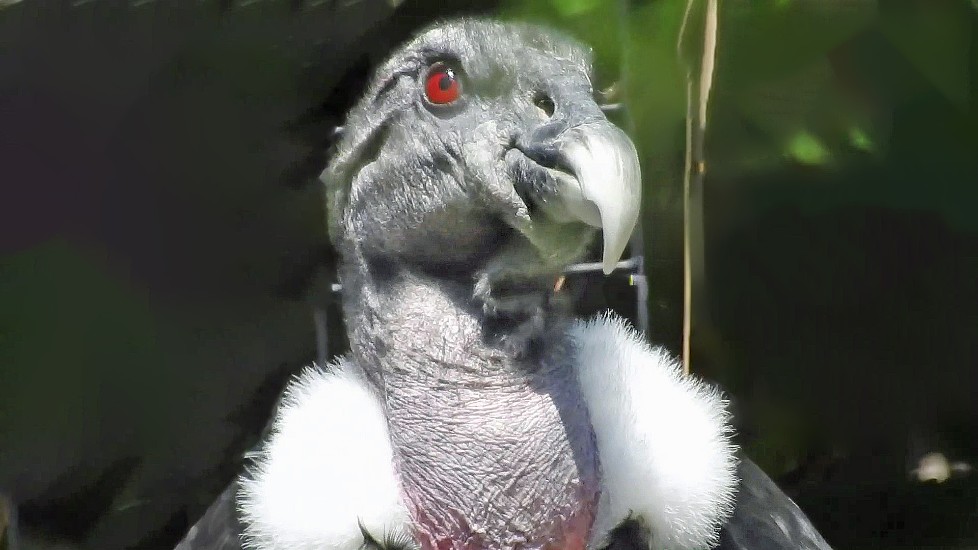
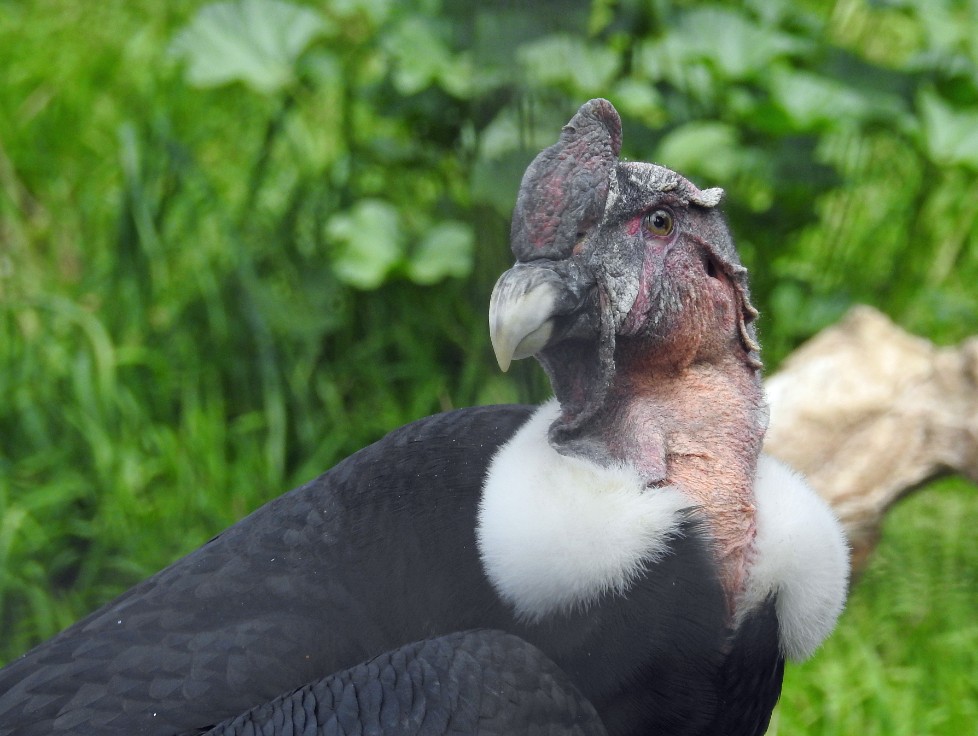
Figure 12. Though these individual Andean Condors (female, left; male, right) are long-lived, as a species, they’re gravely threatened.
Conservation Status
According to the IUCN Red List of Threatened Species, the conservation status of Andean Condors is VU, Vulnerable. As mentioned previously, its chief threats are habitat loss and lead poisoning caused by bullets in carcasses, left by hunters. The threat to these condors has increased from LC (Least Concern) in 1988 to NT (Near Threatened) in 2000 and 2004, to VU at present. These changes have been made due to population declines in their areas of occupancy (up to 30–49% across three generations), exploitation, and introduction of pathogens, parasites, pollutants, competitors, and other adverse factors. Current population is estimated at 6,700 individual adults (total about 10,000 birds); sadly, there are some indications that this estimate may be too high. The threats to its population are greater in the north than in the south of its range.
Conservation Actions
There has been some international legislation designed to conserve this species, and some international trade controls are in place. In addition, some conservation sites are available over part of its range. To combat prejudice and persecution of this species, some education programs have been implemented by conservationists. An aid to these programs is ecotourism, which has been shown to reduce human persecution of Andean Condors.
In addition, captive-breeding programs have been instituted in several countries (e.g., Ecuador, 94–102 individuals; Bolivia, 253; Peru, 30–40), and reintroductions have been started and are ongoing. Some Andean Condors are also being captive-bred in North American zoos, for release in South America (e.g., reintroductions in Argentina, Venezuela, and Colombia), beginning in 1989. These captive-breeding programs involve minimal human contact, with keepers using condor-like glove puppets to feed chicks. When fledged and ready for reintroduction, the birds are transported to the new location and kept in aviaries there for three months, for them to acclimatize to the new habitat. When released, they are radio-tagged for tracking by satellite, to monitor their movements and ensure that they’re still alive.
Intriguingly, in 1988, while trying to assess the feasibility of reintroducing nearly extinct California Condors into the wild, the United States Fish and Wildlife Service (USFWS) conducted an experiment using captive Andean Condors. They released only female Andean Condors (to ensure that they wouldn’t breed) into the wild in California. These Andean Condors thrived, so they were all recaptured and then re-released in South America. The USFWS concluded that it would be safe to reintroduce California Condors into the wild as soon as there were enough captive-bred condors to do so.
Conservationists also provide supplemental feeding for these condors, as needed, and they use videography and photography to recognize individual birds, for better monitoring of them. Satellite telemetry provides further data on their populations and their movements. These studies are bolstered by roosting-site counts and by genetic studies. Conservationists hope to work with local and national governments to better address the most urgent threats to this species. Future research aims to better understand their populations and life histories and to develop effective conservation plans.
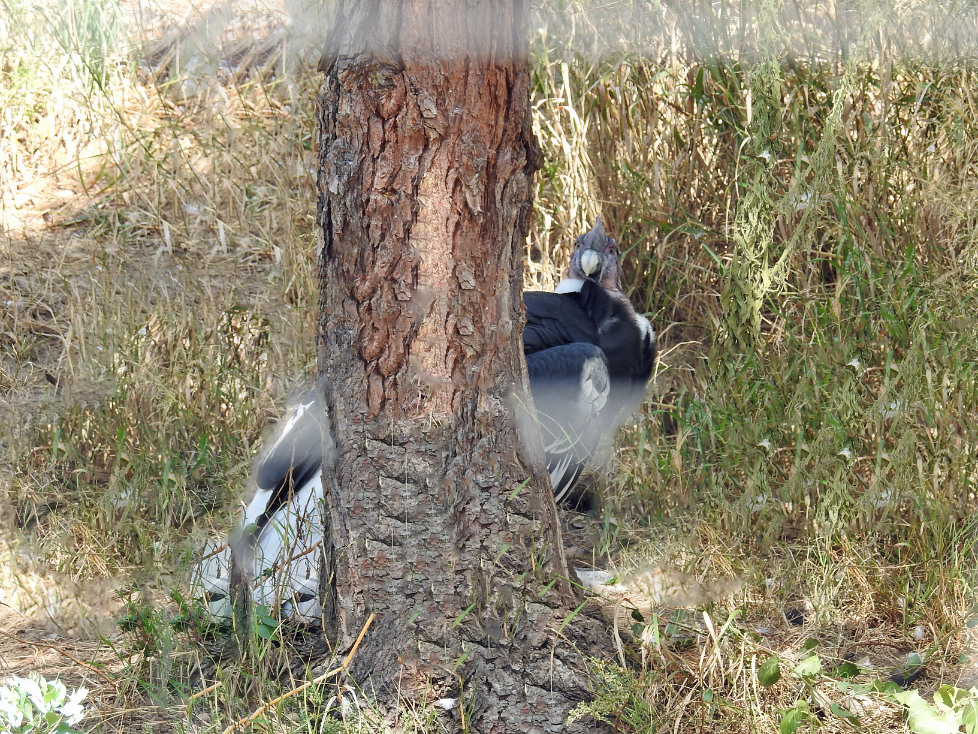
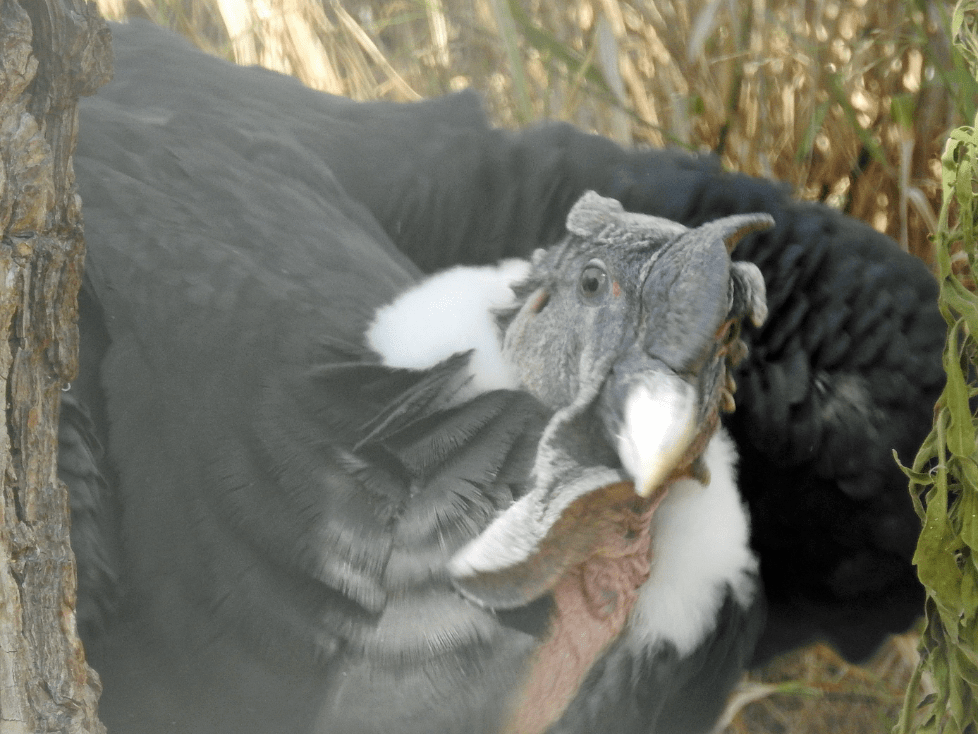
Figure 13. A key to conserving and protecting Andean Condors is close monitoring of where they are and what they’re doing, to determine what works best for them and how to avoid and prevent harm to them. This male Andean Condor may seem to be playing peek-a-boo, but if he were in the wild, satellite telemetry would still indicate his location.
Relationship with Humans
Probably the greatest contact between Andean Condors and humans occurs in zoos and similar institutions. According to the IUCN’s most recent data, there are currently 102 males, 139 females, and 2 unsexed Andean Condors in captivity, for 243 total. They’re being held in 90 institutions in 28 countries, managed through five supervising organizations, such as the Association of Zoos & Aquariums (AZA).
In addition, the Andean Condor is a national symbol in Argentina, and it’s on the coat of arms for Bolivia, Chile, Colombia, Ecuador, and Peru, and formerly Venezuela. It’s the national bird of Bolivia, Chile, Colombia, and Ecuador. It has appeared on stamps for Ecuador (1958), Argentina (1960), Peru (1973), Bolivia (1985), Colombia (1992), Chile (1935, 2001), and Venezuela (2004), as well as on coins and banknotes for Chile and Colombia. In Chile, “Condorito” is a comic book character.
Throughout the Andes, this condor plays an important role in Andean folklore, mythology, religion, artworks (as early as 2500 B.C.; e.g., see https://en.wikipedia.org/wiki/Andean_condor#/media/File:Chancay_Sleeved_Tunic_with_Flying_Condors.png , textile from A.D. 1200–1400), and other cultural traditions, often as a symbol of power and health. Sadly, some Andean cultures (e.g., in Chile and Argentina) have falsely believed that the bones and organs of Andean Condors possess medicinal powers, sometimes leading people to hunt and kill these condors to obtain their parts.
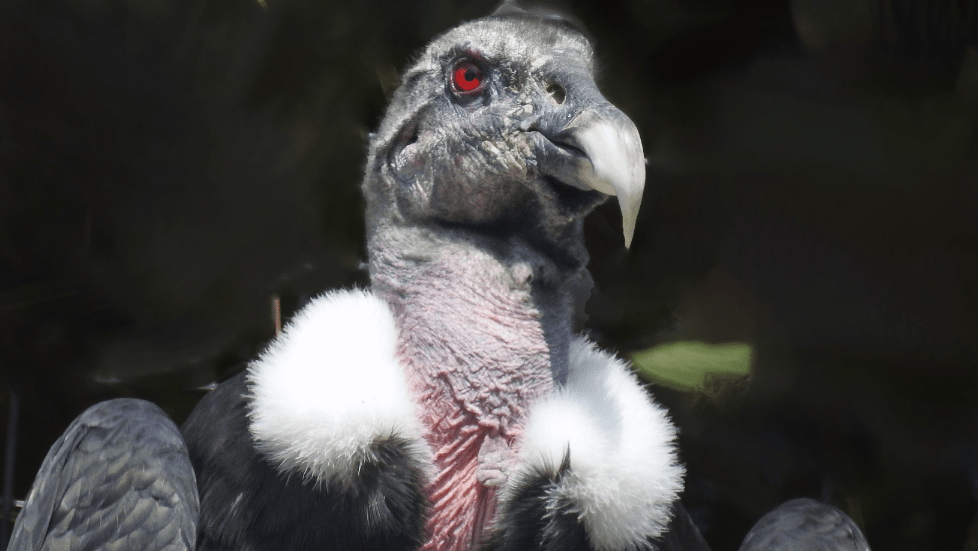
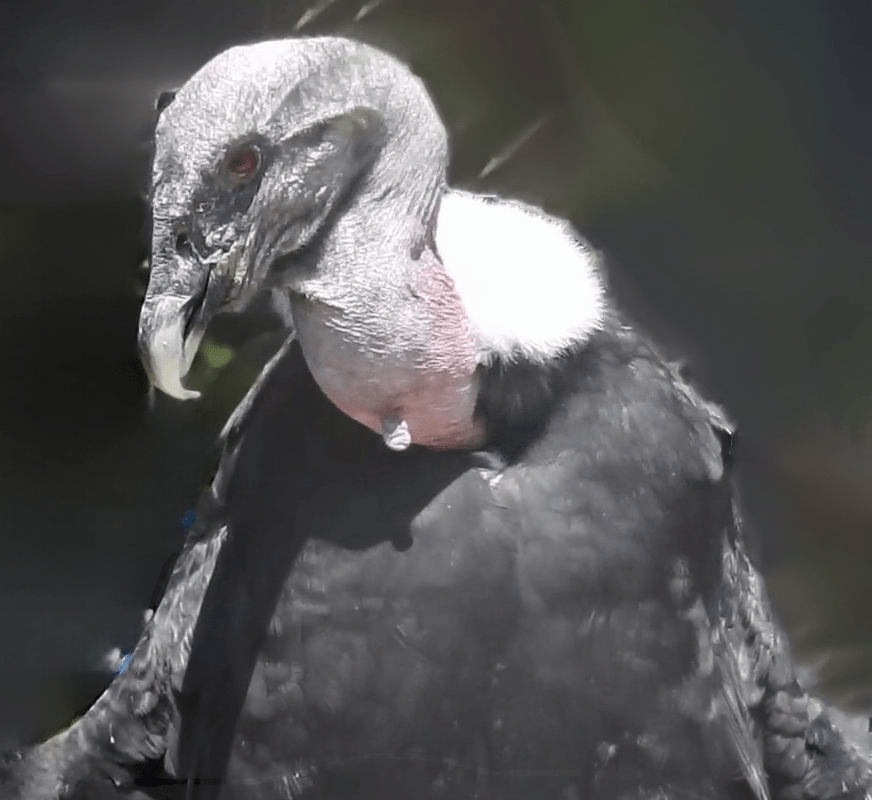
Figure 14. These ecological heroes are long-lived as individuals, but their entire species needs our help to prevent further declines in their population.
Observations
The Cornell Lab of Ornithology gathers information from observers around the world through the eBird app and website (https://ebird.org/species/andcon1? ), which holds 54,964 observations, 8,403 with photos, and 3 with audio recordings of the Andean Condor. The lab’s Macaulay Library website (https://search.macaulaylibrary.org/catalog?taxonCode=andcon1 ) holds 20,277 photos, 6 audio recordings, and 226 videos of the Andean Condor. In addition, iNaturalist gathers observations with its app and its website (https://www.inaturalist.org/observations?taxon_id=4747 ), which has 6,688 observations, each of which includes a photograph, audio recording, or video.
References
Andean Condor
- Elphick, Jonathan. (2014). The World of Birds. Buffalo, NY: Firefly Books.
- Lovette, Irby, & John Fitzpatrick (eds.). (2016). The Cornell Lab of Ornithology Handbook of Bird Biology (3rd ed.). Hoboken, NJ: Wiley.
- Winkler, David W., Shawn M. Billerman, and Irby J. Lovette. (2015). Bird Families of the World: An Invitation to the Spectacular Diversity of Birds. Barcelona: Lynx, Cornell Lab of Ornithology.
- Houston, D., G. M. Kirwan, D. A. Christie, and C. J. Sharpe. (2020). Andean Condor (Vultur gryphus), version 1.0. In Birds of the World (J. del Hoyo, A. Elliott, J. Sargatal, D. A. Christie, and E. de Juana, Editors). Ithaca, NY: Cornell Lab of Ornithology. https://doi.org/10.2173/bow.andcon1.01 , https://birdsoftheworld.org/bow/species/andcon1/cur/introduction .
- https://en.wikipedia.org/wiki/Andean_condor
- Avibase, Andean Condor, Vultur gryphus, https://avibase.bsc-eoc.org/species.jsp?lang=EN&avibaseid=659E8F5C0AEA27F2
- Avibase Life History, Andean Condor, https://avibase.bsc-eoc.org/species.jsp?lang=EN&avibaseid=659E8F5C0AEA27F2&sec=lifehistory
- IUCN Red List, Andean Condor, Vultur gryphus, https://www.iucnredlist.org/species/22697641/181325230
- https://en.wikipedia.org/wiki/Dalmatian_pelican
- https://en.wikipedia.org/wiki/Great_white_pelican
- Andean Condor, personal communications, April 13, 2025, and September 7, 2026, Caitlin Morrow, San Diego Zoo wildlife care specialist, regarding the ages of Chia and Bochica, the length of their relationship, and their number of offspring, as well as how many were released into the wild.
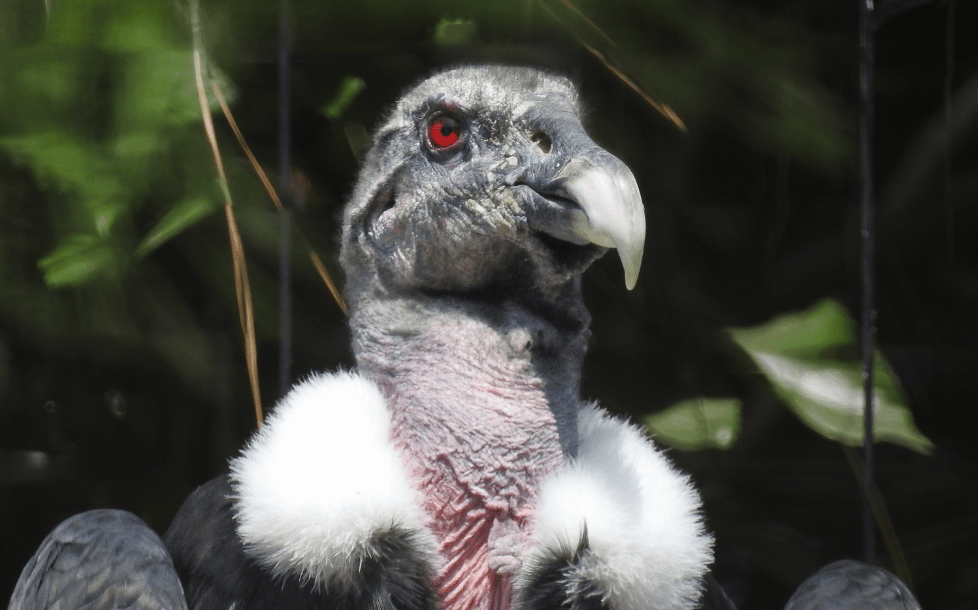

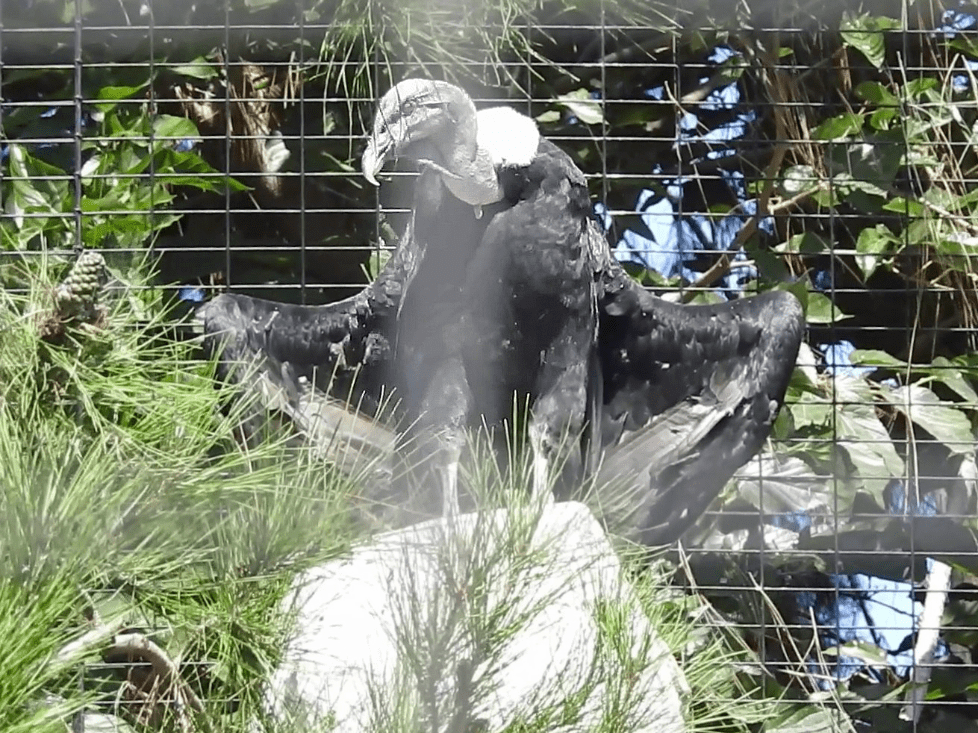
Figure 15. At the San Diego Zoo, the keepers care deeply for the Andean Condors (e.g., this female, “Chia”), other raptors, other birds, and other animals for whom they provide food, an enriching environment, and all else these animals need in order to keep physically and mentally healthy and safe.
Etymology
- Gotch, A. F. [Arthur Frederick]. Birds—Their Latin Names Explained (348 pp.). Poole, Dorset, U.K.: Blandford Press.
- Gruson, Edward S. (1972). Words for Birds: A Lexicon of North American Birds with Biographical Notes (305 pp., including Bibliography, 279–282; Index of Common Names, 283–291; Index of Generic Names, 292–295; Index of Scientific Species Names, 296–303; Index of People for Whom Birds Are Named, 304–305). New York: Quadrangle Books.
- Lederer, Roger, and Carol Burr. (2014). Latin for Bird Lovers: Over 3,000 Bird Names Explored and Explained (224 pages). Portland, OR: Timber Press.
Text and images by Shari Dorantes Hatch. Copyright © 2026. All rights reserved.
Images were recorded at the San Diego Zoo.


Leave a comment