
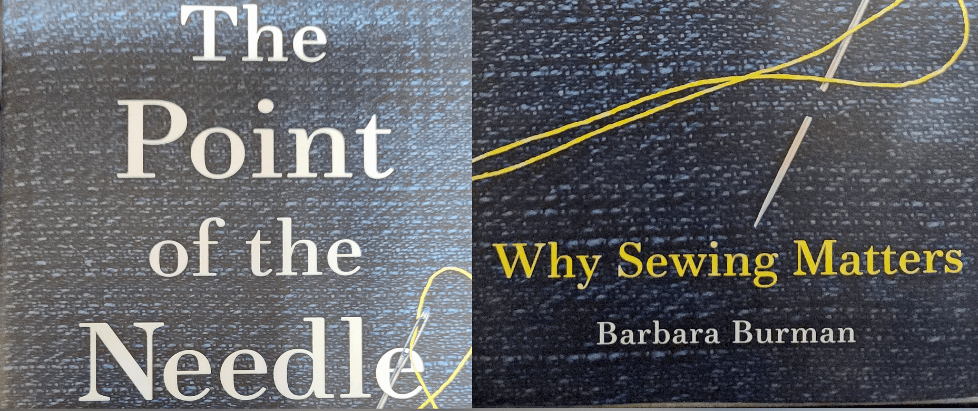
The Point of the Needle: Why Sewing Matters, Part 2
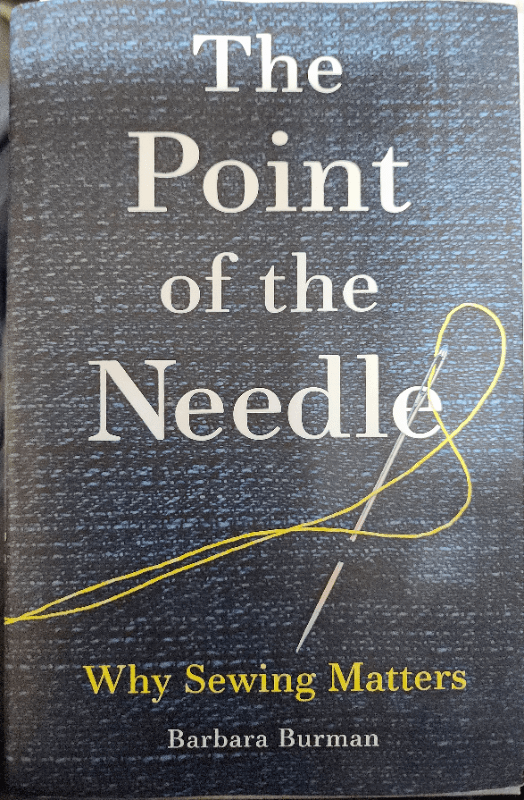
Burman, Barbara. (2023). The Point of the Needle: Why Sewing Matters. London, UK: Reaktion Books Ltd.
This is the second of three blogs about Barbara Burman’s book, The Point of the Needle: Why Sewing Matters (2023). This blog discusses Chapter 4, In the Gently Closed Box, which discusses sewing tools, kits, notions, and machines, pp. 103–131; Chapter 5, Fruits of Our Work, exploring home sewing, pp. 132–159; and Chapter 6, The Business of the Needle, exploring how some seamsters make a living through sewing, pp. 160–187.
The first blog, Part 1, https://bird-brain.org/2026/06/30/burman-history-of-sewing-part-1-of-3/ , included her Introduction, in which she lays out her plan for her book; Chapter 1, about the experience of sewing; Chapter 2, about learning to sew; and Chapter 3, about fabric used for sewing.
4, In the Gently Closed Box, 103–131
Many seamsters feel a special fondness for their sewing box, basket, kit, which contains their most-often-used sewing tools and supplies. Some of its contents may have particular significance as items inherited from or given by someone who is cherished. Even the container itself may have sentimental value. A woman’s sewing box was also often a repository for a few cherished items, such as letters, love tokens, other remembrances.
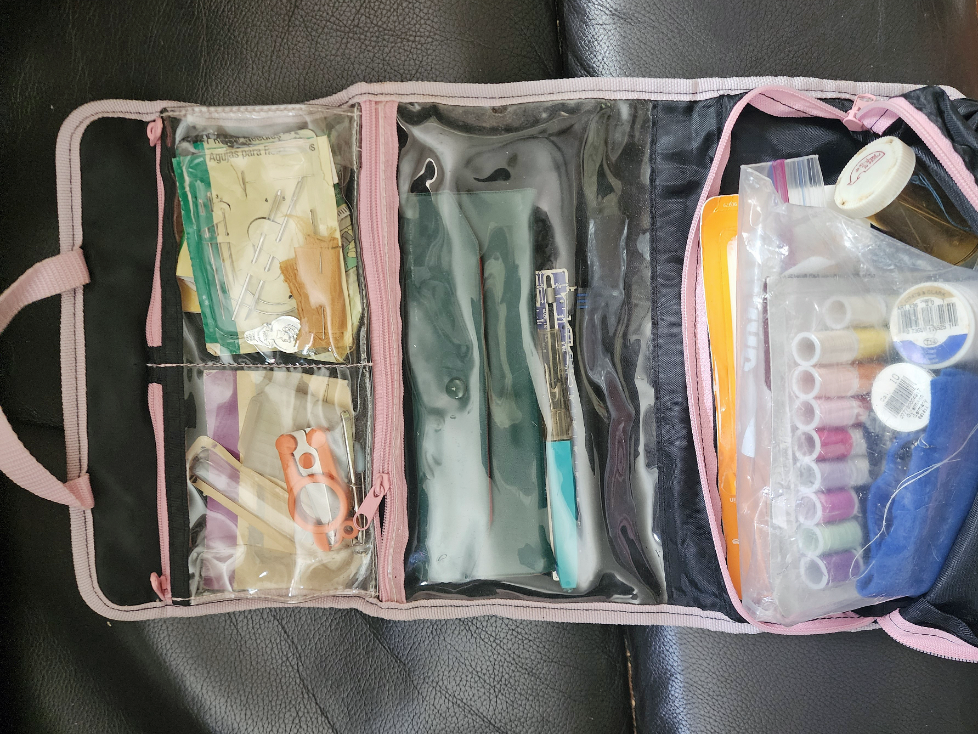
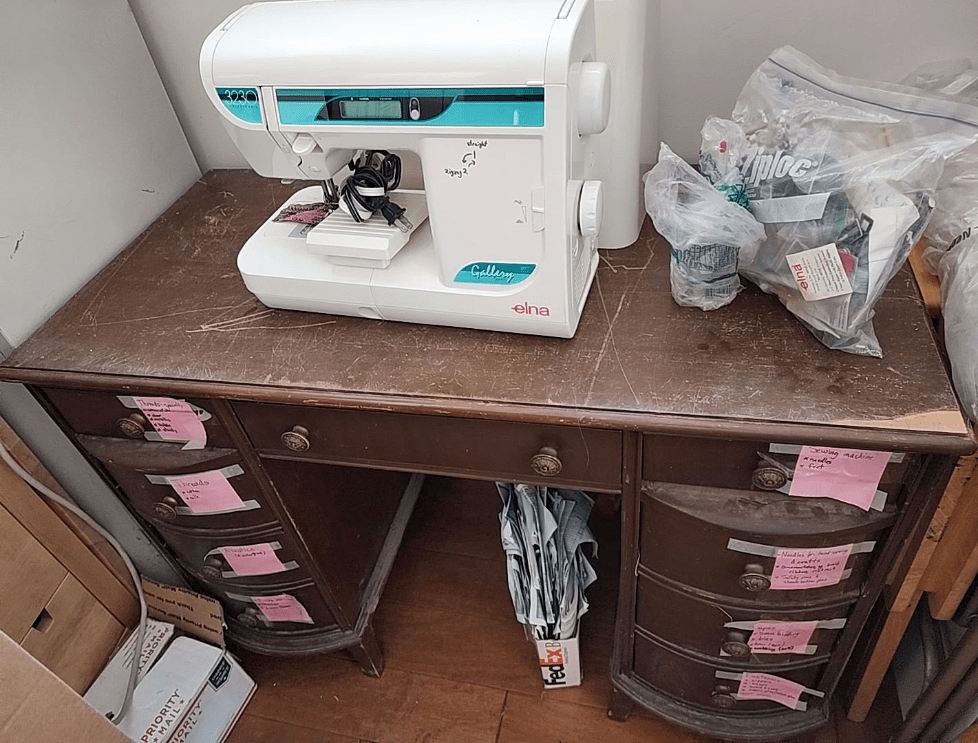
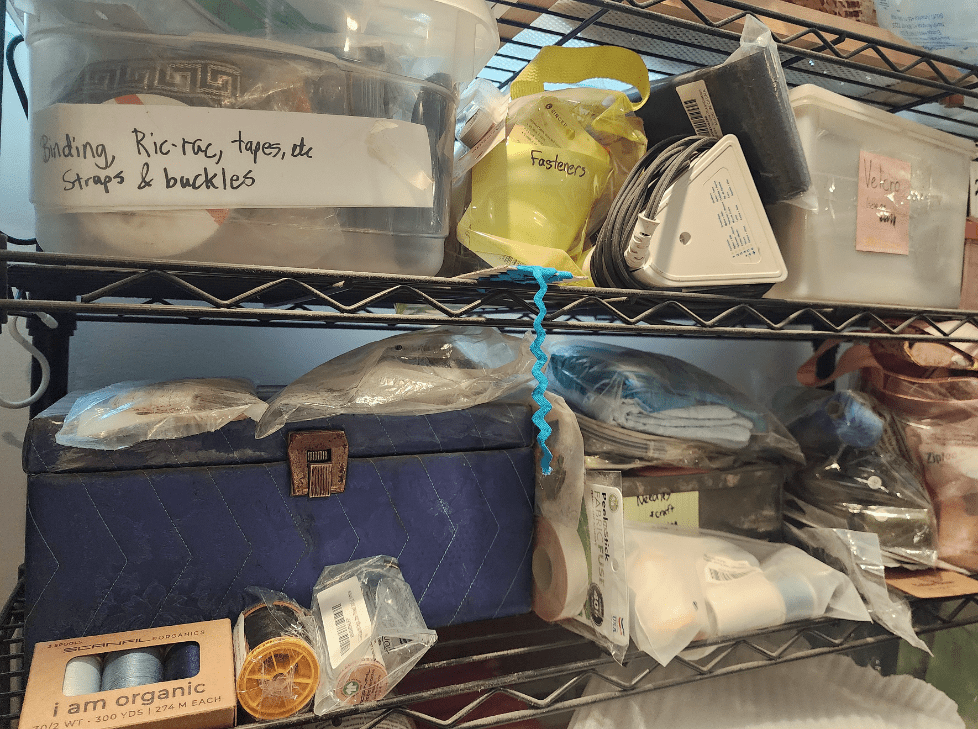
Figure 04-1. This fold-up sewing kit (left) contains a small assortment of needles, threaders, a ripper, thimbles, thread, scissors, and measurers. It’s easily kept at hand, but it doesn’t hold much variety of cutters, threads, etc. My sewing desk (center, shown here when it was first moved into my granny flat) and the shelves above it (right) hold my machine, a larger sewing box, an iron, assorted fasteners, threads, cutters, and myriad other supplies and tools.
Most simple sewing tools have ancient origins — needles and pins that were crafted from bones, wood, thorn, or other materials predating the Iron Age; thread made from raw plant fibers; and so on.
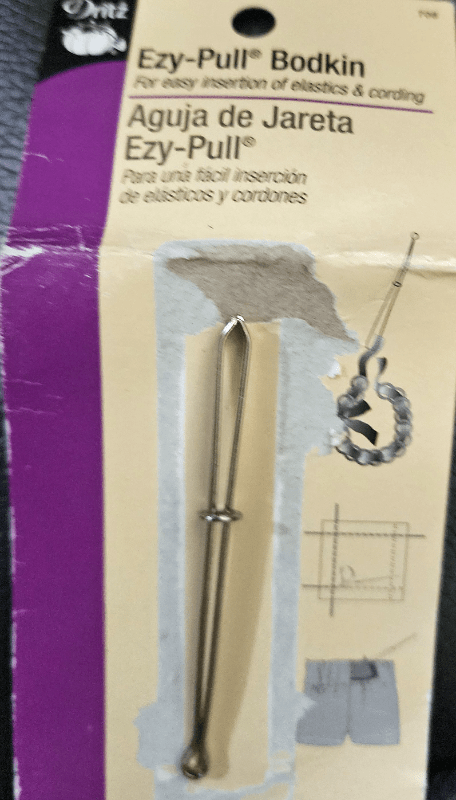
Figure 04-2. When it was first used in the 1300s, a bodkin was a blunt needle for pulling ribbon or tape through a casing or a hem; it might also be a sharp stiletto for piercing cloth or leather or an ornamental hairpin to use for piercing, as needed. This contemporary bodkin is less lethal; its narrow pincers can grasp the elastic or other drawstring, for pulling through a casing.
In 1840, a practical sewing manual advised servants and other women to choose a container that was big enough to hold not only tools and supplies, but also works in progress, yet small enough to be easily portable. Within the container were orderly ways to keep the contents — needle cases, pin cushions, scissor holders, and so on. For the most part, the contained items required no extra rigamarole — no electrical plugs, no assembly needed.
Another item was the husswif (“housewife”), a small sewing kit (made of leather or fabric), which could be rolled up or folded up and tucked into a pocket or a purse, handy at a moment’s notice. (See https://americanhistory.si.edu/collections/object/nmah_629961 for an example from the Smithsonian National Museum of American History; Etsy has numerous examples, too, https://www.etsy.com/market/husswif_sewing .) Many men, as well as women, carried husswifs, including Arctic explorers — one of whose skeletal remains were found with a husswif, along with other personal possessions. Some husswifs were ornate, with embroidery, beadwork, and other adornments.
The sewing kits of most seamsters included the best tools they could afford. Those who could do so even had a dedicated sewing room, or at least a corner of a room, containing commodious cabinets, a sewing machine, an ironing board, and a large work surface.
Even the simplest sewing tools offer an endless variety of options. Sewing pins may be made from steel, nickel, brass; long or short; thick and sturdy or almost infinitesimally thin and fine; tipped with glass or plastic or sequined heads; and so on. So complex is the common pin that in 1776, Adam Smith discussed the manufacture of pins (made from two parts then) in his first chapter of The Wealth of Nations. Even today, if you peer into almost anyone’s sewing kit, you’ll find similar pins — though their ubiquity may be threatened by the rise of plastic clips and clamps, used by some seamsters. (I suspect that plastic will lose its popularity, giving way to metal clips, as seamsters gain enthusiasm for eco-friendly tools.)
Regarding the sewing needle, David Pye (designer and crafter) suggests that the needle and the pen are probably the only hand tools that continue to do what they’re designed to do, without other “aids or guides” (p. 112). (I’m not sure how he views their usefulness without thread or ink.) Like the pin, this pervasive everyday tool has ancient origins and can now be made from a huge number of metals, plastics, and other materials. The needle’s range of uses are even greater than those of pins — surgeons, chefs, tattoo artists, undertakers, bookbinders, sailmakers, upholsterers, carpet-makers, and so on — each craft requiring its own specialized needle or needles. And let’s not forget both hand seamsters and machine seamsters of garments and other household items.
In the 1800s, U.S. inventor Elias Howe figured out how to craft needles to fit tightly into a sewing machine, for carrying thread while precisely piercing fabric over and over and over again. Even today, these needles are a marvel of power and precision; Burman suggests that they exert such force that they be should be replaced after just 8 hours of intense use.
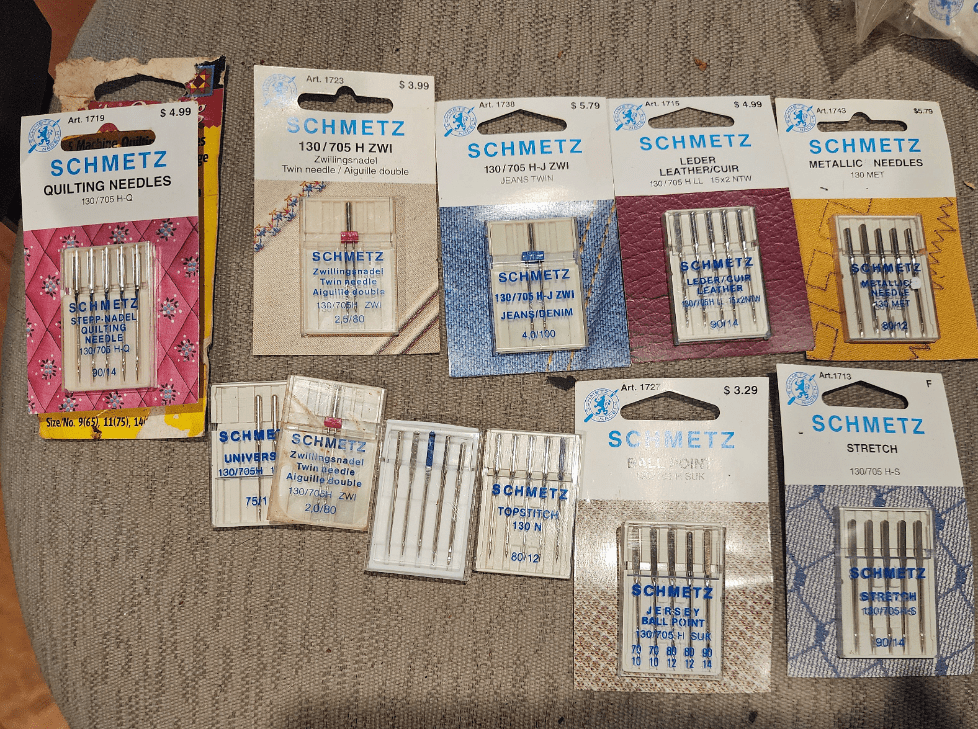
Figure 04-3. Sewing-machine needles come in an astonishing variety. Not even thinking about the needles specific to each brand of sewing machine, all seamsters need not only all-purpose “universal” needles, but also other needles for particular fabrics or sewing tasks: denim or heavy-duty needles, leatherwork needles, knitwear and stretch needles, ballpoint needles, twin-pointed needles, top-stitching needles for decorative stitching, ultrafine needles, and so forth.
For hand sewing, the seamster may want needles with large or small eyes, round or rectangular eyes, with fine or sturdy shanks, long or short shanks, triangular or round pointed tips, sharp or blunt tips, and more.
Most seamsters need a variety of cutting tools, too. Just a sampling:
- long-bladed shears with offset shanks to cut long lengths of fabric,
- rotary cutters for cutting fabric straight or on curves
- short-bladed embroidery snips for cutting threads or snipping on curved seams
- seam rippers for opening up a seam without cutting the fabric
- spring-operated snippers for cutting in tight spots
- scissors with adjustable blade length for cutting buttonholes or making other precision cuts
Each cutting tool must suit the hand (left or right) of the seamster and must suit the purpose, too: the length of the blade and of the handle (“bow”); the sharpness or bluntness of the tip; the weight and heft of the cutters; straight, curved, angled, or offset handle and blade; and so on. Also, valuable cutters should have a sheath, a case, or other protection, both for the tool and for the person who grabs it.
An essential dressmaking tool emerged in the 1800s: the flexible tape measure. These, too, can be family heirlooms, gifts, or otherwise imbued with sentimental fondness. Nowadays, professionals even use 3-D scanners to measure a person’s form. The use of stretchy fabrics and elastics make it possible to fudge a little with the measurements, but for a tailored garment, nothing beats accurate measurements. Numerous other measuring tools are available now, too — ruled cutting mats indicating angles and curves, measured curve templates, yard/meter sticks, straight, curved, or flexible rulers, and more. Serious dressmakers and tailors use three-dimensional dressmaker forms for tailoring a garment to fit well.
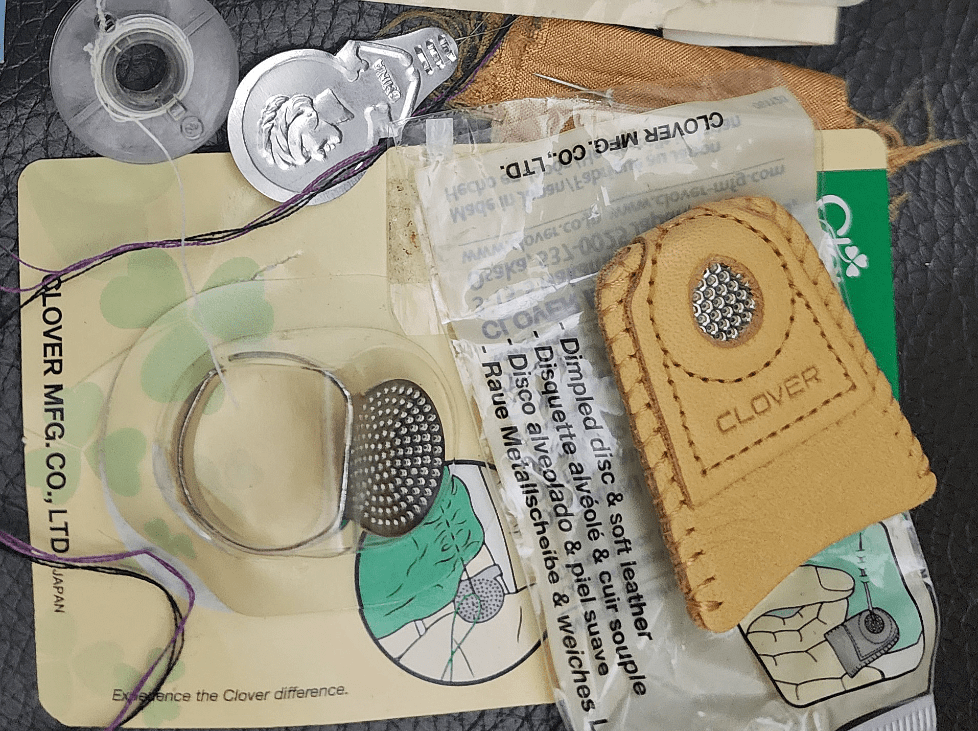
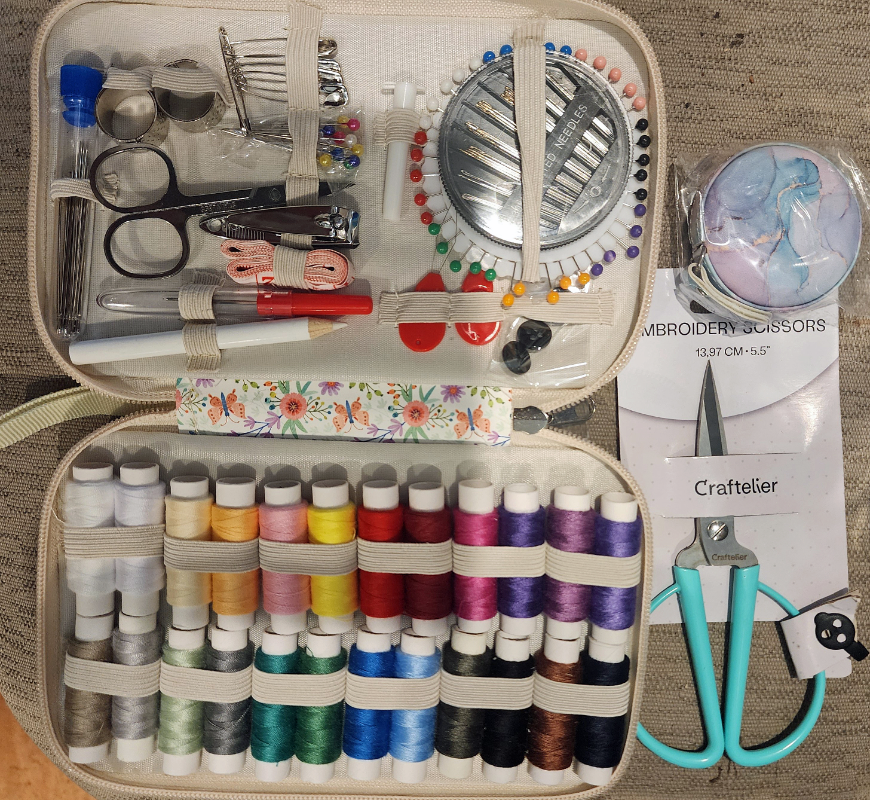
Figure 04-4. (left) A thimble that’s a family heirloom or a special gift can carry sentimental value, or a seamster can simply develop a fondness for a thimble that has served well over time. A thimble can be made of porcelain, silver, stainless steel, cheap metals, leather, rubber, plastic (flexible or rigid), and in various shapes, fitting over the entire finger tip, or just wrapping around it, and so on. (right) Even a small sewing kit can hold a wealth of tools and supplies (such as this one I’m giving to my younger, left-handed granddaughter).
I can’t speak for other seamsters, but I have accumulated a stash of tape measures over the years — for my purse, my bedside, my sewing kit(s!), my current knitting projects, my knitting toolkit, my sewing machine desk, and doubtless many more. Yet I still find occasions when I don’t have one at hand the moment that I need it. The same goes for embroidery snips and thread cutters.
The 1800s also saw the arrival of paper garment patterns: envelopes containing
- tissue-paper outlines for all the pieces needed to create a garment,
- specific instructions for how to lay out the pattern on the fabric’s grain,
- step-by-step instructions for the easiest order in which to sew the garment.
Without these patterns, the seamster is left with either haphazardly winging it or finding an existing garment to pick apart and use as a pattern.
Tip. If a particular pattern fits especially well and has appealing design features (flattering, has pockets, etc.), it’s worthwhile to trace the tissue paper onto muslin or other inexpensive fabric, and use the muslin pieces as a pattern in the future. Tissue paper wears out after a few times of being pinned to fabric, and a crumpled, torn pattern will be hard to use either for making a garment or for making a muslin pattern.
For the remaining 11 pages of this chapter, Burman discusses the sewing machine, “the biggest, most complicated and most expensive stitching tool, a weighty investment in every sense” (p. 120). The first reliable sewing machines emerged in the 1850s — sewing an astonishing 500 stitches/minute on a long straight seam — but the machine was more a series of inventions than a single one, though Isaac Singer (1811–1875) is credited with its invention.
Burman gives a detailed account of how the sewing machine emerged, came to be manufactured in large quantities, and came into widespread use. The first machines were powered by the seamster, using either a treadle foot pedal or a hand-turned drive wheel. (The treadle left both of the seamster’s hands free, which was advantageous.) The first machines used a single thread from the needle to create a chain stitch through the fabric; the invention of interlocking stitching through the fabric, between the needle and the bobbin, created a surer seam.
Another key invention was the machine’s feed-dog, which grips the fabric and moves it forward, passing the fabric beneath the needle — which moves up and down but not forward or backward. Before zigzag stitching was an option on sewing machines, needles couldn’t move sideways either. (I recall my excitement when I bought my own zigzag machine, leaving behind my mom’s straight-stitch machine; she soon ditched her old machine to buy one just like mine! A big extravagance at the time!)
As machines became more widespread, so did factories employing laborers to use the machines to produce inexpensive garments — which they still do today. The location of the garment factories has moved from the industrialized world to a succession of Third World nations, where women and children work under mostly miserable conditions to produce the cheap fast-fashion garments sold widely today. Both for factory workers and for the home seamster, the sewing machine demands the user’s full attention. Inattention can cause sewing disasters or worse.
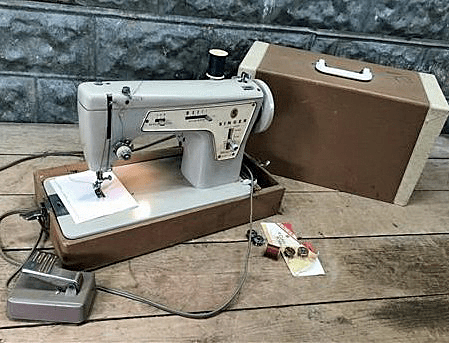
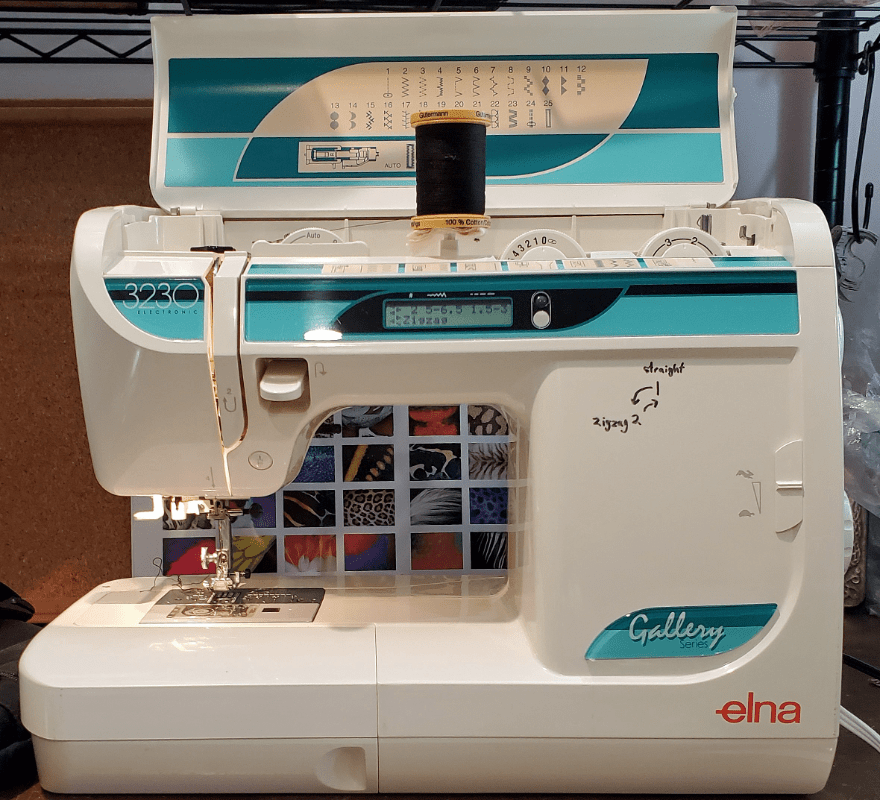
Figure 04-5. I bought my first sewing machine, a Singer, with money earned from babysitting. According to an online source, the pricetag at that time was about $60 — that is, 120 babysitting hours at 50 cents/hour.) The summer of 1967, I used it to make five tailored skirt suits, which my mother assured me I would need for attending San Francisco State College. No surprise to anyone alive in the 1960s, I didn’t wear any of the suits — but I did become a more skillful seamster. When I left for college, my sewing machine was one of the few items of mine that my mother kept until I returned. The first thing I made on returning to San Diego was a crib-sized quilt for the beautiful baby I was expecting. I continued to use that machine for many decades, until I couldn’t find a repair person to help me maintain it. I then bought this Elna, which I hope will outlast me. (This is not my actual Singer sewing machine, but mine looked pretty similar; it is my actual Elna. The sight of that Singer still plucks my heartstrings, decades later; this screenshot image is from https://clickamericana.com/topics/culture-and-lifestyle/crafts-hobbies/super-sewing-machines-of-the-1960s .)
For some seamsters, the sewing machine can be a tool of oppression, whereas for others, it’s a tool of liberation, freeing the user to sew more easily and swiftly.
5, Fruits of Our Work, 132–159
Starting in the 1700s, some textiles were being manufactured, and within a century, factories were producing garments, linens, and other items previously available only through hand crafting. As early as the 1800s — when plain sewing was still taught in nearly all schools — people were complaining that fewer people were sewing household goods or garments, and still-fewer people were highly skilled in doing so. Nonetheless, during the 1800s and the early 1900s, home-sewn garments and other goods were still less expensive than factory-produced ready-made ones. Home sewing was still a virtuous way to provide more garments and other goods for the family than could be purchased affordably by buying ready-made goods.
In 1815, Jane Austen and her mother and sister worked together to start making an “intricate patchwork coverlet . . . [including] thousands of pieces joined with about twelve stitches per inch” (p. 156). The coverlet was completed after Jane’s death in 1817 and was later donated to the Jane Austen’s House, an independent museum.
Nowadays, it’s easy to buy ready-made garments, curtains, pillows, linens, or almost anything else made from fabric. Most items can be purchased ready-made for about the same cost as — or less than! — the cost of the fabrics and other materials with which to make them. The variety of items available makes it likely that a buyer can find something that would suit her or his needs. What’s more, it’s hard to beat the ease and speed of having these items arrive at the door within days — or even hours, in some cases.
So why do young and old, masters and novices, wealthy and low-income, men and women choose to sew for themselves and for others? Several factors increase the likelihood a person will do home sewing. Having a close family member who sews greatly increases the chances a person will sew, too. Personal characteristics such as gender affect likelihood — more women than men sew. The Great British Sewing Bee TV show (since 2013) has reached out to men and boys and is credited with increasing the numbers of males who sew. The terms seamstress and dressmaker don’t work for them, but sewer has undesirable connotations, so sewist and seamster are increasingly used as less sexist terms.
The United Kingdom (UK) TV show is also touted for showing viewers that all seamsters make mistakes and that mistakes can be fixed. Sewing doesn’t have to achieve perfection; sewing should be fun, with a good-enough sewn product as a benefit. It has also unleashed viewers to consider converting clothing patterns to suit the wearer. What’s more, the show has promoted sustainability goals, such as upcycling old clothing.
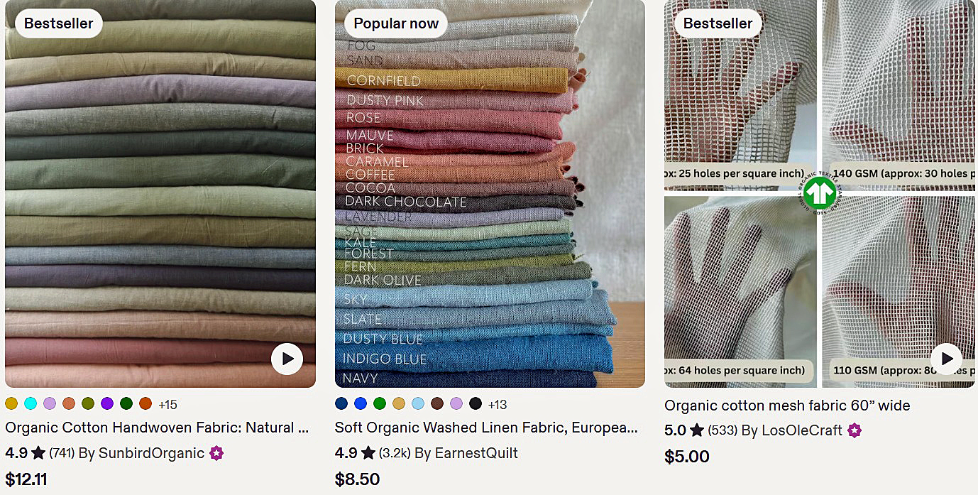
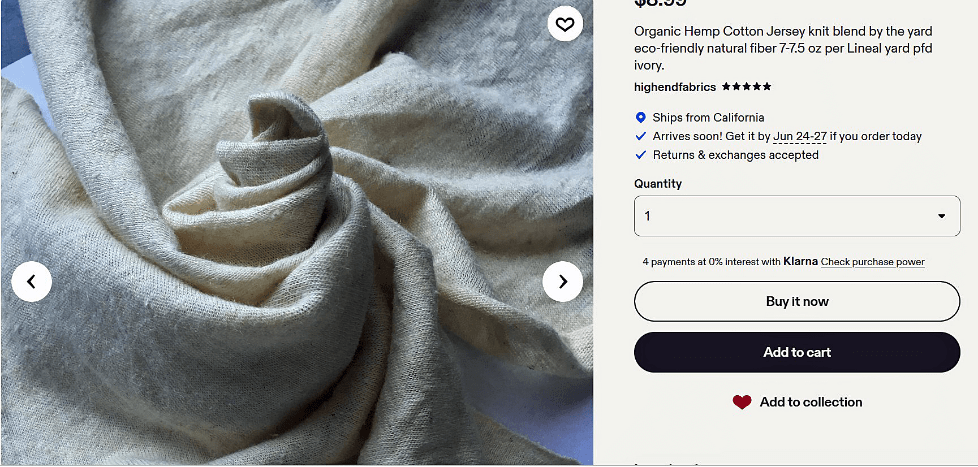
Figure 05-1. Interested seamsters can find a wide array of organically grown cotton, linen, or hemp fabrics, as shown here in these screenshots from the Etsy website (https://www.etsy.com/ ); other organically grown fibers may be available, too.
Age and presence in the work force also affect the likelihood a person will sew; more older and retired people sew and engage in other needlecrafts (knitting, embroidery) than younger people who are still in the paid labor force. Societal factors affect whether people sew, too. During economic downturns, the sale of affordable sewing machines rises. The COVID-19 lockdown also prompted sales to skyrocket.
At any age, some seamsters enjoy a restorative feeling of mental well-being gained from sewing. Younger seamsters often point to their desire to make garments that suit their style and fit their physique. By sewing their own garments, they aren’t slaves to fashion trends or to societal norms regarding the ideal body size and shape. Some pattern companies are responding to this desire by offering simpler patterns and designs, with helpful instructions and even tutorials for making clothing to suit an individual’s taste.
Another motivation for many seamsters is sustainability — the desire to opt out of cheap fast-fashion goods, in favor of creating their own garments, using high-quality textiles, perhaps even textiles certified as being organically grown and meeting social-justice qualifications. One seamster commented that sewing “requires time, effort, money, and skill” but is “a pleasurable process with a gratifying result” (p. 142). She noted that her decision whether to buy a garment or to make it wasn’t affected directly by cost alone.
“In one U.S. city, San Diego, a journalist reported the closure of older-style fabric shops because they are failing to meet the changing needs of sewers, particularly among the increasing number of younger sewing enthusiasts. Male and female, they want to have quality garments they have made themselves” (p. 143). Part of what they wanted from a fabric shop was a sense of community, as well as opportunities for learning. Rows and rows of bolts of cloth didn’t do it for them. Also, “today the Internet is a means to form virtual sewing communities” (p. 147).
Some prospective seamsters are impeded by concerns for how others will perceive the home-made clothing they wear. For some, even a hint of a “home made” look is aversive. That’s particularly true of those who work in environments where a carefully tailored suit is de rigueur. While some home seamsters can meet these rigorous standards, not all can, and novice seamsters are unlikely to achieve the desired outcome. Home sewing may be a better option for those who prefer looser clothing, rather than tightly fitted, closely tailored garments.
Some seamsters also have a low tolerance for the frustrations that may accompany home sewing: jammed zippers, unruly sewing-machine tension, slips in cutting, unwitting snips into fabric, seams accidentally catching up extra cloth, and much much more. For some seamsters, these frustrations detract from the joy of the process; rather than being restorative and reassuring, it creates anxiety and irritation. These frustrations tend to lessen as the seamster moves from novice to experienced seamster, but some may decide that home sewing is just not worth the trouble when ready-made items are so handy.
Burman notes that many seamsters “turn up the dial” on home sewing when they have young children. Burman cites many parents who have made special outfits for birthdays and other events. Some daring seamsters have even made bridal gowns and bridesmaid dresses for family members. Other seamsters sew for family members who have moved away, but with whom they wish to maintain a bond. The key is to do so for loved ones who will truly appreciate the amount of time and effort needed to make the sewn item.
Before my daughter entered school, I sewed many, many garments for her, but I knew she would far prefer ready-made clothes once she entered school — other than Halloween costumes, of course.
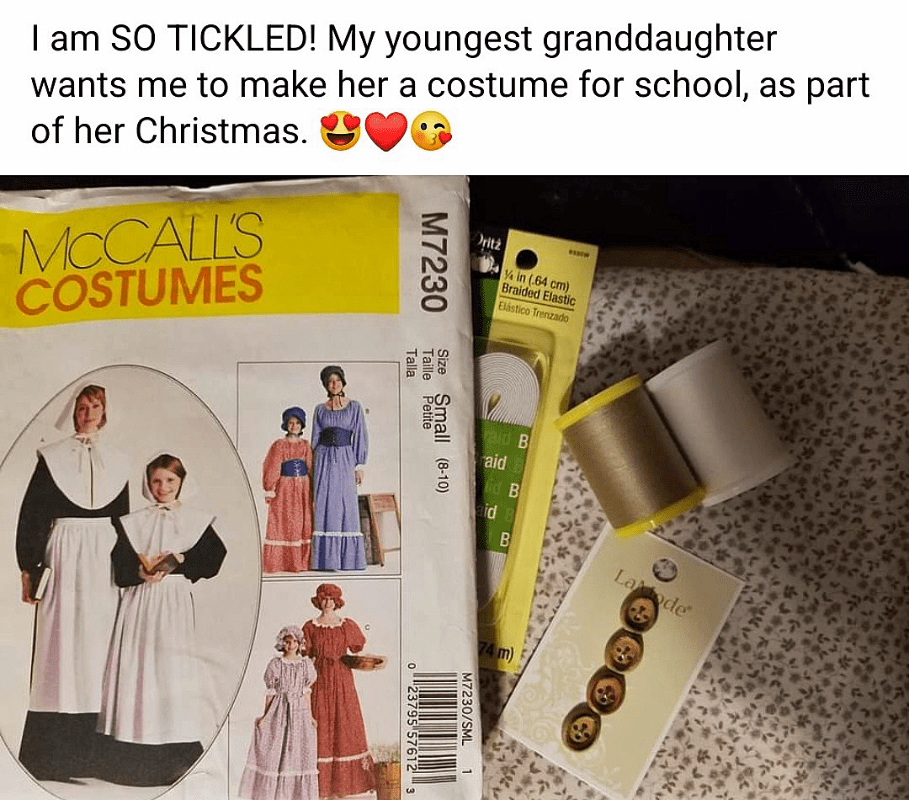
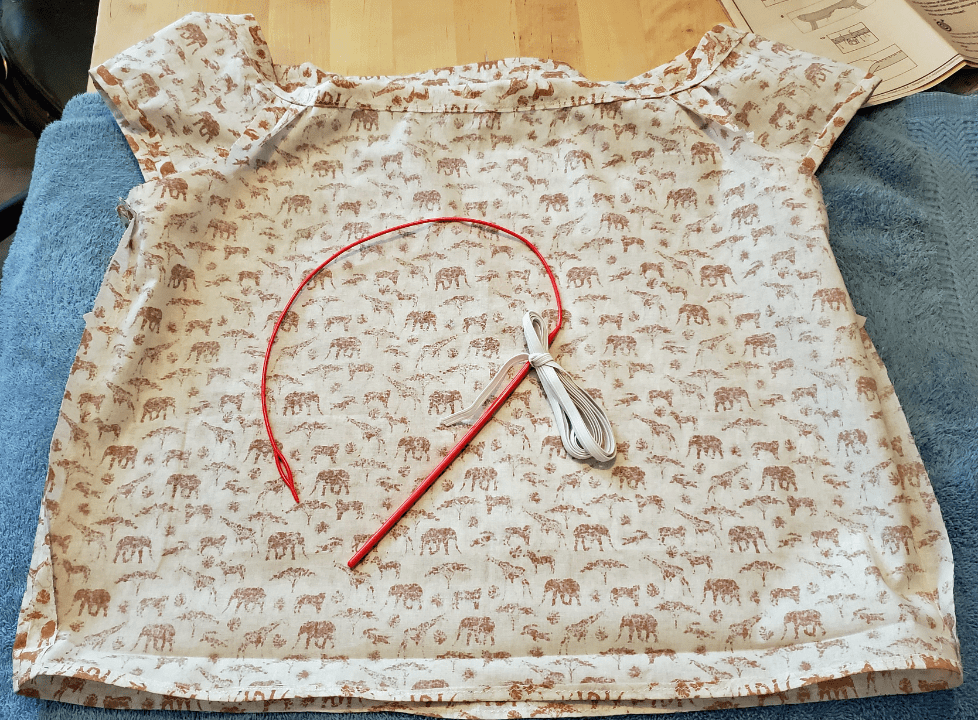
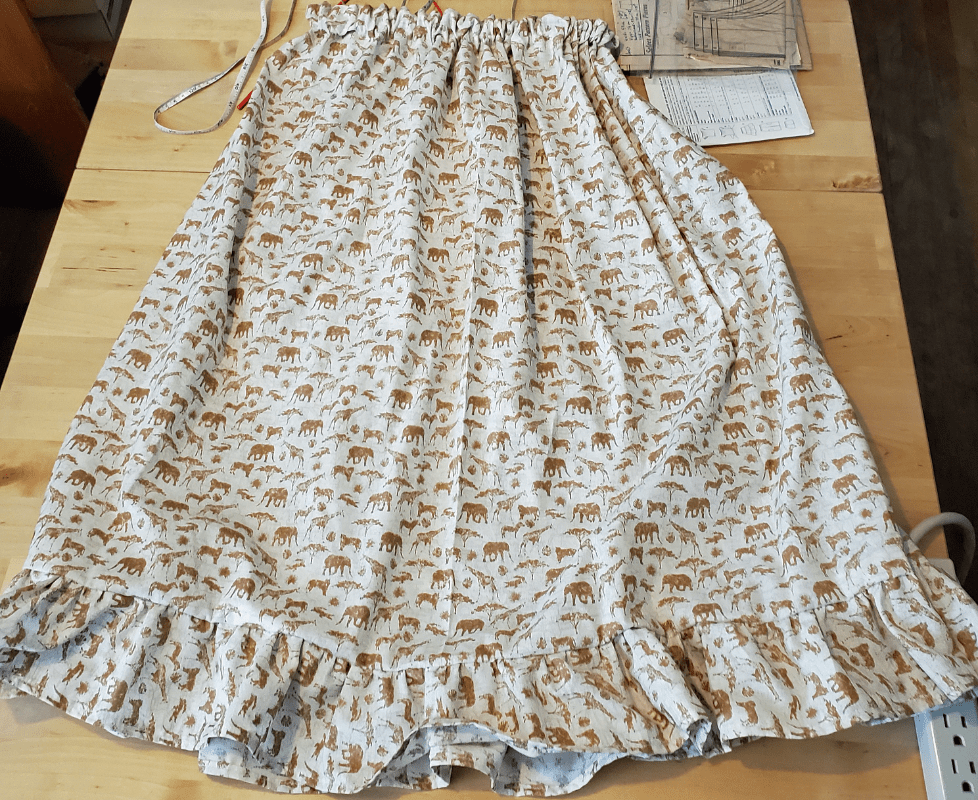
Figure 05-2. When my younger granddaughter was in 5th grade, her teacher invited the students to portray people from American history. The students were to research the person and write up a brief report, which they would read to the class; costumes were suggested. My granddaughter chose to be “Abigail Adams,” so I sewed a very simple 1700s-style outfit and knitted an accompanying shawl (not pictured, sorry!). She and I were both delighted with the process and the products. (An animal lover, she chose the elephants fabric.)
Some seamsters also sew to donate sewn items to charities, especially during wars and other times of crisis (e.g., for the troops, for war orphans). During WWI and its aftermath, the Queen Mary’s Needlework Guild made more than “15 million clothing and surgical items” for the war effort (p. 153). Quilters are widely reknowned for their generosity in making and donating quilts, such as the NAMES Project AIDS Memorial Quilt, started in 1987 and continuing to this day (see https://en.wikipedia.org/wiki/NAMES_Project_AIDS_Memorial_Quilt ).
Myriad stitchers rose to the challenge of making fabric face masks during the early days of the COVID-19 pandemic, before enough PPE (personal protective equipment) was being manufactured for all health-care workers. Many charitable seamsters buy thrift-store clothing, linens, and so on, to cannibalize the fabric for sewing items to donate. Some charitable seamsters also participate in sewing items (pouches, purses, cushions, etc.) to be sold at a charity bazaar or other event or place, to earn income for a charity. Some charitable sewing emerges from simple neighborliness, such as sewing things for a family whose breadwinner died.
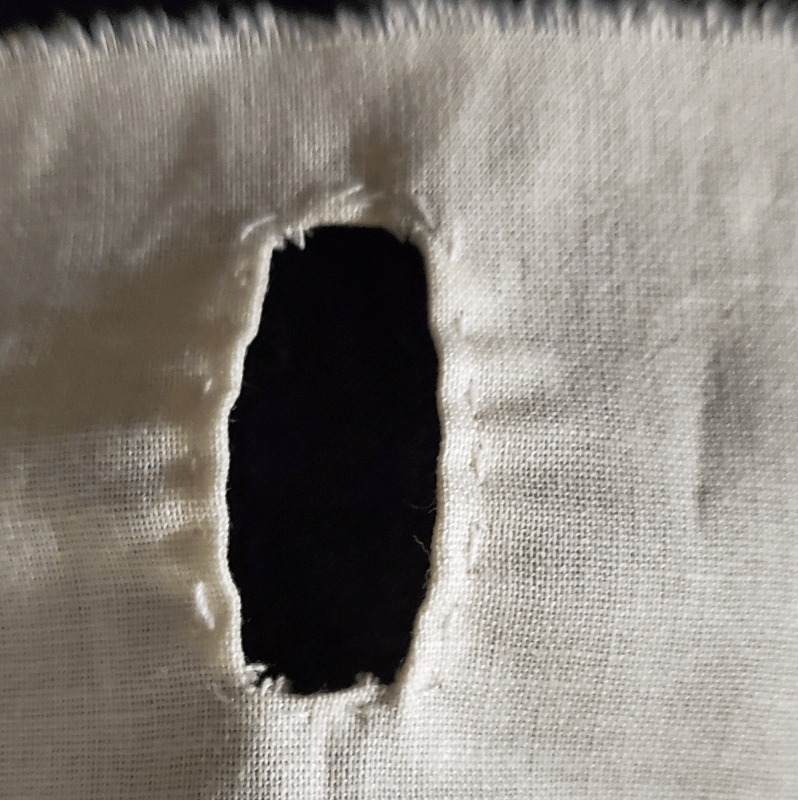
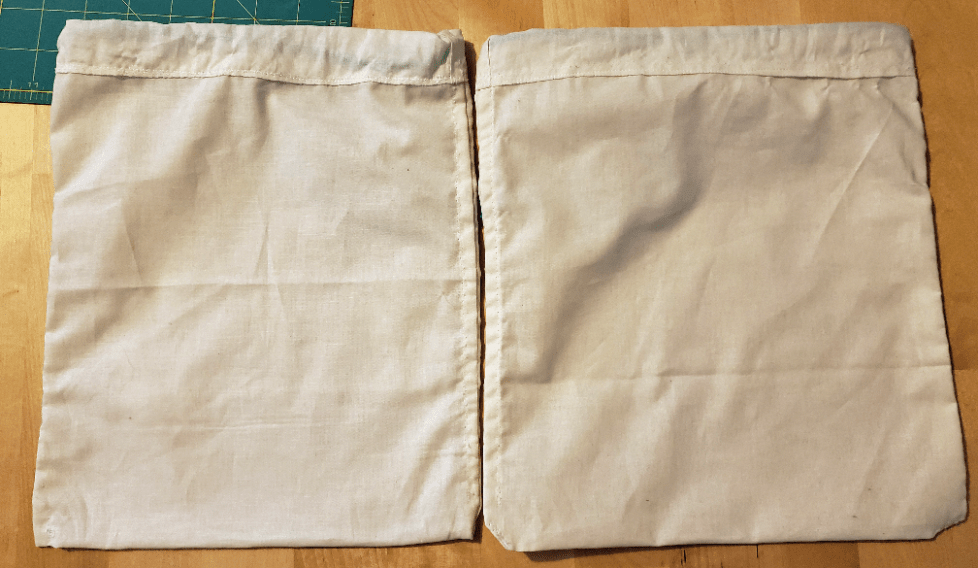
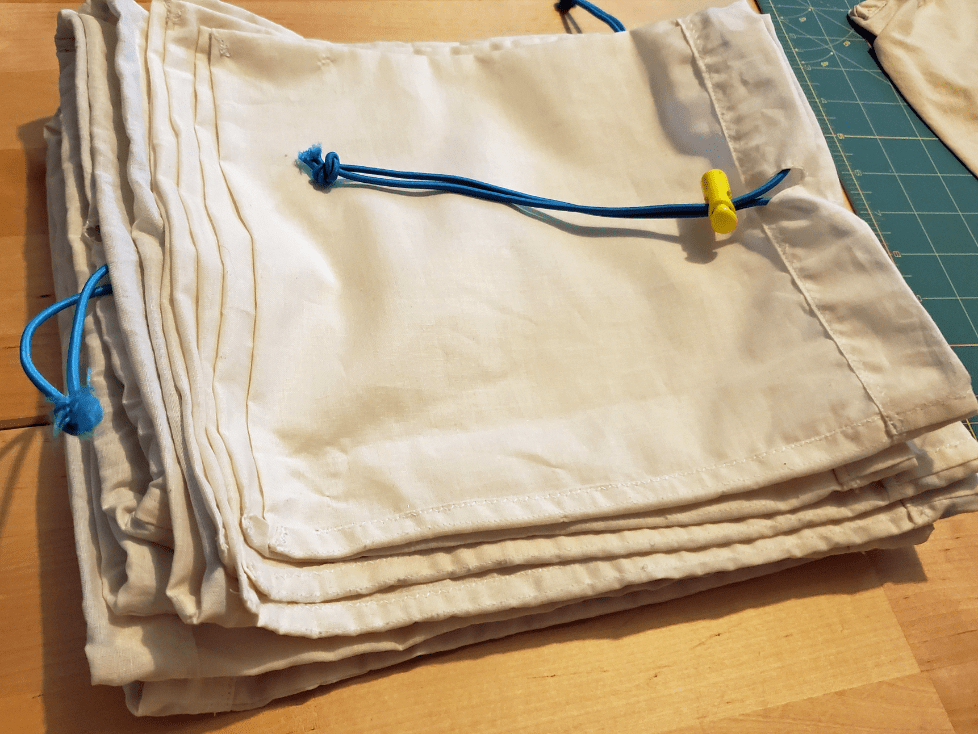
Figure 05-3. When I was volunteering at the San Diego Zoo, I enjoyed stitching individual muslin “bird bags” to make it easy for researchers to weigh each endangered Loggerhead Shrike without risk of contamination from one bird to another. (At other times, it was fun to stitch burlap “enrichment” items for the San Diego Zoo’s apes, too. Like the bird bags, each enrichment item had specific requirements, making store-bought items impossible.)
In Burman’s interviews of seamsters, she found that many could recall “minute details of home-sewn items” made by them or made for them by loved ones, remembered decades afterward. “Sewing, memory and emotions are inextricably entwined” (p. 157). When the items are themselves preserved, they can serve as links from one generation to another, or perhaps to many others. When seamsters sew, “their own values and ways of being are evident, fashioned by their own efforts” (p. 159).
6, The Business of the Needle, 160–187
A sewing machine can be a tool of oppression or of liberation. For some rural seamsters, owning a sewing machine can offer a way to earn a living for the seamster’s family, such as by mending torn or worn-out clothes, adapting clothes to fit a different size or shape, or to suit changing tastes in clothing.
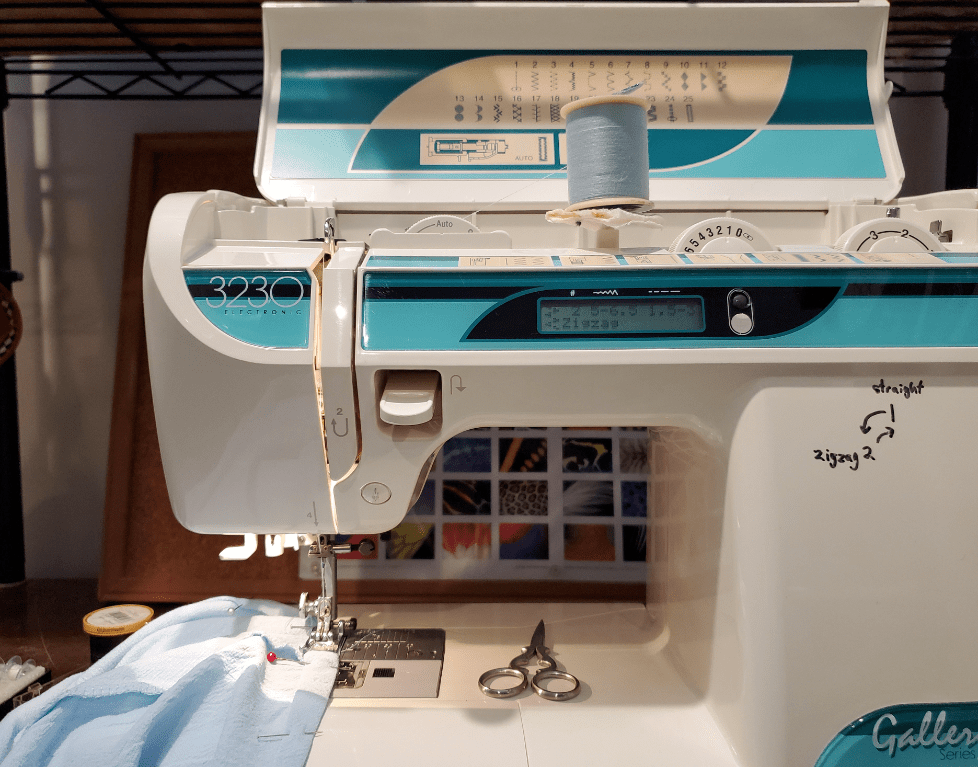
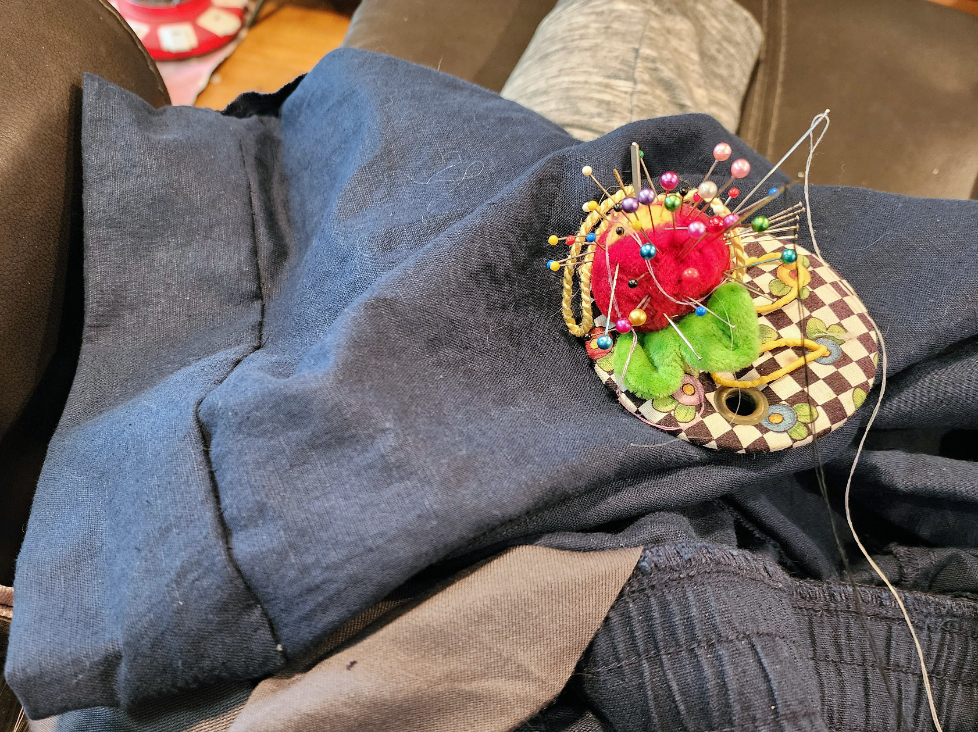
Figure 06-1. I’m wider and shorter than the standard size for clothing, so I have nearly never bought a fitted garment that fit me well, with no alterations. As a preteen, I quickly learned how to hem store-bought pants. In recent decades, I have routinely cut fabric from the hemline and inserted the extra fabric into side seams, often adding in-seam pockets. (I also adapted an inexpensive prom dress to make a maternity wedding gown for a loved one, taking fabric from the hemline to insert into a side seam to accommodate a growing fetus.) For me, my sewing machine is a tool of liberation.
Other seamsters sew in harsh working conditions of almost incomprehensible deprivation to make our clothes, furnishings, sneakers, backpacks, pet beds, and so on. “Textiles and clothing together constitute one of the world’s biggest industries with one of the largest environmental impacts. . . . Worldwide, 100 billion items of clothing are made annually, equating to 62 million metric tons of clothing” (p. 161), and these numbers are expected to further multiply.
The low pay earned by these seamsters doesn’t equate to the high degree of skill and knowledge needed to create 3-D clothing and furnishings from 2-D fabrics. One reason many clothing and textile manufacturers can ignore the appalling pay and working conditions of their work force is that they outsource the manufacturing to other companies, in other countries. “In the USA 90 per cent of all clothing sold is imported” (p. 165).
To create cheap fast-fashion clothes, shoes, and furnishings, retailers buy whole or partial sewn items from an array of other sources. “Supply chains in garment manufacturing typically involve sub-contracting, ‘often several layers deep’” (p. 164). One Swedish retailer uses “approximately 750 suppliers that manufacture products for its eight global brands in around 1,400 factories across 41 countries, which are sold in around 5,000 stores in 72 markets and across 52 markets via its online shop” (pp. 162–163).
“At least 60 to 75 million people [are] employed in apparel manufacture worldwide, 75 per cent of whom are located in the Asia Pacific region where China, Bangladesh and Vietnam are among the world’s top clothing exporters. Eighty per cent of garment workers globally are women, mostly women of color. These workers are often already disadvantaged, with little choice about where or how they work” (p. 164).
For women who work in factories, it can be challenging to ascertain whether seamsters are treated well. In addition to wages and hours, multiple factors affect the seamster’s experience:
- physical work environment — fresh air, habitable temperature, minimum noise level, freedom from noxious or even toxic odors
- equipment — ergonomic seating, user-friendly machine, reliability and efficiency, maintenance, and appropriate responses when a machine needs repair,
- rights, benefits, and perquisites — work breaks of suitable lengths and frequency, ability to stand or to move around from time to time, allowance for sick days, paid leave, weekends or other days off, ability to drink water often during the work day
- supplies — quality of the fabric and of the thread, no harmful chemical treatments applied to the fabric, no fabric or thread that may irritate the skin,
- requirements — the level of skill and precision needed for the job, the monotony or variety of tasks (which may lead to repetitive-motion injuries), the consequences of making errors,
- supervision — whether management offers support when workers need help, whether supervisors are breathing down the necks of seamsters to produce more and to work faster
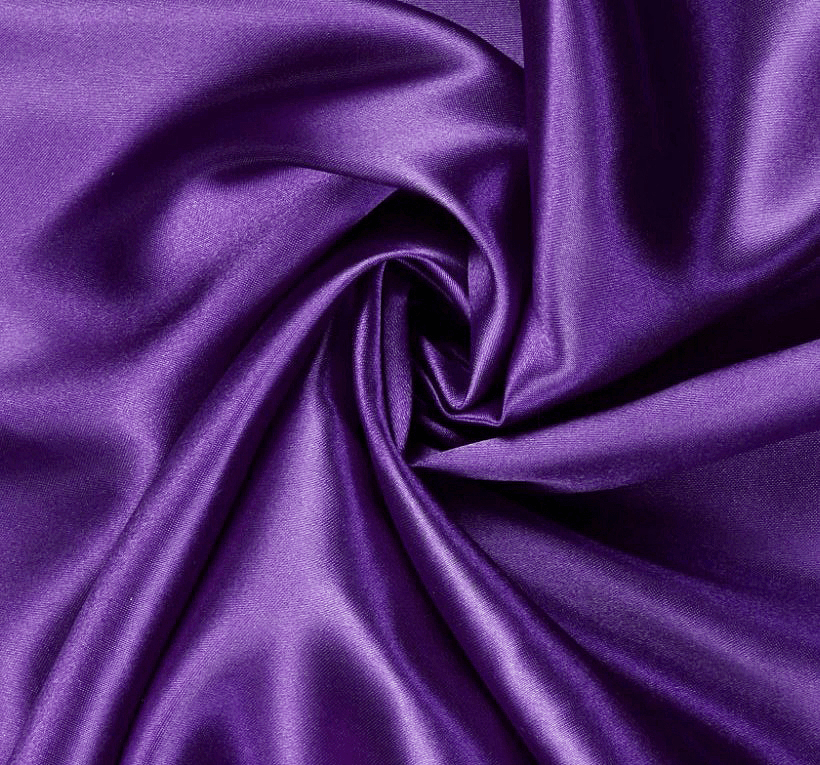
Figure 06-2. When I was in college in the San Francisco Bay area in the late 1960s, I earned some money as a nanny/housekeeper for a mother who had a physical disability, but I was always eager to find additional ways to earn money. One opportunity arose when a local musician decided he needed an eye-catching shirt for his on-stage performances. In particular, he wanted a knee-length button-front shirt with an open ginormous collar with pointed tips extending down his chest, and with blousy sleeves ending in extra-long buttoned cuffs, made in a flashy fabric. Needless to say, such a shirt did not already exist. He drew a picture of what he wanted, then he and I chose a deep purple satin fabric and an approximate shirt pattern for me to adapt. Neither the musician nor I had any idea what he should pay me for sewing the shirt, but I recall that both of us were pleased with the amount he gave me and with the outrageous shirt. This project did not, however, turn into a regular sewing business. (Then, we couldn’t buy fabric online, such as shown on this screenshot from an Etsy web page, https://www.etsy.com/ .)
In India, “an estimated 5 million homeworkers are engaged in the garment and textile supply chains” (p. 164). According to Burman, both “men and women . . . sew garments for basic survival. They work at home” (p. 174). For them and other seamsters who sew piecework from home, other considerations come into play. Importantly, is the time allotted per piece a realistic estimate of the average time it would take to complete each one? Is the seamster expected not only to supply but also to maintain the sewing machine? Is there some flexibility regarding deadlines for turning in completed items? Of course, for each home seamster, other factors related to the home will also affect the working conditions — commodious workspace, intrusive interruptions, social support, and so on.
In a UK survey of consumers, more than “half of respondents said fair pay for workers was ‘the most important aspect of sustainability’ for them” (p. 169). Even so, we must also consider the impact of fast fashion on the environment. One extreme example is that many leading clothing brands incinerate “unsold goods to protect the impact and value of their incoming new styles” (p. 166). “In the UK alone an estimated £140 million worth of clothing is thrown into landfill or incineration every year, or 336,000 tonnes” (p. 168) (1 tonne = 1 ton = 2,204.6 pounds, 1,000 kg; 336,000 tons = 740,750,000 pounds). “Globally clothing goes to landfill at the rate of a rubbish truck every second,” 24/7, 365/year.
To move away from this deplorable waste, the Ellen MacArthur Foundation and others promote the idea of a circular economy, “in which materials used in discarded clothing are reformed to make into new clothes, thereby reducing landfill,” and they urge the achievement of the circular economy “by a combination of the power of designers, science and technology, manufacturers, retailers and consumers” (p. 166).
Some have also suggested “reshoring,” moving the manufacture of clothing back to developed countries, nearer to the consumers, minimizing transportation costs and avoiding exploitation of foreign workers. It’s unrealistic, however, to implement such a plan. Developed nations no longer have a skilled workforce ready to take on the immense challenge of producing the huge volume of clothing currently in demand. In addition, for reshoring to yield big benefits, reshoring of clothing would also mean reshoring of fabric manufacture, which would mean reshoring the production of threads and yarns for making the fabric, which would mean reshoring the agricultural production of the raw fiber. You get the idea.
One solution is for consumers to nudge clothing retailers to consider social justice and the environment as a factor when making clothing. Some high-end clothiers, such as Stella McCartney (yup, daughter of that McCartney), have been designing their clothing with a mind to sustainability. “Some fashion brands have obtained B Corp certification, which shows that they can verify good practice in all their business activities” (p. 170). We can’t rely on voluntary compliance with good practice, however. The most effective way to deal with the social-justice and the environmental problems of clothing manufacture is to devise international legislation and regulation of worker rights and of environmental protection.
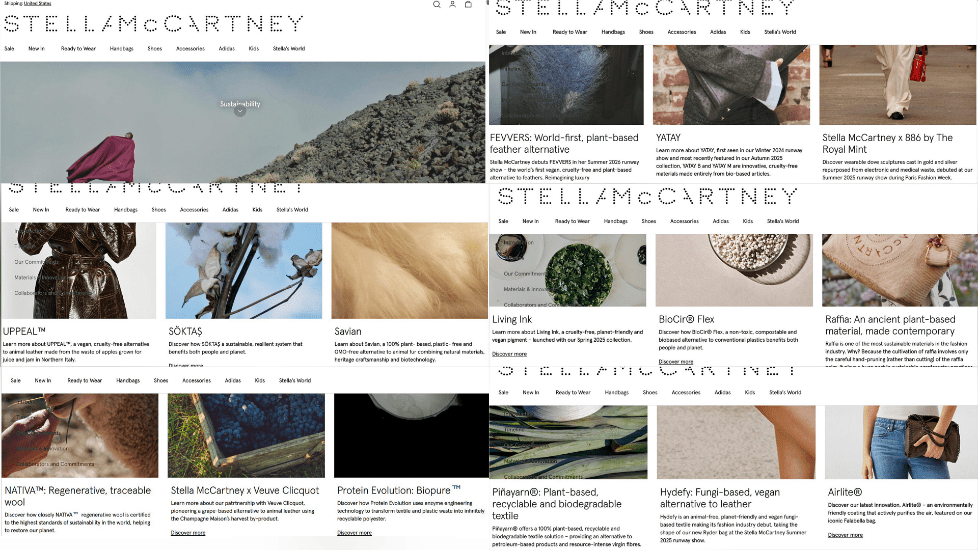
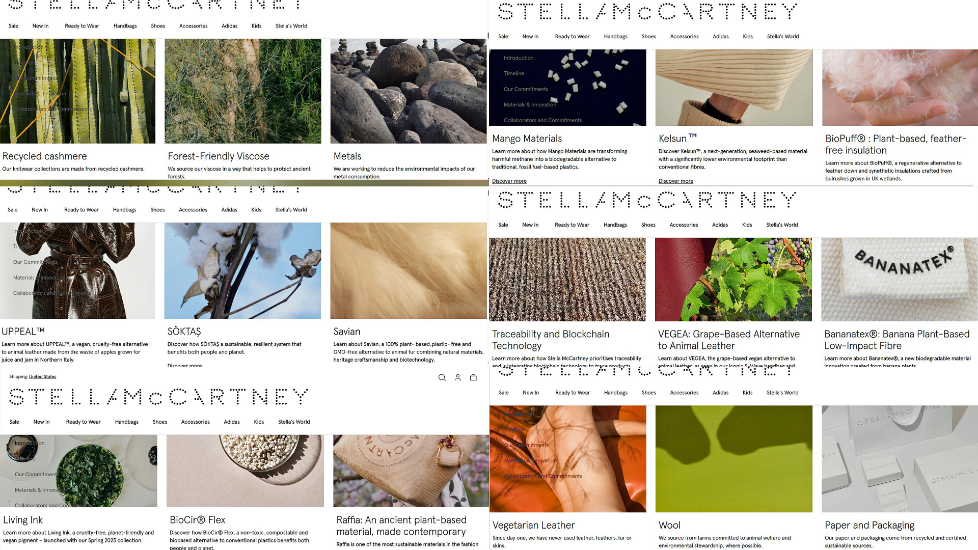
Figure 06-3. Stella McCartney has been trying to use eco-friendly sustainable resources for her high-end clothing, as can be seen on these screenshots taken from her website, https://www.stellamccartney.com/us/en/ . Though her clothing is financially beyond the reach of most of us, she goes above and beyond what many other high-priced clothiers are doing in terms of using sustainable practices in her manufacturing processes.
Legislation and regulation aren’t easy to implement either, but following a Bangladeshi disaster killing and injuring thousands of garment workers, a legally binding accord was established to enhance safety conditions for workers. In New York City, in 1911, the catastrophic fire in the Triangle Shirtwaist Factory prompted nationwide support both for legislation and for unionization of garment workers and others.
Not all seamsters who work from home are oppressed. For many of them, the sewing machine is a means of liberation, a way to earn a living for their family while remaining in the family home. They can take work breaks to tend to children, cook, launder, garden, and carry out other household chores. For many of them, “a sewing machine is the mother of empowerment” (p. 175).
At the extremely high end of the clothing market, haute couture (high-end dressmaking) needleworkers “construct fashion pieces for ultra-wealthy and international clients at prices that would transform the lives of whole villages elsewhere. . . . This old-established trade is governed by French legislation because it carries such reputational and cultural capital” (p. 176). An elite membership collection of businesses, formed in 1868, governs this trade. For membership, “a business must showcase a minimum of 25 of its own original designs twice a year and also produce one-off made-to-order pieces for private clients, fitted and made in its own workrooms” (p. 176). Every one of these businesses is sustained not just by talented designers but also by highly skilled seamsters.
Just one haute couture outfit requires “multiple adjustments and [represents] hundreds of hours of labour [sic]” (p. 177). The market for haute couture has plummeted, however, from about 20,000 clients to just 4,000 or so, but these thousands have tons of bucks, and they’re getting younger than in previous generations. “The percentage of Millenial couture clients worldwide is growing, and fast” (p. 177).
For men, “the long-established bespoke tailoring trade” continues to flourish around the world (p. 178). A fully bespoke suit can cost “thousands of pounds” because it requires “superior fabrics, hand skills and the time involved to improve the fit and comfort of the garments. . . . The durability of the best cloth combined with the best tailoring craft gives such garments great durability, so some customers view them as an investment” (p. 179).
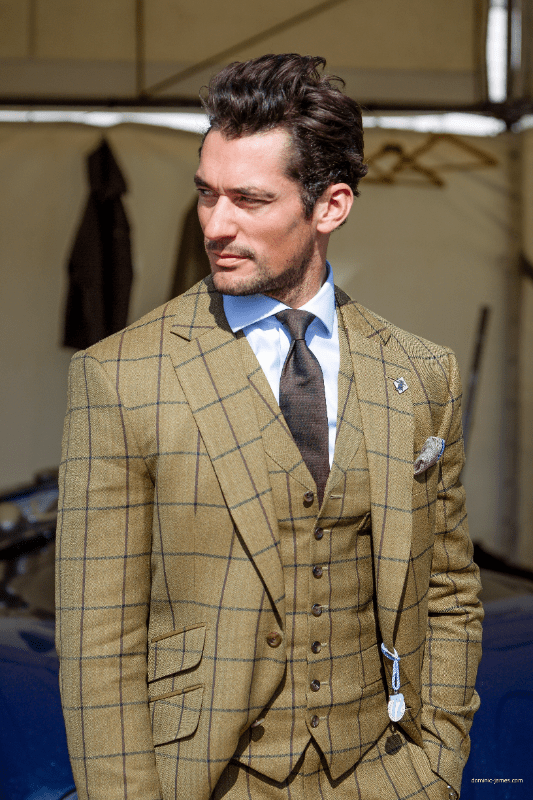
Figure 06-4. This model (David Gandy) is “wearing a bespoke suit by Henry Poole & Co (29 Mar 2014)”; to see how a client is fitted for a bespoke suit jacket, please see https://commons.wikimedia.org/wiki/File:TailoringFirstFitFront01.jpg .
https://en.wikipedia.org/wiki/Savile_Row_tailoring#/media/File:72MM_14_DominicJames_2550_(a).jpg . Summary, Description, English: David Gandy [model], attending the 72nd Meeting of the Goodwood Members, wearing a bespoke suit by Henry Poole & Co (29 Mar 2014). Date, 27 April 2014, 17:34:05. Source, http://www.dominic-james.com/goodwood-72mm-2014 . Author, Dominic James. Permission: VRT Wikimedia, This work is free and may be used by anyone for any purpose. If you wish to use this content, you do not need to request permission as long as you follow any licensing requirements mentioned on this page. The Wikimedia Foundation has received an e-mail confirming that the copyright holder has approved publication under the terms mentioned on this page. This correspondence has been reviewed by a Volunteer Response Team (VRT) member and stored in our permission archive. The correspondence is available to trusted volunteers as ticket #2014040810014633.
Between fast fashion and bespoke suits or haute couture, small businesses are emerging; these businesses produce a few dozen garments a week, which sell at an intermediate price point. Some work may be done in house, some may be done part time (e.g., a pattern maker or a fabric cutter), some may be parceled out to home seamsters. One such business offers “a limited range of garments designed to evoke workwear and an apparently timeless aesthetic, but cleverly tweaked over the years to stay in tune with the zeitgeist” (p. 181). A client will come in for a fitting, choose from an assortment of durable fabrics, and return 6–8 weeks later for a custom-tailored garment, possibly with an intermediate fitting in the meantime. Their clients are highly loyal.
Another such business is a solitary rural dressmaker who makes tailored garments for neighborhood clientele who spread the word to other potential clients about the high quality of her work. She lives in a community of <600 people yet makes a living by sewing for >20 regular clients, as well as >200 occasional clients from the wider community. For this dressmaker, raising small children, the flexibility of sewing at home is an additional plus. Other seamsters, however, have abandoned trying to earn a living by sewing, finding that “customers weren’t willing to pay the true cost in fabric and time” (p. 183). A dressmaker with decades of experience noted simply, “Dressmaking is not an easy job if you do it properly” (p. 186).
Another way to earn a living from sewing is to teach others to sew — adults and children, through courses, workshops, classes, and so on.
Burman closes this chapter with these thoughts: “If, where we can, we only select clothes that are durable and sustainable, if we buy if we can afford it from ethical brands with transparent records on workers’ rights, then that will propel change down the line. We can vote with our wallets. If we wear the clothes these workers made for longer, wash them sparingly, dispose of them thoughtfully, then our actions will also directly benefit the planet” (p. 187).
Forthcoming is the third of these three blogs about Barbara Burman’s book; it discusses Chapter 7, “The Alternative Stitch,” about using sewing to effect societal change; Chapter 8, “Into the Fray,” about mending garments and other textiles; and the book’s back matter (References, Select Bibliography, Associations and Websites, Acknowledgements, and Index).
Text by Shari Dorantes Hatch, Copyright © 2026. All rights reserved.
Figure Sources
- Figure 04-5a is from https://clickamericana.com/topics/culture-and-lifestyle/crafts-hobbies/super-sewing-machines-of-the-1960s
- Figures 05-1a, 05-1b, and 06-2 are edited screenshots from the Etsy retail website, https://www.etsy.com/ .
- Figures 06-3a and 06-3b are edited screenshots taken from the sustainability web pages on Stella McCartney’s website, https://www.stellamccartney.com/us/en/ .
- Figure 06-4 is from Wikipedia, as indicated in the figure caption.
- Figures 00, 04-1 through 04-4, 04-5b; 05-2, 05-3; and 06-1 are by Shari Dorantes Hatch, Copyright © 2026.


.jpg)
Leave a comment