
When we avoid wasting food, we save money, conserve Earth’s resources, and reduce the release of methane and other gases.
- Avoiding Food Waste
- Buying Food Wisely
- Using Food Strategically
- Expiration Dates
- Storing Food to Avoid Waste
- Freezing
- Refrigerating
- Keeping at Room Temperature
- Suggestions for Specific Foods
- Fruits
- Vegetables
- Bread
- Cheese
- Beans, Lentils, Other Legumes
- Meats, Poultry, Fish
- Miscellaneous
- Resources
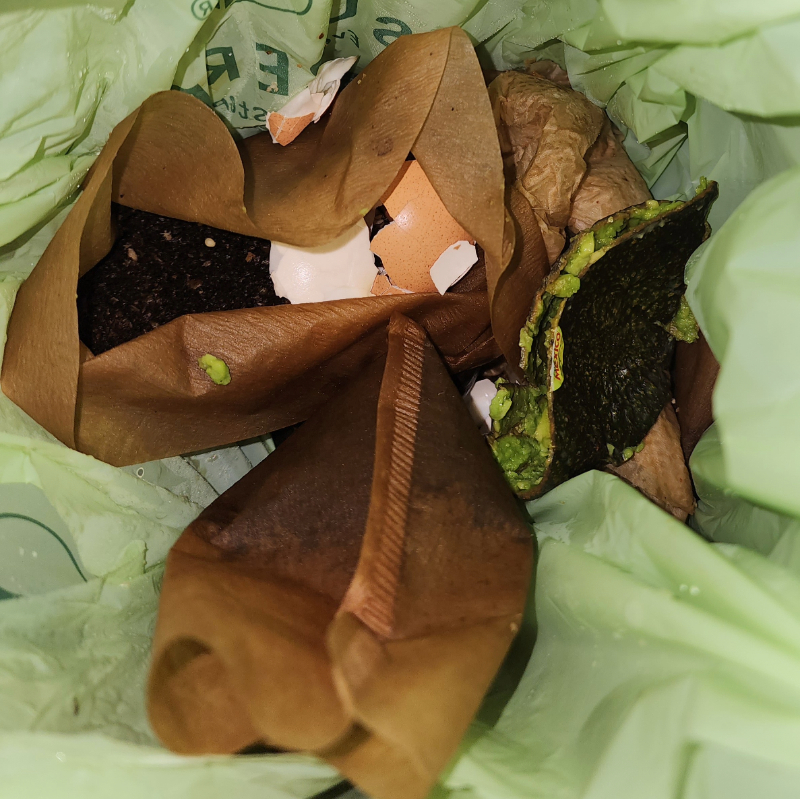
Figure 00. Ideally, all you’ll have in your compost bin will be coffee grounds, eggshells, veggie peels, and so on — not rotten food you didn’t get to eat. (If you’re not able to compost your food waste, all the more reason to avoid discarding food that could have been edible.)
Avoiding Food Waste
An important way to avoid food waste is to buy minimal quantities of perishable foods and to look for nonperishable alternatives. When buying food for one to three people, a warehouse store offering big discounts on huge quantities of food won’t be a good deal.
Buying Food Wisely
Wasted food isn’t cheap at any price. Instead, look for stores that offer these options:
- Bulk food items (e.g., coffee beans, cereals, nuts, beans, dried fruits, flours), which you can buy in exactly the quantities you want.
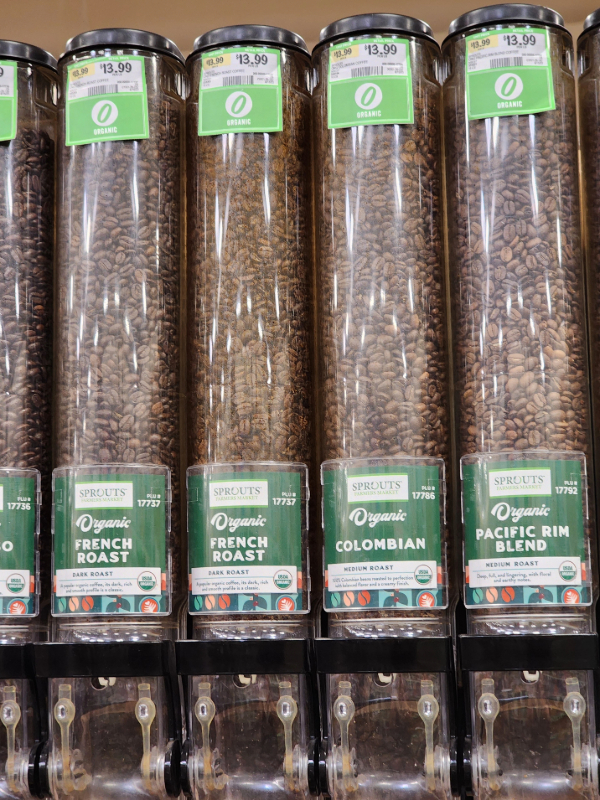
Figure 01. Being able to buy coffee beans in bulk means buying just as much as you want to buy. (Also, if you don’t want to grind your own beans, most stores that sell coffee beans also have available a bean grinder, which you can use to grind their beans.)
- Small sizes of fruits or vegetables, such as a smaller watermelon, canteloupe, or avocado
- Small packages with small portions (e.g., cheese, hummus, other spreads)
- Small cans or jars of preserved foods (e.g., canned tuna, jam, sauces)
- Produce that’s not pre-wrapped or pre-packaged, so you can buy just as much as you know you’ll eat

Figure 02. When buying loose produce, you can buy only as much as you want to buy. When produce is pre-packaged, you’re stuck buying however much is in the package.
- Frozen foods in bags that can be opened, portions removed, resealed, and returned to the freezer.
Using Food Strategically
You can be strategic in how you use food.
- When you first put away your groceries, move the new stuff to the back and pull the old stuff to the front.
- Organize both your freezer and your refrigerator, keeping particular kinds of foods in particular places, so you can easily see and find the foods you want. (For example, keep cheeses together, veggies together, fruits together, etc. Various inexpensive freezer and fridge organizers can help, too.)
- When you buy more produce than you can eat before it’s inedible, set aside what you’ll eat soon, and find a way to freeze the rest. If it’s too big to freeze as is (e.g., cauliflower, squash), cut it into smaller portions, perhaps even bites, and freeze it raw. For leafy greens or potatoes, cook them, then freeze them in one- or two-meal portions.
- If you see raw foods that will soon be inedible, eat them or cook them. If you won’t be eating all of it soon, set aside what you’ll eat soon, and portion out the remainder to be frozen.
- If you’re fond of nuts, keep them in an airtight container. Buy pre-portioned packages of nuts, put loose nuts into airtight jars, and freeze any nuts you won’t be eating soon. Nuts freeze and thaw quite well, keeping both their texture and their taste. This is especially helpful for high-fat nuts such as cashews or macadamias, which can get rancid too quickly.
- When baking, instead of baking a loaf or a cake, bake muffins or cupcakes. Set aside all you’ll eat now, and freeze the rest. Do the same with cookies or other baked goods: Set aside what you’ll eat soon, and freeze the rest. Later, when you’re too tired to bake, you can thaw yourself a treat.

Figure 03. If you bake muffins or cupcakes, instead of loaves or cakes, you can easily set aside what you’ll eat soon, and freeze the rest, to enjoy another time.
- When making (or buying) broth, set aside what you’ll use soon, and pour the rest into ice-cube trays. Freeze the cubes. Once they’re frozen, transfer the cubes to a bag, and label the bag with what it is and the date you froze them. You can do something similar for homemade soups: Pour portions into freezer containers, freeze what you won’t eat soon, and label the containers, with the date. (To avoid writing directly on the containers, use transparent tape and a permanent marker, which won’t smudge.)
Expiration Dates
Consider expiration dates as a guide, not a dictum.
In the store
While in the store, check expiration dates on the foods you buy. If it’s something you eat infrequently, try not to buy more than you’ll eat before the expiration date.
At home
- Fresh fish, poultry, eggs, or other protein-rich foods — These can make you quite sick (or worse) if you eat them after the date has expired. Take the expiration date seriously, and use your nose and eyes, too. If you have any doubt, do not take chances. Wasted food is better than getting sick, no matter how expensive it was.
- Dairy products — Use your nose and eyes as guides to when the food has expired; nowadays, you’ll probably finish consuming ultra-pasteurized milk, yogurt, cottage cheese, and other dairy products before the expiration date.
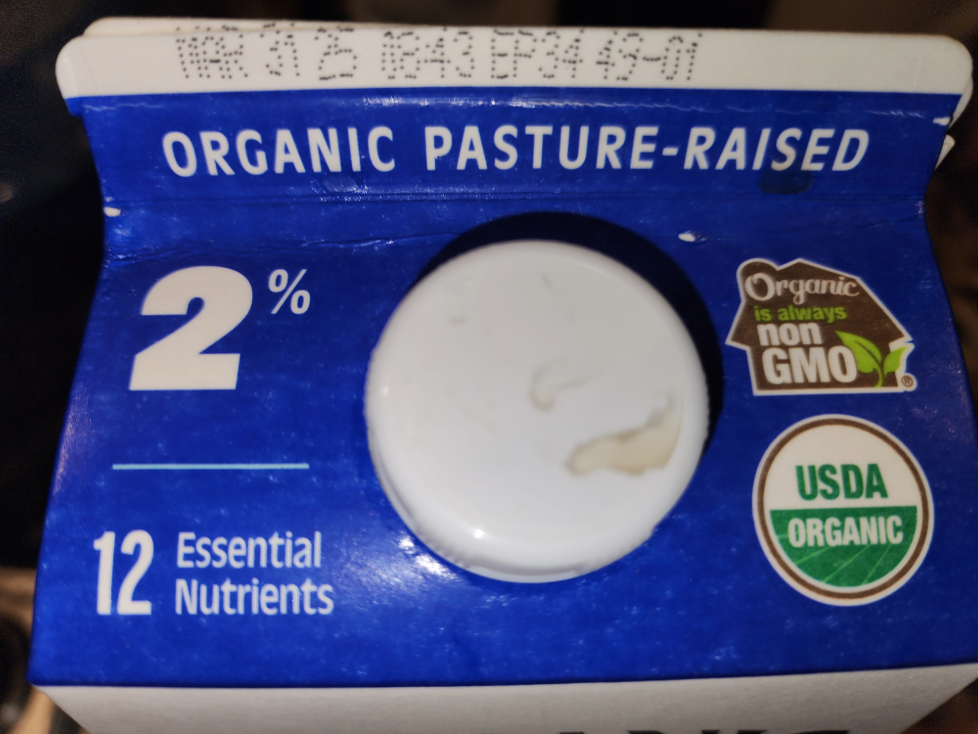
Figure 04. With the ultra-pasteurization of dairy products, you’ll probably consume them long before the “expiration date.”
- Fresh fruits and vegetables— The look, smell, and feel will tell you when they’re no longer edible. They’ll probably be unappetizing before they are unsafe to eat. Do not eat moldy foods, however. Cutting off the moldy bits isn’t enough. Surface mold may indicate a deeper problem.
- For other foods, once you have the food at home, expiration dates are just suggestions. “Best by” or “Use by” or “Sell by” dates are loose suggestions; many foods are still quite good long after these dates. For fresh foods, your own nose, eyes, and fingers will guide you better than any date. For canned foods, these are suggested shelf life estimates (https://scientificorigin.com/is-it-safe-to-eat-canned-foods-past-their-expiration-date):
- Canned vegetables and fruits: 1–2 years past the best-by date
- Canned soups and stews: 2–5 years past the best-by date
- Canned meat and fish (e.g., tuna, chicken): 3–5 years past the best-by date
- Canned beans and legumes: 2–5 years past the best-by date
Storing Food to Avoid Waste
Freezing
Freezing usually keeps foods edible longer than refrigerating does. Because frozen foods don’t need to be eaten immediately, when you use frozen foods, you can enjoy a greater variety of foods than you would otherwise.
The trick to freezing foods is to separate them into eatable portions before putting them into the freezer. Once frozen, they may be too hard to separate in order to thaw just what you want to eat. For many foods (fruits, veggies, breads, cheeses), you can put the portions into paper baggies, then put all of your portions into a larger freezer bag. If you can easily see the contents through the bag, you’re all set. If, however, you can’t see the contents through the bag, label the bag with permanent marker.
Refrigerating
For foods kept in the refrigerator, moisture can speed up deterioration, such as by fostering mold. Foods that are kept closely packed in tight spaces may more quickly go bad than foods that are spread apart. Eggs and dairy products (including cheeses) should always be kept in the refrigerator when not in use.

Figure 05. If you spread berries out on towels, you’ll keep them tasty (not moldy) longer. If you have a drying rack, you can more easily store other items beneath your berries. Otherwise, just spread them out on a short shelf.
Keeping at Room Temperature
Many foods are best kept at room temperature for optimum taste and texture. Many whole fruits (apples, pears, oranges) keep well at room temperature, though they also do well in the refrigerator. Once sliced or torn open, they need to be refrigerated. Whole bananas, avocados, and tomatoes keep best at room temperature; once sliced, they should be kept in the fridge. Bread does well if kept at room temperature in a bread box or a bread bag for a few days. (For keeping longer, see below.) Most dried fruits, nuts, grains, and beans keep best in a dry place at room temperature. Raw potatoes do best at darkened, slightly cool room temperature.
Suggestions for Specific Foods
Fruits
- Lemons
- Buy a big bag of lemons, and juice all but one of the lemons. If possible, use a juicer over a measuring cup; otherwise, frequently pour the juice from the juicer into a measuring cup or other easy-pour container. Once you’ve juiced all but one of the lemons, pour the juice into ice-cube trays. Freeze the juice-filled trays. When the juice is solidly frozen, transfer the cubes to a baggie, and keep it in the freezer.

Figure 06. If you’re not a big fan of lemons, you can probably just buy one to keep in your fridge for rare uses. If you’re a lemon-aholic, however, you may prefer to convert a big bag of lemons into an ice tray or two of lemon-juice cubes.
- Berries
- Rinse them and spread them out on towels. Put the dried berries into the fridge, spreading them so they’re not touching each other
- If that doesn’t work for you, try frozen berries; they taste good, though the texture isn’t as pleasing.
- Bananas
- Don’t buy more than you’ll eat within a week, and avoid peeling them until you’re ready to eat them. As needed, store leftovers in the peel, in a baggie, in the fridge.
- If you’re eager to go above and beyond to avoid food waste, when you have overripe bananas or parts of bananas, peel them, put them into a baggie, and freeze them. Find a recipe for banana bread or something else you’d like, and when you have enough frozen bananas, thaw them and use your recipe.
- Most other fruits (grapes, melons, oranges, etc.)
- Limit the quantities you buy to the amount you think you’ll eat before it goes bad.
- Keep them in the crisper drawer of your refrigerator.
- When you want a snack, look in your crisper drawer first.
Tip. For most fruits and vegetables, your refrigerator’s crisper drawer is a great place to store them. It’s temperature and humidity controlled, and it keeps them all in one place, so you can more easily find what you’re looking for. You can put your oldest stuff in front, on top, and the newest stuff in back, on the bottom. If you tend to forget about what’s in your crisper drawer (don’t we all?), add a note to your calendar to check it each week.
Vegetables
- Frozen: Keep opened bags of veggies in baggies (compostable bags are fine), and return them to the freezer. If you can’t see the contents through the bag, label the bag with permanent marker.
- Fresh:
- Hard veggies (e.g., carrots) — buy small packages and keep them in the fridge (I buy precut, pre-peeled, so I have no excuse not to snack on them often.)
- Leafy veggies (e.g., spinach) — Set aside whatever you know you will eat within a few days. Cook up the rest, and freeze whatever you won’t eat soon. Microwaving with a dab of water or olive oil works just fine; no need to dirty a pan.
- Fruit veggies (e.g., tomatoes, cucumbers)
- Tomatoes — It’s easier to keep grape or cherry tomatoes fresh than to keep larger whole tomatoes. Tomatoes keep pretty well at room temperature, and their texture and taste linger longer. If you use large tomatoes, and you have some cut tomato left over, you’ll need to keep it in the fridge.
- Avocados — Keep at room temperature until you slice into one, then store any leftover avocado in the fridge.
- Cucumbers and summer/soft squashes (e.g., zucchinis) — Keep them in the refrigerator; even then, you should probably try to use them within a few days. Once you cut into one, put the leftovers into a baggie, and keep that in the front of the crisper drawer in your fridge.
- Other veggies, such as asparagus, sprouts, winter/hard squash (e.g., acorn, butternut, pumpkin): Cut into bite-sized pieces, and either
- Freeze raw
- Chopped veggies can go into one bag; they’re easy to separate if they stick together
- Sliced veggies need to be separated into portions; they’re hard to separate once frozen.
- Cook them, sort them into portions, and freeze each portion.
- Freeze raw
- Canned vegetables are about as nutritious as fresh ones (but watch the sodium content). However, if you won’t eat the whole can of food right away, put part into a container, and freeze it.
Bread
- Buy it sliced, or slice it yourself. Put batches of 3–4 slices into packages, and freeze them. Keep 1 package on your counter or in a bread bag or box. When you have 1–2 slices left, take out another frozen package. If you don’t want the bread sliced, just cut it into chunks you can eat within a few days.
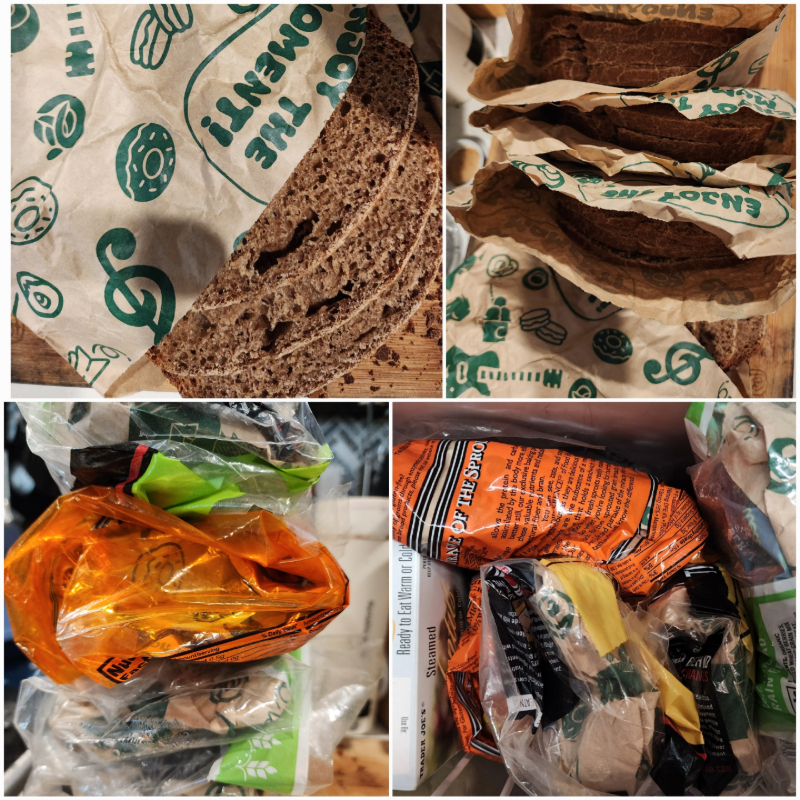
Figure 07. If you’ll eat a whole loaf of bread within a few days, great. If not, slice the loaf, and put the slices into baggies containing 3–4-slices each. Put the baggies into plastic bread bags or freezer bags, and freeze the slices.
- If your bread is moldy, toss it. Because bread is so porous, the mold has already penetrated far more deeply than you can detect easily.
Cheese
- Soft cheeses (e.g., feta, goat)
- Buy soft cheeses in blocks, not pre-crumbled, which gets moldy more quickly.
- If you see mold in your crumbled cheese, toss it all.
- Medium-soft cheese (e.g., mozzarella, “string cheese”)
- Frozen mozzarella loses some of its texture if you plan to serve it fresh (e.g., caprese). Otherwise, it will be fine in the freezer for 3–4 months. After it’s thawed, try to use it within a few days.
- String cheese — “String cheese” is mozzarella cheese that has been stretched into a long, thin form. Typically, each package is presealed and usually lasts quite a while in your fridge until you open the package. This format may work for you, at least for some purposes.
- Ball of cheese
- Refrigerating: If you plan to use all of a ball of mozzarella, if it came in a container with liquid, keep it in the container. If it doesn’t have a container, transfer the ball to a container, add water or olive oil, and seal the container, to keep it moist. An alternative to keeping it in a container is to wrap it in parchment paper or waxed paper, put the wrapped cheese into a baggie, and put the baggie into the refrigerator.
- Freezing: You can also put the ball directly into the freezer; you’ll have to thaw it all at once, then you’ll have to use all of it quickly.
- Grated or sliced cheese
- Refrigerating: Once you open the bag (or other container), remove the amount of cheese you will use within a few days. Wrap it in parchment paper or waxed paper. Put the wrapped cheese into a baggie, and put the baggie into the refrigerator.
- Freezing: If you want to use some or all of the grated or sliced mozzarella cheese after more than a few days, grate or slice the whole ball, and portion it into the amounts you’ll be able to use within a few days. For slices, wrap the portions with aluminum foil and put the portions into a freezer bag. For grated cheese, put each portion into a baggie (paper is fine), and put the baggies into a freezer bag. Label the bag, including the date.
- Hard cheeses (e.g., parmesan, cheddar)
- If you buy a block of cheese, chop off a chunk of cheese that you’re pretty sure you’ll use within a few days. With the rest, slice or grate the entire package right away. You may also prefer to buy it grated or sliced. In any case, set aside as much of the sliced or grated cheese as you think you’ll eat within 5 days, and put the rest into baggies with small portions in each bag. (I use paper sandwich bags for each portion). Then put those bags into a freezer baggie. Freeze whatever you won’t eat right away. When ready, remove one baggie at a time to replace what you’ve eaten.
- If your cheese is moldy (white, green, etc.), chop off and discard the moldy cheese about 1″ past where you can see the mold; you can safely keep the rest. Because cheese is dense, your eyes can be a good guide to detecting it.

Figure 08. If you won’t use an entire bag of grated cheese before it gets moldy, as soon as you get home from the grocery store, separate the cheese into portions you’ll easily use. Put the portions into baggies (e.g., paper or compostable), put the baggies back into the cheese bag, and freeze it.
Beans, Lentils, Other Legumes
- Dried beans: These keep a very long time until you’re ready to cook them, but they require some advance planning when you’re ready to eat them.
- Preparing dried beans: Soak and cook a biggish batch of whichever beans you like, then separate the big batch into meal-sized (or two-meal-sized) portions, in baggies. I use compostable baggies for these; they can be re-used if rinsed well after each use. For the beans you’ll eat soon, store them in the fridge; freeze the rest. For lentils, you won’t need to soak them in advance, so you can almost spontaneously decide to cook lentils for a meal.
- Pre-cooked refrigerated beans: I buy pre-cooked lentils (Trader Joe’s), which I portion into fourths. I freeze three of the fourths and leave one fourth in the fridge. Some stores have deli counters with an assortment of pre-cooked fridge-ready beans. Buy just what you’ll eat soon, or buy extra, and freeze portions of whatever you won’t eat soon.
- Canned beans: When buying canned beans, look for low-sodium or no-sodium cans, if available. For most beans in most stores, organic options are available at little or no extra cost.

Figure 09. Canned beans and other canned foods are usually just as nutritious as fresh or frozen foods. Sometimes, however, sodium content is a problem.
Meats, Poultry, Fish
- It’s vital to ensure that food is safe to eat when eating animal flesh. It’s crucial to find ways to store meats, poultry, and fish safely as soon as possible. When you get home from the grocer (or butcher or fishmonger), immediately decide how much of the meat you’ll be eating that day or the next. Raw animal flesh is especially vulnerable to microbial invasion, and ground meats are even riskier. What you won’t be eating soon, you can keep safe by freezing it, cooking it, or doing both. For poultry breast, you can more quickly cook it or freeze it by flattening it with a food pounder (or tenderizer). This creates a thin, even layer for cooking or freezing.
Miscellaneous
- I don’t know about you, but I have miscellaneous other items that don’t seem to fit well into other categories. For instance, I have various flours, sugars (granulated, honey, date syrup, molasses, etc.), and other food stuff. I keep the flours and sugars in sealed containers at room temperature, but I keep my ground flax, nutritional yeast, almond meal, wheat germ, and other oddities in sealed jars, in my refrigerator. Almost any of these high-nutrition items need to be chilled, in well-sealed containers.
Tip: I nearly never toss out emptied glass jars (jams, sauces, etc.), so I almost always have suitably sized jars for storing stuff. Even so, I bought some canning jars, which have assorted lids — easy-pour spouts, sprinkle tops, easy-off lids (great for nuts and other snacks!), and canning-style screw-on lids.
Resources
- Canned goods
- https://scientificorigin.com/is-it-safe-to-eat-canned-foods-past-their-expiration-date
- https://www.foodnetwork.com/healthyeats/healthy-tips/2019/08/how-long-is-canned-food-good-after-expiration-date
- https://www.healthline.com/nutrition/canned-food-good-or-bad#benefits
- https://www.fcs.uga.edu/news/story/best-by-vs-sell-by-uga-food-safety-expert-explains-expiration-dates
- Mozzarella
- https://www.masterclass.com/articles/how-to-store-fresh-mozzarella
- https://www.wikihow.com/Store-Mozzarella#:~:text=Keep%20your%20mozzarella%20in%20the%20crisper%20drawer%20of%20your%20fridge.&text=Use%20this%20drawer%20to%20keep,out%20as%20you%20store%20it.
- https://www.cheese.com/q-and-a/how-to-store-mozzarella-cheese/#:~:text=The%20cheese%20should%20be%20kept,absorption%20of%20random%20fridge%20odors.
Note. If you have suggestions for improvements, tips for this blog, ideas for future blogs, or any other comments, I would be delighted to hear from you. Thank you.
Copyright 2025, Shari Dorantes Hatch, text and photos. All rights reserved.

 Bird Brain
Leave a reply to valiantlyblaze5d0d5f2b66 Cancel reply