
Virginia Postrel’s The Fabric of Civilization, Part 1
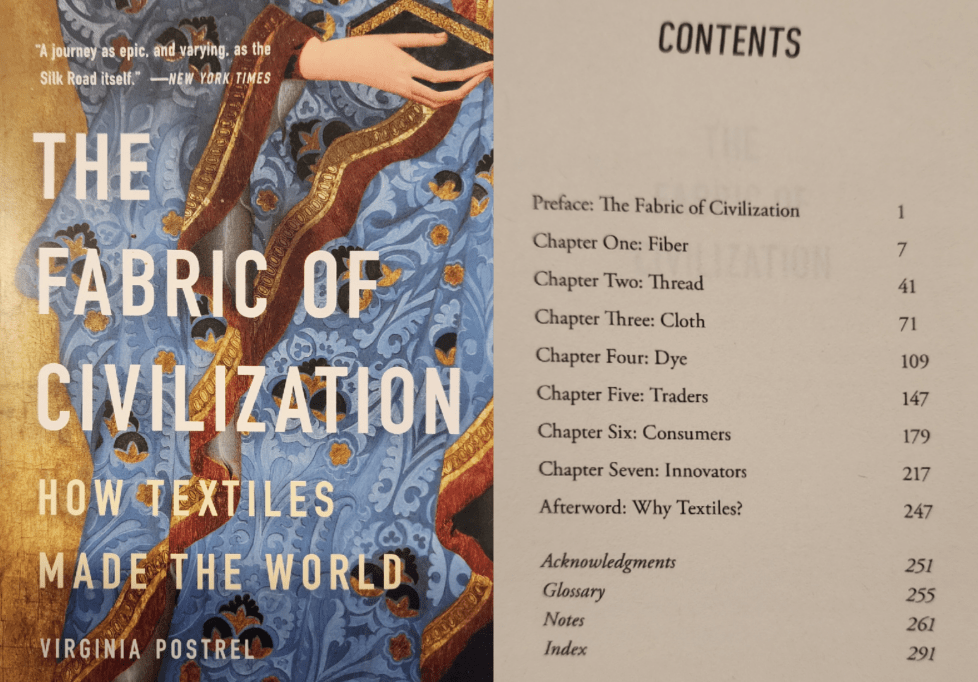
Postrel, Virginia. (2020). The Fabric of Civilization: How Textiles Made the World. New York: Basic Books.
Virginia Postrel’s scrumptious book tells us how textiles interweave throughout world history. Her text is so dense with fascinating information that I’ve decided to post it in multiple blogs, starting with this one, inspired by her preface and her first chapter, “Fiber,” the first of seven chapters. I hope you agree that her text (which shares etymological origins with textile, related to “weave”) deserves this attention.
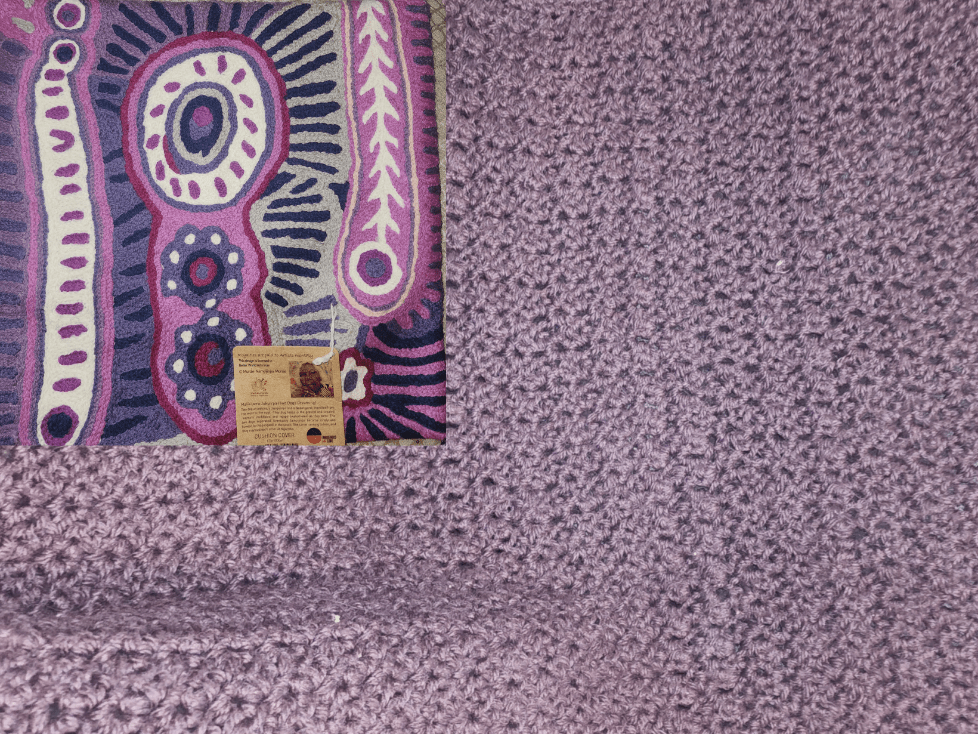
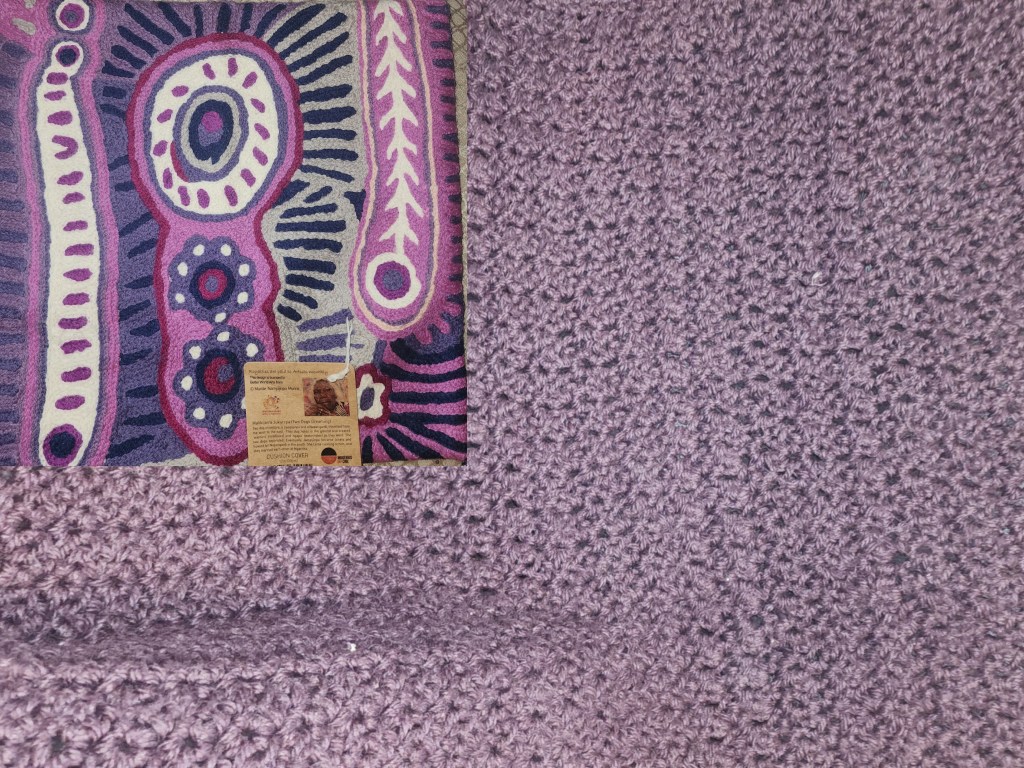
Probably as long as humans have been making textiles, they have been relishing the beauty of textiles, such as this closeup of an exquisite blanket my daughter crocheted for me, and this magnificent Maori design on a pillowcase given to me by my dear friend Kat.
Part I: Preface; Chapter 1, Fiber
Preface: The Fabric of Civilization, 1–6
Postrel introduces readers to textiles through the ancient Minoans, of Knossos on the Grecian island of Crete. At Knossos, mythical Athenian Theseus used a ball of thread (or string) to plot his journey through the minotaur’s labyrinth, so he could follow it to freedom after killing the minotaur.
Postrel typically uses the term thread to mean thread, yarn, cord, string, rope, or any other processed fiber that can be used for weaving, knitting, or other purposes. I have followed her lead, and I usually use “thread” to indicate any of these spun or otherwise processed fibers.
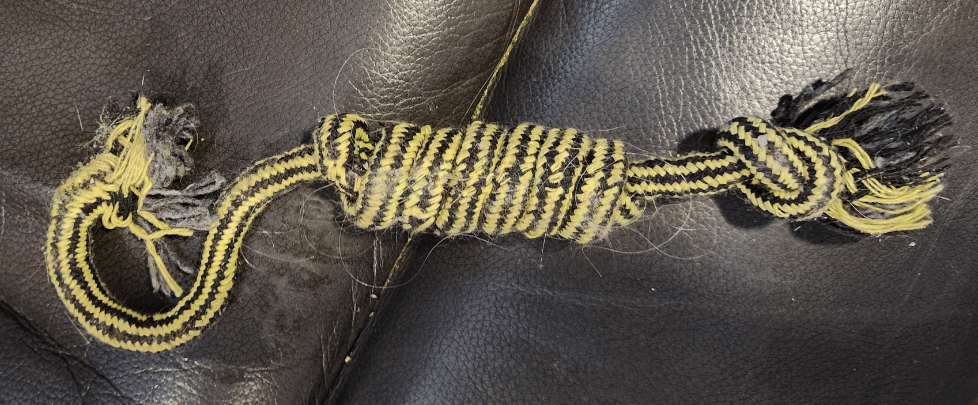
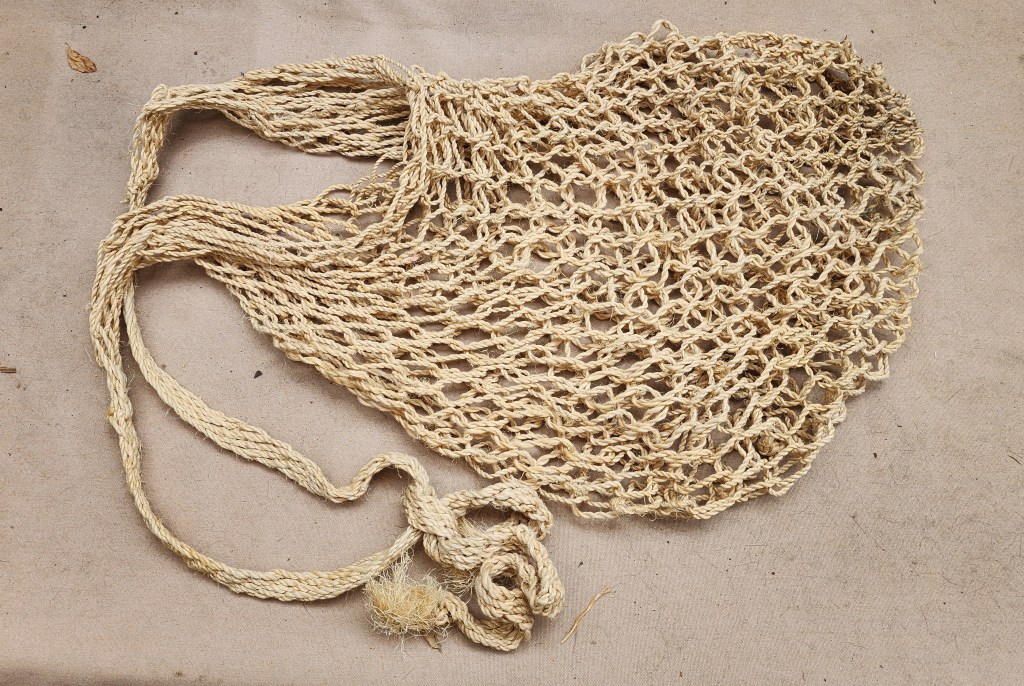
Figure 0-01. For millennia, humans have been twisting and intertwining plant and animal fibers to create useful threads, strings, yarns, and other cords, which can be further processed to make nets, ropes, garments, and myriad other items for daily living.
When Minoan hieroglyphs were first translated from clay tablets, one of the first symbols to be understood was a textile — either a fringed piece of fabric or a warp-weighted loom, typical of that time and place. More than half of the tablets discovered at Knossos were records of large-scale linen (flax) and wool (sheep) production; in one season, the fleece from 70,000–80,000 sheep was cleaned, spun, and woven to make 60,000 tons of wool textiles.
The ubiquity of textiles can be seen among the myriad textile-related words woven into the fabric of our language. Textiles were a basis for international trade, as exemplified by the ancient Silk Road. Postrel even makes the case that agriculture developed as much out of the desire to produce fiber for clothing as to produce food. The textile trade funded the Italian Renaissance and played a key role in Genghis Khan’s Mongolian conquest of much of Asia. The need to increase the production of spun thread prompted the Industrial Revolution. The scientific study of chemistry arose from the desire to produce reliable dyes for cloth.
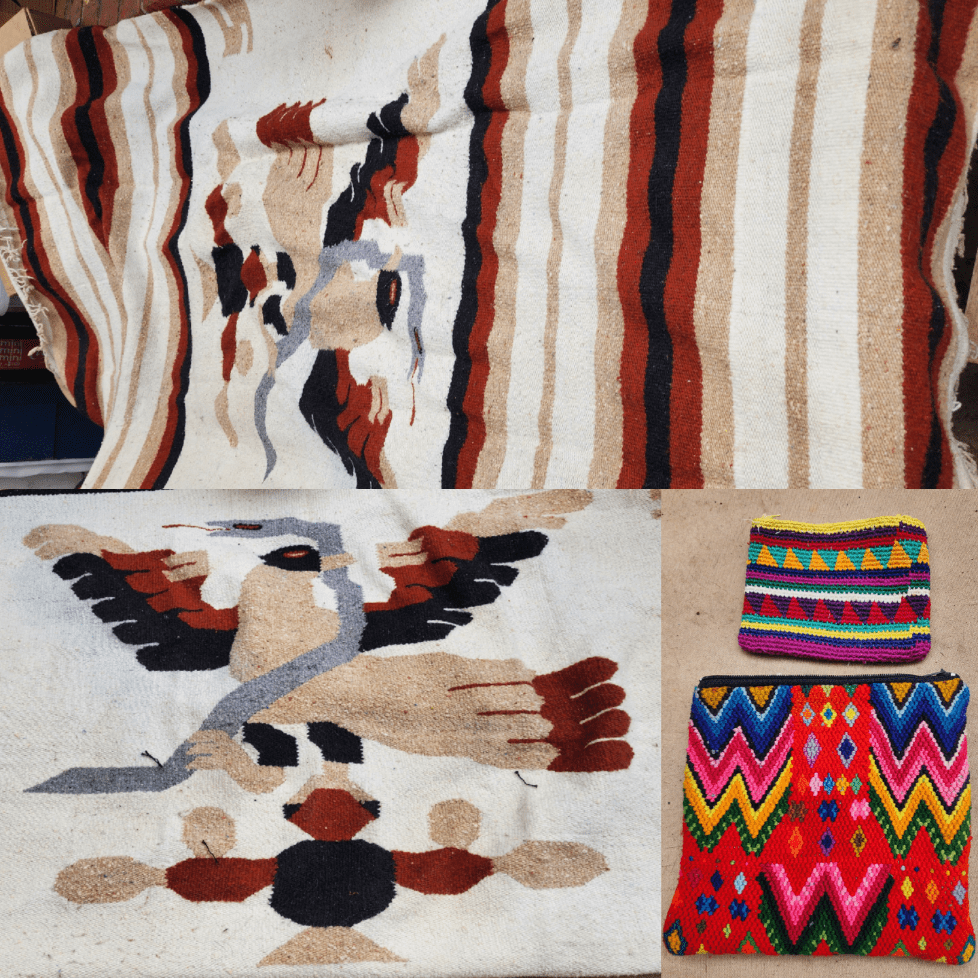
Figure 0-2. For longer than we humans have made pottery, we have made textiles. The desire for textiles has shaped human history. From bed-sized blankets to palm-sized pouches, textiles intertwine throughout our everyday lives.
Ancient Greeks worshipped Athena, goddess of techne, “craft and productive knowledge,” especially weaving. Greek shipping relied on well-woven sails. In The Odyssey, the weaving by Odysseus’s wife Penelope plays an important role. Postrel shows how weaving’s importance has been global for millennia, as shown in ancient Sanskrit, Mayan, and Chinese languages, and in traditional Hindu and Buddhist texts.
Chapter 1: Fiber, 7–40
When we think of innovations and inventions, we tend to think of equipment, tools, and so on. That’s short-sighted. The breeding of fiber-bearing animals and plants has undergone almost incomprehensible innovation, over millennia, to reach the user-friendly forms they have today. Modern sheep have long wooly coats, which are never molted, so that shepherds can reliably shear the wool. Modern cotton has relatively long fibers that can be spun into thread. The modern wool, linen, silk, hemp, and other fibers we consider “natural”— which derive from plants and animals — have been bred to differ greatly from their wild ancestors.
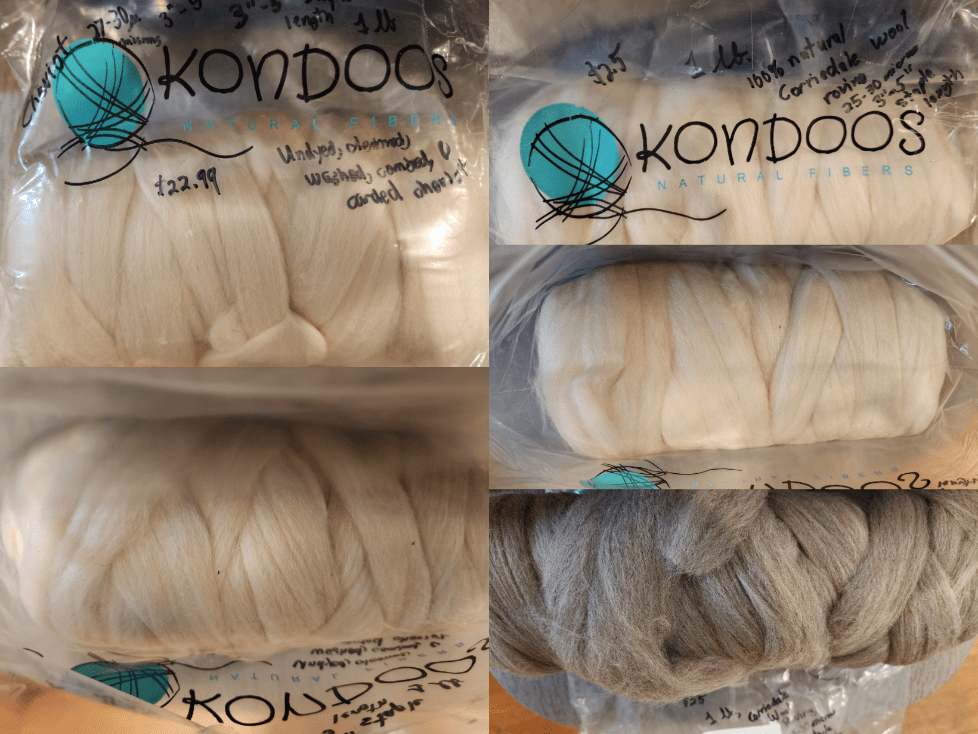
Figure 1-01. Nowadays, crafters, spinsters, and artisans can get cleaned and combed wool (or even raw wool) that is far more user-friendly than the earliest animal fibers we humans used millennia ago.
Ancient Fibers
The Stone Age focuses on the lithic (“Paleolithic,” “Neolithic”) aspects of that era, but a stone axe required a cord to attach the stone blade to the handle. The making and using of cord was as much of a technological innovation as the shaping of a stone blade. A cord does not emerge ready-made from plant fiber. Someone must find and choose plants to use and then extract the fibers from those plants. The relatively short fibers must be twisted together to make a long strand; a weak one-twist strand must be plied with a second strand, twisted together in a different direction, to strengthen the cord. Even stronger cords need additional plying with added twists. With strong cord or string, fishing lines, bows, traps, hangers, straps, ties, connectors, and many other technologies become possible. Once the technology for making cords (or strings or threads) has been mastered, these cords can be knotted or interlaced, to form nets or other fabrics.
The earliest fibers used were bast fibers — the inner stems of plants such as flax, hemp, jute, nettle, ramie, or even the inner fibers of trees (e.g., oak, mulberry), beneath the outer bark, though tree fibers are harder to obtain. Even once you have the flax (or other plant) fibers, it’s still a lot of work to get from fiber strands to strong cord. According to Postrel, to make enough cord for one looped bag takes between 60 and 80 hours. Then to use the cord to make the looped bag is another 100–160 hours (p. 10).
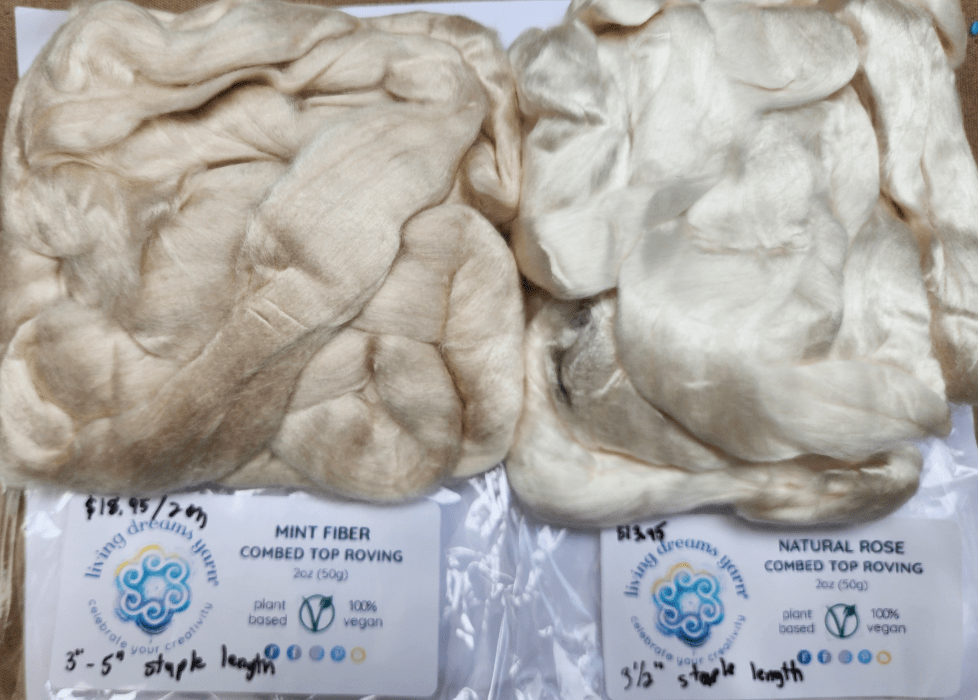
Figure 1-02. Among the many bast fibers available to spinsters, artisans, and crafters nowadays are fibers extracted from mint and rose plants. Spinsters may have been using these fibers for millennia, but not without exerting lots more effort than modern-day spinsters, who can easily order it online, for home delivery.
To get enough fiber to produce enough string to make anything, you need to raise crops (flax, hemp, ramie, etc.), and/or raise animals (sheep, alpacas, llamas, goats, rabbits). This (Neolithic) revolutionary change occurred about 12,000 years ago, when people formed permanent settlements, raised crops, and domesticated animals.
Sheep were the second animals to be domesticated — after dogs, who continued to be hunting partners, as well as pets. The earliest sheep to be domesticated had dark, coarse, short wool that was often shed in clumps. Over more than 5,000 years (about 2,000 generations), shepherds were able to breed sheep to have thick fleeces with longer, softer, more uniform coats, which didn’t molt seasonally.
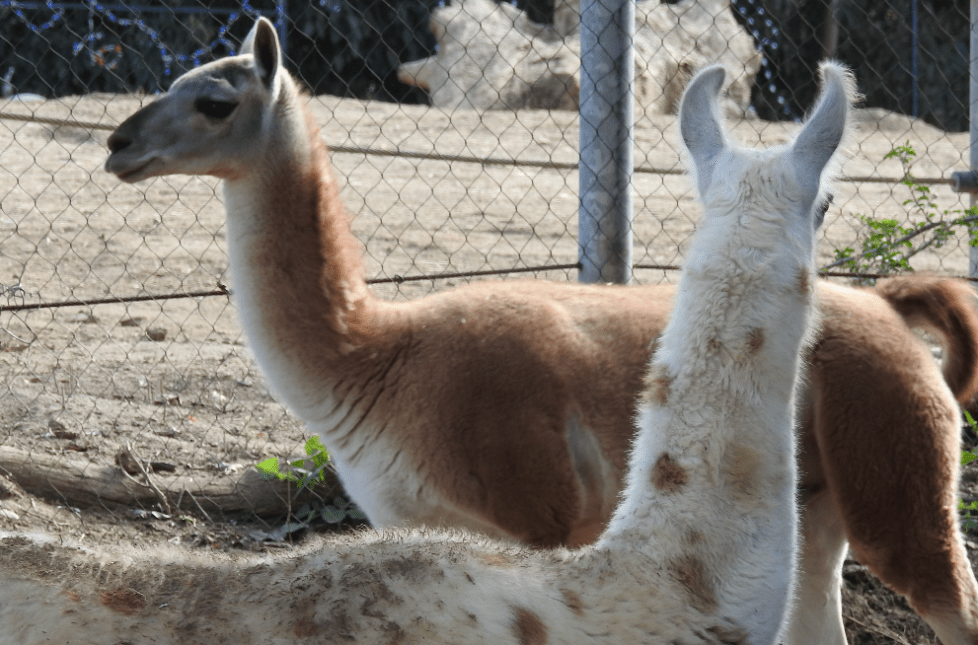
Figure 1-03. Guanacos (and vicuñas) have not been domesticated, but humans have been obtaining their precious wool for millennia — perhaps about 10,000–12,000 years. Domesticated llamas and alpacas came along a bit later, but their wool is widely used. Depicted here are a guanaco (left) and a llama (right), at the San Diego Zoo. (For more information on ancient relationships with these animals, see https://www.vicam.org.ar/simposio2009/Yacobaccio-simpovicu-IMC.pdf , https://www.researchgate.net/publication/225951119_The_Historical_Relationship_Between_People_and_the_Vicuna , or https://www.sciencedirect.com/topics/biochemistry-genetics-and-molecular-biology/guanaco .)
Plant Fibers
The earliest plant fibers (e.g., flax) were also less user friendly at first but were domesticated to have more desirable characteristics over time. Even with careful breeding, however, plant fibers need much more processing than animal fibers to become usable. For instance, after uprooting each flax plant, it must be dried, then retted — a stinky process by which the dried plants are immersed in water to allow bacteria to break down the pectin that binds the useful fiber to the useless straw (i.e., useless as a textile fiber). The fiber must be removed from the stinky water at just the right time, in order to harvest the most usable fiber, then the fermented plants are removed from the water and dried thoroughly a second time.
Next, the dried stalks are scutched, beaten and scraped to separate the fiber from the straw. The separated fibers are then hackled, drawn through a series of combs, further separating the long useful fibers from the short fluffy light-yellow tow (as in “towhead”). At long last, the long fibers can be spun into thread. Given the labor intensity of the process of producing linen threads from flax plants, linen yarn was highly prized. The earliest known example of linen yarn being used was almost 9,000 years ago — before ceramic pottery and probably before looms. Instead of being used for weaving, the early uses of linen yarn were “twining, knotting, and looping techniques akin to those used in basketry, macramé, or crochet” (p. 13). Analysis of the materials revealed superlative craftsmanship both in making the strong, smooth yarn (two strands plied together in some examples) and in knotting or looping it into baskets or textiles — some of which also included decorative stitchery.
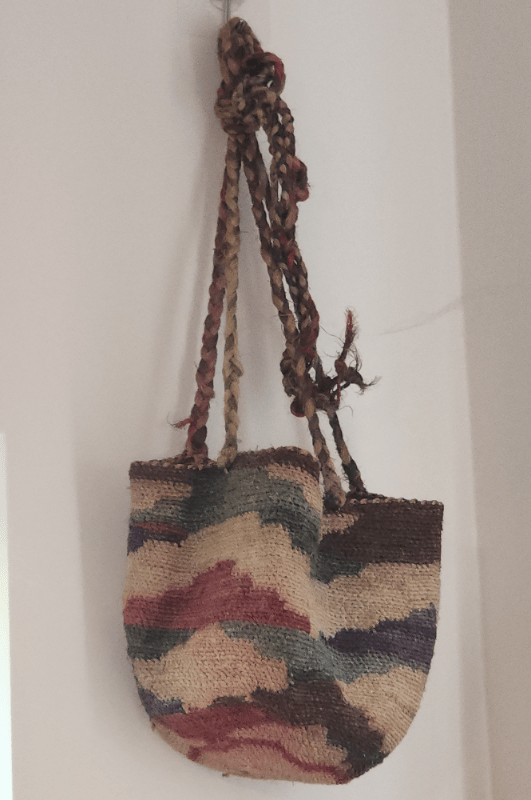
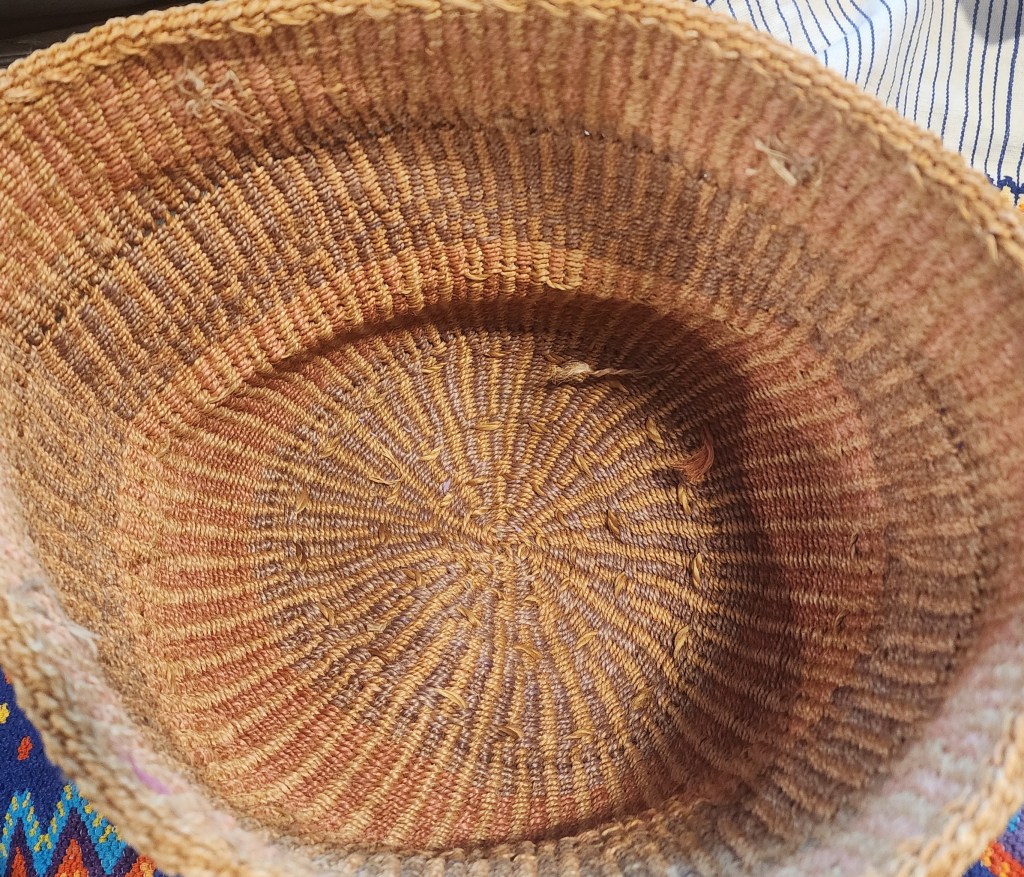
Figure 1-04. Basket making was among the earliest uses of plant fibers.
The production of good-quality usable cotton yarn required much more genetic manipulation to achieve fibers long enough to be suitable for thread. “Most of the world’s fifty or so wild cotton species are completely useless for making thread” (p. 14). Nonetheless, on two sides of the Atlantic — on the Yucatan Peninsula and coastal Peru, and in the Indus Valley — farmers and spinsters conspired to create two useful cotton species in the New World and two in the Old World. (Herodotus’s writings — circa 425–484 B.C.E. — mentioned the Indus Valley as a source for cotton cloth.)
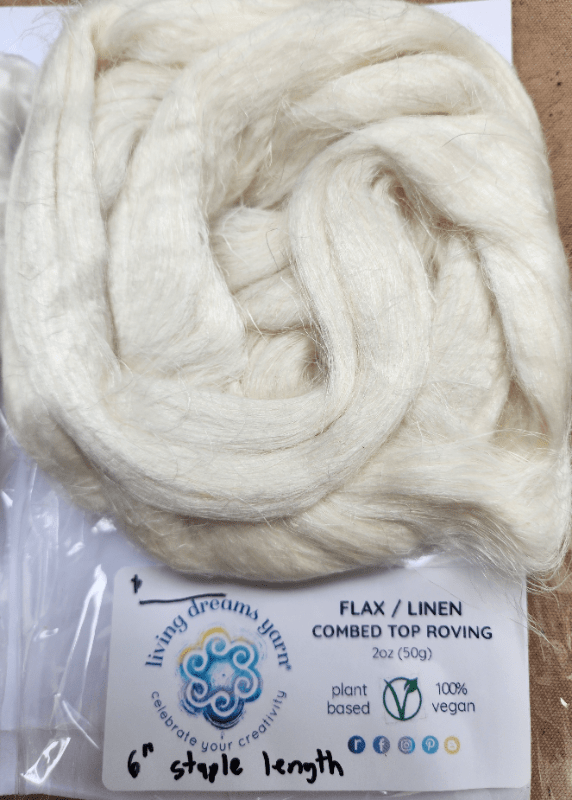
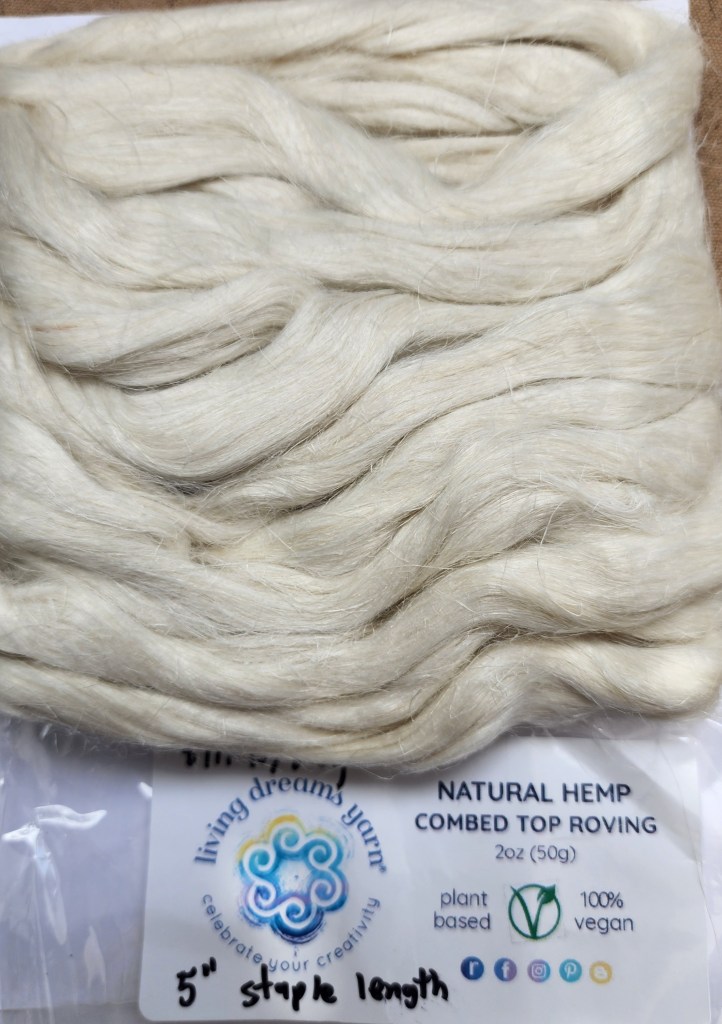
Figure 1-05. Contemporary spinsters can easily obtain ready-to-spin fibers — such as flax or hemp — from various plants. About 12,000 years ago, spinsters had to work much harder to obtain usable fibers from the plants available to them, even when they could raise the plants as crops.
In the Old World, the rise of Islam (starting A.D. 610) helped to spread knowledge of how to grow usable cotton for thread. In the New World, when U.S. Southern planters discovered the value of using Mexican cotton plants to produce textiles, cotton plantations became highly profitable. These high profits led to the surging enslavement of myriad people from Africa.
Postrel describes how the cotton hybrid grown on the Sea Islands off the coast of Georgia further improved profitability, as did the invention of the cotton gin, which sped up the processing of the fiber. The increased profitability further intensified planters’ greed, and slavery became more cruelly institutionalized not only in the U.S. South, but also elsewhere in the nation, such as with Fugitive Slave Laws. Cotton’s profitability also promoted westward expansion into lands formerly dominated by Native Americans.
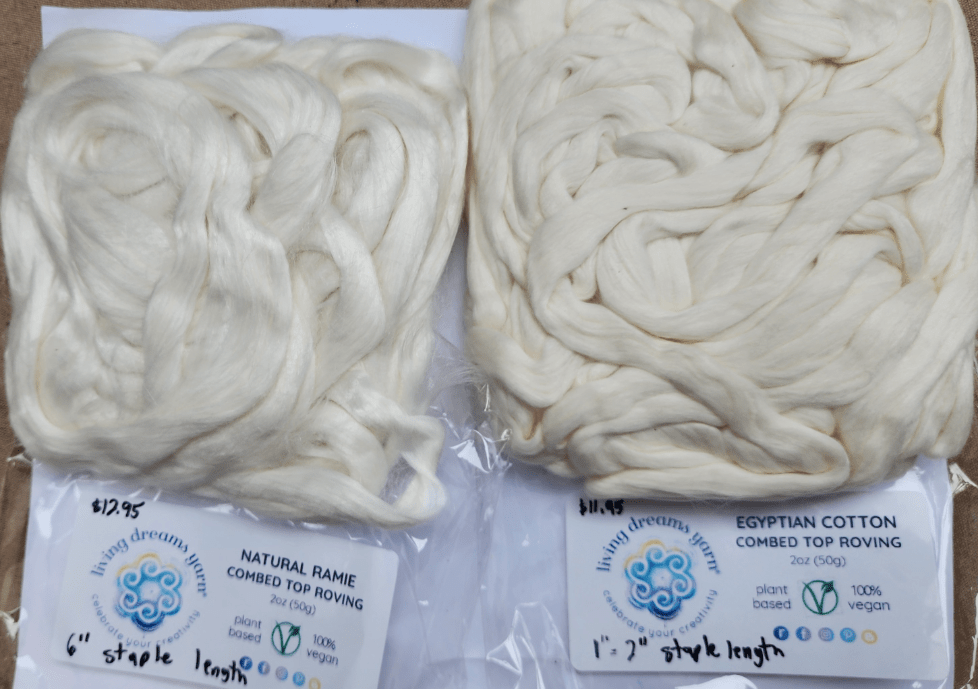
Figure 1-06. Both cotton and ramie fibers have been used for millennia, and both fibers require extraordinary work to extract the fibers. Processed ramie fibers are among the strongest natural fibers, especially if the fiber gets wet; cotton, however, is far more popularly used.
Silk Filaments
In another corner of the world — China — another animal-produced fiber held sway: silk, produced by larval silkworm moths, Bombyx mori. A Chinese legend tells how the silkworm’s filament was discovered. A Chinese empress was drinking hot tea under a mulberry tree when a silkworm’s cocoon fell into it, dissolving to reveal a long shimmering strand of silk. She brilliantly realized the value of the fiber and created the Chinese industry of cultivating silkworms, harvesting the fiber, and weaving it into silk fabric. The legend dates to 2700 B.C.E., but archeological evidence of silk proteins in Chinese tombs suggests it may date to 8,500 years ago.
Over generations, silkmoth cultivators transformed wild mulberry silkworms into modern silkmoth larvae (Bombyx mori) who spin long silk filaments in their cocoons. Contemporary silkworms can’t fly, and they lack protective camouflage coloring, so they wouldn’t survive outside of captivity. The silkworm farmers place the silkworm eggs on sticks or other substrate, protected from harsh weather, to feed on trays of fresh mulberry leaves. Once the silkworms create their cocoons, the pampering ends, and almost all are killed by heat, to stop them from breaking free of their cocoons and damaging the silk fiber. A few are allowed to live, mate, and produce more eggs. Over millennia, silkworm farmers have determined the optimal conditions for growing the best silkworms, to create the finest silk fibers.
For a photo of several silkworm cocoons, see https://commons.wikimedia.org/wiki/File:Cocoon.jpg . For a photo of the silkworm larvae, see https://commons.wikimedia.org/wiki/File:Silkworms3000px.jpg . For a photo of adult silkworm moths, see https://commons.wikimedia.org/wiki/File:CSIRO_ScienceImage_10746_An_adult_silkworm_moth.jpg (pretty cute!) or https://commons.wikimedia.org/wiki/File:Pairedmoths.jpg . For more information about silkworms, see https://en.wikipedia.org/wiki/Bombyx_mori. For more information about sericulture (the farming of silkworms and their use to produce silk thread), see https://en.wikipedia.org/wiki/Sericulture .
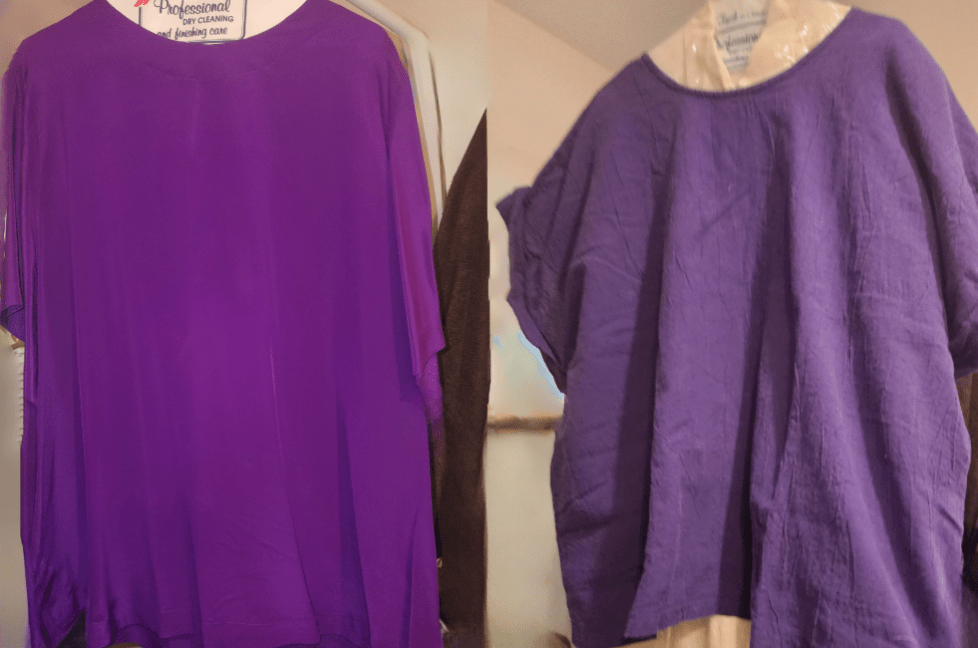
Figure 1-07. Both cotton and silk are natural fibers with long histories in the production of textiles; both fibers feel good against the skin and are breathable in warm weather, but the processes by which they’re made differ sharply, as cotton is a plant fiber, and silk is an animal fiber. [Oops! I hung these silk and cotton tops from my shower rod, so you can see my cotton terrycloth towel.]
Postrel describes how silk production was also affected by greed. The Chinese royalty demanded ever-increasing taxes, in the form of silk yarn and cloth, from their hard-working and long-suffering peasantry. These peasants figured out how to produce the best mulberry leaves year-round in order to harvest silk from cocoons 2–3×/year, how to breed the best silkworms, how to care for the eggs and larvae, and how to otherwise create the optimal conditions for maximizing their silk-fiber yield.
Among the myriad improvements devised by these peasants was a way to preserve the cocoons when they were ready to harvest. It takes a lot of painstaking time and effort to reel out the silk fiber from each individual silkworm’s cocoon. When countless cocoons are ready for harvest at once, it’s impossible to harvest all of them simultaneously, so if nothing is done to preserve them, some may be unusable by the time they’re ready for harvesting. These clever peasant farmers discovered that if they sprinkled salt over the cocoons, they could wait an additional week to harvest the fiber; a serendipitous benefit is that the salt also improves the quality of the silk. The accumulation of all these improvements allowed peasant farmers to increase their production of silk without having additional land or working additional hours.
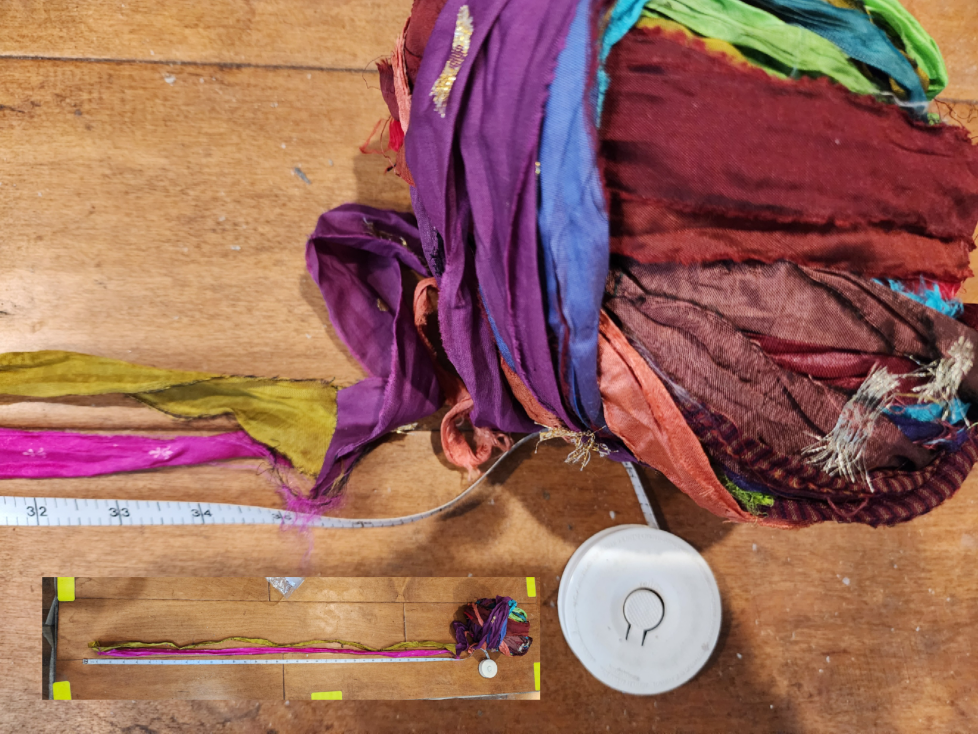
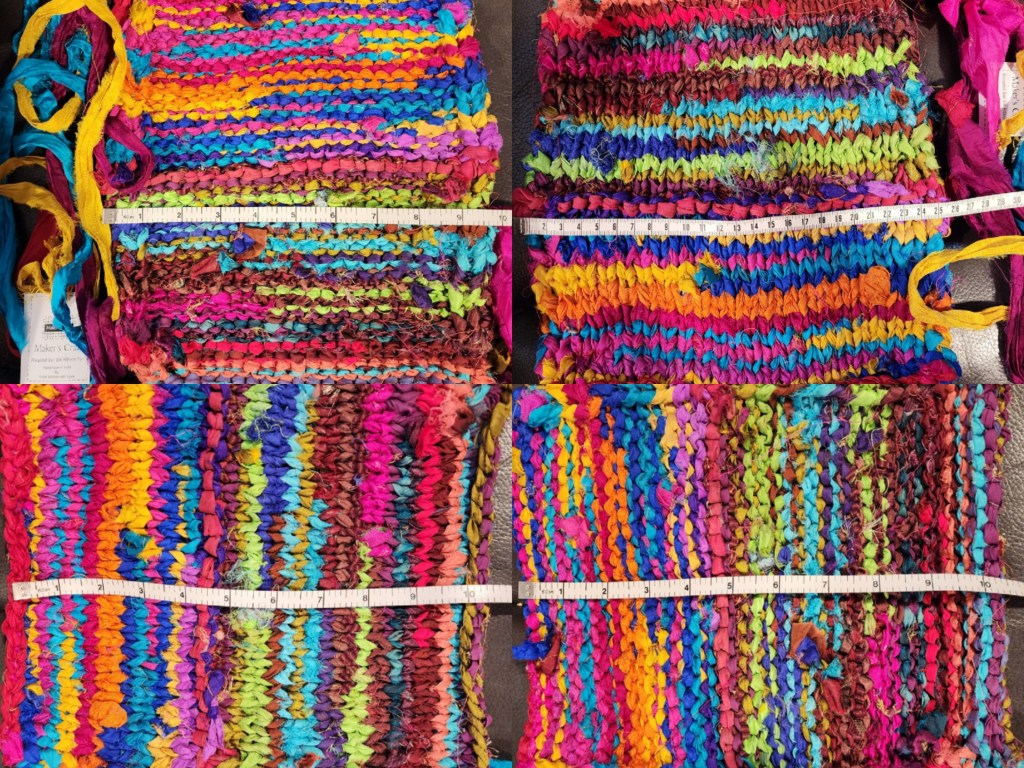
Figure 1-08. According to Wikipedia, the Indian sari originated between 2800 and 1800 B.C.E., and silk was already being woven in India between 2450 and 2000 B.C.E. People have been wearing silk saris for at least four millennia, perhaps more. The size of saris today is 24–47″ wide (the width of the fabric) by about 4.5–9 yards long. It’s costly to make that silk, even today. When a sari is no longer usable as a garment, it isn’t discarded. The fabric can be shredded into strips of sari silk, which can be reused as yarn: on the left is a 50-yard (100g) ball of sari yarn; on the right are views of a 9.5″ × 10.5″ knitted fabric (using US 10.5 / 6.5 mm knitting needles), made with the 50-yard ball of silk-sari yarn (with 4 yards of yarn left over).
Unfortunately, where there are living plants and animals, there are microbes that attack them, causing disease. Over millennia of silkworm farming, silkworm diseases were killing increasing numbers of the larvae. By the 1800s, these diseases were threatening the entire silkworm industry. Agostino Bassi, son of Italian peasant farmers, had been conducting research on how to improve farming and farm products (e.g., cheese, wine, potatoes) when he turned his attention to silkworm disease. (For a photo of Bassi, see https://commons.wikimedia.org/wiki/File:Agostino_Bassi_by_G.C._Ainsworth.jpg ; for more information about him, see https://en.wikipedia.org/wiki/Agostino_Bassi .)
Through extensive investigation, Bassi discovered the value of sanitary techniques — scrupulous cleaning of every aspect of the silkworms’ environment, such as washing workers’ hands and clothes, boiling instruments, disinfecting trays. By these means, he could reduce the risk of silkworm disease spreading from contaminated silkworms to uncontaminated ones. Bassi’s work heralded the later work of Louis Pasteur, who further improved the prevention of disease in silkworms, as well as the understanding of germ theory.
While Europe was still working to prevent silkworm diseases, China continued to be the chief exporter of raw silk, but Japan was rising as a producer of uncontaminated silkworm eggs, as well as of silk fiber made by healthy silkworms. In Japan, the farming of healthy silkworm eggs became a separate industry from the production of silk fiber from healthy silkworm larvae. The specialist egg breeders developed improved silkworm eggs, and the specialist silkworm farmers perfected their techniques for improving the production of silk fiber. In the 1910s, Japanese egg breeders developed a far superior hybrid silkworm, which drastically improved the production of silk fiber. This more consistent silk fiber allowed for mechanization of the reeling process for extracting silk filaments, making it much quicker and easier to produce.
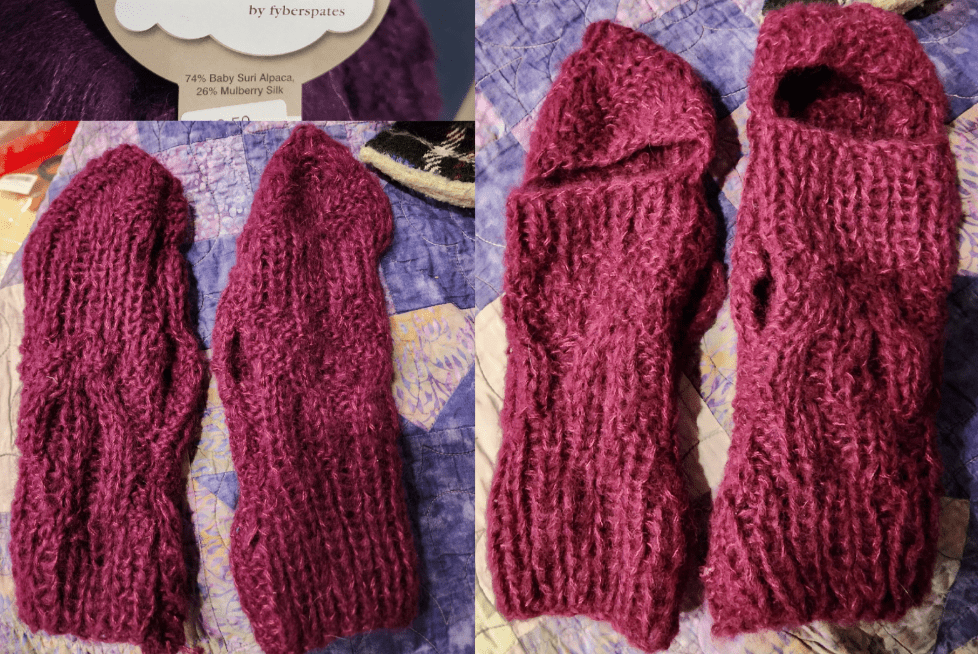
Figure 1-09. In the 21st century, knitters and other handicrafters can easily find a wide array of animal and plant fibers, as well as fiber blends. This small pair of “glittens” (mittens with thumb holes and removable finger coverings) used just one skein of yarn made from 74% baby alpaca and 26% mulberry silk, so even a humble retiree could afford to make her granddaughter a luxurious gift. Centuries ago, neither the Incan emperor nor the Medicis could have owned a garment made from alpaca and silk fibers!
Bioengineered Fibers
In 2009, Bolt Threads was founded with the goal of bioengineering microbes — yeasts — to produce silk proteins. The yeasts produce a silk-protein powder that looks more like a nutritional supplement than a fiber. “To turn the powder into yarn, Bolt dissolves it into a molasses-like concoction that it extrudes and wet spins into fine, lustrous fibers that can be knitted or woven into cloth. . . . Bolt calls its textile products ‘protein-polymer microfibers’” (p. 37).
Bolt wasn’t the first company to research using nature-inspired proteins to make fibers. Henry Ford researched making fibers from soybeans; others have tried making fibers from peanuts, egg whites, maize, and feathers. One such attempt tried to make fibers from skim milk, but when it got wet, it smelled like rancid cheese or spoiled milk. Not a winner.
To see more about Henry Ford’s interest in the uses of soybeans, see https://en.wikipedia.org/wiki/Soybean_car ; Ford also planned for the car to use hemp fuel. Henry Ford originally enlisted George Washington Carver to help him develop the car.
Proteins are made from amino acids, so the possible combinations of proteins are so numerous as to be nearly infinite. Careful bioengineering can adjust for strength, stretch, breathability, water resistance, and almost any other characteristic you can imagine. So the possibilities are limitless. And the proof of concept has been established (among others, Stella McCartney used Bolt’s Microsilk fibers for some of her designer fashions).
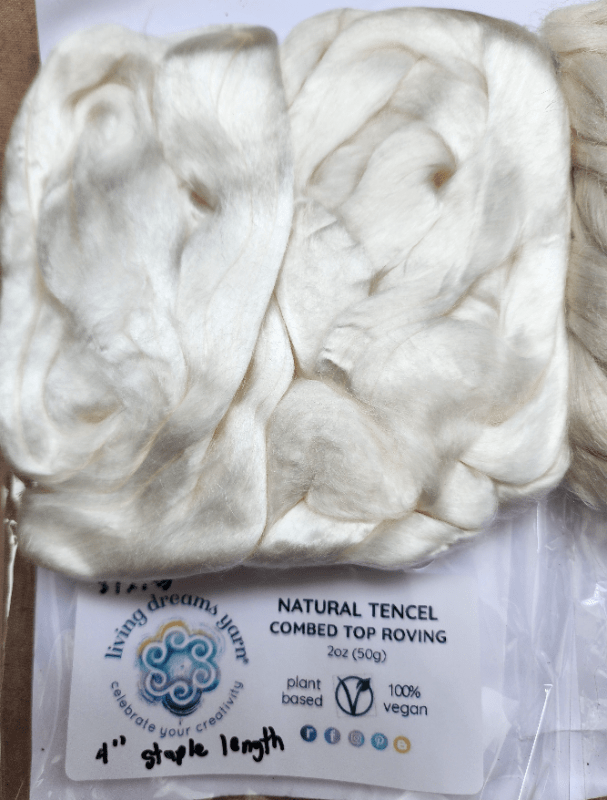
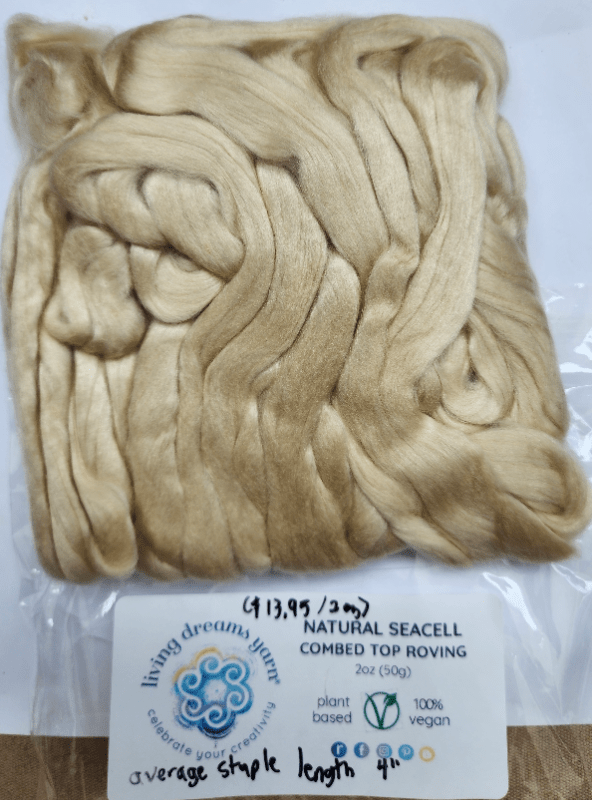
Figure 1-10. In the 1970s, ecological concerns led some researchers to seek ways to make cellulose fibers such as rayon, using more eco-friendly manufacturing processes. Unlike Bolt Threads, the producers of Newcell (later named Tencel and Lyocell) fiber were able to be scale up manufacturing, and by 2004, 80,000 tons of Lyocell (aka Tencel ) fiber were being produced. Lyocell / Tencel is considered by some to be superior to cotton as a textile fiber. Seacell uses the same process as Tencel, but it uses cellulose from certified organic seaweed. (See Lyocell – Wikipedia for more information.)
For Bolt Threads, the practicalities of scaling up production to produce off-the-rack clothing don’t exist yet. Bolt turned its attention to producing Mylo, a leather substitute based on fungal mycelium. That, too, was abandoned, presumably due to the challenges of mass production. As soon as Bolt finds a supply chain for using its protein fibers for making textiles, they’ll spring into action. They’re a for-profit company, however, so instead of pouring money into an enterprise that isn’t ready to yield big profits, they have turned to using protein fibers to produce beauty aids.
Links for Bolt Threads’ silk proteins are https://boltthreads.com/technology/microsilk/ , “We have discontinued the development and manufacturing of MicrosilkTM and other textiles”; and their mycelium-based leather substitute, https://boltthreads.com/technology/mylo/ , “We have discontinued the development and manufacturing of MyloTM and other textiles.”
Text and images by Shari Dorantes Hatch, Copyright © 2026. All rights reserved.
 Bird Brain


Leave a comment