
Podargiformes / Podargidae
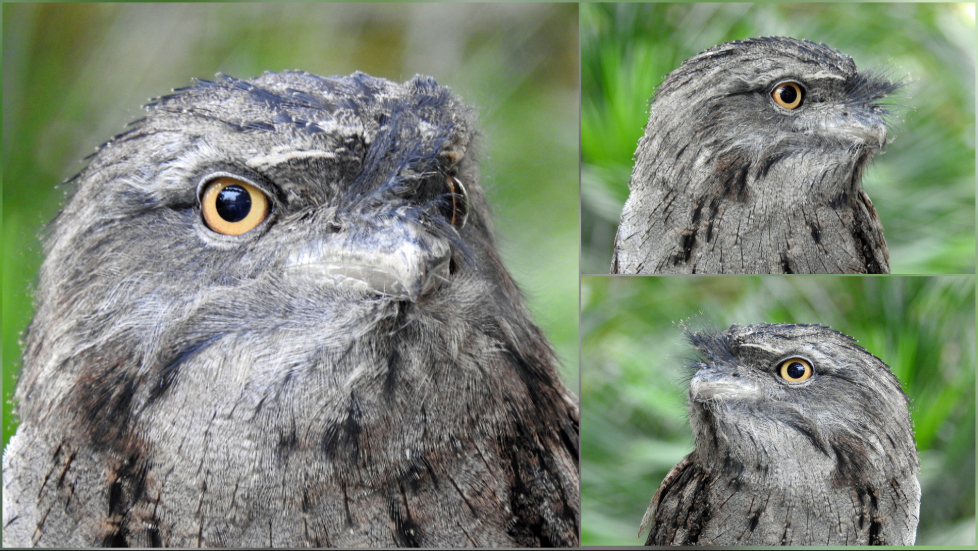
According to researchers Katja Thömmes and Gregor Hayn-Leichsenring (2021), who analyzed Instagram accounts, photos of frogmouths “received the highest number of likes relative to the posts’ exposure to users” — What do you think? Like-worthy?
(This blog highlights the Tawny Frogmouth, the most studied of the frogmouth species.)
At one time, frogmouths were thought to be related to owls (the Strigiformes order of birds), due to their similarities in appearance and their nocturnal lifestyle. Though they may look similar, their physiology and behavior differs greatly. DNA evidence now indicates that those similarities are due to convergent evolution (i.e., separate evolutionary paths end up leading to similar traits, due to similar environmental constraints).
Even fairly recently, the Podargidae family of frogmouths was subsumed under the order Caprimulgiformes, which also included nocturnal birds such as nightjars, nighthawks, potoos, owlet-nightjars, and oilbirds. Like frogmouths, most of these birds have short legs with weak feet and claws, and they share a proclivity for cryptically camouflaged plumage. Even diurnal Coraciiformes (e.g., motmots, kingfishers, bee-eaters) and Apodiformes (swifts, treeswifts, and hummingbirds) were at one time considered related, in the huge Caprimulgiformes order. In 2019, research revealed that the Podargidae frogmouths family separated from the nightjars, swifts, and so on about 30–50 million years ago, so the frogmouths now have their own order, Podargiformes.
Figure 01. This Tawny Frogmouth works as an animal ambassador for its species — and really for all critters — at the San Diego Zoo’s Safari Park.
The Podargidae family includes 16 species, sorted into 3 genera. (The third genus and its solitary 16th species weren’t discovered until 2007; materials printed before then identified “15 species, 2 genera.”) Frogmouths prefer various tropical woodlands, including deciduous forests, evergreen and eucalyptus forests, dry woodlands, plantations, bamboo groves, scrublands, and even some urban tree groves. All frogmouths live in the tropics of Australia, New Guinea, and southeast Asia (mostly islands, some mainland); the larger Podargus frogmouths stick to New Guinea, Australia, and Tasmania. No frogmouths migrate, remaining in their breeding territory all year.
They’re mostly mid-sized to biggish, but they vary widely in size: 7.5–23.5″ (19–60 cm) long (bill to tail), weighing 1.6–24 ounces (46–680 g), with species in the Podargus genus tending to be larger. Their body shape is cylindrical and chunky, with a short neck, an extra-large head, and huge bright yellow eyes. Broad, rounded wings and a long tail for skillful navigation enable frogmouths to maneuver adeptly at night in their wooded habitats. The San Diego Zoo lists the Tawny Frogmouth’s wingspan as 25–38 inches (64–97 cm). Their short legs and small, weak feet make them less skillful at walking.
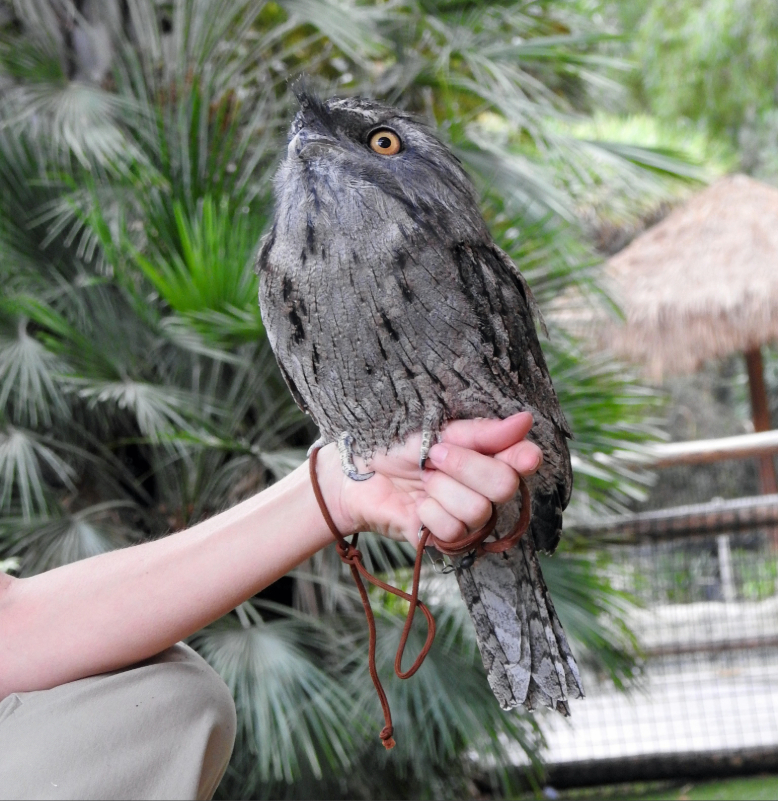
Figure 02. You can get an idea about the Tawny Frogmouth’s overall size, tail length, and leg length in this photo of Cliff, the Tawny Frogmouth male at the San Diego Zoo’s Safari Park, where he works as a charming animal ambassador.
All frogmouths eat insects (beetles, moths, grasshoppers, etc.), but the three larger Podargus species of frogmouths also eat small vertebrates (frogs, lizards, birds, mammals). Their heads are well-designed for snatching these prey. They’re named for their extraordinarily wide gapes (side to side), which can easily gobble up lots of flying insects with each swoop, or can swallow surprisingly big prey. The deep (top to bottom), short (base to tip), hook-tipped, triangular bill (usually yellowish to olive gray) and strong jaws help them grab big, active prey — bigger insects such as beetles and cicadas, arthropods such as scorpions, and so on.
After dark, frogmouths watch and wait to detect prey, then they deftly swoop to pounce on prey either on the ground or on a tree trunk, or they scoop up flying prey in mid air, or they snatch crawling prey from tree leaves, branches, and trunks. The three Podargus frogmouths are larger, with bigger, pointier bills, well suited to capturing larger prey, such as small vertebrates. With large prey, they may beat it against a rock or other hard surface before devouring it. They still eat lots of insects, too.
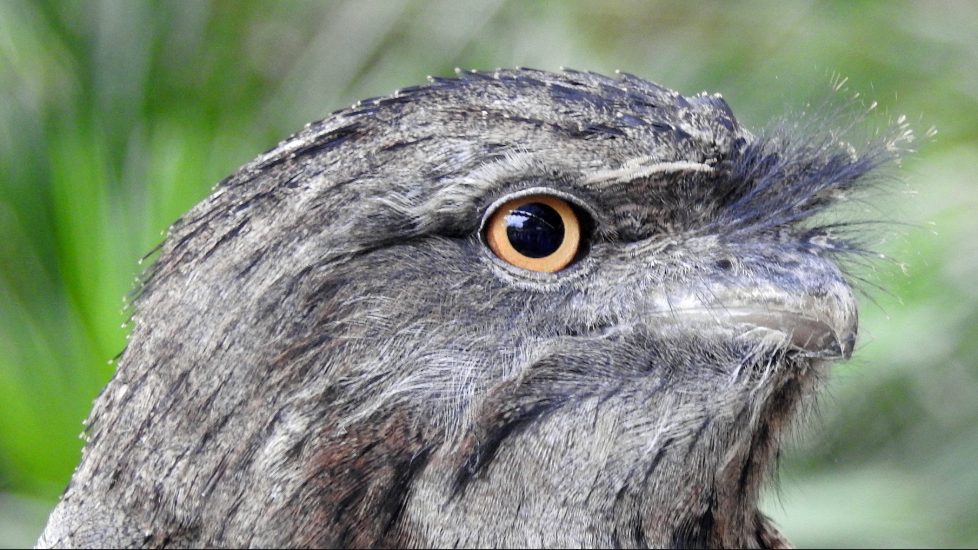
Almost all frogmouths have rictal bristles, stiff feathers that look like whiskers surrounding the bill, and the smaller species also have these bristles surrounding their eyes. It’s thought that these rictal bristles can sense insects and can help funnel them into the open mouth. Around the eyes, the bristles may protect them from insects flying near their eyes. The bristles may also serve additional sensory functions. A few species also have rictal bristles on their foreheads and extending over their ear coverts.
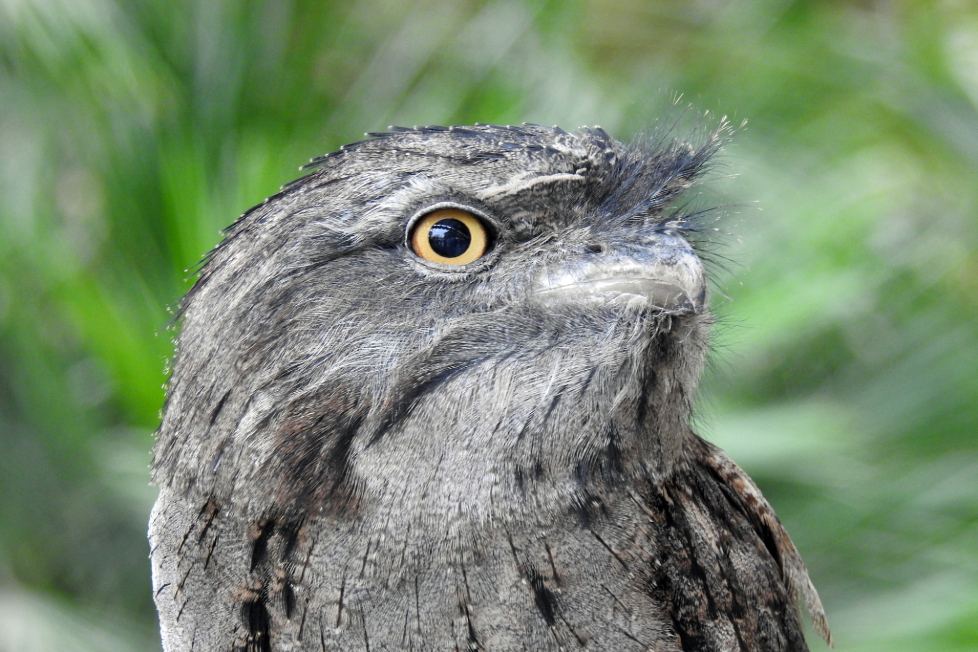
Figure 03. This side view shows the length of the rictal bristles on Tawny Frogmouths. This species of frogmouth doesn’t have rictal bristles surrounding its eyes or sprouting from its forehead, as some other species do.
By day, they’re well protected by their exquisitely cryptic plumage — typically mottled, streaked, barred, spotted, or otherwise patterned in shades of brown, gray, buff, rufous, black, or cream. Their feathers are more wispy than smooth — kind of like a bad hair day, but with feathers. They can blend into their environments as if they were feathered tree branches or snags. In daylight, they enhance this effect by sitting motionless most of the time. At night, however, they spring into action and ably scan for prey — insects and small vertebrates.
In general, males and females look similar, but in some species, the males have duller plumage. When frogmouths share parenting duties, the males typically take the daytime incubation shift, so they may need more concealing camouflage. Most frogmouths live year-round in mated pairs, or in solitude. No big frogmouth parties have been observed.
To get a sense of the array of vocalizations produced by frogmouths, check out
https://xeno-canto.org/explore?query=frogmouth . Try clicking on a few different pages to get samples of how different species sound. They’ve been characterized as hoots or coughs, mellow or booming; they may vocalize to beg (from parents), signal alarm, or call to a mate.
Frogmouth parents are monogamous, and both parents care for the young — dad mostly in the daytime, mom mostly at night. Further details about frogmouth breeding practices are garnered from observations of the Tawny Frogmouth, Podargus strigoides, as other species have not been observed. When it’s time to breed, both frogmouth parents build simple dense nests on forked tree branches, on shrubs, on epiphytes (plants that grow on trees or other plants), or even on the abandoned nests of other birds. The nests may be cup shaped or platforms. Frogmouths typically cushion the nest’s interior with their own matted feathers and decorate the exterior with camouflage materials such as moss, leaves, lichen, spider webs. The larger species build larger nests, using twigs.
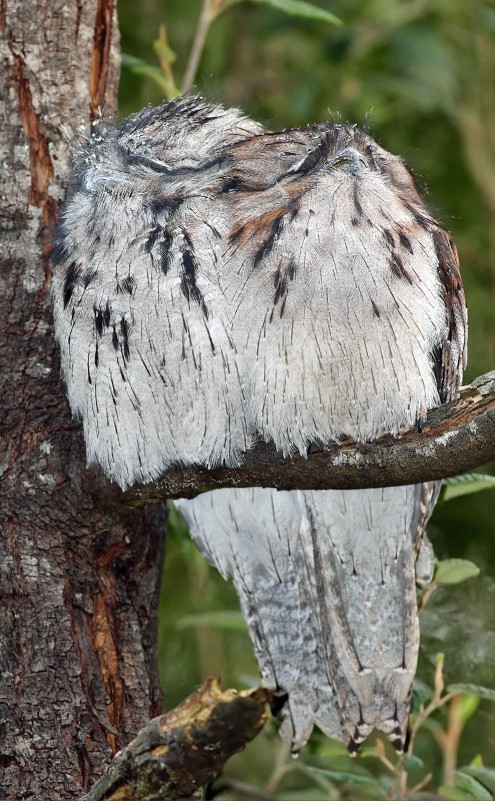
Figure 04. This image (fir0002) of a pair of Tawny Frogmouths resting in a tree fork was taken by flagstaffotos@gmail.com, July 2008, Victoria, Australia. The photographer allowed Wikipedia to post the image. Note: this image is not in the Public Domain. Under the CC BY-NC: you are free to copy, distribute, transmit and adapt this work provided that correct attribution is provided. Attribution must be provided in a prominent location to “Fir0002/Flagstaffotos”.
The mom typically lays 1–3 eggs, but sometimes 4, or perhaps even 5 (Tawny Frogmouth moms). Both parents incubate the egg and care for the chicks until they fledge. Tawny Frogmouth eggs take 28–32 days to hatch, and fledging takes 25–35 days.
The conservation status of this family is mostly LC, Least Concern, but extensive habitat loss affects several species, including some who are currently assessed as LC. The IUCN considers all three frogmouths of the genus Podargus to be LC:
- Tawny Frogmouth, Podargus strigoides
- Marbled Frogmouth, Podargus ocellatus
- Papuan Frogmouth, Podargus papuensis
Of the 12 species in the Batrachostomus genus, 10 are also LC:
- Dulit Frogmouth, Batrachostomus harterti
- Philippine Frogmouth, Batrachostomus septimus
- Sri Lanka Frogmouth, Batrachostomus moniliger
- Hodgson’s Frogmouth, Batrachostomus hodgsoni
- Sumatran Frogmouth, Batrachostomus poliolophus
- Javan Frogmouth, Batrachostomus javensis
- Palawan Frogmouth, Batrachostomus chaseni — now mostly recognized as a separate species, but sometimes still considered a subspecies of Javan Frogmouth or of Blyth’s Frogmouth, so the IUCN has yet to assess it separately; the other two are LC, however, so an LC designation can be assumed
- Blyth’s Frogmouth, Batrachostomus affinis
- Sunda Frogmouth, Batrachostomus cornutus
- Bornean Frogmouth, Batrachostomus mixtus
The 2 other species are under threat:
- Large Frogmouth, Batrachostomus auritus — VU, Vulnerable
- Gould’s Frogmouth, Batrachostomus stellatus — NT, Near Threatened
Scientists don’t often discover new species of birds, and it’s exceedingly rare for a new genus of birds to be discovered. Yet, in April 2007, scientists did indeed discover a previously unknown frogmouth, which they identified not only as a new species, but also as an entirely new genus, Rigidipenna. To see a photo of this species, check out
https://www.inaturalist.org/observations/251994240 or
https://en.wikipedia.org/wiki/Solomons_frogmouth#/media/File:Solomons_Frogmouth_at_night_from_Santa_Isabel.jpg . Unfortunately, this new third genus of frogmouth, Rigidipenna, and its only species, Rigidipenna inexpectata, is considered NT, Near Threatened. (I’m guessing that “inexpectata” means exactly what it sounds like. The genus name includes -penna, Latin for “feather,” so perhaps Rigidi- means just what it sounds like, so this genus may be known for its “rigid feathers.”)
- Solomons Frogmouth, Rigidipenna inexpectata — NT, Near Threatened

Figure 05. Tawny Frogmouths, Podargus strigoides, and the other two frogmouths of the Podargus genus are rated as LC, Least Concern, by the IUCN Red List. Three other species of frogmouths are gravely imperiled.
The overall IUCN Red List conservation status of this family:
- Least Concern LC, 62.5%
- Near Threatened NT, 12.5%
- Vulnerable VU, 6.2%
- Endangered EN, 0%
- Critically Endangered CR, Extinct in the Wild EW, Extinct EX, Not Evaluated NE, Data Deficient DD, 0%
- Unknown, 18.8%
For more photos of frogmouths, see
https://www.inaturalist.org/observations?taxon_id=19685
Frogmouths, Podargiformes, Podargidae, which includes 25,856 observations of 16 species, 2,998 identifiers, by 7,862 observers. The Cornell Lab of Ornithology’s Macaulay Library reveals the wide array of frogmouth species, including 39,264 photos, 880 audio recordings, and 391 videos of birds in the Podargidae family at
https://search.macaulaylibrary.org/catalog?taxonCode=podarg1&includeChildTaxa=true .
Tawny Frogmouth
The Tawny Frogmouth, Podargus strigoides, is one of the three species in the Podargus genus, all of which are larger than the other species of frogmouths. Podargos comes from Greek, pod-, “foot,” and -argos, “slow” or “sluggish.” For these weak-footed birds, that genus name suits. They’ve even been observed lying horizontally across a tree branch, letting their cryptic plumage blend in with the branch. Their species name, strigoides, also has Greek origins — strigos, “night bird” (like owls, in the Strigiformes order), and -oides, “like,” “resembling,” having a similar “form.”
(To see a frogmouth lying on a tree branch, check out Macaulay Library ML651473558 at
https://search.macaulaylibrary.org/catalog?taxonCode=podarg1&includeChildTaxa=true )
Though Tawny Frogmouths appear to have similarities to owls — due to convergent evolution, not any close family ties — they actually differ quite a bit. Owls typically catch prey with their strong feet, toes, and talons, whereas frogmouth feet are quite weak, so they catch prey with their bills. Owls hide in thick foliage and build nests in tree hollows, whereas frogmouths roost openly on tree branches, counting on their camouflage to conceal them. Owls also have astonishingly keen hearing, with facial disks for amplifying sound and asymmetrical ear placement, for locating sound. Frogmouths don’t; they watch and wait to see their prey.
Owls have forward-facing eyes, giving them binocular vision for finding, tracking, and hunting prey from afar. In contrast, the Tawny Frogmouth’s big yellow eyes are positioned on either side of its bill. Their eyes lack the owl’s binocular vision, but they can scan a far wider periphery than owl eyes can.
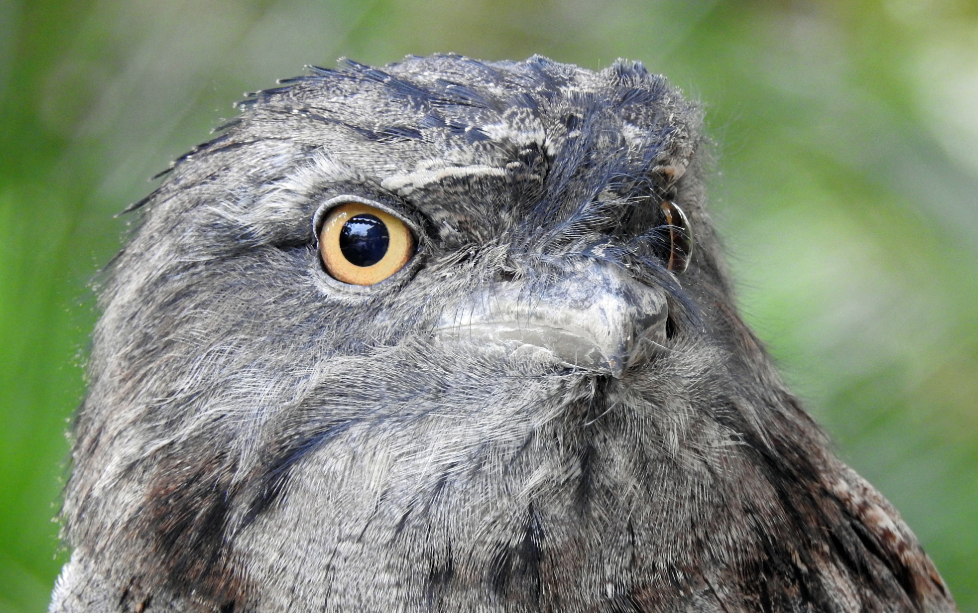
Figure 06. The frogmouth family has no close ties to owls, yet frogmouths look similar to owls in many ways. Closer inspection, however, reveals differences. For instance, a frogmouth’s two eyes are kept far apart by its bill. This placement lets frogmouths see a wider panorama (side to side) than owls can, but without an owl’s binocular vision. Also, frogmouths lack the feathered facial disks that give owls their superpower hearing.
Owls have narrow, downward-pointing bills that can easily rip apart prey. Tawny Frogmouths have wide, short, heavy, forward-facing triangular bills — blackish to grayish, perhaps with an undertone of olive-green — which can readily scoop lots of insects in each swoop. The frogmouth bill is tipped with a fearsome deadly hook and surrounded by tufts of bristly feathers, effective at snagging small vertebrates but not keen cutlery for shredding prey to bits.
Tawny Frogmouths inhabit Australia and its southeasterly offshore island, Tasmania. They’re more adaptable than many other frogmouths, living in almost any wooded area — forests, shrublands, eucalyptus or acacia woodlands, even tree-filled city parks or garden groves — really almost anywhere having at least some trees available for roosting and nesting. City dwellers are happy to have these insectivorous mouse-eaters nearby. Wherever frogmouths have made a home, they don’t migrate.
Many areas of Australia have extreme temperatures — from below freezing to above 104 degrees F. (40 degrees C). Adapting to temperature extremes poses challenges even for the most adaptable of species. One way to cope is location, location, location. In winter, during the day, frogmouths choose branches exposed to sunlight all day. At night, their bodies can go into torpor — a physiological state in which their heart rate and metabolism slow down, lowering their body temperature up to 18 degrees F. (10 degrees C) at night, up to 1– 3 degrees F. (0.5–1.5 degrees C) at dawn. Torpor drastically reduces their need to use energy to maintain a high body temperature in the cold — a huge advantage in winter, when their food supply shrinks while their energy demands would have increased. Having a snuggly mate also helps to maintain body heat in winter. On winter days, frogmouths may even open their bills, close their eyes, and tilt their heads to achieve maximal penetration of the sun’s rays.
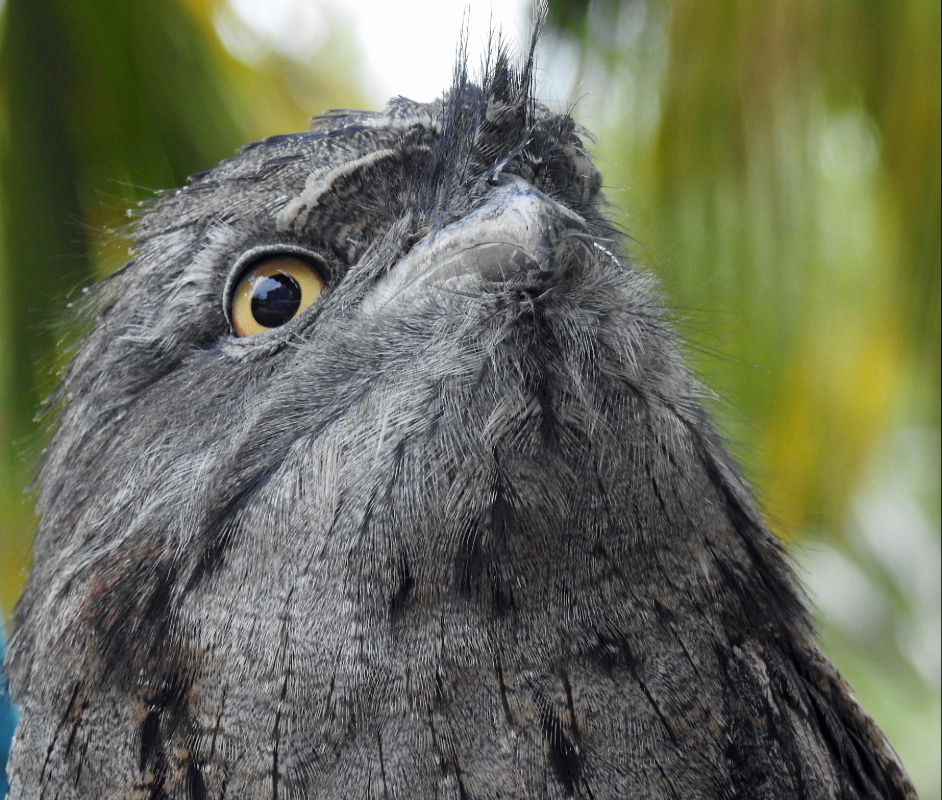
Figure 07. Tawny Frogmouths’ dense plumage offers superlative insulation against temperature extremes; their other adaptations include numerous physiological and behavioral means of surviving extreme cold or extreme heat.
Overheating can be at least as deadly as freezing cold, and frogmouths position themselves to avoid daytime sun exposure in the heat of summer. They can also increase their breathing rate to expel body heat, and will even open their bills and pant, as needed, to let body heat escape. Their bodies boost the amount of blood flowing through their mouths as they expel air, and they can produce a mucus lining to cool the air they inhale. All of these strategies help reduce the hazards of heat stress for frogmouths.
Tawny Frogmouths vary widely in size: 13–20.5″ (34–53 cm), weighing 6.3–24 ounces (180–680 g; up to 1.5 lbs.). Their plumage varies, too. Though it’s typically grayish, with some black streaks and other patterning above (back and head) and below (belly and chest), it might add some brown, rufous, or white patterning to the basic gray with black coloration. Females tend to weigh less and to have shorter bills than males, and they tend to have darker plumage, with a bit more rufous tinge than males. Some frogmouths of either sex may be lighter or darker, with more or less brown or rufous mottling or streaking. Even albinistic (all white) or leucistic (with white patches or blotches) plumage has been observed. Though there’s enormous variation between individuals in both coloration and size, their body shape is consistent: stocky, upright, compact. Juvenile plumage is much like that of adults, except the coloration is more subtle.
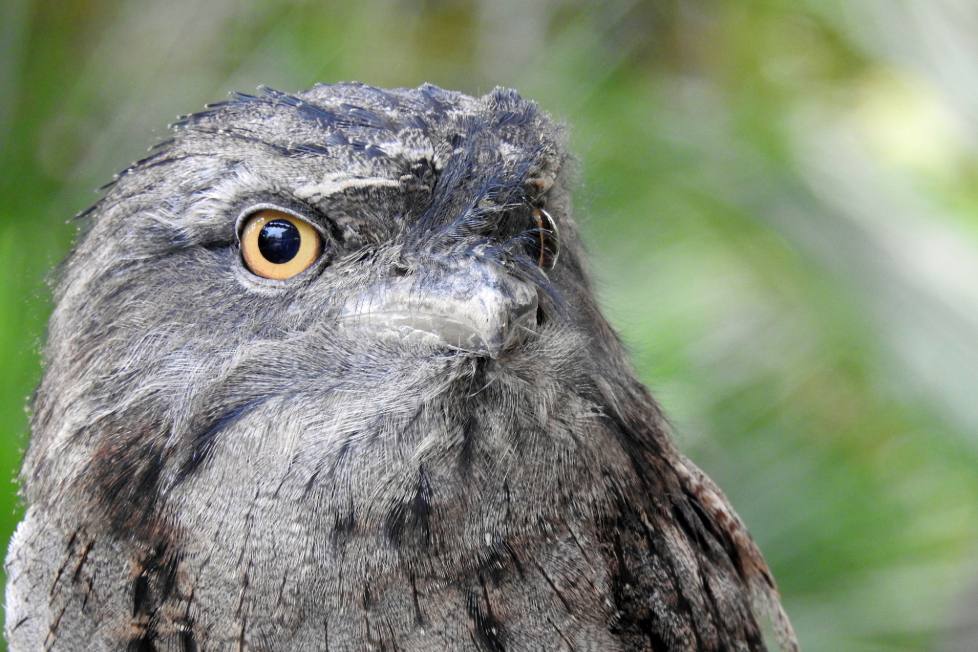
Figure 08. Wispy feathers surround this Tawny Frogmouth’s bill, making it harder for insects to escape entering its mouth.
The Tawny Frogmouth has rounded medium-long wings, relatively small for its stocky body, and the edges of its primary flight feathers are frayed, like those of an owl, so it can fly silently. Because this frogmouth is nocturnal, its prey probably never sees — or hears — it coming.
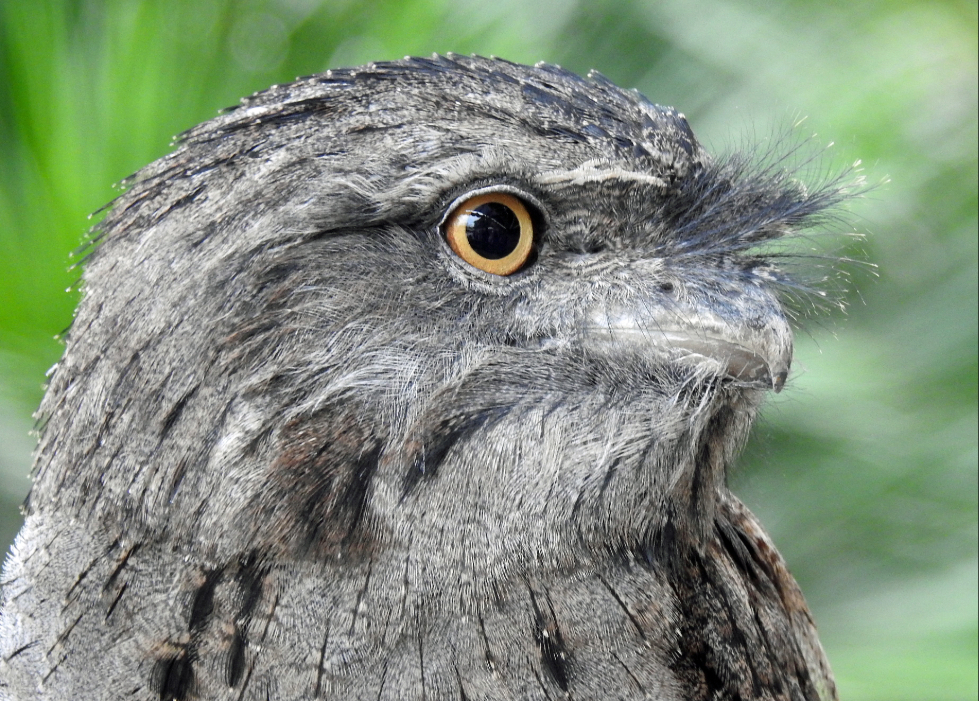
Figure 09. The flight feathers of Tawny Frogmouths have frayed tips, which make their flight nearly silent.
Entirely carnivorous, the Tawny Frogmouth preys mostly on invertebrates — insects, spiders, worms, snails, slugs, earthworms, and so on. This frogmouth doesn’t actively hunt for prey. Instead, it typically finds an exposed tree branch above an open area, so it can watch and wait for prey to come into range of its stealth attack. To catch moths and other flying insects, it sweeps its wide-open gape, swiftly scooping them up. When it spots prey on the ground or on a tree or other vegetation, it swiftly flies to it, pounces onto it, and hooks it with the tip of its wide bill. If the hook doesn’t kill the prey immediately, the frogmouth will smack it down onto a hard surface to do the trick. After catching the prey, it returns to its perch to eat its snack. Small prey is squooshed with the bill then swallowed. Bigger prey is killed then swallowed whole. Then they watch and wait again.
Typically, its short, weak legs and feet aren’t much help for catching prey; the exception: frogmouths living in dry woodlands, who may have stronger feet, longer wings, and shorter tails. When small vertebrates are available — mammals, reptiles, amphibians, even small birds — these frogmouths opportunistically snatch and eat them, too.
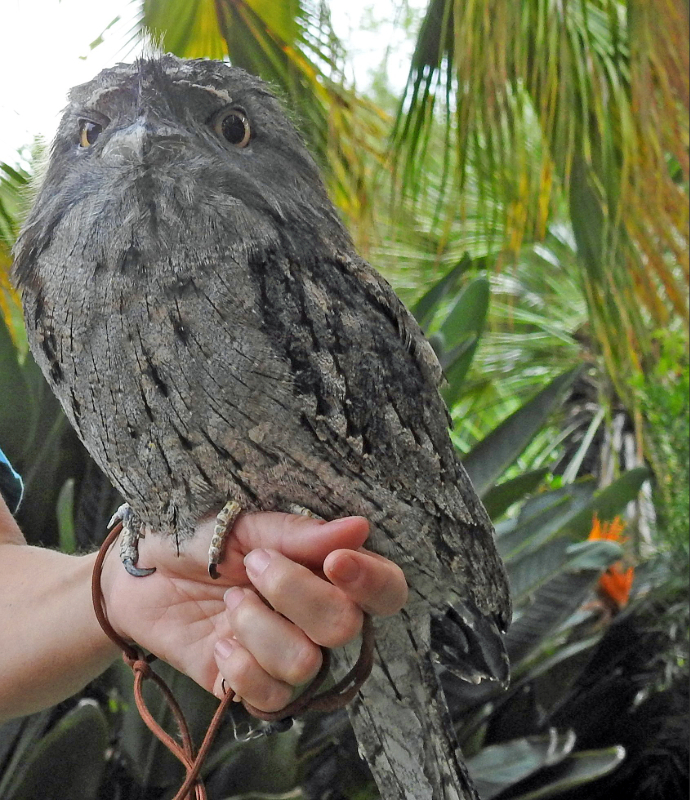
Figure 10. This Tawny Frogmouth’s legs are so short they’re nearly invisible beneath its belly. Its claw-tipped toes aren’t short but they’re not strong enough to catch prey; instead, this frogmouth uses its hook-tipped bill to snatch prey.
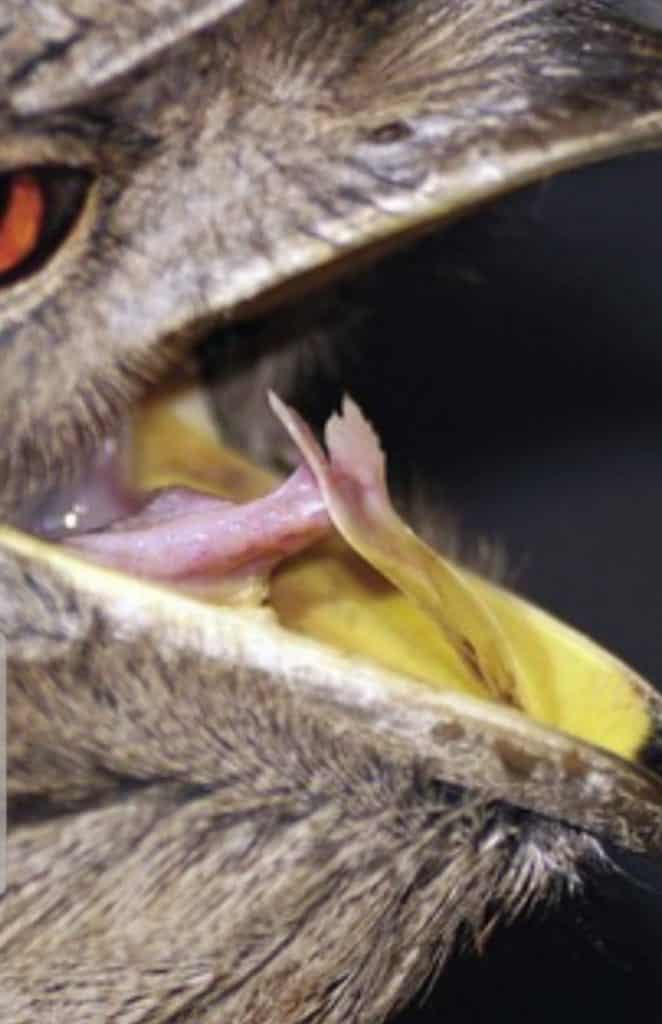
To see the peculiarly barbed tongue of a Tawny Frogmouth, please see
https://winghamwildlifepark.co.uk/wp-content/uploads/2023/08/Photo-5-Frogmouth-tongue.jpg
The rest of the web page — https://winghamwildlifepark.co.uk/a-change-of-scenery-for-our-tawny-frogmouths/ — includes several other images and some additional information about Tawny Frogmouths. To watch an adorable video from this website (with a peak inside its yellow mouth and a few vocalizations), visit https://youtu.be/FOBSRo1prF8 (The peculiar sound you hear is the sound of a keeper spraying mist toward the bird.)
In turn, their main defense against potential predators is to blend into their surroundings during the day. Their wispy, mottled, neutral-color feathers seem nearly invisible against a wooded background. The frogmouth carefully chooses a location where its camouflage will be most effective, mimicking the coloration and shape of the tree perch. While sitting still, it chooses a strategically camouflaged body position, points its bill upward, closes its eyes, and sits silently and motionless — pretty much all day. Sometimes, a frogmouth might leave its wide bill open, just in case an insect wanders in, then the bill snaps shut. It can also pull in its feathers and stiffen its body further, to enhance the tree-branch look-alike effect.
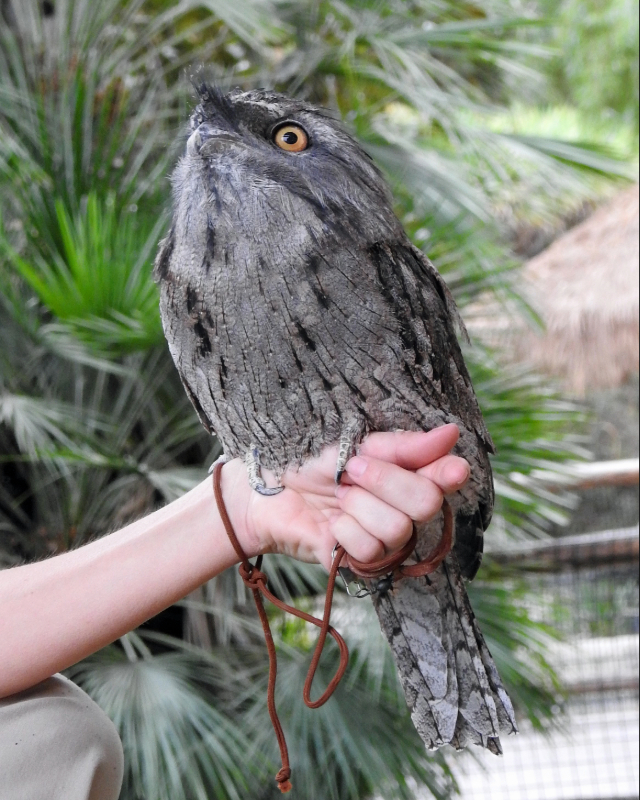
Figure 11. Positioned on a keeper’s arm, it’s easy to spot this Tawny Frogmouth, but on a wooded tree branch, with bill pointed upward and eyes closed, it would be much harder to see.
Tawny Frogmouths typically pair up, and the pair will strike a strategic pose, simulating the tree’s structure. The twosome will remain completely still unless a perceived predator approaches too closely, then they’ll both fly off, perhaps crying out warning calls. Year-round, they keep in physical contact often and roost together during the day. During breeding season, they keep in touch much of the time. They allopreen one another, too; for instance, the male may gently stroke the female’s feathers with his bill, perhaps for 10 minutes or more.
If a particularly keen — or lucky — predator manages to spot the frogmouth and approaches it, the frogmouth will fly off to escape a ground-based predator (cat or fox), or it will try to intimidate the predator by opening wide its ginormous yellow mouth and perhaps hissing, buzzing, or snapping its bill. Most vocalizations are low frequency (deep) and low amplitude (relatively hushed), but their alarm calls can be heard for miles. Nestlings and juveniles vocalize to signal hunger or distress, including a loud begging call. Though paired for life, these frogmouths still duet with one another, either at the same time, or with call-and-response duets. Distinctive drumming also seems to signal the breeding season.
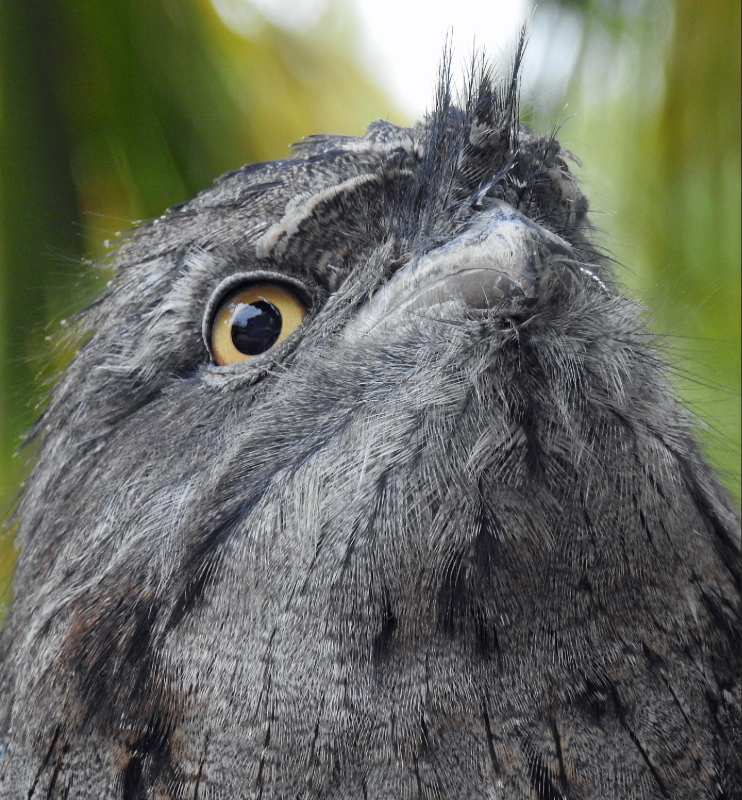
Figure 12. To hear examples of their low-pitched hooting calls and some other vocalizations made by the Tawny Frogmouth, visit https://xeno-canto.org/species/Podargus-strigoides. (Some who are familiar with frogmouths and Australasian boobook owls say they sound similar.)
Like other frogmouths, nearly all Tawny Frogmouths are entirely monogamous, devoted to the same partner year after year. Females and males share their territory (typically less than half a mile square) and its resources year round. As Figure 04 shows, they’re fairly snuggly and enjoy being near each other. Breeding season typically begins in austral springtime (August) and ends in austral summer (December), but in arid habitats, it begins whenever the heavy seasonal rains begin.
Typically, frogmouths reuse the same breeding spot each year, sometimes even the same nest, or the nest of another bird. When building a new nest, they build it on a horizontal tree fork or on an epiphyte, about 10–33 feet (3–10m; range 2–20 m, 6.5–66 feet) above the ground. Each partner collects twigs and mouthfuls of leaves, then places them to create a loose, flimsy, shallow nest (about 12″ / 30 cm across), which they may adorn with moss, grass, or lichen, as well as feathers.
Pairs typically have one clutch of 2 eggs, but 1 or 3 eggs sometimes, and up to 5 on rare occasions. Both parents incubate the eggs and defend their nest from predators, usually for about 30 days. Typically, dad takes the day shift and mom takes the night shift, with dad providing food for mom, as well as spelling her occasionally, so the eggs are rarely left unattended. The hatchlings’ first feathers are white down, which are replaced with gray and white-flecked down. If predators approach the nesting family, the parents will shout distinctive alarm calls, alerting their chicks to be silent and immobile, so their natural camouflage can conceal them.
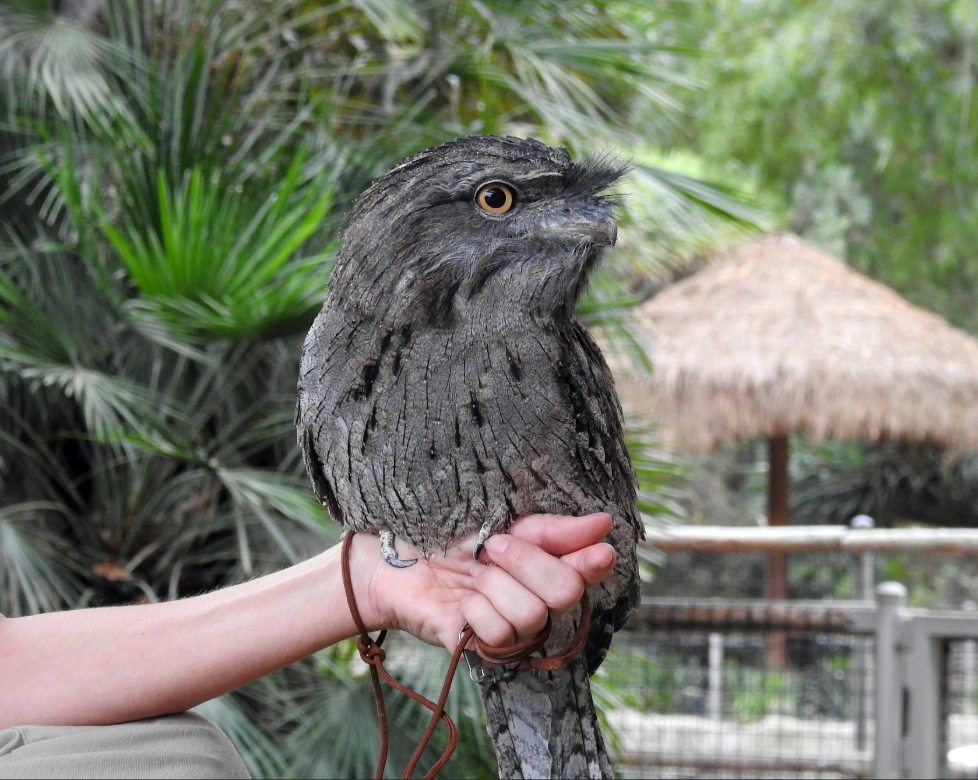
Figure 13. Tawny Frogmouths are devoted mates, dedicated to sharing the care for their eggs and chicks.
Both parents feed the hatchlings for 25–35 days, until the youngsters get their flight feathers, weigh about half their adult weight, and fledge (fly for the first time). For another 1–2 weeks after the young can fly, they stay with and are fed by their parents. After that, they may stay a few months longer, feeding themselves, or they may leave their parents. It’s not known how far young birds disperse from their natal homes.
Tawny Frogmouths have a stable population, widely distributed over a huge range, from sea level to 5100 feet (1,560 m), including some conservation sites. All of the Podargus species have an IUCN Red List status of LC, Least Concern, though bushfires can imperil any birds living in dry habitats. Many predators also prey on Tawny Frogmouths, and their eggs and young are particularly vulnerable to avian predators, such as ravens, butcherbirds, currawongs, and falcons. Even rodents and tree-climbing snakes kill and eat their eggs and their nestlings. Near human populations, domestic and feral cats are their fiercest predators, but dogs and foxes threaten these frogmouths, too.
Humans also pose additional hazards for Tawny Frogmouths who live near them. Any pesticides (especially insecticides and rodenticides) used near wooded areas will endanger the frogmouths. Road collisions are all too common when people use motor vehicles at night, shining bright headlights onto flying moths, pursued by frogmouths. Wire fences also imperil these nocturnal predators. Vandals shoot them and disturb their nests. Frogmouths also face habitat destruction as humans make way for agriculture.
According to Wikipedia, Tawny Frogmouths can expect to live up to 14 years in the wild and up to 30 years or more in captivity. According to the San Diego Zoo, they can live up to 10 years in managed care, and they’re popularly kept in zoos and other supervised aviaries. Their generation length is 6.23 years. They’re rarely involved in trade.
Figure 14. At the San Diego Zoo’s Safari Park, this Tawny Frogmouth is fed mice, crickets, or insect larvae (e.g., wax moth or beetle larvae).
The iNaturalist website and app have received 23,800 observations of Tawny Frogmouths, posted by 7,051 observers — https://www.inaturalist.org/observations?taxon_id=19721 . The Cornell Lab of Ornithology’s eBird website and app have collected 67,818 observations. Its Macaulay Library has collected 27,938 photos, 187 audio recordings, and 196 videos of Tawny Frogmouths, Podargus strigoides — https://search.macaulaylibrary.org/catalog?taxonCode=tawfro1 .
References
Podargiformes / Podargidae
- Elphick, Jonathan. (2014). “Caprimulgiformes” (pp. 396–398). The World of Birds. Buffalo, NY: Firefly Books.
- Lovette, Irby, & John Fitzpatrick (eds.), (2016). The Cornell Lab of Ornithology Handbook of Bird Biology (3rd ed.). Hoboken, NJ: Wiley.
- Winkler, David W., Shawn M. Billerman, and Irby J. Lovette. (2015). “Podargidae” (within Caprimulgiformes, pp. 179–180). Bird Families of the World: An Invitation to the Spectacular Diversity of Birds. Barcelona: Lynx, Cornell Lab of Ornithology.
- Winkler, D. W., S. M. Billerman, and I. J. Lovette (2024). Frogmouths (Podargidae), version 2.0. In Birds of the World (S. M. Billerman, B. K. Keeney, P. G. Rodewald, and T. S. Schulenberg, Editors). Cornell Lab of Ornithology, Ithaca, NY, USA. https://doi.org/10.2173/bow.podarg1.02
- https://birdsoftheworld.org/bow/species/podarg1/cur/introduction
- https://avibase.bsc-eoc.org/species.jsp?avibaseid=88CFA606, Podargidae
- https://en.wikipedia.org/wiki/Apodiformes
- https://en.wikipedia.org/wiki/Coraciiformes
- https://en.wikipedia.org/wiki/Frogmouth
- From https://en.wikipedia.org/wiki/Frogmouth: Thömmes, Katja; Hayn-Leichsenring, Gregor (2021-03-01). “What Instagram Can Teach Us About Bird Photography: The Most Photogenic Bird and Color Preferences”. i-Perception. 12 (2) 20416695211003585. doi:10.1177/20416695211003585. ISSN 2041-6695. PMC 8073730. PMID 33996019.
Tawny Frogmouth
- Holyoak, D.T. (2020). Tawny Frogmouth (Podargus strigoides), version 1.0. In Birds of the World (J. del Hoyo, A. Elliott, J. Sargatal, D. A. Christie, and E. de Juana, Editors). Cornell Lab of Ornithology, Ithaca, NY, USA. https://doi.org/10.2173/bow.tawfro1.01
- https://birdsoftheworld.org/bow/species/tawfro1/cur/introduction
- https://animals.sandiegozoo.org/animals/tawny-frogmouth
- https://avibase.bsc-eoc.org/species.jsp?avibaseid=D94DBB36
- https://avibase.bsc-eoc.org/species.jsp?lang=EN&avibaseid=D94DBB36D8BAF171&sec=lifehi
- https://en.wikipedia.org/wiki/Tawny_frogmouth
- https://search.macaulaylibrary.org/catalog?taxonCode=tawfro1
- https://winghamwildlifepark.co.uk/a-change-of-scenery-for-our-tawny-frogmouths/
- https://www.inaturalist.org/observations?taxon_id=19721
- https://www.iucnredlist.org/species/22689580/253969296
Miscellaneous Frogmouths
- https://en.wikipedia.org/wiki/Solomons_frogmouth
- The Solomons Frogmouth (Rigidipenna inexpectata), also known as the Cinnamon Frogmouth or Solomon Islands Frogmouth, is Near Threatened (IUCN 3.1)[1]
- https://en.wikipedia.org/wiki/Large_frogmouth
- The Large Frogmouth (Batrachostomus auritus) is Vulnerable (IUCN 3.1)
Etymology of Bird Names
- Gotch, A. F. [Arthur Frederick]. Birds—Their Latin Names Explained (348 pp.). Poole, Dorset, U.K.: Blandford Press.
- Gruson, Edward S. (1972). Words for Birds: A Lexicon of North American Birds with Biographical Notes (305 pp., including Bibliography, 279–282; Index of Common Names, 283–291; Index of Generic Names, 292–295; Index of Scientific Species Names, 296–303; Index of People for Whom Birds Are Named, 304–305). New York: Quadrangle Books.
- Lederer, Roger, and Carol Burr. (2014). Latin for Bird Lovers: Over 3,000 Bird Names Explored and Explained (224 pages). Portland, OR: Timber Press.
Text and images (except Figure 04, Tawny Frogmouth pair) by Shari Dorantes Hatch.
Copyright © 2026. All rights reserved.
 Bird Brain

Leave a comment