
Sphenisciformes
The Sphenisciformes order of birds contains exactly one bird family: Spheniscidae, penguins. Though no penguins can fly, and they don’t particularly look muscular, they’re highly athletic and able swimmers and divers. Over evolutionary time, what would be their flight wings have been adapted to underwater propulsion; some describe their swimming as “flying underwater.” Gentoo Penguins, Pygoscelis papua, can swim up to 22mph (36 km/hour), faster than any other bird on earth. Though Gentoos are the speediest, all penguins use a clever strategy for speeding up by “porpoising” — bouncing across the waves, like dolphins. Though their short, stiff tails can help a little when maneuvering underwater, most navigation is done by their sturdy webbed feet at the tips of their short legs.
Figure 01a. Penguins are built for swimming underwater. Even when they’re just “strolling,” they swim ably.
Click to go to African Penguins
or to Little Penguins.
According to several dictionaries, the name penguin comes from Welsh pinguinus — pen, “head,” and gwyn, “white,” originally thought to relate to the now-extinct Great Auk. Apparently, the European explorers who first saw penguins thought they looked similar to Great Auks. Skill at exploration may not be linked to knowledge of ornithology. (Wikipedia, https://en.wikipedia.org/wiki/Penguin, suggests another possible origin for the name.) “Sphenisciformes” comes from Greek — sphen for “wedge” (the shape of their flippers/wings); iscus, a diminutive for an endearing bird with wedge-shaped wings; “-iformes” for its taxonomic level, “order” (below “class” and above “family”).
Though Emperor Penguins can’t swim as fast as Gentoos, they’re the bird world-record holders for deep diving — up to 1,650–1,800 feet (500–550 m) and can stay underwater up to 18 minutes. For comparison, Gentoos dive to about 560–660 feet, 170–200 m. The smallest penguins fish nearer the surface, diving for just 1–2 minutes at a time. Unlike some other skilled swimming and diving birds, penguins can also walk on land pretty well. Even on ice, penguins walk at a pretty good clip. They also jump with both feet sometimes, and to speed up a bit more, they can use their bellies as toboggans for zippy sliding on smooth ice.
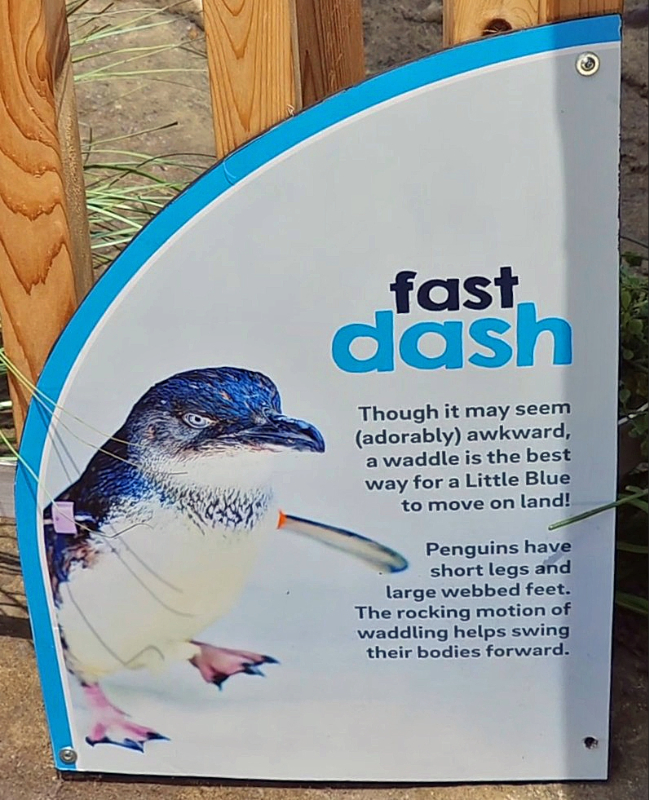
Figure 01b. Penguins may waddle a bit on land, but they can move along pretty quickly; in fact, the side-to-side waddle helps with their forward motion.
All penguins live in the southern hemisphere and can be found in the Pacific and the Atlantic Oceans (as far north as the Galapagos Islands, on the equator!), as well as the ocean surrounding Antarctica. As you may have expected, the greatest number and the greatest variety live near — or on — Antarctica. In general, the larger species better tolerate the coldest, most polar locations. The two largest species — Emperor and King Penguins — have a large enough body mass to thrive in extreme cold, whereas smaller species would not. Hence, the smaller species are more common farther north. In any case, all penguins rely on the sea life that thrives on cold ocean swells (e.g., the Antarctic Humboldt current). Though the larger species have more extreme cold adaptations, even the smaller species have circulatory systems and specialized plumage enabling them to maintain warm internal body temperatures in cold environments.
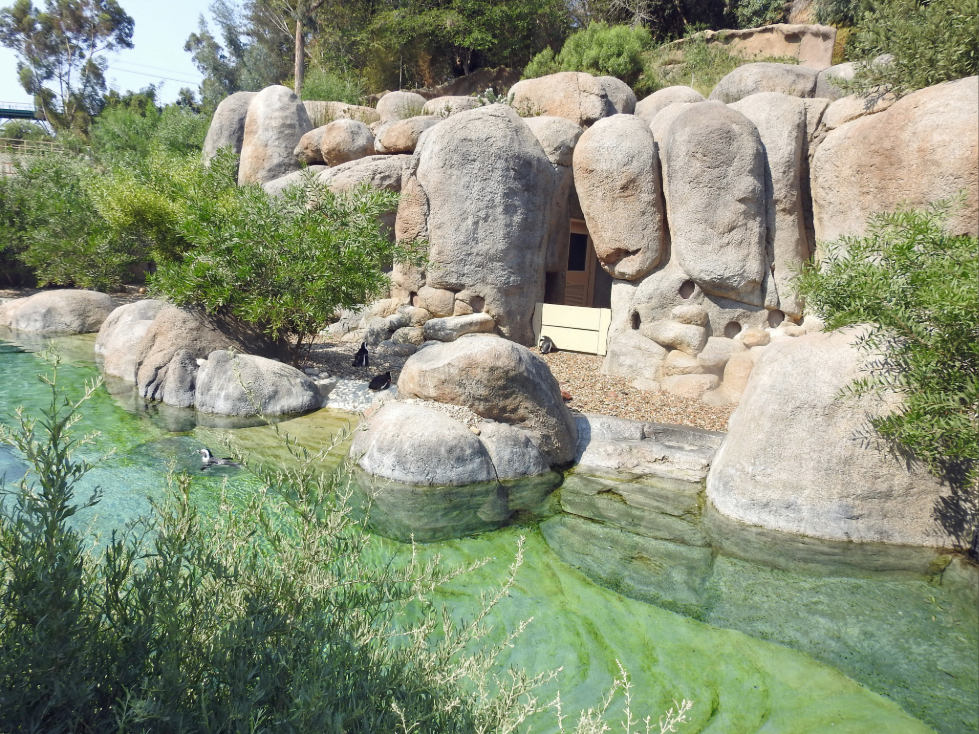
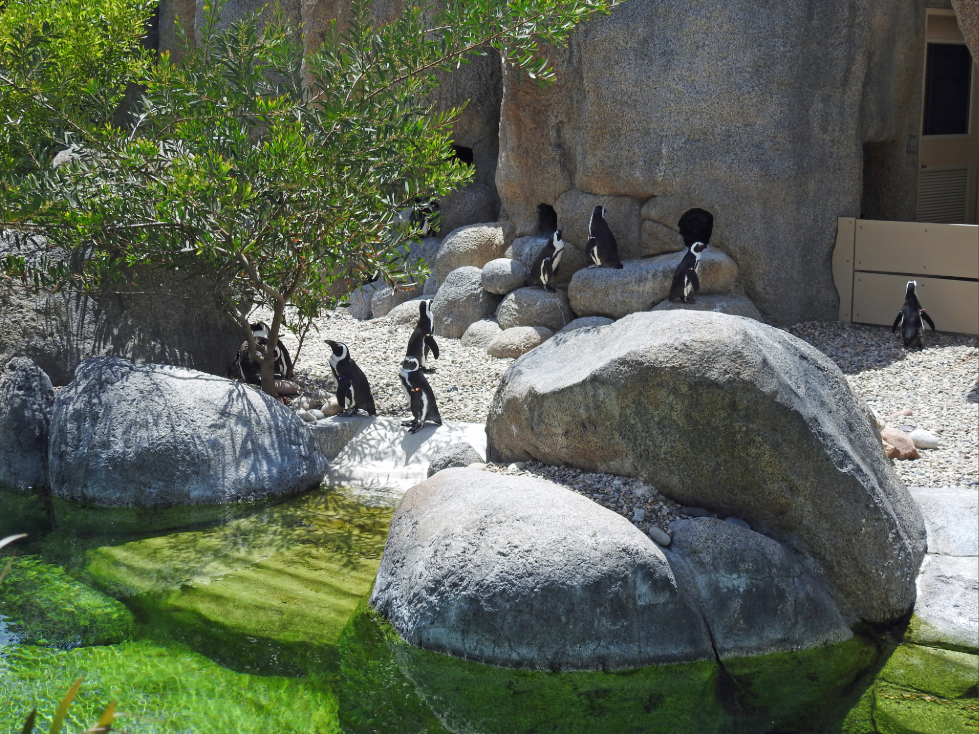
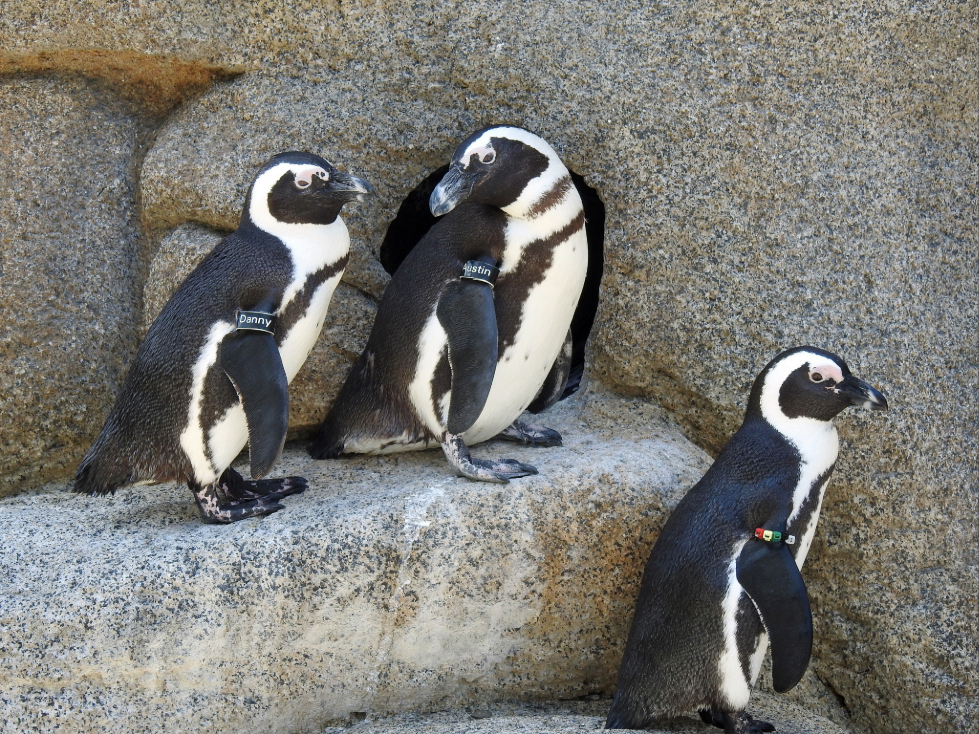
Figure 01c, 1–3. These African Penguins live at the San Diego Zoo, in the Cape Fynbos area of “Africa Rocks.” When African Penguins aren’t involved in captive-breeding programs, these critically endangered penguins live on the far southern coast of Africa, the only penguins living on that continent.
Penguins have ancient relationships with other water-loving birds, such as Procellariiformes (>100 species, e.g., albatrosses and other tubenoses), with whom they shared an ancestor about 70–68 million years ago. Their ties to Gaviiformes (e.g., loons), and possibly Ciconiiformes (storks) and Charadriiformes (shorebirds and gulls) go back about 74 million years before they parted ways; penguins had diverged from any other bird orders by at least 62 million years ago. (Fossil penguin finds have suggested these relationships and divergence dates; DNA evidence has been ambiguous in determining the relationships among bird orders.)
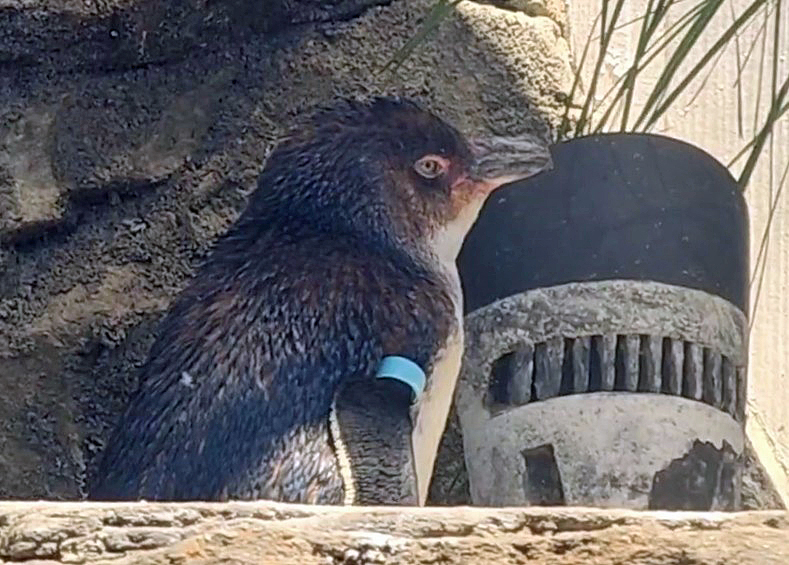
Figure 01. In San Diego, California, the Scripps Institute of Oceanography’s Birch Aquarium hosts a cluster of Little Blue Penguins, like these cutiepies.
The Spheniscidae family includes 17 species of penguins, sorted into 6 genera. Their body shapes are pretty similar, but their sizes vary widely. For most birds, linear size is noted as length from tail tip to bill tip, but because standing penguins have an upright posture, their size is often also described in terms of height. The smallest species is Little Penguin (Eudyptula minor), 12/16″ (30/40 cm) high/long, weighing 2.2 pounds (1 kg); biggest is Emperor Penguin (Aptenodytes forsteri), 3.6/4 feet (1.1–1.2 m) high/long, weighing 101 pounds (46 kg). All penguins have rigid flippers, short tails, and short legs, which make upright stance easy.
According to Winkler et al. (2015, p. 161), penguins have “the least-pneumatized bones of any bird.” For this flightless bird, it’s not an advantage to have air-filled cavities in their skeleton. Maybe their stronger bones contribute to their sturdiness.
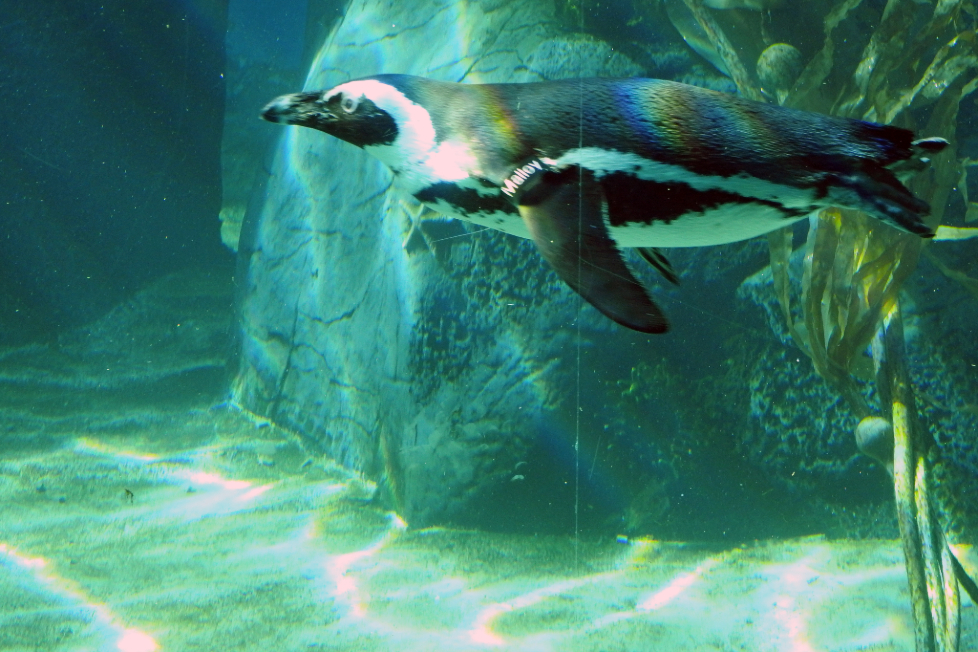
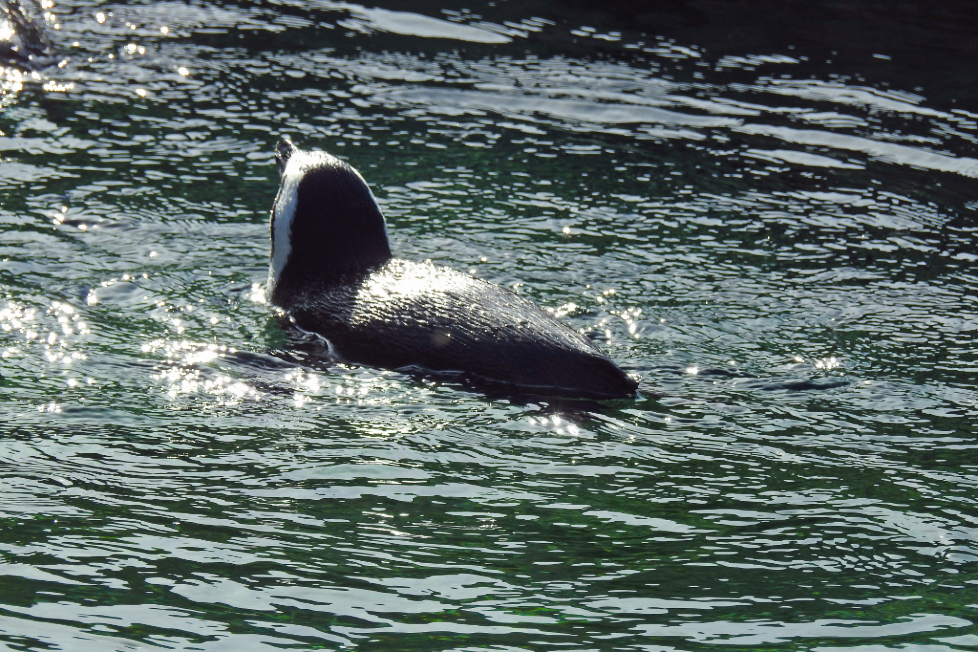
Figure 01e, 1–2. These African Penguins show how well their streamlined bodies have been adapted for swimming.
Most species spend most of their time at sea, but all species breed on land (or ice), where they also undergo their annual molting of feathers after raising their brood. Like many other ocean dwellers, their coloring is countershaded to offer camouflage from above or below; penguins have dark plumage (black or bluish-gray) on their backs and white plumage on their bellies. When swimming, they’re hard to spot from above because their dark feathers offer little contrast against the dark ocean, but they’re also hard to spot from below because their white feathers blend well with the sunlit ocean above. Male penguins are slightly bigger than females, but there are no sex differences in plumage. Their feathers are densely packed, tiny, tough, hydrodynamically pointed to form a smooth, continuous, uniform surface from head to tail. To further aid their swimming, penguins keep their feathers well oiled.
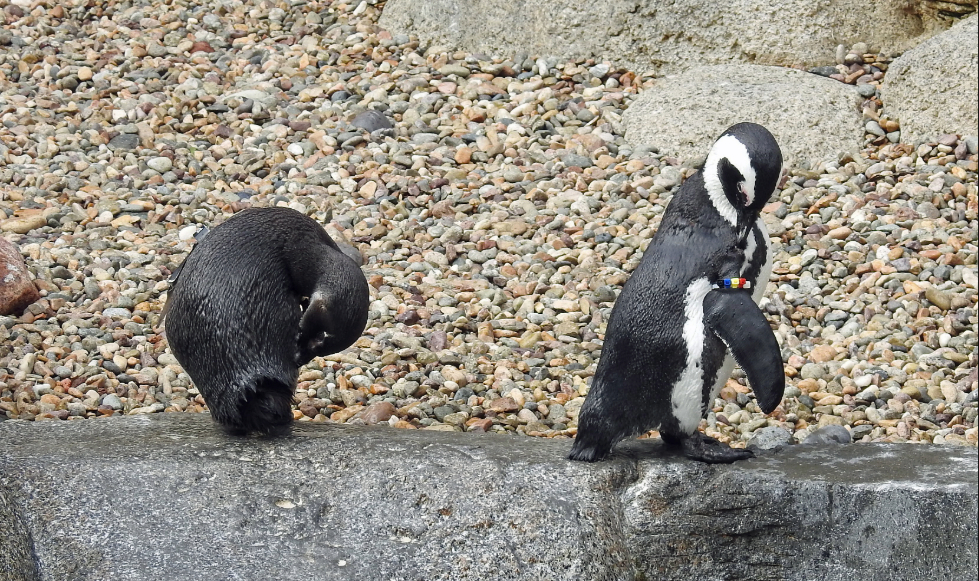
Figure 01f. All birds maintain their feathers by preening them; for flighted birds, preened feathers make flight easier. For penguins, however, preening is vital. Their survival depends on maintaining a waterproof coat for swimming underwater.
Most birds alternate tracts of feathers with apteria, areas of bare skin between the feathers (see https://en.wikipedia.org/wiki/Feather#Distribution). Penguins’ feathers don’t have apteria, so together, the feathers provide a smooth surface layer for gliding through water, as well as for warmth.
Most penguins have a short, thick neck, on which sits a small- to medium-sized head. Though their body plumage is quite similar, their head plumage differs across species, with differing species-specific patterns of plumage making it easier for them to identify one another, even while swimming. Some also have markings on face, neck, and chest. The colors of their unfeathered areas may differ, too, with bill and legs either black, pinkish, or reddish. Legs are short and quite thick, with short, thick, webbed toes, tipped with claws.
Penguins typically have laterally compressed bills, like the prow of a ship, so the bill can slip through the water. Their hook-tipped bills are shorter and wider in species that eat mostly plankton, longer and skinnier in species that eat mostly fish or squid (e.g., King Penguins, Emperor Penguins). On each side of the bill is a pair of nares (one naris or nare, two nares); nares open into the penguin’s nasal cavity, for breathing even when the bill is closed, and for secreting a concentrated salty solution produced by a specialized gland. Like tubenose birds, penguins can safely drink salt water because these glands can filter the excess salt from their bloodstreams and then secrete the concentrated salts.
Figure 01g. The hook at the tip of this Little Penguin’s bill (second penguin, on the right) sure looks effective at snagging prey.
Inside their mouths, the tongue and palate hold numerous papillae, protuberances made of keratin, the same substance as your fingernails and your hair. (Your tongue has papillae, too, but much softer.) In penguins, these spiky keratinous papillae curve backward, so prey can slide in over the tongue and palate but can’t slide back out. Add powerful jaws to the spiky mouth, and penguins can readily grasp slippery prey, which they swallow whole. (See photos of the inside of penguin mouths, especially of their tongues, at https://www.penguinsinternational.org/what-lies-inside-the-penguins-mouth/ ; for a photo of an African Penguin with its spiky palate, see https://www.inaturalist.org/observations/309791875 .)
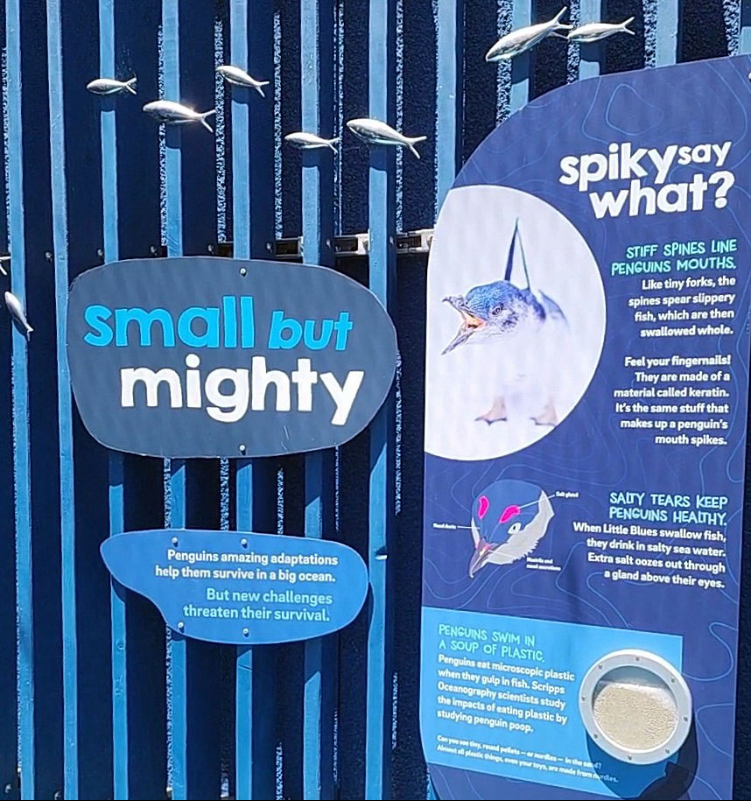
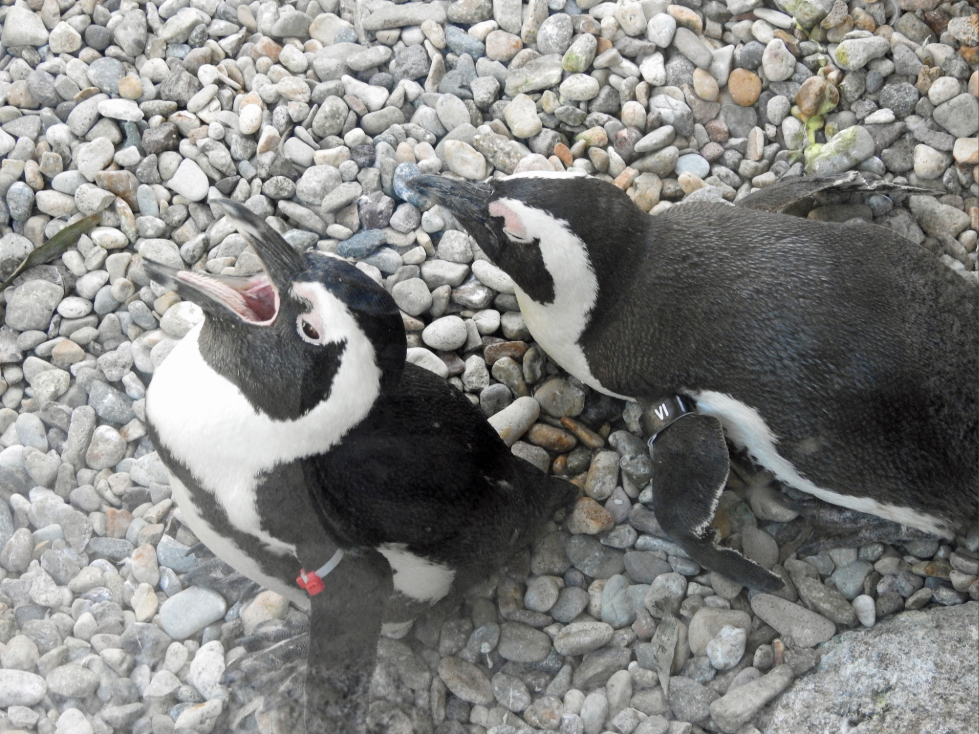
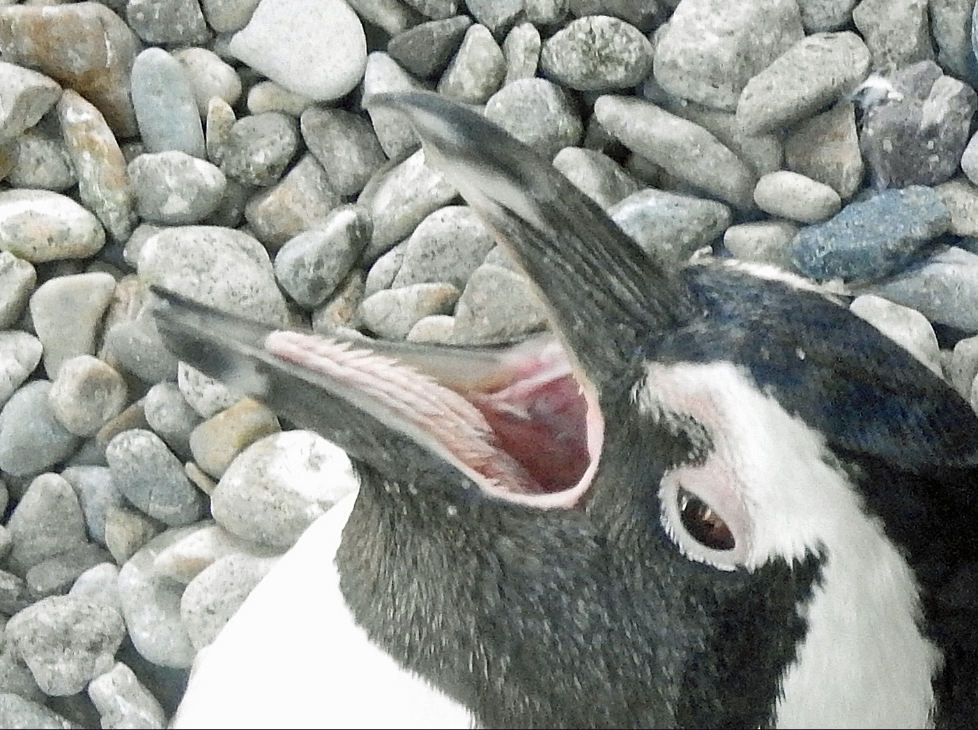
Figure 01h, 1–3. This poster from the Birch Aquarium describes the inside of a penguin’s mouth (left), and this African Penguin, at the San Diego Zoo, shows how effectively a spiky tongue might hold a slippery fish (middle; closeup, right).
Penguin bodies are beautifully adapted to marine life; their stout, porpoise-shaped, ovoid bodies are designed for easy swimming and diving. The limbs that work as wings on other birds have been adapted to serve as powerful flat, rigid, bladelike flippers for underwater swimming. Their flippers are less serviceable on the surface of the water, as they can’t flap them fully, so turbulence slows them down. Unlike other birds, penguins can’t fold their wings together against their bodies, but for underwater swimming, they’re tops. Their hearing isn’t extraordinary, though family members can recognize one another’s vocalizations, but their eyes are well adapted to seeing underwater.
You may have noticed that when you’re submerged in water, you cool off pretty quickly, even when the water temperature is warmer than the air temperature. Water conducts heat away from your body much more effectively than air does. For penguins, who spend the vast majority of their days in water, loss of body heat could be a serious problem. Luckily, they’re built for minimizing heat loss. Their dense feathers trap their body’s warm air near their skin, not only for insulation, but also for buoyancy. In addition, penguins have a thick layer of insulating fat just beneath their skin. The circulation in their flippers also allows them to exchange cooled blood, minimizing heat loss.
On land, penguins are quite sociable. All but two species (the endangered Yellow-eyed Penguin, Megadyptes antipodes, and the near-threatened Fiordland Penguin) nest colonially — typically, within ginormous (sometimes several hundreds of thousands of pairs) often-noisy colonies of other penguin families. In the colonies, penguin families can huddle together for warmth, and they rotate from outer edges to the interior of the huddle, so everyone has a turn to be warmed up or to cool off.
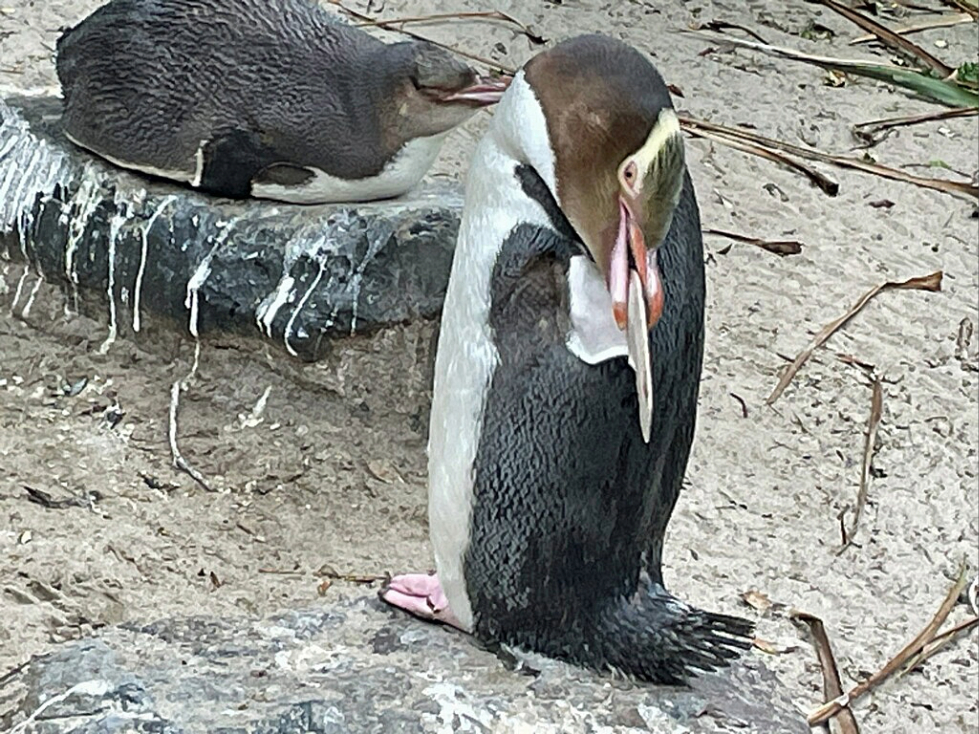
Figure 01i. For all species of penguins, frequent and careful preening is vital. These two New Zealand Yellow-eyed Penguins seem to be enjoying each other’s company, but in general, this species is less sociable than most other penguin species. This photo was taken by my dear pal Kat Stesney, traveler extraordinaire, during one of her many sojourns.
When breeding, each family maintains just a small area around its nest. Two large species of penguins — Emperor Penguins, Aptenodytes forsteri, and King Penguins, Aptenodytes patagonicus — don’t even bother with nests, instead keeping the egg or the chick atop their big feet, nestled under a special fold of skin beneath the belly. These two species lay just one egg per breeding season. The other penguin species typically lay two eggs per clutch. In relation to the mom’s body size, penguin eggs are relatively small. Surprisingly, the Little Penguin’s egg (2 oz. / 52g) is 4.7% of its mom’s weight, but the Emperor Penguin’s egg (1 pound / 450 g) is just 2.3% of mom’s weight. What’s more, the penguin egg’s extra-thick shell takes up about 10–16% of its weight; thick shells may help minimize breakage and dehydration. The yolks are also proportionately larger, perhaps to help sustain the chick in an adverse environment.
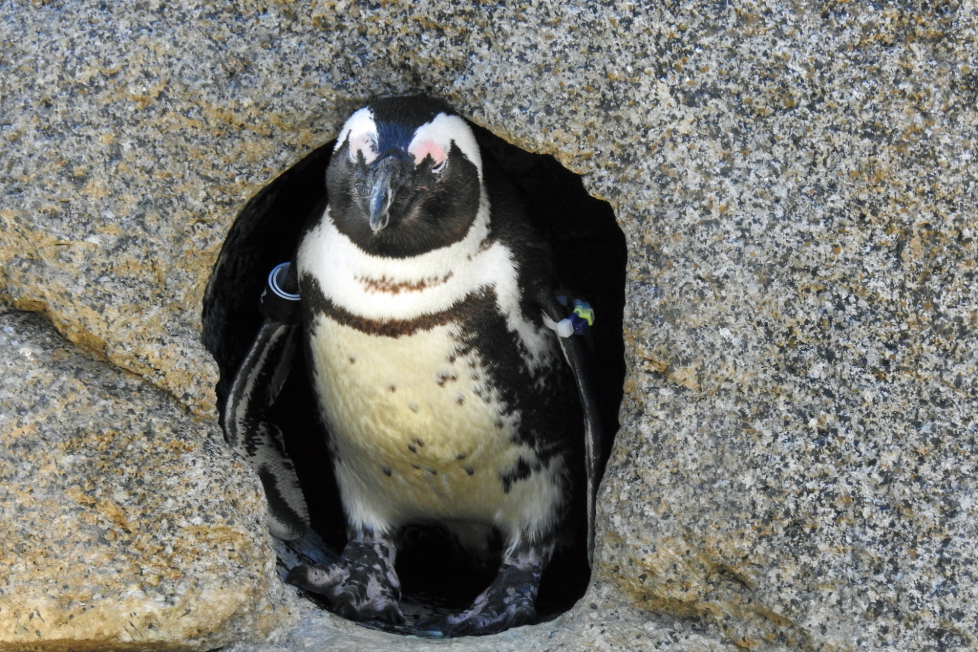
Figure 01j. Most penguins make simple nests, piling up a few stones or other materials, but African Penguins, Little Penguins, and a handful of other species prefer to nest in burrows. They typically dig their own burrows, but they’re quite content to use a burrow already created for them, as this African Penguin demonstrates.
Most penguin species make simple nests, piling up some stones, adding a few molted feathers, and perhaps topping it off with a few snatches of vegetation if any is available. In some locations, penguin parents will nestle their eggs among tree roots or in burrows (e.g., some Spheniscus and Eudyptula species), caves, or rock crevices.
Penguin moms and dads are monogamous — at least for a given breeding season, but sometimes longer. Emperor Penguin dads do all of the incubating while mom goes to sea to fill up with fish, which she feeds to her hatchling as soon as she returns, so a nearly starving dad can go to sea to fill his empty belly with fish. (Please see my blog https://bird-brain.org/2025/01/06/got-bird-milk/#Emperor-Penguin-dad about these dads.)
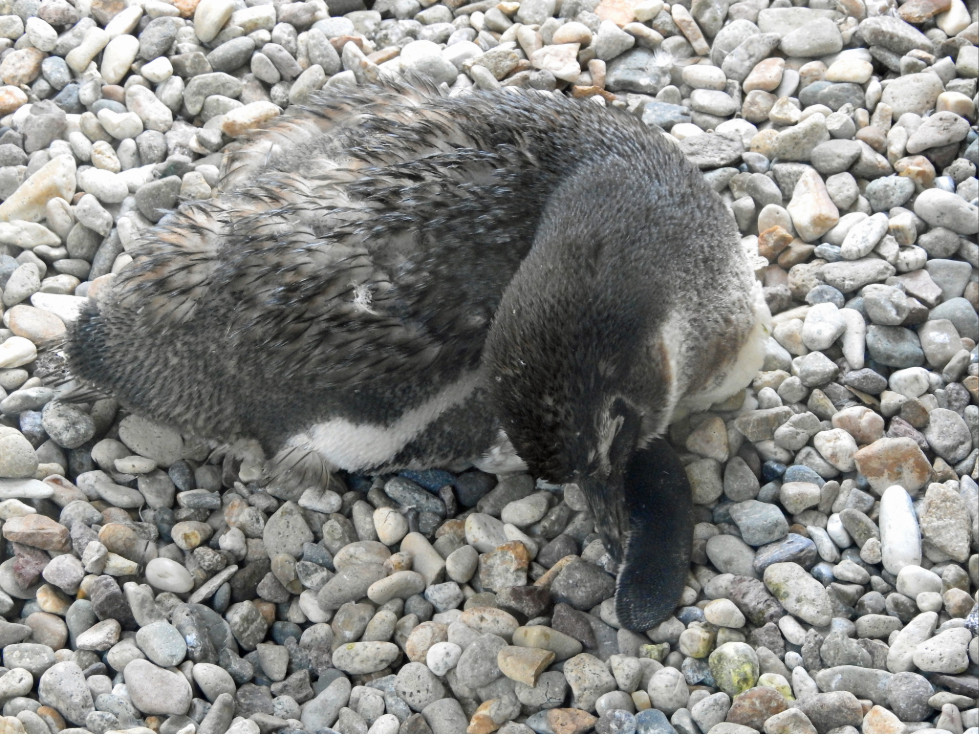
Figure 01k. Penguin chicks, such as this African Penguin chick, look adorable with their soft downy feathers, which keep them snuggly warm, but which aren’t waterproof. To forage at sea, they need their adult plumage to survive.
For all other penguin species, both parents share responsibility for incubating the eggs and raising the chicks. The time needed for caring for their young varies widely: 33–65 days for eggs to incubate, then 2–3 months for the hatchlings to be mature enough to care for themselves. Adding it up, penguins spend 3–5 months breeding on land and 7–9 months at sea. Once the chicks reach independence, the whole family leaves the colony to live at sea until the next breeding season. (All but the Little Penguin breed once/year; the Little Penguin may have two or three broods in its Australian or New Zealand home.)
It’s at sea that penguins can consume small fish (a favorite, if available), squid, and crustaceans (e.g., krill). Naturally, the availability of prey varies by location, but even in the ocean, it also varies seasonally. Sometimes, penguins need to travel up to 500 miles (800 km) to find enough prey to eat.
Here’s the conservation status of the 19 species of penguins (Spheniscidae), from CR, Critically Endangered, to LC, Least Concern. As you can see, this bird family has already been troubled, even before the climate crisis has further imperiled them. In addition to the increasingly dire impact of the climate crisis, commercial fishing poses challenges to many penguin populations. On land, skuas, petrels, sheathbills, gulls, and other birds eat penguin eggs and chicks, and humans have, too; humans have also eaten adult penguins. At sea, penguins of any age are preyed upon by sharks and sea mammals such as orcas and leopard seals.
- Critically Endangered
- African Penguin, Spheniscus demersus, decreasing population
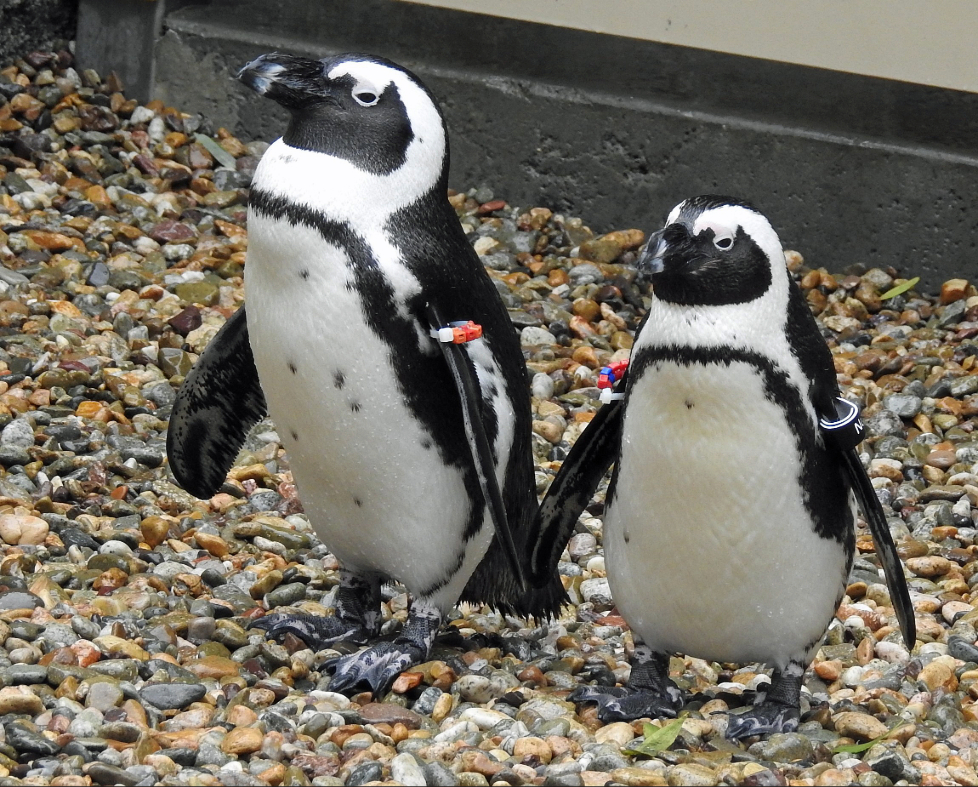
Figure 01L. African Penguins are the most critically endangered penguin species.
- Endangered
- Erect-crested Penguin, Eudyptes sclateri, decreasing population
- Yellow-eyed Penguin, Megadyptes antipodes, decreasing population
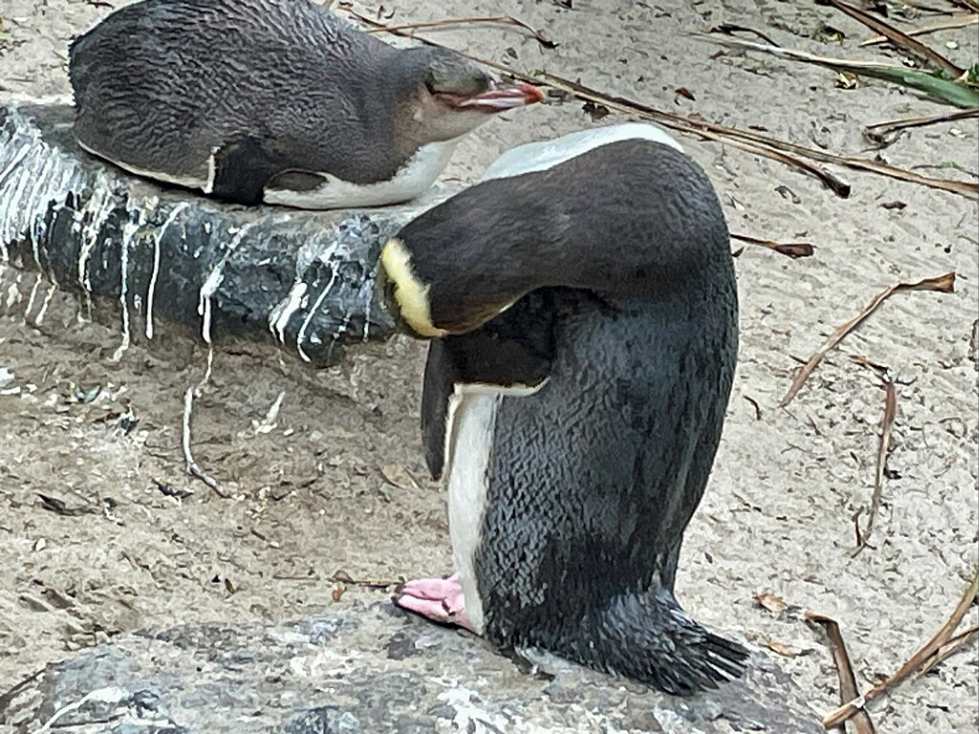
Figure 01m. Ten of the 17 penguin species are under threat, including these Yellow-eyed Penguins in New Zealand. This photo was taken by my dear pal Kat Stesney, from her New Zealand adventure.
- [Endangered]
- Galapagos Penguin, Spheniscus mendiculus, decreasing population
- Moseley’s Rockhopper, Eudyptes moseleyi, decreasing population
- Vulnerable
- Humboldt, Spheniscus humboldti, decreasing population
- Macaroni Penguin, Eudyptes chysolophus, decreasing population
- Western Rockhopper, Eudyptes chrysocome
- Eastern Rockhopper, Eudyptes filholi
- Snares, Eudyptes robustus, stable population
- Near Threatened
- Emperor Penguin, Aptenodytes forsteri, decreasing population
- Fiordland Penguin, Eudyptes pachythynchus, decreasing population
- Least Concern
- King Penguin, Aptenodytes patagonicus; population may even be increasing
- Adélie Penguin, Pygoscelis adeliae; population may even be increasing
- Gentoo, Pygoscelis papua, stable population
- Chinstrap, Pygoscelis antarcticus, decreasing population
- Little Penguin, Eudyptula minor, stable population
- Magellanic, Spheniscus magellanicus, decreasing population
- Royal, Eudyptes schlegeli
African Penguin, Spheniscus demersus
The African Penguin, Spheniscus demersus, is the only Critically Endangered (CR) penguin, one of four species in the Spheniscus genus, along with the Humboldt Penguin, Spheniscus humboldti (VU, Vulnerable); Galapagos Penguin, Spheniscus mendiculus (EN, Endangered); and Magellanic Penguin, Spheniscus magellanicus (LC, Least Concern). The scientific species name, demersus, comes from demergo, Latin for “submerge” and -sus, a diminutive form.
These penguins are found on the southern coast of Africa, as the range map of eBird observations shows (https://ebird.org/map/jacpen1). They inhabit both the coastal mainland and the offshore islands. No penguins live in the northern hemisphere, and no other penguins reside on the African continent. (Their latitude range is considered tropical to temperate: –17 to –36 degrees south of the equator; Guadalajara is 20 and San Francisco is 37 degrees north of the equator). Other than going to and from the sea, during the breeding season, these penguins don’t migrate.
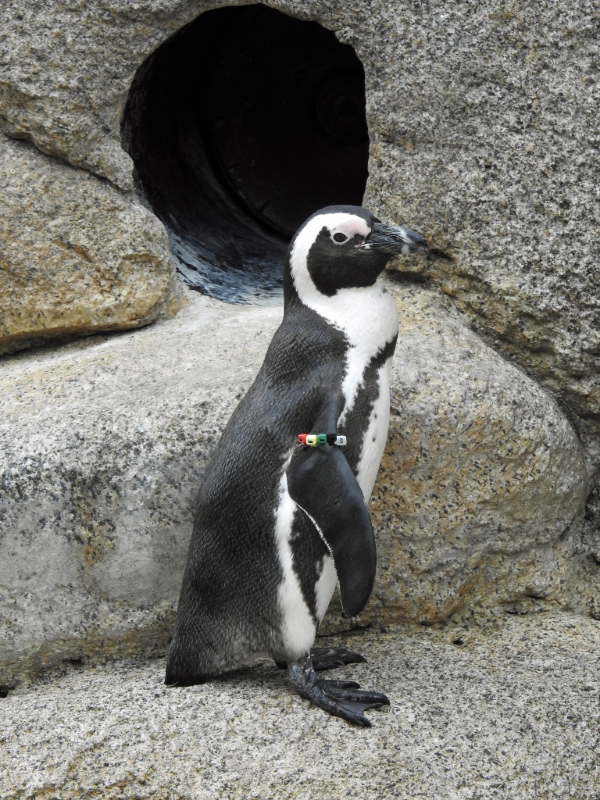
Figure 2a. The African Penguin is sometimes also called a “Black-footed Penguin” for obvious reasons. In Spanish, it’s called “Pingüino del Cabo” — Cape Penguin — pointing to its geography. Sometimes, it’s called a “Jackass Penguin,” alluding to its donkey-braying vocalizations. Play, for example, XC256173, XC255416, and XC646449, at https://xeno-canto.org/species/Spheniscus-demersus .
African Penguins are smallish mid-sized penguins, about 24″–27.5″ (60–70 cm), 4.5–8 pounds (2.1–3.7 kg); the size range for all penguins is 12–45″ (30–114 cm) long, weighing 2.2–101 pounds (1–46 kg). Male African Penguins are slightly larger, with slightly longer bills than females. Their legs are short; the “tarsus” length, from the heel to the ankle, is less than 1½”.
The African Penguin has its own variation on the countershaded penguin black-back, white-belly plumage. A white band frames the sides of its face, extending under its chin, then down to its chest and belly, with a thin black arch (upside-down U) outlining its underparts; a sprinkling of black dots adorn the belly, uniquely identifying each penguin. Tail and flippers are typically black, but some birds may also have some white or pinkish flipper plumage, especially on the undersurface; unfeathered legs are black, too, sometimes with light blotches. Juveniles’ coloration is subtler than adults; it’s similar overall but lacks distinctive bands of plumage, stark-white belly, and belly spots.
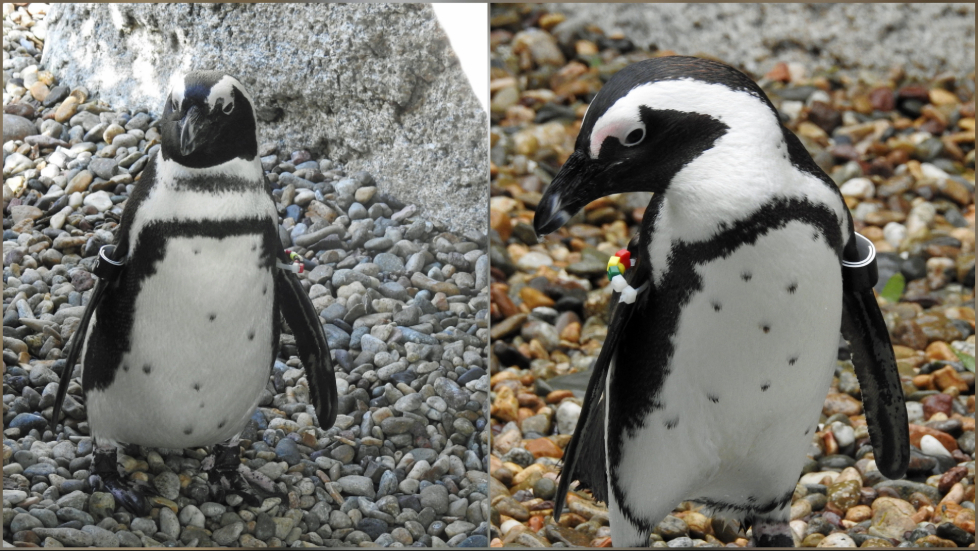
Figure 02b. These two African Penguins look very similar, but each has distinctive spots on its belly, unlike the spots of any other African Penguin.
The face, too, has a bare-skinned pink orbital ring (around each brown eye). This unfeathered pink skin extends beyond the eye toward the black (or dark-gray) bill. The skin overlies sweat glands, which aid in thermoregulation, appearing pinker with increased blood flow, for cooling the blood in higher air temperatures. The bill is about 2″ long (1.9–2.6″ / 4.8–6.5 cm), × 1″ deep (top to bottom), × <½” wide (side to side), rounded at the end, with a hooked tip. (Like other penguins, their bill is slender from side to make it easier to pierce the water for swimming.)
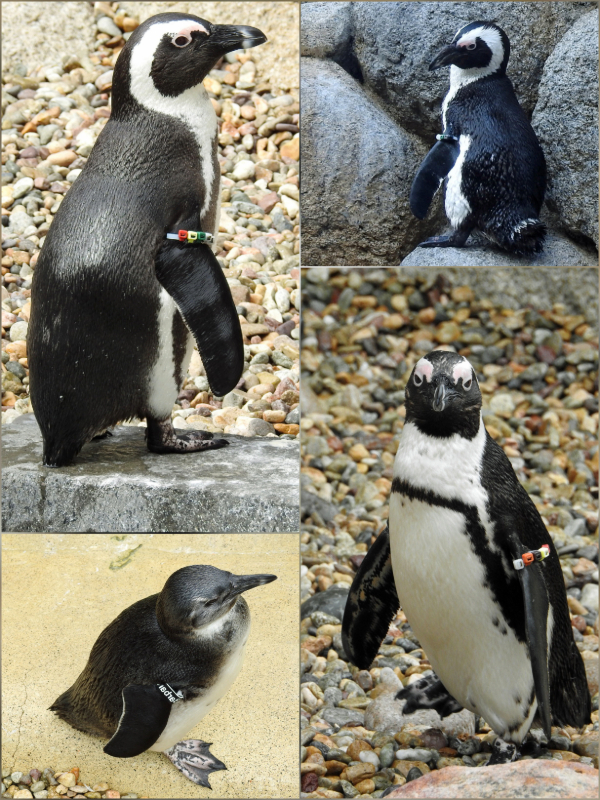
Figure 02c, collage. Though they’re actually quite tough birds, it’s hard not to think they’re absolutely adorable, from any angle.
Perhaps more than its visual appearance, what distinguishes African Penguins (sometimes called “Jackass Penguins”) is their array of vocalizations. You’ll probably enjoy checking out a few of them at https://xeno-canto.org/species/Spheniscus-demersus . An example of their characteristic braying can be found at https://xeno-canto.org/392704 ; as a contrast, you can hear the vocalizations of a chick begging at https://xeno-canto.org/255417 .
Figure 02d. This African Penguin seems to recognize who is braying behind it. (And you may be confused by the sideways view. My apologies, but I can’t figure out how to rotate it.)
From what is now known, these penguins usually forage within about 7.5–12 miles (12–20 km) of the coast. African Penguins are perfectly suited for feeding on seagoing schools of small fish (e.g., anchovy, sardine, herring), though they’ll scarf down cephalopods (e.g., squids, octopus) when available, too. Avibase estimates that fish make up about 8/10 of their diet (by weight), invertebrates (cephalopods) about 2/10ths.
These penguins are even sociable at sea, while feeding, often in groups of 25–165 penguins. When they cooperate, they can corral fish shoals, to make the fish easy pickings. They have been recorded diving down to 427 feet (130 m), but they typically dive just to medium depths (about 80 feet / 25 m), with females diving less deep and for less time than males. The typical dive lasts 69 seconds, and the maximum length observed was 275 seconds. However, the females dive more frequently, over larger areas, so they explore comparable volumes of water while foraging.
Figure 02e. African Penguins seem to enjoy each other’s company.
In any case, each penguin typically consumes about 1.2 pounds (540g) of prey (fish or invertebrates) each day, and even more while rearing chicks — up to 2.2 pounds (1000 g) when feeding big chicks. Some fishes (e.g., sardines) provide better nutrition (fat and protein) than others (e.g., anchovies), and poorer nutrition may affect breeding.
These penguins don’t generally reach sexual maturity until about 4 years of age, and the average age for first breeding is 4–6 years (range, 2–8 years). Females continue to be fertile for another 10 years or so. Colonial breeding has been observed year round, with the peak months for breeding varying by location. In general, winter months are more favorable, as high heat can kill eggs quickly.
One brood is typical, but two broods are possible. Though they occasionally nest in caves on the mainland coast, they’re more likely to nest on inshore islands, where they’re less likely to be threatened by predators (especially large mammals). They prefer a flat island with at least some vegetation, but sometimes they’ll use rocky islands with nearly none.
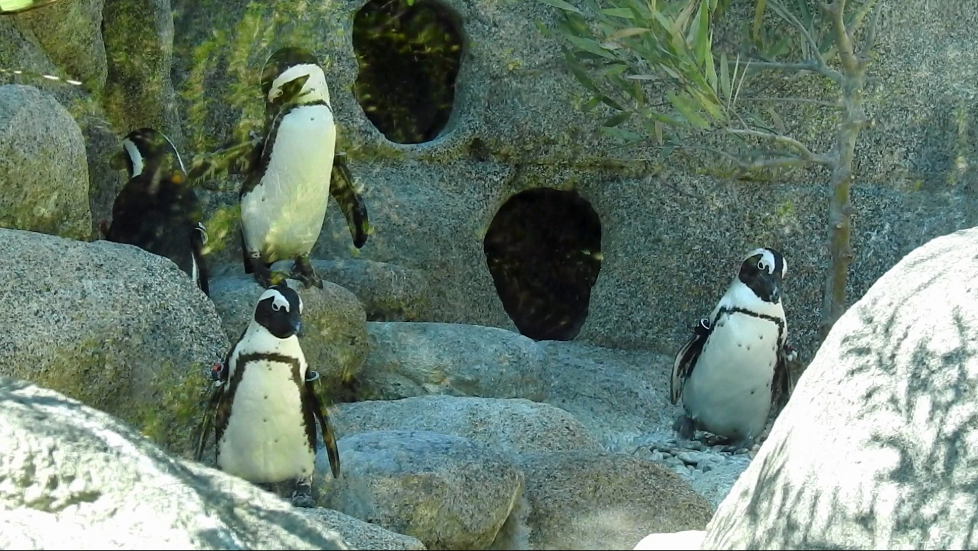
Figure 02f. These African Penguins seem to be comfy in the burrows provided to them at the San Diego Zoo, without the need to create their own.
African Penguins make their nest burrows by digging into guano or sand, ideally sheltered from sun. Burrows offer some insulation from temperature extremes. Unfortunately, humans too often harvest available guano, to use for fertilizer, leaving less available for the penguins. Sand offers an alternative to guano, and these penguins will also use artificial nest boxes or sunken pipes provided by conservationists — or even abandoned buildings. They line their nest burrows, such as with vegetation.
The female of the monogamous pair will lay two eggs in the nest, and both parents will incubate it, each parent taking a stint of 1–2 days, continuing for about 38 days. After the downy chicks hatch, they typically stay with their parents for about 3–4 weeks. Then they form crèches of up to five hatchlings, while both parents forage at sea. Both parents continue to feed the chicks, on returning from foraging, usually near dusk or dawn. Parents do most of their dives during the day, making relatively shallow dives (46 feet, 14 m average; up to 226 feet, 69 m maximum). The chicks’ survival depends on the parents’ ability to find enough prey to feed themselves and their chicks.
Figure 02g. All penguins are monogamous during the breeding season, and many monogamous pairs remain together year after year.
The youngsters become independent after about 70–80 days (range, 60–130 days), with successful fledging occurring 15–50% of the time. Breeding success was more closely tied to the nearby abundance of prey than to overall abundance of fish. Once the youngsters gain independence, they disperse far from the breeding colony — 62 miles (100 km) within 6 days, eventually reaching >620 miles (>1000 km) away. They’re off on their own for 1–2 years, but most return to their natal colony when ready to molt (and maybe to breed).
Molting is serious business for all African Penguins. They must store up fat reserves in advance, then come ashore to shed their feathers. During the three weeks or so it takes to produce their new coat of waterproof feathers, they can’t feed themselves at sea. By the time they’re fully feathered enough to return to sea, they have typically used up all their fat reserves and have lost about half of their body weight.
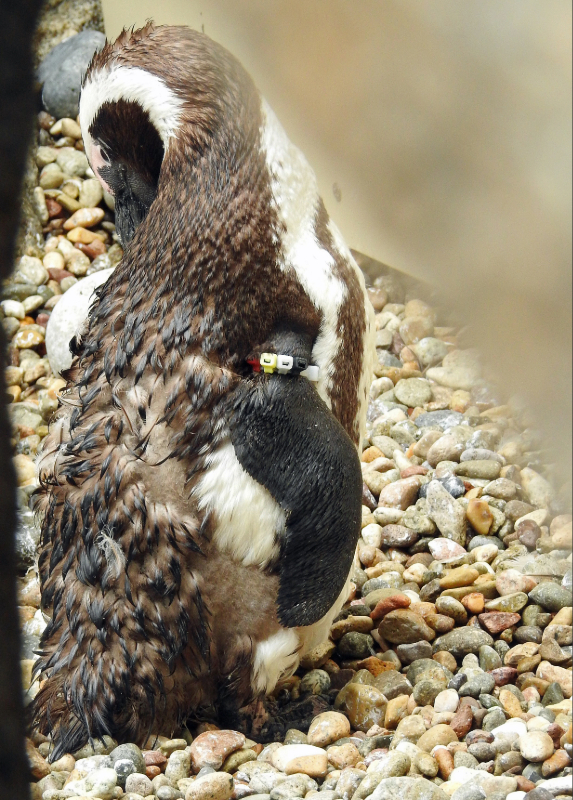
Figure 02h. Fortunately, for the African Penguins living at the San Diego Zoo, molting doesn’t have to mean fasting for weeks on end. They continue to be fed while they’re shedding their old feathers and awaiting new ones to emerge.
The conservation status of African Penguins (on Birdlife) is CR, Critically Endangered, the most imperiled species of penguin in the world. Their population is declining across their range, as they become less common overall, and local populations dwindle. Their current numbers are a fraction of what they were a century ago (IUCN Red List estimates just 19,800 worldwide). Per the IUCN Red List, “African Penguin is assessed as Critically Endangered because it is undergoing an extremely rapid population decline, probably principally because of the impacts of competition with commercial fisheries and climate-mediated shifts in prey populations. . . . the current and future projected population reduction exceeds 80% over three generations.”
Commercial purse-seiners catch large volumes of fish, causing deadly food shortages for the penguins. When commercial fishers take the more nutritious fish, the penguins may survive, but their breeding — and survival of chicks — may be affected. Other human activities that threaten these penguins are egg collection and invasive tourists, who trample nest burrows or whose intrusions deter parents from breeding. In the past, humans collected large quantities of guano, depriving these penguins of nest sites. Environmental pollution, such as oil spills, have also killed tens of thousands of penguins. Also, as is true for all penguins, the climate crisis is affecting the availability of the small fish who thrive in chilly waters.
Figure 02i. The African Penguins at the San Diego Zoo and other locations around the world are engaged in a captive-breeding program, to ensure the survival of their critically endangered species. The hope is that their habitat can be restored sufficiently to return captive populations to the wild at some point.
Predators also play a key role in assaulting this species. Sharks kill penguins at sea, whereas gulls and other birds, feral cats and other mammals prey on the eggs and chicks at the breeding colonies. These threats are greatest when burrows or nesting boxes aren’t widely available to the breeding penguins. The greatest natural threat, however, is cape fur seals, which not only prey on these penguins, but also compete with them for food and displace them from breeding sites. Storms also imperil their breeding colonies.
Despite these hazards, the annual adult survival rate for individuals is about 80–86%. The average lifespan of individual African Penguins is 10–25 years in the wild, with maximum recorded longevity in the wild at least 27 years 4 months. This species lives up to 34 years in captivity and is kept in numerous zoos around the world, where it adapts well to living and breeding in captivity. Most zoos view their captive penguins as a backup reservoir for the wild population, while conservationists attempt to preserve and enhance their natural habitat. Average generation length is about 10 years.
Figure 02j. In the wild, African Penguins typically live 10–25 years, with the maximum recorded longevity as a bit more than age 27. Fortunately, this species adapts well to captivity, not only living much longer, but also having greater breeding success.
The short-term survival and preservation of this species is important, but the long-term survival of this critically endangered population requires international cooperation and regulation. A population of about 4 million African Penguins were estimated at the start of the 1800s; by the end of the 1900s, only about 400,000 remained, and they have dramatically diminished since then.
The South African Foundation for the Conservation of Coastal Birds (SANCOBB) and Bird Life South Africa have led the way in conserving and enhancing the habitat for these beloved penguins, and many others (e.g., San Diego Zoo Global) have joined in this heroic effort.
Among other things, these conservators closely monitor population, fight for legislation to protect these birds and their habitats and diets, hand-rear abandoned chicks for later release, provide artificial nest burrows and boxes, work to maintain marine reserves where commercial fishing is prohibited, cull particularly problematic predators, establish at least one sanctuary, offer education programs for local humans, reach out to global volunteers and teach them how to handle and rehabilitate seabirds. One study noted that SANCOBB’s bird-rehabilitation efforts alone ensured the preservation of 19% of the population.
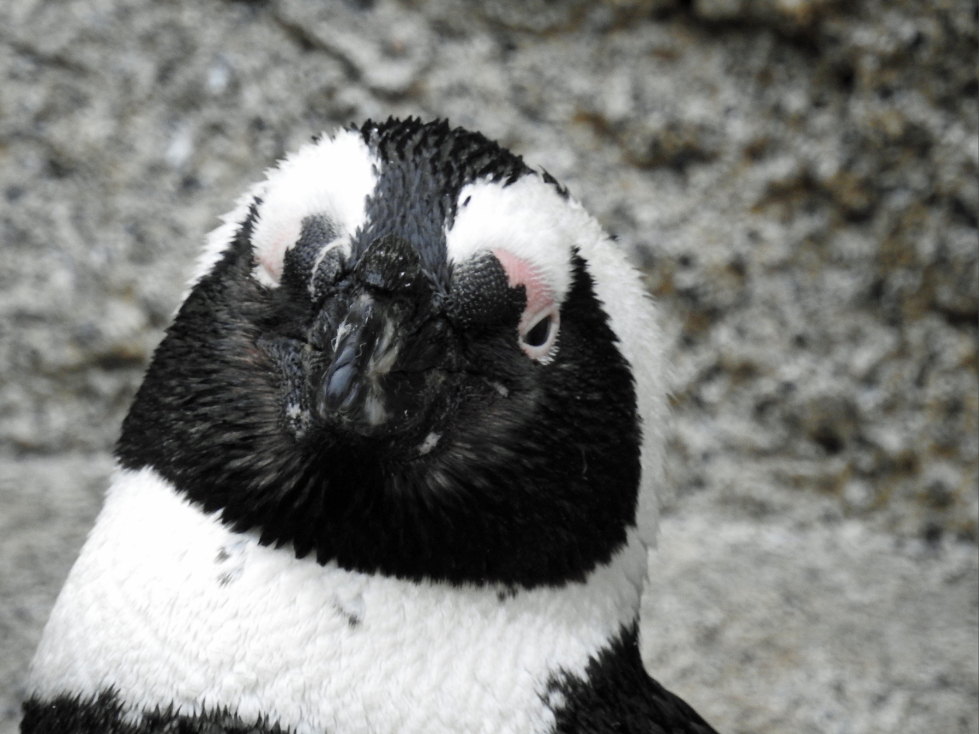
Figure 02k. In their homeland, conservationists are working hard to preserve these appealing African Penguins, with help from other conservationists and organizations around the world.
The San Diego Zoo has a link for learning about their African Penguins: African Penguin | San Diego Zoo Animals & Plants. The zoo also hosts a Penguin Cam, Penguin Cam | San Diego Zoo, for viewing its African Penguins. Citizen scientists meet with ornithologists through the Cornell Lab of Ornithology’s eBird app and website; they have received 4,631 observations (https://ebird.org/map/jacpen1), and the Lab’s Macaulay Library (https://search.macaulaylibrary.org/catalog?taxonCode=jacpen1) has collected 6,155 photos, 47 recordings, and 59 videos. In addition, many observers record their observations with iNaturalist (app or website); the observations recorded there (4,088 observations, 790 identifiers) may be found at https://www.inaturalist.org/observations?taxon_id=3813 ). (Photos of downy chicks include 329292310, 320334899, 311317065, 306787039, and 295745170; chicks with adults include 310364139 and 304017747; and downy chicks getting their adult feathers include 300381895 and 295192335.)
Little Penguin, Eudyptula minor
This smallest of penguins has its very own genus, Eudyptula, as well as several subspecies, but specifics about the distinctions among subspecies are conflicting. Its genus Eudyptula comes from eu-, Greek for “well” or “good”; duptes for “diver”; and -ula, a Latin diminutive suffix. The diminutive suffix is apt for this tiny penguin, as is the scientific species name minor; it’s 12–13″ (30–33 cm) high, 17″ (43 cm, bill to tail) long, and weighs 2.4–2.9 pounds (1.1–1.3 kg) — with males weighing slightly more than females. Also called the “Fairy Penguin,” for its size, and the “Little Blue Penguin,” for its iridescent dark blue-gray plumage on its head, flippers, and back. Its Māori name is kororā (I’m hoping to hear from folks at maoridictionary.co.nz regarding how to pronounce it, as well as any more information about its meaning). According to Wikipedia, this penguin’s “feathers are dense in melanosomes, which increase water resistance and give them their unique blue colour”; melanosomes are melanin-pigment granules within pigment-producing cells.
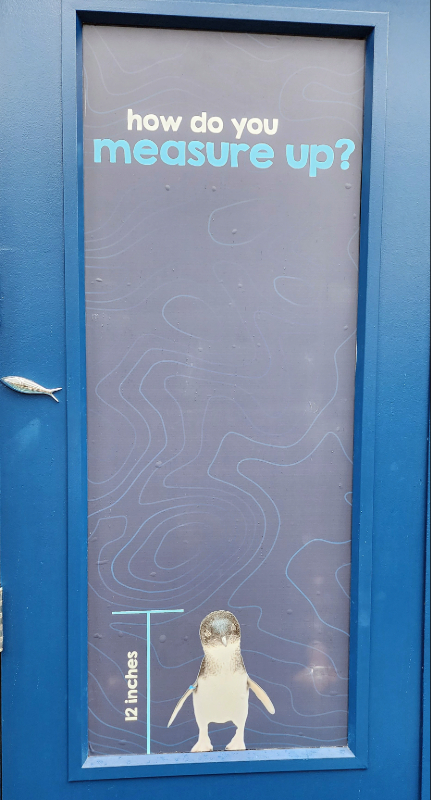
Figure 03a. “Little Penguin” and Eudyptula minor are apt names for this tiniest of penguins. This poster is at the Birch Aquarium in San Diego.
Like other penguins, its dark upper parts are countershaded by its light underparts, with a white chin, throat, and belly. Its tail is a smidge more than 1″ (2.7 cm) long. Though the tail is small, it holds the all-important preen gland, which secretes an oily substance used by penguins to smear onto each feather, waterproofing them. Under the tail are two unfeathered short pinkish tarsi (heel to ankle, length less than 1″ / 1.7–2.6 cm), which lead to long pinkish webbed toes.
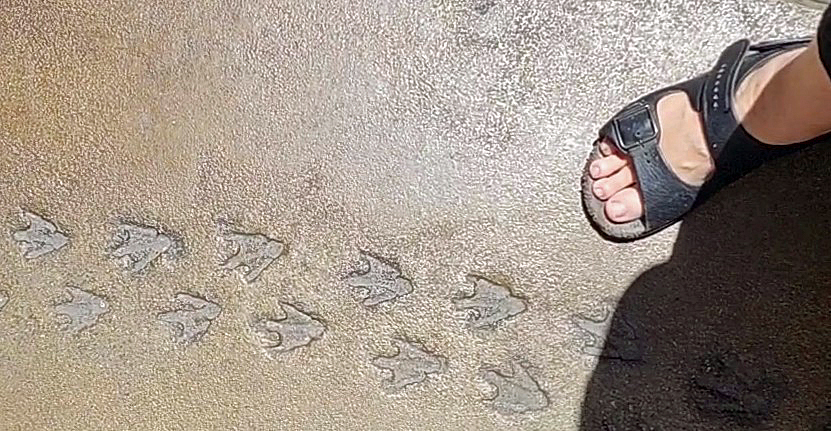
Figure 03b. The Birch Aquarium’s toes imprints shows both the toe webbing and the gait of these little waddlers; you can compare their size with the foot of a short human.
Penguin pairs strengthen their pair bond by preening each other, especially on the head, where the birds can’t preen themselves. Preening not only ensures waterproofing and smoothing of feathers, but also removal of parasites that plague these birds.
Males and females have similar plumage, and both have gray irises. The bill is 1–1.5″ (3–4 cm) long, about twice as deep (top to bottom) as it is wide (side to side), and two toned: black on the upper mandible, grayer at the base and partly light gray or white on the lower mandible. The average male is larger, with a thicker bill than the female. Juveniles have similar though slightly duller plumage, and they have shorter bills than adults.
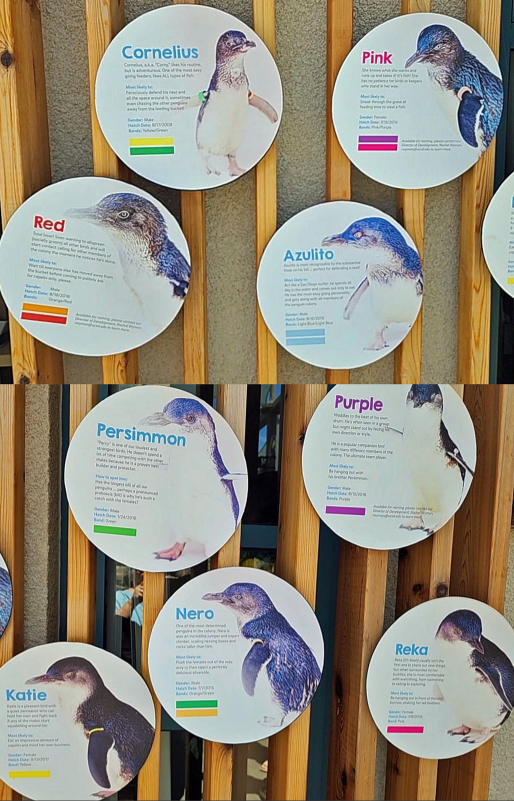
Figure 03c. Each of these penguins can easily identify the other members in their colony — as can their keepers at the Birch Aquarium in San Diego.
Their vocalizations are definitely not diminutive, as you can hear if you visit https://xeno-canto.org/species/Eudyptula-minor (e.g., sample XC1064206). They seem to be at least as good at braying as the African Penguins. They also have a wide variety of other vocalizations (e.g., XC1053958, XC981909), described as “protracted trills, braying sounds, deep growls and grunts, and loud yelping, trumpeting and wailing notes” (Birds of the World).
The Little Penguin makes its home along coastal southeastern Australia and coastal New Zealand, preferring temperate seas. Some ornithologists have separated the Little Penguins into an Australian and a New Zealand species, but the major ornithological resources I found do not. In any case, they live between 30.5 and 47.5 degrees latitude, south of the equator; for comparison, New Orleans is 29.6 and Seattle is 47.3 degrees north of the equator. They’d be pretty comfortable in the temperate climate available in much of the United States. They may wander nomadically, but they don’t have a migratory lifestyle.
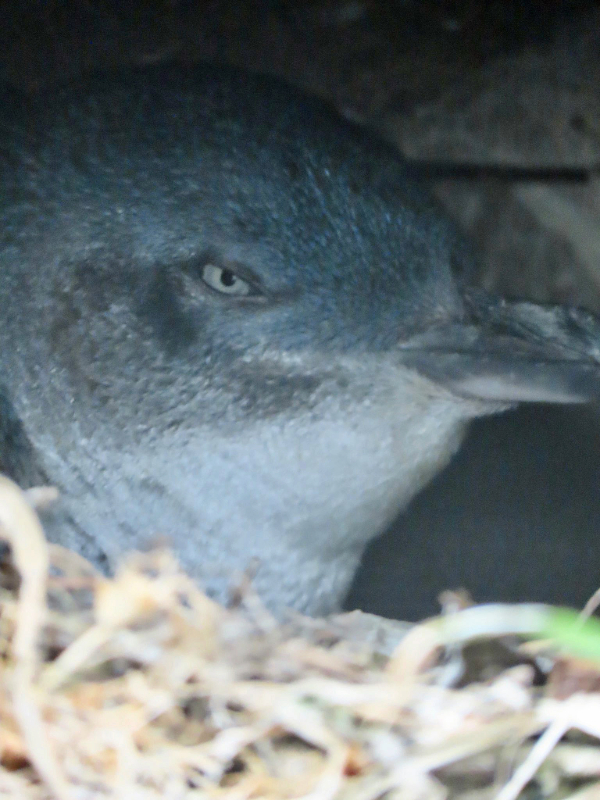
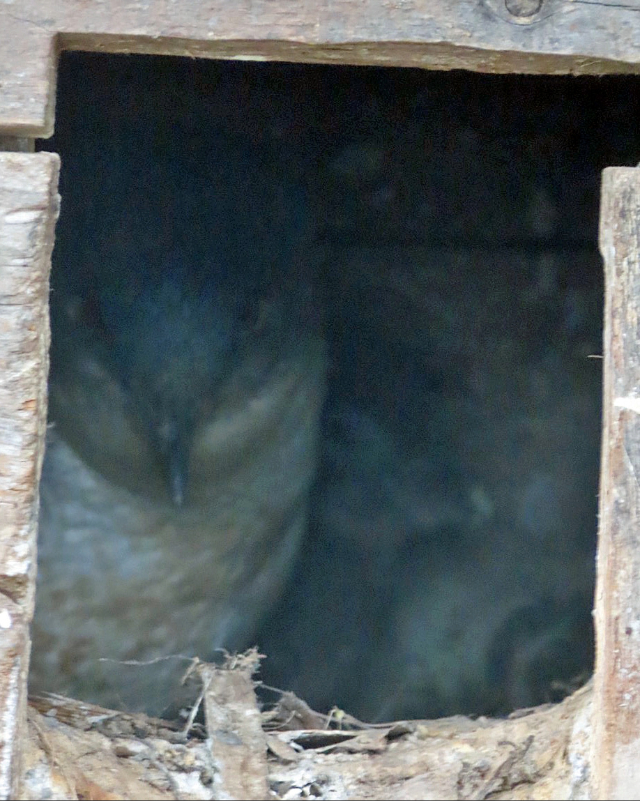
Figure 03d-1–2. These Little Penguins are contentedly resting in artificial burrows provided by caring conservationists in New Zealand. These photos were taken by my dear pal Kat Stesney, during one of her global escapades.
When ready to breed, the Little Penguin nests on sandy or rocky islands, perhaps at the bottom of cliffs or on sand dunes. They may go inland up to 1000 feet (300m) to nest, sometimes more than 160 feet (50m) above sea level. Other than their trips to and from the sea during nesting (and molting) season, these penguins don’t migrate. When breeding, they typically stay within 5–9 miles (8–14 km) of the shore, which they can do within a single day. At other times of the year, they may pursue prey up to 90 miles (147 km) from shore, staying at sea 2–49 days at a time. After foraging, they return to the same colony for resting. When juveniles disperse from their natal colonies, they may move away as far as 620 miles (1000 km); some will stay away, but others may return after 1–2 years, to molt, and later to breed.
UPDATE! A First for Birch Aquarium: Little Blue Penguin Chick Reared by Its Parents | Birch Aquarium at Scripps The Birch Aquarium had a breeding success with their Little Blue Penguins (aka Little Penguins)! The let the parents raise their own chick, and all is well!!! (For more about the Birch Aquarium’s Little Blue Penguins, see Little Blue Penguins | Birch Aquarium at Scripps.)
Little Penguins eat almost entirely tiny fish (90% of their diet), about 0.25–5.25″ (1–13 cm). They also eat invertebrates (mostly cephalopods but sometimes crustaceans; 10% of their diet). Another observer suggests that fish make up 76% of their diet, invertebrates 24% (mostly squid, but also larvae, crustaceans, jellyfish, et al.); they also eat microzooplankton. For all Little Penguins, local availability affects their dietary choices.
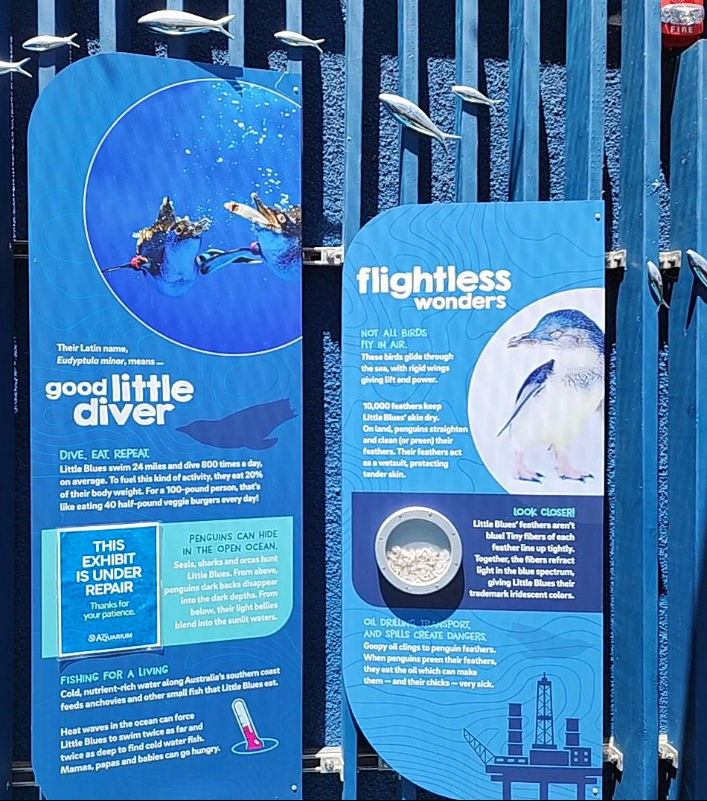
Figure 03e. On these posters, the Birch Aquarium highlights just a few of the amazing characteristics of the Little Penguins hosted there.
Little Penguins spend most of their daytime at sea, foraging. They typically arrive on land after dusk and leave before dawn, but nighttime foraging isn’t common. When in shallow water, they directly dive to catch and eat fish. In deeper waters, however, they’ll swim around schools of fish in concentric circles, then dive into the middle to catch their prey. They’ve been recorded diving down to 226 feet (69 m), with as deep as 164 feet (50 m) observed more often; per the IUCN, their preferred depth is 65–100 feet (20–30m); per Wikipedia, half of their dives may be just 6 feet of so (2 m). One female was recorded as diving for 90 seconds, but shorter dives (e.g., 21 seconds) are the norm.
Outside of the breeding season, females tend to forage for longer distances but both males and females stay at sea for about the same length of time. Unlike African Penguins, Little Penguins typically feed alone, especially when hunting larger species of fish. However, they’ll join forces with others to encircle smaller prey. When cooperatively hunting, groups tend to be of similar age and skill level; middle-aged penguins tend to forage farther from shore, with older and younger penguins foraging closer to shore.
Figure 03f. If this Little Penguin has reached middle age (ages 8–12 years), it has perfected the skills it needs both to find prey and to successfully raise at least one brood of two chicks each year.
Monogamous pairs of penguins typically nest colonially, in sparsely located burrows, not packed tightly together. They locate their burrows close to the sea, usually making or renovating their own nest burrows, by digging in sand or using natural fissures or openings. They will use human-made nestboxes when available, though, and they occasionally use burrows that other species have used at other times of the year. Whatever the burrow, they line it with plant material.
Little Penguins show sex differences in sexual maturity, with females ready to breed at about 2 years old, males at about 3 years old. Egg-laying peaks in August through November, but it has been recorded throughout the year, depending on the locality and food availability. Both males and females are monogamous and return to the same nest site year after year 76–79% of the time. Divorce after a breeding season may occur, however, in the case of a failed brood. Most clutches are two eggs, but occasionally just one; if two, the eggs are typically laid 1–4 days apart. If one brood fails, they will replace it, up to three times. Even if a brood succeeds, a pair may still raise a second clutch. Overall, these penguins have about 16–66% breeding success, though some years and some locations have shown breeding success of 47–87%. Intriguingly, 1-egg clutches were less likely to succeed than 2-egg clutches. Also, though breeding occurs between ages 2 and 18 or more, breeding success is greater for parents ages 8–12 years old.
Figure 03g. Little Penguins form monogamous pairs for breeding, and at least some seem to enjoy having a companion at other times, too.
Both parents incubate the eggs, about 33–37 days (sometimes longer), taking turns every 6 hours, up to 8 days, with the non-nesting parent foraging at sea. After the chicks hatch, the parents both feed them for the first 30–35 days, then the chicks form a crèche of 3–6 birds. Parents continue to feed them at the crèche until they reach independence at about 7–8 weeks. At least one parent forages during the day, returning at dusk to feed the very hungry chicks. In order to return by dusk, parents need to forage nearer to shore than at other times of the year.
Locations where prey was abundant — so parents could catch prey at shallower depths and spend less effort to catch prey — had greater breeding success. Rising ocean temperatures have caused a mismatch between the timing of breeding and the availability of prey, so breeding success is at risk due to the climate crisis. When parents had to dive deeper and work harder to find prey, fledging success dropped.
Figure 03h. With its more subtle coloration, this Little Penguin may be a juvenile.
The other time when penguins are at greatest peril of starvation is during molting. If they haven’t stored adequate fat reserves prior to molting, they may be at grave risk of starvation before their waterproof feathers come in, enabling them to return to the sea to forage.
The average life expectancy for a breeding adult about 6 ½–14 years; some have been recorded living more than 20 years, up to 25 ½ years in one instance. Average generation length is 8.3 years. Annual survival rate is about 85%. The IUCN Red List estimates current population of mature birds at 469,760 and lists the conservation status of this species as LC, Least Concern. Nonetheless, its population is declining, and it does face some threats, such as from oil spills and other marine pollution, and from accidental capture in commercial-fishing nets. Discarded fishing line can also pose entanglement threats to these small penguins. Any discarded plastics can degrade to the size that the penguins may mistake them for prey and either choke on them or fill their bellies with indigestible plastics.
Figure 03i. It shouldn’t be too hard to persuade people to care about and to want to protect these Little Penguins and their habitat, right?
As the climate crisis intensifies droughts and extreme temperatures, fires pose an increasing threat for these flightless birds. Penguins on coastal mainlands are also threatened by introduced predators (e.g., feral cats), and native predators (reptiles, gulls, sea eagles, etc.) sometimes take penguin eggs and chicks. At sea, fur seals and other predators prey on these penguins.
Proximity to human populations can pose problems with habitat destruction, motor-vehicle collisions, and even intentional harassment and cruelty. Tourists also offer a mixed blessing: Tourists can cause disturbances to breeding colonies; localized extinction, such as on Tasmania, is being caused by human threats. Nonetheless, tourists may also help raise awareness of this species and of other penguin species. In some locations (e.g., Kangaroo Island, Tasmania, Penguin Island, in Australia; Otago in New Zealand), conservators facilitate benign tourism, so tourists can view the Little Penguins without disturbing them.
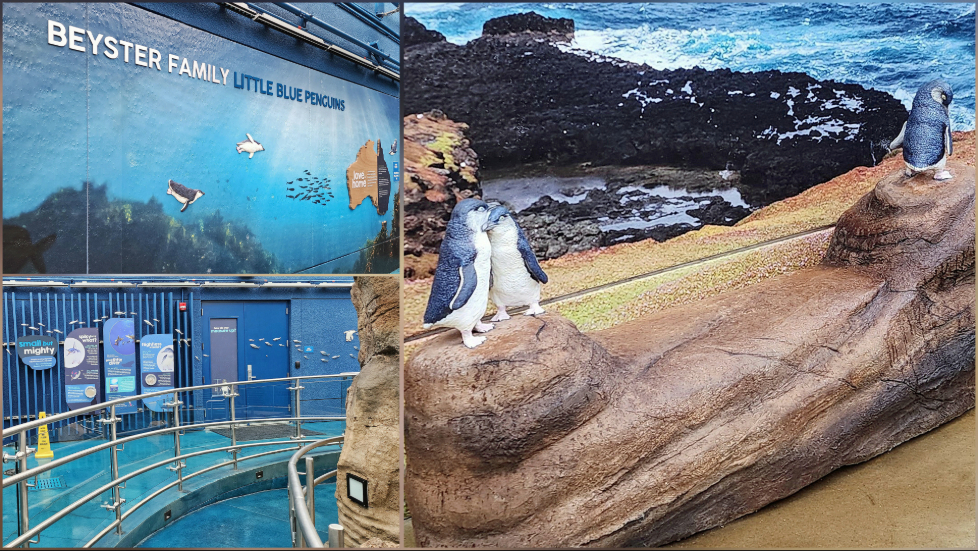
Figure 03j. Each year, countless visitors to the Scripps Institute of Oceanography’s Birch Aquarium gain a deeper appreciation of — and love for — the Little Blue Penguins hosted here.
Not only in Australia and New Zealand are people able to enjoy viewing Little Penguins. In San Diego, the Scripps Institute of Oceanography’s Birch Aquarium hosts a colony of Little Penguins, whom viewers can watch above and below the water. The penguins can choose when to come into view from their hidden burrows. U.S. zoos in Cincinnati, Albuquerque, and the Bronx also offer viewers a chance to enjoy watching these charmers.
In New Zealand, their populations have been declining, and conservationists are taking steps to conserve their populations, such as through nest monitoring, public education, and protection of critical habitat. To minimize collisions, penguin-proof fencing separates a coastal highway from penguin colonies. Fire-resistant native plants have been planted near nesting sites. In addition, in both Australia and New Zealand, several jurisdictions have passed laws to protect the Little Penguins in their areas, and long-term research programs, educational programs, ecotourism, and conservation programs are continuing in both nations. In Victoria, Australia, maremma sheepdogs protect the Little Penguins from feral and domestic cats and dogs, as well as other predators such as foxes. Habitat restoration efforts, as well as nesting “huts” are also helping in some locations.
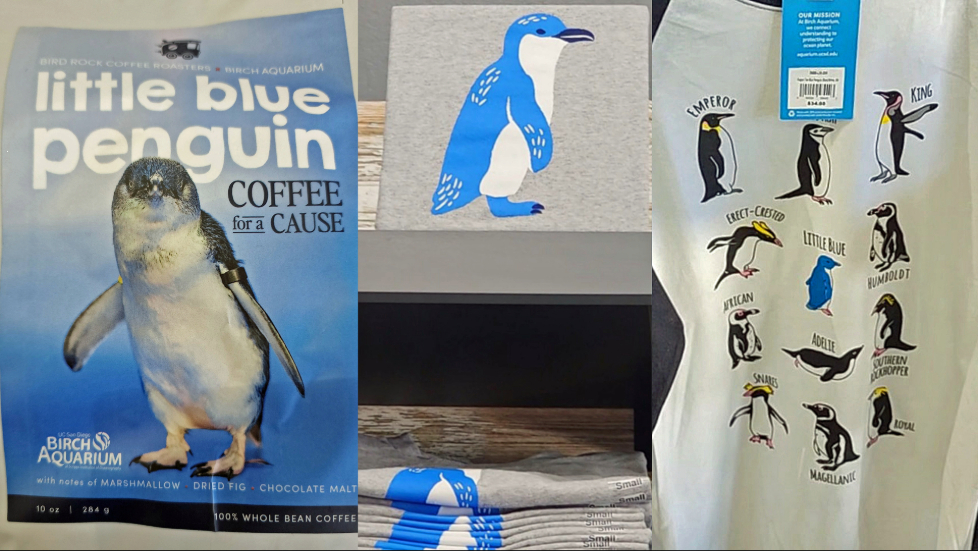
Figure 03k. Many of us enjoy spending money on merchandise, so why not spend it on merchandise that contributes its profits to worthy causes? Especially on merchandise celebrating Little Penguins, among the most adorable ambassadors for conservation and for protection of wildlife worldwide.
The Cornell Lab of Ornithology hosts 17,693 eBird observations of this species (https://ebird.org/species/litpen1), and its Macaulay Library (https://search.macaulaylibrary.org/catalog?taxonCode=litpen1) hosts 3,732 photos, 120 audio recordings, and 59 videos of this species. The iNaturalist website and app host 5,980 observations, with numerous media images (https://www.inaturalist.org/observations?taxon_id=3817). An image of swimming can be seen at 338685030; images in burrows include 338685030, 337792877, 335169044, 336598455, 336568034; images of downy chicks include 336650498 and 336937862; image of an adult held by human hands, 338042134; image of a molting adult in a burrow, 337793232.
References
Sphenisciformes, Spheniscidae, Penguins
- Elphick, Jonathan. (2014). “Sphenisciformes” (pp. 291–292). The World of Birds. Buffalo, NY: Firefly Books.
- Lovette, Irby, & John Fitzpatrick (eds.), (2016). The Cornell Lab of Ornithology Handbook of Bird Biology (3rd ed.). Hoboken, NJ: Wiley.
- Winkler, David W., Shawn M. Billerman, and Irby J. Lovette. (2015). “Spheniscidae” (pp. 161–162). Bird Families of the World: An Invitation to the Spectacular Diversity of Birds. Barcelona: Lynx, Cornell Lab of Ornithology.
- Winkler, D. W., S. M. Billerman, and I. J. Lovette (2020). Penguins (Spheniscidae), version 1.0. In Birds of the World (S. M. Billerman, B. K. Keeney, P. G. Rodewald, and T. S. Schulenberg, Editors). Cornell Lab of Ornithology, Ithaca, NY, USA. https://doi.org/10.2173/bow.spheni1.01
- https://en.wikipedia.org/wiki/Penguin
Etymology of Bird Names
- Gotch, A. F. [Arthur Frederick]. Birds—Their Latin Names Explained (348 pp.). Poole, Dorset, U.K.: Blandford Press.
- Gruson, Edward S. (1972). Words for Birds: A Lexicon of North American Birds with Biographical Notes (305 pp., including Bibliography, 279–282; Index of Common Names, 283–291; Index of Generic Names, 292–295; Index of Scientific Species Names, 296–303; Index of People for Whom Birds Are Named, 304–305). New York: Quadrangle Books.
- Lederer, Roger, and Carol Burr. (2014). Latin for Bird Lovers: Over 3,000 Bird Names Explored and Explained (224 pages). Portland, OR: Timber Press.
African Penguin (Spheniscus demersus)
- Martínez, I., D. A. Christie, F. Jutglar, and E. Garcia (2020). African Penguin (Spheniscus demersus), version 1.0. In Birds of the World (J. del Hoyo, A. Elliott, J. Sargatal, D. A. Christie, and E. de Juana, Editors). Cornell Lab of Ornithology, Ithaca, NY, USA. https://doi.org/10.2173/bow.jacpen1.01
- https://avibase.bsc-eoc.org/species.jsp?avibaseid=9B183BDD
- https://avibase.bsc-eoc.org/species.jsp?lang=EN&avibaseid=9B183BDD66511DD8&sec=lifehistory
- https://ebird.org/map/jacpen1
- https://en.wikipedia.org/wiki/African_penguin
- https://www.inaturalist.org/observations?taxon_id=3813
- https://www.iucnredlist.org/species/22697810/256021744
Little Penguin, Eudyptula minor
Martínez, I., D. A. Christie, F. Jutglar, and E. Garcia (2024). Little Penguin (Eudyptula minor), version 1.1. In Birds of the World (J. del Hoyo, A. Elliott, J. Sargatal, D. A. Christie, E. de Juana, and F. Medrano, Editors). Cornell Lab of Ornithology, Ithaca, NY, USA. https://doi.org/10.2173/bow.litpen1.01.1
https://avibase.bsc-eoc.org/species.jsp?avibaseid=151738D5
https://avibase.bsc-eoc.org/species.jsp?lang=EN&avibaseid=151738D51BE6DDA4&sec=lifehistory
https://en.wikipedia.org/wiki/Little_penguin
https://www.inaturalist.org/observations?taxon_id=3817
https://www.iucnredlist.org/species/22697805/202126091
Additional Penguin Species
- Martínez, I., D. A. Christie, F. Jutglar, and E. Garcia (2020). Emperor Penguin (Aptenodytes forsteri), version 1.0. In Birds of the World (J. del Hoyo, A. Elliott, J. Sargatal, D. A. Christie, and E. de Juana, Editors). Cornell Lab of Ornithology, Ithaca, NY, USA. https://doi.org/10.2173/bow.emppen1.01
- Martínez, I., D. A. Christie, F. Jutglar, and E. Garcia (2020). Yellow-eyed Penguin (Megadyptes antipodes), version 1.0. In Birds of the World (J. del Hoyo, A. Elliott, J. Sargatal, D. A. Christie, and E. de Juana, Editors). Cornell Lab of Ornithology, Ithaca, NY, USA. https://doi.org/10.2173/bow.yeepen1.01
- Martínez, I., F. Jutglar, and E. Garcia (2020). King Penguin (Aptenodytes patagonicus), version 1.0. In Birds of the World (J. del Hoyo, A. Elliott, J. Sargatal, D. A. Christie, and E. de Juana, Editors). Cornell Lab of Ornithology, Ithaca, NY, USA. https://doi.org/10.2173/bow.kinpen1.01
Text by Shari Dorantes Hatch; photos by Shari Dorantes Hatch and Kathryn Stesney
(Stesney indicated on captions, all others are Hatch). Copyright © 2026. All rights reserved.
 Bird Brain
Leave a comment