
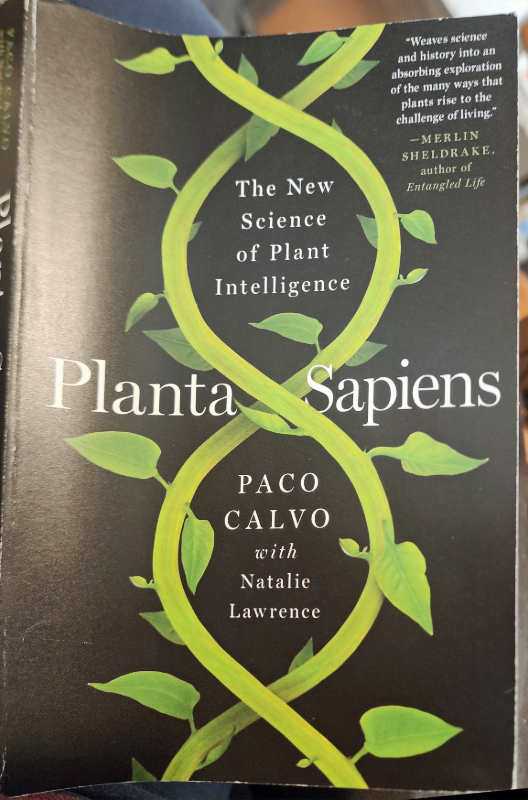
Calvo, Paco (with Natalie Lawrence). (2022) Planta Sapiens: The New Science of Plant Intelligence. New York: W. W. Norton.
Paco Calvo, a philosopher of science, studies plant intelligence, in his Minimal Intelligence (MINT) laboratory in Spain. His book reflects his philosophical outlook.
- Preface, 1–5
- Introduction: Putting Plants to Sleep, 7–21
- Part I: Seeing Plants Anew, 23–89
- 1. Plant Blindness, 25–42
- 2. Seeking a Plant’s Perspective, 43–64
- 3. Smart Plant Behaviour, 65–89
- Part II: The Science of Plant Intelligence, 91–151
- 4. Phytonervous Systems, 93–112
- 5. Do Plants Think? 113–131
- 6. Ecological Cognition, 133–151
- Part III: Bearing Fruit, 153–220
- 7. What Is It Like to Be a Plant? 155–180
- 8. Plant Liberation, 181–202
- 9. Green Robots, 203–220
- Epilogue: The Hippocampus-Fattening Farm, 221–224
- Acknowledgments 225 –228
- Notes 229–270
- Picture Credits 271
- Index 273–285
Preface, 1–5
It’s hard for most of us to think about plant intelligence because of our anthropocentric (human-centered) perspective. Some of us can sometimes broaden our viewpoint to consider intelligence in some non-human animals, but we still maintain a zoocentric (animal-centered) view. It seems incomprehensible that plants may be conscious, experience sensations, make predictions, and take actions to affect themselves and their environments.
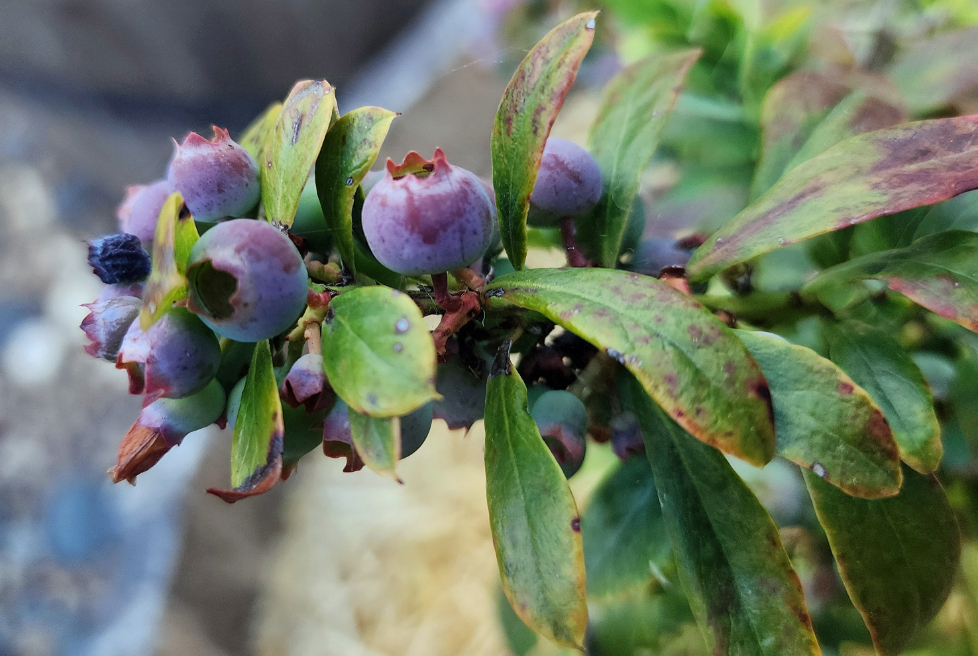
Figure 01. When we look at a blueberry plant (and other plants), we think about how it may serve our own purposes, not how the plant may be experiencing its environment.
Throughout his book, Calvo refers to Charles Darwin as a visionary in anticipating plant intelligence. Darwin’s primary means of trying to understand the natural world: observation. “One of the most powerful tools that Charles Darwin used as he developed his theory of evolution by natural selection was not a scientific instrument or a specimen. It was his motion of his body through space. Every day, once in the morning and once in the afternoon, he would walk . . . . He called this route his ‘thinking path’” (pp. 4–5).
Introduction: Putting Plants to Sleep, 7–21
To illustrate plant responsiveness, Calvo pointed to mimosas (“sensitive plants”), which respond to touch by closing their leaves, and to Venus flytraps, the hinged leaves of which can be triggered to close around an insect who steps into the trap. Both plants can be desensitized with anesthetic drugs, then returned to awareness when the drugs wear off. It makes sense that plants would be responsive to drugs because plants can themselves synthesize many drugs, including ethanol and other anesthetics, as well as drugs we humans use for our own purposes, such as cocaine, tobacco, thymol, eugenol, aspirin, marijuana, caffeine, digitoxin, and quinine.
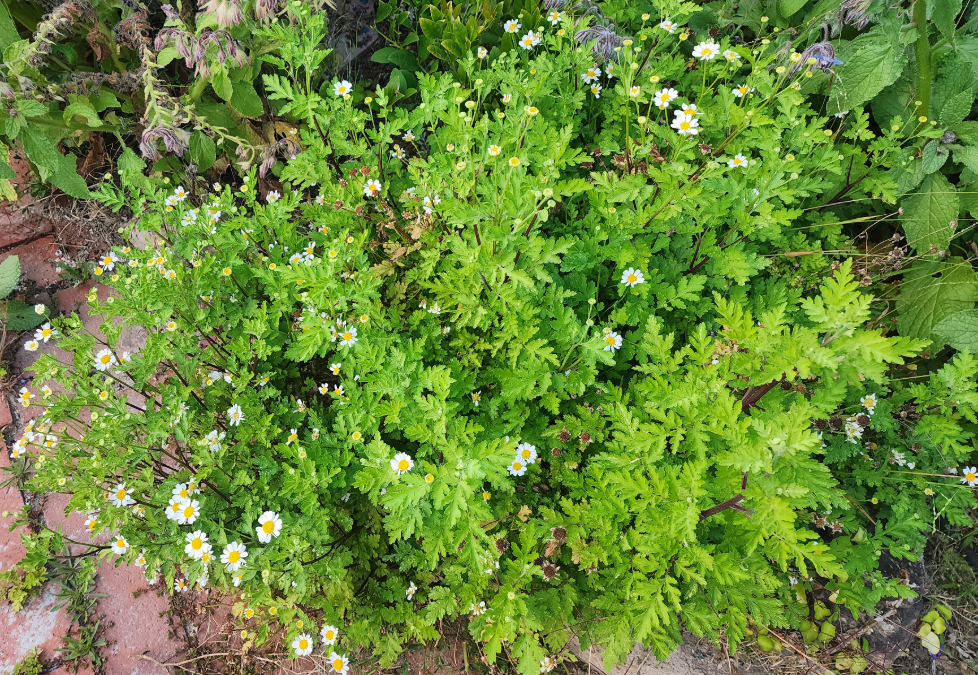
Figure 02. Plants such as Feverfew produce anesthetic substances for their own purposes, which we have exploited for ours.
Most of us are aware that plants are heliotropic, moving toward the sun and turning their leaves and flowers as the sun moves across the sky during the day. Heliotropism makes sense because plants use sunlight and carbon dioxide to photosynthesize sugars, releasing oxygen and water in the process. What may be surprising, however, is that many plants also anticipate where the sun will appear in the morning. Overnight, plants will reorient their leaves in the darkness toward where they predict that the sun will appear again the following morning.
Animal intelligence involves acquiring information and physically moving toward what is needed or wanted and away from is unwanted or dangerous. Plants are rooted and can’t locomote to escape danger or to seek necessities. They must invest resources into growing toward what they need and away from threats. To make wise investments, plants need to gain information about the direction and quality of light, the force of gravity, the presence of obstacles, the presence of threats (such as salty soil, herbivorous insects), the presence of benefactors (e.g., pollinators, water, electrolytes), and much more.
Part I: Seeing Plants Anew, 23–89
1. Plant Blindness, 25–42
“Plants form the basis for most ecosystems on the planet. They also make up one in eight species threatened by extinction” (p. 28). We humans intellectually recognize that plants are truly vital to producing the oxygen we breathe and the foods we eat (including the meat of herbivores). In addition, many indigenous cultures (Maoris, Inuits and other Native Americans) feel deeply their connection to plants and recognize the primacy of plants. Unfortunately, most other humans do not truly see and feel the importance of plants and their deep connection to plants.
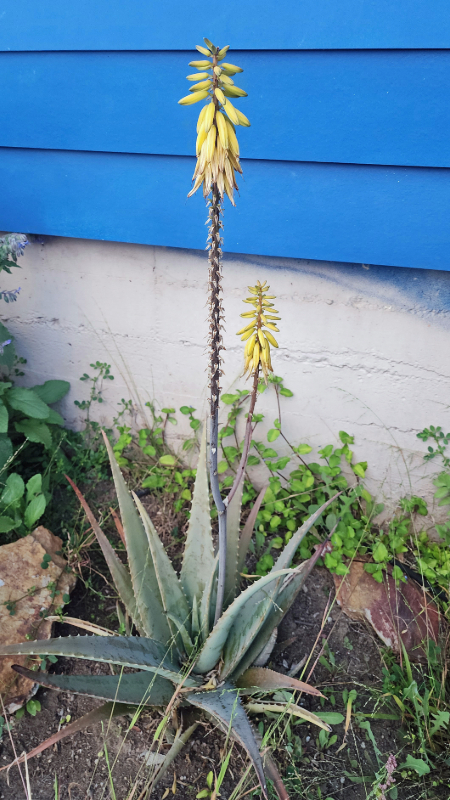
Figure 03. Indigenous people of many cultures feel deeply connected to the plants in their environments, such as this Aloe Vera, which produces healing substances, which native peoples have used respectfully.
In addition to our general lack of awareness of plants, we are literally unable to see or sense much of what plants do because it happens underground, out of our sight, hearing, and sensing. We don’t observe plants’ roots navigating toward soils with plentiful water and minerals, around obstacles (without touching them), and away from soils containing salts or other aversive substances. Though we can’t receive plants’ messages, plants do send messages to one another, warning of gluttonous herbivores or of impending droughts. The plants that receive these messages can take defensive measures (e.g., producing distasteful compounds or minimizing loss of water).
Animals (and fungi) are heterotrophic, deriving their food from other organisms, plants are autotrophic, providing their own food, through photosynthesis, using sunlight. Nonetheless, many plants still depend on animals for their sexual reproduction. Animal pollinators are much more effective at transporting plant sperm and eggs to other plants, compared with wind or water. To entice plants to transport their reproductive materials, they provide pollen and/or nectar for pollinators, and they provide delicious fruits for frugivores. Over time, plants and animals co-evolved, with the animals becoming better able to take advantage of the plants’ provisions, and the plants tailoring their gifts to suit the pollinators and frugivores who visit them. Plants and animals also co-evolved in terms of their sensory displays and their sensory abilities. Plants displayed colorful patterns (including ultraviolet), and animals became increasingly attuned to those patterns.
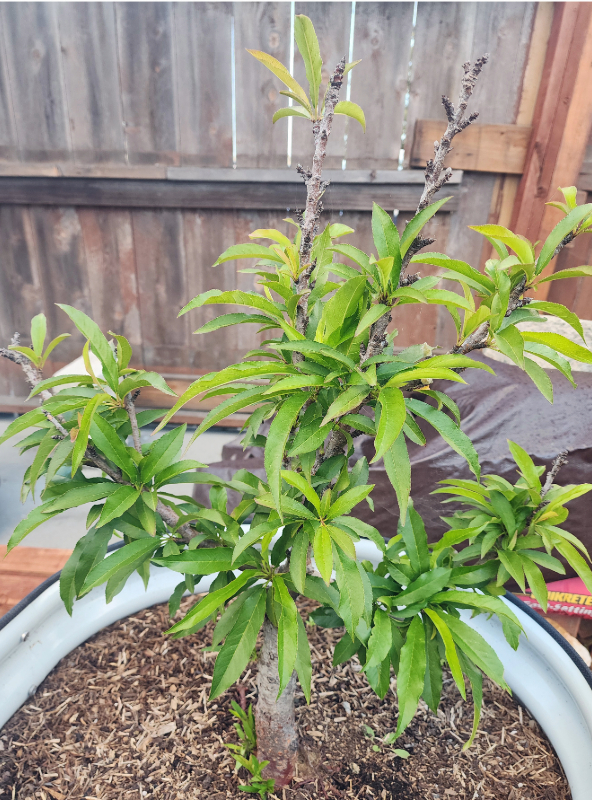
Figure 04. Apricot trees encourage traveling pollinators to spread their sex cells, and they offer nutrition to frugivores, who carry their seeds long distances, depositing the seeds with fertilizer packages.
In addition to their mutual relationship with animals, plants have evolved a mutually beneficial relationship with fungi. Plants can’t readily absorb the nitrogen and other elements from the air and soil, but fungi can harvest these elements. Fungi offer these elements for the plants to use, and the plants photosynthesize sugars for the fungi to consume.
Plants take in all of this information — about animals (pollinators, frugivores, and herbivores), fungi, soil, water, air, temperature, sunlight, and more — and they synthesize this information, creating an Umwelt, meaningful integration of their sensations of the world.
2. Seeking a Plant’s Perspective, 43–64
For a time, Charles Darwin, discoverer of evolutionary natural selection, was bedridden. Ever curious, he found ways to observe and study plants closely. In particular, he studied the circumnutation movements of bean plants or other vines, as they slowly spiral around, seeking a support. Time-lapse photography didn’t exist, but he devised some clever ways to capture plants’ movements, using paper and pencil. Beginning with these observations, he (sometimes with his son Francis) ended up writing multiple books on plant physiology and behavior and pondering the possibility of intelligence in plants.
As Darwin realized, it’s impossible to observe plant intelligence directly. We can only infer its intelligence by observing how it grows, develops, and behaves. Time-lapse photography has helped botanical scientists to go beyond the limits of human- and animal-based time perspectives. Of course, a limitation of time-lapse photography is that you’re missing 59/60ths of what the plant is doing if you capture just 1/60th of its activity. Even so, it helps us transcend our limited viewpoint when observing the slow-motion activities of plants. When we complement time-lapse photography with study of the plant’s physiology, biochemistry, and development, we can begin to understand the Umwelten of plants.
Plants aren’t animals, but they are animate. “Animals and plants originated from a single-celled common ancestor 1.5 billion years ago. This was probably motile. The lineage that led to plants engulfed a smaller photosynthetic cell which eventually developed into the chloroplast. Moving to acquire energy was no longer necessary.”
3. Smart Plant Behaviour, 65–89
Many botanists are fascinated by the circumnutation of vines such as beans. It’s not an automatized process. To circumnutate, the plant must gather information and make decisions about where to move. To move the growing tip in one direction, the plant must pump fluid into one side of the stem, changing the turgidity of that side and effectively lengthening it; to move it in another direction, fluid must be pumped into the other side of the stem. As it searches for a support, the bean tips spiral in larger and larger arcs, first circular, then elliptical arcs.
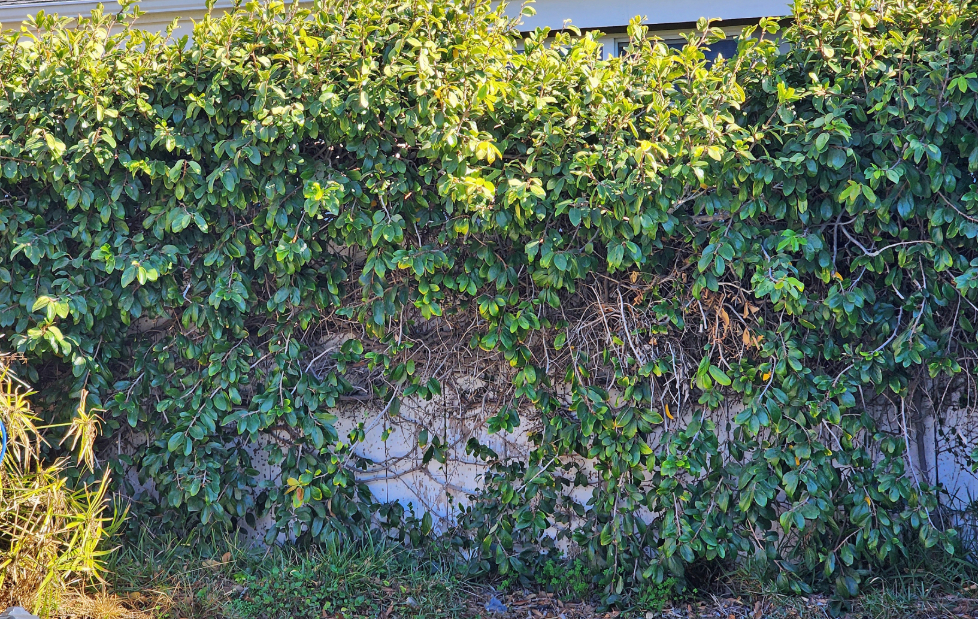
Figure 05. Like other vines, this Ficus needs external support to grow. What strategy did it use to find support?
Clearly, circumnutation is an adaptive behavior, but is it really “intelligent”? According to Calvo, adaptation is reactive in nature, and for evolutionary adaptation to occur, it must be progressively encoding into the genome, over time. Intelligence, however, is “anticipatory, allowing an organism to optimise for future changes in the environment. It is flexible, responding to multiple different factors and with multiple different manifestations. It is also goal-directed, aimed at making a change in the environment or in the organism’s state” (emphasis in original, p. 70). Intelligence requires gathering information from multiple sources and integrating that information. It involves learning from experience what to anticipate and then deciding how to behave, applying that information.
Charles Darwin and his son Francis were amazed by the behavior of the growing tip of a germinating plant root. It must sense and respond to multiple features of its environment: gravity, physical obstacles, moisture, nutrients, the presence of other plants and of fungi, and other features. It must weigh all of these features: Should it move toward water and nutrients if it senses obstacles, salt, or other plants there? Will the roots meet fungi to harvest needed nitrogen and other nutrients, in exchange for giving the fungi photosynthesized sugars? According to Calvo, “Plants can make internal maps of their surrounding soil to guide root growth, seeking rich patches and avoiding obstacles before they have even encountered them” (p. 79).
Above the ground, plants also show anticipatory behavior, such as by turning toward where the sun will rise. Plants will add extra foliage in anticipation of rain, or refrain from producing new growth when drought is expected. Some plants even produce chemicals that can turn herbivorous predators (e.g., caterpillars) into cannibals that eat each other.
Flowers time their production and presentation of pollen to coordinate with times when pollinators are expected to visit, based on past seasonal changes. One of the many reasons that the climate crisis can be so deadly is that if plants produce pollen when there are no pollinators, plants can’t reproduce, and the pollinators who arrive too late or too early won’t have nectar or pollen to consume. The pollinators may be able to move on to other locations to find nectar or pollen, but plants can’t afford costly mistakes in the timing of nectar and pollen production. Plants must be able to anticipate accurately.
In deciding when and how to grow, plants must consider multiple kinds of information: multiple parts of the light spectrum, length of day, changes in season, humidity of the air and the soil, soil salt levels, availability of nutrients (which can change over time), soil microorganisms, wind, temperature, vibrations of various kinds (e.g., caterpillar vs. ant), predatory herbivores, pollinators, and more.
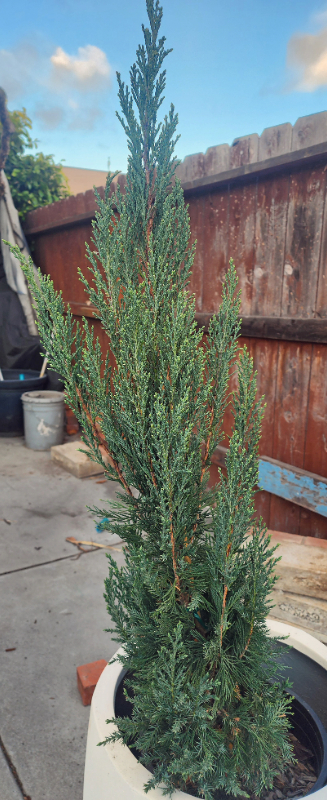
Figure 06. The leaves of junipers and other plants reach skyward for sunlight, and their roots reach downward with the pull of gravity. This potted plant is mostly protected from harsh stressors encountered by wild plants.
In addition to growing, plants must photosynthesize their own food from carbon dioxide (CO2), water, and sunshine. The tops of the leaves absorb needed sunlight, but the bottoms of the leaves do important work, too. Under each leaf are multiple stomata, pores that allow water vapor and CO2 to enter and leave the leaf. Wide-open stomata let in plenty of CO2, but they also let water vapor escape. Leaves must be in constant communication with the roots, to assess water availability. If water is limited, the stomata must close or risk dehydrating the plant. Without CO2, however, the plant can’t photosynthesize to make the sugars it needs. The entire plant must constantly gather information, evaluate it, and adjust the openings of the stomata.
Plants also learn from past experiences. Plants that have experienced drought will behave differently than plants that haven’t. They also learn from experiences with herbivores and parasites. When they have previous experience with a particular herbivore or parasite, they much more quickly defend against them in the future.
Plants not only communicate within, from roots to shoots, but also with neighbors. Above the ground, plants use “volatile organic compounds” (VOCs) to communicate with one another. Almost every part of a plant can sense and release these compounds, not just its flowers or fruits. Even tree trunks can discharge VOCs into the air. We are just beginning to understand how plants communicate using VOCs, but scientists have already identified more than 1,700 different volatile compounds.
Among the many uses of VOCs, plants use them to tell one another not to get too close or not to block each other’s access to light. They can also use VOCs to warn each other of a particular predator. For instance, “The characteristic ‘green odour’ that you can smell from freshly mown grass is a result of wounding the grass leaves. . . . [These] distress signals warn other grasses nearby that danger is at hand” (p. 84). (I have always hated the stench of newly mown lawn; now I know why.)
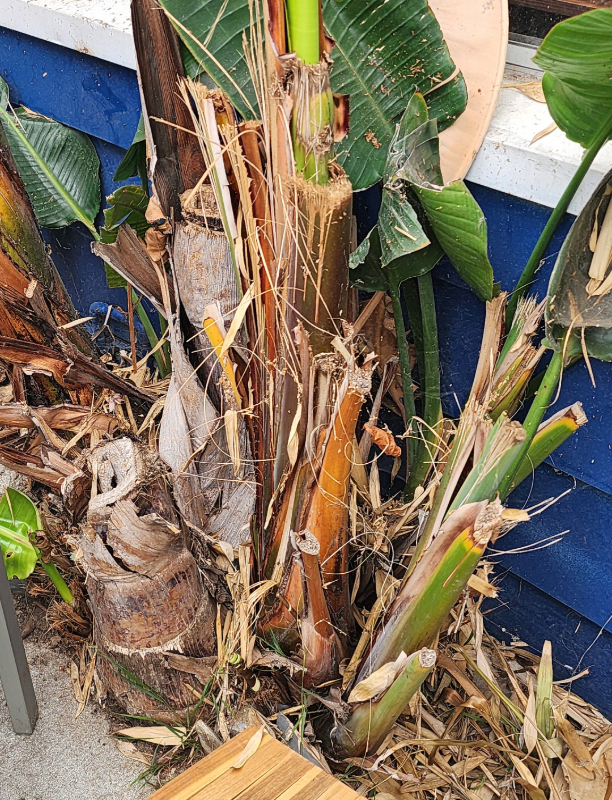
Figure 07. When this bamboo was chopped down (as requested by the insurance company), did it send out mournful distress calls?
Because VOCs can travel quite a distance, they can warn downwind plants to produce deterrent chemicals that are distasteful to herbivorous predators or even deadly to them. Plants can even produce chemicals to attract insects that eat predators. Or the VOCs can promise yummy nectar to ants who discourage herbivores from visiting the plants.
VOCs aren’t plants’ only means of chemical communication. They can also send chemical communications to speak with each other through their roots. These communications can help plants decide where to send their roots. Both current conditions and anticipated conditions can affect where roots grow. If plant roots already have adequately nutrient-rich soil, they don’t explore as widely. If their current soil is lacking, they’ll explore more widely, risking the chance of not finding better soil with the hope of finding it.
Part II: The Science of Plant Intelligence, 91–151
4. Phytonervous Systems, 93–112
Plants don’t have brains, neurons, or true “nervous systems.” Despite these lacks, plants do conduct internal electrical signals. These signals respond to stimuli such as light, gravity, temperature, touch, salty soil, or changes in water resources. Likewise, injuries such as cuts, burns, wounds, or assaults by herbicides, pathogens, or other biochemical substances prompt electrical signals. Even the sensation of a pollinating insect can trigger a plant’s electrical response. Furthermore, these signals appear to link to adaptive behavioral responses.
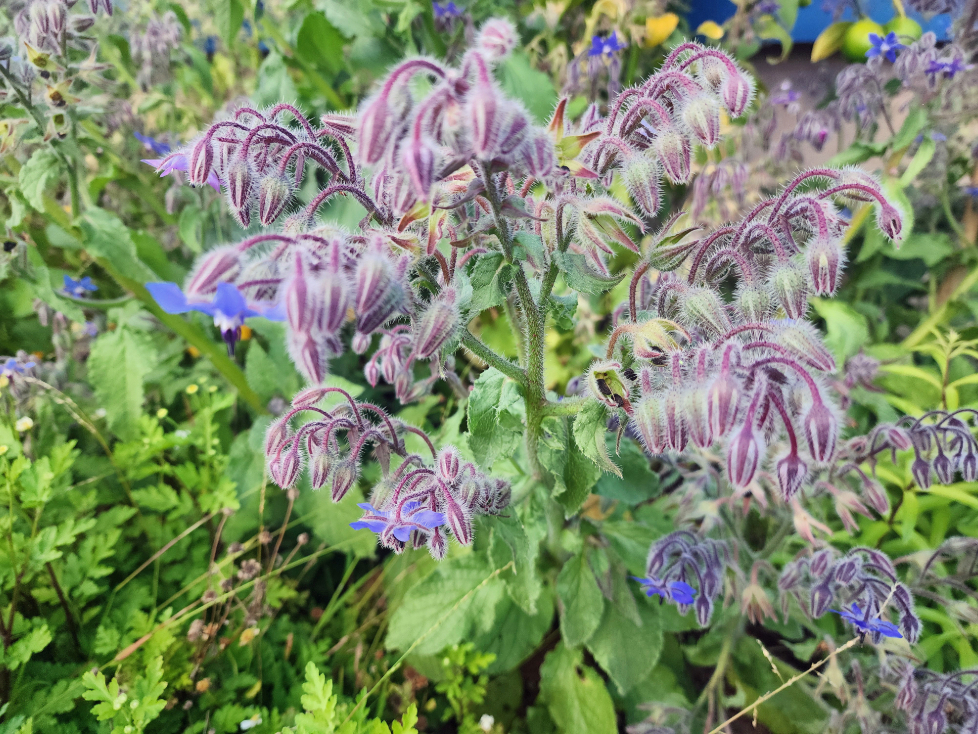
Figure 08. Borage may be able to sense the visits of its pollinators, which spread its pollen to other plants in exchange for the plant’s nutrients.
Plants transport these electrical signals through their vascular system — networked conduits extending from roots to shoots and back. Plants’ vascular system comprises two parts: Xylem carries water and nutrients upward from the roots to the rest of the plant; phloem carries dissolved sugars and other substances (chiefly produced in the leaves) to the entire plant, including the roots. In an expansive ivy or a giant Sequoia, the vascular system can carry fluids over long distances.
Plants and animals — including mammals — share common ancestors and evolved similar physiological structures. Among these structures are networks for conveying electrical signals. Whereas mammalian responses rapidly surge through neural networks to specific bodily locations, most plant responses move more slowly through vascular networks to more generalized locations. Specific hair-trigger responses are possible, however, as in the Venus flytrap or the sensitive mimosa plants.
Electrical signals are actually transmitted through electrochemicals. Animals use electrochemicals we call “neurotransmitters,” such as acetylcholine, catecholamines, histamines, serotonin, dopamine, melatonin, glutamate, and GABA. It turns out that plants also produce and use these biochemicals in their electrical transmissions. Some botanists refer to this system of electrical communication as a phytonervous system, which use xylem and phloem for transmission, rather than neurons.
In both plants and animals, electrical signals are costly to the organism — requiring energy for sending and receiving signals, as well as for building and maintaining the signals’ conduits. If electrical signals didn’t provide important useful functions for plants and animals, evolutionary natural selection would have dropped them by the wayside. Electrical signaling helps plants to sense their environments and their internal well-being, including subtle changes, and to respond physiologically and behaviorally to those sensations. To understand plant sensations is to appreciate plants’ ecology.
Calvo also included a tribute to slime molds:
Slime molds “are a heterogeneous group of organisms that used to be seen as fungi but now inhabit the Protista kingdom. They are otherwise known as ‘blobs’ because they form large mass-cells with many nuclei and very wide skill sets. They can solve everything from maze problems to algorithmic puzzles, and remember molecular likes and dislikes, because of the communication between individual moulds that fuse together” (p. 98, emphasis in original).
5. Do Plants Think? 113–131
According to Calvo, we often think that our perceptions are driven by the sensations we receive from our sense organs (“bottom-up processing”), but they aren’t. Rather, what we expect to perceive powerfully affects what we notice among our sensations and what we actually perceive as a result. We don’t see a perfect realization of the world as it is, but rather as what we expect it to be. Our past experiences influence our predictions about the present and the future, shaping what we perceive (“top-down processing”). The brain is constantly reconciling incoming sensations with its model of what it expects to sense. In Calvo’s view, not only do other animals do so, as well, but also plants make predictions based on past experiences, which they use to anticipate future experiences.
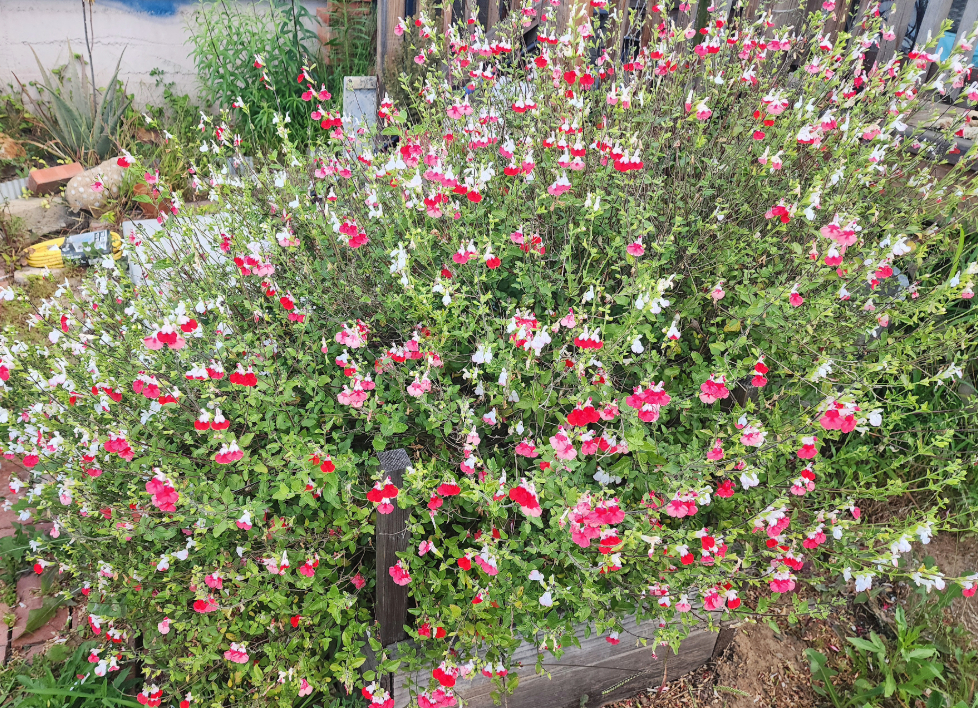
Figure 09. What is this salvia (sage) sensing, and what predictions is it making based on its past experiences? Is it expecting its vivid flowers to attract pollinators?
Calvo suggests that to understand plants, we need to learn about various tasks and functions of the plant “from a plant’s perspective”; to understand how a plant integrates sensory information with “the predictions it has made about the outside world”; and to figure out how the plant’s sensations and predictions “are fed back into the behaviour of the plant” (p. 130, emphasis in original).
One example shows how cleverly various plants adapt to stressors. Plants cannot tolerate excess salt in their soil, and they adopt various strategies for responding to this threat. Many plants will grow their roots away from salty soil and toward soil containing less salt. Some plants have the ability to “eject excess salt from their precious growing shoot tips” and from photosynthesizing leaves. Others retain extra water, to compensate for the excess salt. Still others store salt in some of their leaves and amputate their own leaves to get rid of the salt. At least one species of plant has developed special glands in its leaves, storing excess salt in these glands, where the salt is then crystallized and kept away from the rest of the plant. To Calvo, these strategies suggest that plants have had past experience with salt, which enabled them to anticipate how to respond to excess salt in the present (or the future).
In his view, plants are constantly checking their incoming sensory information against their existing expectations. When something is amiss between their predictions and their sensations, they make adjustments — to their behavior, to their expectations, or both.
6. Ecological Cognition, 133–151
In this chapter, Calvo notes that honeybees do not intentionally create hexagonal honeycombs. Rather, they build numerous spherical wax cells atop one another, and these spherical cells compress into hexagonal honeycombs. “The surface tension where the cell walls meet forms hexagons spontaneously” (p. 138).
Plants don’t locomote in their environment. Rather, they literally grow into it, changing their own shape as they mutually create and participate in the ecosystem that surrounds them. They interact with bacteria and fungi below the ground, defend against predators above the ground, and recruit pollinators and fruit-eaters to carry their sex cells to other plants.
Part III: Bearing Fruit, 153–220
7. What Is It Like to Be a Plant? 155–180
So far, there are no “crittercams” to offer insight into plants’ experiences and perspectives. Nonetheless, emerging technology is offering some insight into plants, such as sound recorders documenting the physiological processes of living trees. Through time-lapse photography, we can observe how different species of plants handle the same situation differently. Calvo also suggests that it may not be possible to understand plants, as a whole, but it may be possible to understand a particular plant at a particular place and time.
For instance, many vines circumnutate (mentioned in Chapters 2 and 3) to find support. Parasitic dodder plants seek not only support but also prey on which they can feed, so they move toward airborne volatile compounds (see Chapter 3) such as ethylene, which may indicate good hosts. Morning glory vines have color preferences for their supports, and skototropic climbers move in the direction of dark shapes.
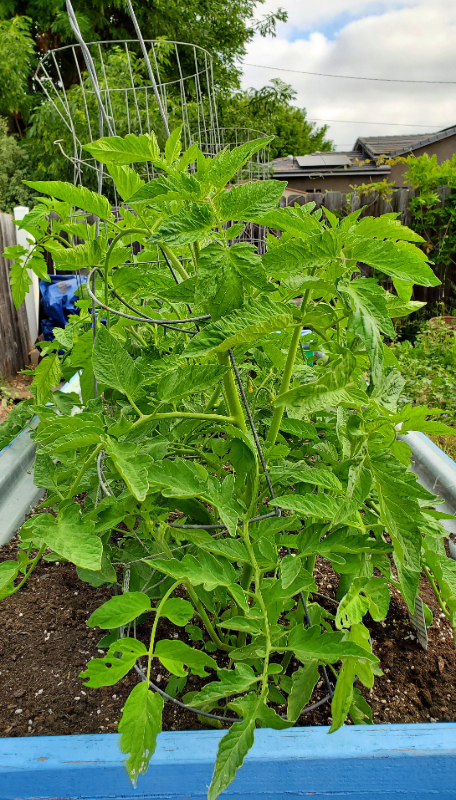
Figure 10. Cultivated tomato vines don’t need to work very hard to find supports when gardeners encircle the growing plants with “cages.”
One way to view plant behavior is to see how the plant may perceive things in the environment in terms of their affordances — what aspects of the environment offer to the plant. Different aspects of the environment may offer different affordances to different plants — or to animals. A vine may perceive a tall tree as affording a support, whereas a sapling may perceive that tree as affording shade that inhibits its access to sunshine. In this way, we can view plant behavior as an interaction between the plant and its environment, rather than just internally sourced actions by the plant.
Another way to view plants is in terms of “phytopersonalities” — that is, the differences among individual plants, based on their past experiences. For instance, a plant that has experienced drought intermittently will be more hesitant to send out new shoots when water isn’t abundant, compared with a plant that has rarely experienced drought. Calvo even suggests that just as we have domesticated wild wolves into pampered pups, we may have domesticated wild plants into docile and weak crops.
Some of these adaptations occur in the wild, as well. Plants that rely on fruit-eaters to spread their seeds adapt to produce scrumptious, juicy fruits that the fruit-eaters carry off to deposit — with fertilizer packets — in other locations. Flowering plants adapt their flowers’ shape, colors, nectar, pollen, and entire structures to entice their particular pollinators to spread their pollen to other flowers. (Plants don’t want just any old pollinators to carry off their pollen, only to deposit it on other species of plants. They want their own special pollinators to carry their pollen to other plants of their own species, where it can sexually reproduce.) In turn, pollinators adapt to the flowers they visit.
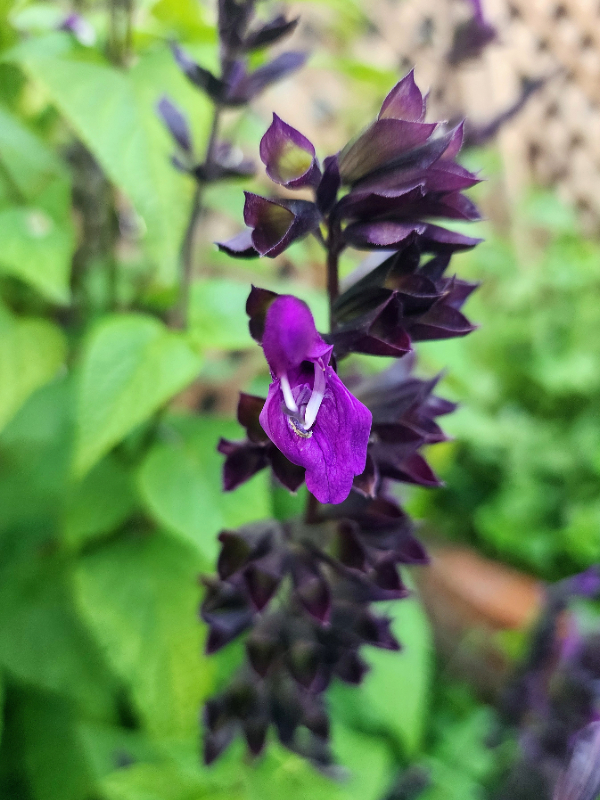
Figure 11. Each of this Fernleaf’s flowers has adapted its shape and colors to attract its pollinators, enticing them to spread its pollen to other Fernleaf flowers.
Calvo also mentioned biosemiotics, the combo of biology and semiotics — investigating how biological processes and information-creating processes interact.
8. Plant Liberation, 181–202
In coming years, we may be able to gain new insights into plants by using MRI and PET technologies on living plants. Meanwhile, the absence of evidence isn’t evidence of the absence of intelligence, awareness, consciousness in plants. As Calvo sees it, plants’ behavior seems too goal-directed and too flexible to be purely the result of genetic adaptations. Given even the possibility that plants are sentient and can suffer, we should behave ethically toward plants, which Calvo calls phytoethics.
The fact that plants produce painkilling and anesthetic biochemicals (e.g., serotonin, adrenaline, melatonin) certainly suggests that they can sense pain. It’s biologically expensive to produce these substances, so plants wouldn’t produce them fruitlessly. Bacteria, fungi, and lichens produce these substances, too. Even unicellular organisms avoid danger and respond to threats and assaults. Amoebae and bacteria can learn to avoid threatening or unpleasant situations.
Calvo made two other interesting observations:
- Plants can differentiate the movements and vibrations caused by wind from those caused by a caterpillar chewing on it.
- “Taking a break from the business of living seems to be one of the essential features of being alive. It gives time to repair damage in cells and reset the system” (p. 195).
9. Green Robots, 203–220
For centuries, we humans have been “extremely astute when it comes to working out how [plants] can benefit us. Without them, human life would be untenable” (p. 207). We’ve almost entirely neglected to try to understand plants from the plant’s perspective.
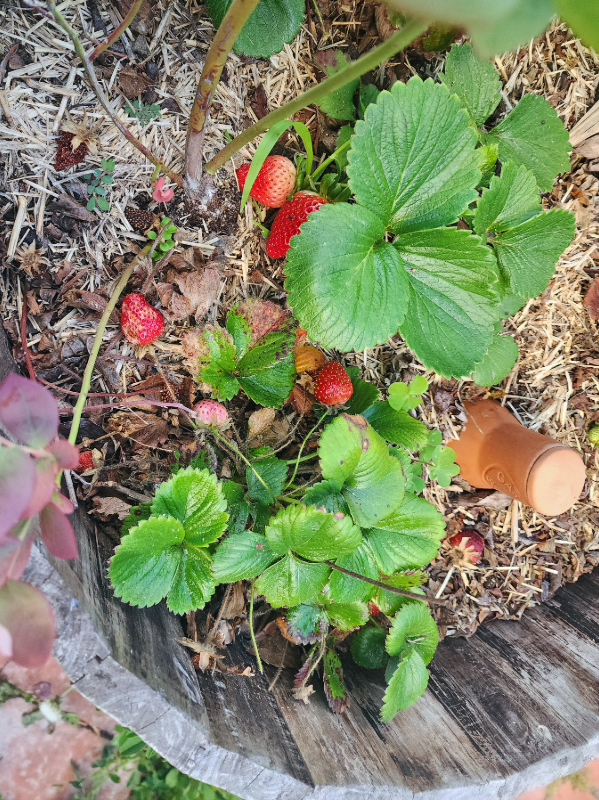
Figure 12. When we look at strawberry plants, the first thing that comes to mind is “YUM!” not “I wonder what the plant is sensing, anticipating, thinking, feeling . . . .”
We’ve been similarly negligent in trying to understand Earth’s ecosystem as a whole, which has had devastating consequences for Earth’s climate and its inhabitants. In addressing the climate crisis, “We might like to think we can plant our way out of climate change, replacing mature forests with flatpack carbon sinks of fast-growing timber, but the evidence suggests that the two are very much not equivalent, as good as the numbers might look in policy documents” (p. 209).
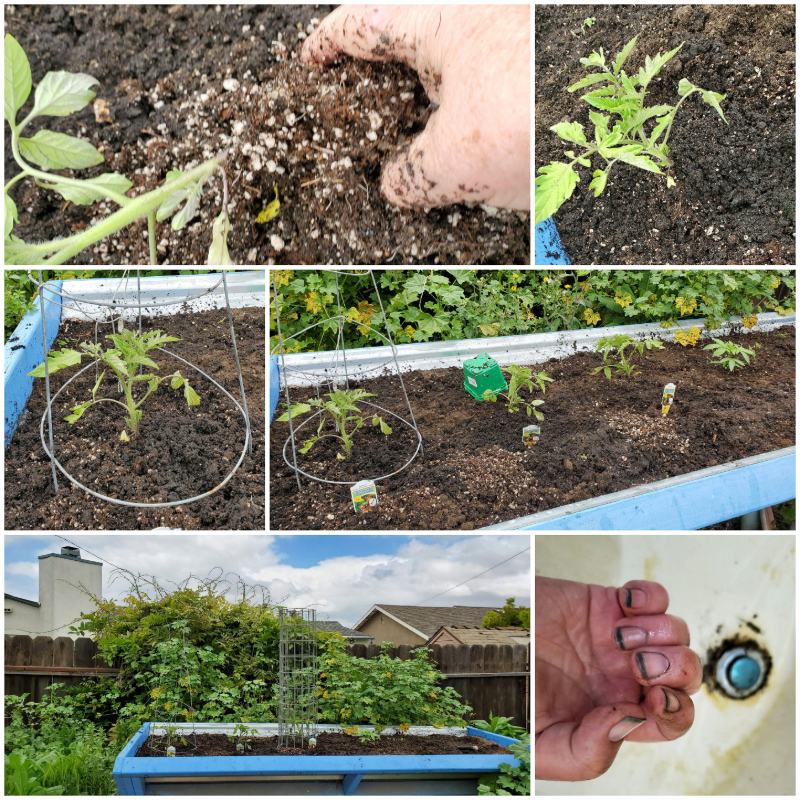
Figure 13. While it’s beneficial for each of us and all of us to plant gardens, trees, flowers, herbs, and so on, we can’t plant our way out of the climate crisis we created with our exploitive, wasteful, and destructive actions. We must find ways to conserve existing old-growth forests, rainforests, savannahs, and other ecosystems, with the wildlife they sustain.
Before our dramatic Anthropocene effects on Earth, “the only other multicellular organisms to create such a dramatic change were plants that took over the terrestrial landscape hundreds of millions of years ago. They transformed Earth’s atmosphere when they began to photosynthesise and trapped carbon dioxide in their tissues, while pumping out oxygen” (p. 209). “Plants . . . are proactive engineers of their environments that we need to work with if we are to undo the changes we have wrought” (emphasis in original, p. 210).
In much of this chapter, Calvo discusses biomimesis, “copying the mechanics of how plants do things and the kinds of materials used to do them, using plants as inspiration the same way we do with animals.” Plants don’t locomote, but they do grow through space, and like animals, they sense, respond to, and interact with their environments.
In closing his final chapter, Calvo points to J. C. Bose, who would anesthetize trees before transplanting them, to minimize their suffering. According to Wikipedia (https://en.wikipedia.org/wiki/Jagadish_Chandra_Bose), Jagadish Chandra Bose was a “polymath with interests in biology, physics, and writing science fiction.” In his day, he was known as a pioneer in many fields, including plant physiology, inventing a means of measuring plant responses to various stimuli.
Epilogue: The Hippocampus-Fattening Farm, 221–224
Throughout his book, Calvo noted many instances in which Charles Darwin had profound insights into plants. In his epilogue, he noted,“So many of Darwin’s ideas have proved to be prescient, despite the fact that he had no access to genetic studies or the kinds of data analyses which are now the bread and butter of biology” (p. 222).
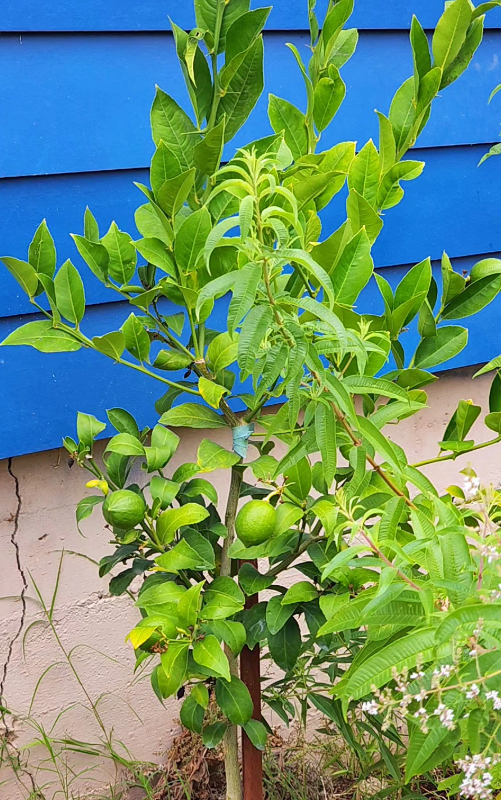
Figure 14. We might wish “to draw on the sapience of plants in order to better comprehend the nature of our own minds” (p. 224).
In the remainder of his epilogue, Calvo urges all of us to be open to new ideas, to think creatively, to explore. He quoted Ken Robinson, “If you’re not prepared to be wrong, you’ll never come up with anything original” (p. 223). One way to do so is to move out of our information silos and to seek perspectives and knowledge from people in other fields, with other viewpoints.
“Science is not a self-contained bubble, it is a human endeavour within the rich fabric of human experience. It is inescapably flawed but also full of endless possibility” (p. 224).
Text and photos by Shari Dorantes Hatch. Copyright © 2025. All rights reserved.

 Bird Brain
Leave a comment