
Contents
Mammals
Primates
More than 100 species of lemurs live in Madagascar; all of them fart and use scents to communicate with one another. Some lemurs’ scent glands are located on various places on their bodies.
Colobus Monkeys are herbivores, eating mostly leaves, flowers, twigs, and unripe fruit. Their digestive tracts are more similar to those of cows than those of other primates. Within this monkey’s big four-chambered stomach, two chambers ferment plant matter, producing lots of CO2 and methane gas.
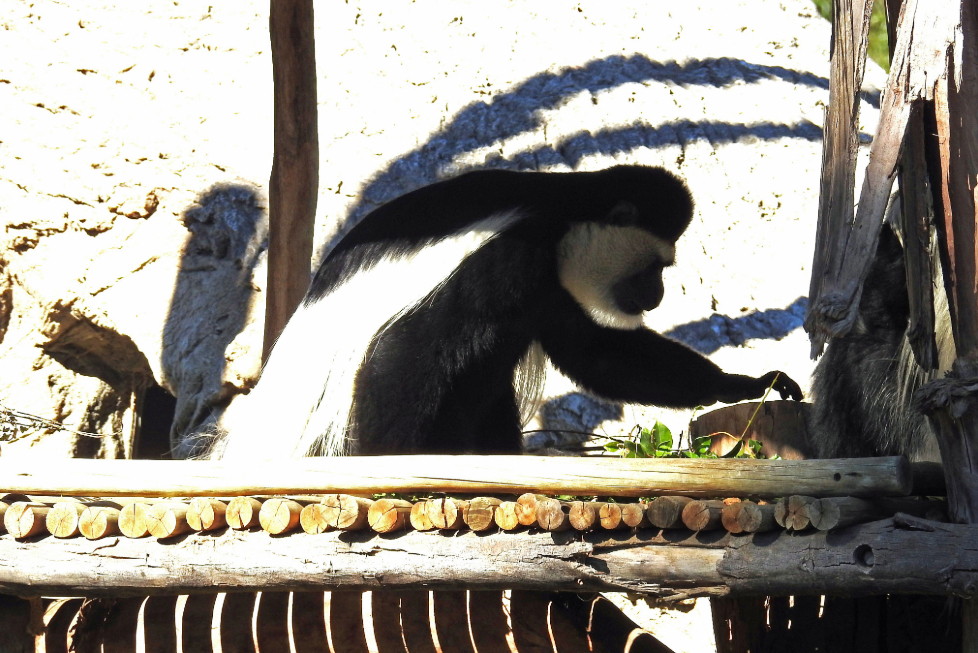
Figure 2. The digestive systems of Colobus Monkeys generate plenty of CO2 and methane gas, which they shamelessly fart and burp often.
When trying to locate a baboon troop, scientists listen for loud farts. Farts not only help in baboon digestion but they also affect interactions within the social hierarchy. For instance, when a subordinate male is fleeing from a dominant one, the underling will fart, poop, and scream.

Figure 3. Baboons fart loudly and sometimes use farts in social interactions.
Like lemurs, gorillas use bodily scent to communicate with other members of their species, especially during threat displays with rivals. In addition, both gorillas and orangutans fart abundantly, powered by their plant-based diet.
Meat Eaters
Cats of all sizes and shapes eat only meat. Meat putrefies during digestion, creating pungent gases. Most cats also eat the bone, cartilage, collagen, and other indigestible bits of their prey; these parts are fermented by microbes in the cat’s intestines. When fermentation byproducts combine with potent putrefaction gases, they create super-stinky farts from cheetahs, leopards, and lions. In addition, male lions scent-mark their territory with both urine and feces. PHEW!
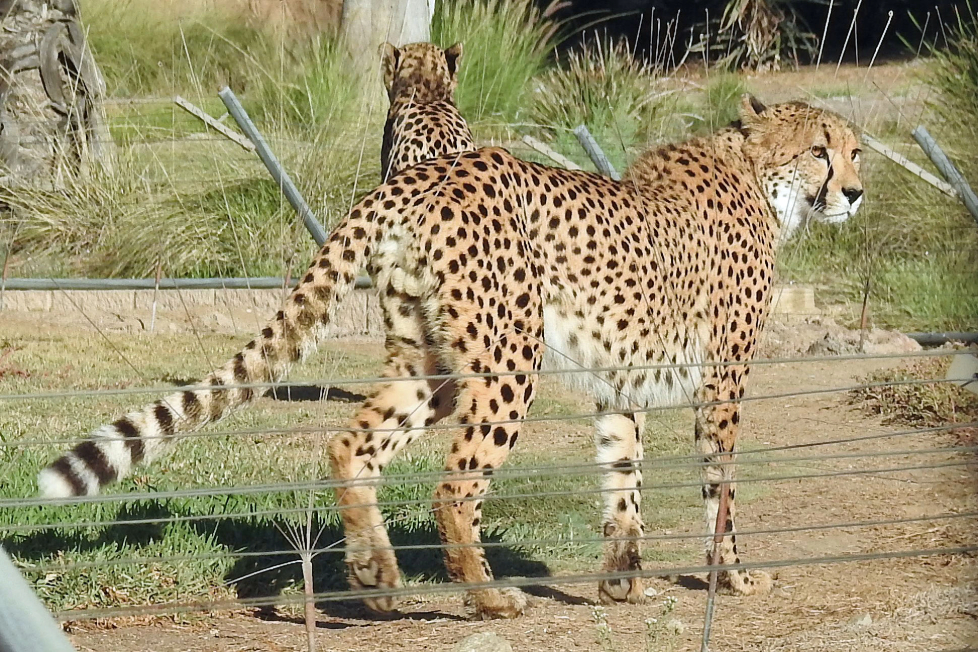
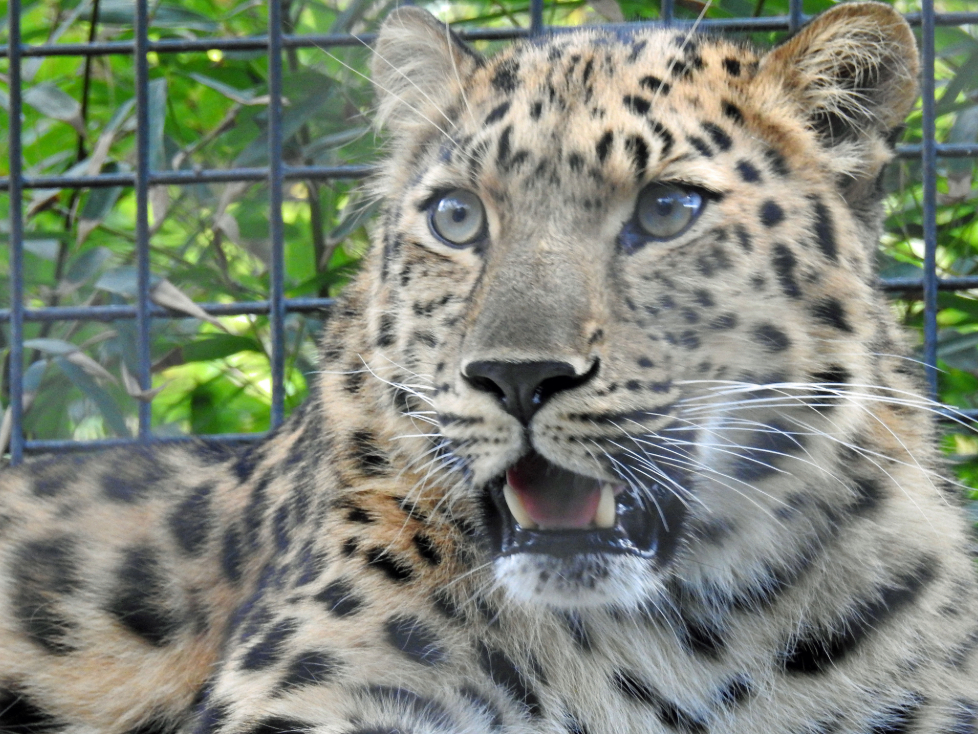
Figures 6 and 7. As meat eaters, cheetahs, leopards, and other cats leave quite a stench whenever they fart.
In addition to true cats, the Feliformia suborder of mammals includes other carnivores, such as hyenas, mongooses (e.g., meerkats), and fossas. Spotted Hyenas eat not only meat, but also bones, innards, and every other part of their prey, so they have robust digestive systems. Digested camel guts seem to make hyena farts especially noxious. Also potent are Mongoose farts, enhanced by their anal scent glands. The stench can be so potent that it lingers indefinitely if it gets on clothing, even after washing. Mongoose farts have been known to drive bees away from their hives, leaving mongooses to eat the honey in peace.
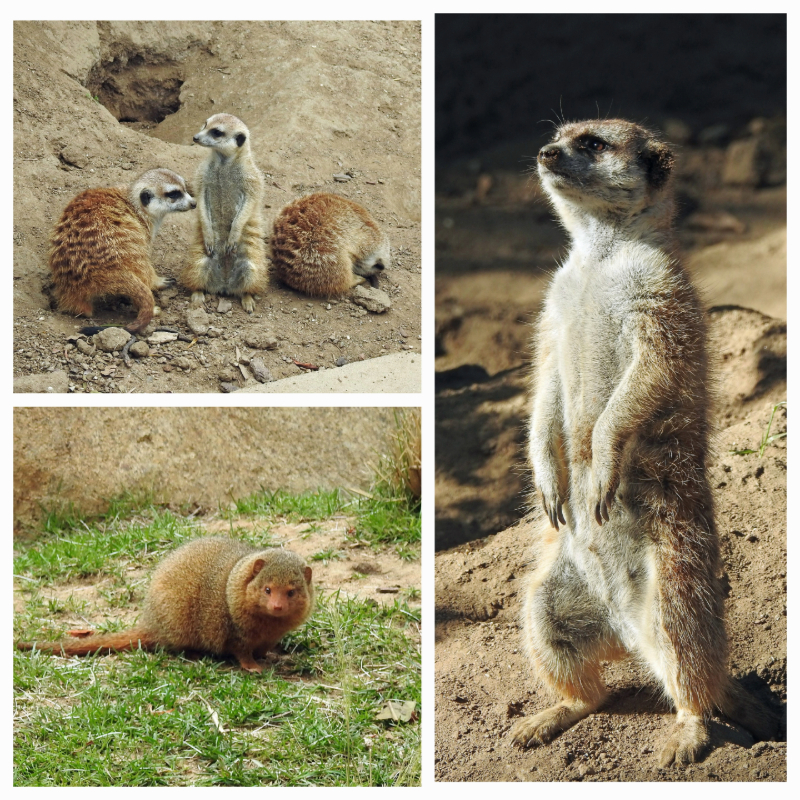
Figure 9. Both Dwarf Mongooses and meerkats are mongooses (not “mongeese”), predators with oversized anal scent glands.
Fossas, too, have fiercely stinky anal scent glands Their farts are so pungent that even a lingering odor can make human eyes tear up.
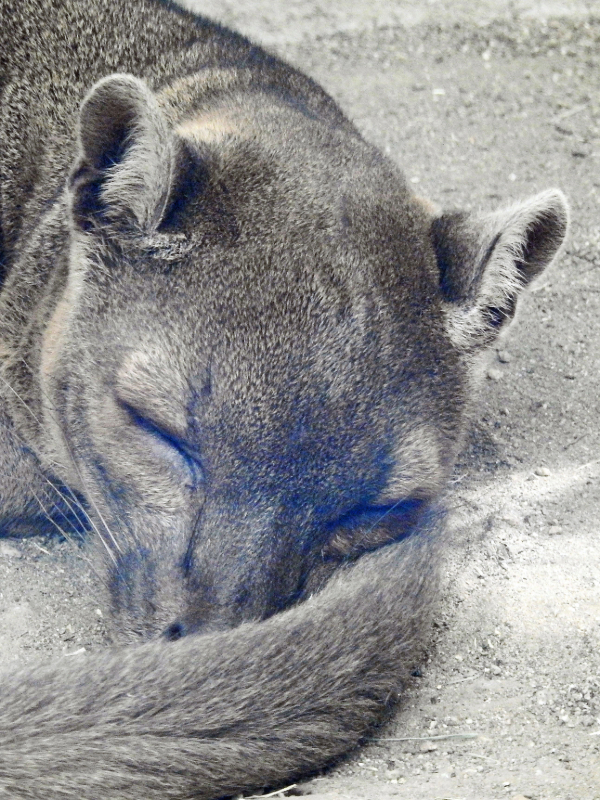
Figure 10. The scientific (Latin) name for fossa is Cryptoprocta ferox, meaning “ferocious hidden anus.” YIKES!
Honey Badgers aren’t closely related to cats, but they are fierce predators, related to wolverines and weasels. They prefer to eat small prey (venomous snakes, amphibians, lizards, birds, eggs, insects), but they’ll also eat plant matter and, of course, honey. To extract honey from an active hive, the badgers use their anal scent glands to target the hive, easily subduing the bees inside. They also use their scent glands to mark territory, and they can intensify their farts with anal scents.
Plant Eaters
Giraffes, hippopotamuses, camelids, pigs, sheep, cattle, antelope, deer, and many other hooved animals digest their food mostly in their stomachs, not their intestines. Giraffes’ huge four-chambered stomachs do most of their food digestion. These ruminants regurgitate partly digested food back into their mouths, to ruminate (chew it) before swallowing the food again. Giraffes prefer easily digestible acacia parts, and their stomachs are densely packed with microorganisms, which quickly and easily digest food. Speedy digestion reduces how much gas they produce, but their relatively few farts do stink—a lot. Luckily, their nostrils are far away from their farts.
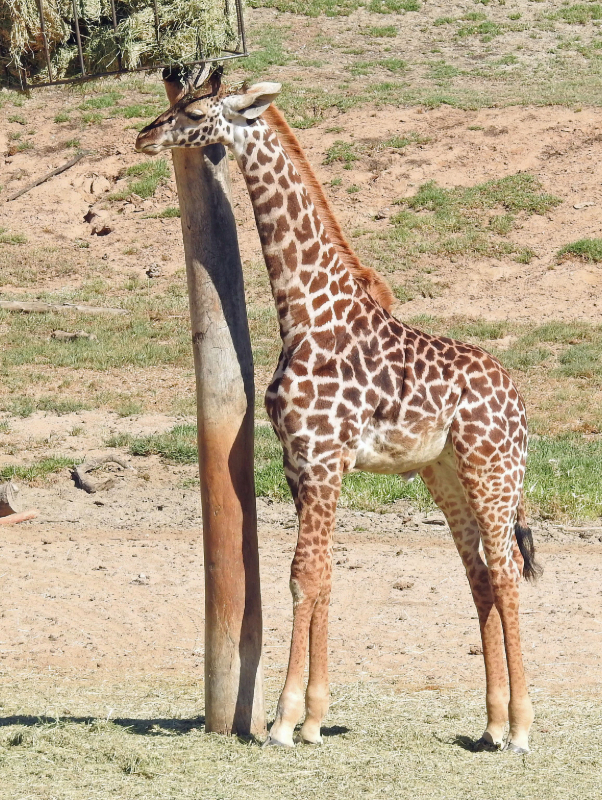
Figure 11. For giraffes, abundant microorganisms fill their stomachs, making digestion quick and easy, so they fart infrequently.
Hippopotamuses are pseudoruminants, having just three chambers in their stomachs. Without a rumen chamber, they don’t regurgitate, ruminate, and re-swallow their food. They eat mostly plant matter, but they occasionally snack on meat. In addition to producing loud, stinky farts, hippopotamuses mark their territory by “muck-spreading,” pooping while flailing their tails, so that they fling poop in all directions—sometimes while farting.
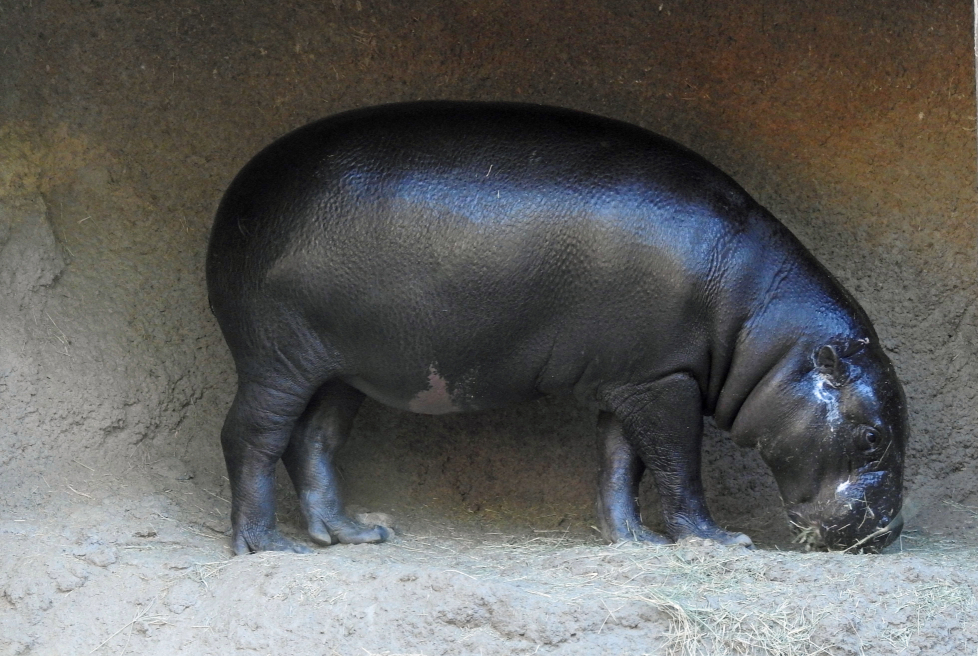
Figure 12. Hippopotamuses not only fart loudly and malodorously, but they also know how to fling their poop with their tails. Watch out at the waterhole! Even Pygmy Hippos such as this one are notorious for flinging their poop! Probably not a good idea to be near any kind of hippo when that happens!
Like hippopotamuses, camelids (e.g., camels, both Bactrian and Dromedary, as well as llamas, guanacos, vicuñas) are pseudoruminants, who don’t ruminate and who digest and ferment their food in their stomachs. Both camels and llamas produce little gas, and they expel most gas as burps, not farts. Camels, compared with ruminants, eat proportionally less and produce less methane gas per pound of body weight.

Figure 13. Camels have supremely adapted to desert living. They eat proportionally less than ruminants, so they produce little methane gas for their size and weight.
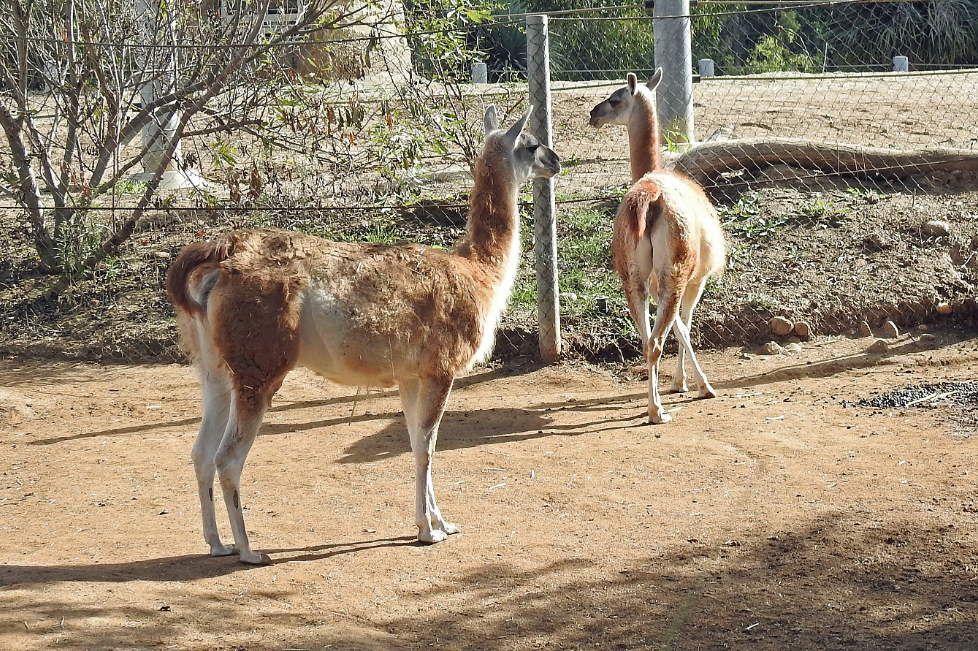
Figure 14. Llamas don’t produce much gas during digestion, but the gas they do emit is in burps, rather than farts.
Several hooved animals don’t have multichambered stomachs for digesting tough plant cellulose. Instead, they digest food mostly in their intestines. These hind-gut fermenters—-horses, zebras, rhinoceroses, tapirs, and others—ferment cellulose in their intestines to digest it. Fermentation produces lots of gas, which has to be released somehow. These farts can be LOUD.

Figure 15. Some observers have reported hearing zebra farts across long distances on a savannah.

Figure 16. As you might imagine, rhinoceros farts are even bigger, louder, and smellier than zebra farts.

Figure 17. Tapirs fart loudly and stinkily, too, but they also help the ecosystem by dispersing fruit seeds wherever they poop.
Warthogs have a simple single-stage stomach and use hind-gut fermentation to digest their food. Their intestines contain such highly dense and diverse microorganisms that they digest plant fiber highly efficiently.
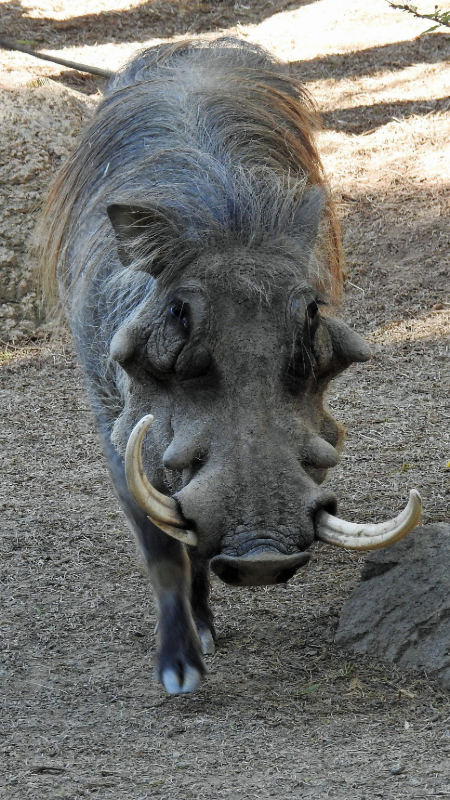
Figure 18. Though they do fart, warthogs produce one fifth as much methane gas as zebras and one twenty-sixth as much as elephants.
Elephants eat mostly plants—high in cellulose, difficult to digest, and relatively low in nutrition. Like other hind-gut fermenters, elephants move food quickly through the stomach to their lengthy microbe-rich intestines. There, fermentation helps break down the cellulose in these tough foods. Though elephants digest food fairly quickly, the sheer volume of food they digest and ferment means they produce lots of stinky gas.
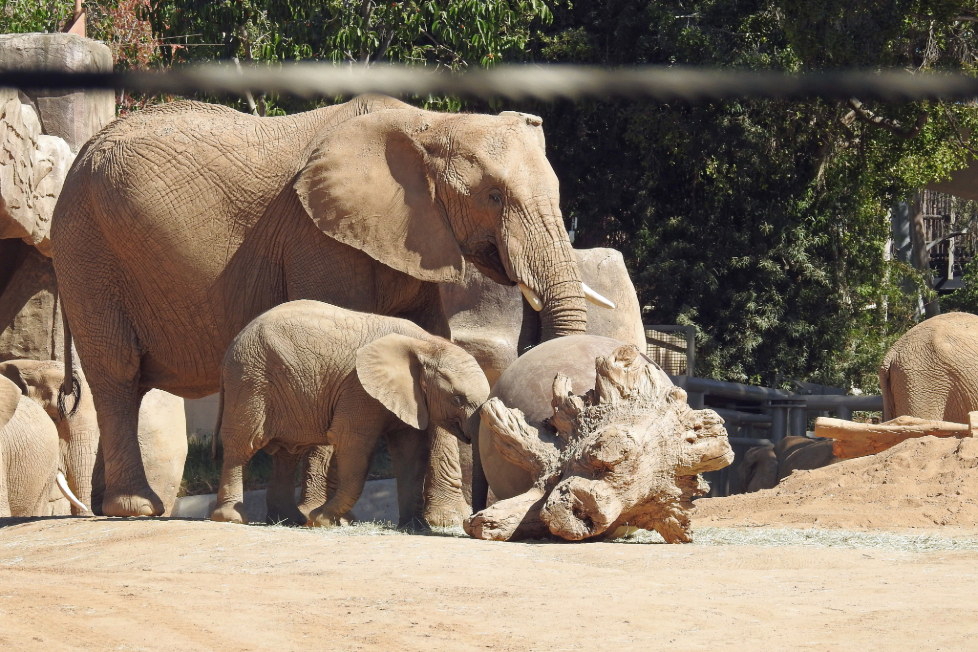
Figure 19. Like other hind-gut fermenters, elephants can eat relatively large amounts of food, so they can grow to larger sizes than other animals.
Closely related to the elephant, the water-dwelling manatee digests aquatic plants using hind-gut fermentation in its huge intestines. The manatee eats only plants growing along the bottom of the water, but it must breathe above the surface of the water. It must rise to the surface frequently (less than 20 minutes between breaths). Luckily, as it digests, it accumulates plenty of digestive gases, which help it rise. To descend again—you guessed it—it farts. Then it eats some more, digests some more, and . . . more gases accumulate.*
The only mammal known not to fart is the Sloth. Sloths eat only leaves, which take days to digest. Typically, a sloth comes down from its treetop home to poop only once every few days. The simple array of microbes in their intestines produce plenty of methane, but these gases are mostly reabsorbed into the intestines, then into the bloodstream, and are exhaled, not farted.

Figure 20. Sloths digest their food so slowly that their intestines reabsorb any gases produced during digestion. They’re the only mammal believed not to fart.
Marsupials
Kangaroos and koalas, both marsupials, eat only plants. Kangaroos aren’t true ruminants, but they sometimes regurgitate their food, vigorously chew it as cud, and re-swallow it. Chewed food then goes to the single-chamber stomach, where it’s digested and fermented quickly, without much time to produce much gas.
Unlike kangaroos, koalas digest food mostly in their 6-foot-long intestines, filled with highly specialized microbes to digest tough, toxic acacia leaves. Koala joeys acquire these distinctive microbes for their own intestines by eating mom’s poop. YUCK!
Birds
Birds can’t fart. Their intestines don’t contain the kinds of bacteria that produce gas, and their digestive systems process food so quickly that gas wouldn’t have a chance to build up.
Reptiles
Different reptiles have differing digestive systems, depending on their diet. Pythons eat prey, so they (silently) produce putrid farts.

Figure 23. Pythons are sneaky. They’re sneaky predators, ambushing their prey, and they’re sneaky farters, producing silent pungent farts.
Iguanas (and perhaps other lizards) fart loudly. When iguanas eat more plants than animal protein, they fart more often. They also fart when they poop. Tortoises eat a plant-based diet, and their hind-gut fermenting digestive system produces plenty of gas.
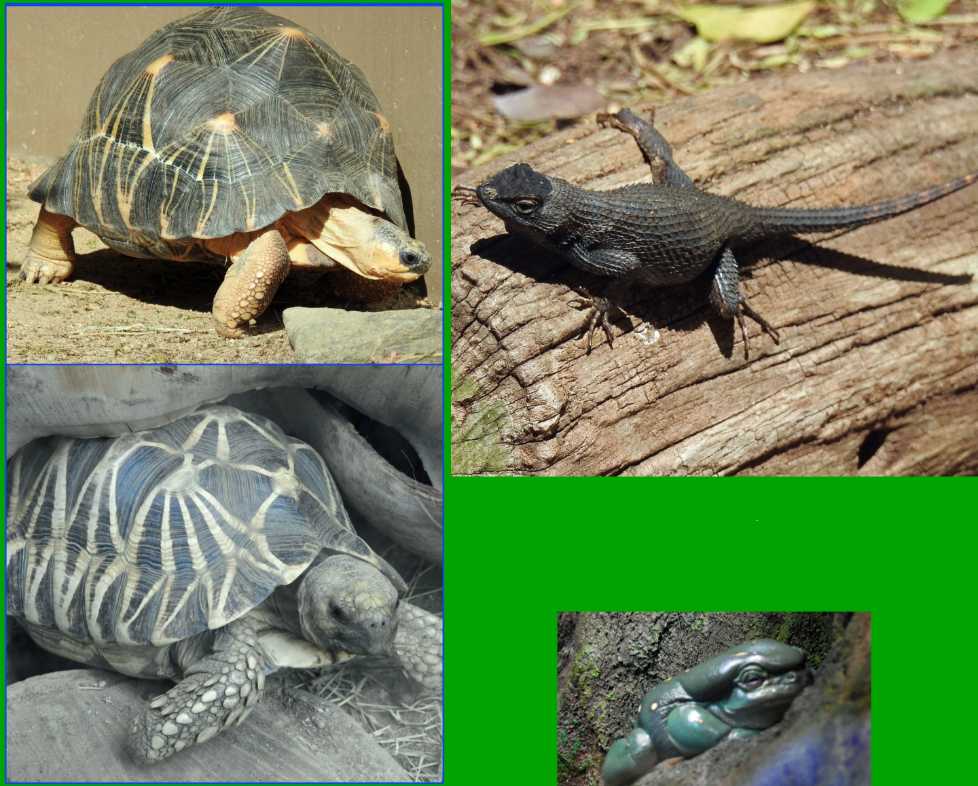
Figure 24. Lizards’ diets differ, so their farts differ, too. Tortoises fart, too, and their plant-based diet produces lots of gas, but it’s not quite so stinky. Frogs and other amphibians have weak sphincter muscles, so if they fart, they do so silently; an amphibian’s urine and feces exit through its cloaca. (Pictured here are three reptiles: Radiated Tortoise, top left; Burmese Star Tortoise, bottom left; Lizard, top right. Also, one amphibian: Splendid Frog, bottom right.)
Amphibians
It seems unlikely that frogs and salamanders fart noisily because their sphincter muscles probably aren’t strong enough to make fart sounds at the cloaca (dual-purpose hole for procreation and defecation). Salamanders do use smelly poop as a defense mechanism, however, pooping on predators who attack them.
Invertebrates
Millipedes fart, and the bigger the millipede, the more it farts. Millipedes aren’t insects, but they are arthropods, which is in the same phylum (major animal group) as insects.
Probably the most notorious insect farters are the Bombardier Beetle (with its fiery farts) and the Beaded Lacewing (which can stun termite prey with its farts). Termites may be the fartiest insects; though each one produces a fraction of a milligram of methane gas each year, there are lots of termites on Earth. Some have calculated that termites alone produce 5–19% of global methane emissions. On the other hand, humans and human activities are responsible for about 63% of Earth’s methane emissions.
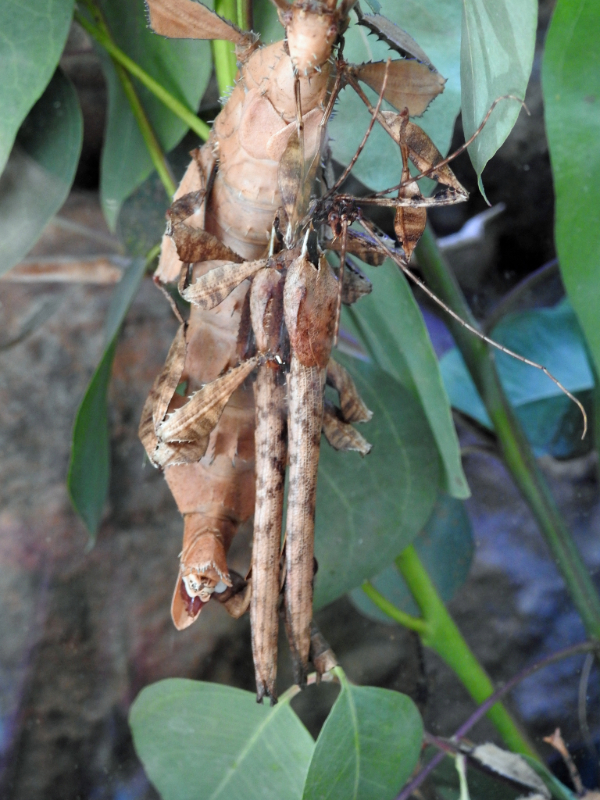
Figure 25. This Stick Insect may be small, but the total weight of all insects on Earth is greater than the total weight of all humans. Collectively, insect farts might be quite loud, and they could yield a whole lot of gas.
Another major group of arthropods is spiders, but no one knows whether spiders fart. They ingest only liquids they suck from their prey, so they might suck in air while doing so. Also, digestive bacteria help to break down their juicy food, and gas is probably produced in the process, but no one has documented spider farts.

Figure 26. No one knows whether this Birdeater Spider farts — or any other spiders, for that matter.
* Thank you, Kat, for telling me about the manatee’s farts. A little extra research revealed many marvels about this amazing mammal.
Dear Readers,
If you have any additional suggestions for fascinating farters, please comment. I welcome your ideas, thoughts, tips, suggestions.
Further Reading
- Caruso, Nick, & Dani Rabaiotti. (2017). Does It Fart? The Definitive Field Guide to Animal Flatulence. New York: Hachette Book Group. (Ethan Kocak, illustrator; 133 pp., including glossary.) Available from the San Diego Public Library (3 copies) and the San Diego Zoo Wildlife Alliance Library (for zoo staff and volunteers).
In addition, Wikipedia was consulted for the following animals:
- Baboon, https://en.wikipedia.org/wiki/Baboon?wprov=sfla1
- Bird, https://en.wikipedia.org/wiki/Bird?wprov=sfla1
- Camel, https://en.wikipedia.org/wiki/Camel
- Cheetah, https://en.wikipedia.org/wiki/Cheetah?wprov=sfla1
- Colobus Monkey, https://en.wikipedia.org/wiki/Black-and-white_colobus?wprov=sfla1
- Elephant, https://en.wikipedia.org/wiki/Elephant?wprov=sfla1
- Fossa, https://en.wikipedia.org/wiki/Fossa_%28animal%29?wprov=sfla1
- Frog, https://en.wikipedia.org/wiki/Frog?wprov=sfla1
- Giraffe, https://en.wikipedia.org/wiki/Giraffe?wprov=sfla1
- Gorilla, https://en.wikipedia.org/wiki/Gorilla?wprov=sfla1
- Hippopotamus, https://en.wikipedia.org/wiki/Hippopotamus?wprov=sfla1
- Insect, https://en.wikipedia.org/wiki/Insect?wprov=sfla1. See also
- Kangaroo, https://en.wikipedia.org/wiki/Kangaroo?wprov=sfla1
- Koala, https://en.wikipedia.org/wiki/Koala?wprov=sfla1
- Lemur, https://en.wikipedia.org/wiki/Lemur?wprov=sfla1
- Leopard, https://en.wikipedia.org/wiki/Leopard?wprov=sfla1
- Lion, https://en.wikipedia.org/wiki/Lion?wprov=sfla1
- Lizard, https://en.wikipedia.org/wiki/Lizard?wprov=sfla1
- Llama, https://en.wikipedia.org/wiki/Llama?wprov=sfla1
- Manatee, https://en.wikipedia.org/wiki/Manatee
- Meerkat, https://en.wikipedia.org/wiki/Meerkat?wprov=sfla1
- Millipede, https://en.wikipedia.org/wiki/Millipede
- Mongoose, https://en.wikipedia.org/wiki/Mongoose?wprov=sfla1
- Orangutan, https://en.wikipedia.org/wiki/Orangutan?wprov=sfla1
- Pygmy Hippo, https://en.wikipedia.org/wiki/Pygmy_hippopotamus?wprov=sfla1
- Rhinoceros, https://en.wikipedia.org/wiki/Rhinoceros?wprov=sfla1
- Sloth, https://en.wikipedia.org/wiki/Sloth?wprov=sfla1
- Spider, https://en.wikipedia.org/wiki/Spider?wprov=sfla1
- Tapir, https://en.wikipedia.org/wiki/Tapir?wprov=sfla1
- Tortoise, https://en.wikipedia.org/wiki/Tortoise?wprov=sfla1
- Warthog, https://en.wikipedia.org/wiki/Warthog?wprov=sfla1
- Zebra, https://en.wikipedia.org/wiki/Zebra?wprov=sfla1
Copyright 2025, Shari Dorantes Hatch. All rights reserved.
 Bird Brain
Leave a comment