
Kitchen Equipment—Basics
In 1982, my family and I moved into a 3-bedroom, 1+ bathroom house. When we were caring for my mom in the late 1980s, we expanded the house, adding another bathroom, a kitchenette, and an extra bedroom and living area.
In 2021, I moved from there into an 8’× 20′ trailer, and in 2023, I moved into my brand-new 10’×30′ grammy flat, which I LOVE!
When I moved, I left a stove (full oven, half-oven, 4 burners, griddle, broiler), slow cookers, large deep-bowl stand mixer with attachments, food processor, blender, various other appliances, and myriad kitchen tools and equipment, as well as a full pantry attached to the kitchen.
Since moving, I have had lots of fun deciding which kitchen tools and appliances are essential and will fit into my drastically scaled-down kitchen.
These are the ones I use often enough to deserve space in my kitchen. You may find I’ve omitted items you deem essential (e.g., no loaf pans, no soup pot, no cookie sheets). Listed here are appliances, tools (including cutters, measurers, miscellaneous), bowls, baking equipment, stovetop equipment, and freezer stuff.
Equipment, Appliances
- small microwave/convection oven
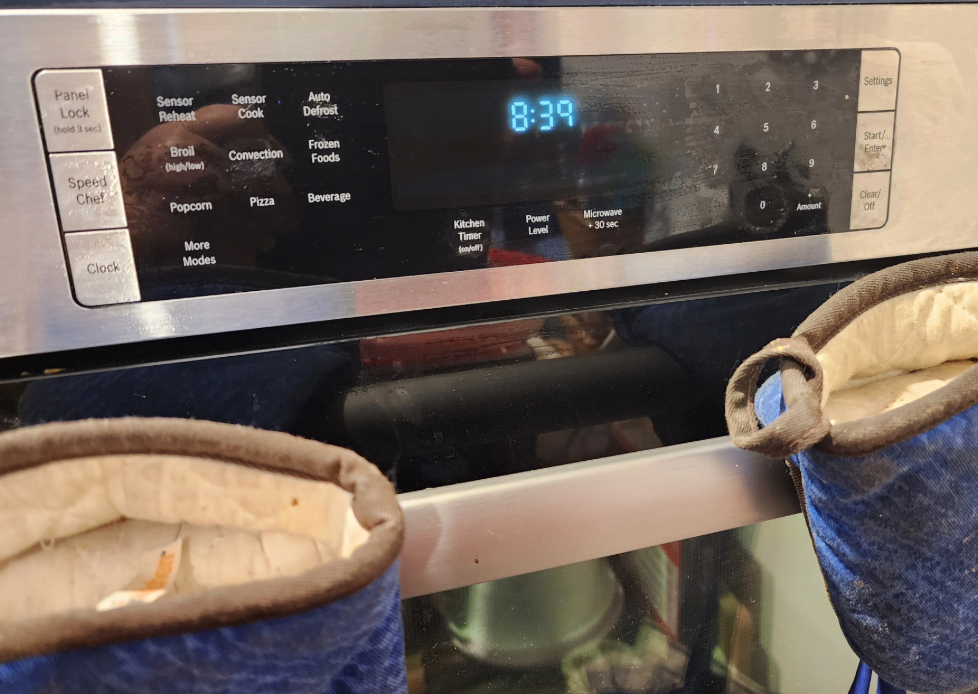
My oven has a rotating bottom for the microwave and a single rack for the convection oven.
- immersion blender (with bowl)
- food processor

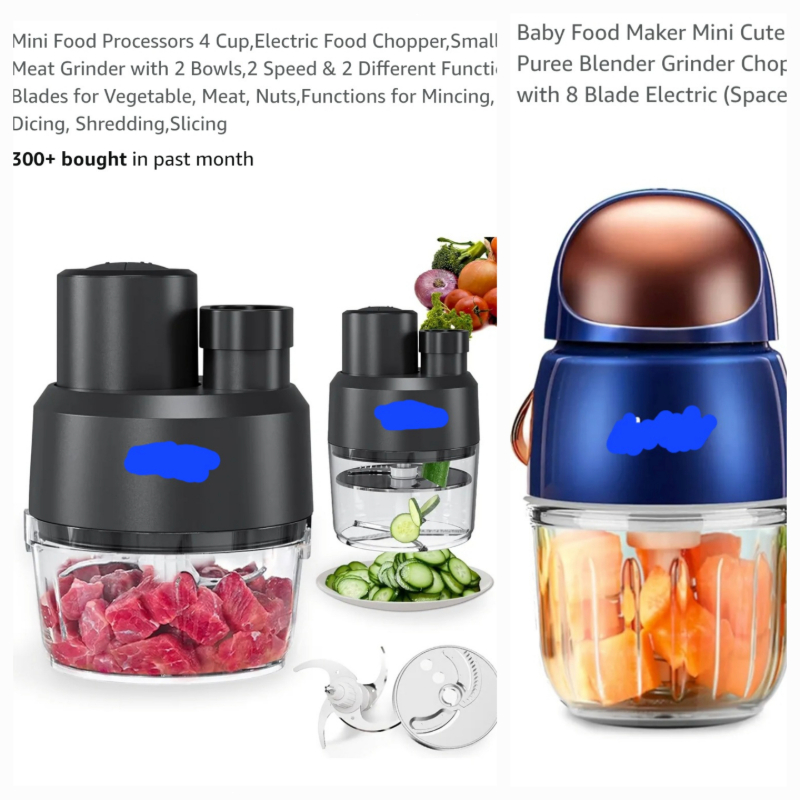
Blenders and food processors can make it easy to grind up stuff, such as nut butters, fruit sauces, desserts.
- mini toaster oven

When I don’t want to heat up the whole house (in summer, + to save energy), a mini toaster oven easily toasts up 1 slice of bread, pizza, etc.
- mini roaster oven

A mini roaster oven is also great for heating up small portions, such as an open-faced sandwich, a chicken breast, a fish filet.
- 12-ounce electric kettle for heating water
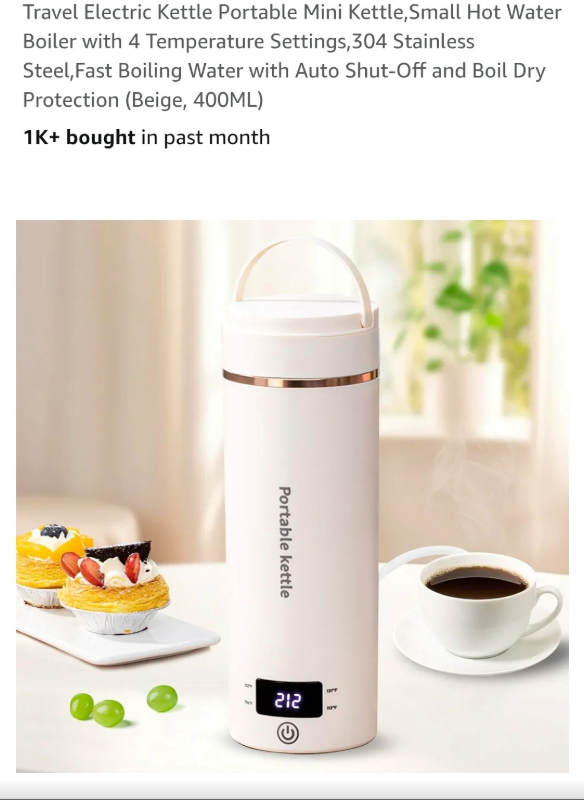
Electric kettles quickly heat up just the right amount of water for a cup of coffee. They can also be used for broths and other liquids, but you’ll have to be careful cleaning them. I prefer to use a big measuring cup (e.g., 16 ounces) for broth, which I heat in the microwave then pour, using its handle and spout.
- burr grinder for coffee beans
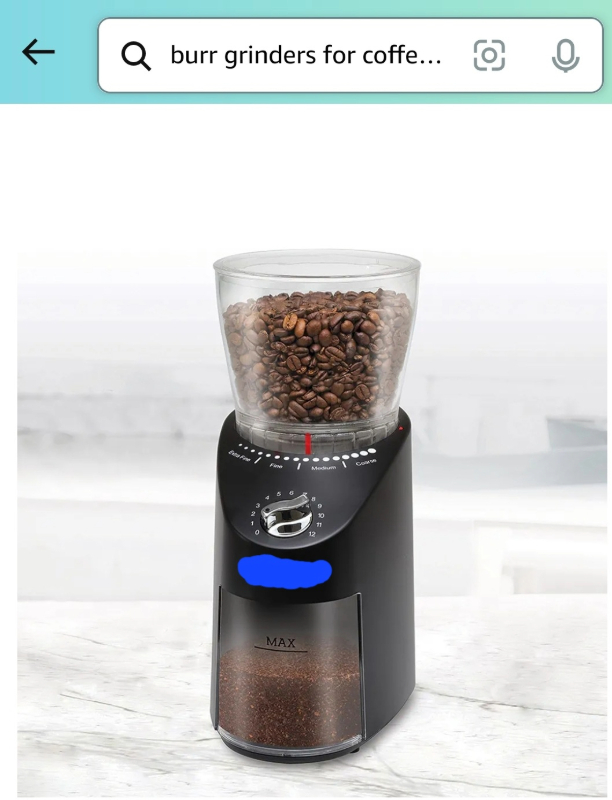
If you enjoy grinding your own beans, please consider an electric (or manual) burr grinder, which grinds beans evenly to make a perfect cup of coffee.
- hand-held mixer
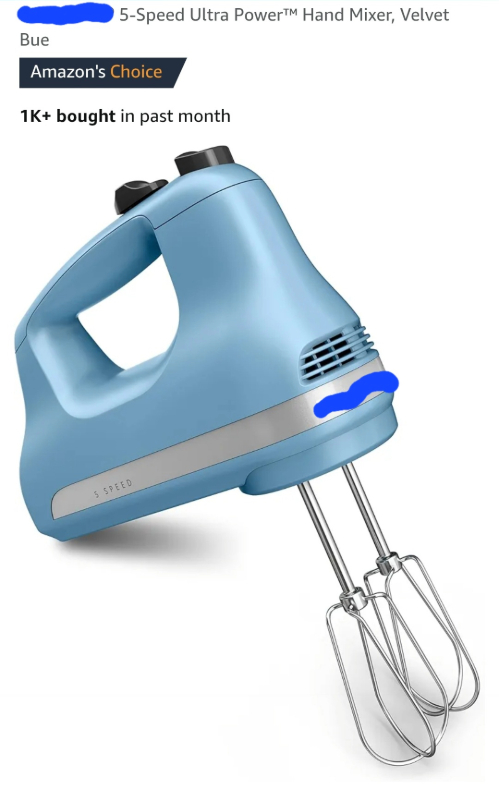
Sometimes, a mixing chore is too challenging for just a whisk or a fork; a hand-held mixer can make light, quick work of this task.
Tools
Cutters
- knife sharpener (electric)
- knife block
I’m not skilled enough to use a sharpening steel, so I use an electric knife sharpener every few weeks, especially for the knives I use the most (not the serrated knives). A knife block keeps knives handy and safe. (I have no wall space for a magnetic knife rack.)
- serrated bread knife
- serrated tomato knife
Serrated knives are perfect for anything that’s soft in the middle but hardish on the outside, such as bread (crust vs. interior), tomatoes (peel vs. interior).
- heavy-duty chef’s knife
- lightweight paring knife
- midsize knife

A sharp heavy-duty chef’s knife can quickly cut or chop almost any food item you want to cut. Hold it in your dominant hand; with your nondominant hand, hold the food, curling your knuckles so that they’re pointing toward the knife blade as you move the food toward the blade.
A paring knife serves so many useful purposes: chopping, slicing, etc.
Sometimes, you need a knife that’s in-between a chef’s knife and a paring knife, for cutting many items at once or for long items. For instance, if you’re slicing a cucumber, cut it in half, and slice both halves simultaneously with your midsize knife, in half the time.
- peeler that fits comfortably in my hand
There are two styles of peeler: a blade that’s an extension of the handle, all in one line; a blade that’s perpendicular to the handle. Sometimes, one is easier to use, sometimes the other is.
- kitchen shears (1 heavy, 1 light)
I use these all the time, such as for snipping fresh herbs or asparagus spears, to use in a veggie scramble. Back in the days when I roasted whole chickens, I would break the joints, then use kitchen shears to snip apart the pieces, to make cooking easier and quicker.
- cutting boards
You need to have multiple cutting boards: 1 nonporous board for meat or fish, which you wash thoroughly in hot soapy water after each use; 1 nonporous board for cheeses and the like; 1 for veggies (e.g., bamboo); 1 for breads (e.g., bamboo or wood). As needed, you can use your veggies board for breads, if it’s not wet at the time you need it.
Measurers
- 32-ounce, 16-ounce, 8-ounce, 4-ounce, 2-ounce, 1-ounce heat-resistant liquid measuring cups
- dry-measure cups: 1/4, 1/3, 1/2, 2/3, 1 cup
- dry-measure spoons: 1/4, 1/3, 1/2, 1 tsp, 1.5 Tbsp, 1 Tbsp
I like having as many measurers as my kitchen drawer will hold; when in the middle of measuring and mixing, it’s nice not to have to stop and wash/dry one.
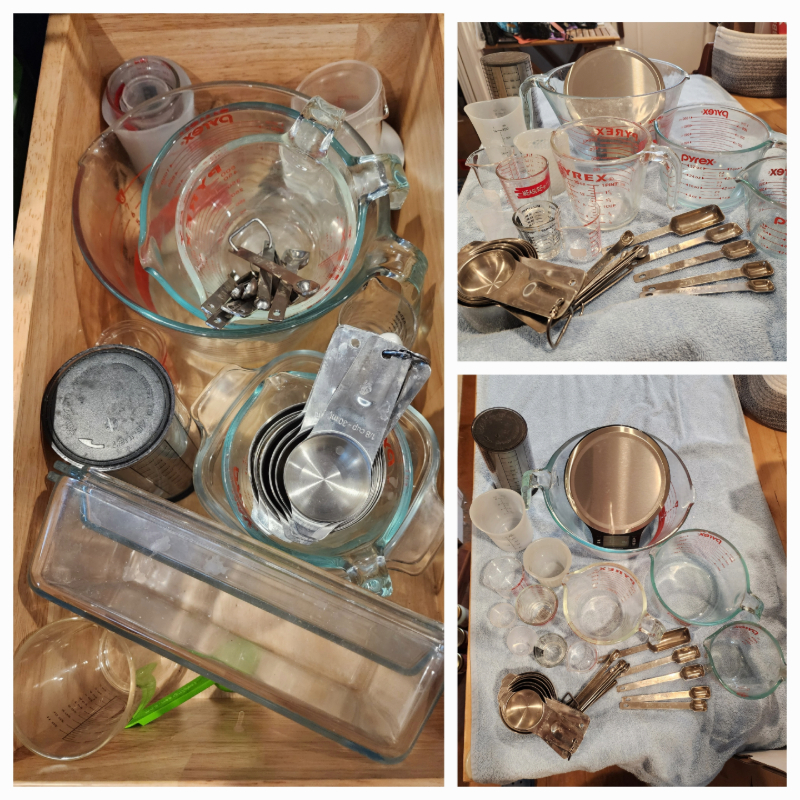
- kitchen scale with a tare function
When baking, it’s crucial to have a kitchen scale because flour and other dry ingredients can be compressed or fluffed up, leading to vastly different measurements. If your scale has a tare function, you can weigh your bowl, then press the “tare” button and add the ingredients. If you don’t have a tare function, you’ll have to calculate the difference yourself.
Miscellaneous
- lemon/citrus juicer
It’s handy to have citrus juicer that has its own bowl, or at least one that can sit atop a container of some sort.
- assorted strainers/sifters
- assorted funnels (wide/narrow mouth, small/large)
Strainers, sifters, and funnels in all sizes and shapes can make it easier to transfer foods from one place to another, to sift lumps from dry ingredients, and to strain liquid (e.g., from cooked spinach).

- tenderizer/pounder
Even if you’re not pounding raw chicken breasts to flatten them to cook them quickly and evenly, having a heavy pounder comes in handy whenever you want to smash stuff.
- metal spatulas (thin/long, thick/short)
- assorted rubbery spatulas

Spatulas: A long/thin metal spatula works great for lifting a fish filet; a thick/short metal spatula works great for lifting heavier foods such as a turkey burger. Rubbery spatulas (usually silicone) make it easy to scrape out the last drop of glop from a bowl or other container.

- metal spoons: ladle, slotted, shallow
- wooden spoons: various sizes and shapes
- assorted whisks and stirrers

Metal ladles, slotted spoons, shallow spoons; wooden spoons (slotted and unslotted, pointed and rounded); assorted whisks, mixers, and stirrers make it easy to stir and to serve foods you prepare.
- sturdy ice-cream scoop
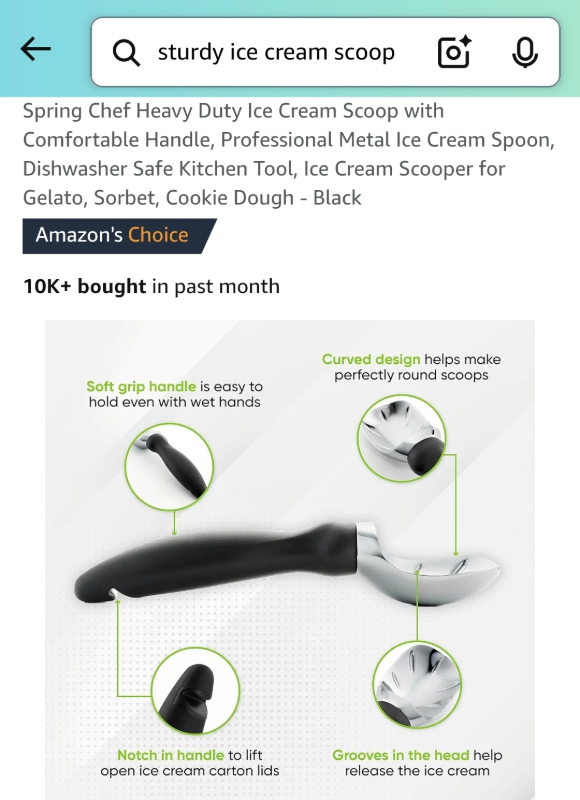
If you enjoy ice cream or other dense frozen foods, having a sturdy scoop is essential to saving your hand, your arm, your shoulder, and your sanity.
- can opener
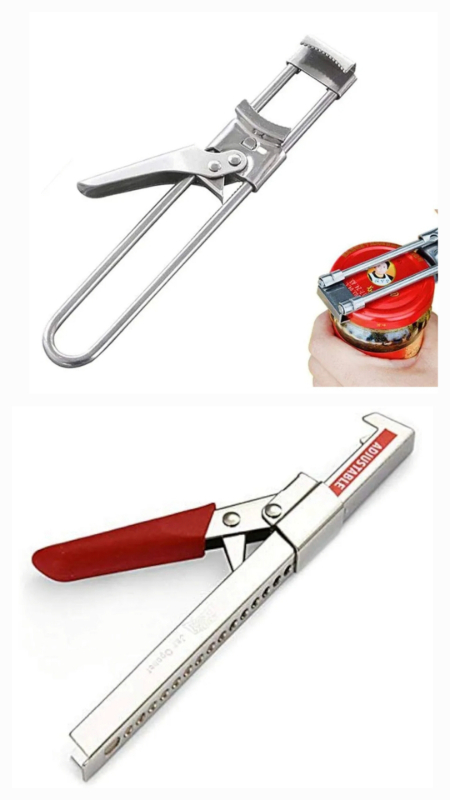
- jar openers

While you may already have a good can opener, consider getting the kind that opens the can so that there’s no sharp edge after you open the can. Your hands (and your pets) will thank you.
It’s nice to be able to use leverage when opening jars. Sometimes, slamming the lid down on a hard surface just doesn’t loosen the lid enough.
Bowls and other containers for mixing and heating
- set of glass nesting bowls from tiny to huge
- lightweight salad bowl

A set of numerous nesting bowls take up no more room than a single large bowl, and sometimes it’s nice to have a few bowls available. It’s also nice to have a big lightweight (metal?) bowl for salads and other cold foods.
- Shallow wide dishes
- microwaveable shallow ceramic bowls
- glass/ceramic pie pans
Microwave ovens are most effective at heating the outer 1″ of whatever is in the oven. If you have shallow bowls, most of your food is in that outer 1″; with deep bowls, lots of the food isn’t reached, so you must repeatedly remove the bowl, stir the food, and return the bowl. Before I bought some lovely shallow ceramic bowls, I used pie plates for heating foods in the microwave oven.
Baking
- assorted roasting pans

A large roasting pan works just as well as a cookie sheet for many purposes. If you also have a midsized and a small roasting pan, you can roast most things easily.
- small baking tins (5–6)

- muffin tin
- mini muffin tin

When cooking for 1 (or for 1 + a guest or 2 or 3), small baking tins and muffin tins are great for creating the portion sizes you want. If I bake cornbread or gingerbread, I do so in small tins, eat one when it’s warm, cool one to eat later, and freeze the rest as soon as they’re cool enough to do so. Then I have a lovely treat available whenever I want it, simply by thawing it at room temperature or perhaps also heating it in my mini-oven.
- cooling rack
Though you can make do without it, using trivets, a cooling rack is handy for holding hot muffin tins and other items.
- assorted baking dishes (small, medium)
Glass or ceramic casserole dishes, with glass/ceramic lids or with freezer-ready lids, make it easy to prepare food, eat some, and freeze some for later.
Stovetop
I have two burners, 1 large, 1 small, and I find that I rarely use them. Nonetheless, it’s handy to have them for those times I do need them.
- 2 iron skillets (small, large; 1 large lid)
- assorted pots (small, medium, large-ish) with lids
You probably know what you like in the way of skillets and pots. I prefer iron skillets, but you may prefer a different kind; at least one small and one large will serve most purposes; a lid for the large one is handy, but any lid or cover will do. I recommend stainless steel for your pots, but you may prefer something else; whatever the material, having lids that fit your pots makes them more useful.
Freezer
- storage organizers, e.g., drawers, shelves (optional)
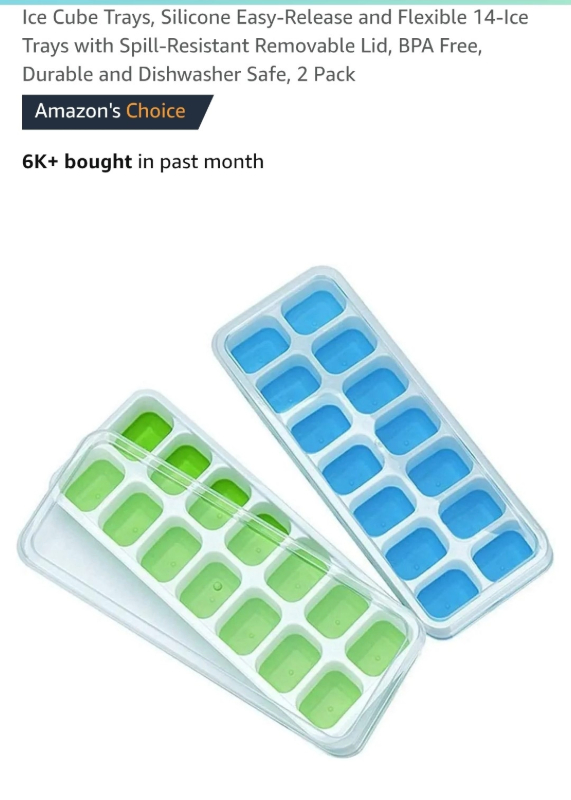
- ice-cube trays
I have fiddled around with freezer storage drawers and shelves. Sometimes they help tremendously, and sometimes they don’t. You’ll figure out what works best for you.
I always have at least 2 ice-cube trays, which I use for freezing lemon juice, broths, and any other liquid I want to save for later. Once the cubes are frozen, I remove them and put them into a freezer baggie then return them to the freezer and wash the trays. I prefer easy-to-clean trays that make it easy to push out the cubes; if the trays have lids, it’s easier to store them in a freezer that’s jam-packed and requires finagling to fit in the trays.
 Bird Brain
Leave a comment